
Review · TOKYO GARDEN TOURS
Tokyo: Hama-rikyu Gardens tour with Japanese Tea & Sweets
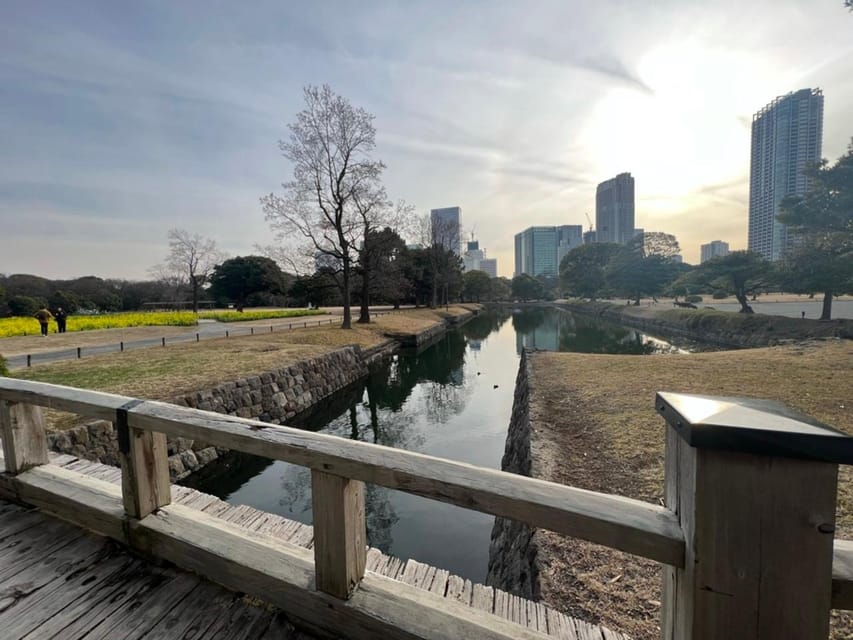
Hama-rikyu Gardens gives you two very different Tokyo pleasures in one compact outing: a guided walk through an Edo-period garden and a quiet cup of matcha beside the scenery. The tea is not an afterthought. It makes up about an hour of this 90-minute experience, giving you time to slow down and notice the garden rather than simply photograph it.
I like the small group limit of four, which should make it easier to ask questions and hear the guide’s explanations. I also like the clear mix of nature and culture: you learn why the garden was designed as it was, then taste matcha and Japanese sweets in a tea room. The main consideration is the price, $85 per person, which is fair for personal guiding and tea but high if you only want a short garden walk.
Key points to know before booking
- Two-part experience: Expect roughly 30 minutes of guided garden touring followed by about an hour in the tea ceremony room.
- Edo-period setting: Hama-rikyu Gardens offers historical design, seasonal plants, a dry garden, and a circular strolling garden.
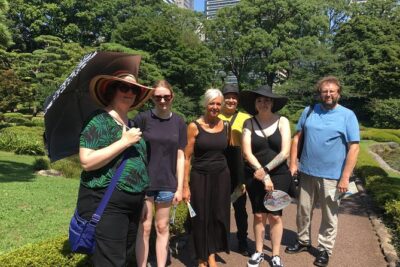
- Very small group: A maximum of four participants allows for a more personal English-language tour.
- Tea and sweets included: Matcha green tea and Japanese sweets are part of the $85 price.
- Useful Tokyo finish: The activity begins at or near Otemon Bridge and ends at Shiodome Station, depending on the option booked.
- Wear walking shoes: This is a walking tour through garden grounds, not a seated cultural demonstration from start to finish.
Why Hama-rikyu Gardens makes a good Tokyo break
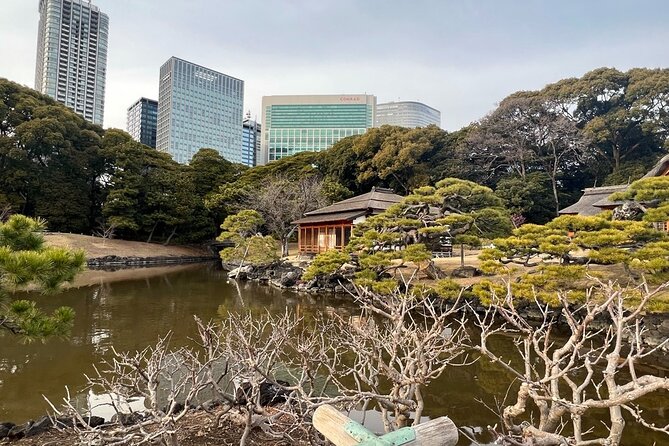
Tokyo can fill your day with tall buildings, crowded stations, and bright shopfronts. Hama-rikyu Gardens gives you a slower hour and a half without asking you to leave the city center behind. The garden’s appeal comes from the contrast: carefully arranged trees, ponds, paths, and traditional features sit within modern Tokyo.
The garden began in the Edo period, when Japanese garden design was closely tied to status, leisure, and careful control of views. You are not simply walking through open greenery. The placement of paths, plants, water, and garden features is part of the experience.
That is where the guide adds real value. Without explanation, you may see an attractive Japanese garden. With an explanation, you can begin to understand why one section feels dry and spare, while another is designed for a longer circuit through changing views.
The tour focuses on two important design ideas. Karesansui, or dry-garden design, uses elements such as stone and carefully arranged ground surfaces instead of relying on flowing water. Kaiyushiki design is a circular garden style, intended to reveal different views as you walk around it.
You do not need prior knowledge of Japanese gardens to enjoy this. In fact, this tour is best suited to curious first-time visitors who want a guide to explain what their eyes are seeing. The information can turn a pleasant walk into a more meaningful look at Japanese aesthetics.
Dessert tours around Tokyo:
- Tokyo: Hama-rikyu Gardens tour with Japanese Tea & Sweets
★ 5.0 · 3 reviews - Princeville Botanical Gardens Tour and Chocolate Tasting Ticket
★ 5.0 · 774 reviews - Grenada Spice Gardens, Rum & Chocolate Tour (Full/Half Day)
★ 4.5 · 94 reviews
Meeting at Otemon Bridge and finding your bearings
The listed starting point is Otemon Bridge, though the exact meeting point can vary with the option you book. Check your booking details carefully before setting out, especially in a city where a small difference between a station exit and a bridge can cost you valuable time.
Otemon Bridge is a fitting entrance because it brings you into the garden through a historic-feeling threshold rather than dropping you in the middle of the grounds. Your guide should meet you there and lead the group into the tour.
The experience is conducted in English. Past guide names connected with the activity include Hiro, Ayaku, and Mr. Ito. Their approach, based on the available descriptions, leans toward explaining Japanese history and garden design rather than rushing you from one photo stop to another.
The group size matters here. With no more than four participants, you can ask why a feature was placed in a certain spot, request a clearer explanation, or pause briefly for a photograph without dealing with a large tour crowd. That kind of attention is difficult to provide on a standard group walk.
Thirty minutes among Edo-period garden design
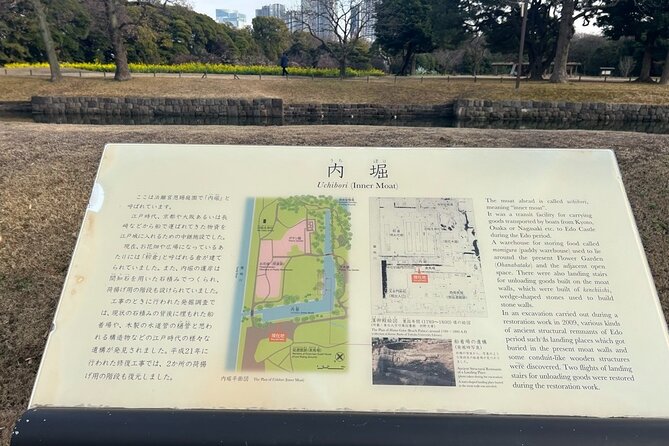
The guided portion lasts about 30 minutes. That is not long enough to examine every corner of a large garden at leisure, so think of it as a focused introduction rather than an exhaustive visit.
You will be shown the main points connected with the garden’s background and design. The guide explains its Edo-period origins and draws your attention to the Karesansui dry garden and the Kaiyushiki circular garden.
The dry garden is especially useful for understanding the difference between simply looking at a garden and reading one. Its arrangement is meant to suggest ideas through form, spacing, and restraint. A guide can point out details you might otherwise pass without noticing.
The circular garden offers a different experience. Instead of presenting one fixed view, this style rewards movement. As you follow the route, the scene changes. A tree, pond, or carefully framed opening may appear differently from the next section of path.
I like this part because it gives structure to your walk. You are not just told to admire the garden. You learn what to look for, then have a better chance of recognizing the principles behind the design.
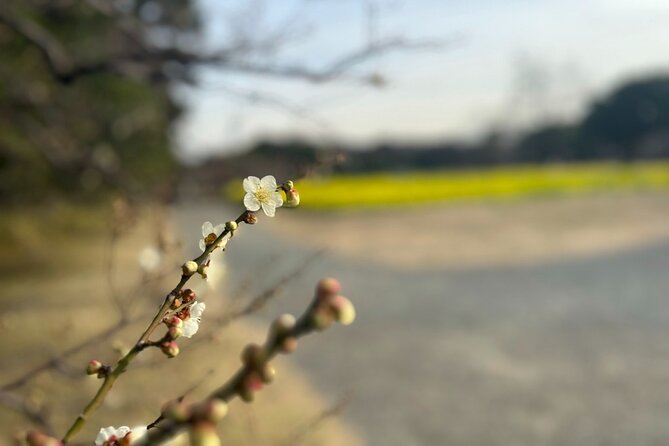
Seasonal change is another important part of the setting. Plants and trees look different throughout the year, and one Canadian participant specifically hoped to return in spring to see the flowers. That is a useful reminder that the garden is not a one-season attraction.
If you visit in another month, you should not expect the same colors or floral display. The garden’s value is broader than peak blossoms, but your experience will naturally depend on the season and the condition of the plants on the day.
The 30-minute walk may feel brief if you love gardens and want plenty of independent time. On the other hand, the limited length suits a packed Tokyo schedule. You get an informed introduction without spending half a day on one stop.
Matcha, wagashi, and an hour in the tea room
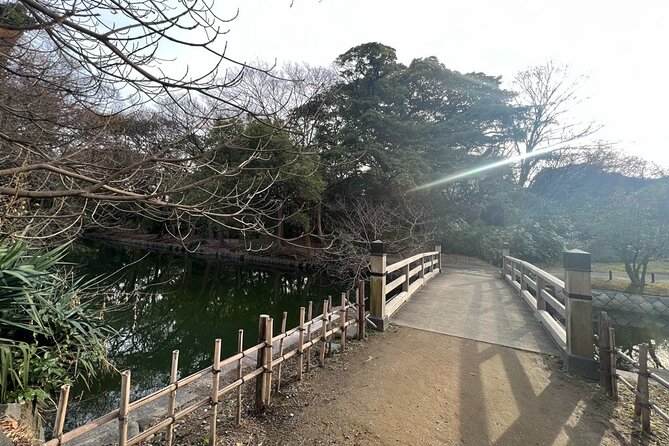
After the garden walk, the focus shifts to the tea ceremony room. Matcha green tea and Japanese sweets are included in the cost, so you do not need to budget separately for the tasting.
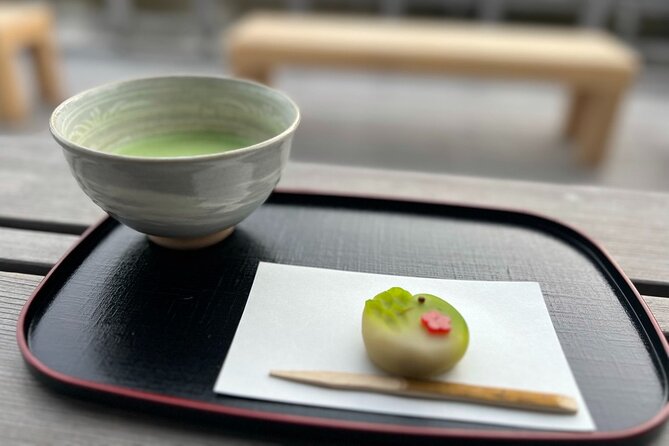
This is a simple but important part of the activity. Matcha has a strong, grassy flavor that differs from the sweet matcha drinks often sold in cafés. The Japanese sweets, known as wagashi, provide a contrasting sweetness and help make the tea experience feel complete.
The activity gives you about an hour for this tea portion. That is generous compared with a quick cup served during a busy sightseeing stop. You have time to sit, look back at the garden, and ask questions about Japanese tea and sweets.
The tea room also changes the rhythm of the tour. The first section asks you to walk, observe, and listen. The second invites you to pause. I like that balance because Japanese garden culture is not only about visual design. It also involves pace, attention, and the setting in which tea is enjoyed.
The description does not promise a formal lesson in every movement of a traditional tea ceremony, so book this for a guided matcha and sweets experience in a tea room rather than for a full ceremonial training session. You will get the cultural setting and the taste of matcha, but the precise presentation may depend on the guide and the day.
The tea has received particular praise from people who already enjoy matcha. One person singled out the tea and wagashi as an unforgettable part of the visit, while another appreciated the combination of nature, culture, and matcha. If that combination appeals to you, this portion is a strong reason to choose the tour.
More Garden Tours in Tokyo:
- Imperial Palace East Garden and Edo Castle Walking Tour in Tokyo
★ 5.0 · 510 reviews - Tokyo: Imperial Palace East Gardens Walking Tour
★ 4.8 · 353 reviews - Mt. Fuji, Cherry Blossom & Shiba Sakura Pvt. Day Tour
★ 5.0 · 326 reviews - Tokyo: Edo Castle & East Garden of the Imperial Palace Tour
★ 4.7 · 112 reviews
What the $85 price really covers
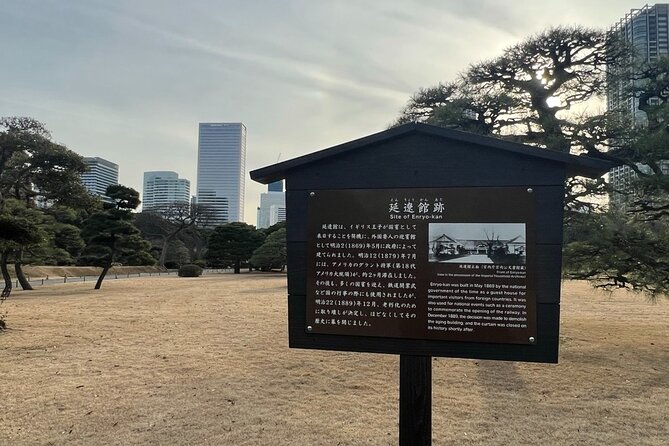
At $85 per person, this is not the cheapest way to see Hama-rikyu Gardens. You are paying for more than entry-level sightseeing: an English-speaking guide, a very small group capped at four, a focused explanation of Japanese garden design, and matcha with Japanese sweets.
The value depends on how you normally travel. If you prefer to wander alone and read signs at your own pace, you may find the price steep for a 90-minute activity. You could get more freedom by visiting the garden independently, though you would lose the direct explanations and organized tea experience.
If you want context, the price makes more sense. The guide helps connect the garden’s Edo-period origins with the dry and circular garden styles. The small group also gives you a better chance of receiving personal attention than you would on a large coach tour.
The tea is included, which keeps the cost easier to judge. You are not paying $85 for a walk and then discovering that the matcha costs extra. Still, I would choose this for the combination of guiding and tea, not for either part alone.
The activity is also short enough to fit around other Tokyo plans. It begins at Otemon Bridge and ends at Shiodome Station, according to the available route details. That makes it practical if you are planning other sights in the same part of the city, but confirm the exact meeting and drop-off options before booking.
The practical side of a 90-minute walking tour
Wear comfortable walking shoes. Even though the tea portion is seated, the first part takes place on garden paths, and you should be ready to walk outdoors.
The tour is offered with a live English-speaking guide. The language arrangement is simple, which is useful if you want explanations in English rather than relying on written information or a translation app.
The group limit of four is one of the strongest practical features. It suits solo visitors, couples, friends, and small family groups who want a quieter experience. If you are booking for more than four people, check how the provider handles the reservation rather than assuming everyone will be in one group.
The activity takes place outdoors before moving into the tea room. Your enjoyment of the garden section may vary with the season and weather, since the plants and trees change through the year. The supplied information does not provide a special weather plan, so keep the outdoor nature of the first 30 minutes in mind.
You can cancel up to 24 hours before the activity for a full refund, and the reserve-now, pay-later option lets you hold a place without paying immediately. Those terms are useful when your Tokyo schedule is still shifting, though you should check the final conditions attached to your selected option.
Who will enjoy this experience most
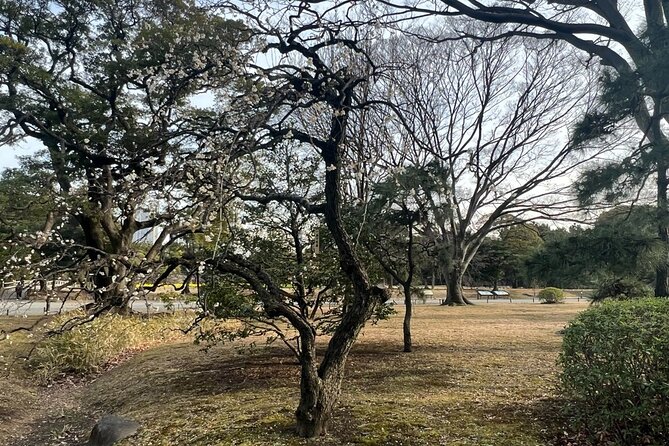
I would recommend this tour to anyone who wants a gentle introduction to Japanese garden culture rather than a fast photo stop. It is especially well suited to first-time visitors who want someone to explain the meaning behind the design.
It also fits matcha fans. The tea is not an optional add-on, and the sweets give you a proper cultural pause after the walk. If you already know you enjoy matcha-flavored drinks or desserts, you will probably find the tea portion more rewarding than someone who dislikes green tea.
History-minded visitors should appreciate the Edo-period background. The guide’s role is not limited to naming plants. You can expect explanations about how the garden was designed and why its main sections look different.
This is also a good choice for people who prefer personal guiding. Guides such as Hiro, Ayaku, and Mr. Ito have been described as warm, patient, and keen to explain Japanese history. The four-person limit supports that style.
You may want to skip it if your priority is a long, independent garden visit. Thirty minutes of guided walking leaves limited time for a relaxed solo exploration before the tea begins. You may also find $85 too much if matcha and guided cultural context do not matter to you.
Should you book Hama-rikyu Gardens with tea?
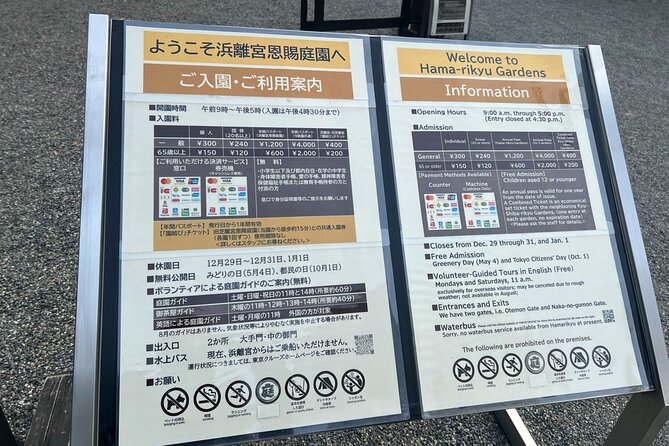
Book it if you want a compact cultural experience that combines an Edo-period garden, clear English explanations, and matcha with Japanese sweets. The small group is the key advantage, and the garden walk is made more useful by learning how the dry and circular designs work.
Skip it if you only want to enter the garden and roam freely, or if you are looking for a long formal tea ceremony. For the right visitor, though, the tour offers a pleasant balance: a short history lesson, seasonal nature, and a calm hour with tea. At $85, it is best viewed as a personal guided experience, not a basic garden admission ticket.
FAQ
How long does the Hama-rikyu Gardens experience last?
The activity lasts 90 minutes. About 30 minutes are devoted to the guided garden tour, followed by about one hour for the tea ceremony experience.
What is included in the price?
The $85 price includes the tour guide, matcha green tea, and Japanese sweets.
Is the tour conducted in English?
Yes. The activity has a live English-speaking guide, and English is the listed tour language.
How many people can join the group?
The experience is limited to four participants, making it a small-group tour.
Where does the tour begin and end?
The listed starting location is Otemon Bridge, though the exact meeting point can vary by booking option. The listed drop-off location is Shiodome Station.
Should I wear walking shoes?
Yes. Comfortable walking shoes are recommended because the experience includes a guided walk through the garden before the tea portion.
Just added around Tokyo
- TOKYO: Tailored Gardens tour with Pro Gardener by E-bike -BASIC★ 5.0 · 2 reviews
- Tsukiji Food Strolling and Hama Rikyu Garden Walking Tour★ 5.0 · 7 reviews
- Tokyo: Serene Sakura & Sake: An Exclusive Brewery Pairing Lunch★ 5.0 · 2 reviews
- Tokyo Cherry Blossom Half Day Walking Tour with a Local Guide★ 3.5 · 4 reviews
- Cherry Blossom Highlights, Asakusa, Ueno, Imperial Palace Garden★ 4.5 · 4 reviews
- Tokyo: Kimono Experience inside Shinjuku Gyoen National Garden★ 5.0 · 3 reviews
- Sumida Riverside Walk: Garden &Temple Ritual (4 Meeting Points)★ 5.0 · 5 reviews
- Full Guided Mt. Fuji & Shiba-Sakura Festival One Day Pvt.Tour★ 5.0 · 6 reviews
Tokyo Garden Tours, compared.


Edo Castle & East Garden of the Imperial Palace Tour
Read our review →
Tokyo Private Tour! Edo Castle & Imperial Palace East Gardens
Read our review →
Tsukiji Market and Hama-rikyu Gardens Guided Tour
Read our review →
Pvt. Tour – Edo Castle & Imperial Palace East Gardens
Read our review →
Kimono Rental inside Shinjuku Gyoen National Garden
Read our review →
Tokyo Japanese Garden Lover’s Private Tour with Government-Licensed Guide
Read our review →Browse the lists this tour appears in