
Review · TOKYO GARDEN TOURS
Cherry Blossom Highlights, Asakusa, Ueno, Imperial Palace Garden
Tokyo’s cherry blossom season can turn sightseeing into a timing game. This private tour gives you a practical way to chase the best blooms while mixing Imperial Palace gardens, old temples, and Ueno Park with a very different stop at Tsukiji’s food market.
I like two things right away: you get a guide for the whole day, not a large group with a fixed script, and you learn how to use Tokyo’s public transportation as you move around. The route can also shift when blossoms fade early, as happened when a guide substituted Hama-Rikyu Garden for the Imperial Palace.
The main drawback is cost. At $221.12 per person, lunch and transportation are extra, so this makes the most sense for a private group that values personal help and cultural explanation. You also need moderate fitness for a full day on foot.
Key points to know before booking
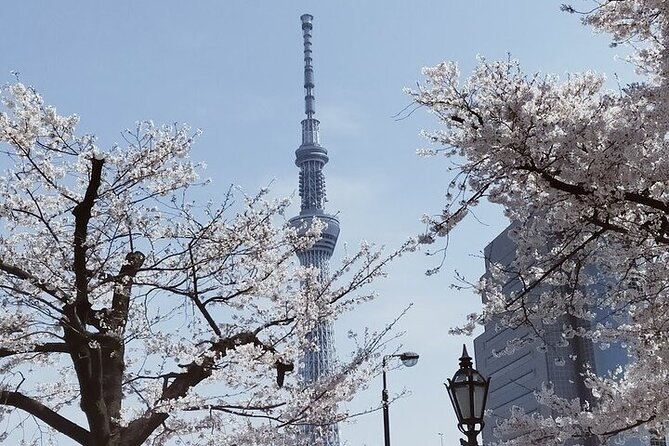
- Five very different Tokyo stops: See palace grounds, Tsukiji food stalls, Senso-ji Temple, Ueno Park, and Ameyoko Shopping Street.
- A private experience: Only your group takes part, with a licensed guide who can adjust the day to your interests.
- Cherry blossom timing matters: The guide may change the garden stops if flowers have passed their best.
- Tsukiji food costs extra: Lunch is not included, but the market gives you a chance to choose sushi and other Japanese foods.
- Public transportation is part of the lesson: Private vehicles are not provided, so expect to move around Tokyo by train, subway, or other public transit.
- Plan for a long morning and afternoon: The tour begins at 9 a.m. and lasts about six to seven hours.
A smart way to see Tokyo in cherry blossom season
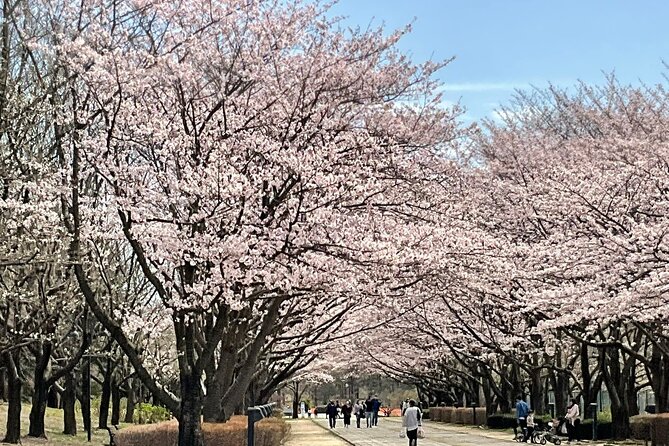
Cherry blossoms are beautiful, but they are also short-lived. A few warm days can change the best viewing spot, and one garden may be past its peak while another is still showing color. That makes a flexible private tour more useful than a rigid route.
The planned day covers central and eastern Tokyo, linking formal palace grounds with old downtown neighborhoods. You are not spending six hours looking at flowers alone. You are also seeing a food market, a major Buddhist temple, a historic shopping street, and remnants of the Tokugawa period.
Your guide can adapt the order or substitute another garden when conditions change. One guide moved the group to Hama-Rikyu Garden when the Imperial Palace blossoms had already faded in early April. That sort of adjustment is important during sakura season, though you should understand that the exact route is not guaranteed.
Guides named in past bookings include Hiroko and Nobuko Akimoto. Nobuko was especially praised for adjusting the discussion to cultural questions rather than following a fixed script. Your guide may be different, but the private format gives you a better chance to ask questions and shape the day around your interests.
More Cherry Blossom Tours in Japan
- Mt. Fuji, Cherry Blossom & Shiba Sakura Pvt. Day Tour
★ 5.0 · 326 reviews - Mt. Fuji & Hakone Cherry Blossom private One Day Tour
★ 4.5 · 35 reviews - Tokyo Cherry Blossoms blooming spots E-bike Tour, 3hrs
★ 5.0 · 27 reviews
Imperial Palace East Gardens and the old Edo Castle site
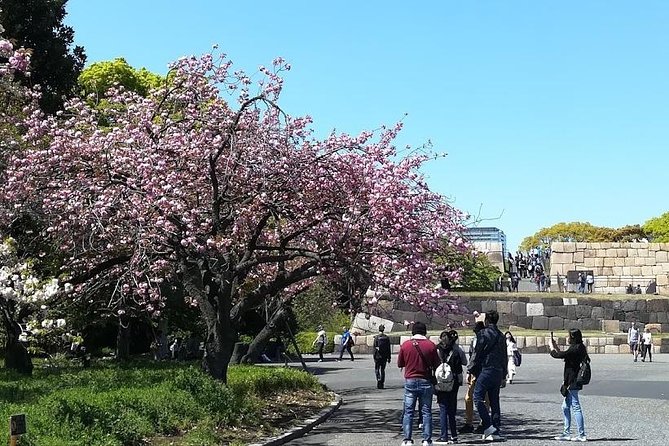
The morning begins at the East Gardens of the Imperial Palace, on the former site of Edo Castle. Moats and large stone walls help you picture the scale of the old stronghold, while the gardens offer a calm opening far removed from Tokyo’s packed streets.
The grounds cover about 90 hectares and include wooded areas that provide a welcome pause in the middle of the city. This is a good place for your guide to explain the connection between modern Tokyo and the shogun-era capital without turning the visit into a long classroom lecture.
The visit is scheduled for about an hour, and admission is free. That short time works well as an introduction, but it will not allow a slow exploration of every corner. If cherry blossoms are the main reason you booked, ask early in the day how the flowers are looking and whether a change to another garden makes sense.
This first stop also gives you a useful contrast with the later temple and market visits. The palace grounds feel spacious and ordered. Tsukiji, by comparison, is close, crowded, and focused on food.
Tsukiji for sushi, grilled food, and market browsing
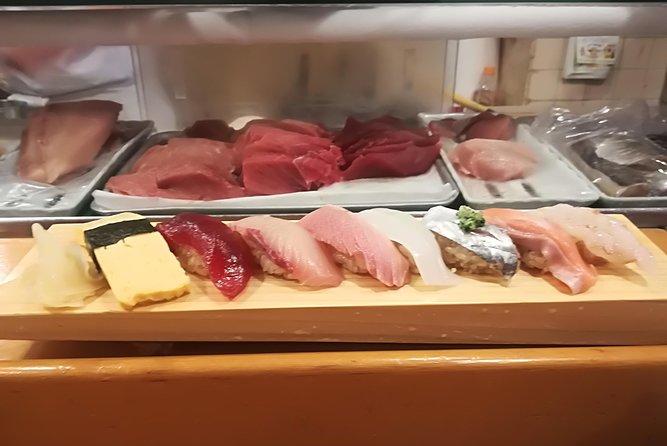
Tsukiji is the day’s strongest change of pace. The outer market is described as a lively food area with narrow streets and stalls selling traditional Japanese foods. Around midday, you might find grilled chicken, tuna, whale, scallops, and the market’s popular bite-size egg rolls.
Sushi is a major reason to include this stop, but lunch is not part of the tour price. You pay for whatever you choose, which is both a limitation and an advantage. The limitation is that your final cost is higher than the advertised per-person price. The advantage is that you are not locked into a set meal.
Your guide can help you understand what you are seeing and may point out options that you would otherwise miss. Still, the supplied details do not promise a particular restaurant, number of sushi pieces, or included tasting. Treat Tsukiji as a guided market visit with an opportunity to buy food, not as a prepaid sushi lunch.
The one-hour stop is enough for a focused introduction, a few food purchases, and some browsing. It may feel short if you want to eat slowly or shop for souvenirs. If food is your main interest, tell the guide at the start so the pace can reflect that.
Senso-ji Temple and Nakamise Street
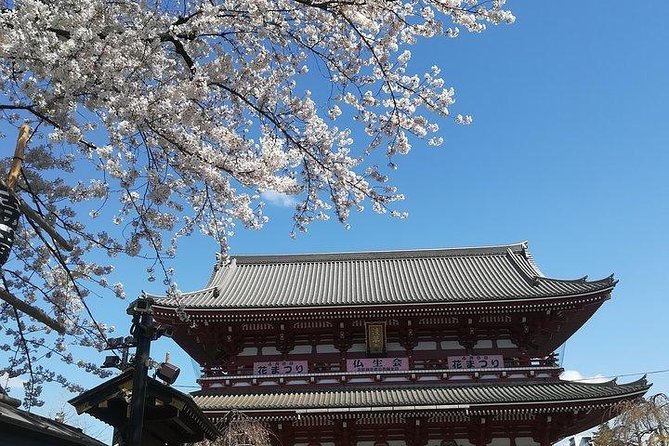
Senso-ji is one of Tokyo’s oldest temples and one of the most recognizable stops on this route. You approach through the Thunder Gate and Nakamise Street, a traditional shopping lane leading toward the temple grounds.
During blossom season, the temple setting adds a different frame to the flowers. At the palace, you see gardens and old stone defenses. Here, you get a religious site, gates, lanterns, and shops selling traditional souvenirs.
The scheduled time is about two hours, making Senso-ji the longest stop. That gives you room to look around without treating the temple as a quick photo stop. Your guide can explain what you are seeing and answer questions about Japanese customs, which is particularly useful if this is your first visit to a Buddhist temple.
Nakamise is also a shopping stop, so be prepared for commercial activity alongside the cultural sights. You may find Japanese souvenirs and traditional goods, but the experience is not a quiet garden visit. Stay aware of the pace if you want time for both the temple and the shops.
More Cherry Blossom Tours in Tokyo
- Cherry Blossom Private Tour
★ 4.5 · 18 reviews - Licensed Guide Tokyo Meguro Cherry Blossom Walking Tour
★ 4.5 · 13 reviews - Evening Hanami (Cherry Blossom) Experience with a Local
★ 3.5 · 10 reviews - Tokyo: Mt. Fuji & Hakone Cherry Blossoms Private Day Tour
★ 3.5 · 9 reviews
Ueno Park, temple remains, and Shinobazu Pond
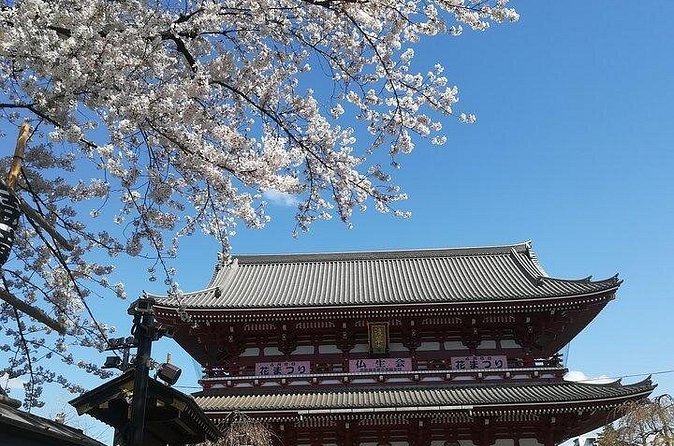
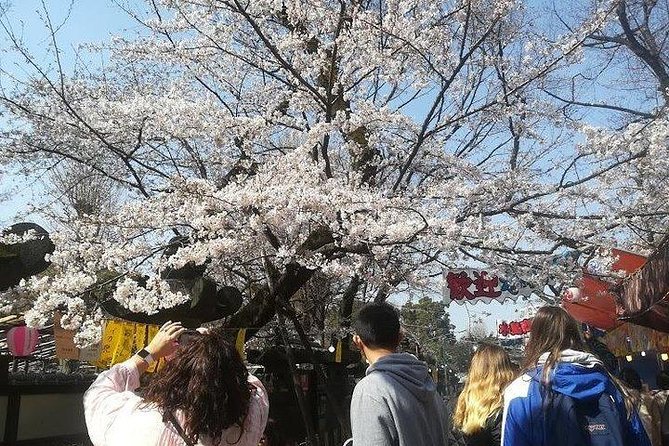
Ueno Park is one of the major cherry blossom stops in Tokyo, with more than a thousand cherry trees. That number gives you a sense of why this park is included, though it also means the area can feel busy during the short blossom season.
The route can include Ueno Toshogu, connected with the Tokugawa family, as well as Kiyomizu Kannnon Temple and Shinobazu Pond. These features give the park more substance than a simple walk beneath flowering trees. You are seeing religious and historic remains alongside one of Tokyo’s best-known public parks.
The scheduled visit is about an hour. That is enough for a guided overview and photographs, but not for a full exploration of every temple or corner of the park. If the flowers are at their best, you may want more time here than the schedule allows. A private guide can help you decide where to focus.
Ueno follows Senso-ji well because the two stops show different sides of old Tokyo. Senso-ji is a major temple complex with a formal approach and shopping street. Ueno feels more open, with park paths, pond views, and several historic religious sites spread through the grounds.
Ameyoko for downtown Tokyo atmosphere
The final listed stop is Ameyoko Shopping Street, a shopping arcade with fresh fish, food, daily goods, and souvenirs. Local people and visitors eat and drink at food stands, giving the area a direct, everyday feel that differs from the ceremonial setting of the palace and temple.
Ameyoko is a useful ending because it leaves you in a neighborhood where you can continue exploring or find something casual to eat after the tour. The one-hour stop is long enough to browse and watch the street scene, though your purchases are your own responsibility.
This is not a polished garden or carefully preserved temple setting. It is a practical shopping street with plenty to look at. I like that contrast. A Tokyo tour made up only of famous monuments can miss the ordinary commercial life that gives the city its character.
What the private format really adds
The tour is private, so only your group participates. That matters most when your interests do not match a standard sightseeing route. You can ask about religious customs at Senso-ji, spend more time on food at Tsukiji, or ask for help understanding how to get around Tokyo.
The guide also helps you use public transportation. Since private transportation is not included, you should expect the day to involve trains, subways, or other public transit, with fares paid separately unless otherwise arranged. This is not a chauffeur-driven tour.
For some people, that is a drawback. Tokyo’s transit system can feel confusing, and a full day of transfers and walking takes energy. For others, it is one of the tour’s most useful features. You finish with more confidence about moving around the city on your own.
The word customizable should not lead you to expect unlimited changes or a completely different tour. The stated route centers on the palace, Tsukiji, Senso-ji, Ueno, and Ameyoko, and seasonal conditions may affect the exact garden choice. Use the private setting to adjust emphasis, not to assume every request can be added.
Price, timing, and what you actually pay
The advertised price is $221.12 per person. For a private six to seven hour experience with a licensed guide, that can be reasonable for a small group that wants personal attention. It is less attractive if you are comfortable navigating Tokyo independently and mainly want free cherry blossom parks.
You should budget separately for:
- Public transportation
- Lunch and snacks at Tsukiji
- Souvenirs and food purchases
- Guide gratuity
The guide’s gratuity is not included. Suggested amounts are 10 percent, listed as $12 per person, 15 percent, listed as $18, or 20 percent, listed as $24. Tipping is not compulsory, but the provider says it is expected as an expression of satisfaction.
The tour starts at 9 a.m. and lasts about six to seven hours. The day is likely to feel full because it combines five stops across different parts of Tokyo. Wear comfortable shoes and be ready for a moderate level of walking and standing.
Group discounts are offered, which can improve the value when several people share the booking. The private format is particularly helpful for families or friends who want to move at one pace instead of being tied to strangers.
Strengths and limits of the guiding
The strongest feedback about the guides focuses on personal attention and cultural explanation. Hiroko was praised for showing more of Tokyo while helping the group get oriented. Nobuko Akimoto was praised for giving generous time to cultural questions and changing the emphasis to match curiosity.
That flexibility is a real benefit. You can learn more than the name of a temple or park. You can ask what you are looking at and why it matters, then connect that explanation to the streets and customs around you.
There is also a fair warning in the available feedback: one guide’s English was difficult for a participant to understand. That does not mean every guide will have the same issue, but communication quality can affect a full private day. If detailed English explanation is important to you, ask about the assigned guide before the cancellation deadline.
The day is best for someone who values a human guide more than a perfectly predictable schedule. The cherry blossoms may not cooperate, and the exact garden stop can change. A good guide can respond to that. A poor match in communication style may be frustrating because you spend so many hours together.
Cherry blossom timing and weather concerns
The tour requires good weather. If poor weather causes cancellation, you are offered another date or a full refund. You can also cancel up to 24 hours before the start time for a full refund. Changes or cancellations made less than 24 hours before the 9 a.m. start are not accepted for a refund.
The flower season itself is less predictable. The early April example shows why you should avoid treating the advertised gardens as guaranteed peak-bloom locations. The guide may redirect the route to a garden such as Hama-Rikyu when another site has already lost its blossoms.
That flexibility protects the quality of the day, but it cannot guarantee perfect flowers. If seeing peak cherry blossoms is your only goal, consider the tour a guided attempt to find good conditions, not a promise that every listed park will be at full bloom.
Who will get the most from this tour?
I would recommend this experience to first-time visitors who want a structured introduction to Tokyo but do not want to be sealed inside a bus. It also fits people who want cultural context at temples and gardens, plus a chance to try market food.
It suits you especially well if you:
- Want a private guide rather than a large group
- Need help learning Tokyo’s public transportation
- Prefer a flexible route during cherry blossom season
- Enjoy mixing major sights with food markets and shopping streets
- Have moderate physical fitness and can handle a full day out
- Are traveling with a group that can share the private-tour cost
I would think twice if you want included meals, private vehicle transport, guaranteed peak blossoms, or a short and easy outing. The price rises once you add transit, food, and gratuity, and the day involves enough walking that it is not ideal for someone seeking a relaxed garden visit.
Should you book Cherry Blossom Highlights?
Book it if you want a personal introduction to Tokyo that combines history, food, religion, and public-transit practice in one day. The best parts are the adaptable cherry blossom planning, the private guide, and the chance to ask real questions at Senso-ji, Ueno, and the palace grounds.
Skip it if you already know Tokyo well or prefer to set your own pace in free parks and markets. The value depends on how much you want a guide’s help. For a first visit during blossom season, especially with a small group willing to share the cost, this is a practical and culturally varied choice.
FAQ
How long does the Cherry Blossom Highlights tour last?
The experience lasts approximately six to seven hours and begins at 9 a.m.
Is this a private tour?
Yes. Only your group participates in the activity.
Which places are included on the route?
The planned stops are the East Gardens of the Imperial Palace, Tsukiji, Senso-ji Temple, Ueno Park, and Ameyoko Shopping Street. Seasonal conditions can affect the exact garden route.
Is lunch included?
No. Lunch is not included. You can purchase sushi and other foods at Tsukiji at your own expense.
Is transportation included?
No. Private transportation is not included. The guide helps you use public transportation during the day.
Are entrance tickets included?
The listed stops have no admission charge. The tour includes a licensed guide, while personal purchases and transportation costs are extra.
Can I cancel for a full refund?
Yes. You can cancel at least 24 hours before the experience start time for a full refund. If poor weather cancels the tour, you are offered a different date or a full refund.
More Palace and Castle Gardens in Tokyo
- Paris: Versailles Palace and Gardens Full Access Ticket
★ 4.6 · 41,579 reviews - Versailles: Skip-the-Line Tour of Palace and Gardens Access
★ 4.7 · 10,429 reviews - Granada: Alhambra & Gardens Tour w/Nasrid Palaces Option
★ 4.2 · 7,022 reviews - From Paris: Versailles Palace & Gardens with Transportation
★ 4.6 · 6,222 reviews
Just added around Tokyo
- TOKYO: Tailored Gardens tour with Pro Gardener by E-bike -BASIC★ 5.0 · 2 reviews
- Tsukiji Food Strolling and Hama Rikyu Garden Walking Tour★ 5.0 · 7 reviews
- Tokyo: Serene Sakura & Sake: An Exclusive Brewery Pairing Lunch★ 5.0 · 2 reviews
- Tokyo Cherry Blossom Half Day Walking Tour with a Local Guide★ 3.5 · 4 reviews
- Tokyo: Kimono Experience inside Shinjuku Gyoen National Garden★ 5.0 · 3 reviews
- Sumida Riverside Walk: Garden &Temple Ritual (4 Meeting Points)★ 5.0 · 5 reviews
- Full Guided Mt. Fuji & Shiba-Sakura Festival One Day Pvt.Tour★ 5.0 · 6 reviews
- Japanese Garden & Western Architecture: Akasaka exploration tour★ 5.0 · 9 reviews
Tokyo Garden Tours, compared.
Edo Castle & East Garden of the Imperial Palace Tour
Read our review →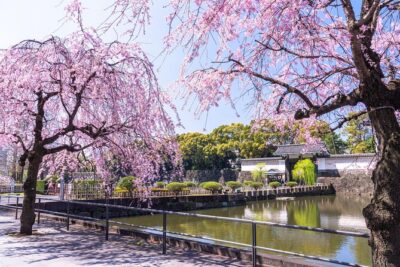
Tokyo Private Tour! Edo Castle & Imperial Palace East Gardens
Read our review →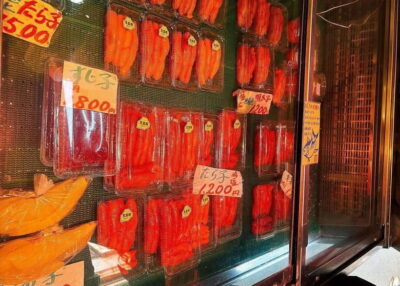
Tsukiji Market and Hama-rikyu Gardens Guided Tour
Read our review →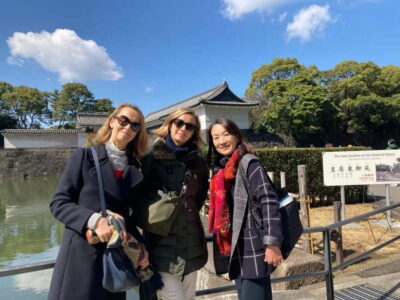
Pvt. Tour – Edo Castle & Imperial Palace East Gardens
Read our review →
Kimono Rental inside Shinjuku Gyoen National Garden
Read our review →
Tokyo Japanese Garden Lover’s Private Tour with Government-Licensed Guide
Read our review →Browse the lists this tour appears in