
Review · TOKYO GARDEN TOURS
Tokyo: Full-Day Japanese Garden Private Guided Tour
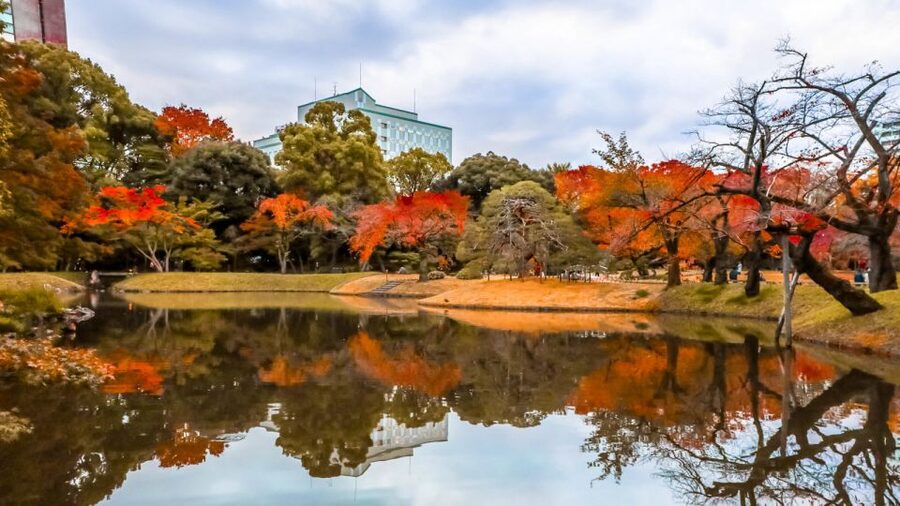
Tokyo’s best garden tour is not really about ticking off parks. It is about having a local guide shape a day around your pace, interests, and the parts of Japanese garden design you want to understand. You might visit the Imperial Palace garden, Meiji-Jingu Shrine, a quiet pond with a teahouse, and Shinjuku Gyoen, or build a very different route.
I like the private format, which gives you room to ask questions and linger. I also like the practical help: guides such as Yoshi and Hiro have helped visitors sort out transport, restaurants, and the best timing for seasonal sights. The main drawback is that this can become a long day of walking and train rides, and your cost rises once you add entrance fees, food, and transport.
Key points to know before booking
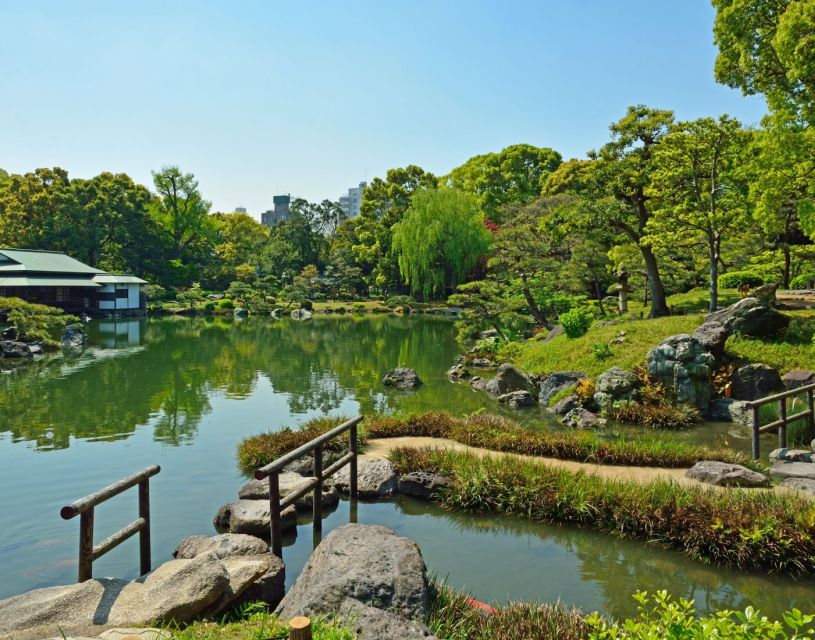
- You choose the gardens: Pick your priorities or let your guide plan a route from several well-known Tokyo gardens.
- The day is genuinely private: Your guide can adjust the pace, stops, and focus for your group.
- Shinjuku Gyoen offers three garden styles: Japanese, French, and English sections make it a strong single-stop choice.
- Transport is extra: The basic experience is a walking tour, while trains and taxis cost more.
- Communication matters: Guides have contacted visitors before the day to shape schedules and match expectations.
- Plan for changing conditions: The tour runs rain or shine and may involve plenty of walking.
A private way to see Tokyo’s green side
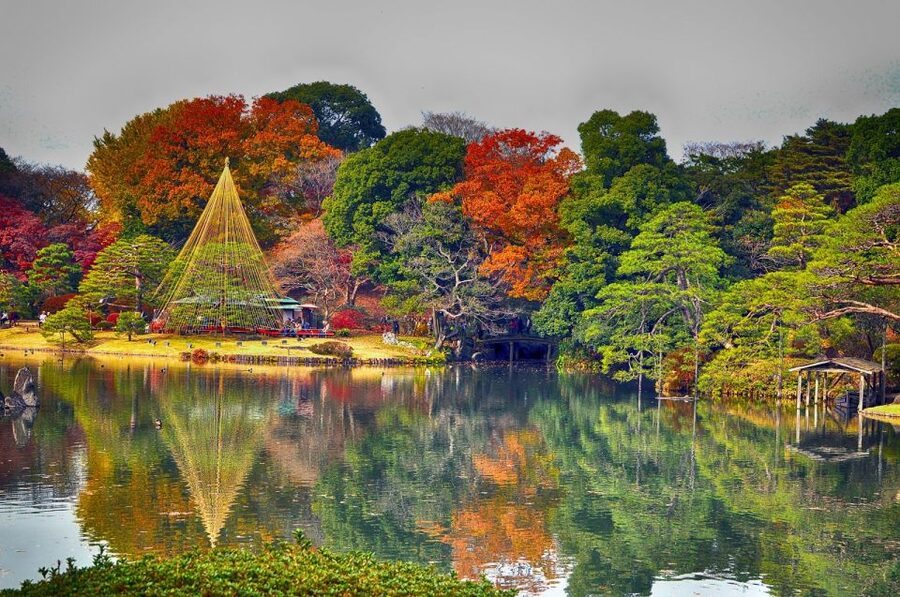
Tokyo can feel like one giant city machine: trains, towers, signs, shops, and people moving in every direction. Its gardens provide a different rhythm. They offer ponds, carefully arranged plants, formal paths, shrine grounds, and quiet corners that are easy to miss when you are moving between major sights.
This six-hour experience works best if you want more than a quick walk through one park. You have a licensed local guide beside you, and the route can be built around garden design, Japanese culture, history, seasonal flowers, or simply a pleasant day outdoors.
The exact route is not fixed. That is important. You can name the places you want to see, or you can leave the planning to your guide. The most useful preparation is to tell the local partner what matters to you before the day begins. Prior communication made a real difference for visitors who wanted certain gardens, a particular pace, or help fitting the day around seasonal crowds.
Guides who have led this experience include Yoshi, Kumi, Hiro, Tachi, and Yoko. The strongest praise has centered on clear communication, punctual hotel pickup, flexible scheduling, and practical Tokyo advice. Those qualities matter here because garden locations are spread across the city.
More Japanese Gardens in Tokyo:
- Tokyo Japanese Garden Lover’s Private Tour with Government-Licensed Guide
★ 5.0 · 27 reviews - Experience Crafting a Flower-Adorned Mini Japanese Garden
★ 4.7 · 15 reviews - Japanese Garden & Western Architecture: Akasaka exploration tour
★ 5.0 · 9 reviews
Starting at the Imperial Palace garden
A sample day begins with pickup at your hotel or another agreed location. If you are staying within a reasonable distance, the guide can meet you on foot. Otherwise, you arrange a meeting point such as a train station.
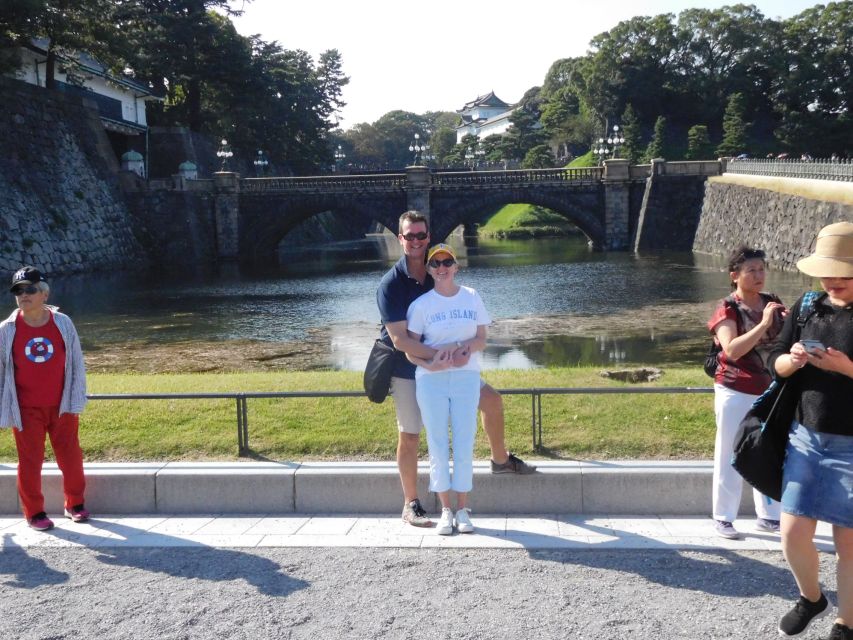
The first stop may be the garden around the Imperial Palace. You can expect a formal Japanese-style setting, with an orderly feel suited to the imperial grounds. This is a good place to begin because the garden introduces the restrained, composed side of Japanese design before the day moves into shrine grounds and larger public parks.
Your guide can provide context about Japan’s history and culture as you walk. The private setting makes it easier to stop and ask why a section is arranged in a particular way, or to compare the Imperial Palace garden with later stops.
Do not assume that every garden is right beside the next one. Tokyo’s size is the central practical issue. The experience is described as a walking tour, but public transport or a taxi may be used between locations. Those fares are not included, so keep some room in your budget.
Meiji-Jingu Shrine and a quieter pond
The next suggested stop is Meiji-Jingu Shrine. While the tour focuses on gardens, this shrine adds a cultural layer that a garden-only route would miss. It gives you a chance to see how religious grounds, trees, paths, and city space come together in Tokyo.
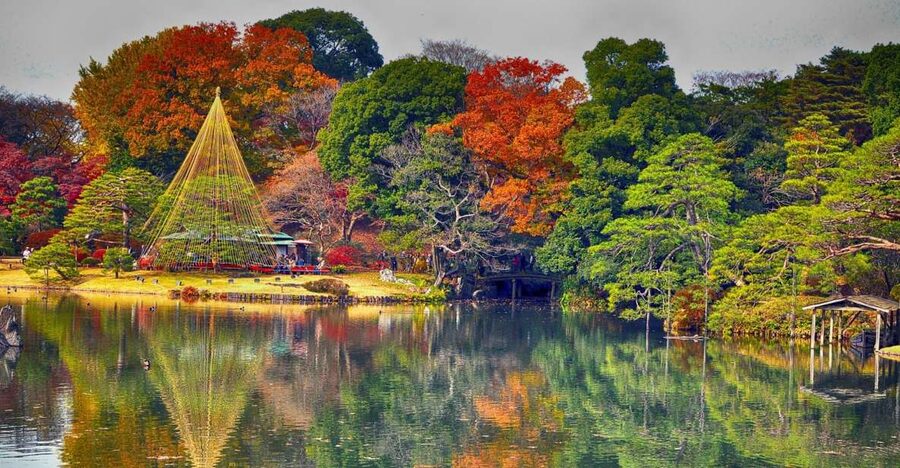
After the shrine, the route may continue to a quieter garden with a charming teahouse and pond. The information provided does not name this garden, which is another sign that your guide may shape the route around your interests and the day’s practical conditions.
This stop sounds especially useful if you want a slower pause rather than another major attraction. A pond and teahouse offer a clear contrast with the grander Imperial Palace grounds and the broad public spaces later in the day.
The guide’s role is more than pointing out flowers. A licensed local guide can help connect the setting to Japanese culture and explain what you are seeing in a way that a self-guided walk may not. You are also free to ask for less commentary and more quiet walking if that suits your group.
Lunch in Harajuku, with choices instead of a fixed meal
The sample route places lunch in Harajuku. Food and drinks are not included, but that also gives you freedom. Harajuku offers many choices, so you can select a meal that fits your budget and appetite rather than accept a fixed restaurant.
One guide, Kumi, took her group to one of her favorite restaurants, adding a personal food stop to the day. That kind of local suggestion can be valuable, but remember that restaurant arrangements and meal costs are separate from the tour price.
Lunch is also a sensible break. Six hours of sightseeing with garden walks and city transfers can be tiring, especially in warm weather or during a busy blossom period. Do not treat the schedule as six effortless hours in a park. It is a city day with walking, public transport, and stops at several sites.
Full-day trips around Tokyo:
- Versailles Full Day Bike Tour with Palace, Gardens, & Picnic
★ 5.0 · 2,217 reviews - Giverny Monet’s Garden & Auvers-sur-Oise with Van Gogh House Full Day From Paris
★ 5.0 · 369 reviews - From Marseille: Valensole Lavender Full-Day tour
★ 4.7 · 259 reviews - From Aix-en-Provence: Valensole Lavender Full-Day Tour
★ 4.7 · 222 reviews
Shinjuku Gyoen’s three distinct garden styles
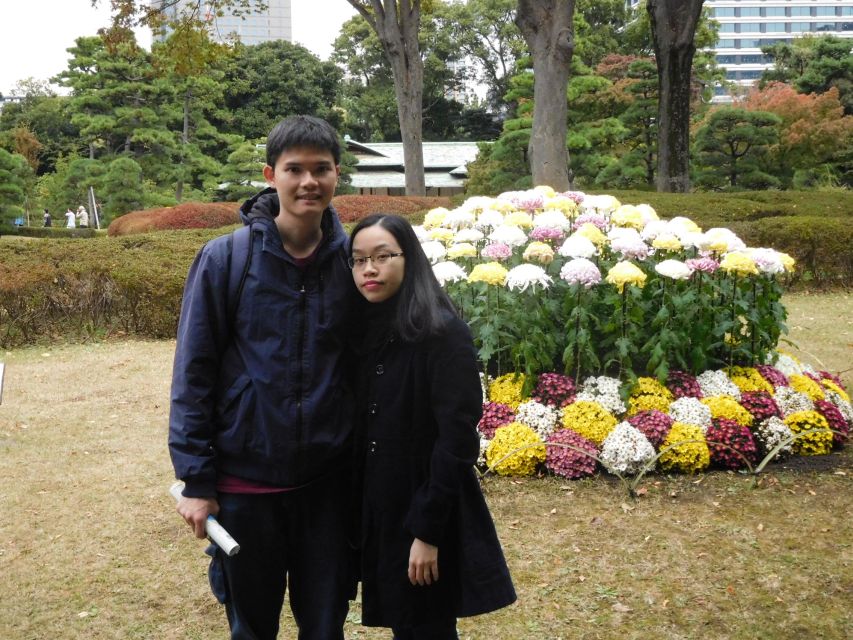
The sample day ends at Shinjuku Gyoen Garden, one of Tokyo’s most varied green spaces. Its appeal is variety. Within one large park, you can see a typical Japanese garden, a formal French garden with roses in large displays, and an English garden arranged in a more open style.
That range makes Shinjuku Gyoen a strong choice if you want to compare different approaches in one visit. The Japanese section can feel measured and composed, while the French and English areas give the park a different visual character. You do not need to choose only one design tradition.
The park is also a good place for seasonal visits. Hiro helped time a tour during peak cherry blossom, when crowds were large but the route still reached the best sakura spots efficiently. If blossoms are your priority, tell the guide early. Timing and crowd levels can shape the whole day.
The tradeoff is that popular seasonal sights are rarely quiet. A private guide can help with route planning, but cannot remove the crowds. You may also spend a good portion of the day moving between major areas rather than sitting in one garden.
Other gardens for a more focused route
You can ask to visit other recommended sites instead of following the sample route. The choices include Koishikawa Korakuen Garden, Hama Rikyu Gardens, Yoyogi Park, Rikugien Garden, Ueno Park, Koishikawa Botanical Garden, Kiyosumi Teien Garden, Former Shiba Rikyu Gardens, Nezu Museum, and Happo-en Garden.
The supplied information does not give detailed descriptions for each of these places, so I would not book this experience expecting a fixed sequence or a guaranteed visit to every one. Six hours is not enough to see all the options properly, especially once transport is included.
Instead, choose two or three priorities. You might focus on historic garden settings, large public parks, shrine grounds, or a mix of garden styles. Your guide can then shape the route around what you want to see and how much time you prefer to spend at each stop.
This is where the private format earns its keep. A rigid group excursion must move on when the clock says so. Here, your guide can adjust the pace, though the total time remains six hours.
What the guides add to the day
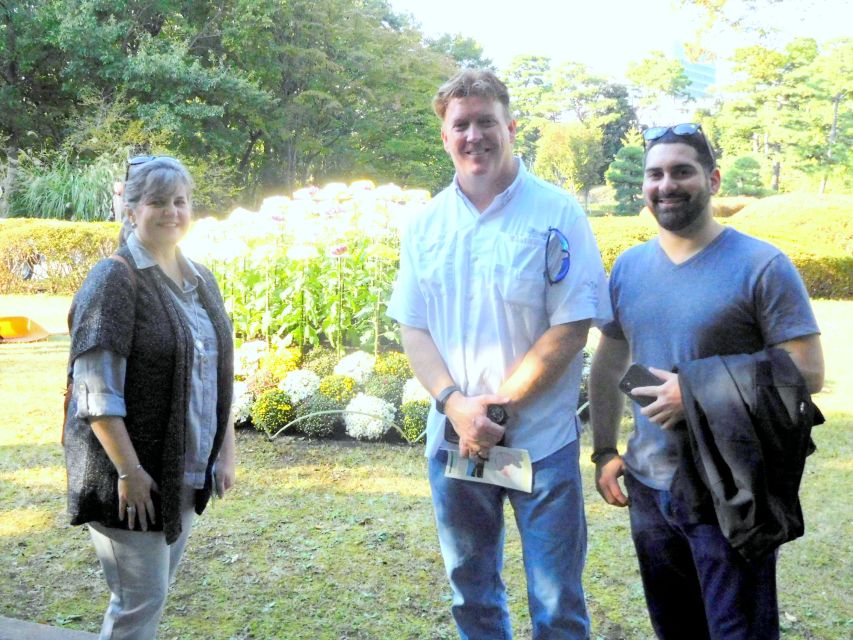
The strongest part of this experience is the human element. Yoshi received praise for communicating before the tour, understanding the group’s hopes, adjusting the pace, and suggesting other Tokyo activities, transport ideas, and restaurants.
Hiro was praised for prompt hotel pickup, clear explanations, and knowing how to move efficiently through busy areas during cherry blossom season. Tachi was described as a wonderful host, while Yoko was praised for understanding what her group wanted to see and learn.
Those details point to the real value of the tour: custom planning plus local judgment. Tokyo gardens are not all interchangeable. A guide who listens well can help you avoid spending half the day crossing the city for a stop that does not suit your interests.
Still, guide quality can vary. One disappointing day involved two gardens that did not interest the group, a third garden that was closed, and a large amount of time spent in the subway. The guide was courteous but moved too quickly. This is a useful warning: communicate your priorities clearly, and confirm the planned route before the day.
Walking, trains, taxis, and the true cost
The listed price is $151 per person for six hours. That is a serious price for a walking tour, but it includes a private group, a licensed guide, personal planning, and hotel pickup on foot when practical.
The price does not include entrance fees, food, drinks, or public and private transport during the day. If you use several trains or taxis, the final cost will be higher. For a solo visitor, the guide fee may feel steep. For a private group that values personal attention and does not want to plan Tokyo’s garden connections alone, it can make more sense.
I would compare this with the cost of your time. If you are comfortable studying train routes, checking opening details, choosing gardens, and explaining your own interests, you can spend less on a self-guided day. If you want help making decisions and a flexible companion who can explain the setting, the private format may be worth the premium.
The six-hour length is long enough for several meaningful stops, but not so long that you must commit to a full dawn-to-night day. Even so, wear comfortable shoes and expect a mix of walking and urban transit.
Weather, access, and practical planning
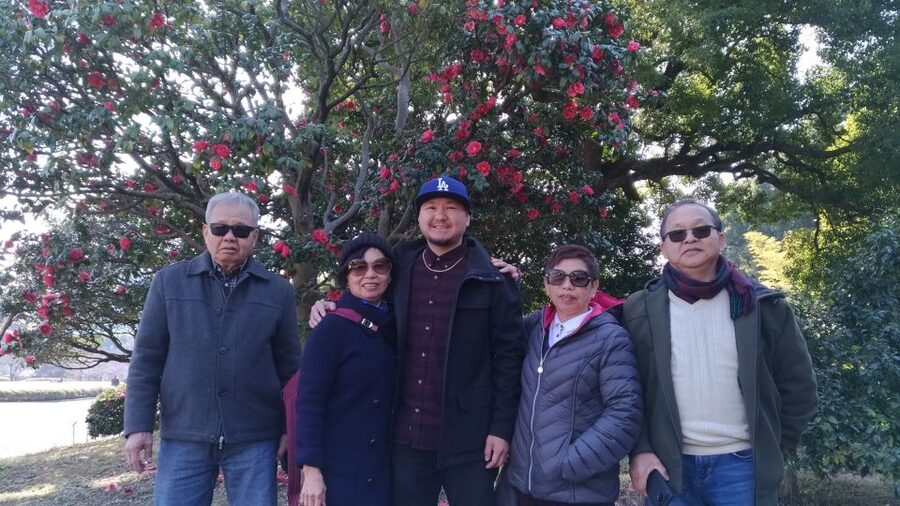
The tour runs rain or shine. Tokyo’s gardens can be lovely in wet weather, but rain may make paths less comfortable and may affect how long you want to linger outdoors. Bring suitable clothing and be ready for the day to continue unless the local partner tells you otherwise.
The activity is listed as wheelchair accessible. Since the experience includes walking and may use public transportation or taxis, contact the local partner before the day if your group needs a particular route or transport arrangement.
Pickup is included on foot if your accommodation is within a reasonable distance. Your guide waits in the hotel lobby or at the requested train station 10 minutes before the scheduled pickup time.
The experience is not confirmed until a guide contacts you. Most guides make contact within seven days, but a guide may not accept the booking right away. If no guide is available, updates continue while the local partner searches, up to 24 hours before the start. If you cancel at least 24 hours before the start because a guide has not been secured, no cancellation fee applies under those circumstances.
The general cancellation policy is otherwise non-refundable, so pay close attention to the confirmation and communication before booking.
Who should book this garden day?
I would choose this tour if you want a flexible private day and care about understanding what you see. It suits couples, families, and small private groups who have different interests or want a slower pace than a large group tour allows.
It is also a good choice during cherry blossom season, when a guide may help you use your limited time more wisely. Hiro’s spring route shows how useful local timing can be when crowds are heavy.
I would think twice if you want a quiet, stationary garden visit with very little transit. You may spend substantial time on trains, and the quality of the day depends on how well the route matches your expectations. Also think twice if you need a fixed price that includes admission, meals, and transport. This experience does not.
My verdict: flexible and useful, with one important condition
Book this tour if you want Tokyo gardens explained by a local guide and you value the freedom to adjust the day. The private format, pre-tour communication, and range of possible stops give you much more control than a fixed group outing.
Before paying, send clear priorities: name the gardens you care about, say how much walking is comfortable, ask which sites are open, and confirm how much time will be spent in transit. Do that, and this can be a memorable way to see Tokyo’s quieter side without giving up the city’s cultural context.
FAQ
How long does the Tokyo garden tour last?
The tour lasts six hours.
Is the tour private?
Yes. Every booking is for a private group.
Which languages are available?
The tour is available with a live guide speaking English or Japanese.
Can I choose which gardens to visit?
Yes. You can customize the route around your preferences, or let the guide plan the day.
What gardens may be included?
Possible stops include the Imperial Palace garden, Meiji-Jingu Shrine, Shinjuku Gyoen Garden, Koishikawa Korakuen Garden, Hama Rikyu Gardens, Yoyogi Park, Rikugien Garden, Ueno Park, Koishikawa Botanical Garden, Kiyosumi Teien Garden, Former Shiba Rikyu Gardens, Nezu Museum, and Happo-en Garden.
Is hotel pickup included?
Pickup from your accommodation is included on foot if it is within a reasonable distance. You can also request a train station meeting point.
Are transportation costs included?
No. Public transportation and private transportation, including taxis, cost extra. The tour can use public transport or a taxi if you wish.
Are entrance fees and meals included?
No. Entrance fees, food, and drinks are not included.
Does the tour operate in bad weather?
Yes. The experience takes place rain or shine.
Is the tour wheelchair accessible?
Yes, the activity is listed as wheelchair accessible. Since the route includes walking and may involve public transport, confirm your specific needs with the local partner before the tour.
Just added around Tokyo
- TOKYO: Tailored Gardens tour with Pro Gardener by E-bike -BASIC★ 5.0 · 2 reviews
- Tsukiji Food Strolling and Hama Rikyu Garden Walking Tour★ 5.0 · 7 reviews
- Tokyo: Serene Sakura & Sake: An Exclusive Brewery Pairing Lunch★ 5.0 · 2 reviews
- Tokyo: Kimono Experience inside Shinjuku Gyoen National Garden★ 5.0 · 3 reviews
- Tokyo Cherry Blossom Half Day Walking Tour with a Local Guide★ 3.5 · 4 reviews
- Cherry Blossom Highlights, Asakusa, Ueno, Imperial Palace Garden★ 4.5 · 4 reviews
- Sumida Riverside Walk: Garden &Temple Ritual (4 Meeting Points)★ 5.0 · 5 reviews
- Full Guided Mt. Fuji & Shiba-Sakura Festival One Day Pvt.Tour★ 5.0 · 6 reviews
Tokyo Garden Tours, compared.
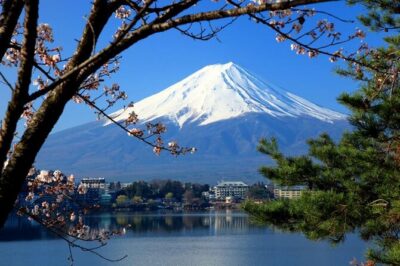
Edo Castle & East Garden of the Imperial Palace Tour
Read our review →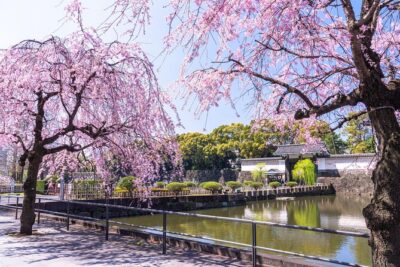
Tokyo Private Tour! Edo Castle & Imperial Palace East Gardens
Read our review →
Tsukiji Market and Hama-rikyu Gardens Guided Tour
Read our review →
Pvt. Tour – Edo Castle & Imperial Palace East Gardens
Read our review →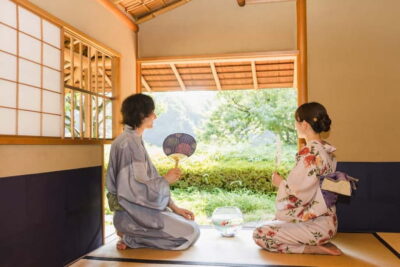
Kimono Rental inside Shinjuku Gyoen National Garden
Read our review →
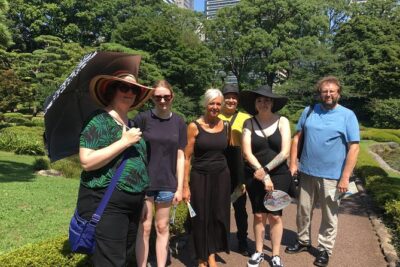
Tokyo Japanese Garden Lover’s Private Tour with Government-Licensed Guide
Read our review →Browse the lists this tour appears in