
Review · KYOTO GARDEN TOURS
Kyoto: Shakyo & Matcha in Historic Temple Garden
Sennyu-ji gives this Kyoto experience its quiet center. You spend about an hour copying a Buddhist sutra by hand, with incense, birdsong, and a peaceful temple room helping you slow down. Then you sit with fresh matcha and seasonal wagashi while looking into a carefully designed Japanese garden.
I like two things here: the activity asks you to do something meaningful rather than simply look around, and the small group of no more than 10 keeps the mood calm. The English-speaking guide also adds useful background on Buddhist customs and Kyoto’s past. The main consideration is the shakyo session itself. Sitting quietly for 60 to 90 minutes may not suit young children, restless visitors, or anyone with limited mobility.
Key points
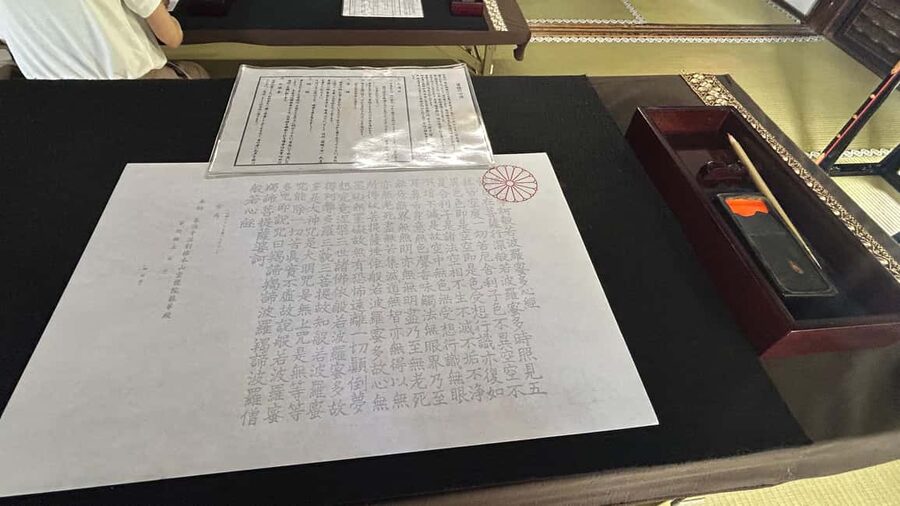
- Hand-copy a Buddhist sutra: Brushes, paper, and ink are supplied, so you can focus on the slow, careful practice.
- Visit Sennyu-ji: The temple is designated an Important Cultural Property and offers a quieter cultural stop in Kyoto.
- Take tea in a garden setting: Matcha is served with a seasonal wagashi sweet while you look out at the temple grounds.
- Allow 150 minutes: Plan for a 15-minute walk each way from Tofukuji Station plus about two hours at the temple.
- Keep the group small: A maximum of 10 participants suits a reflective activity better than a large sightseeing crowd.
- Dress for sitting: Comfortable clothing matters during the long shakyo session.
Why this Sennyu-ji visit feels different
Many Kyoto temple stops are built around quick views, photographs, and moving on to the next sight. This one changes the pace. You are not only entering a historic Buddhist setting, you are taking part in a practice that requires patience and attention.
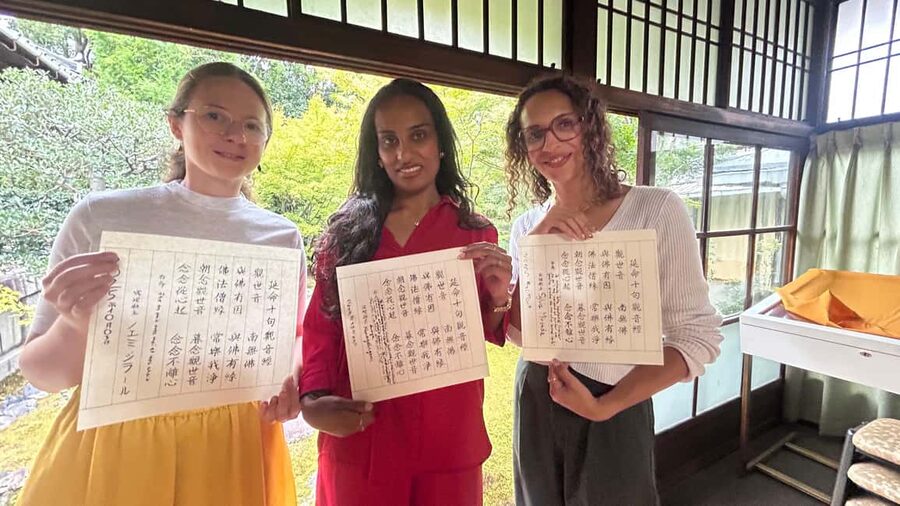
Shakyo means copying Buddhist sutras by hand. Here, the materials are ready for you, including the brush, paper, and ink. You do not need to bring special equipment or know Japanese calligraphy. The point is not perfect handwriting. It is the steady movement of the brush and the chance to give one task your full attention.
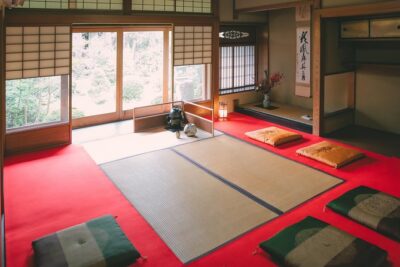
The setting does much of the work. You may hear birds outside and notice the scent of incense as you write. Photography can be limited in some indoor areas, which is appropriate for a session designed around quiet concentration rather than constant picture-taking.
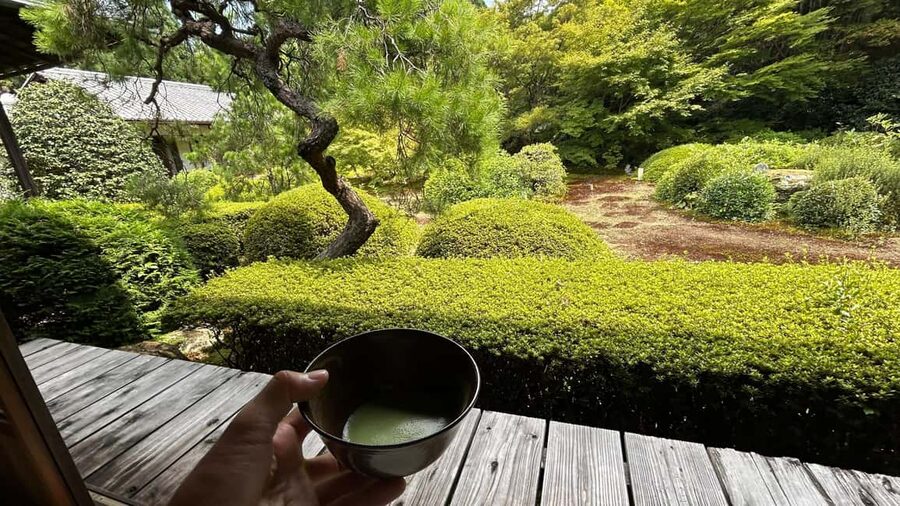
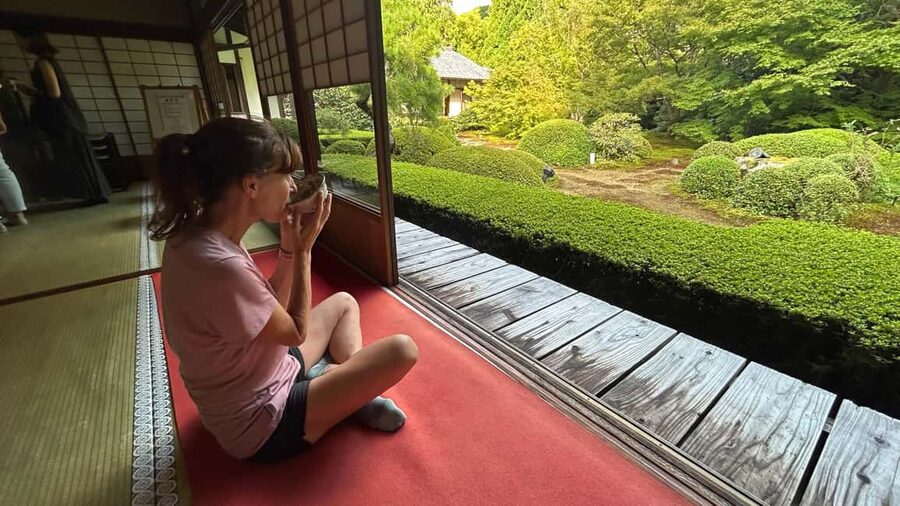
After the writing, the experience shifts gently to tea. A bowl of matcha and a seasonal wagashi give you time to sit, look into the garden, and take in the temple without rushing. The combination of handwork, tea, and garden views makes this a good counterpoint to a packed Kyoto schedule.
History tours around Kyoto:
- Aboriginal Heritage Walk – Royal Botanic Gardens Victoria, Melbourne Gardens
★ 5.0 · 314 reviews - Beijing Historical Tour II including Summer Palace, Lama Temple & Panda Garden
★ 4.0 · 187 reviews - Authentic Amalfi Lemon Tour & Tasting in the Historical Garden
★ 5.0 · 52 reviews
Meeting at Tofukuji Station
Your meeting point is the East Gate of Keihan Station at Tofukuji Station. Look for a guide with a yellow fluorescent band on the bag. That small detail matters in a busy station area, and it saves you from wandering around searching for a tour sign.
From the station, you walk for about 15 minutes to Sennyu-ji. The walk is part of the timing, so wear shoes you can manage comfortably. The route is not presented as a separate sightseeing stop, but the approach helps you leave the station traffic behind before the temple portion begins.
Allow a little extra time to locate the East Gate. The meeting instructions are clear, but train stations can have several exits and connecting areas. Arriving early gives you a calmer start, especially if you are unfamiliar with Kyoto’s rail system.
The group is limited to 10 participants. That is a useful size for a session where the guide needs to explain the practice, answer questions, and help everyone settle into the room without turning the activity into a classroom lecture.
Entering a temple designated as an Important Cultural Property
Sennyu-ji is the main setting for the experience, and the temple visit lasts about two hours. You receive a guided introduction to the site, its Buddhist background, and its place in Kyoto’s cultural past.
The value of this introduction is practical. Without context, a temple garden can look simply beautiful. With an explanation of how the space is used and why certain customs matter, you have a better chance of understanding what you are seeing and how to behave respectfully.
This is a sacred environment, not a themed workshop. Keep your voice low, follow the guide’s instructions, and be ready for photography limits in certain areas. Those restrictions may disappoint anyone hoping to document every part of the visit, but they help protect the quiet mood that makes the session work.
The temple is also a good place to ask questions. The guide speaks English and covers Kyoto’s Buddhist culture and the temple’s historical importance. One especially useful feature is that the guide can offer broader Kyoto context, not just instructions for the activity. A past participant also received help planning the rest of the day, so it is worth asking for practical suggestions if you still have open time after the tour.
The 60 to 90 minute shakyo session
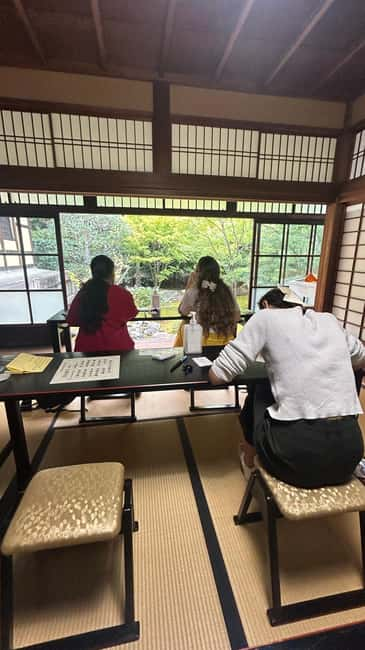
The shakyo portion usually takes 60 to 90 minutes, depending on how quickly you write. That range is important. You should not book this expecting a quick demonstration followed by tea. Most of the experience is spent in the act of copying.
You receive a brush, paper, and ink. The materials are included, and you do not need prior experience. The task calls for a light, controlled hand and steady attention. If you write slowly, the session may take closer to 90 minutes. That is not a problem, but it does mean you should keep the rest of your day flexible.
This is best understood as a calm practice, not an arts-and-crafts project. You might notice your attention drifting at first, especially after a long flight or a morning of sightseeing. The quiet room, incense, and natural sounds offer a simple way to return your focus to the page.
You should wear clothing that is comfortable for sitting quietly. The supplied information does not specify the exact seating arrangement, so anyone who finds extended sitting difficult should think carefully before booking. People with mobility impairments, wheelchair users, and children under 10 are not considered suitable for this activity.
The writing itself may be the most memorable part for you. Kyoto offers plenty of beautiful things to see, but few ask you to slow your hands and your thoughts at the same time. You leave with more than a photograph of a temple because you have participated in one of its traditional practices.
More Garden Tours in Kyoto:
- Kyoto Zen Meditation & Garden Tour at a Zen Temple with Lunch
★ 5.0 · 441 reviews - Kyoto Arashiyama Bamboo forest & Garden Half-Day Walking Tour
★ 5.0 · 413 reviews - Kyoto Kiyomizu Tea Ceremony with Scenic Garden Views
★ 5.0 · 101 reviews - Kyoto: Private Tea Ceremony with a Garden View
★ 4.9 · 61 reviews
Matcha and seasonal wagashi in the garden
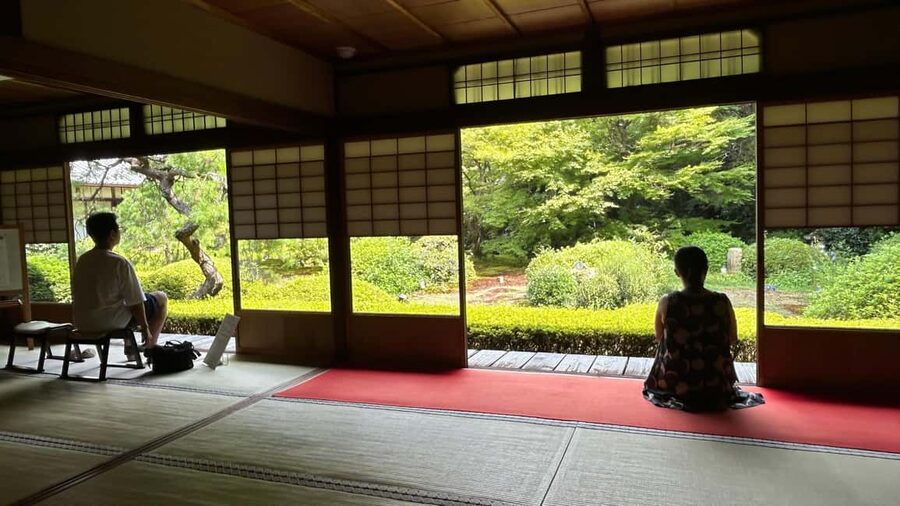
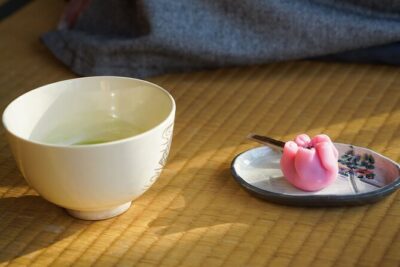
After shakyo, you enjoy freshly prepared matcha with a seasonal wagashi sweet. Matcha has a strong, grassy flavor and a foamy texture, while wagashi provides a small sweet balance. The exact sweet may change with the season, so do not expect one fixed item throughout the year.
The tea is not presented as a full meal. Think of it as a quiet refreshment and a fitting close to the writing session. If you need lunch or have dietary concerns, plan separately because no other food is specified.
The garden view gives the tea its sense of place. Rather than drinking matcha in an ordinary café, you sit within a historic temple setting and look out at a garden designed to suggest order and calm. The garden is especially useful for anyone whose Kyoto schedule has been packed with stations, shopping streets, and major sightseeing stops.
You may find that the tea portion feels short after the long writing session. That is part of the balance of the activity: shakyo is the main practice, while matcha and wagashi offer a restful pause afterward. If the garden is your main interest, pay attention during the guided portion and use the tea time to observe details rather than rushing to take photographs.
What the guide adds
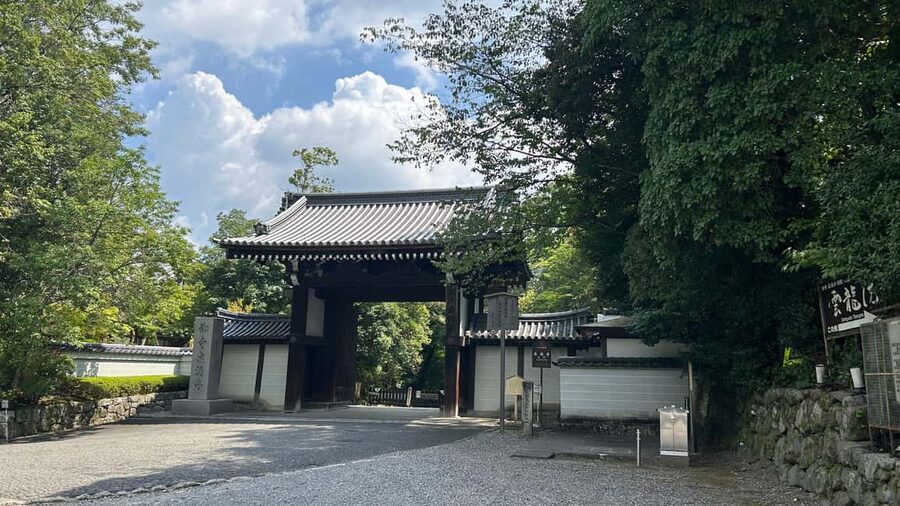
The guide does more than lead you from the station to the temple. You receive an English-language explanation of Buddhist culture, the temple’s place in Kyoto, and the meaning behind the activities.
That background is particularly useful for first-time visitors to Japan. Customs that seem unfamiliar can be easier to follow when you understand why the temple asks for quiet behavior, why photography may be limited, and why copying a sutra is treated as a reflective practice.
The group size also affects the guide’s role. With no more than 10 people, the guide can keep track of the writing session and respond to questions without shouting across a large room. The strongest praise for this experience has focused on the guide’s calm manner, historical explanations, and practical help with planning the rest of a Kyoto day.
No individual guide name is provided, so you should book this for the quality and structure of the experience rather than expecting a particular named host.
Time, walking, and the return to Tofukuji Station
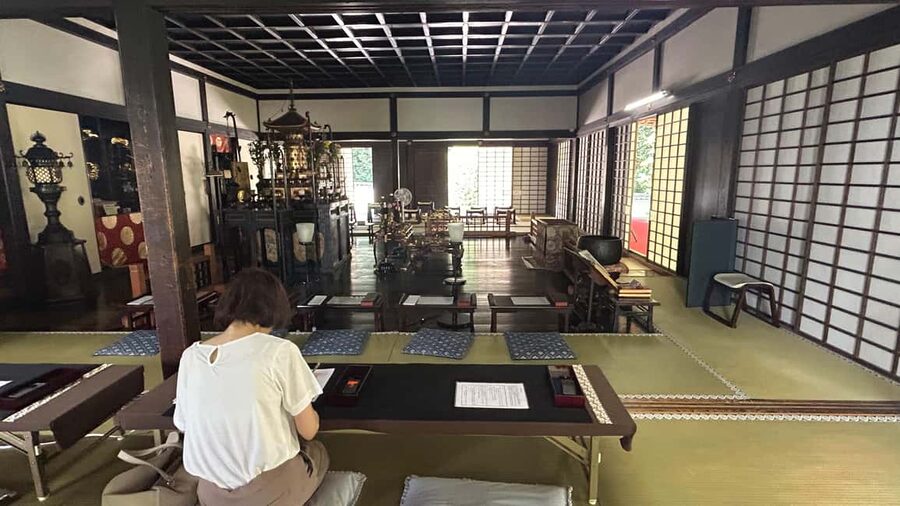
The full activity lasts 150 minutes. The schedule is straightforward:
- Meet at the East Gate of Keihan Tofukuji Station.
- Walk about 15 minutes to Sennyu-ji.
- Spend about two hours at the temple with the guided visit, shakyo, tea, wagashi, and garden views.
- Walk about 15 minutes back to Tofukuji Station.
The stated temple time and walking time add up neatly, but you should still avoid booking a tight train connection immediately afterward. Shakyo can take up to 90 minutes, and the group may need a little time to finish the tea portion and leave respectfully.
The walk makes this a poor match for anyone looking for a fully seated or step-free outing. Electric wheelchairs, baby strollers, baby carriages, luggage, and large bags are not allowed. Pets are also not permitted.
For most able-bodied visitors, the walking is modest. The bigger physical issue is sitting quietly for an extended period. Consider your comfort with that before paying, since the reflective pace is central to the activity rather than a minor detail.
Is $35 a good value?
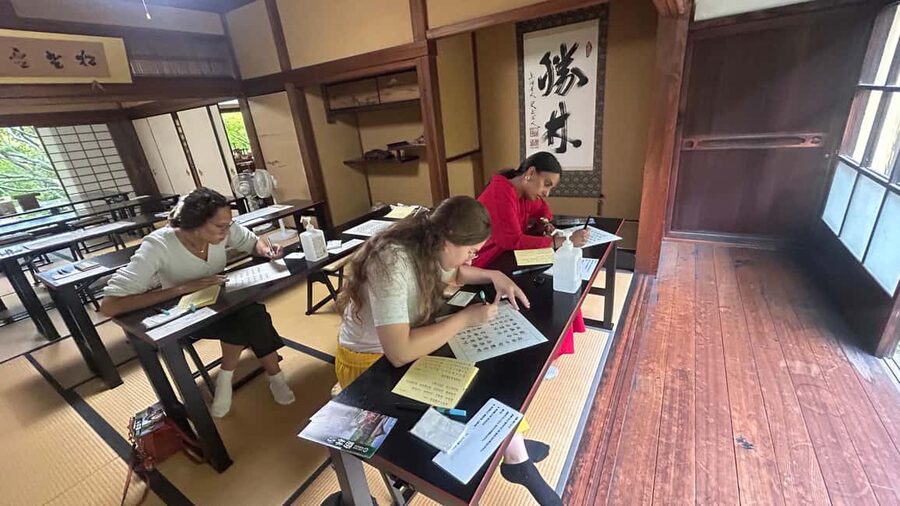
At $35 per person, the price is reasonable for a two-and-a-half-hour cultural activity in Kyoto. Your fee includes temple admission, the English-speaking guide, the shakyo materials, matcha, and seasonal wagashi.
The value comes from the combination. You are paying for access to a historic temple, but also for an organized cultural practice that would be difficult to arrange on your own. The guide explains what you are doing, the supplies are provided, and the tea gives the visit a clear ending.
It is less useful value for someone who only wants to see a garden quickly. You may find a standard temple visit more suitable if you dislike fixed activities or prefer to set your own pace. This experience earns its price through participation and context, not through a long list of separate attractions.
The small group also helps. A 10-person limit is not private touring, but it is intimate enough for a quiet practice. For a short cultural activity that includes admission and refreshments, the cost is fair.
You can cancel up to 24 hours in advance for a full refund, and the reserve-now, pay-later option gives you some flexibility while arranging a Kyoto schedule.
Who should book this experience?
I would recommend it to you if you want a slower Kyoto morning or afternoon and enjoy learning through participation. It suits adults, couples, friends, and solo visitors who are comfortable with quiet concentration and basic walking.
It is especially useful during a busy Japan itinerary. The Czech participant’s description of the experience as a chance to slow down time captures its practical benefit. After long train rides and full sightseeing days, one calm temple session can reset your pace.
You should think twice if you want constant movement, extensive photography, or a broad temple tour covering many buildings. The focus stays on Sennyu-ji, sutra copying, tea, and the garden. Children under 10 are not suitable, and the activity is not designed for wheelchair users or people with mobility impairments.
I also would not choose it if you are uncomfortable with sitting quietly for an hour or more. The shakyo session is not something to endure before the enjoyable part. It is the heart of the experience.
Final verdict: a thoughtful Kyoto pause
Book this if you want to meet Kyoto through a traditional practice rather than only through sightseeing. The hand-copying session gives you a real task, the guide supplies cultural context, and the matcha and wagashi provide a graceful finish in the temple garden.
The experience works best when you arrive ready to put your phone away and accept a slower pace. If that sounds appealing, $35 buys a well-shaped, small-group visit with good cultural value. If you need easy access, lots of photographs, or a flexible family outing, choose a different Kyoto activity.
FAQ
Where does the experience begin?
Meet at the East Gate of Keihan Tofukuji Station. Look for the guide with a yellow fluorescent band on their bag.
How long does the experience last?
The full experience lasts 150 minutes, including the walks to and from Sennyu-ji.
How long is the shakyo session?
The sutra-copying session usually takes 60 to 90 minutes, depending on your writing speed.
Are shakyo materials provided?
Yes. Brushes, paper, and ink are provided for the session.
What food and drink are included?
You receive matcha green tea and a seasonal wagashi Japanese sweet. The exact wagashi may vary by season.
Is the experience offered in English?
Yes. The live tour guide speaks English.
Is this activity suitable for children or wheelchair users?
Children under 10 are not suitable for the activity. It is also not suitable for people with mobility impairments or wheelchair users. Pets, baby strollers, baby carriages, luggage, and large bags are not allowed.
Just added around Kyoto
- Kyoto Hidden Treasures: Special Temple & Garden Access Tour★ 4.5 · 25 reviews
- Stunning Private Tea Ceremony: Camellia Garden Teahouse★ 5.0 · 28 reviews
- Kyoto ITALIAN GUIDE Golden Pagoda Bamboo Forest Dry Garden★ 4.0 · 2 reviews
- Kyoto: Kinkaku-ji Temple & Serene Garden Guided Tour with Tickets★ 5.0 · 9 reviews
- Guided Kyoto City Cherry Blossom One Day Private Tour★ 5.0 · 16 reviews
- Bamboo Grove Temple and Garden Views Tour★ 5.0 · 41 reviews
- Private & Unique Kyoto Cherry Blossom “Sakura” Experience★ 5.0 · 5 reviews
- Kyoto Japanese Garden Lover’s Private Tour with Government-Licensed Guide★ 4.5 · 10 reviews
Kyoto Garden Tours, compared.
Kyoto Zen Meditation & Garden Tour at a Zen Temple with Lunch
Read our review →
Kyoto Kiyomizu Tea Ceremony with Scenic Garden Views
Read our review →
Stunning Private Tea Ceremony: Camellia Garden Teahouse
Read our review →
Kyoto Hidden Treasures: Special Temple & Garden Access Tour
Read our review →
Guided Kyoto City Cherry Blossom One Day Private Tour
Read our review →Browse the lists this tour appears in