
Review · KYOTO GARDEN TOURS
Private & Unique Kyoto Cherry Blossom “Sakura” Experience
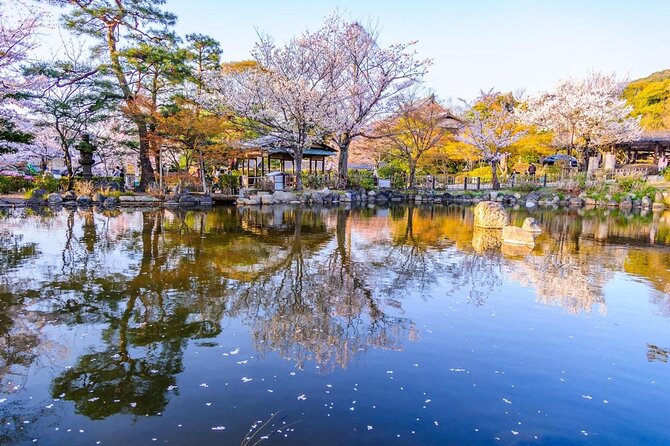
Kyoto’s cherry blossom season can feel crowded and hard to plan. This private walk gives you a local host, a food hall stop, and a hanami picnic, with time for evening blossoms at places such as Maruyama Park, Kyoto Gyoen, a riverbank, or a shrine.
I especially like the personal route and the chance to choose Japanese food at Daimaru’s depachika rather than accept a fixed meal. I also like the small-group setting, which lets you ask about local customs and request particular kinds of blossoms, as one guest did with guide Afifa.
The main drawback is the price: $290.79 per person is a serious spend for four hours, and transportation, extra food, drinks, and attraction tickets are not included. Blossom timing and the exact route can also change with the season and your wishes.
Key points at a glance
- Daimaru’s depachika food hall: Choose an obento, shared sushi, sweets, and drinks for a picnic rather than eating from a preset menu.
- Private four-hour format: Only your group takes part, so the walk can be shaped around your interests and pace.
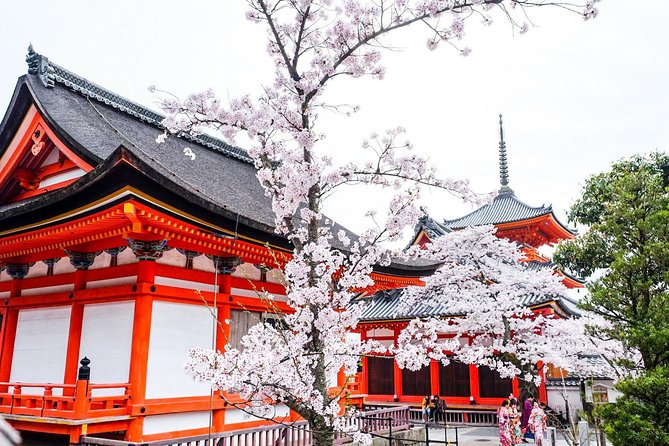
- Maruyama Park and Kyoto Gyoen: See Kyoto’s best-known cherry tree setting, then spend time in a quieter garden.
- Evening sakura viewing: The experience may include illuminated weeping cherry trees, a riverbank, or a shrine away from the busiest paths.
- Local hosts with different strengths: Jose, Afifa, Fatima, and Eva have guided walks that mixed local stories, food, traditions, and less-visited places.
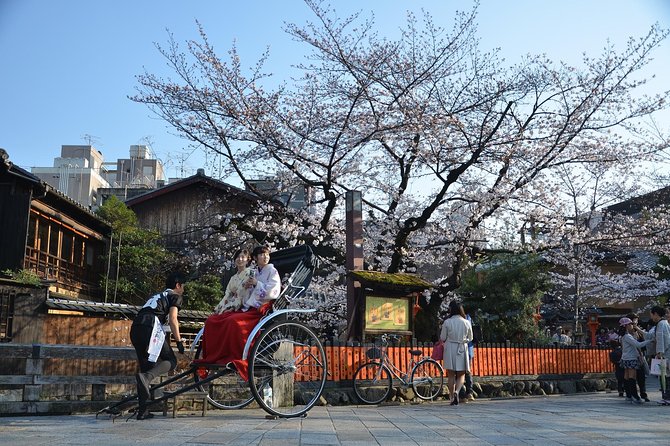
- Simple meeting point: The usual start is the FamilyMart at 300 Gionmachi Kitagawa, near Gion.
Why a private sakura walk makes sense in Kyoto
Cherry blossom season is short, popular, and difficult to time. Kyoto has many famous viewing areas, but knowing where to sit, when to arrive, and how to avoid spending the whole evening in a crowd is a different matter.
This experience is useful because it joins three parts of a good spring outing: a walk, a food stop, and hanami. You are not only looking at trees. You are also choosing seasonal food, hearing about Japanese customs, and sitting down to enjoy the blossoms.
The private format matters. Your group is the only group on the activity, and the host can adjust the walk to your interests. If you want pink blossoms, local food, Gion stories, or quieter corners, you can say so at the start. Afifa, for example, arranged a walk around a request for pink cherry trees, while other hosts focused on local life and less-visited parts of Kyoto.
The hosts named in the available feedback include Jose, Afifa, Fatima, and Eva. Their styles differ, which is normal for a host-led experience. Jose is described as relaxed and friendly, Afifa as especially good at personalizing the route, Fatima as fun and capable of making the outing feel personal, and Eva as talkative about Japanese life and traditions.
More Cherry Blossom Tours in Japan
- Guided Kyoto City Cherry Blossom One Day Private Tour
★ 5.0 · 16 reviews - Kyoto Spring Evening (Cherry Blossom) Food Tour
★ 3.0 · 4 reviews - Mt. Fuji, Cherry Blossom & Shiba Sakura Pvt. Day Tour
★ 5.0 · 326 reviews
Starting in Maruyama Park
The walk begins at Maruyama Park, one of Kyoto’s best-known cherry blossom areas. This is a sensible starting point because it gives you an immediate feel for hanami, the Japanese custom of viewing flowers, often with food and friends.
The park is known for spectacular blossoms, and your host takes you toward quieter spots within it. That promise is worth paying attention to. Maruyama can be busy during peak bloom, so a host who knows where to pause may help you enjoy the setting without spending the entire visit in the thickest crowd.
You should expect a walking experience rather than a formal garden tour with a long lecture. The value comes from having someone beside you who can explain what you are seeing, point out local customs, and help you settle into the rhythm of a spring evening.
This first stop is also a good place to tell your host what you want from the next four hours. You might prefer a slower pace, more food discussion, local traditions, or quieter photo stops. Since the route is private, speaking up should make a real difference.
A calmer pause at Kyoto Gyoen
The itinerary then moves to Kyoto Gyoen National Garden. This broad garden offers a different mood from Maruyama Park. Instead of focusing only on a famous cherry tree setting, you get a calmer place to walk and look at trees blooming with more space around you.
That contrast is one of the strongest parts of the route. Maruyama gives you the classic Kyoto spring scene. Kyoto Gyoen gives you room to slow down. If you have already spent the day around busy temples and narrow streets, the garden can be a welcome change.
The exact balance between the two parks may depend on the conditions and your host. Cherry blossoms do not open everywhere at once, and a private walk works best when you can follow the strongest bloom rather than stick rigidly to a timetable.
There is no attraction admission included, but the listed stops are public areas. You should still ask your host at the beginning if the route has changed, especially during peak blossom season.
Choosing your picnic at Daimaru
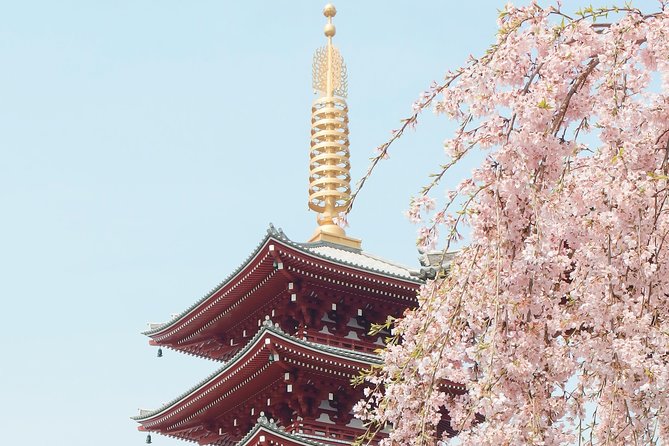
The food stop at Daimaru’s underground depachika is more than a quick place to buy lunch. Japanese department store food halls are known for carefully presented prepared food, and here you help select what will become your picnic.
The included meal consists of a traditional Japanese picnic with a bento box, a shared sushi platter, Japanese sweets, and two drinks. Sakura-themed treats may also be part of the selection. Your host assists with the choices, which gives you a chance to ask what you are buying and why it suits the season.
I like this part because it gives the meal a sense of place. A restaurant reservation would be easier, but it would remove the small act of choosing food from a Japanese department store. You get to see the presentation, compare options, and carry your meal to a blossom-viewing spot.
The meal is included, but additional food and drinks are not. If you have dietary restrictions or strong preferences, tell the provider before booking or contact the host at the start. The supplied information does not promise special dietary arrangements, so you should not assume every request can be met.
The food hall also makes this activity a good match for people who want more than photographs. You can learn a little about seasonal eating and everyday Japanese food without committing to a formal cooking class or restaurant meal.
More Cherry Blossom Tours in Kyoto:
- The DC Cherry Blossom Bus Tour with Tidal Basin Guided Walk
★ 4.5 · 151 reviews - National Mall & Cherry Blossoms Tour with Optional Museum Tickets
★ 4.5 · 112 reviews - Washington DC Cherry Blossoms By Bike Tour
★ 4.5 · 88 reviews - Washington: Cherry Blossom Tour
★ 4.5 · 61 reviews
Hanami beneath the blossoms
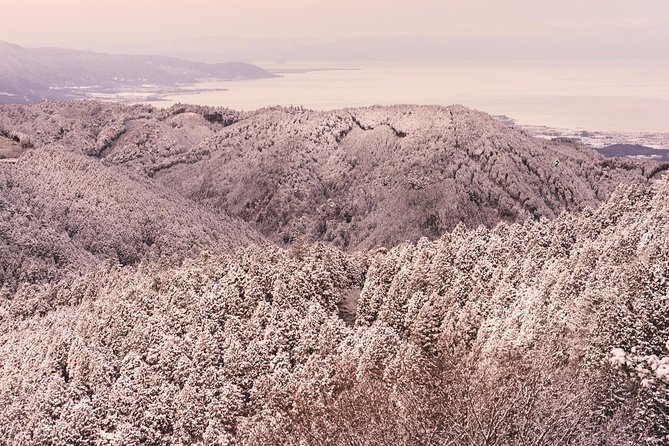
After choosing the meal, your host leads you to a picnic area. This may be a secluded part of a park or another quiet spot, with the final choice shaped by the route and the conditions.
The picnic is the heart of the experience. You sit beneath the trees, eat the bento and sushi, try the sweets, and hear local stories from your host. It turns flower viewing into something social and relaxed rather than a quick stop for pictures.
The private group format is especially helpful here. A large group would make it harder to find a suitable place or adjust the meal to your pace. With only your party taking part, you can take your time, ask questions, or keep the conversation light.
The meal is substantial enough to make this more than a snack stop, though the exact contents can vary because you select the food at the depachika. That flexibility is an advantage, but it also means you should not expect a fixed menu.
Bring comfortable shoes and be ready to walk between stops. The activity lasts about four hours, and transportation is not included. The listing does not promise a private vehicle, so plan on moving around by foot and using public transportation or taxis at your own cost if needed.
The appeal of evening cherry blossoms
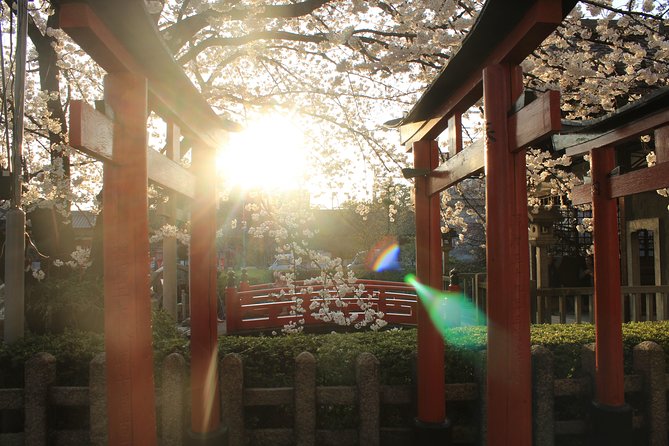
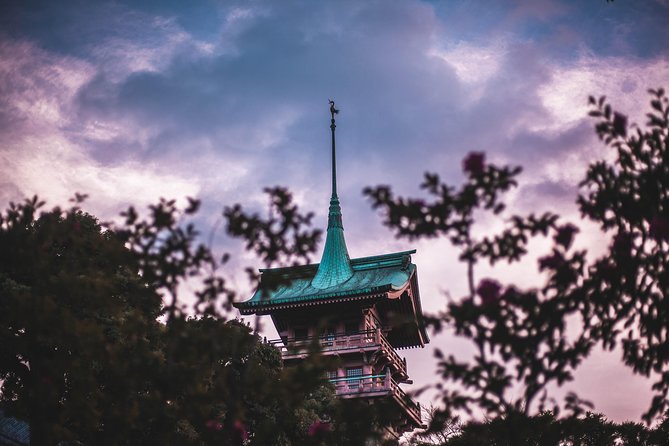
A notable part of this experience is the chance to see yozakura, or blossoms after dark. Weeping cherry trees can look especially striking when lit against the evening sky, and the mood is different from daytime flower viewing.
The route may include a riverbank or a shrine away from the busiest tourist areas. These options give your host room to respond to the evening atmosphere and the best available blossoms. You may not visit every possible location, since this is a personalized four-hour walk rather than a fixed checklist.
Night viewing also gives the experience a more local feel. You are not simply racing from one famous site to another. You are making a small evening outing of it, with food, conversation, and time under the trees.
Keep expectations sensible. Cherry blossom conditions vary, and the experience cannot guarantee that every tree will be at peak bloom on your date. The description focuses on the season and the host’s ability to guide you to suitable viewing spots, not on a guaranteed number of fully flowering trees.
What the guide adds
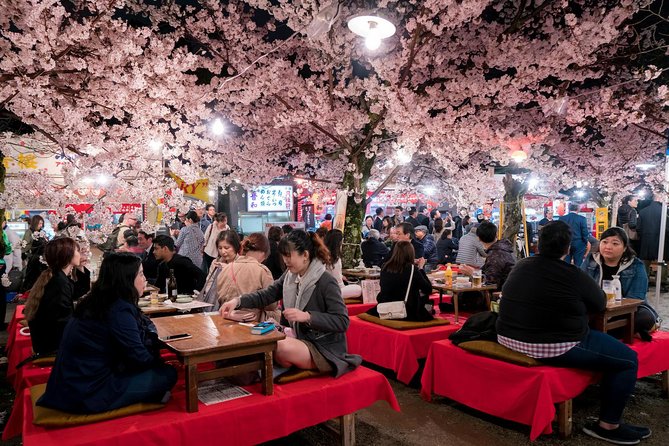
The hosts are the main reason to choose this experience over an ordinary self-guided sakura walk. Kyoto is easy to explore on your own, but a private host can add context that signs and maps do not provide.
Jose has led relaxed walks that combine famous sights with less obvious places. Afifa has shown particular care with personal requests and has brought the Gion district to life through local stories. Fatima has been described as making the outing feel personal and memorable, while Eva has shared information about Japanese traditions and daily life.
These details suggest a conversational experience rather than a formal academic tour. That will suit you if you want to ask questions as you go and learn through conversation. It may not suit you if you want a tightly scripted historical tour with a specialist guide focused on dates and architecture.
The provider is City Unscripted, and the experience is private. A central accommodation meet-up may be available as an option, but the standard meeting point is the FamilyMart at 300 Gionmachi Kitagawa in the Higashiyama Ward. Confirm the exact meeting arrangement when you book.
Is $290.79 per person good value?
At $290.79 per person, this is not a budget walk. The cost makes the most sense for couples, families, or friends who value privacy and personal attention during a short visit to Kyoto.
Part of the price covers the host’s time, the customized route, and the included picnic. You are also paying for help with a difficult seasonal plan. During sakura season, a local person who can adjust the walk and find a suitable place to eat may save you time and frustration.
The value is weaker if you mainly want to see cherry trees and can comfortably plan your own route. Kyoto’s public parks and gardens do not require this private experience, and you will still pay separately for transport, extra food, drinks, and any attraction tickets.
Group discounts may improve the cost for larger private parties. Since the activity is limited to your group, compare the total price for your party rather than looking only at the per-person figure.
I would view this as a special-occasion experience, not a routine sightseeing tour. It works best when sakura season is a major reason for your visit and you want the evening to include food and local conversation.
Who should book this experience?
I would recommend it to first-time Kyoto visitors who want help finding their footing during cherry blossom season. It is also a good fit if you enjoy food markets, gentle walking, and personal stories more than a long list of formal sights.
Families and small groups may appreciate the private format. You can move at your own pace and avoid being tied to strangers. Couples may also like the picnic and illuminated blossoms, particularly if they want a spring evening planned for them.
Food-focused visitors will get extra value from the Daimaru stop. The meal is not an afterthought. Selecting the bento, sushi, sweets, and drinks is part of the activity.
I would hesitate if you need guaranteed peak bloom, a set route, or a low price. I would also think twice if you are uncomfortable with walking or expect all transportation to be provided. The activity is built around moving between public places, and transport costs are your responsibility.
Most people can participate, and service animals are allowed. The experience is near public transportation, which helps if you need to reach the meeting point or continue elsewhere afterward.
Booking advice and cancellation terms
Confirmation is provided at booking. Free cancellation is available if you cancel at least 24 hours before the local start time. Cancellations made less than 24 hours before the experience are not refunded, and late changes are not accepted.
Sakura dates are in high demand, so booking early is sensible if your Kyoto schedule is fixed. At the same time, check the expected blossom period before committing, since the best viewing depends on the season.
Should you book this Kyoto sakura experience?
Book it if you want a private spring evening built around local food, flexible sightseeing, and a hanami picnic. The strongest reasons are the personal route, the Daimaru food selection, and the chance to see evening blossoms with a host who can explain local customs.
Skip it if you are mainly looking for the cheapest way to visit Kyoto’s cherry trees. You can explore public parks independently, and the extra costs for transport and food beyond the included picnic should be part of your calculation.
For the right group, this is a thoughtful way to mark sakura season. Ask for the kind of blossoms, food, and neighborhoods you prefer, then let the host shape the walk around them.
FAQ
How long does the Kyoto sakura experience last?
The experience lasts approximately four hours.
What is included in the picnic?
The picnic includes a bento box, a shared sushi platter, Japanese sweets, and two drinks. Sakura-themed treats may also be selected.
Is this a private tour?
Yes. Only your group participates in the activity.
Where does the experience begin?
The standard meeting point is the FamilyMart at 300 Gionmachi Kitagawa, Higashiyama Ward, Kyoto, 605-0073, Japan.
Where does the experience end?
The activity ends back at the meeting point.
Can the host meet me at my accommodation?
An optional meet-up at a central accommodation may be available.
Are transportation costs included?
No. Transportation costs are not included.
Are attraction tickets included?
No. Tickets to attractions are not included.
What is the cancellation policy?
You can cancel for a full refund up to 24 hours before the experience start time. Cancellations or changes made less than 24 hours before the start time are not accepted for a refund.
Just added around Kyoto
- Kyoto Hidden Treasures: Special Temple & Garden Access Tour★ 4.5 · 25 reviews
- Stunning Private Tea Ceremony: Camellia Garden Teahouse★ 5.0 · 28 reviews
- Kyoto ITALIAN GUIDE Golden Pagoda Bamboo Forest Dry Garden★ 4.0 · 2 reviews
- Kyoto: Kinkaku-ji Temple & Serene Garden Guided Tour with Tickets★ 5.0 · 9 reviews
- Guided Kyoto City Cherry Blossom One Day Private Tour★ 5.0 · 16 reviews
- Bamboo Grove Temple and Garden Views Tour★ 5.0 · 41 reviews
- Kyoto Japanese Garden Lover’s Private Tour with Government-Licensed Guide★ 4.5 · 10 reviews
- Kyoto Spring Evening (Cherry Blossom) Food Tour★ 3.0 · 4 reviews
Kyoto Garden Tours, compared.
Kyoto Zen Meditation & Garden Tour at a Zen Temple with Lunch
Read our review →
Kyoto Kiyomizu Tea Ceremony with Scenic Garden Views
Read our review →
Stunning Private Tea Ceremony: Camellia Garden Teahouse
Read our review →
Kyoto Hidden Treasures: Special Temple & Garden Access Tour
Read our review →
Guided Kyoto City Cherry Blossom One Day Private Tour
Read our review →Browse the lists this tour appears in