
Review · AUSTRALIA GARDEN TOURS
Aboriginal Heritage Walk – Royal Botanic Gardens Victoria, Melbourne Gardens
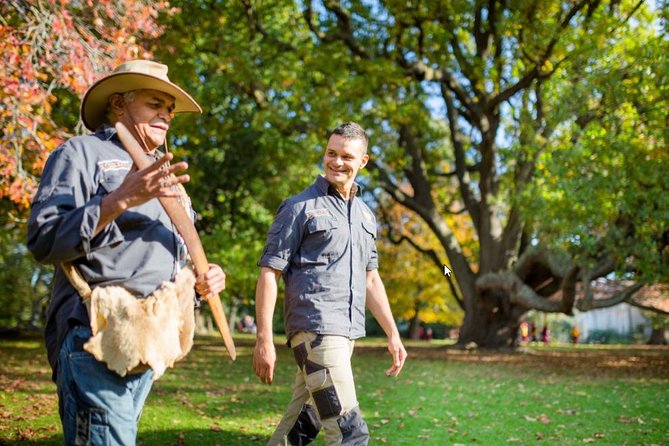
The most memorable part of this walk is not simply seeing Australian plants. It is learning how those plants fit into Kulin culture, from food and medicine to customs and the ongoing relationship with Country. An Aboriginal guide leads you through Melbourne’s Royal Botanic Gardens, turning a pleasant garden stroll into a thoughtful cultural experience.
I like the direct connection with local knowledge, and I like the setting: the gardens give you beauty, shade, and room to slow down. The included lemon myrtle tea is a small but welcome touch. The main caution is timing. The walk lasts about 90 minutes, but the gardens deserve much longer, so plan extra time if you want to explore them properly.
Key points at a glance
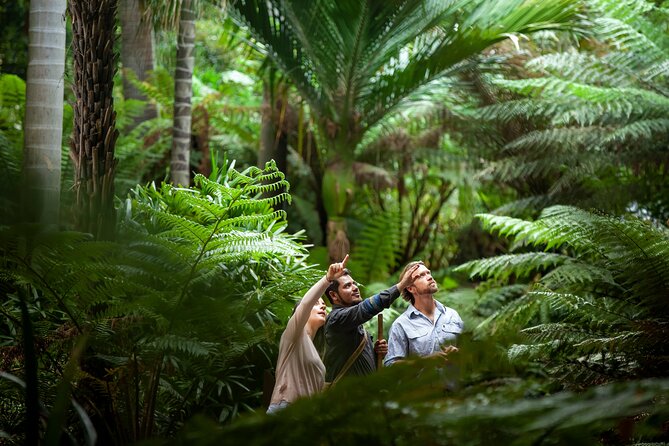
- Aboriginal-led cultural walk: Learn about the ancestral lands of the Kulin Nation from an Aboriginal guide.
- Native plants with a purpose: Discover how plants have been used for food, medicine, customs, and daily life.
- Sensory learning: You may smell leaves, touch tree bark, and examine plants as part of the experience.
- A gentle Melbourne outing: The walk takes place inside the beautiful Royal Botanic Gardens Victoria.
- Lemon myrtle tea included: A simple refreshment adds a distinctly Australian note.
- Small group format: The maximum group size is 25 people, with a 96 percent recommendation rate and a 4.8 rating from 315 reviews.
Why this walk adds something different to Melbourne
Melbourne’s Royal Botanic Gardens are easy to enjoy on your own. You can wander along the paths, admire the plants, and take photographs without a plan. Yet the Aboriginal Heritage Walk gives you a reason to look more closely.
A tree is no longer just a tree. A leaf may have a food or medicinal use. A plant can point to seasonal knowledge, local customs, and ways of caring for Country. The walk asks you to see the gardens through a cultural lens rather than treating them as a collection of attractive plants.
That distinction matters. Many sightseeing tours give you dates, buildings, and famous names. This experience focuses on living knowledge and the continuing connection between Aboriginal people and the land. You are not simply hearing about the past. You are learning about traditions and ideas that remain meaningful now.
The tour takes place on the ancestral lands of the Kulin Nation. The opening greeting, Womin Djeka, sets the tone for a respectful introduction to place. You do not need prior knowledge of Aboriginal culture to take part. The guide provides the context as you move through the gardens.
More Botanical Gardens in Australia
- Maleny Botanic Gardens Bird Aviary Experience Ticket
★ 4.5 · 579 reviews - Night Walk in Cairns Botanic Gardens – Let’s Go Buggin
★ 5.0 · 153 reviews - Cairns: Night Walk in Cairns Botanic Gardens
★ 4.8 · 86 reviews
Meeting your guide at 11:00am
The walk begins at 11:00am from the Visitor Centre at 100 Birdwood Avenue. You should arrive about 15 minutes early for check-in. This is useful advice for any guided walk, but especially here, because the starting point is within a large garden complex and you do not want to spend the first part of the morning hunting for the meeting place.
The activity ends back at the same meeting point. There is no hotel pickup, drop-off, or transport included, so you need to make your own way to the gardens. The location is near public transportation, which makes it practical to fit into a day in central Melbourne.
The start time works well for a morning plan. You can take the walk, have lunch afterward, and then return to the gardens for a longer independent visit. The 90-minute duration is long enough to offer substance without taking over your entire day.
The group can include up to 25 people. That is not an intimate private tour, but it is still a manageable size for a guided walk. The guide can address a mixed group of local and international participants, and the outdoor setting gives everyone room to move.
Walking through Kulin Country in the gardens
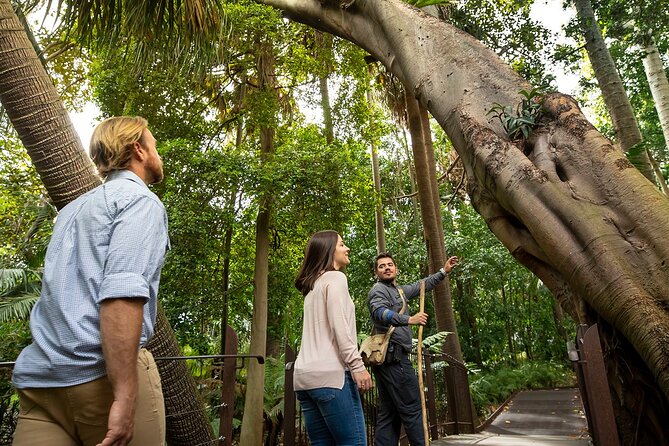
The first stop is not a single attraction or display. The Royal Botanic Gardens themselves are the setting and the teaching tool. You move through Melbourne Gardens while the guide identifies plants with cultural importance.
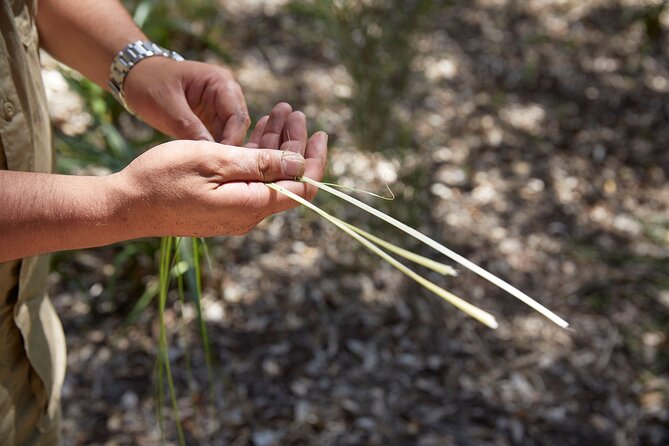
This approach keeps the tour grounded. Instead of sitting in a room looking at pictures, you see the plants where they grow. You may be invited to smell leaves or touch the surface of tree bark. Those small sensory moments help turn information into something you can remember.
The focus includes plant uses for food and medicine. You will learn how Aboriginal people have understood and worked with native plants, and how plant knowledge forms part of wider customs and responsibilities. The walk also considers the need to respect Country and take only what is needed.
I particularly like that the subject is practical. You are not receiving a broad, vague introduction to Aboriginal culture. You are looking at specific plants and considering how they support human life. That makes the experience useful for anyone who wants to understand the relationship between nature and culture in Australia.
Your guide may also share stories, reflections, and ideas about staying connected to the land and to other people. Guides such as Den have been praised for using humor, hand gestures, and poetry to keep the group involved. Jacobi has also led the walk, bringing clear enthusiasm and pride in his heritage. The exact guide can vary, so book this for the Aboriginal-led format rather than for one particular person.
The garden setting is part of the experience
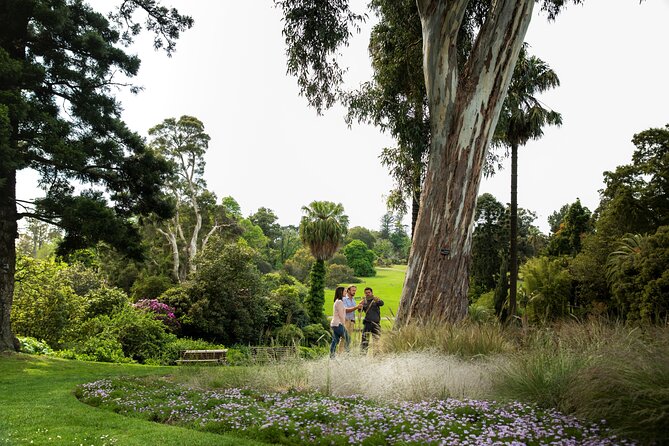
The Royal Botanic Gardens are one of Melbourne’s most attractive places to spend time. The setting makes this tour feel calm and open, with plants and paths providing a natural backdrop for the conversation.
Still, it is important to understand the balance. The garden is not only a backdrop. It is part of the lesson. You will spend time looking at particular plants and listening to explanations, so this is not a fast-paced tour that races from one famous view to another.
If you want a classic garden visit, you should allow extra time before or after the walk. The 90-minute tour gives you an introduction, but it cannot cover every part of Melbourne Gardens. You might want to arrive early for a short look around, then stay afterward to explore at your own pace.
The setting also means the experience depends on the weather. Wear clothing that suits the forecast. Wet-weather gear is sensible in winter, while sunscreen and a hat are important in summer. The tour requires good weather, so poor conditions can lead to a different date or a full refund.
Same corner of the map, a different planting:
- The Explorer – Melbourne Gardens
★ 5.0 · 224 reviews - Melbourne: 1-Hour Gardens and Sporting Precinct River Cruise
★ 4.1 · 196 reviews - River Gardens Melbourne Sightseeing Cruise
★ 3.5 · 193 reviews - Hunter Valley: Wine Tour with 3 Tastings and Garden Lunch
★ 4.7 · 103 reviews
What you learn about plants, food, and medicine
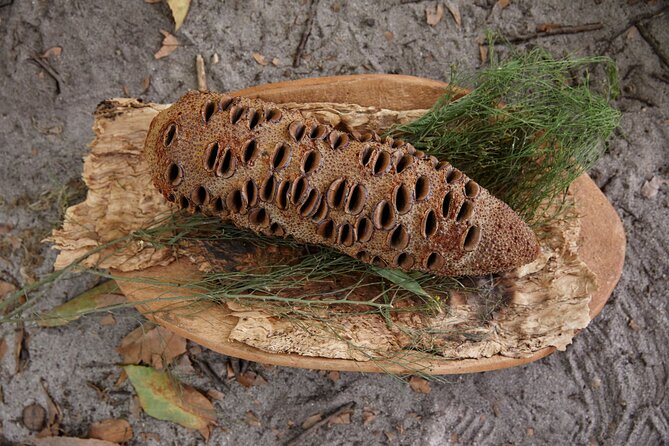
The plant section is the heart of the walk. You are introduced to native plants and trees and learn how Aboriginal people have used them for food and medicine. The guide connects each example to wider ideas about custom, survival, care, and respect.
Do not expect a botanical lecture packed with scientific names. The emphasis is on cultural meaning and use. That makes the walk approachable, especially if you are more interested in people and place than in formal horticulture.
The sensory element adds real value. Smelling leaves and touching textured bark can make the information easier to hold onto. A child may connect with the walk through touch and scent, while an adult may be more interested in the practical knowledge or the ethical ideas behind gathering from Country.
The included lemon myrtle tea fits this theme. It is not a large meal or a major refreshment break, but it gives you a taste of a native Australian plant and provides a pleasant pause during the walk. If you enjoy food-based cultural experiences, this detail makes the tour feel more complete.
The walk also encourages a careful attitude toward nature. The message is not simply that plants are useful. It is that people should respect the land and take only what they need. That idea gives the plant stories a present-day relevance.
The guide makes or breaks the hour and a half
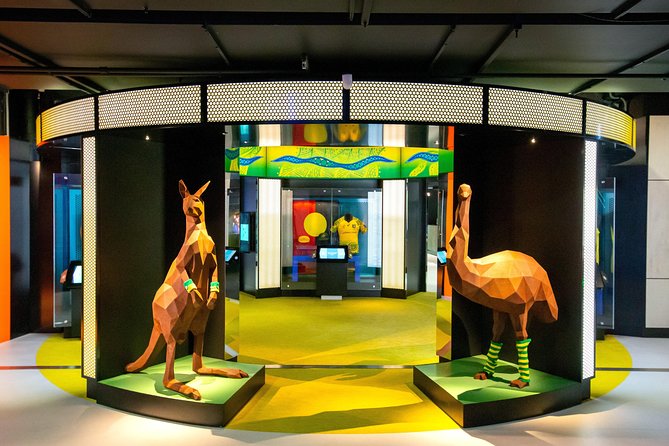
This tour depends heavily on the guide. The subject calls for more than reciting facts. It requires personal connection, storytelling, and the ability to help a mixed group listen with respect.
The strongest guide experiences have included Uncle Den, whose humor, gestures, and poem helped people connect with the message. Jacobi has also led the walk with enthusiasm and a clear sense of pride in his Aboriginal heritage. Another guide described in the tour feedback was praised for offering useful stories about medicinal and food plants.
The style is casual rather than formal. That is good news if you prefer conversation to a stiff lecture. It also means the exact mood can vary with the guide and the group. You may get lively storytelling, thoughtful discussion, or a quieter walk focused on observation.
I would choose this activity if you want to listen and think as well as take photographs. It is less suitable if you need constant movement, a long list of attractions, or a purely sightseeing-focused morning.
The group can include people of different ages and backgrounds. The guide’s task is to connect with local and international participants alike. Most people can take part, and service animals are allowed.
Is $30.51 good value?

At $30.51 per person, I consider this a fair price for a hosted 90-minute cultural walk in one of Melbourne’s best-known public gardens. You are paying for the guide’s time, personal perspective, interpretation of the plants, and the chance to learn in the setting itself.
The value is strongest if you would otherwise walk through the gardens without understanding the cultural importance of what you see. A self-guided visit costs less, but it does not provide the same Aboriginal-led perspective or the chance to ask questions as you go.
The price is less compelling if you are mainly seeking a general garden tour. The walk does not promise a broad survey of every garden section, and transport is not included. You still need to reach Birdwood Avenue and may want to budget extra time for your own visit afterward.
A 96 percent recommendation rate and a 4.8 rating from 315 reviews suggest that the format works well for most people. One practical warning remains important: a booking problem can ruin the day, so confirm the date and start time carefully before setting out. The tour should begin at 11:00am, with check-in 15 minutes beforehand.
Who should book this experience?
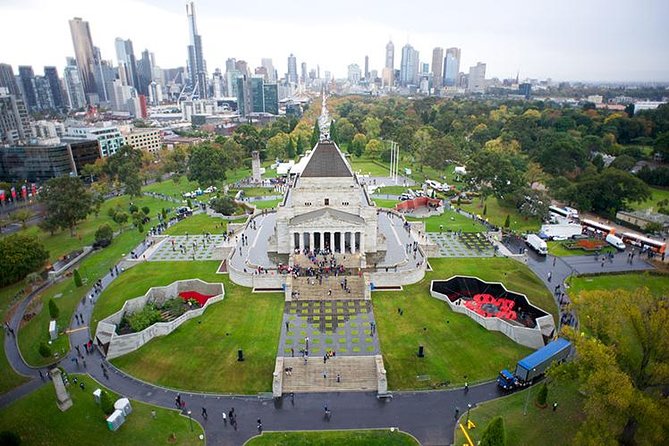
I would recommend the walk to first-time visitors who want an introduction to Aboriginal culture tied to a real place. It is also a good choice for Australians who want to learn more about the First Peoples of the land where they live or are visiting.
Families may appreciate the outdoor format and sensory details, though the subject requires attentive listening. Anyone interested in native plants, food traditions, medicine, sustainability, or local culture should find something useful here.
The tour is also a strong choice for people who prefer a calm morning activity. You do not need a full day, special equipment, or transport between several attractions. You need suitable clothing, comfortable walking shoes, and an open mind.
I would be more cautious if you have only a short time in Melbourne and want to cover many major sights. Ninety minutes is manageable, but the gardens are not close to every central attraction in the way a compact city walking tour might be. I would also avoid booking it as your only garden visit, since the guided route is an introduction rather than a full tour of the grounds.
Cancellation is free up to 24 hours before the local start time, with a full refund. Changes or cancellations inside that window are not accepted, and poor weather can lead to a new date or refund.
Should you book the Aboriginal Heritage Walk?
Book it if you want more than pretty plants. The Aboriginal Heritage Walk gives you a respectful, place-based introduction to Kulin culture, native plant use, and the continuing relationship with Country. Its best features are the Aboriginal guide, the sensory contact with plants, the beautiful garden setting, and the clear message about caring for land.
Skip it if you want a fast tour of garden highlights or prefer to explore entirely on your own. For everyone else, $30.51 buys a thoughtful 90-minute experience that can change the way you see the rest of Melbourne Gardens. Arrive early, dress for the weather, and leave extra time to keep exploring after the guide returns you to the Visitor Centre.
FAQ
Where does the Aboriginal Heritage Walk begin?
The walk begins at the Visitor Centre at 100 Birdwood Avenue, Melbourne VIC 3004, Australia.
What time does the walk start?
The experience starts at 11:00am. You should check in 15 minutes before the start time.
How long does the Aboriginal Heritage Walk last?
The walk lasts approximately 1 hour and 30 minutes.
Who leads the experience?
An Aboriginal guide leads the walk. Guides who have led this experience include Den and Jacobi, although the guide may vary by date.
Is lemon myrtle tea included?
Yes. Lemon myrtle tea is included as part of the experience.
Is transportation provided?
No. Hotel pickup, hotel drop-off, and transportation to or from the gardens are not included. The meeting point is near public transportation.
Can I cancel for a full refund?
Yes. You can cancel at least 24 hours before the local start time for a full refund. Cancellations or changes made less than 24 hours before the start time are not accepted for a refund.
History tours around Australia
- Beijing Historical Tour II including Summer Palace, Lama Temple & Panda Garden
★ 4.0 · 187 reviews - Amalfi Organic Lemon Tour & Tasting in the Historical Garden
★ 4.9 · 46 reviews - Bangkok Wat Pho and Flower Market Historical Walking Tour
★ 5.0 · 28 reviews - Historical Guided Day Tour : City – Sugar World – Botanical Garden
★ 4.5 · 20 reviews
Just added around Australia
- Friends in the Rainforest Package: Koala Gardens & Birdworld★ 4.4 · 34 reviews
- Byron Bay: Crystal Castle & Shambhala Gardens Entry Ticket★ 4.3 · 7 reviews
- Cairns: Insect Photography Tour of Cairns Botanic Gardens★ 5.0 · 5 reviews
- Picnic in the Royal Botanic Gardens for 2★ 4.0 · 12 reviews
- Hunter Valley: Wine Tour with 3 Tastings and Garden Lunch★ 4.7 · 103 reviews
- Foraging Tour: Botanical Gardens Walk & Picnic★ 4.5 · 19 reviews
- Sydney’s Royal Botanic Gardens Luke Nguyen Tasting Menu★ 4.5 · 9 reviews
- Pedals & Petals – Discovering Wildflowers Bike Tour Kings Park★ 5.0 · 20 reviews
Australia Garden Tours, compared.
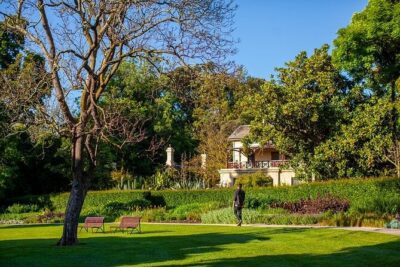

1-Hour Gardens and Sporting Precinct River Cruise
Read our review →

Night Walk in Cairns Botanic Gardens – Let’s Go Buggin
Read our review →
Hunter Valley: Wine Tour with 3 Tastings and Garden Lunch
Read our review →
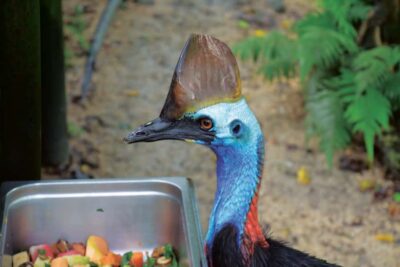
Friends in the Rainforest Package: Koala Gardens & Birdworld
Read our review →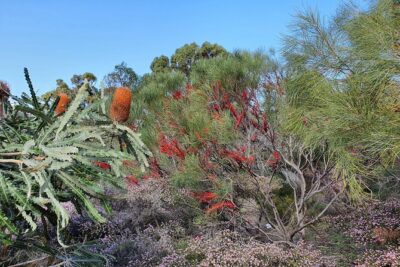
Pedals & Petals – Discovering Wildflowers Bike Tour Kings Park
Read our review →Browse the lists this tour appears in