
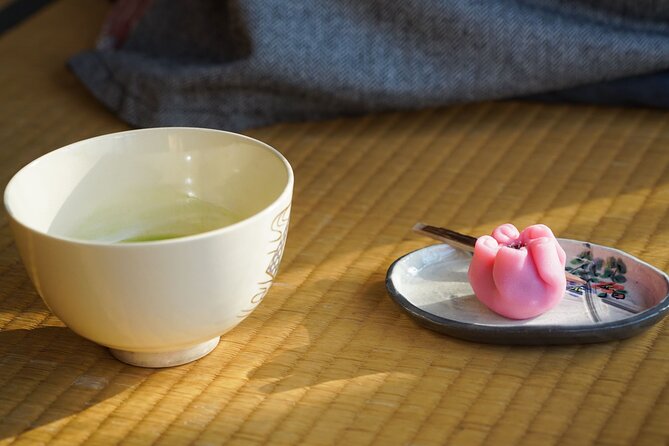
Review · JAPAN GARDEN TOURS
Kyoto Zen Meditation & Garden Tour at a Zen Temple with Lunch
A monk-led zazen meditation session is the heart of this Kyoto experience. You walk through the Tofukuji area, learn how Zen temples work, sit quietly under a monk’s instruction, and finish with a traditional Buddhist meal. This is not just a temple photo stop. It gives you time to slow down and pay attention.
I like two things here. First, the small maximum of seven people allows guides such as Yutaka and Hikari to explain Buddhist customs and answer questions without turning the walk into a lecture. Second, admission fees are included, and so is lunch, which makes the $110.10 price easier to justify. The main consideration is timing: the 10:45 departure may not reach lunch until 14:15, and late arrivals cannot join or receive a refund.
Key points to know before booking
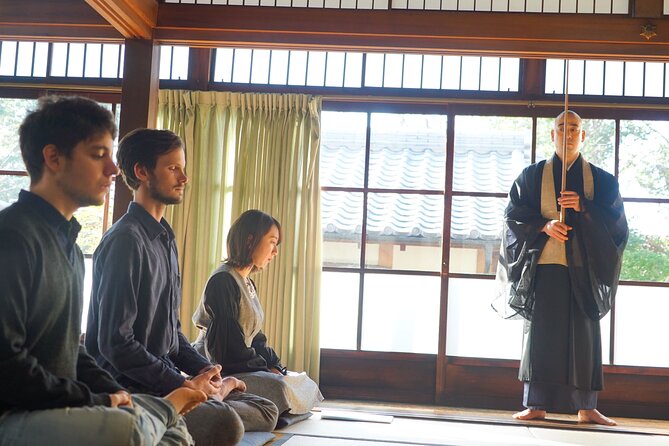
- A monk leads the main meditation: You receive an introduction from your guide, then practice zazen in a temple setting with a resident monk.
- Tofukuji gives the tour its setting: Expect temple grounds, a dry Zen garden, shrines, and explanations about Buddhism and Shinto.
- Lunch is part of the experience: The meal is a traditional Buddhist-style lunch, with no guarantee that allergies or dietary restrictions can be accommodated.
- The group stays very small: A maximum of seven people makes it easier to ask questions and follow the guide through the temple area.
- Silence matters during zazen: Private conversation is generally not allowed during the meditation period, though reading material is provided.
- Plan for the weather and floor temperatures: Bring water and a hat in summer, and wear thick socks in winter.
Why the meditation session is the main event
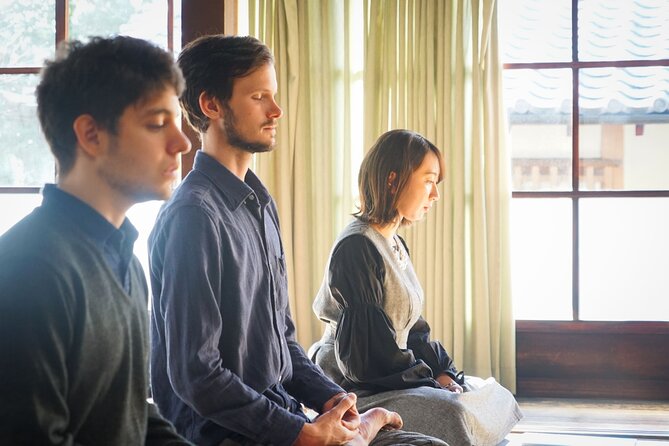
Kyoto has no shortage of temples where you can admire a gate, take a photograph, and move on. This tour asks you to do something different: sit still long enough to notice how a Zen temple feels when you are not rushing through it.
The meditation follows an explanation of zazen, the seated practice associated with Zen Buddhism. Your guide prepares you for what to expect, then a monk leads the session. The monk may speak Japanese, with the guide helping explain the instructions and translating questions afterward. That arrangement matters because it lets you receive teaching from a monastic figure without leaving you to guess what is happening.
The meditation can last about an hour, including a short break. During the session, quiet is part of the point. You should not expect a casual conversation with your companions or a running commentary from the guide. Materials are provided for silent reading, but the better approach is to accept the pause.
This is suitable for a first introduction to meditation. You do not need to arrive with a working knowledge of Buddhism or a regular meditation practice. At the same time, you should not expect a full retreat or a private spiritual consultation. It is a guided cultural experience within a half-day tour.
The monk also speaks with the group afterward, giving you a chance to ask questions through the guide. That exchange is one of the more useful parts for curious visitors. You can ask about posture, practice, temple life, or the ideas behind Zen, rather than simply observing from the doorway.
More Garden Tours in Japan:
- Osaka: teamLab Botanical Garden Entry Ticket
★ 4.5 · 1,710 reviews - Imperial Palace East Garden and Edo Castle Walking Tour in Tokyo
★ 5.0 · 510 reviews - Kyoto Arashiyama Bamboo forest & Garden Half-Day Walking Tour
★ 5.0 · 413 reviews
Walking through the Tofukuji temple area
The tour starts at the FamilyMart Nakai Tofukuji12-chōme-232 Honmachi in Kyoto’s Higashiyama Ward. It is near public transportation, but you should allow extra time to locate the exact meeting point. The tour begins on time, and if you miss the group, you cannot join later, reschedule, or receive a refund.
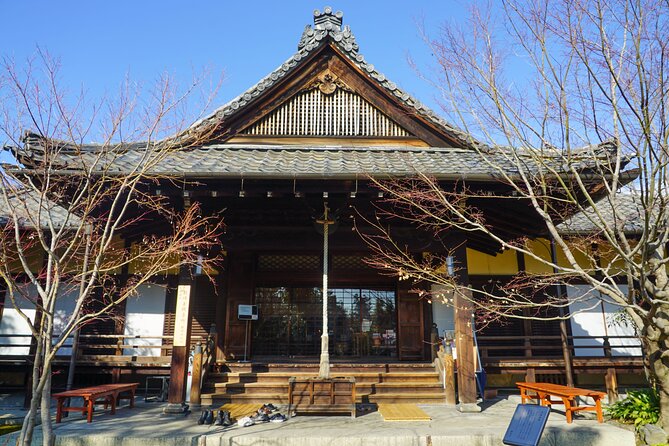
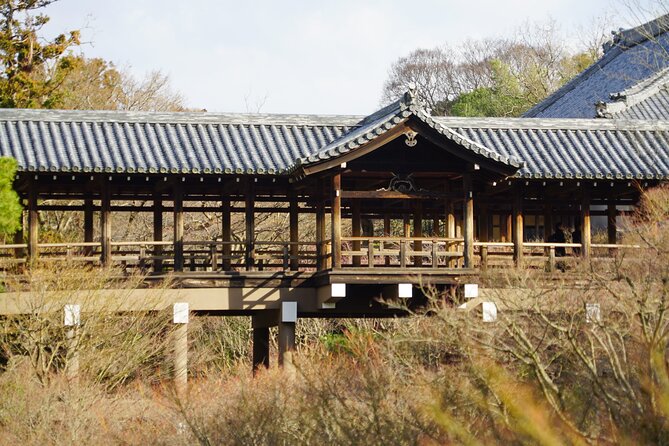
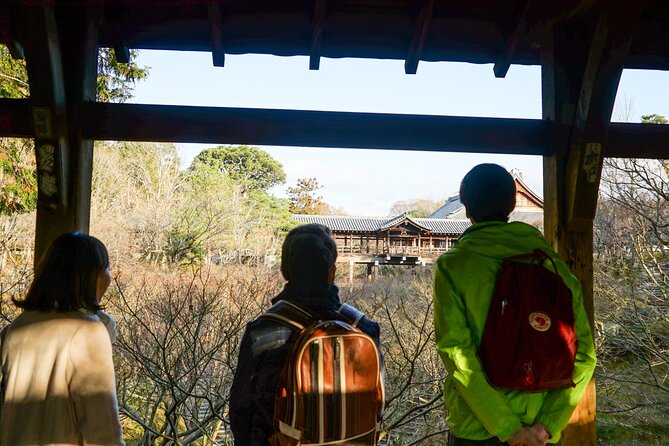
From the meeting point, your guide leads you around the Tofukuji area. The walk connects several parts of the experience: Buddhist temples, a Shinto shrine, temple architecture, garden design, and the everyday streets around them. Guides such as Yutaka have been praised for explaining small details that are easy to miss when visiting on your own.
Tofukuji is especially useful as a setting because Zen is not presented as an abstract idea. You see the buildings, grounds, gardens, and objects tied to temple practice. Your guide can explain the difference between Buddhist and Shinto traditions, as well as how temple organizations are arranged.
The pace is intended to be calm, but this is still a walking tour. You will move between stops, stand at some points, and spend time on temple floors. Anyone with mobility concerns should ask the provider for current details before booking, since the supplied information does not describe accessibility arrangements.
The small group is a real advantage here. With no more than seven people, you can ask why a garden is designed in a certain way or what a particular building is used for. You are less likely to lose the thread of the tour in a large crowd, and your guide can adjust explanations to the group’s questions.
Reading a dry Zen garden instead of just photographing it
A dry garden, sometimes called a Zen garden, uses carefully placed rocks, gravel, and limited planting to create a scene meant for quiet thought. The point is not simply that it looks neat. Your guide helps connect the design to Zen ideas and shows you how to look at it with more patience.
I like this part because the garden gives you a bridge between visual beauty and meditation. After hearing about zazen, you can sit or pause near the garden and consider how much of the experience comes from restraint. There may be less to look at than in a large flowering garden, but each element carries more weight.
The tour does not treat the garden as a rushed photo stop. Guide commentary helps you understand why the space feels ordered and quiet. You also have time to take photographs, though the setting rewards putting your phone away for a few minutes.
Keep your expectations sensible. Temple access and garden visits are included, but the tour does not promise access to every building or every part of the Tofukuji complex. Specific temple spaces can change according to local rules, religious use, or seasonal conditions.
What the Buddhist lunch adds
The meal is described as a traditional Buddhist lunch historically served at Zen temples. It is vegetarian in character, and the food gives you another way to understand temple life. Rather than treating lunch as a filler between attractions, the tour uses it as part of the cultural lesson.
The meal can be substantial. One guide described a Kyoto-style lunch as larger than expected, and other details point to a traditional Buddhist meal rather than a quick snack. If you enjoy trying unfamiliar dishes, this is a useful part of the price. If you are selective with food, remember that substitutions may not be possible at every stop.
Dietary planning is important. The kitchens do not belong to MagicalTrip, so an allergy-free meal cannot be guaranteed. You should submit any dietary request by the day before the tour. Same-day requests are not accepted, and the provider may try to compensate at other stops if a substitution is not available.
Meal timing depends on your departure. Those taking the 10:45 start may not eat until around 14:15, after meditation. Eat a proper breakfast or brunch before setting out. This is a small practical detail, but it can make the difference between appreciating a quiet temple meal and spending the final part of the meditation thinking about snacks.
Same corner of the map, a different planting:
- Tokyo: Imperial Palace East Gardens Walking Tour
★ 4.8 · 353 reviews - Mt. Fuji, Cherry Blossom & Shiba Sakura Pvt. Day Tour
★ 5.0 · 326 reviews - Kyoto Kiyomizu Tea Ceremony with Scenic Garden Views
★ 5.0 · 101 reviews - Kanazawa: Samurai, Matcha, Gardens and Geisha Full-Day Tour
★ 4.9 · 75 reviews
Is $110.10 a fair price?
At $110.10 per person, this is not the cheapest way to see Kyoto temples. You can visit many temple grounds independently for less, and you can eat a basic lunch for far less than the tour price.
The value comes from what is bundled together. You receive a guide, temple admissions, a walk through the Tofukuji area, garden explanations, a monk-led meditation session, and lunch. If you tried to arrange the same combination yourself, the meditation would be the difficult part. Temple visits are easy to organize, but access to a structured zazen session with a monk is not something you can reliably add at the last minute.
The guide is also part of the value. Yutaka is repeatedly singled out for his warmth, English explanations, and enthusiasm for Kyoto and Zen Buddhism. Hikari is noted for carefully preparing participants for the meditation and translating the monk’s comments. Yukata is also associated with a friendly, attentive experience. The names appear in different accounts, so your assigned guide may vary.
I would consider the price fair if you want context and participation rather than a simple sightseeing loop. It is less appealing if your main goal is to cover as many famous Kyoto sites as possible. Four and a half hours is a sizeable block of a Kyoto day, and much of it is intentionally slow.
Timing, clothing, and small practical details
The total duration is about four hours and 30 minutes. Start times matter, especially because the tour will not wait for late arrivals. Arrive early at the FamilyMart meeting point and keep your phone available for booking details.
The activity is limited to people aged 12 and older. That makes sense given the quiet meditation period. Younger children may find the silence and seated practice difficult, and the tour is not designed as a family activity for all ages.
Wear clothing that lets you sit comfortably. Temple floors can be cold in winter, so thick socks are a smart choice. In summer, Kyoto can be hot and humid. Bring water and a hat to reduce the risk of heat exhaustion.
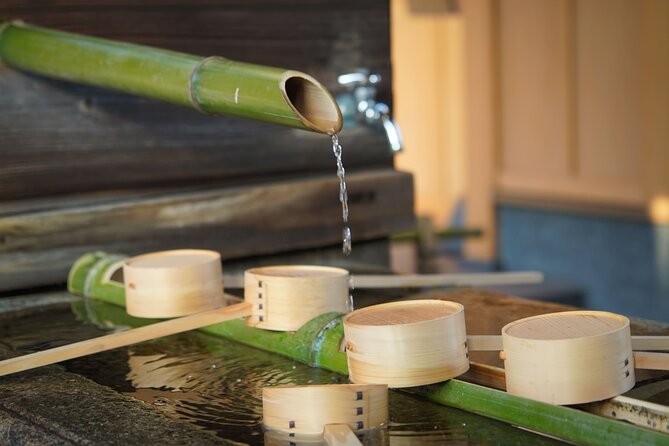
You should also be ready to remove shoes if required by temple rules, although the supplied information does not specify every footwear arrangement. Comfortable walking shoes are sensible, and socks without holes are an easy bit of preparation.
The published information says the experience ends near Chishaku-in Temple, while another note says the group plans to return toward the meeting point and disband at the last shop. Treat the final stop as the practical end of the tour rather than assuming you will be escorted back to the FamilyMart. Confirm the exact ending point with your guide on the day.
Who will get the most from this tour?
I would choose this experience if you want to connect Kyoto’s religious sites with an actual practice. It suits solo visitors particularly well because the small group and structured schedule make it easy to meet others without forcing conversation during meditation.
It is also a good fit for anyone curious about Buddhism, Zen philosophy, garden design, or Japanese culture. First-time meditators are welcome, and the guide’s preparation helps remove some of the uncertainty. You do not have to know the correct posture before arriving.
This is less suitable if you want a fast-paced day of major sights. The tour moves at a reflective pace, and the meditation requires silence. It may also be a poor choice for visitors with strict dietary requirements unless the provider confirms that your needs can be met in advance.
The experience has a strong cultural focus, but it is not a formal religious retreat. You are visiting as a learner, receiving an introduction, and then returning to the ordinary rhythm of Kyoto. That balance is one of its strengths.
Should you book the Kyoto Zen meditation tour?
Book it if you want one meaningful pause in a busy Kyoto itinerary. The combination of a real monk-led meditation session, temple and garden visits, a small group, and a traditional lunch gives the half-day a clear purpose.
I would skip it if you dislike sitting quietly, need complete control over your meal, or want to spend those four and a half hours visiting several major landmarks. Arrive early, eat breakfast before a late start, prepare for seasonal temperatures, and submit dietary requests by the previous day.
For the right visitor, this is a thoughtful way to experience Kyoto beyond its famous viewpoints. You leave with more than photographs of a Zen garden. You gain a basic understanding of how the space is used, how zazen is practiced, and why silence can be an active part of a visit.
FAQ
Where does the Kyoto Zen meditation tour start?
The tour starts at FamilyMart Nakai Tofukuji12-chōme-232 Honmachi, Higashiyama Ward, Kyoto, 605-0981, Japan. The meeting point is near public transportation.
Where does the tour end?
The activity ends near Chishaku-in Temple. The information also says the group may return toward the meeting point and disband at the last shop, so confirm the final location with your guide.
How long does the experience last?
The tour lasts approximately four hours and 30 minutes.
What is included in the price?
Temple admission fees, guided visits around the temple area, the Zen meditation experience, and a traditional Buddhist lunch are included.
Who can participate?
Anyone aged 12 or older can join. The group has a maximum of seven people.
What happens during the meditation?
A local guide explains the basics of zazen, then a monk leads the meditation session. Private conversation is generally not permitted during this period, and silent reading materials are provided.
Can dietary restrictions be accommodated?
You should submit dietary requests by the day before the tour. Allergy-free meals and all dietary substitutions cannot be guaranteed because the food is prepared in kitchens outside MagicalTrip’s control.
What is the cancellation policy?
You can cancel at least 24 hours before the start time for a full refund. Cancellations or changes made less than 24 hours before the start time are not accepted for a refund.
Just added around Japan
- Himeji: Himeji Castle & Kokoen Garden 3.5-Hour Guided Tour★ 4.9 · 30 reviews
- Tokyo: Ashikaga Flower Park with Entry Ticket★ 5.0 · 3 reviews
- 1-Day Tour from Okayama: Kurashiki, Gardens & Okayama Castle★ 5.0 · 2 reviews
- Osaka: Daytime Hanami (Cherry Blossom) and Food Tour★ 4.7 · 7 reviews
- Private Car Day Trip to the Kobe Mountains, Gardens and Hot Springs from Osaka★ 4.5 · 16 reviews
- Private Car Full Day Tour of Osaka Temples, Gardens and Kofun Tombs★ 5.0 · 24 reviews
- Full-Day Tour from Kanazawa: Samurai, Matcha, Gardens and Geisha★ 5.0 · 68 reviews
- Kyoto Kiyomizu Tea Ceremony with Scenic Garden Views★ 5.0 · 101 reviews
Japan Garden Tours, compared.

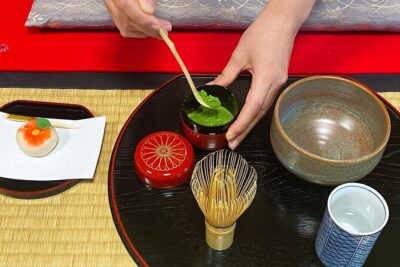
Kyoto Kiyomizu Tea Ceremony with Scenic Garden Views
Read our review →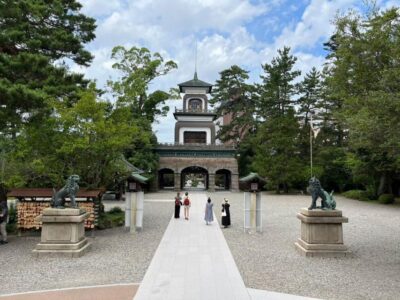
Kanazawa: Samurai, Matcha, Gardens and Geisha Full-Day Tour
Read our review →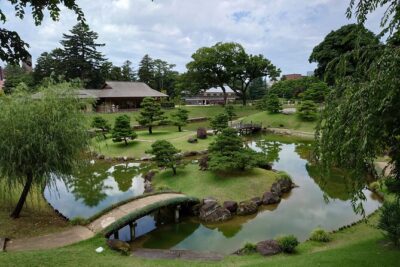
Full-Day Tour from Kanazawa: Samurai, Matcha, Gardens and Geisha
Read our review →
Nagano Spring: 1-Day Cherry Blossoms & Snow Monkeys Guided Tour
Read our review →
Himeji: Himeji Castle & Kokoen Garden 3.5-Hour Guided Tour
Read our review →Browse the lists this tour appears in