
Review · KYOTO GARDEN TOURS
Guided Kyoto City Cherry Blossom One Day Private Tour
Kyoto’s greatest challenge is not finding things to see. It is choosing among hundreds of temples, shrines, lanes, and gardens before your day disappears. This private tour tackles six famous sights in one long day, with a driver-guide handling the roads and pickup points. I especially like the private vehicle and the freedom to move at your own pace, plus the practical help with parking and photographs. The tradeoff is clear: one hour at each stop gives you a useful introduction, not a slow, meditative visit.
I also like that the route covers very different sides of Kyoto, from the bamboo paths of Arashiyama to the food stalls of Nishiki Market. Guides named Malik, Sag, Imran Khan, and Hamza have drawn particular praise for timing, local explanations, clean vehicles, and lunch advice. Still, entry fees and lunch cost extra, and a six-stop day can feel brisk, especially during cherry blossom season.
Key points to know before booking
- Six major sights in roughly eight hours: You cover Arashiyama, Kinkaku-ji, Kiyomizu-dera, Fushimi Inari, Gion, and Nishiki Market in one concentrated day.
- A truly private outing: Only your group takes part, so the pace and photo stops can be more flexible than on a large coach tour.
- A driver who solves Kyoto’s practical problems: Parking, road tolls, hotel pickup on request, and transfers between distant districts are handled for you.
- Strong guide and driver feedback: Malik, Sag, Imran Khan, and Hamza are praised for history, punctuality, parking choices, photographs, and lunch recommendations.
- The famous sights come with a time limit: Each listed stop receives about one hour, which is enough for highlights but not full exploration.
- Budget for extras: Lunch, drinks, admission tickets, and wheelchair use are not included.
Why this private Kyoto route makes sense
At $569 for about eight hours, this is not priced like a basic group bus outing. It makes sense when you value a private car, direct transportation, and the ability to keep your own group together. For a family or small party, the total cost can be easier to justify than several taxis, especially when you add Kyoto’s spread-out sights and the time lost figuring out each connection.
The vehicle is air-conditioned and includes private transportation, a child seat, onboard hotspot, and road tolls. Those details matter on a full day. You will not need to arrange separate rides between Arashiyama in the west and Fushimi Inari in the south, and you can leave your route planning to the guide.
The day begins at Kyoto Station at 8:00 a.m. and ends back at the meeting point. Hotel pickup is offered on request, but the stated start point is Kyoto Station, so confirm the exact pickup arrangement before you go. The early start is useful. Kyoto’s famous places draw large crowds, and an early departure gives you a better chance of reaching the first stop before the day becomes crowded.
The private format is the biggest advantage. You can ask for more explanation at a temple, move along when a site feels too crowded, or pause for photographs without waiting for a bus full of strangers. The limit is that the route is ambitious. Six one-hour stops, plus driving, means you should think of this as a broad first look at Kyoto rather than a slow cultural study.
More Cherry Blossom Tours in Japan
- Private & Unique Kyoto Cherry Blossom “Sakura” Experience
★ 5.0 · 5 reviews - Kyoto Spring Evening (Cherry Blossom) Food Tour
★ 3.0 · 4 reviews - Mt. Fuji, Cherry Blossom & Shiba Sakura Pvt. Day Tour
★ 5.0 · 326 reviews
Bamboo Forest Street and the wide reach of Arashiyama
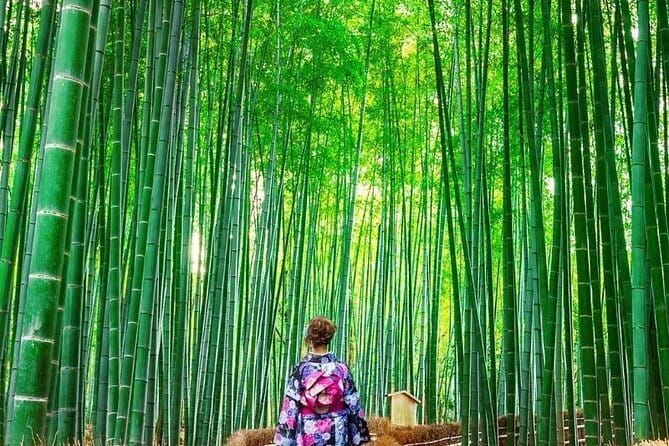
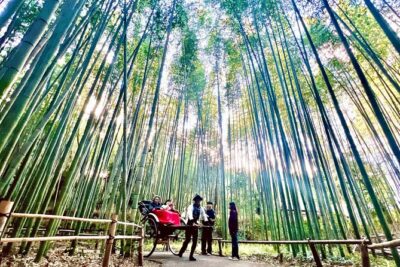
The first stop is the Arashiyama Bamboo Grove, described here as Bamboo Forest Street. This is one of Kyoto’s most recognizable sights, with tall bamboo stalks rising on both sides of the path. The area has attracted visitors since the Heian Period, from 794 to 1185, when court nobles came to enjoy its natural setting.
You receive about one hour here, with admission not included. That is enough to walk into the grove, take photographs, and get a feel for Arashiyama. The short visit also keeps the day moving, since Arashiyama sits on the outskirts of Kyoto and the next sights are spread across the city.
I would use this stop for atmosphere and photographs, not for a full exploration of the district. The description covers the bamboo forest, but not the other Arashiyama sights nearby. If you want time for additional temples or a longer walk, ask your guide how much flexibility is possible before the day begins.
Kinkaku-ji and Kyoto’s famous Golden Pavilion
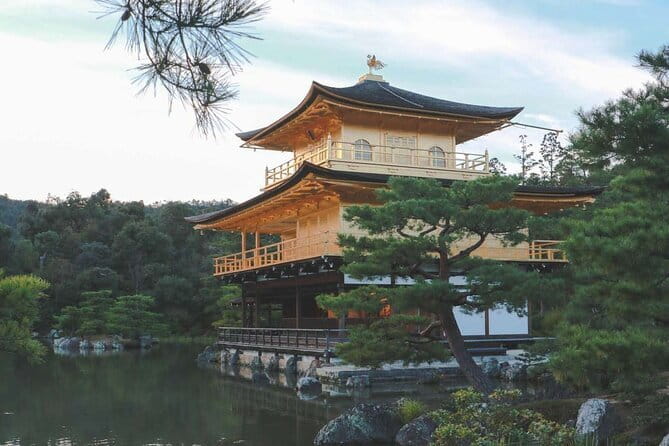
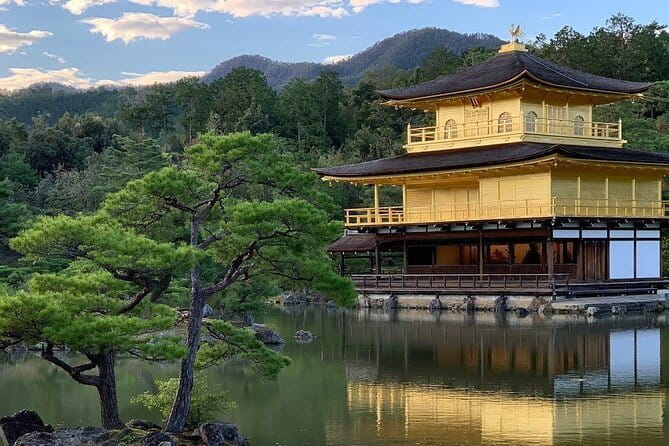
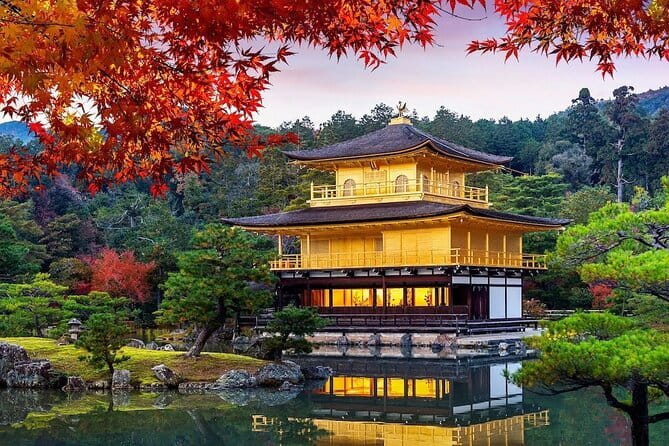
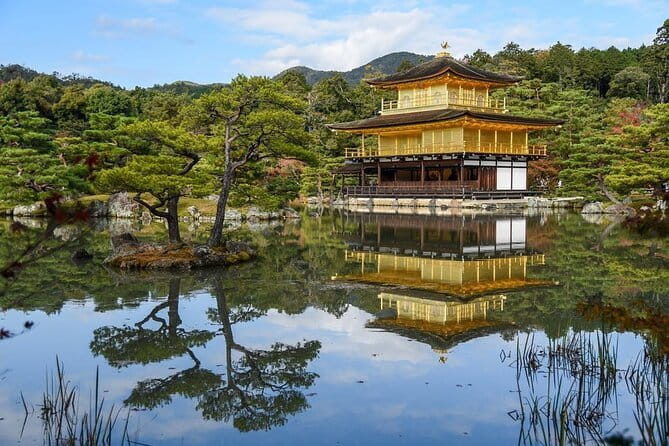
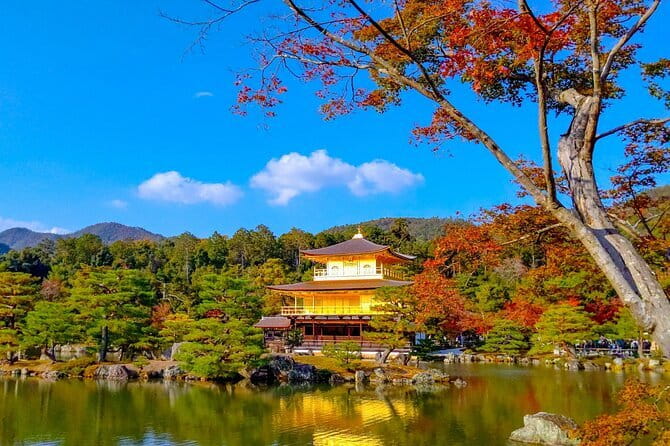
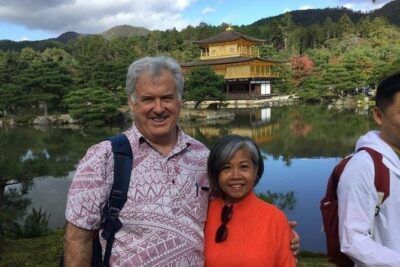
Kinkaku-ji, officially Rokuon-ji, is the Golden Pavilion. Its top two floors are covered in gold leaf, making it one of the most instantly recognizable buildings in Japan. The pavilion began as a retirement villa for shogun Ashikaga Yoshimitsu in 1397 and later became a Zen temple.
There is also a difficult piece of its story. The building was destroyed by fire several times, including an arson attack in 1950. The current structure dates from 1955. That detail gives your guide a useful chance to explain how Kyoto’s celebrated historic sites can include both old foundations and newer reconstructions.
The stop lasts about an hour, and admission is extra. You will have time to see the pavilion and grounds, but this is another place where the schedule favors the main view rather than every corner. I like the way this stop adds architectural drama after the softer bamboo grove. The drawback is that the Golden Pavilion can feel quick if you want a detailed temple visit or a long talk about Zen design.
Kiyomizu-dera and the Pure Water Temple
Kiyomizu-dera is one of Kyoto’s oldest temples, founded in 778. Its name means Pure Water Temple, a reference to the Otowa Waterfall that runs through the grounds. The temple is best known for its wooden stage and its long place in Kyoto’s religious life.
Your hour here should let you see the principal areas and understand why the temple matters. The site was associated with the Hosso sect of Buddhism until becoming independent in 1965, a point your guide can use to explain the temple’s religious background.
This is a strong stop for visitors who want more than a picture of a famous building. The wooden stage, waterfall, and hill setting give the visit several layers. At the same time, the tour description does not promise extended time for the surrounding lanes or shops, and admission is not included. If Kiyomizu-dera is high on your personal list, tell your guide early so you can use the hour well.
More Cherry Blossom Tours in Kyoto:
- The DC Cherry Blossom Bus Tour with Tidal Basin Guided Walk
★ 4.5 · 151 reviews - National Mall & Cherry Blossoms Tour with Optional Museum Tickets
★ 4.5 · 112 reviews - Washington DC Cherry Blossoms By Bike Tour
★ 4.5 · 88 reviews - Washington: Cherry Blossom Tour
★ 4.5 · 61 reviews
Fushimi Inari’s long passage of red torii gates
Fushimi Inari-taisha is dedicated to Inari, the Shinto deity associated with rice, fertility, and agriculture. It is known for thousands of red torii gates that form corridors along the paths leading up Mount Inari. The gates, called Senbon Torii, were donated by people and businesses seeking favor and blessings.
The visit lasts about an hour. That is enough to enter the shrine grounds and walk through part of the torii route, but not enough to climb all of Mount Inari. This is important when setting expectations. The shrine is much larger than the portion most day tours can cover.
I like this stop because it feels different from the Buddhist temples. The repeated gates create a strong visual rhythm, while the shrine’s purpose gives your guide a chance to explain Shinto customs and the role of Inari. Comfortable shoes will help, although the supplied details do not specify a dress code or walking distance.
Gion, where old wooden streets meet geisha culture
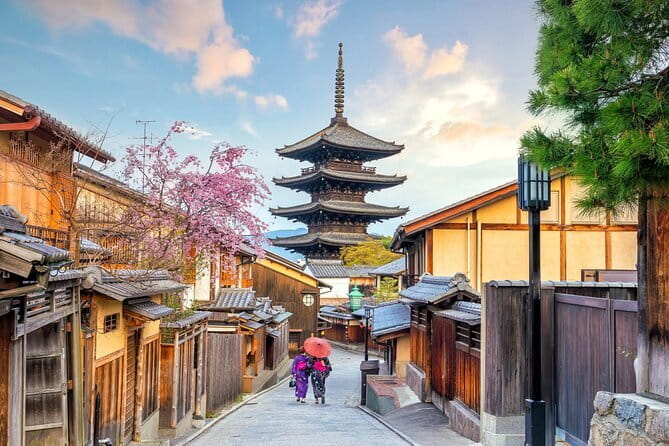
Gion is Kyoto’s historic district of wooden machiya houses, teahouses, and traditional entertainment. It is closely associated with geisha culture and offers a change of pace after the major temple grounds.
You have about an hour here. That allows time to walk through the district and take in its architecture, but it does not guarantee entry to a teahouse or a geisha performance. No such admission is included, and the experience should be treated as a visit to a historic neighborhood rather than a booked cultural show.
Your guide’s role matters in Gion. A good explanation can help you understand the difference between the buildings, the neighborhood’s traditional role, and the etiquette expected in a private residential and business district. Keep your camera respectful and follow your guide’s advice about where photography is appropriate.
Nishiki Market, Kyoto’s food corridor
Nishiki Market is known as Kyoto’s Kitchen. The narrow shopping street stretches for about five blocks and contains more than 100 shops and restaurants. It has served as a center for food and commerce for centuries.
The one-hour stop is well suited to a first look. You can browse food shops, see local ingredients, and decide if you want to buy a snack or save room for lunch. Lunch is not included, but guides have been praised for recommending good places to eat, so this is a useful moment to ask for help.
Nishiki Market is also where the fixed schedule may feel most restrictive. Food shopping is naturally slow, especially if you want to compare stalls or sit down for a meal. You can ask whether lunch should happen during this stop or elsewhere along the route, but the final plan depends on the day’s traffic and timing.
What the driver-guide adds to the day
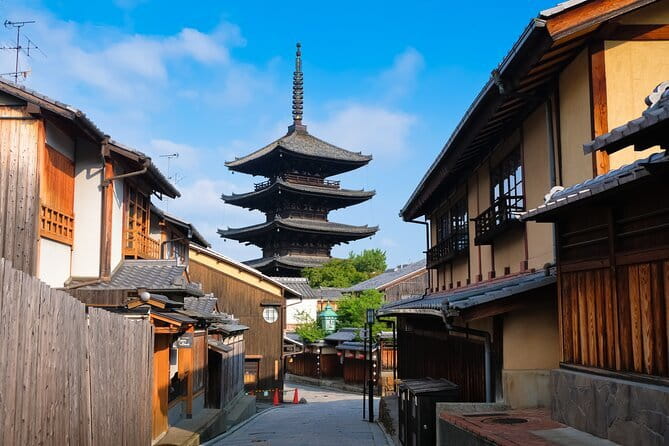
The best part of a private vehicle is not simply comfort. It is the time saved between districts. Kyoto’s major sights are not grouped in one compact area, and moving from Arashiyama to Kinkaku-ji, then on to eastern and southern Kyoto, can be tiring when you manage every transfer yourself.
Past departures have included guides and drivers named Malik, Sag, Imran Khan, and Hamza. The strongest praise centers on clear explanations, punctual pickup at each stop, useful parking choices, clean cars, and help with photographs. One guide was also singled out for taking excellent pictures, a small service that can matter when nobody in your group wants to be left out of the frame.
The guide may be a driver-guide rather than a separate historian, so ask questions as you go. The tour promises insight into Kyoto’s history, but the exact depth of commentary can depend on the person assigned. The private setting makes it easy to say what interests you most: temples, Shinto practice, food, architecture, or photography.
Price, timing, and the real value
The $569 price includes an air-conditioned vehicle, private transportation, a child seat, onboard hotspot, and road tolls. It does not include lunch, alcoholic drinks, or admission fees up to the stated amount of $7 per itinerary. The wording around entry fees is a little unclear, so confirm exactly which tickets you will pay for and how much before departure.
I see the price as reasonable for a group that wants maximum coverage without handling Kyoto’s transport system. It is less compelling for a solo visitor or someone who prefers to spend half a day at one temple. The private format gives you comfort and control, but the route itself remains busy.
The tour is a good match for families, first-time visitors, people with only one full day in Kyoto, and anyone who wants a private car. The child seat is a practical plus. Most people can participate, and the activity is near public transportation, but wheelchair use is not included, so ask about mobility needs before booking.
Free cancellation is available when you cancel at least 24 hours before the 8:00 a.m. start time. Changes or cancellations inside that period are not accepted for a refund. Since the tour is private, confirm your pickup details and group needs early.
Should you book this Kyoto day tour?
Book it if your priority is seeing Kyoto’s headline sights in one day without managing trains, taxis, parking, and route changes. The private car, flexible attention, and guide help make a demanding schedule workable. It is especially useful when your group includes children or several people who want to stay together.
Skip it if you want long temple visits, a serious hike on Mount Inari, a leisurely meal at Nishiki Market, or an unhurried afternoon in Gion. Six one-hour stops give you breadth, not depth. For a first Kyoto visit with limited time, I would choose it for convenience and coverage, then return on another trip to explore the places that deserve more than an hour.
FAQ
How long is the private Kyoto tour?
The tour lasts approximately eight hours.
Where does the tour start?
The stated meeting point is Kyoto Station, at Higashishiokoji Kamadonocho in Shimogyo Ward, Kyoto.
What time does the tour begin?
The start time is 8:00 a.m.
Where does the tour end?
The activity ends back at the meeting point.
Is hotel pickup available?
Pickup is offered on request. The stated meeting point is Kyoto Station, so confirm the pickup arrangement when booking.
Is this a private tour?
Yes. Only your group participates in the activity.
Are admission tickets included?
Admission tickets are not included. Entry fees not more than $7 per itinerary are listed among the exclusions.
Is lunch included?
No. Lunch and alcoholic beverages are not included.
What happens if I cancel?
You receive a full refund if you cancel at least 24 hours before the experience start time. Cancellations or changes made less than 24 hours before the start are not refunded or accepted.
Day trips around Kyoto
- From Paris: Giverny, Monet’s Home & Gardens Half-Day Trip
★ 4.5 · 2,887 reviews - Victoria and Butchart Gardens Day Trip from Vancouver
★ 4.5 · 2,242 reviews - Giverny Small-Group Half Day Trip with Monet’s Gardens from Paris
★ 5.0 · 1,663 reviews - Amsterdam: Keukenhof and Zaanse Schans Windmills Guided Day Trip
★ 4.5 · 1,063 reviews
Just added around Kyoto
- Kyoto Hidden Treasures: Special Temple & Garden Access Tour★ 4.5 · 25 reviews
- Stunning Private Tea Ceremony: Camellia Garden Teahouse★ 5.0 · 28 reviews
- Kyoto ITALIAN GUIDE Golden Pagoda Bamboo Forest Dry Garden★ 4.0 · 2 reviews
- Kyoto: Kinkaku-ji Temple & Serene Garden Guided Tour with Tickets★ 5.0 · 9 reviews
- Bamboo Grove Temple and Garden Views Tour★ 5.0 · 41 reviews
- Private & Unique Kyoto Cherry Blossom “Sakura” Experience★ 5.0 · 5 reviews
- Kyoto Japanese Garden Lover’s Private Tour with Government-Licensed Guide★ 4.5 · 10 reviews
- Kyoto Spring Evening (Cherry Blossom) Food Tour★ 3.0 · 4 reviews
Kyoto Garden Tours, compared.
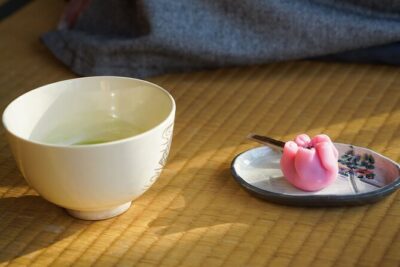
Kyoto Zen Meditation & Garden Tour at a Zen Temple with Lunch
Read our review →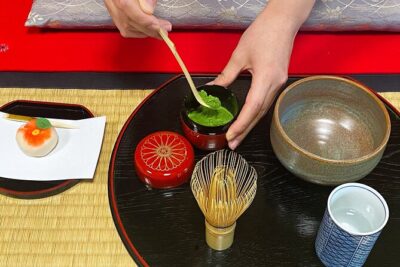
Kyoto Kiyomizu Tea Ceremony with Scenic Garden Views
Read our review →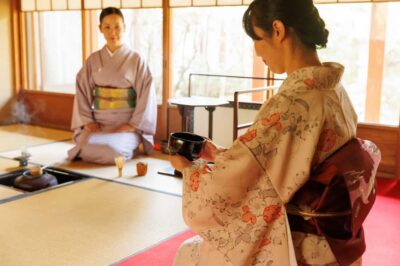
Stunning Private Tea Ceremony: Camellia Garden Teahouse
Read our review →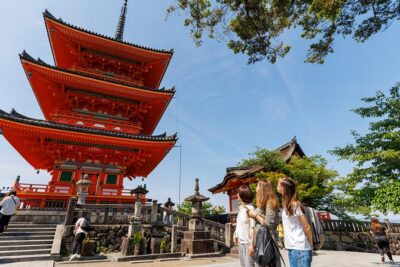
Kyoto Hidden Treasures: Special Temple & Garden Access Tour
Read our review →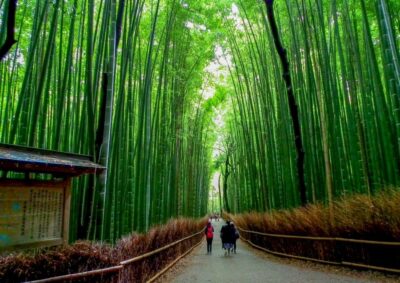
Kyoto Japanese Garden Lover’s Private Tour with Government-Licensed Guide
Read our review →Browse the lists this tour appears in