
Review · KYOTO GARDEN TOURS
Kyoto Japanese Garden Lover’s Private Tour with Government-Licensed Guide
Kyoto’s finest gardens make more sense when someone explains the quiet details: why a rock sits alone, how moss changes the mood of a temple, or what a dry garden asks you to imagine. This private tour lets you choose three or four sites from a long list, with a government-licensed guide shaping the day around your interests.
I like the freedom to pair famous places such as Kinkakuji with calmer gardens such as Taizo-in or Honen-in. I also like the personal attention. Guides including Kaeko and Shun have handled itinerary changes with ease, even after the day was already under way. The tradeoff is simple: transportation, admission, and lunch cost extra, and six hours is not enough to see every garden on the menu.
Key points before you book
- Choose three or four sites: You can build the day around Zen gardens, imperial villas, Arashiyama, Uji, or another major Kyoto sight.
- A licensed guide adds context: The guide is certified by the Japanese government and can explain Japanese culture, history, plants, rocks, and garden design.
- This is a walking and public-transport day: Pickup means meeting the guide on foot within a designated Kyoto area. No private vehicle is included.
- The garden choices cover several styles: Expect gold-leaf temple architecture, moss gardens, dry rock gardens, imperial grounds, bamboo, and seasonal plant displays.
- The route needs careful planning: Some options are far apart, and Byodoin in Uji requires extra travel time.
- Private means flexible: Only your group takes part, so you can focus on the gardens that matter most to you.
Why a private garden tour works well in Kyoto
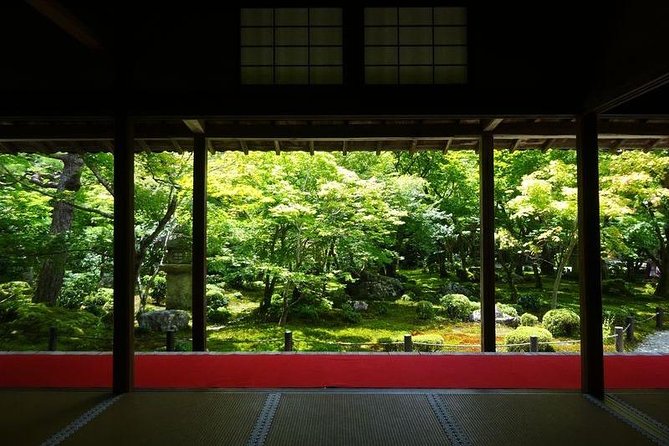
Kyoto’s gardens are not one single art form. A dry Zen garden uses stones, gravel, and empty space. A moss garden creates a softer mood under trees. An imperial villa uses ponds, paths, borrowed views, and carefully placed buildings. A good guide helps you notice the choices instead of simply walking past them.
That matters because many gardens look spare at first glance. Without context, you may see a few rocks and raked gravel. With a guide, you can learn how the design directs your eye and why the garden feels calm without relying on bright color or grand decoration.
This tour gives you a private guide for roughly six hours and lets you select three or four places from the available choices. That is a much better setup than trying to squeeze a dozen famous names into one exhausting day. You can choose a theme, such as Zen gardens, or mix major sights with quieter stops.
The government license is also useful. A National Government Licensed Guide Interpreter certification requires a strong understanding of Japanese culture and history. It does not guarantee that every guide will match your style, but it gives you a meaningful standard for the service.
Past guide assignments include Kaeko and Shun. Both are associated with a relaxed, adaptable approach. Kaeko adjusted a garden plan after a late request, while Shun handled several changes during the day and kept the mood easy, even in rainy weather. That flexibility is one of the strongest reasons to choose a private tour rather than a fixed group schedule.
More Japanese Gardens in Kyoto:
- Kyoto: Japanese Gardens Private Customizable Tour
★ 4.1 · 18 reviews - Lafcadio Hearn Japanese Gardens Admission Adult Ticket
★ 4.5 · 64 reviews - Tokyo Japanese Garden Lover’s Private Tour with Government-Licensed Guide
★ 5.0 · 27 reviews
Building a six-hour route without wasting the day
You should choose your must-see places before meeting the guide. The operator asks you to select from the available sites, and the guide then helps shape a workable route. You can also request a famous Kyoto sight outside the garden list.
The key word is workable. Kyoto looks compact on a map, but the listed places stretch from northern and eastern Kyoto to southeastern Kyoto, Arashiyama, and Uji. A route that includes Kinkakuji, Katsura Imperial Villa, and Byodoin may spend too much of the day moving between stops.
For most people, three places make a comfortable day. Four can work if they are close together and you are happy with shorter visits. The suggested stop times are often 20 minutes, though some places have 30-minute blocks and some are listed more briefly. In practice, your guide can help you decide where to spend your attention.
Remember that the six-hour duration includes movement between locations. This is not six hours inside gardens. You will also walk, wait for or ride public transportation, and pause for decisions, photos, and meals if your plan includes lunch.
Kinkakuji and Ryoanji: famous Kyoto in concentrated form
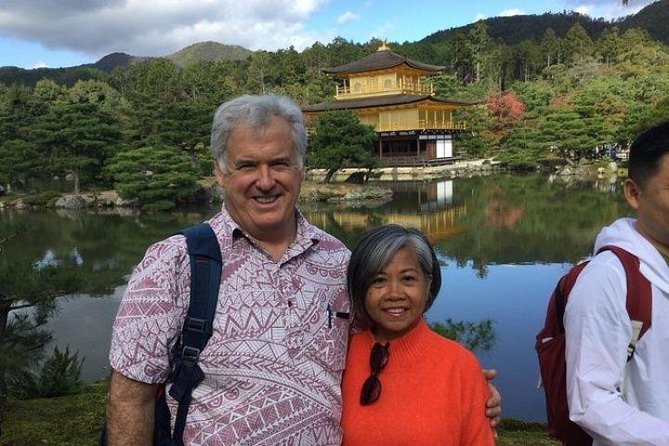
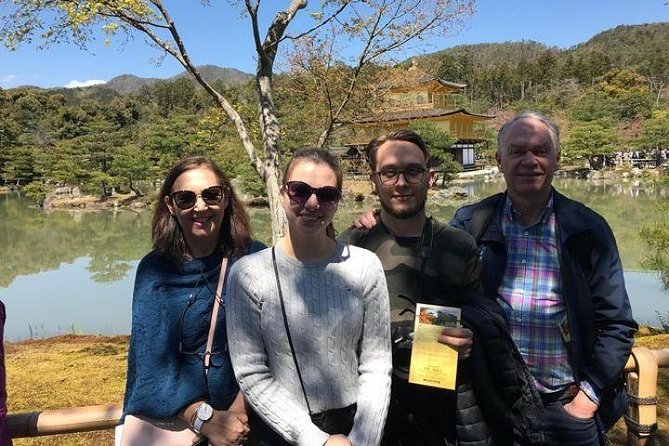
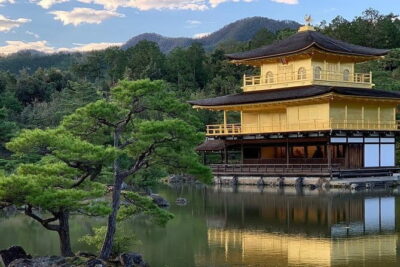
Kinkakuji, the Golden Pavilion, is one of Kyoto’s most recognizable sights. The top two floors of this Zen temple are covered in gold leaf, and the building reflects the kind of polished beauty many people picture when they think of Kyoto.
The listed visit is only about 20 minutes, and admission is not included. That makes Kinkakuji a strong choice if you want one iconic temple, but it can be a less satisfying choice if your main goal is to sit quietly in a garden. The pavilion is the main event, and the grounds are approached along a set route.
Ryoanji offers a very different experience. Its dry rock garden is perhaps Japan’s best-known example of this style, using stones and raked gravel rather than ponds or colorful planting. A guide can help you look at the arrangement, the empty spaces, and the way the garden changes as you sit with it.
These two sites pair well for a first visit because they show contrasting sides of Zen design. Kinkakuji is highly visual and dramatic. Ryoanji is restrained and asks for more patience. Both have admission fees, and 20 minutes at each gives you only an introduction.
Ginkakuji, Honen-in, and Nanzenji in eastern Kyoto
Ginkakuji, the Silver Pavilion, began as the retirement villa of shogun Ashikaga Yoshimasa. Despite its name, it is not covered in silver. Its appeal comes from the setting, the garden, and the restrained design associated with the Higashiyama area.
Honen-in is a good choice if you want a quieter approach. A scenic path leads to a moss-covered gate, followed by sand mounds and a small temple setting. The entrance sequence is part of the experience, so rushing through it would miss the point.
Nanzenji gives you a larger temple complex at the foot of Kyoto’s eastern mountains. The grounds are spacious, and the Suirokaku aqueduct adds a distinctive architectural detail. It is a useful stop for anyone who wants a major Zen temple with room to walk rather than a single garden viewed from one platform.
The three sites can form a strong eastern Kyoto theme, but ask the guide to confirm the order and timing. A 20-minute listing for each is brief, especially if you want photographs or a fuller explanation. Entrance fees are extra at each paid sight.
More Garden Tours in Kyoto:
- Kyoto Zen Meditation & Garden Tour at a Zen Temple with Lunch
★ 5.0 · 441 reviews - Kyoto Arashiyama Bamboo forest & Garden Half-Day Walking Tour
★ 5.0 · 413 reviews - Kyoto Kiyomizu Tea Ceremony with Scenic Garden Views
★ 5.0 · 101 reviews - Kyoto: Private Tea Ceremony with a Garden View
★ 4.9 · 61 reviews
Tofukuji, Daitokuji, Taizo-in, and Kenninji
Tofukuji is especially well known for autumn color, but its Zen setting makes it worth considering beyond that season. It is a large temple in southeastern Kyoto, founded in the 13th century at the request of the Fujiwara family. If your visit falls during fall, seasonal crowds and timing may matter more.
Daitokuji is a large Zen complex in northern Kyoto made up of temples within the wider temple grounds. Its appeal lies in the variety of small temple spaces and meditative gardens. You should confirm which subtemples are open and included in your route, since a large complex cannot be covered properly in a short stop.
Taizo-in, a subtemple of Myoshinji, is a particularly sensible choice for garden lovers. Its garden is considered appealing in every season, and a private guide can explain why the composition works without turning the visit into a lecture. The short visit can be rewarding if you arrive when the grounds are quiet, though the experience depends on the day and timing.
Kenninji sits close to the Hanamikoji and Shijo streets, yet its grounds offer a calmer break from the surrounding city. Two dry gardens are among its main attractions. Its central location makes it easier to combine with nearby Kyoto sights, though the suggested stop time is only one minute in the supplied schedule, so you should clarify how much time you want here.
Imperial gardens with a different sense of space
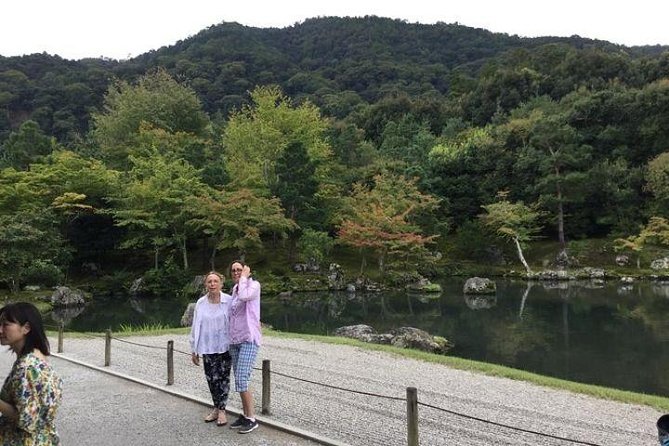
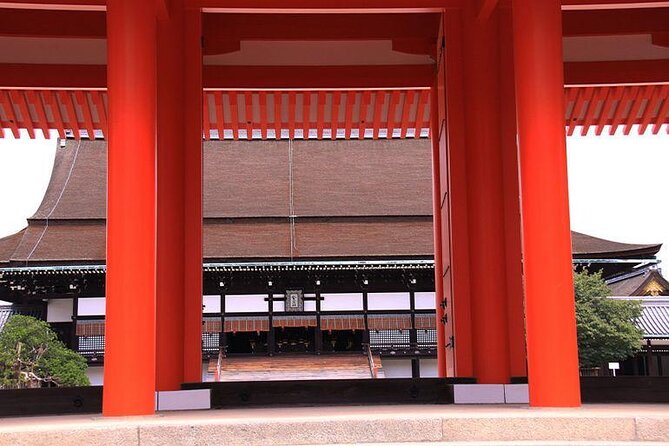
Kyoto Imperial Palace was the home of Japan’s Imperial Family until 1868, when the emperor and capital moved to Tokyo. The grounds are spacious and offer a change from compact temple gardens. This is a good choice if you want royal history and broad paths along with garden design.
Shugakuin Imperial Villa was built in the 17th century for Emperor Gomizuno and is managed by the Imperial Household Agency. It includes Upper, Middle, and Lower Villas. The scale and formal planning make it one of the most important choices for someone who wants to understand imperial garden design.
Katsura Imperial Villa is another major choice. Its current form was completed in 1645, and it is widely regarded as one of Japan’s finest examples of architecture and garden planning. The combination of buildings, paths, water, and changing views gives the guide plenty to explain.
These imperial sites are not interchangeable with ordinary temple visits. They are best for someone interested in design, court life, and the way a garden controls movement through space. Confirm access details and timing when planning, since the six-hour format leaves little room for delays.
Arashiyama: bridge, bamboo, and moss
Togetsukyo Bridge is Arashiyama’s best-known landmark. Its name means Moon Crossing Bridge, and the current structure was rebuilt in the 1930s after the original Heian-period bridge. The bridge itself is free to see and makes a natural starting point for an Arashiyama route.
The Bamboo Forest Street also has free admission. The paths through the tall bamboo are attractive when a light breeze moves the stalks, but this is a short, open-air walk rather than a formal garden. If you want quiet, tell the guide clearly, since the most famous paths can feel less peaceful at busy times.
Okochi Sanso Garden sits behind the bamboo area and was the former villa of actor Okochi Denjiro. The property includes several gardens and buildings, with a 30-minute visit suggested. Admission is extra, but it offers a more designed and contained garden experience than the public bamboo paths.
Gioji is another strong Arashiyama choice. Its moss garden is framed by tall maple trees, and the entrance gate and main hall have thatched roofs. The setting feels intimate and wooded, making it a good contrast to the open view at Togetsukyo Bridge.
An Arashiyama day can be very satisfying if you choose three nearby stops. Adding a distant temple to the same plan may leave you spending too much time in transit.
Kyoto Botanical Garden and Byodoin in Uji
The Kyoto Botanical Garden is one of the most affordable choices on the list and offers a broader plant display than a temple garden. It is a good pick if you care about seasonal plants, horticulture, or a break from religious architecture. The suggested visit is 30 minutes, but you may want more time if plants are your main interest.
Byodoin Temple is in Uji, outside central Kyoto, so extra travel time is expected. Its Phoenix Hall is a National Treasure and a UNESCO World Heritage Site, making it a major cultural sight rather than a quick garden stop.
Byodoin works best as the central purpose of the day, perhaps with only nearby additions. It is a poor choice if you want to see several northern or eastern Kyoto gardens in the same six-hour period. The guide can help you judge the tradeoff, but the extra movement is real.
Price, transport, and what the private format is worth
At $153.11 per person, the tour is not an inexpensive sightseeing add-on. Its value depends heavily on group size and your plans. A private group receives a guide for six hours, and that can be worthwhile when several people share the cost and want a custom route.
The price covers the licensed local English-speaking guide and the planning flexibility. It does not cover public transportation, entrance fees, lunch, personal expenses, or a private vehicle. Guide admission is covered only at sights listed in the tour information.
Pickup is not hotel-door transportation. You meet the guide on foot within a designated area of Kyoto. Since this is a walking tour using public transportation, wear comfortable shoes and keep your route realistic.
The biggest financial benefit is not avoiding admission fees. It is avoiding a poorly planned day. A guide can help you choose between a famous temple and a quieter garden, explain how far places are from one another, and adjust the order if weather or energy changes your priorities.
Who will get the most from this Kyoto garden day
I would choose this for someone who has a clear interest in Japanese gardens but does not want to study transit maps and temple opening details alone. It also suits repeat visitors who have already seen the obvious Kyoto sights and want to focus on garden styles.
Families and small groups may appreciate the private format because the pace can respond to the people in the group. The experience is open to most people, and service animals are allowed. Still, it is a walking day, so anyone concerned about mobility should consider the amount of walking and public transportation involved.
This is less suitable if you want a fixed sightseeing checklist with guaranteed entry to every major site. The guide can help with choices, but you still need to plan three or four stops and pay many costs separately.
Free cancellation is available up to 24 hours before the start time for a full refund. Changes made less than 24 hours before the start time are not accepted, so make your final plan early.
Should you book the Kyoto garden tour?
Book it if you want a private, adjustable day and care more about understanding garden design than collecting the maximum number of temple names. The strongest plan is three related stops, such as Ryoanji, Daitokuji, and Taizo-in, or an Arashiyama route with Togetsukyo Bridge, Okochi Sanso, and Gioji.
Ask for help before settling on a route that crosses the entire city. Choose Byodoin for a Uji-focused day, and choose imperial villas when architecture and formal garden planning matter most.
At $153.11 per person before transport and admissions, this is best value for a small group sharing the private guide. If you want a relaxed day with room for questions, choose it. If you prefer cheap, fast sightseeing or want to cover ten gardens, use public transport and plan independently.
FAQ
How long does the tour last?
The experience lasts approximately six hours.
How many places can I choose?
The tour includes a customizable walking plan of three or four sites from the available choices.
Can I choose the gardens I visit?
Yes. You select your must-see places from the provided list, and you may also choose a famous Kyoto sight for your itinerary.
Is transportation included?
No. Transportation fees are not included, and the tour does not provide a private vehicle. You meet the guide on foot within a designated area of Kyoto and use the arrangements made for the walking tour.
Are admission tickets included?
No. Entrance fees are generally not included. Guide entry fees are covered only for sights listed under the tour information.
Does the price include lunch?
No. Lunch and other personal expenses are separate.
Is this a private tour?
Yes. Only your group participates, and you cannot combine it with another tour group.
Is the guide licensed?
The experience includes a licensed local English-speaking guide. The National Government Licensed Guide Interpreter certification is issued by the Japanese government and requires knowledge of Japanese culture and history.
Can I cancel for a refund?
You can cancel up to 24 hours before the local start time for a full refund. Cancellations or changes made less than 24 hours before the start time are not accepted.
Just added around Kyoto
- Kyoto Hidden Treasures: Special Temple & Garden Access Tour★ 4.5 · 25 reviews
- Stunning Private Tea Ceremony: Camellia Garden Teahouse★ 5.0 · 28 reviews
- Kyoto ITALIAN GUIDE Golden Pagoda Bamboo Forest Dry Garden★ 4.0 · 2 reviews
- Kyoto: Kinkaku-ji Temple & Serene Garden Guided Tour with Tickets★ 5.0 · 9 reviews
- Guided Kyoto City Cherry Blossom One Day Private Tour★ 5.0 · 16 reviews
- Bamboo Grove Temple and Garden Views Tour★ 5.0 · 41 reviews
- Private & Unique Kyoto Cherry Blossom “Sakura” Experience★ 5.0 · 5 reviews
- Kyoto Spring Evening (Cherry Blossom) Food Tour★ 3.0 · 4 reviews
Kyoto Garden Tours, compared.
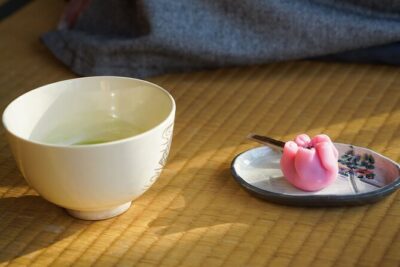
Kyoto Zen Meditation & Garden Tour at a Zen Temple with Lunch
Read our review →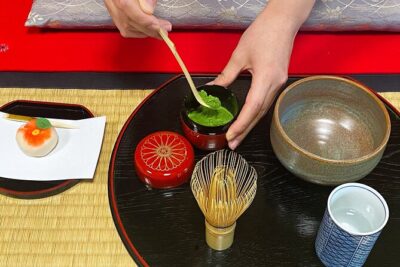
Kyoto Kiyomizu Tea Ceremony with Scenic Garden Views
Read our review →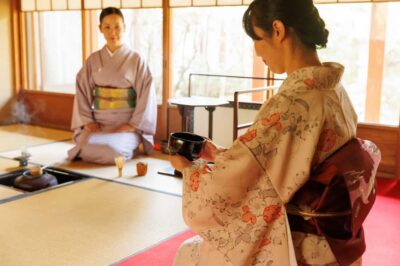
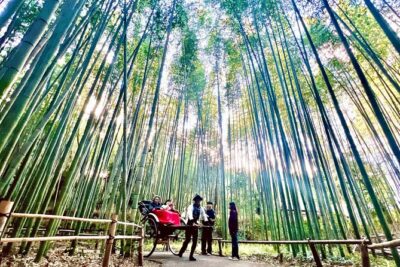
Stunning Private Tea Ceremony: Camellia Garden Teahouse
Read our review →
Kyoto Hidden Treasures: Special Temple & Garden Access Tour
Read our review →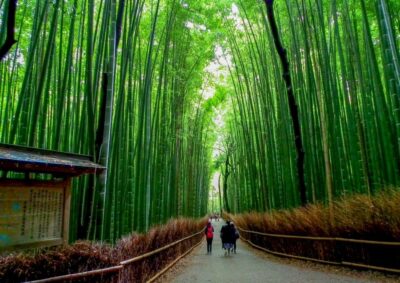
Guided Kyoto City Cherry Blossom One Day Private Tour
Read our review →Browse the lists this tour appears in