
Review · TOKYO GARDEN TOURS
Walking tour, Tokyo Great Buddha, Botanical Garden, etc.
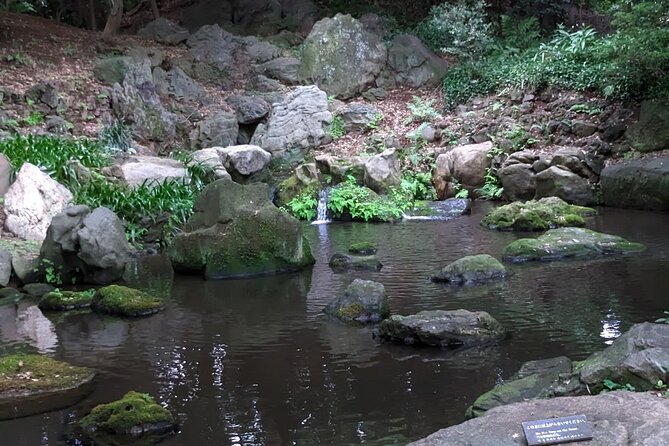
The most interesting thing here is how quickly Tokyo changes once you leave the familiar city center. This private walk through Itabashi follows narrow lanes, small hills, gardens, old sites, and local museums rather than neon streets and packed sightseeing districts.
I like the chance to see the 13-meter Tokyo Great Buddha without building a whole day around Nara, and I like the variety packed into one walk: a botanical garden, a waterfall, castle ruins, art, and old farmhouses. The main consideration is the distance. Six to eight kilometers, plus stairs and hills, is a serious half-day walk, especially in hot weather.
Key Points to Know Before Booking
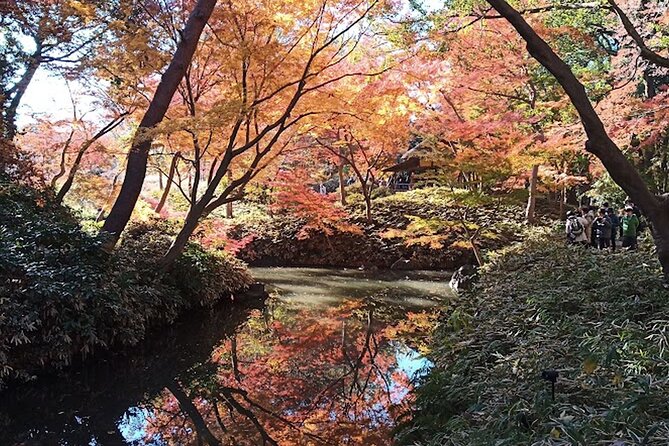
- A quiet side of Tokyo: The route passes through a residential part of Itabashi with narrow lanes and few crowds.
- The Tokyo Great Buddha: This 13-meter statue is only slightly smaller than Nara’s famous 15-meter Great Buddha.
- Six distinct stops: Expect a botanical garden, Great Buddha, Fudo Falls, art museum, castle ruins park, and local museum.
- A small private group: Only one group of six people or fewer takes part, giving the walk a personal feel.
- A real walking workout: The route covers about 6 kilometers, with the total estimate listed as 6 to 8 kilometers.
- One extra cost: The Itabashi Art Museum admission, about 700 yen, is not included.
A Different Tokyo Begins at Shimo-akatsuka Station
This tour begins at the north exit of Shimo-akatsuka Station on the Tobu Tojo Line. From there, you head toward the botanical garden through narrow alleys and stairways. That opening section tells you what kind of outing this is: not a polished route between famous central attractions, but a walk through ordinary Tokyo with small surprises along the way.
I like that the route does not spend the whole morning on a broad shopping street or a standard sightseeing circuit. You move through a quieter part of Itabashi, where the interest comes from the changing surroundings and the stops chosen by your guide. The route includes small hills, so you should wear comfortable shoes and be ready for uneven effort.
The tour lasts about three and a half hours. It is private, limited to your own group of six or fewer, and a mobile ticket is provided. That small group limit matters here. A narrow lane or compact museum is much easier to manage with a few people than with a large group.
More Botanical Gardens in Tokyo:
- Calligraphy and Tokyo Great Buddha, Botanical garden, art museum
★ 5.0 · 2 reviews - Osaka: teamLab Botanical Garden Entry Ticket
★ 4.5 · 1,710 reviews - Blanes: Marimurtra Botanical Garden Entry Ticket
★ 4.7 · 998 reviews
Akatsuka Botanical Garden: Flowers, Bamboo, and Recreated Forests
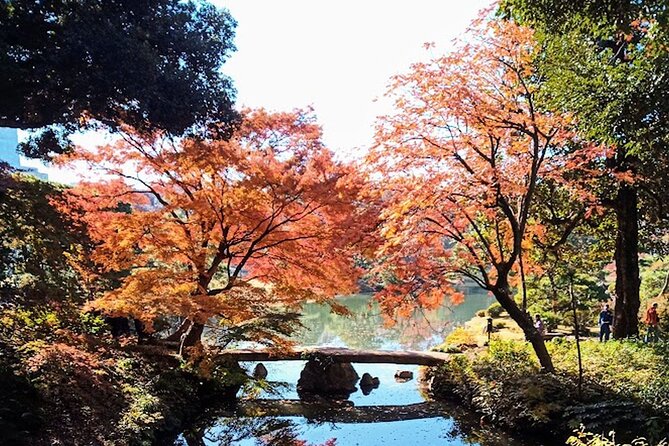
Akatsuka Botanical Garden is one of the tour’s strongest stops. You can see seasonal flowers, Japanese gardens, bamboo groves, and areas designed to resemble natural forest. The appeal changes with the season, so the garden will not look exactly the same on every visit.
I like this part because it gives the walk a slower rhythm. After the station approach, the garden offers room to pause and look closely at plants and garden design. It also adds a traditional Japanese setting without requiring a trip far outside Tokyo.
The garden is not presented as a single grand monument. Its value comes from the mix of small spaces: flowers, bamboo, garden paths, and recreated woodland. If you want a Tokyo experience built only around major landmarks, this may feel modest. If you enjoy gardens and local places, it gives the day welcome texture.
Meeting the 13-Meter Tokyo Great Buddha
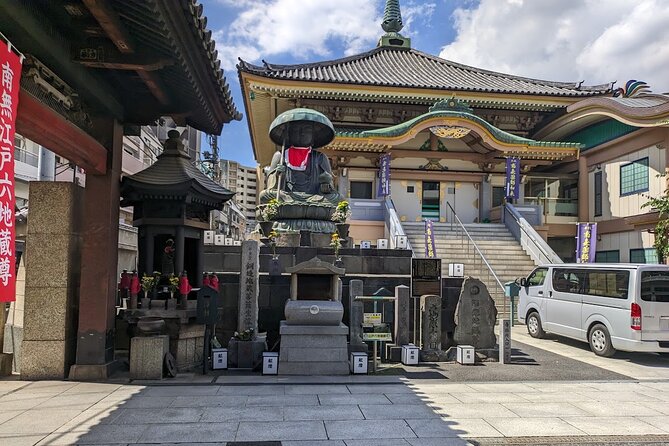
The Tokyo Great Buddha is the tour’s headline sight. The statue measures 13 meters from its pedestal, while the head alone measures about 3 meters. For context, Nara’s famous Great Buddha is about 15 meters high, so this is not a minor neighborhood statue.
I like the comparison because it gives you a clear idea of the scale before you arrive. You are not simply stopping at a small religious monument. You are seeing a very large Buddha in a quieter Tokyo setting, without the crowds associated with Japan’s best-known temple areas.
The setting also changes how the statue feels. A famous sight in central Tokyo can become one stop among many. Here, the Great Buddha is part of a walking route that also includes gardens, local history, and museums. The stop has more impact because it arrives as one of several discoveries rather than as a quick photo break on a packed sightseeing schedule.
The supplied information does not name the individual guide, so you should not expect a specific guide by name when booking. The experience provider is Hanabusa_calligraphy.
Akatsuka Fudo Falls and a Small Religious Tradition
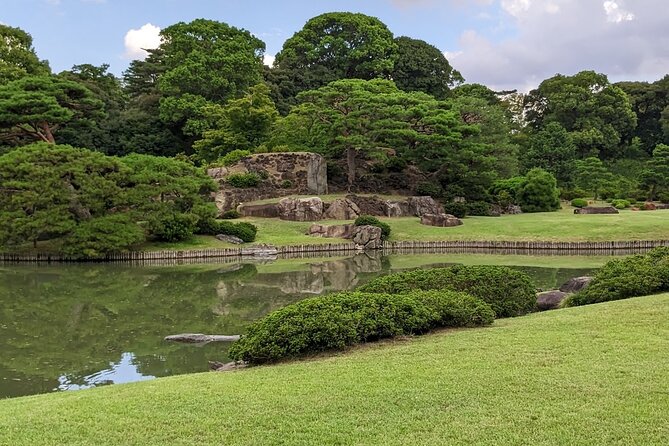
Akatsuka Fudo Falls is a small spring with water falling about one meter. It is not a grand waterfall, and you should set your expectations accordingly. Its importance comes from its religious use: Shugendo practitioners perform purification here before training.
I like this stop because it shows how a very small natural feature can carry meaning in Japanese religious practice. The waterfall is easy to overlook if you are searching only for dramatic scenery, but the guide can help place it in the context of purification and training.
This is also a good example of the tour’s overall character. You will not spend the day ticking off only major attractions. Some stops are large and immediately impressive, such as the Great Buddha. Others are small but interesting because of their local or cultural connection.
More Garden Tours in Tokyo:
- Imperial Palace East Garden and Edo Castle Walking Tour in Tokyo
★ 5.0 · 510 reviews - Tokyo: Imperial Palace East Gardens Walking Tour
★ 4.8 · 353 reviews - Mt. Fuji, Cherry Blossom & Shiba Sakura Pvt. Day Tour
★ 5.0 · 326 reviews - Tokyo: Edo Castle & East Garden of the Imperial Palace Tour
★ 4.7 · 112 reviews
Itabashi Art Museum and the One Admission Fee
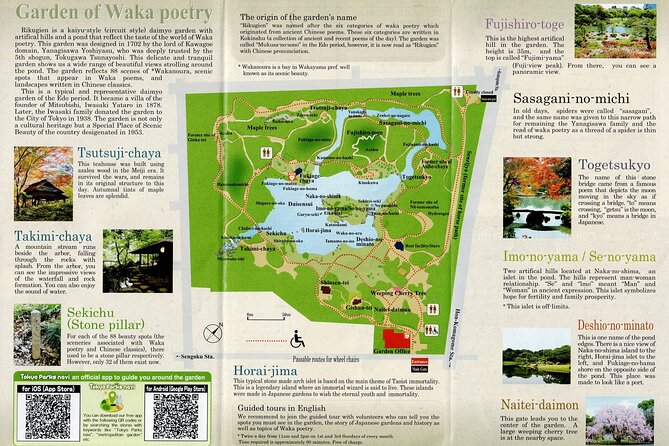
The Itabashi Art Museum adds a change of pace after the outdoor sections. Its exhibitions vary by season and theme, so the exact experience depends on what is on display during your visit. Admission costs about 700 yen and is not included in the tour price.
That extra fee is worth considering when you calculate the total cost. The advertised tour price is $39.25 per person, but you should add the museum admission if you plan to enter. Snacks and travel insurance are also not included.
I like the museum’s place in the schedule because it prevents the walk from becoming a long string of outdoor stops. It gives you a chance to spend time with art in a more controlled setting. At the same time, the seasonal exhibition program means you should not book this tour expecting one fixed collection or one guaranteed theme.
If art is your main reason for booking, check the current exhibition before committing. If art is one part of a broader half-day walk, the museum gives the itinerary useful variety.
Akatsuka Castle Ruins Park: History Without a Big Monument
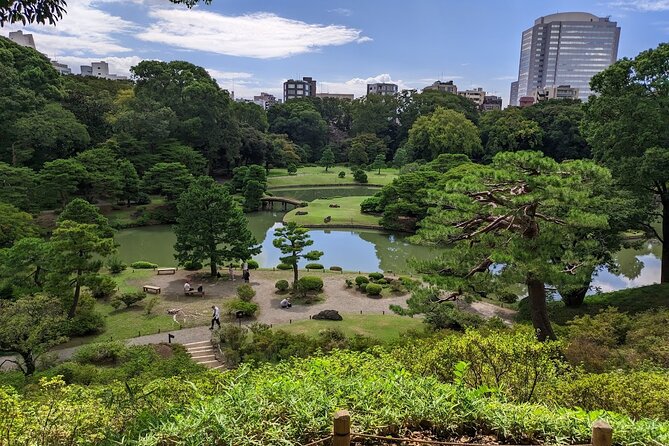
The castle ruins park offers another kind of historical stop. You will not be visiting a restored fortress with towers and grand interiors. Instead, the interest lies in the remains and the park setting, which help explain the older history of the area.
I appreciate stops like this because they reward attention. A castle ruin in Tokyo may be less visually obvious than a famous castle in another Japanese city, but it fits the tour’s aim: showing you a quieter district through its surviving places and local stories.
The park also breaks up the route. By this point, you will have moved through gardens, religious sites, and museum space. The open setting gives you a different view of the area before the final local-history stop.
Itabashi Local Museum and Farmhouses More Than 100 Years Old
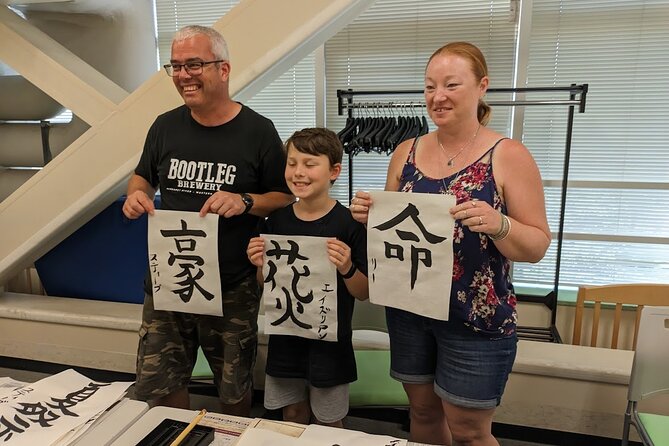
The Itabashi Local Museum presents life from primitive times to the present. One of its most distinctive features is a group of farmhouses built more than 100 years ago. These structures give the final part of the tour a practical, human scale.
I like the museum because it broadens the story beyond temples and statues. You get a chance to see how people lived, worked, and built homes in the area over time. That makes the walk feel connected to a real community rather than arranged only for sightseeing.
The museum is especially useful if you want context for the route. The gardens, ruins, and religious sites are easier to understand when you also see evidence of everyday life. It is the kind of stop that may appeal most to visitors who enjoy local museums and historical details rather than only famous views.
What the 6 to 8 Kilometers Feel Like
The official walking distance is described as about 6 kilometers, while the additional information advises allowing for 6 to 8 kilometers. I would plan for the longer figure. The route includes stairs, small hills, and the station-to-garden section through narrow alleys.
This is not a quick orientation walk. You should be comfortable walking for several hours, standing at stops, and handling changes in pace. Most people can participate, but the distance is the key practical issue.
Hot weather may make the walk harder. One person enjoyed the outing even in hot conditions and also had a good lunch afterward, but lunch is not listed as an included part of the experience. Bring water and plan your clothing around the season. Snacks are not included, so you should arrange those yourself.
The route description says the walk starts at Shimo-akatsuka Station and ends at Nishi-Takashimadaira Station on the Toei Mita Line. The meeting details also say the activity ends back at the meeting point, which conflicts with that route description. Confirm the final end point with the provider before your tour, especially if you have a train reservation afterward.
Is $39.25 a Fair Price?
At $39.25 per person, the price is reasonable if you want a private guide for a varied half-day walk. You are paying for more than a short stroll to one attraction. The route links a large Buddha, garden, waterfall, art museum, castle ruins park, and local museum in one planned outing.
The small group limit improves the value. With no more than six people in your party, the guide can keep the pace suited to your group and explain small sites without trying to hold the attention of a large crowd. That matters on narrow lanes and in compact museum spaces.
The price is less attractive if you want only the Great Buddha. In that case, a longer walking tour may feel like more than you need. It also does not cover the art museum admission, snacks, or travel insurance, so budget for those separately.
I would view the tour as a good-value choice for someone who wants a guide and prefers a private experience. The value comes from the combination of places and the quiet setting, not from a single expensive ticket or a famous central landmark.
Who Should Book This Itabashi Walk?
I would recommend it to you if you have already seen some of Tokyo’s major districts and want a slower, more local-feeling outing. It also suits anyone who likes gardens, religious sites, small museums, and historical remains more than shopping or nightlife.
The private format works well for families, couples, or a small group of friends. You can share the walk with your own group rather than joining strangers, and six people is the maximum.
I would think twice if you dislike hills, stairs, or long walks. The route is not designed for a short, easy outing. The art museum admission is another consideration if you are trying to keep every expense inside the listed price.
The tour is also a good match for repeat visitors to Japan. One enthusiastic participant described finding the quieter, less polished side of Tokyo that had been missing from earlier trips. That is exactly the appeal here: you leave the bright city center behind and spend a few hours paying attention to a less familiar part of the capital.
Booking, Cancellation, and Practical Details
Confirmation is provided when you book, and the experience is available with a mobile ticket. It starts near public transportation at Shimo-akatsuka Station, making the meeting point straightforward to reach by train.
Free cancellation is available if you cancel at least 24 hours before the scheduled start time. Cancellations or changes made less than 24 hours before the start are not accepted for a refund, and the cut-off follows local time.
The experience provider is Hanabusa_calligraphy. No individual guide name is provided. Since the tour is private, you will take part only with your own group, up to six people.
Should You Book It?
Book this tour if you want to see a quieter side of Tokyo and enjoy walking between varied, smaller-scale sights. The Great Buddha gives the route a clear focal point, while the botanical garden, Fudo Falls, museums, and castle ruins keep the day from feeling repetitive.
Skip it if you want a short sightseeing stop, a central Tokyo route, or a schedule with no hills and stairs. For everyone else, $39.25 is a fair starting price for a private three-and-a-half-hour experience, provided you add the art museum fee and prepare for up to 8 kilometers on foot.
FAQ
How long does the walking tour last?
The tour lasts approximately 3 hours and 30 minutes.
How far will I walk?
The route is described as approximately 6 kilometers, with additional information advising that 6 to 8 kilometers of walking may be required.
Where does the tour start?
It starts at the north exit of Shimo-akatsuka Station on the Tobu Tojo Line, at 2 Chome-1 Akatsuka, Itabashi City, Tokyo.
Where does the tour end?
The route description says it ends at Nishi-Takashimadaira Station on the Toei Mita Line. The meeting information also says the activity ends back at the meeting point, so confirm the final end point with the provider before booking transport afterward.
How large is the group?
This is a private activity for one group of six people or fewer. Only your group participates.
What sights are included?
The route includes Akatsuka Botanical Garden, the Tokyo Great Buddha, Akatsuka Fudo Falls, Itabashi Art Museum, Akatsuka Castle Ruins Park, and Itabashi Local Museum.
Is the art museum admission included?
No. Admission to the Itabashi Art Museum costs about 700 yen and is not included in the tour price.
Are snacks and travel insurance included?
No. Snacks and travel insurance are not included. The guide fee is included.
Can I cancel for a full refund?
Yes, if you cancel at least 24 hours before the experience start time. Cancellations or changes made less than 24 hours before the start are not accepted for a refund.
Just added around Tokyo
- TOKYO: Tailored Gardens tour with Pro Gardener by E-bike -BASIC★ 5.0 · 2 reviews
- Tsukiji Food Strolling and Hama Rikyu Garden Walking Tour★ 5.0 · 7 reviews
- Tokyo: Serene Sakura & Sake: An Exclusive Brewery Pairing Lunch★ 5.0 · 2 reviews
- Tokyo Cherry Blossom Half Day Walking Tour with a Local Guide★ 3.5 · 4 reviews
- Cherry Blossom Highlights, Asakusa, Ueno, Imperial Palace Garden★ 4.5 · 4 reviews
- Tokyo: Kimono Experience inside Shinjuku Gyoen National Garden★ 5.0 · 3 reviews
- Sumida Riverside Walk: Garden &Temple Ritual (4 Meeting Points)★ 5.0 · 5 reviews
- Full Guided Mt. Fuji & Shiba-Sakura Festival One Day Pvt.Tour★ 5.0 · 6 reviews
Tokyo Garden Tours, compared.
Edo Castle & East Garden of the Imperial Palace Tour
Read our review →
Tokyo Private Tour! Edo Castle & Imperial Palace East Gardens
Read our review →
Tsukiji Market and Hama-rikyu Gardens Guided Tour
Read our review →
Pvt. Tour – Edo Castle & Imperial Palace East Gardens
Read our review →
Kimono Rental inside Shinjuku Gyoen National Garden
Read our review →
Tokyo Japanese Garden Lover’s Private Tour with Government-Licensed Guide
Read our review →Browse the lists this tour appears in