
Review · TOKYO GARDEN TOURS
Tokyo Cherry Blossom Express Tour with Boat Ride
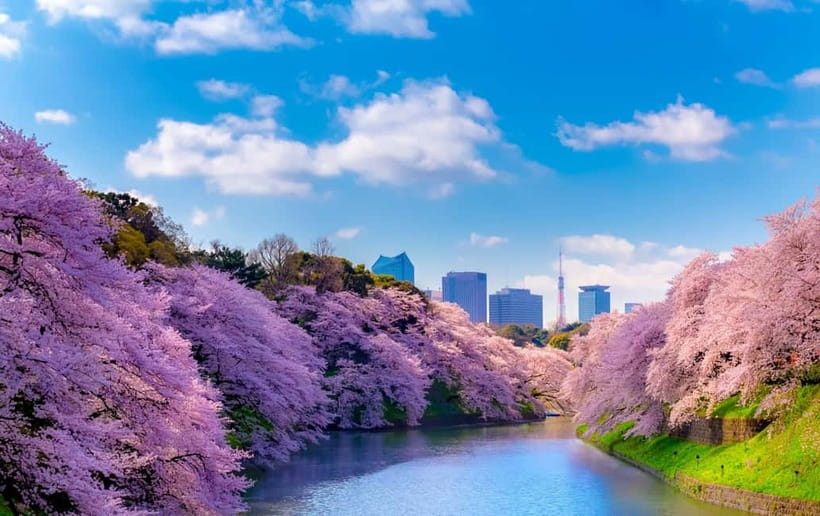
Tokyo’s best cherry blossom views are spread across the city, and this six-hour walking tour links three of the most rewarding places in one day. You begin at the quiet Koishikawa Korakuen Garden, move on to the energetic flower-viewing scene at Ueno Park, then finish with a 700-meter walk beside the Chidorigafuchi Moat and a boat ride beneath the trees.
I like the mix of old Tokyo garden design and big city springtime crowds. I also like that the entrance fees and boat ride are included, so the $141 price is easier to judge from the start. The main drawback is weather: rain and wind can make the long walks unpleasant and may close the boat, as happened on one April departure.
Key points to know before booking
- Three famous blossom areas in one day: Koishikawa Korakuen Garden, Ueno Park, and Chidorigafuchi Moat give you very different views of Tokyo’s spring season.
- The tour is mainly on foot: Bring comfortable shoes, allow for long walks, and budget separately for train or bus fares.
- The boat adds a special viewpoint: The 30-minute ride lets you see blossoms reflected on the water, but the operator can stop service in poor weather.
- Timing matters more than usual: Bloom dates can shift from year to year, with late March and April often useful periods, but no date guarantees full bloom.
- Guides can adapt the day: Denise adjusted one tour to suit the group, while Jim Smashy was praised for being helpful, calm, and informative.
- The meeting point is easy from Iidabashi: The West Entrance of Koishikawa Korakuen Garden is about three minutes from Exit C3 on the Toei Oedo Line.
Starting at Koishikawa Korakuen Garden
The tour begins at the West Entrance of Koishikawa Korakuen Garden, a useful choice because the garden gives you a calm opening before the day gets busier. It was created during the Edo period, and its paths, ponds, bridges, and carefully arranged views provide a traditional setting for the cherry trees.
You can reach the meeting point from Iidabashi Station. From the Toei Oedo Line, use Exit C3 and walk for about three minutes. From the JR Sobu Line, use the East Exit and expect an eight-minute walk. There is no garden parking, so public transportation is the practical choice.
I like beginning here because the garden is more controlled and restful than a large city park. You can look at the blossoms as part of a designed Japanese garden rather than as a row of trees along a street. That gives your guide a good chance to explain the setting and help you notice details you might pass by alone.
The word cherry blossom tour can suggest nonstop flowers, but bloom conditions change quickly. Some trees may be at their best while others have already lost their petals. The garden remains worthwhile for its setting, but you should not book this day expecting every tree to be in peak bloom.
More Cherry Blossom Tours in Japan
- Mt. Fuji, Cherry Blossom & Shiba Sakura Pvt. Day Tour
★ 5.0 · 326 reviews - Mt. Fuji & Hakone Cherry Blossom private One Day Tour
★ 4.5 · 35 reviews - Tokyo Cherry Blossoms blooming spots E-bike Tour, 3hrs
★ 5.0 · 27 reviews
Ueno Park brings the big spring crowd
Ueno Park provides a sharp contrast. Here, cherry blossom viewing becomes a major public event, with large numbers of trees and a more social atmosphere. The park is one of Tokyo’s well-known spring gathering places, so you get a sense of how locals and visitors mark the season in a large urban setting.
The difference between Koishikawa Korakuen and Ueno is part of the tour’s value. The first stop feels composed and quiet. Ueno feels open, popular, and full of movement. If you want only peaceful gardens, the crowds may wear you down. If you want to see cherry blossom season as a citywide celebration, Ueno is essential.
Your guide can help you make sense of the day rather than simply point at trees. On one departure, Denise changed the plan to match the group’s wishes and even added a shrine visit. That sort of flexibility can make a six-hour outing feel more personal, although it also means the exact pace may vary from one group to another.
The tour is conducted in English, and guide quality matters here because the day combines cultural sites with practical movement through Tokyo. Denise received especially strong praise for her care and flexibility. Jim Smashy was also singled out for being helpful, calm, and informative. Another departure had a friendly guide who sometimes needed to check facts, so the depth of commentary may depend on who leads your group.
The Chidorigafuchi Moat gives you the classic view
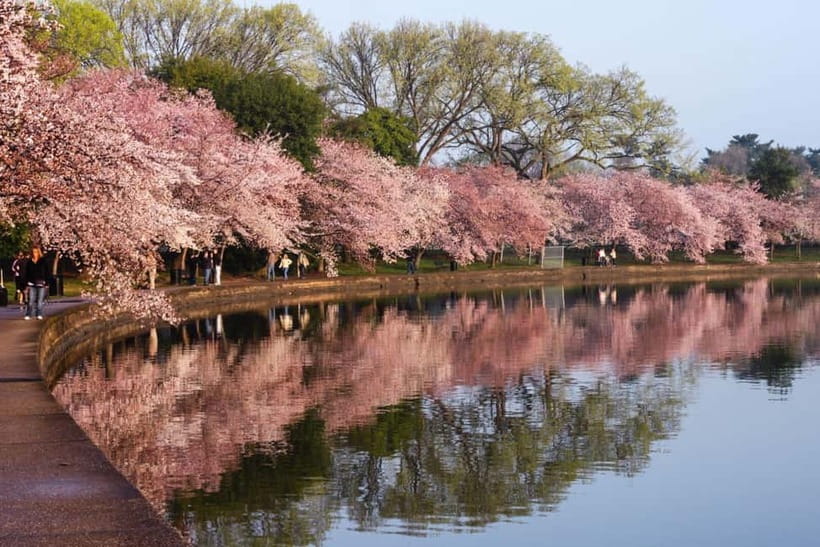
The walk beside the Chidorigafuchi Moat is one of the most attractive parts of the day. The route covers about 700 meters, with cherry trees lining the water and creating the kind of view many people picture when they think of Tokyo in spring.
This section rewards a slower pace. You can watch the branches frame the moat, look across the water, and take photographs from changing angles as you walk. It is also a useful contrast to Ueno Park, where the focus is on crowds and a broad park setting. Here, the water gives the blossoms a strong visual frame.
You should treat the walk as a real part of the tour, not a short transfer between stops. Comfortable shoes are specifically recommended, and the full day includes several walking sections. Rain can also turn this into a tiring stretch, particularly if you are carrying a camera or dealing with wet paths.
The route is not suitable for wheelchair users, and the activity is not designed for children under five or people over 95. Those limits matter because the day depends on walking between major sights and using public transportation.
The 30-minute boat ride is the scenic bonus
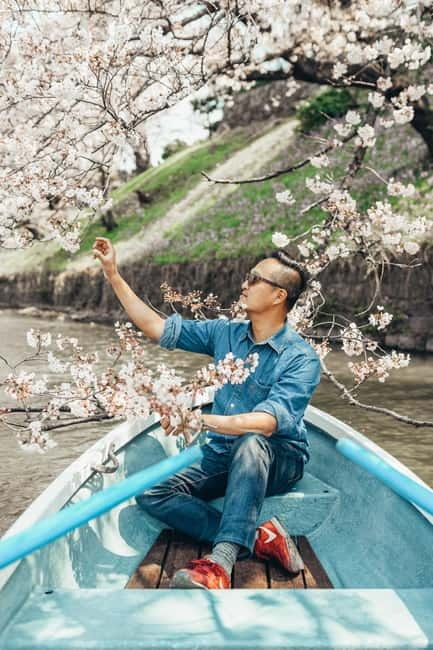
The included boat ride changes your viewpoint completely. Instead of looking across the water from the path, you see the trees from the surface, with branches above and reflections below. A 30-minute ride is long enough to feel like a proper part of the outing rather than a quick photo stop.
This is also the feature most exposed to weather. The boat operator makes the final safety decision and can stop service based on rain, wind, or other conditions. The tour itself runs in all weather, but that does not mean every included activity will operate.
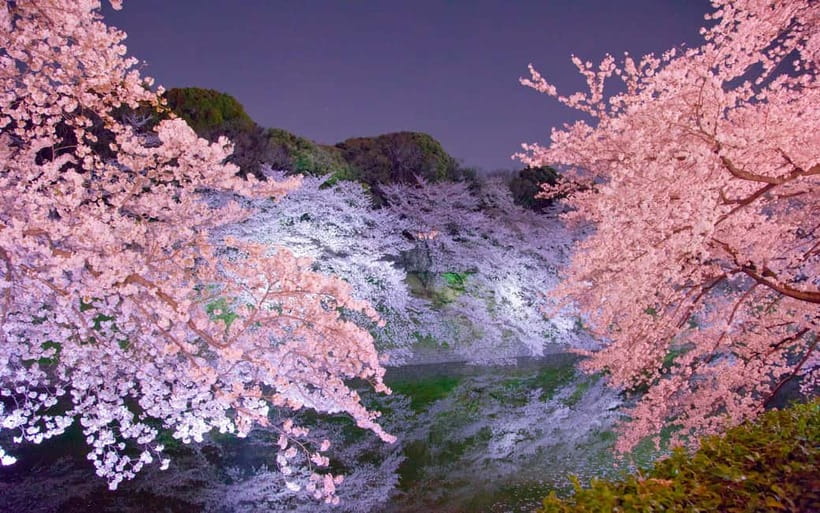
One departure took place in heavy rain and wind. The cherry blossoms were still visible, but the group became soaked, and the boat was closed. The guide offered an evening illumination option, though the poor weather also meant the lights were unavailable. This is a useful warning: a wet forecast can affect both comfort and the boat experience.
If the boat matters greatly to you, check the forecast close to the tour date and keep your expectations flexible. The operator, not the guide, controls the decision. You should bring weather-appropriate clothing and footwear, since the tour does not provide food, drinks, or hotel transport to make a difficult day easier.
More Cherry Blossom Tours in Tokyo
- Cherry Blossom Private Tour
★ 4.5 · 18 reviews - Licensed Guide Tokyo Meguro Cherry Blossom Walking Tour
★ 4.5 · 13 reviews - Evening Hanami (Cherry Blossom) Experience with a Local
★ 3.5 · 10 reviews - Tokyo: Mt. Fuji & Hakone Cherry Blossoms Private Day Tour
★ 3.5 · 9 reviews
What the $141 price really covers
At $141 per person, this is not the cheapest way to see Tokyo’s blossoms. You can visit public parks on your own for far less, and the train or bus fares are not included. You also need to arrange your own way to Iidabashi and pay for any food and drinks during the six hours.
The price makes more sense if you value structure and guidance. You receive six hours with a live English-speaking guide, admission to Koishikawa Korakuen Garden, and the 30-minute boat ride. The guide also handles the practical shape of a day that would otherwise require you to plan several separate stops.
You should have an IC card such as Suica or Pasmo ready for public transportation. The tour description notes that train and bus fees are separate, and one participant found that the need to use a personal IC card was not stated as clearly as it could have been. I would plan on paying your own fares and having your card topped up before meeting the group.
The value is strongest for a first visit to Tokyo during blossom season, especially if you want several famous locations without working out the route yourself. It is weaker for independent visitors who already know the city, prefer to move slowly, or are comfortable arranging garden admission and transportation on their own.
Timing your visit around uncertain blossoms
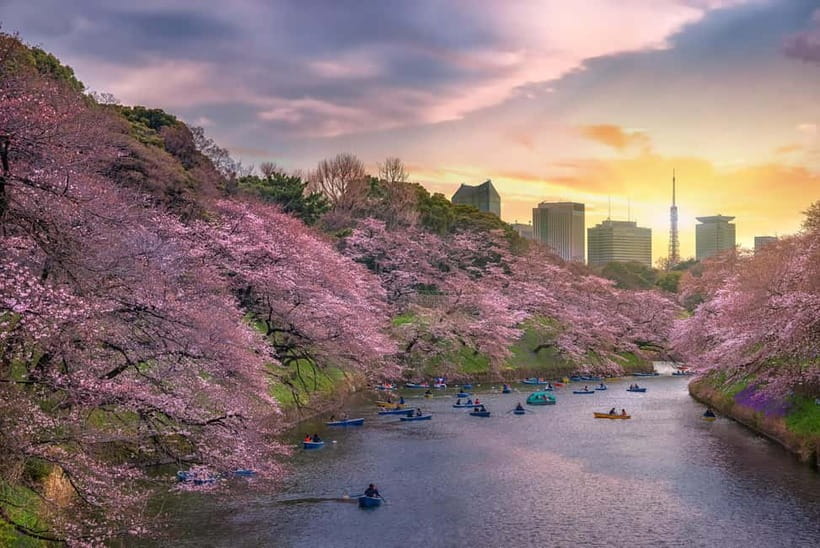
Cherry blossom dates are not fixed. The expected window given for this experience runs roughly from March 15 through the end of April, but weather can bring the season earlier or later. In 2025, some Tokyo trees were already blooming early, which shows why a calendar alone cannot tell you what you will see.
Peak bloom is also not the only useful time to go. Earlier in the season, you might find opening flowers and fewer bare branches. Later, you may see petals falling or some trees finished, but other varieties can still provide good views. One April 14 departure found that many trees had finished blooming but still located attractive blossoms.
I would book this tour only if you accept some uncertainty. A guide can adjust the route, but nobody can restore petals lost to wind or extend a short season. The experience works best when you value the gardens, water, and city atmosphere along with the flowers themselves.
How to prepare for six hours outside
Wear shoes you can walk in for much of the day. The route includes the garden paths, Ueno Park, the 700-meter moat walk, and movement between sites by public transportation. Avoid smoking, which is not allowed on the activity.
Dress for the forecast, including rain and wind. The tour operates in all weather, but the boat may not. A rain jacket, an umbrella, and a way to protect your phone or camera would be sensible choices, although only comfortable shoes are specifically required.
Because food and drinks are excluded, plan for your own refreshment during the day. The supplied information does not specify a meal stop, so you should not assume that lunch is built into the schedule.
The meeting point is not a hotel lobby. You need to reach the West Entrance of Koishikawa Korakuen Garden yourself, and there is no parking at the garden. The nearby Iidabashi station access makes this manageable, but allow enough time to find the correct exit and walk to the entrance.
Who will enjoy this tour most
I would recommend it to someone visiting Tokyo during a short cherry blossom window who wants a guided plan rather than three separate outings. It suits people who enjoy walking, public transportation, garden scenery, and a mix of quiet and crowded places.
It is also a good match if you want an English-speaking guide who may adjust the route. Denise adapted one group’s day, and the named guides have included Denise and Jim Smashy. That flexibility can be valuable when blossoms, weather, or group interests change.
I would think twice if you dislike crowds, have limited walking ability, or need a guaranteed boat ride. Wheelchair users cannot join, children under five are not accepted, and poor weather can remove the boat while leaving you with the walking portions.
Should you book the Tokyo Cherry Blossom Express Tour?
Book it if you want a full spring day with three distinct Tokyo settings and prefer a guide to manage the flow. The garden entrance, English guide, and boat ride give the $141 price a reasonable basis, especially for a first-time visitor who would otherwise spend time planning routes and admissions.
Skip it if your main goal is a guaranteed boat ride or exact peak bloom. Weather can cancel the water portion, train and bus fares cost extra, and six hours of walking is a serious commitment. For the right person, though, the combination of Koishikawa Korakuen, Ueno Park, Chidorigafuchi, and a guide who can adapt the day makes this a useful way to see Tokyo in spring.
FAQ
Where does the tour begin?
The meeting point is the West Entrance of Koishikawa Korakuen Garden in Tokyo.
How do I reach the meeting point?
From Iidabashi Station on the Toei Oedo Line, use Exit C3 and walk about three minutes. From the JR Sobu Line, use the East Exit and walk about eight minutes.
Are transportation fares included?
No. Train and bus fares are not included, so you should plan to pay for your own transportation. An IC card such as Suica or Pasmo is recommended.
Is the boat ride included?
Yes. The booking includes a 30-minute boat ride, but the boat operator can cancel it because of rain, wind, or other weather conditions.
Is the tour available in English?
Yes. A live English-speaking guide leads the six-hour activity.
What should I bring?
Bring comfortable shoes and dress appropriately for the weather. The tour operates in all weather conditions.
Are food and drinks included?
No. Food and drinks are not included in the price.
Who cannot join the tour?
The activity is not suitable for children under five, wheelchair users, or people over 95 years old.
Just added around Tokyo
- TOKYO: Tailored Gardens tour with Pro Gardener by E-bike -BASIC★ 5.0 · 2 reviews
- Tsukiji Food Strolling and Hama Rikyu Garden Walking Tour★ 5.0 · 7 reviews
- Tokyo: Serene Sakura & Sake: An Exclusive Brewery Pairing Lunch★ 5.0 · 2 reviews
- Tokyo: Kimono Experience inside Shinjuku Gyoen National Garden★ 5.0 · 3 reviews
- Tokyo Cherry Blossom Half Day Walking Tour with a Local Guide★ 3.5 · 4 reviews
- Cherry Blossom Highlights, Asakusa, Ueno, Imperial Palace Garden★ 4.5 · 4 reviews
- Sumida Riverside Walk: Garden &Temple Ritual (4 Meeting Points)★ 5.0 · 5 reviews
- Full Guided Mt. Fuji & Shiba-Sakura Festival One Day Pvt.Tour★ 5.0 · 6 reviews
Tokyo Garden Tours, compared.
Edo Castle & East Garden of the Imperial Palace Tour
Read our review →
Tokyo Private Tour! Edo Castle & Imperial Palace East Gardens
Read our review →
Tsukiji Market and Hama-rikyu Gardens Guided Tour
Read our review →
Pvt. Tour – Edo Castle & Imperial Palace East Gardens
Read our review →
Kimono Rental inside Shinjuku Gyoen National Garden
Read our review →
Tokyo Japanese Garden Lover’s Private Tour with Government-Licensed Guide
Read our review →Browse the lists this tour appears in