
Review · JAPAN GARDEN TOURS
Kanazawa: Samurai, Matcha, Gardens and Geisha Full-Day Tour
Kanazawa gives you a rare look at old Japan without reducing the city to a single postcard sight. This walking tour links samurai homes, castle grounds, gardens, and geisha houses in one long day, with a matcha stop that provides a welcome pause. I especially like the chance to enter preserved residences and Shima, rather than only viewing old buildings from the street. I also like the route through back lanes, where Kanazawa feels like a living city rather than an outdoor museum.
The tradeoff is simple: this is a serious walking day. Some people logged about 12 kilometers or more than 27,000 steps, and rain, cold, snow, or summer heat can make the distance feel longer. You will need comfortable shoes, weather-ready clothing, and enough energy for a full schedule.
Key points at a glance
- See modest samurai homes: Nagamachi includes residences that show how lower-ranking warriors lived, not just grand feudal architecture.
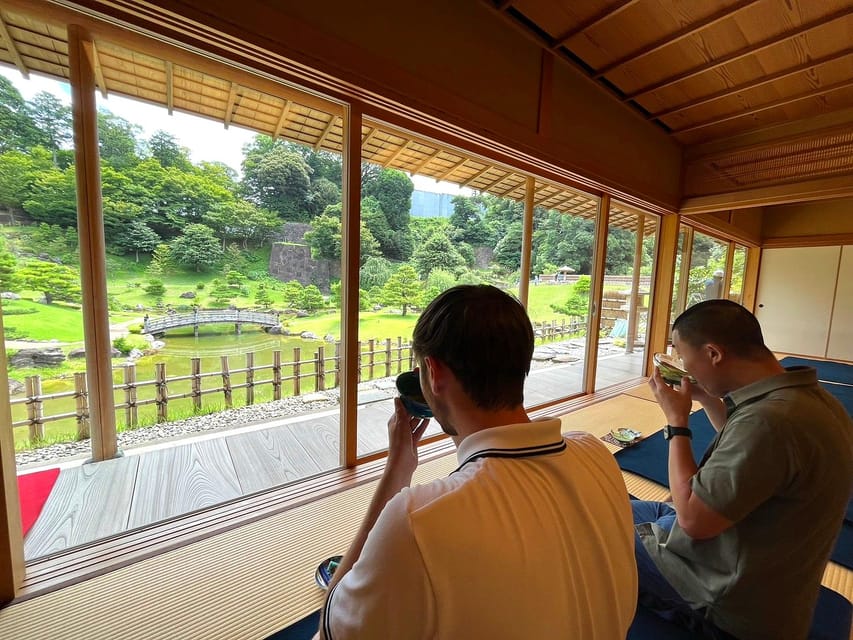
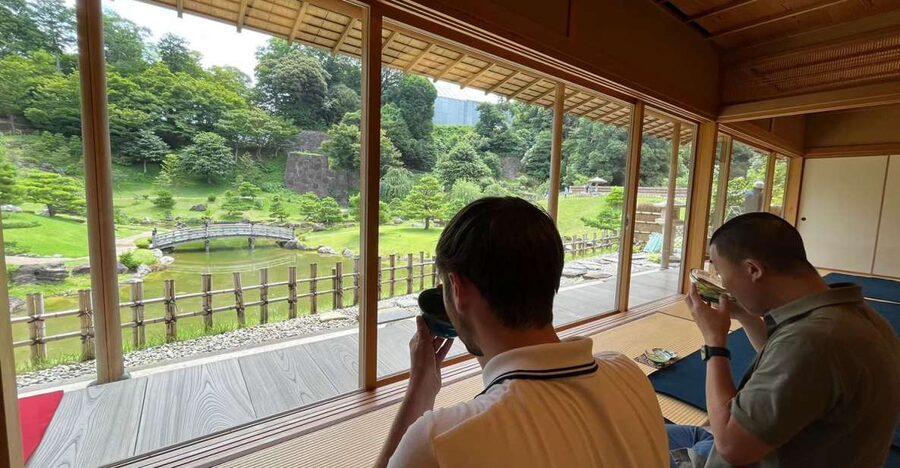
- Take matcha beside castle walls: Gyokusen-an serves matcha and artistic wagashi in a traditional tea-house setting, usually with a garden view.
- Walk through Kenroku-en: The famous Edo-era garden receives a full guided visit, not a quick photo stop.
- Enter a preserved geisha house: Shima offers a closer look at tea-house design and the customs connected with Kanazawa’s geisha districts.
- Cover Kanazawa on foot: The route includes small streets, wooden temples, local shops, and the back lanes of Kazue-machi.
- Expect flexible guiding: Guides including Mike, Akari, Gareth, Lee, Mohammed, Daniel, and Adeline are noted for answering questions and adjusting the pace when possible.
Why this Kanazawa walking tour works
Kanazawa is one of Japan’s best cities for connecting several old districts in a single day. The major sights are spread across town, but the walking route gives you a sense of how they fit together. You move from samurai quarters to shrine grounds, from castle walls to a formal garden, then on to tea houses and a geisha district.
That sequence matters. A castle visit on its own can feel like a collection of restored buildings. A garden visit on its own can seem purely scenic. With a guide explaining the city’s former domain, social classes, religious sites, and tea-house culture, the pieces begin to make sense.
The tour costs $156 per person. That is not a budget walking tour, and lunch is not included. Still, the price covers a full day with a guide, Kenroku-en admission, Shima admission, and the matcha experience. If you tried to arrange all those stops alone, you would need to manage directions, opening hours, entrance fees, and the cultural details that are easy to miss.
The best value comes from the guiding. Several guides, including Mike, Akari, Gareth, Lee, Mohammed, and Daniel, are praised for making the day friendly and informative without forcing a rigid pace. Some guides have also helped with train tickets and further suggestions around Kanazawa. The quality of the day will depend partly on your assigned guide, but the repeated praise for different guides is encouraging.
Full-day trips around Japan:
- Full-Day Tour from Kanazawa: Samurai, Matcha, Gardens and Geisha
★ 5.0 · 68 reviews - Private Car Full Day Tour of Osaka Temples, Gardens and Kofun Tombs
★ 5.0 · 24 reviews - Versailles Full Day Bike Tour with Palace, Gardens, & Picnic
★ 5.0 · 2,217 reviews
Starting beneath Kanazawa Station’s sumo wrestlers
The meeting point is outside the Shinkansen ticket gates, in front of the information center. Look for the four large sumo wrestlers near the East Entrance, and find the guide wearing a Snow Monkey Resorts tour tag. If you enter from outside, the wrestlers are immediately inside the station.
Before setting off, take a moment to look at Tsuzumi-mon, the station’s large gate inspired by traditional Japanese forms. It is modern, but it gives Kanazawa a strong first impression and acts as a useful landmark when you return.
The initial walk lasts about 30 minutes. Rather than rushing straight along a major road, the route uses side streets with local homes and occasional wooden temples. This is a small but valuable part of the day. You get a feel for present-day Kanazawa before reaching the carefully preserved historic districts.
The tour returns to the station at the end. Since the day begins and ends at the same place, it works well for a day trip by train or for your first full day in the city.
Nagamachi and the samurai homes of ordinary rank
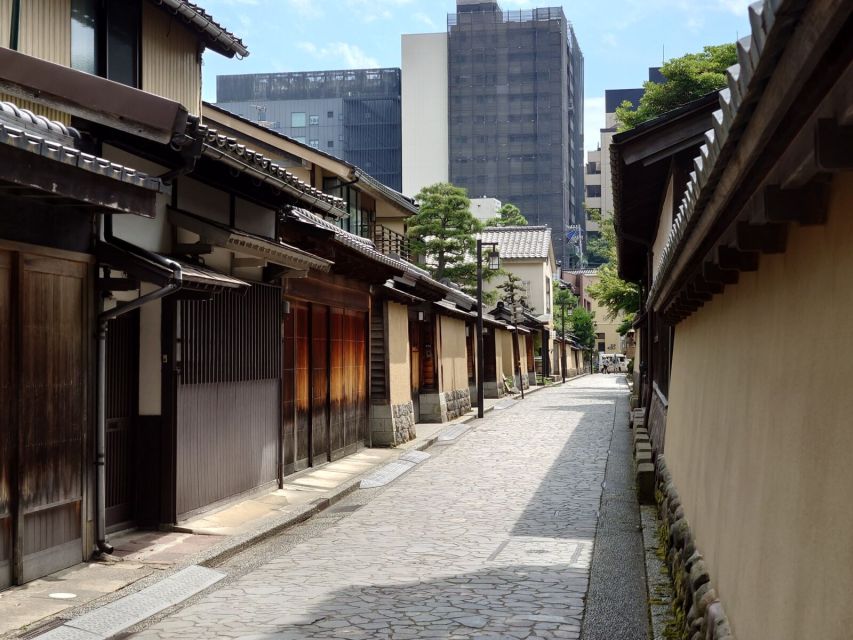
Nagamachi is the first major stop and receives about 110 minutes. Its crooked lanes, earthen walls, and traditional residences once formed a samurai neighborhood near Kanazawa Castle.
The useful detail here is that you are not limited to grand warrior mansions. The route includes houses connected with lower-ranking samurai, giving you a more grounded view of feudal life. A guide can explain the difference between military rank and living conditions, then point out how the homes, walls, entrances, and narrow streets supported the old social order.
You have free time to explore and shop for local Kanazawa crafts and goods. Keep that in mind if you like browsing, but do not expect a long, unstructured shopping session. This is a guided day with several fixed stops, so your time in the shops is part of a wider route.
This section is especially worthwhile if you have already seen castles and temples elsewhere in Japan. The samurai district adds domestic detail: the scale of the houses, the compact streets, and the contrast between official stories of warriors and the daily life of families with modest means.
Oyama Shrine and a gate between two eras
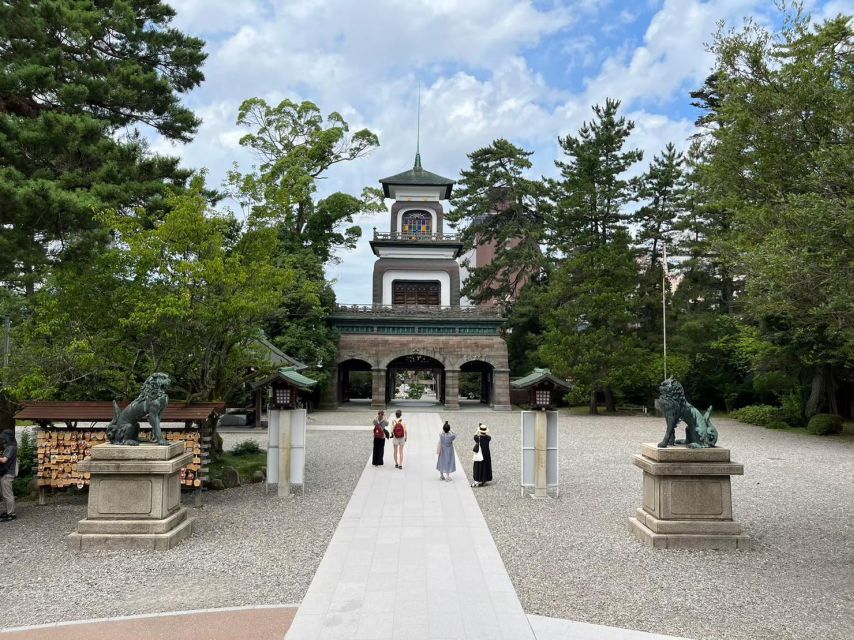
Oyama Shrine takes only about 10 minutes, but it is a memorable stop. Its unusual design combines Japanese religious architecture with western-style features, including striking stained glass. That mixture reflects the changes Japan was absorbing in the 19th century.
The shrine is more than a quick photograph. Your guide can use it to explain how architecture changed as Japan opened to outside influence. Behind the main shrine area, you will find a koi pond, a small garden, and a route toward a large wooden bridge.
Crossing the bridge and passing through an impressive gate leads you toward the Kanazawa Castle grounds. This transition is one of the pleasant touches of the route. You move from an eclectic shrine into a more formal feudal setting without needing a bus or taxi.
More Garden Tours in Japan:
- Osaka: teamLab Botanical Garden Entry Ticket
★ 4.5 · 1,710 reviews - Imperial Palace East Garden and Edo Castle Walking Tour in Tokyo
★ 5.0 · 510 reviews - Kyoto Zen Meditation & Garden Tour at a Zen Temple with Lunch
★ 5.0 · 441 reviews - Kyoto Arashiyama Bamboo forest & Garden Half-Day Walking Tour
★ 5.0 · 413 reviews
Matcha at Gyokusen-an, with a possible change of venue
The matcha stop at Gyokusen-an lasts about 30 minutes. The tea house sits near the base of Kanazawa Castle’s large stone walls and looks over a carefully arranged garden. Inside, the setting is quiet and strongly traditional, with kimono-clad staff serving matcha and wagashi sweets.
Your guide shows you how to drink the tea properly. That makes the stop more useful than simply receiving a cup and a sweet. You learn the basic manners while having time to notice the room, the garden, and the restrained beauty of the setting.
I consider this one of the strongest parts of the tour because it gives your feet a break without losing the cultural focus. The matcha is also a good counterpoint to the more active walking sections. You are not just looking at old buildings. You are taking part in a small, guided tradition.
Special events can occasionally prevent the group from using Gyokusen-an. In that case, the matcha tasting moves to another location. If this stop is a top reason for booking, understand that the tea experience is included, but the exact venue can change.
Lunch follows nearby and is not included. Ask your guide for recommendations. This arrangement gives you choice, but it also means you should budget separately for the meal and expect the break to fit the group schedule.
Kanazawa Castle and the story behind Kenroku-en
The route continues through the castle grounds before entering Kenroku-en. Kanazawa Castle is partly restored, so this is not a fully intact medieval fortress. The stone walls, gates, grounds, and restored structures still provide a strong setting for understanding the former power of the local lords.
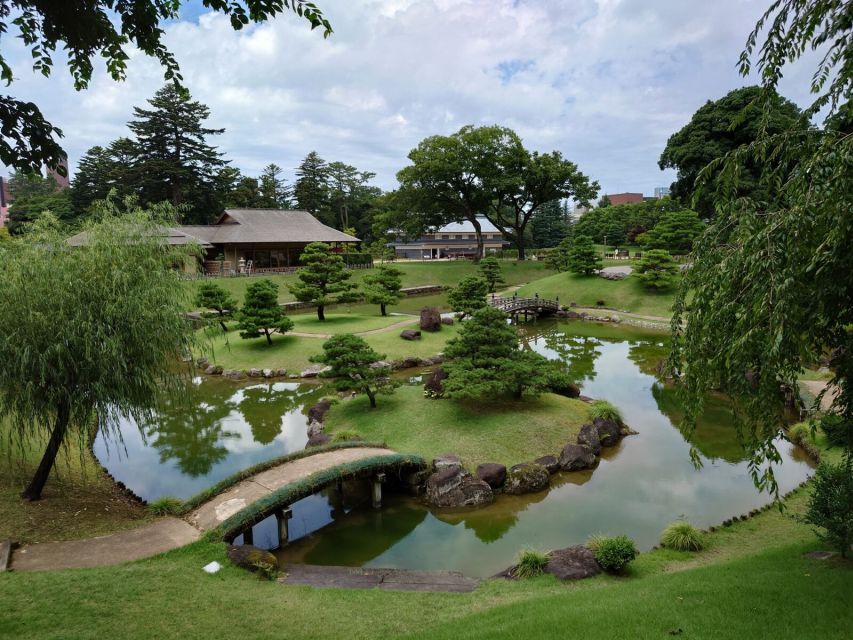
Kenroku-en receives about 90 minutes. The garden is often listed among Japan’s finest, and its appeal comes from careful balance rather than one single spectacular view. Your guide explains how it was planned and developed over more than 200 years under the lords of Kanazawa Castle.
That context changes the way you see the garden. Instead of walking through it as a series of pretty scenes, you begin to notice its relationships between water, paths, trees, ponds, bridges, and distant views. The garden has been shaped to offer different impressions as you move.
Weather can alter the mood dramatically. Rain and mist can make the castle walls and garden feel quiet and almost theatrical, while cold weather may turn the visit into a test of your clothing. In winter, temperatures can remain below 10 degrees Celsius, with mornings and evenings near or below freezing. Snow and ice may cover roads and sidewalks, so non-slip shoes are important.
This is also a place where the walking pace matters. The tour schedule allows substantial time, but you are still moving through a large garden after several earlier stops. Wear shoes that can handle damp paths and uneven surfaces.
Higashi-chaya and the red tea-house streets
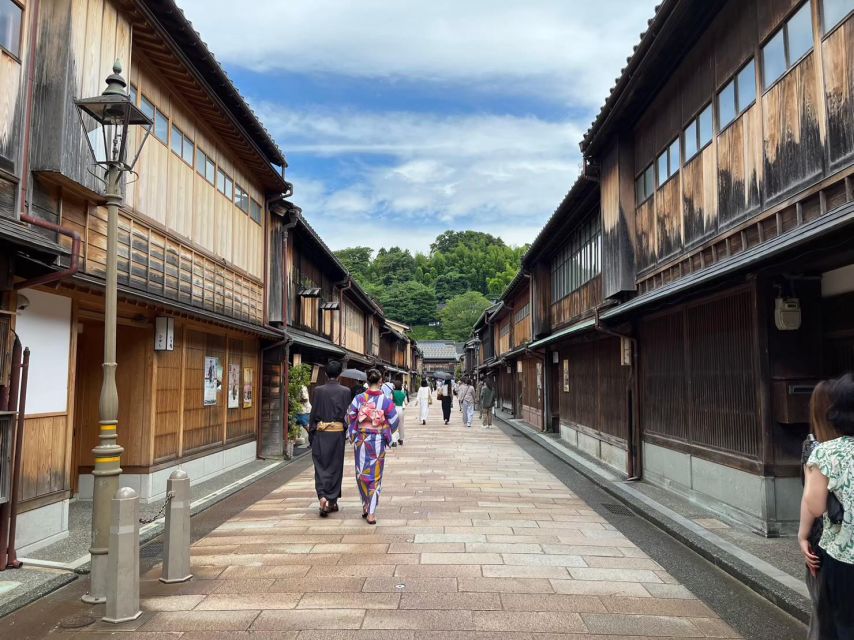
Higashi-chaya is one of Kanazawa’s signature districts. Its tall, two-story wooden tea houses line the streets, and some feature red-painted interiors or exteriors, a design detail strongly associated with Kanazawa.
The district is often compared with Kyoto’s tea-house areas, but it has its own appearance and scale. The wooden facades make the streets easy to recognize, while the narrow entrances and carefully maintained fronts hint at the private world behind them.
You have about 40 minutes for guided walking, free time, shopping, and sightseeing. That is enough to appreciate the main streets and browse, but it is not a full afternoon for independent shopping. If you want an extensive look at every shop, you may need to return on another visit.
The guide’s explanations help here because a tea house is not simply an old restaurant. It belongs to a social tradition involving entertainment, hospitality, performance, and strict customs. The outside architecture gives you only part of the story.
Inside Shima, a preserved geisha house
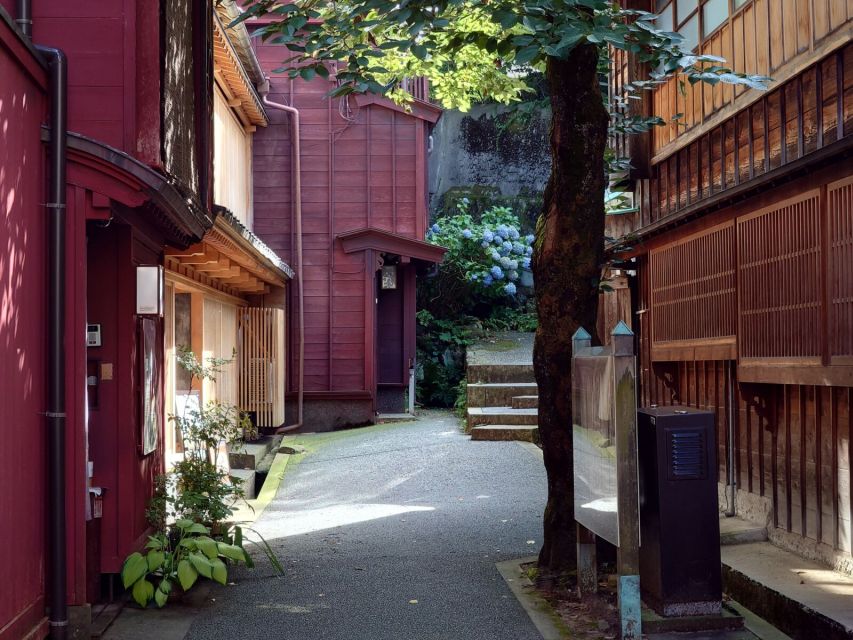
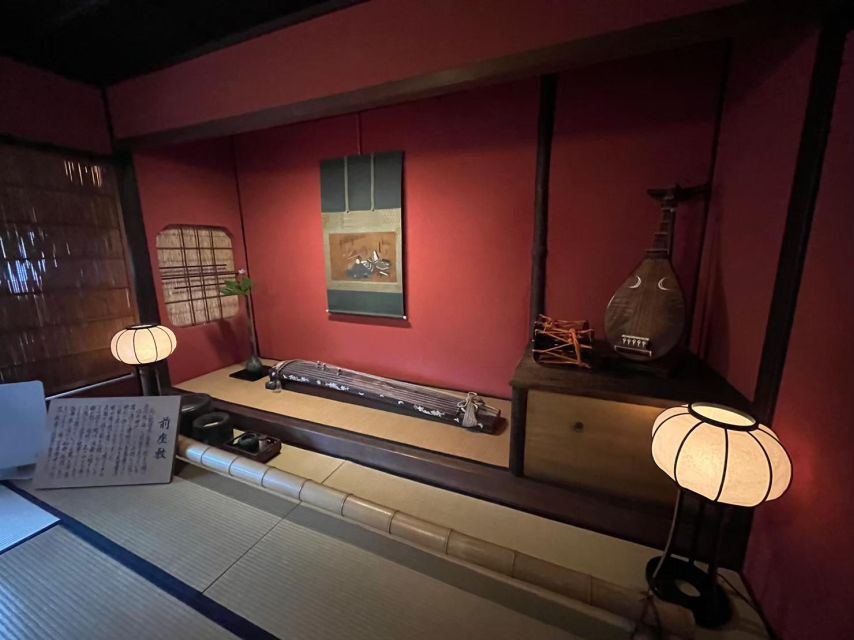
The visit to Shima lasts about an hour and is one of the most distinctive inclusions. Shima is a heritage site with classic tea-house architecture, allowing you to step inside rather than only photograph the district from the street.
The rooms, layout, and details offer a closer look at how a geisha house functioned. Your guide can explain the space and the traditions connected with it, which is particularly useful because the interiors may otherwise seem spare or difficult to interpret.
This stop also gives the day a different rhythm. Nagamachi shows how samurai families lived. Shima shows the refined, controlled setting of tea-house culture. Seeing both helps you understand that old Kanazawa was not built around one social group or one style of life.
You should remove your shoes where required, so wear clean socks without holes. The practical information specifically recommends bringing socks, and that advice is worth following for temple, tea-house, and historic-home visits.
The walk through Kazue-machi back to the station
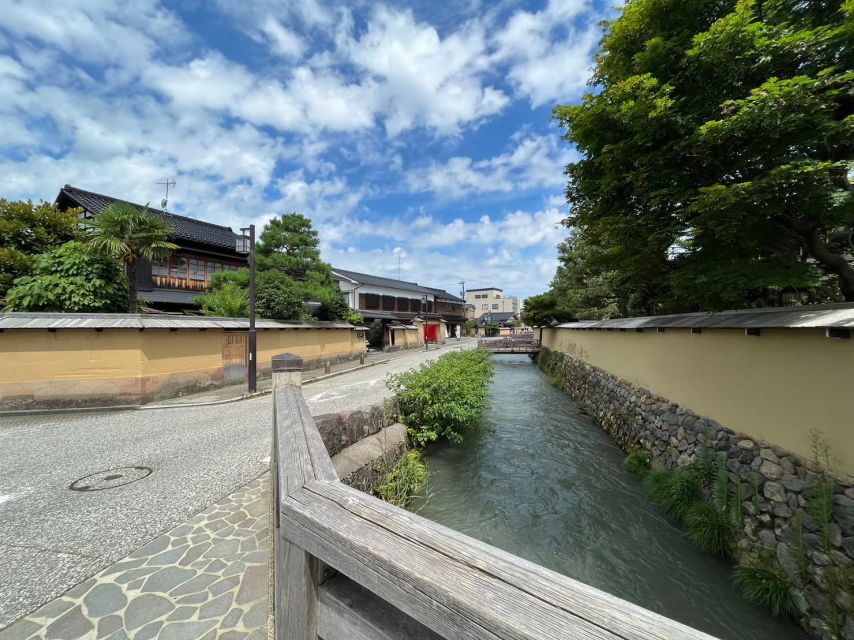
After Higashi-chaya and Shima, the route returns toward Kanazawa Station. The walk takes about 30 minutes and passes through Kazue-machi, a maze of backstreets near the river.
This final stretch is not just transportation. It gives you one more look at Kanazawa away from the headline sights. The small lanes help connect the polished historic districts with the everyday city around them.
By this point, the length of the day becomes clear. The full schedule runs roughly from 9:00 in the morning to late afternoon, and the walk can reach about 12 kilometers. One person recorded more than 27,000 steps, while another family found that the day remained comfortable because the guide allowed breaks and adjusted the pace.
Do not count on a lazy stroll. If you have knee, hip, or foot trouble, consider how you normally handle a full day outdoors before booking. The route includes rest periods, but it remains active from beginning to end.
Guides, pace, and the human side of the day
The strongest pattern across the guiding is personal attention. Mike is praised for making history entertaining, answering questions, accommodating requests, and even helping with train tickets at the end. Akari is described as friendly, flexible, and good at keeping a small group involved.
Gareth is noted for explaining history, culture, and architecture with humor, while Lee is praised for adapting the route to the group and sharing suggestions for Kanazawa and other Japanese cities. Mohammed receives praise for cultural explanations, and Daniel for building information gradually while being patient with children.
These details matter because a full-day walking tour can become tiring if the guide talks nonstop or ignores the group’s needs. The available information suggests that the guiding style is conversational and adaptable, though the exact experience will vary by guide and group.
Small groups are possible, and one group of five found that the size made it easy to ask questions and chat while walking. The tour is in English only.
Who should book this tour?
I would choose this tour if you have one full day in Kanazawa and want the main historic districts explained in a logical order. It suits first-time visitors who want more than photographs, families with older children who can manage a long walk, and anyone interested in samurai culture, tea traditions, Japanese gardens, or geisha districts.
It is less suitable if you want lots of solo shopping time, dislike fixed schedules, or prefer to use buses and taxis between sights. Lunch is your responsibility, and the day can be cold, wet, or physically demanding.
Book with comfortable shoes, warm layers in winter, rain gear during wet seasons, and a small amount of flexibility. Cancellation is free up to 24 hours before the tour, and you can reserve now and pay later, which helps if your Japan route is still changing.
Should you book the Kanazawa full-day tour?
At $156, this is a fairly priced guided day if you value interpretation and convenience more than keeping costs to a minimum. The admission to Kenroku-en and Shima, the matcha experience, and a full day of English guiding add real value.
I would book it for a first visit, especially if Kanazawa is replacing a longer stay in Kyoto or if you have only one free day. The best reason to go is not simply the number of sights. It is the way the tour links ordinary samurai homes, a castle, a formal garden, tea culture, and geisha architecture into one understandable picture of the city.
FAQ
Where does the Kanazawa tour start?
Meet outside the Shinkansen ticket gates, in front of the information center. The meeting point is near the four large sumo wrestlers inside the East Entrance of Kanazawa Station. Look for the guide wearing a Snow Monkey Resorts tour tag.
What language is the tour conducted in?
The tour is conducted in English with a live English-speaking guide.
Is lunch included?
No. Lunch is not included. The tour allows time for a meal nearby, and you can ask your guide for recommendations.
How much walking is involved?
The tour involves several hours of outdoor walking. Some people have covered about 12 kilometers or more than 27,000 steps during the day, so comfortable shoes are essential.
What happens in winter?
Winter temperatures can remain below 10 degrees Celsius, with mornings and evenings close to or below freezing. Snow and ice may appear on roads and sidewalks, so bring warm clothing, suitable footwear, and non-slip shoes.
Is the matcha tasting always held at Gyokusen-an?
The matcha experience is included, but special events may require the tasting to move to another location. The experience includes matcha, wagashi, and guidance on the proper way to drink the tea.
Just added around Japan
- Himeji: Himeji Castle & Kokoen Garden 3.5-Hour Guided Tour★ 4.9 · 30 reviews
- Tokyo: Ashikaga Flower Park with Entry Ticket★ 5.0 · 3 reviews
- 1-Day Tour from Okayama: Kurashiki, Gardens & Okayama Castle★ 5.0 · 2 reviews
- Private Car Day Trip to the Kobe Mountains, Gardens and Hot Springs from Osaka★ 4.5 · 16 reviews
- Private Car Full Day Tour of Osaka Temples, Gardens and Kofun Tombs★ 5.0 · 24 reviews
- Osaka: Daytime Hanami (Cherry Blossom) and Food Tour★ 4.7 · 7 reviews
- Experience Crafting a Flower-Adorned Mini Japanese Garden★ 4.7 · 15 reviews
- Kanazawa: Half-Day Private Tour – Garden, Castle, Geisha★ 5.0 · 10 reviews
Japan Garden Tours, compared.

Kyoto Zen Meditation & Garden Tour at a Zen Temple with Lunch
Read our review →
Kyoto Kiyomizu Tea Ceremony with Scenic Garden Views
Read our review →
Full-Day Tour from Kanazawa: Samurai, Matcha, Gardens and Geisha
Read our review →
Nagano Spring: 1-Day Cherry Blossoms & Snow Monkeys Guided Tour
Read our review →
Himeji: Himeji Castle & Kokoen Garden 3.5-Hour Guided Tour
Read our review →Browse the lists this tour appears in