
Review · JAPAN GARDEN TOURS
Full-Day Tour from Kanazawa: Samurai, Matcha, Gardens and Geisha
Kanazawa is best understood on foot, and this tour links its key historic districts in one thoughtful route. You move from humble samurai homes to castle grounds, a superb garden, and old geisha streets, with a matcha and wagashi break in the middle. I like the way the day connects Japan’s military, religious, artistic, and social traditions instead of treating each sight as a separate photo stop.
I also like the small maximum of 15 people and the chance to learn from guides such as Mike, Garrett, Lee, Akari, Daniel, and Fadir. The main drawback is clear: this is a serious walking day, often around 10 to 12 kilometers and sometimes close to 10 miles. If you have limited stamina, ask about the pace and consider that the long stretches between sights can be tiring.
Key points
- Samurai homes with real domestic detail: Enter two preserved Ashigaru houses and see how lower-ranking samurai lived.
- Matcha beside a historic garden: Gyokusen-an includes tea, wagashi sweets, and a quiet view over an old garden.
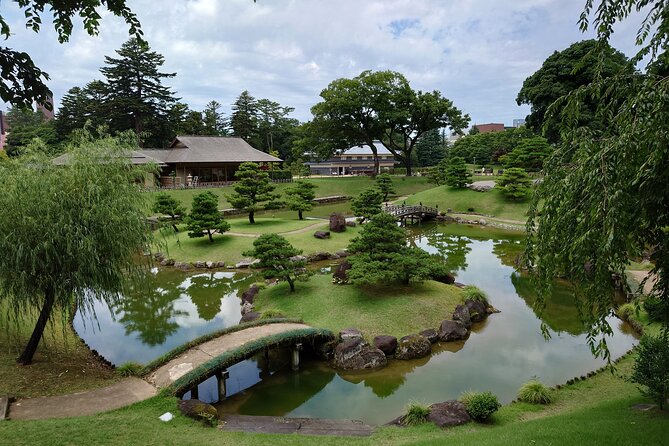
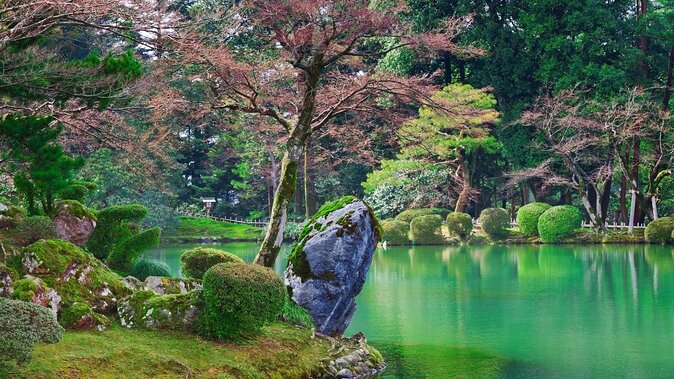
- Kenrokuen with time to look around: About 90 minutes lets you enjoy ponds, trees, teahouses, and city views without a quick photo stop.
- Two very different geisha districts: Higashi Chaya has more shops and activity, while Kazuemachi feels quieter.
- A guide-led history lesson: Guides including Garrett, Mike, Lee, and Akari are praised for explaining both Kanazawa and wider Japanese culture.
- A full day entirely on foot: Plan for changing weather, comfortable shoes, water, and a one-hour lunch break.
Why this route works so well in Kanazawa
Kanazawa can look compact on a map, yet its main sights spread across several districts. This tour solves that problem by creating a walking line from the old samurai quarter through the castle and garden area, then onward to the geisha districts near the Asano River.
That route gives you a useful sense of how the city fits together. You are not simply being driven from one attraction to another. You see the changes in streets, buildings, and neighborhoods as you walk. A guide can also explain why Kanazawa developed as an important cultural center and why it offers a quieter alternative to Kyoto.
The group limit of 15 matters here. Small streets, traditional houses, and tea rooms are easier to appreciate when you are not following a large crowd. A smaller group also gives the guide more room to adjust the pace, answer questions, and change the order slightly when needed.
The guides named in the tour’s feedback include Mike, Garrett, Lee, Akari, Daniel, Fadir, and Mohamed. Their strengths vary by person, but the recurring pattern is clear: the best part of the day depends heavily on the guide’s ability to explain context while keeping people moving. Garrett receives especially strong praise for his command of Japanese history and culture, while Mike is noted for humor, practical help, and making the day enjoyable even in poor weather.
Full-day trips around Japan:
- Kanazawa: Samurai, Matcha, Gardens and Geisha Full-Day Tour
★ 4.9 · 75 reviews - Private Car Full Day Tour of Osaka Temples, Gardens and Kofun Tombs
★ 5.0 · 24 reviews - Versailles Full Day Bike Tour with Palace, Gardens, & Picnic
★ 5.0 · 2,217 reviews
Ashigaru Museum and Nagamachi samurai homes
The morning begins at the Ashigaru Museum, where you enter two houses once occupied by Ashigaru families. Ashigaru were lower-ranking samurai, so this stop adds an important correction to the usual samurai image. You are not looking only at grand warriors and castle lords. You are seeing the homes of working military families with more modest lives.
I like this opening because domestic buildings often explain the past better than armor displays do. The size, layout, and plain character of the houses help you picture daily life within the old social order. The visit lasts about an hour and does not require a separate admission fee.
From there, you walk into Nagamachi, the former samurai district. The handsome streets still preserve the feel of a residential quarter, with earthen walls and traditional lines rather than a parade of isolated monuments. The guide’s explanation is useful here because the district can otherwise seem simply picturesque.
Give this section time. The value is in noticing how the streets relate to the houses, walls, and narrow passages. You may find the walking easy at first, but remember that this is only the beginning of a much longer day.
Oyama Shrine and the road to the castle
The route then passes through Oyama Shrine on the way toward Kanazawa Castle. The unusual entry gate is the main visual surprise. Unlike the more familiar wooden or stone shrine gates found across Japan, Oyama’s gate uses brick and has an unusual design influenced by outside architectural ideas.
The stop lasts about 40 minutes and admission is free. It is a welcome change of mood after the samurai quarter: from residential streets to a religious site with its own distinct visual character.
This is also where the guide can make connections between local history and the broader development of Kanazawa. A short explanation of why the city became a major center of culture makes the later garden, tea, and geisha stops easier to understand.
Matcha and wagashi at Gyokusen-an
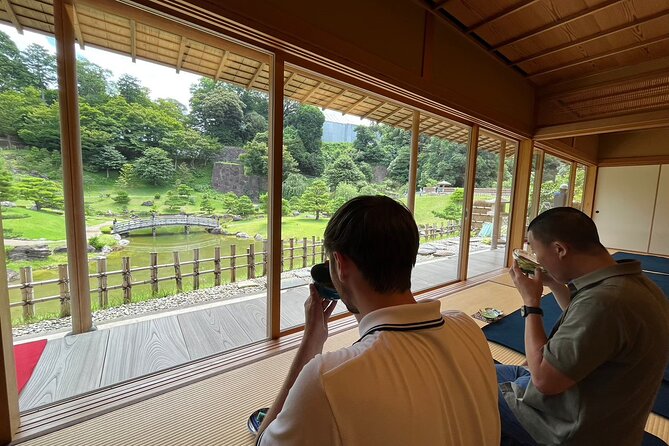
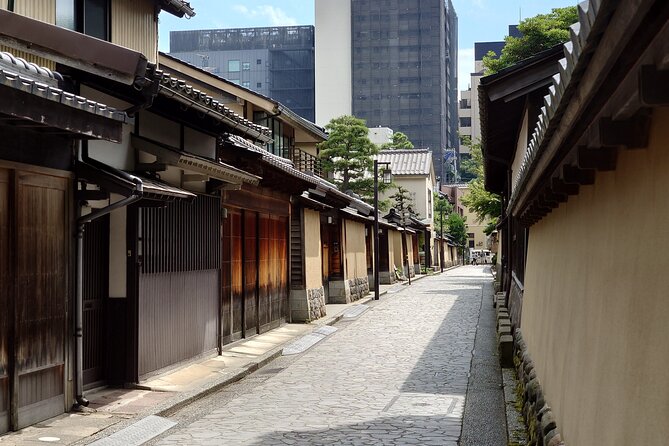
The matcha stop at Gyokusen-an is one of the strongest parts of the day. You sit in a tea house and have matcha with wagashi sweets while looking toward a centuries-old garden beside the castle grounds.
This is more than a snack break. The pause lets you experience a small part of Japanese tea culture in the setting it was meant for: a carefully framed room, a garden view, and a quiet change of pace. The tea may be stronger and more bitter than some first-time visitors expect, while the wagashi provides the sweet balance.
The scheduled time is about an hour, and admission is included. That makes the $151.30 price easier to assess, since you are not paying separately for the tea house, Kenrokuen, or the preserved geisha house. The value also comes from having the guide explain what you are seeing rather than simply pointing you toward a cup of tea.
If you want a long, formal tea ceremony, this is not described as that type of experience. It is a matcha experience during a sightseeing day. That distinction matters. You get atmosphere and cultural context without giving up much of the route.
More Garden Tours in Japan:
- Osaka: teamLab Botanical Garden Entry Ticket
★ 4.5 · 1,710 reviews - Imperial Palace East Garden and Edo Castle Walking Tour in Tokyo
★ 5.0 · 510 reviews - Kyoto Zen Meditation & Garden Tour at a Zen Temple with Lunch
★ 5.0 · 441 reviews - Kyoto Arashiyama Bamboo forest & Garden Half-Day Walking Tour
★ 5.0 · 413 reviews
Kanazawa Castle and Kenrokuen Garden
After Gyokusen-an, you cross the grounds of Kanazawa Castle. The castle buildings have been restored, and the broad lawns give you a sense of the site’s scale. The scheduled castle visit is only about 20 minutes, so think of it as an introduction rather than a detailed castle tour.
The short stop works because the castle is part of the route between the tea house and Kenrokuen. You see the restored buildings, understand their place in the city, and continue toward the garden without spending most of the day indoors.
Kenrokuen receives about 90 minutes, which is far more useful. It is one of Japan’s best-known traditional gardens, designed around ponds, trees, teahouses, carefully shaped views, and changing seasonal details. You have time to walk rather than rush from one marked viewpoint to the next.
You may find the garden especially rewarding in spring, when cherry blossoms can be in bloom. Other seasons bring their own appeal, but the tour information does not promise a particular display, so weather and timing will affect what you see.
The guide adds value here by explaining Japanese garden ideas and pointing out how views are composed. Still, do not expect to see every corner of Kenrokuen in 90 minutes. The garden is large enough that you will need to accept a guided overview rather than a complete exploration.
Higashi Chaya and the preserved Shima tea house
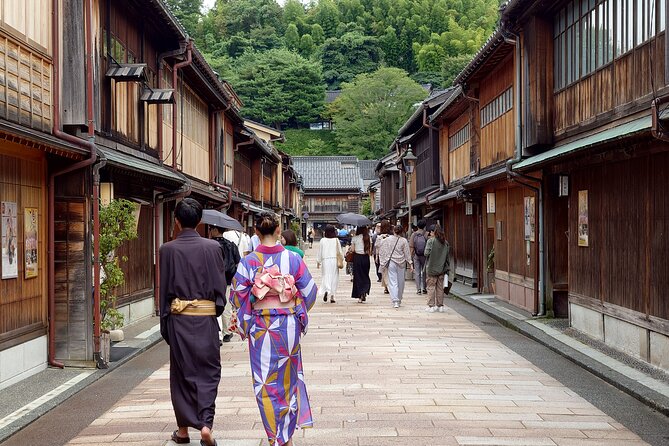
The afternoon continues to Higashi Chaya, Kanazawa’s best-known traditional tea district. Its streets are lined with old tea houses, eateries, and craft shops. You receive about an hour of free time here, making this a good place to browse, take photographs, or choose a small purchase.
The district can feel more commercial than the samurai quarter, but that does not make it uninteresting. The shops and restaurants occupy the same traditional streets that give the area its appeal. You also get a chance to pause without listening to a running commentary every minute.
Next comes Ochaya Shima, a preserved tea house once used by geisha and wealthy patrons. The colorful interiors and musical instruments provide a closer look at the refined entertainment culture associated with these buildings.
This admission is included, and the visit lasts about 30 minutes. It is short, but it gives you access to a type of building you would not normally enter by simply wandering through the district. Look closely at the rooms, finishes, and instruments. The house’s charm comes from the details rather than its size.
The guide can also help explain what a chaya was and how it differed from an ordinary restaurant or teahouse. That context keeps the visit from becoming just another attractive old building.
Kazuemachi for a quieter final walk
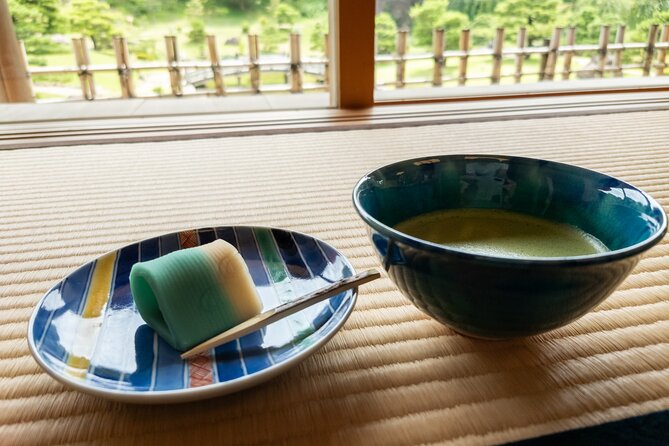
The final district is Kazuemachi Chayagai, reached as you walk back toward Kanazawa Station. Compared with Higashi Chaya, Kazuemachi is less crowded and has a more restrained atmosphere. The district still has connections to geisha entertainment, but the streets feel quieter.
The scheduled stop is about 30 minutes and admission is free. It is a fitting end to the route because you can compare two traditional tea districts close together. Higashi Chaya gives you more shops and activity, while Kazuemachi offers a calmer look at old streets beside the river.
Do not assume you will see geisha performing. The tour introduces the district and its history, and you might be lucky enough to see signs of its continued use, but no performance is promised.
Walking distance, lunch, and physical demands
You should book this as a walking tour first and a sightseeing tour second. The day involves roughly 10 to 12 kilometers on foot, with one participant estimating about 10 miles. There are places to sit at some stops, but the route between them can be long.
The advertised duration is about nine hours, starting at 9:00 a.m. A one-hour lunch break is included in that total, but lunch itself is not. You choose your own restaurant, with suggestions from the guide. This gives you flexibility, though it also means you should not expect a hosted meal or a fixed menu.
I like the independent lunch arrangement because it lets you choose what suits your budget and appetite. The tradeoff is that the break may feel less organized than a group meal. Keep some time in reserve, since the afternoon route continues after lunch.
Wear comfortable shoes and bring water. Kanazawa’s weather can change, and the tour requires suitable weather to operate. A rain shower may not automatically ruin the day, but the provider can offer another date or a full refund if poor weather causes cancellation.
The tour ends back at the meeting point near Kanazawa Station. Since the route covers so much ground, ask the guide early in the day about the expected pace if you are a senior or have difficulty with long walks. One past participant specifically wished for public transport during the longer stretches, while others completed the distance comfortably at a steady pace.
Is $151.30 a fair price?
At $151.30 per person, this is not a bargain walking tour. It is a full-day guided experience with a small group, English-speaking instruction, matcha and wagashi, Kenrokuen admission, and entry to Shima Chaya.
The price makes more sense if you value structure and historical explanation. You could visit many of these places independently for less, but you would need to plan the route, manage opening times, find the correct entrances, and supply your own background information. The tour also solves the awkward problem of linking districts that are close enough to visit in one day but spread out enough to require planning.
It is less good value if you want lots of free shopping time, a slow tea ceremony, or extensive time inside Kanazawa Castle. The schedule favors breadth, with nine distinct stops, rather than long visits at only two or three sites.
A group of up to 15 is small enough to feel personal, though the exact size may vary. If your group is very small, the guide may be able to adjust the pace more easily. That flexibility was especially useful for families and older participants, but it cannot remove the basic distance involved.
Who should book this Kanazawa tour?
I would choose this for a first full day in Kanazawa, especially if you want the city’s main cultural sights explained in a logical order. It suits couples, families with older children, and adults who enjoy history, gardens, traditional architecture, and local customs.
It is also a good fit if you are arriving without much knowledge of Japanese history. Guides such as Garrett, Mike, Lee, and Akari are described as clear, friendly, and able to connect old and modern Japan. A strong guide can turn the walk between attractions into part of the experience.
I would hesitate if you dislike long walks, need frequent transport, or prefer to set your own schedule. The tour covers a lot, but you cannot linger everywhere. Kenrokuen gets useful time, while Kanazawa Castle receives only a brief look.
Free cancellation is available up to 24 hours before the start time for a full refund. Changes or cancellations made later are not accepted for a refund, so keep that deadline in mind when planning around the weather.
Should you book it?
Book this tour if you want an efficient, guide-led introduction to Kanazawa that combines samurai homes, a castle, a garden, matcha, and geisha districts in one day. The strongest reasons are the thoughtful route, the tea house setting, the included admissions, and the quality of guides such as Garrett and Mike.
Skip it if 10 to 12 kilometers sounds like too much or if you want a relaxed day with long café and shopping stops. For everyone else, this is a strong way to get your bearings fast, learn why Kanazawa matters, and see the city’s traditional districts without spending your first day working out the logistics yourself.
FAQ
Where does the tour start and end?
The tour starts at Kanazawa Station at 9:00 a.m. It ends back at the meeting point near the station.
How long does the tour last?
The advertised duration is approximately nine hours, including a one-hour lunch break. The guided sightseeing portion is about one hour shorter because lunch is counted in the total.
Is lunch included?
No. Lunch is not included in the price. You choose your own restaurant during the one-hour break, and the guide can provide recommendations.
How much walking is involved?
This is a full walking tour covering roughly 10 to 12 kilometers. Some participants have estimated the total at about 10 miles, so comfortable shoes are important.
What is included in the price?
The tour includes an English-speaking guide, matcha tea and wagashi sweets at a tea house, entry to Kenrokuen Garden, and entry to the preserved Shima geisha house.
Can I cancel for a full refund?
Yes. You can cancel at least 24 hours before the local start time for a full refund. If poor weather causes the provider to cancel the tour, you will be offered another date or a full refund.
Just added around Japan
- Himeji: Himeji Castle & Kokoen Garden 3.5-Hour Guided Tour★ 4.9 · 30 reviews
- Tokyo: Ashikaga Flower Park with Entry Ticket★ 5.0 · 3 reviews
- 1-Day Tour from Okayama: Kurashiki, Gardens & Okayama Castle★ 5.0 · 2 reviews
- Osaka: Daytime Hanami (Cherry Blossom) and Food Tour★ 4.7 · 7 reviews
- Private Car Day Trip to the Kobe Mountains, Gardens and Hot Springs from Osaka★ 4.5 · 16 reviews
- Private Car Full Day Tour of Osaka Temples, Gardens and Kofun Tombs★ 5.0 · 24 reviews
- Kyoto Kiyomizu Tea Ceremony with Scenic Garden Views★ 5.0 · 101 reviews
- Kanazawa: Samurai, Matcha, Gardens and Geisha Full-Day Tour★ 4.9 · 75 reviews
Japan Garden Tours, compared.

Kyoto Zen Meditation & Garden Tour at a Zen Temple with Lunch
Read our review →
Kyoto Kiyomizu Tea Ceremony with Scenic Garden Views
Read our review →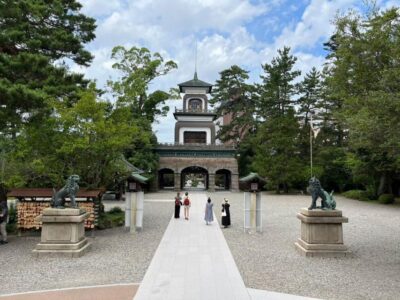
Kanazawa: Samurai, Matcha, Gardens and Geisha Full-Day Tour
Read our review →
Nagano Spring: 1-Day Cherry Blossoms & Snow Monkeys Guided Tour
Read our review →
Himeji: Himeji Castle & Kokoen Garden 3.5-Hour Guided Tour
Read our review →Browse the lists this tour appears in