
Review · JAPAN GARDEN TOURS
Home Experience: Tea Ceremony & Moss Garden Walk(Day trip)
The most memorable part of this Hiroshima experience is not a famous sight. It is the chance to spend time in a 200-year-old Japanese farmhouse, far from the city’s main tourist route, with a local family and a quiet rural setting. You travel from JR Kabe Station into a peaceful valley, then share food, tea, walking time, and conversation at Naomi’s home.
I like two things in particular. First, you help cook lunch rather than simply being served a meal. Second, the visit gives moss its proper place in Japanese culture, with time in a private garden and a guide who explains the plants. The main consideration is transport: train and bus tickets are not included, and the trip involves about an hour on a bus each way.
Key points
- A 200-year-old farmhouse: See traditional tatami rooms in a home that has been renovated while keeping its old-fashioned character.
- Lunch you help prepare: Ingredients are included, and you cook and eat together with your host.
- A private moss garden: Learn about Japan’s many moss varieties and the cultural value of this small, quiet plant.
- Flexible rural activities: Choose a river walk, forest stroll, time by the water, rice-farming activities, or another option that suits your group.
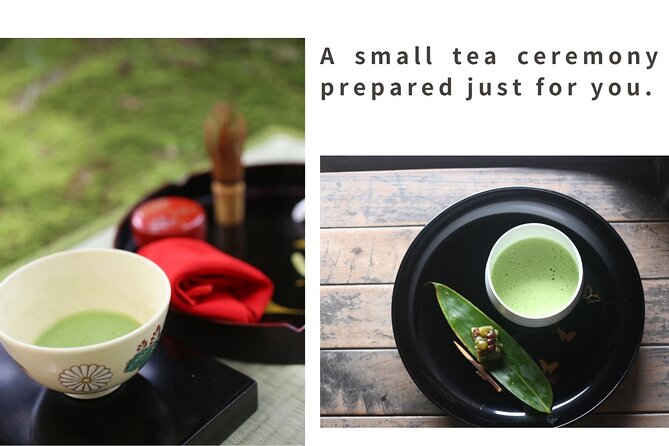
- Matcha served with care: Drink tea in the garden when the weather is good, or inside on tatami.
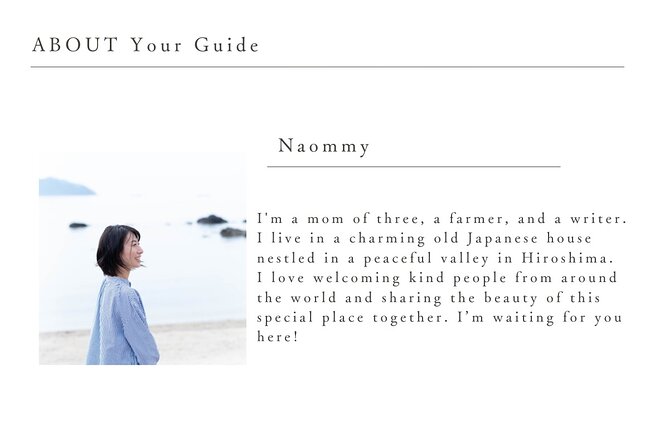
- Private and personal: Only your group participates, with Naomi as your local host and guide.
A quiet day beyond Hiroshima’s usual sights
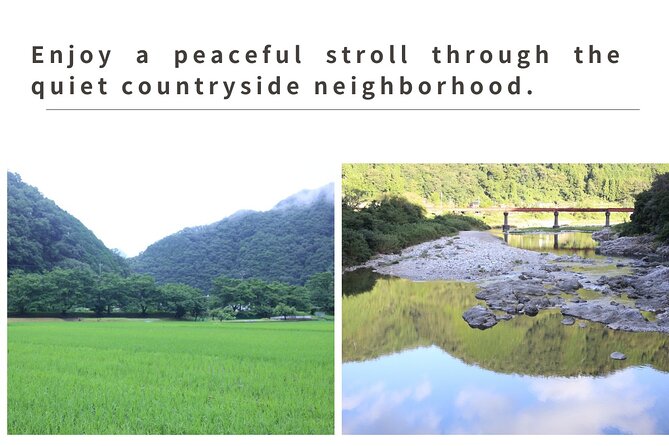
Hiroshima is known for the Peace Memorial Park, Miyajima, and its food. Those are important stops, but they can also make the city feel busy and scheduled. This experience gives you a different side of the prefecture: rural homes, forest, river water, seasonal plants, and the daily pace of a Japanese family.
The setting matters. You are not visiting a preserved building as a quick photo stop. You spend several hours at a lived-in farmhouse, with time to sit, eat, walk, and ask questions. That slower pace lets you notice details that are easy to miss on a standard sightseeing day, such as tatami floors, garden plants, the feel of an old wooden home, and the way tea is prepared.
This is a private activity, so your group does not have to fit into someone else’s schedule. You can express an interest in walking, gardening, rice farming, or simply enjoying the house and garden. The host presents the experience as something that can be shaped around your group, though you should discuss special requests in advance rather than assume every option is available on the day.
Day trips around Japan:
- Nagano: 1-Day Snow Monkey & Cherry Blossom Tour in Spring
★ 4.8 · 51 reviews - Mt. Fuji & Hakone Cherry Blossom private One Day Tour
★ 4.5 · 35 reviews - Nagano Spring: 1-Day Cherry Blossoms & Snow Monkeys Guided Tour
★ 5.0 · 31 reviews
Reaching the farmhouse from JR Kabe Station
The day begins at 9:30 a.m. at or around JR Kabe Station, followed by a scenic bus ride of about one hour. The route takes you away from the urban center and into quieter surroundings. That journey is part of the appeal, but it also requires planning.
Train and bus tickets are not included in the price. The experience information also mentions pickup, so confirm exactly where pickup is available and whether you should make your own way to JR Kabe Station. This is one detail worth settling before you reserve, especially if you are staying near Hiroshima Station or traveling with children.
Allow extra time for the connection. A rural bus schedule may not offer the same frequency as city transport, and a missed bus could make the morning stressful. Save the meeting instructions on your phone and check the route before the day begins.
The long transfer is not ideal if you want a short, effortless activity close to central Hiroshima. If you are happy to trade convenience for a more local setting, it is a fair exchange. The bus ride helps separate this experience from the city’s familiar sightseeing circuit.
Inside a 200-year-old Japanese home
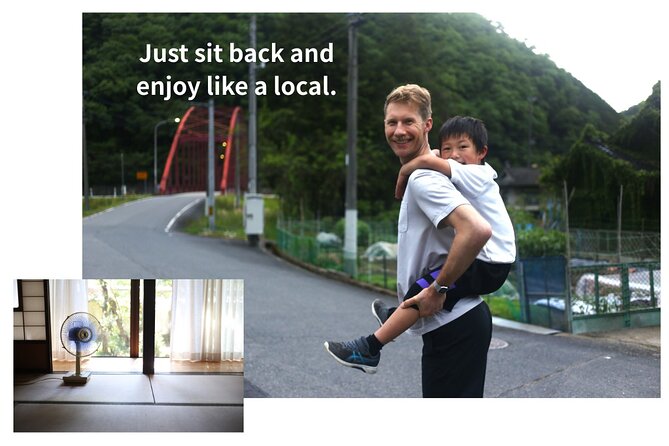
The farmhouse, called a kominka, is the heart of the day. It has about two centuries of history and has been renovated so it feels comfortable while keeping a retro rural atmosphere. You can expect tatami rooms and the quiet character of a traditional Japanese house rather than a formal museum.
That distinction is useful. In a museum, you look at rooms and objects from a distance. Here, you sit on the tatami, drink tea, prepare food, and spend time in the space. The house gives the visit a sense of everyday life rather than a staged cultural demonstration.
The welcome is also personal. Naomi’s children may greet you at the house, adding to the feeling that you are being received by a family rather than processed through a tour operation. That warmth has been one of the most praised parts of the experience, along with Naomi’s thoughtful hosting.
You should be comfortable with a home-based visit. The attraction is conversation and shared time, not a long list of formal exhibits or performances. If you prefer large historical sites, a fixed schedule, and constant sightseeing, this may feel too gentle. If you want to see how a traditional house can still function as part of family life, it offers something harder to find in central Hiroshima.
Cooking lunch together
Lunch is included, including the cost of ingredients, and you cook it together with your host. This is more valuable than a meal added to a standard day trip because food becomes part of the exchange. You are not only tasting a finished dish. You take part in preparing it and then share the result in the farmhouse.
The exact menu is not specified, so do not book this expecting a particular dish. If you have allergies, dietary restrictions, or foods you cannot eat, tell the host before the visit. The available information confirms that ingredients are included, but it does not promise a vegetarian, vegan, halal, or allergy-specific menu.
Cooking also adds a practical point to the schedule. The first portion of the visit lasts about three and a half hours and includes the home, lunch, and local activities. That gives you enough time to slow down, but it does not mean you will spend every moment sightseeing. The pleasure is in the shared task and the conversation around it.
For families, cooking can be an easy way to keep children involved. Solo visitors and couples may appreciate the chance to connect with Naomi in a natural setting rather than sitting through a formal explanation. Small groups should benefit from the private format, since everyone can participate at a comfortable pace.
More Garden Tours in Japan:
- Osaka: teamLab Botanical Garden Entry Ticket
★ 4.5 · 1,710 reviews - Imperial Palace East Garden and Edo Castle Walking Tour in Tokyo
★ 5.0 · 510 reviews - Kyoto Zen Meditation & Garden Tour at a Zen Temple with Lunch
★ 5.0 · 441 reviews - Kyoto Arashiyama Bamboo forest & Garden Half-Day Walking Tour
★ 5.0 · 413 reviews
Seeing moss as more than ground cover
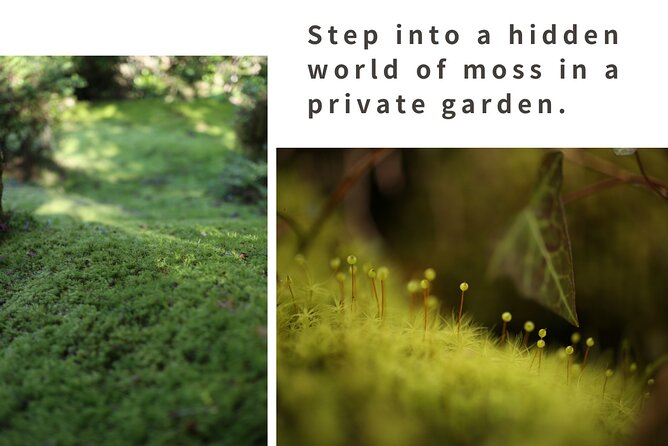
The moss garden gives this tour its most distinctive cultural focus. Japan has around 1,800 types of moss, and the garden offers a close look at a plant often overlooked by visitors rushing between major sights.
Moss fits the setting well. It rewards patience, shade, moisture, and careful observation. In the garden, you can learn how Japanese culture values small natural details and how a quiet garden can create a sense of calm without relying on grand flowers or dramatic design.
The moss portion lasts about one hour. That is long enough for a proper introduction but short enough to leave time for walking and tea. The setting is private, and a local guide explains the garden rather than leaving you to guess what you are seeing.
This is a good match for anyone who enjoys gardens, plants, photography, or small details. It may be less appealing if you want a large, formal garden with broad paths and monumental views. The charm is subtle. You will get more from it if you slow down and look closely.
Choosing a river walk or forest path
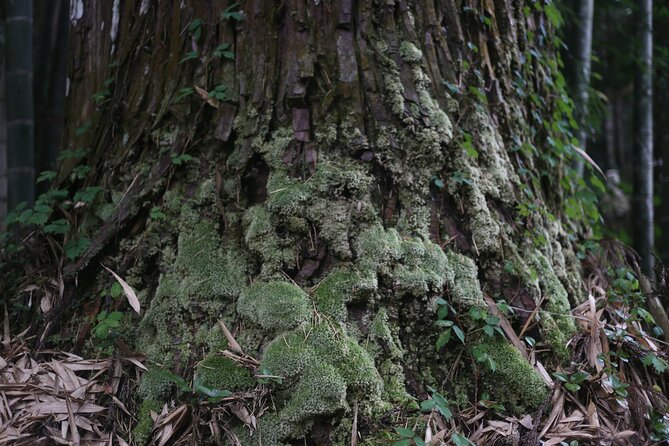
After time at the house and garden, you can take a short walk around the neighborhood. One option follows the nearby river. Another leads into the forest behind the house. The walk is described as peaceful rather than strenuous, but the information does not give a precise distance, trail surface, or elevation gain.
That means you should ask Naomi about the walking conditions if anyone in your group has mobility concerns. Most people can participate, and service animals are allowed, but the rural setting may include uneven ground or natural paths. The experience is near public transportation, yet the actual walking area is not described in detail.
You may also be able to spend time by the river, try rice-farming activities, or choose another outdoor interest. These options make the day more personal, but availability can depend on the season, weather, and your host’s schedule. Treat them as possible choices rather than guaranteed separate attractions.
The forest and river time are useful because they balance the indoor activities. After sitting on tatami and cooking, you get a chance to move through the countryside and see the area around the home. The result is a fuller picture of rural life, not just a tea lesson inside a traditional building.
Matcha in the moss garden or tatami room
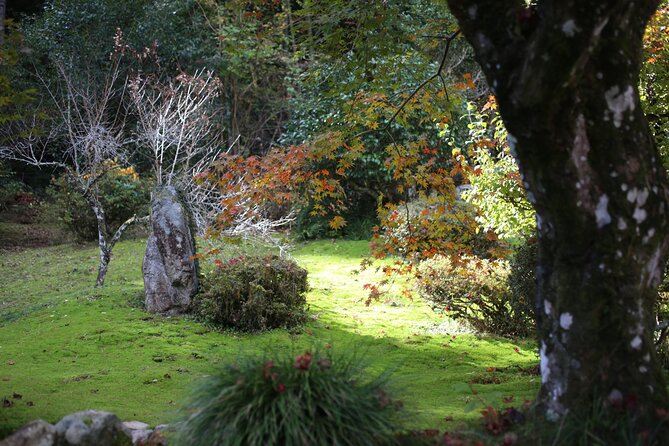
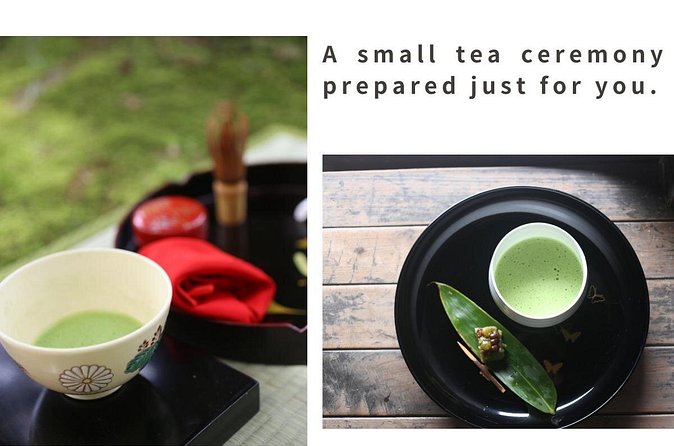
The final major part of the visit is matcha prepared by Naomi. If the weather is pleasant, you can drink it in the moss garden. If not, you can sit inside the tatami room.
The tea is prepared with care and sincerity, so expect a quiet, personal introduction rather than a large ceremonial show. The setting is especially important. A cup of matcha in a garden beside an old farmhouse gives the activity a sense of place that a generic tea demonstration may not provide.
You do not need to be an expert in tea ceremony customs to enjoy this part. Watch the preparation, follow your host’s instructions, and take your time. If you have never tried matcha, this is a relaxed way to encounter it without feeling tested on etiquette.
Weather matters throughout the day. The activity requires good weather and may be moved to another date or fully refunded if conditions force cancellation. Even when the visit goes ahead, rain could shift the tea from the garden to the house and alter the outdoor walking options.
What the $130.82 price includes
At $130.82 per person, this is not the cheapest way to spend seven hours around Hiroshima. The price includes the guide fee and the ingredients for lunch, but not private transportation, train fares, or bus tickets.
The value comes from the amount of personal time and access involved. You get a private experience for your own group, a host-led visit to a family home, a shared meal, a moss garden, matcha, and outdoor activities. Those elements would be difficult to combine independently in one day, particularly if you do not speak Japanese or know the rural area.
The price makes less sense if you only want a quick tea ceremony or a short garden visit. You would be paying for a full day of hosting, not a single attraction. It also may not suit you if you dislike spending time in homes or prefer a tightly packed sightseeing schedule.
For the right person, the cost is reasonable because the day is built around access and connection rather than admission tickets. There are no major entrance fees to explain the price. You are paying for Naomi’s time, the meal, guidance, and the chance to share a real home environment.
Who will enjoy this experience most
I would recommend this day to you if you want a quieter side of Hiroshima and enjoy talking with local people. It suits couples, families, solo visitors, and small groups who value flexible plans over a fixed checklist.
It is also a strong choice for nature lovers. The moss garden, river, forest, and possible rice-farming activities give the day several outdoor elements. Garden enthusiasts may especially enjoy the focus on moss, which is more unusual than a standard flower garden visit.
Families may like the combination of food, outdoor time, and a welcoming host family. Still, remember that this is a seven-hour day with public transport. Young children who dislike long rides or quiet activities may need more preparation.
You should think twice if you need step-free access, a precise walking route, a fixed menu, or guaranteed indoor activities. Most people can participate, and service animals are allowed, but detailed accessibility information is not provided. Ask specific questions before booking.
Practical timing and booking advice
The experience lasts about seven hours and starts at 9:30 a.m. Since transportation is not included, your day begins before the visit if you need to reach JR Kabe Station from central Hiroshima. Plan the return journey as carefully as the outward trip.
The activity is often reserved far ahead, with an average booking time of about 249 days in advance. That suggests popular dates can fill early, particularly during pleasant seasons. Confirmation is sent within 48 hours of booking, subject to availability.
You can cancel for a full refund up to 24 hours before the start time. Changes or cancellations inside that window are not accepted for a refund. Since weather can affect the experience, keep your schedule flexible if possible.
Should you book Naomi’s rural Hiroshima day?
Book it if you want a personal, slow-paced day that connects food, nature, tea, and family life in one setting. The farmhouse, moss garden, and warm welcome from Naomi and her children give the experience a character that a standard city tour cannot copy.
Skip it if your Hiroshima plans are already packed, you dislike bus rides, or you want a formal tea ceremony with a strict sequence and detailed equipment. This is less about ceremony as performance and more about sharing time in a rural home.
For most people who value local contact over famous sights, I think the strongest reason to go is the balance of activities. You cook lunch, walk outside, learn about moss, and drink matcha, with enough flexibility to make the day feel personal. Just confirm the pickup details, plan for extra transport costs, and ask about food or walking needs before you reserve.
FAQ
Where does the experience begin?
The tour starts at 9:30 a.m. near JR Kabe Station in Hiroshima. A scenic bus ride of about one hour follows.
Are train and bus tickets included?
No. Train tickets, bus tickets, and private transportation are not included in the price.
Is lunch included?
Yes. The guide fee and the cost of ingredients for the shared lunch are included. You cook lunch together with the host.
Is this a private tour?
Yes. Only your group participates in the activity.
Can I choose between different activities?
The experience offers choices such as a forest walk, time by the river, rice-farming activities, and other possible activities. Discuss your preferred option with the host.
What happens if the weather is poor?
The experience requires good weather. If it is canceled because of poor weather, you can receive a different date or a full refund.
Just added around Japan
- TOKYO: Tailored Gardens tour with Pro Gardener by E-bike -BASIC★ 5.0 · 2 reviews
- Tsukiji Food Strolling and Hama Rikyu Garden Walking Tour★ 5.0 · 7 reviews
- Tokyo: Serene Sakura & Sake: An Exclusive Brewery Pairing Lunch★ 5.0 · 2 reviews
- Tokyo Cherry Blossom Half Day Walking Tour with a Local Guide★ 3.5 · 4 reviews
- Cherry Blossom Highlights, Asakusa, Ueno, Imperial Palace Garden★ 4.5 · 4 reviews
- Tokyo: Kimono Experience inside Shinjuku Gyoen National Garden★ 5.0 · 3 reviews
- Sumida Riverside Walk: Garden &Temple Ritual (4 Meeting Points)★ 5.0 · 5 reviews
- Full Guided Mt. Fuji & Shiba-Sakura Festival One Day Pvt.Tour★ 5.0 · 6 reviews
Japan Garden Tours, compared.

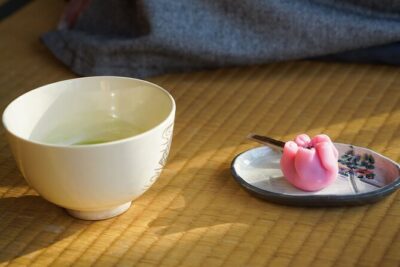
Kyoto Zen Meditation & Garden Tour at a Zen Temple with Lunch
Read our review →
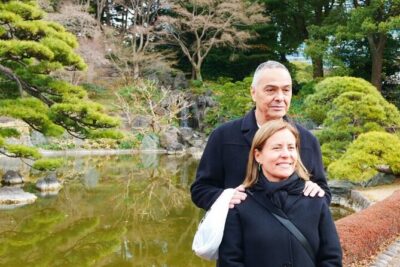
Edo Castle & East Garden of the Imperial Palace Tour
Read our review →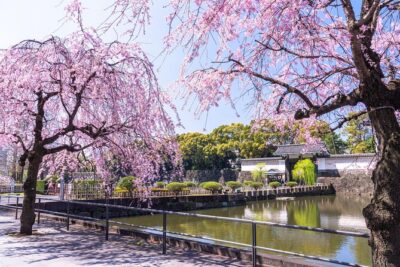
Tokyo Private Tour! Edo Castle & Imperial Palace East Gardens
Read our review →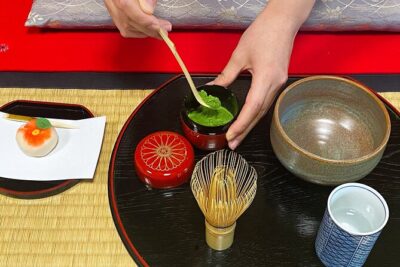
Kyoto Kiyomizu Tea Ceremony with Scenic Garden Views
Read our review →
Zen Meditation and Garden Tour at a Temple with Lunch
Read our review →
Kanazawa: Samurai, Matcha, Gardens and Geisha Full-Day Tour
Read our review →Browse the lists this tour appears in