
Review · KYOTO GARDEN TOURS
Kyoto: Private Tea Ceremony with a Garden View
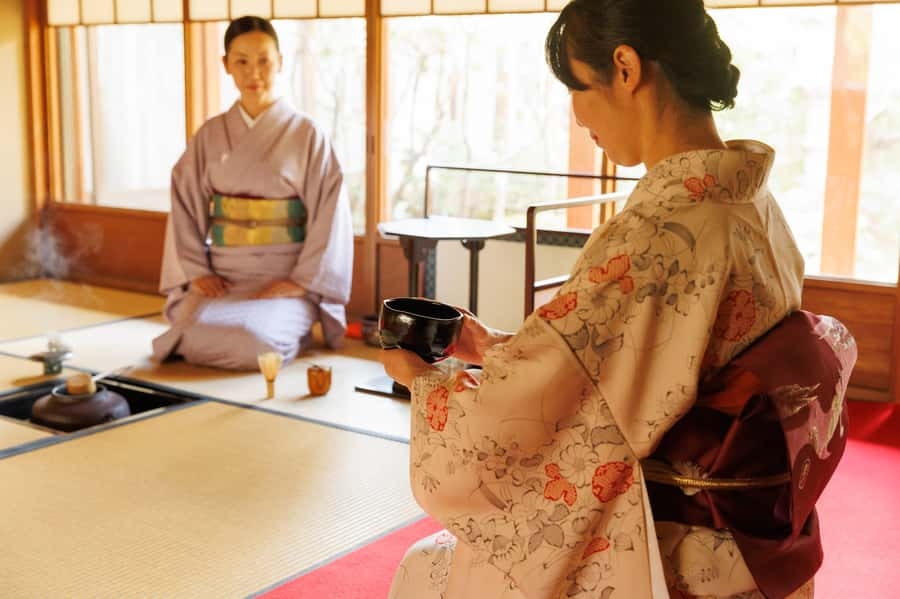
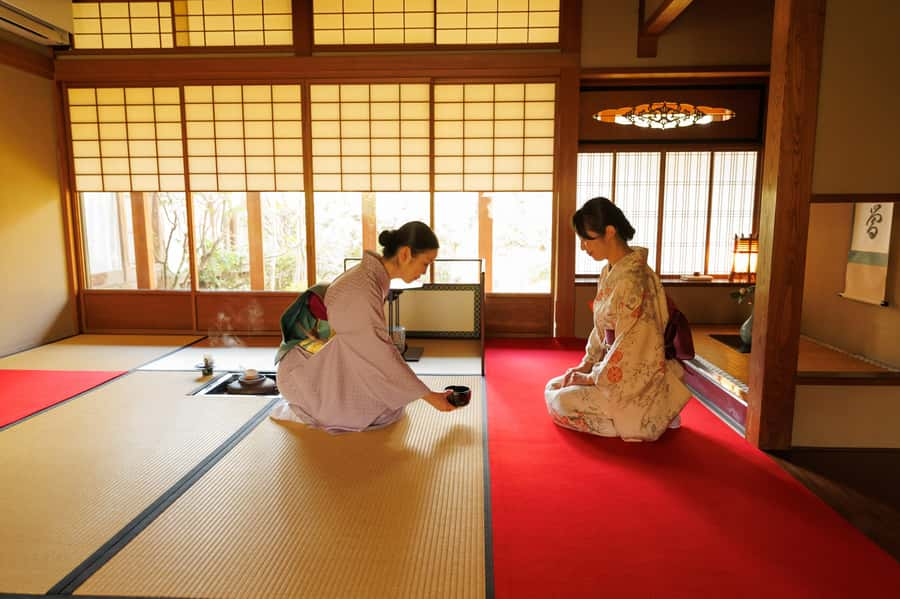
The best part of this Kyoto experience is its setting: you enter a private 100-year-old house across from Ryoan-ji, then watch tea being prepared with a traditional garden as your backdrop. It feels less like a quick demonstration and more like a quiet visit inside a carefully preserved home.
I like two things right away. First, you get a personal English-speaking instructor and time to ask questions, rather than simply watching in silence. Second, you make your own bowl of matcha after the ceremony, which gives the hour a satisfying hands-on finish. The main consideration is price: at $116 per person for one hour, this is a special-occasion activity, not a cheap introduction to green tea.
Key details at a glance
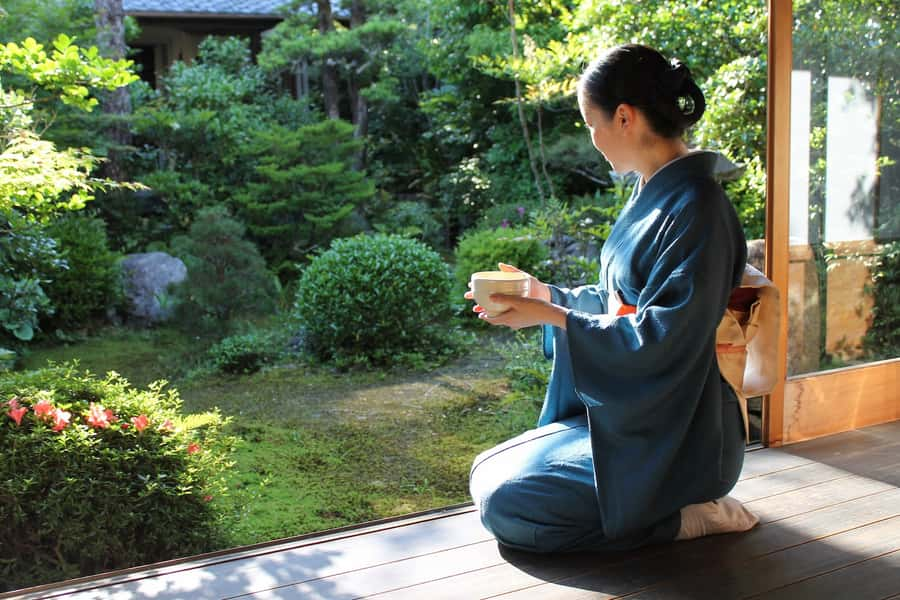
- A private house across from Ryoan-ji: You have the property to yourself during the ceremony, with gardens on both sides of the house.
- A real cultural explanation: Your instructor introduces the history and meaning of tea before the ceremony begins.
- Seasonal sweets from a respected Kyoto confectioner: The sweets are vegan, gluten free, and nut free.
- You prepare your own matcha: After watching, you whisk a bowl yourself and can ask questions as you go.
- Easy temple-area pairing: Ryoan-ji, Ninna-ji, Kinkaku-ji, and Myoshin-ji are all close enough to build into a west Kyoto sightseeing day.
- Comfortable for different needs: Chairs and tables are available, and the teahouse is wheelchair accessible.
A quiet tea ceremony beside Ryoan-ji
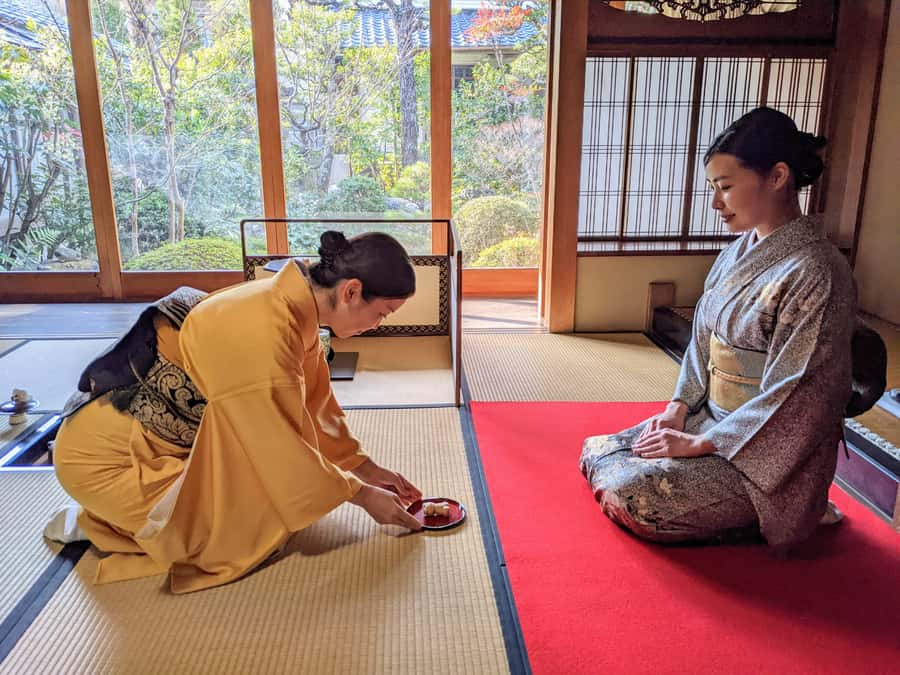
Kyoto offers tea ceremonies in many forms. Some are held in busy shops, some in hotel rooms, and some are arranged for large groups. This one takes place at Camellia Tea Ceremony, a traditional house across the road from Ryoan-ji.
That location matters. Ryoan-ji is one of Kyoto’s best-known Zen temples, and the house has a long connection with the temple. You are not simply visiting a room decorated to look Japanese. You are entering an older property that is being cared for partly through this tea program.
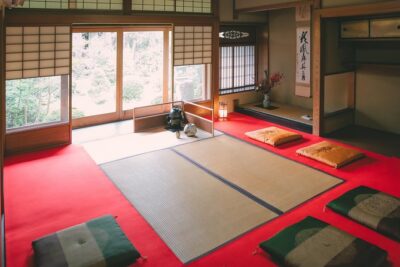
The house has two traditional gardens. At the beginning, you sit in a sofa room looking toward the front garden. Later, you move into the tearoom, where the main garden frames the ceremony. The change of rooms gives the hour a natural rhythm, from informal conversation to formal preparation and then hands-on practice.
The setting also gives you a break from the crowds around Kyoto’s major sights. Ryoan-ji can be busy, especially during popular sightseeing hours. Once you pass through the high wall and enter the house, the mood changes quickly. During your appointment, the property is reserved for your private group.
More Garden Tours in Kyoto:
- Kyoto Zen Meditation & Garden Tour at a Zen Temple with Lunch
★ 5.0 · 441 reviews - Kyoto Arashiyama Bamboo forest & Garden Half-Day Walking Tour
★ 5.0 · 413 reviews - Kyoto Kiyomizu Tea Ceremony with Scenic Garden Views
★ 5.0 · 101 reviews
What happens during the one-hour visit
Your instructor begins with a short introduction to matcha and the culture of Japanese tea. This opening takes place in the sofa room, where you can look toward the front garden while getting your bearings.
Expect an explanation of the customs behind the ceremony, not just a list of movements. The tea ritual has an exact order, and the instructor explains why the host handles the bowl, whisk, sweets, and utensils with such care. The cultural background is especially useful if this is your first tea ceremony, since some gestures may otherwise seem mysterious or overly formal.
You then receive seasonal sweets from one of Kyoto’s respected confectioners. They are designed to be eaten before the tea, and their sweetness balances the bitter, grassy taste of matcha. The sweets are vegan, gluten free, and nut free, a helpful detail if your group has dietary restrictions.
Next comes the formal demonstration in the tearoom. You watch the preparation with the main garden behind it. This is the most ceremonial part of the visit, so you should expect a calm pace rather than a fast lesson. The point is to notice the sequence, the tools, the quiet movements, and the relationship between the room and the garden.
After the instructor serves tea, you get to prepare your own bowl. You will have the equipment you need and guidance from your personal instructor. Making matcha gives you a better feel for the process than watching alone. It also makes the experience more relaxed at the end, since you can focus on trying the technique and asking questions.
Photos are allowed throughout the visit, but turn off your flash. Video recording is not allowed. That rule helps protect the quiet character of the ceremony and keeps the session from turning into a filming exercise.
Why the garden view changes the experience
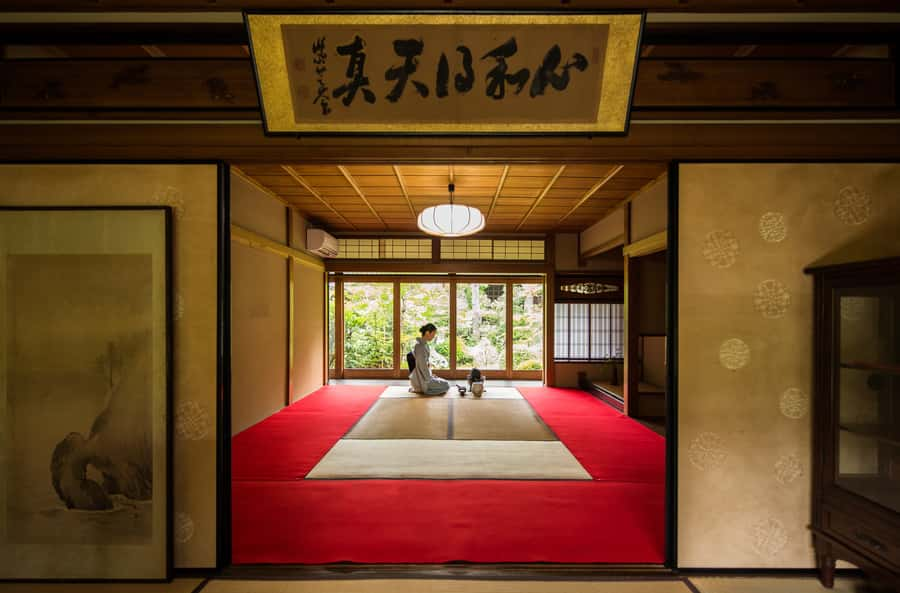
A tea ceremony can be meaningful without a garden, but the view here adds another layer. The garden is not just a backdrop for photographs. It gives your eyes somewhere to rest while you watch the preparation.
The front garden is visible during the introduction, while the main garden appears from the tearoom. That means you see two different parts of the property rather than sitting in one room for the full hour. The house, garden, bowl, sweets, and seasonal setting all work together.
You should not expect a wide outdoor tour or a long garden walk. The gardens are viewed from the rooms. If your main goal is to stroll through landscaped grounds, Ryoan-ji and Ninna-ji are better places to do that. Here, the garden view supports the ceremony rather than replacing it.
I especially like this arrangement for first-time visitors to Japan. You get enough context to understand what you are seeing, but the experience does not become a long lecture. The private format gives you room to pause and ask about details that interest you.
The private format is the real luxury
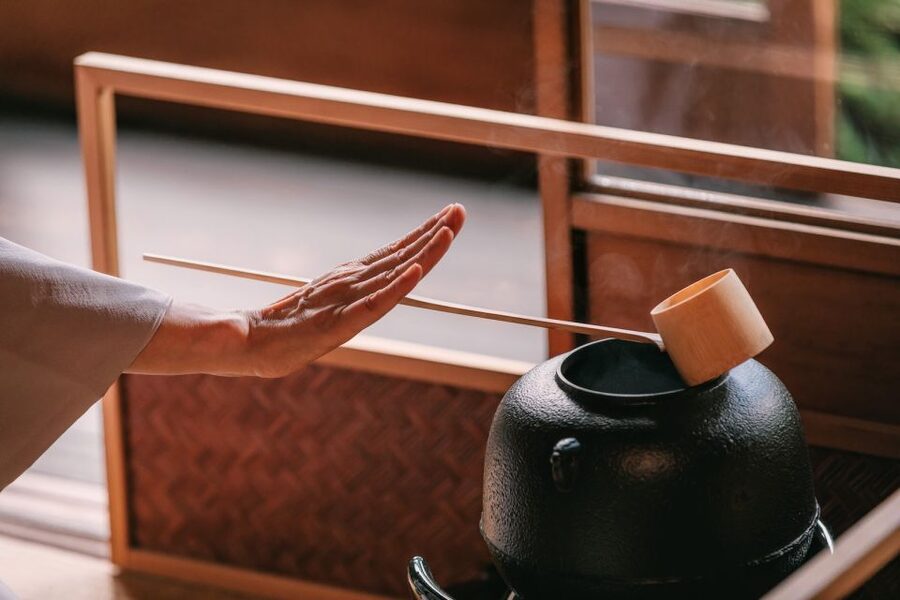
The $116 price is high for a one-hour activity. You are paying more than the cost of matcha and sweets. The price covers the private house, the instructor’s time, the preserved setting, and a private group rather than a crowded public demonstration.
That difference matters most if you value peace and personal attention. You do not have to compete with a large group for a view of the ceremony. You can ask questions as they occur to you, take photographs without strangers in every frame, and prepare your tea at your own pace.
The private format may be less important if you only want to taste matcha or see a short performance. In that case, a less expensive tea service may suit you better. But if you want to understand the customs and have a personal introduction in a historic home, the cost becomes easier to justify.
The experience is also useful for families or mixed-age groups because the host can adapt the pace and seating. Guides and translators may join as an additional person at no charge. That can help if someone in your party needs language support, though the listed instruction language is English.
Same corner of the map, a different planting:
- Bamboo Grove Temple and Garden Views Tour
★ 5.0 · 41 reviews - Stunning Private Tea Ceremony: Camellia Garden Teahouse
★ 5.0 · 28 reviews - Kyoto Hidden Treasures: Special Temple & Garden Access Tour
★ 4.5 · 25 reviews - Kyoto: Japanese Gardens Private Customizable Tour
★ 4.1 · 18 reviews
Sitting on the floor is optional
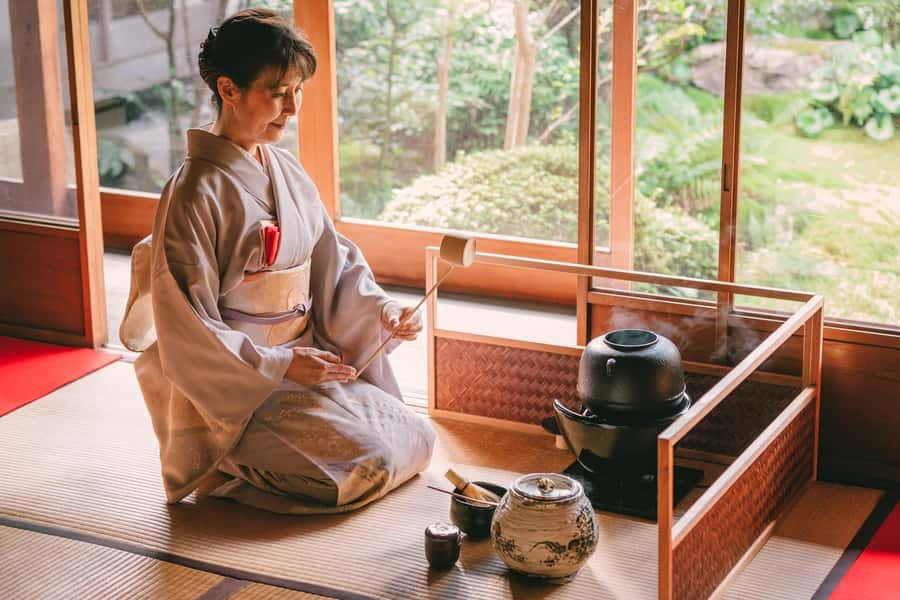
Traditional tea rooms often use floor seating, which can be uncomfortable for anyone with stiff knees, mobility concerns, or limited flexibility. This house provides chairs and tables for people who prefer not to sit on the floor.
That is more than a minor convenience. The ceremony is meant to be calming, and discomfort can quickly distract from it. Tell the provider about any special requirements before your visit so the room can be prepared properly.
The teahouse is wheelchair accessible. A toilet is available, and one parking space can be used for the duration of the ceremony. These details make the activity workable for a wider range of visitors, though you should still contact Camellia Tea Ceremony in advance if you have specific access needs.
Kimono is not included. You attend in your own clothing, which keeps the booking simple and avoids adding a costume-rental element. If dressing formally for photographs matters to you, plan that separately.
Getting to Camellia Tea Ceremony
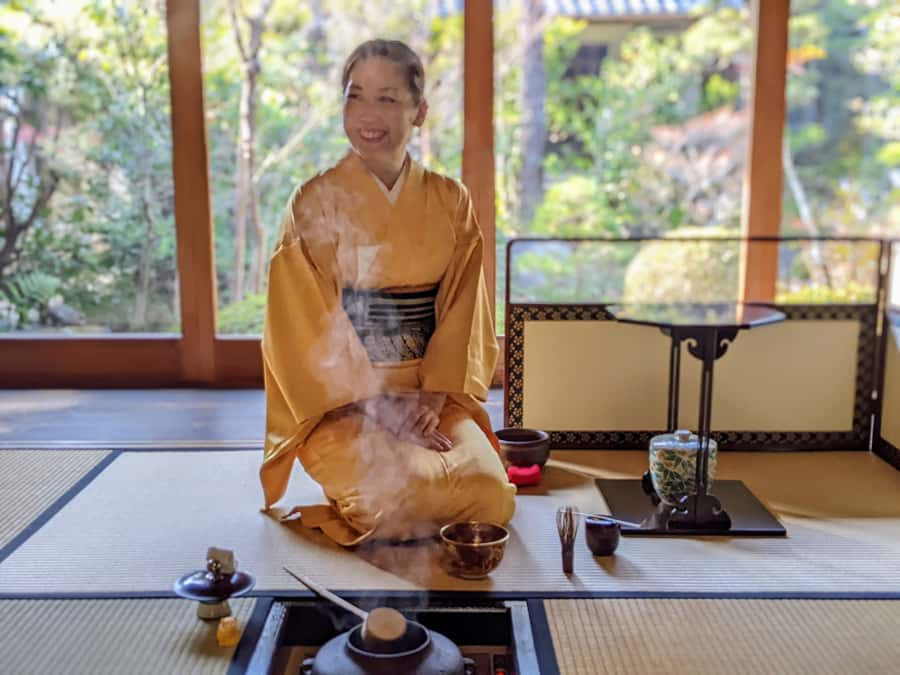
The clearest landmark is Ryoan-ji. From the Ryoan-ji Mae bus stop, a small path leads slightly downhill to a residential street. Camellia Garden is the first house on your right, enclosed by a high wall.
Look for the residential setting rather than a large commercial sign. The house is across the road from Ryoan-ji, so this is a useful activity to schedule before or after visiting the temple.
You can also reach the teahouse in less than 10 minutes on foot from Ryōanji-eki station on the Keifuku Randen tram line. The same tram network gives you access to Hakubaicho, near Kitano Tenmangu Shrine, as well as Arashiyama and Shijo Omiya near the west side of central Kyoto.
Transportation to the meeting point is not included. Public transport toward central Kyoto is within a short walk, and the staff can arrange a taxi if you ask on arrival. If you are driving, confirm the parking arrangement in advance, since only one space is available.
Pairing the ceremony with west Kyoto sights
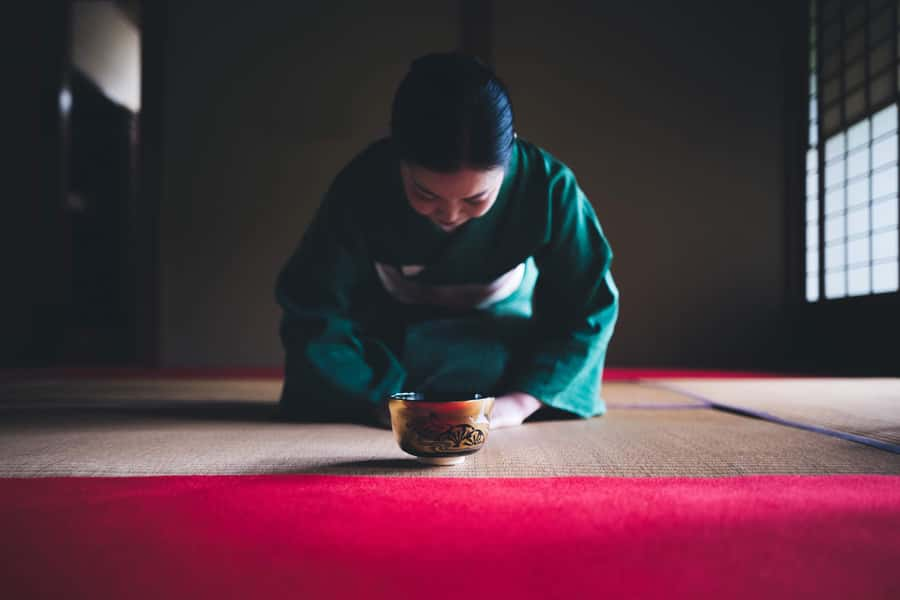
This is one of the easiest tea experiences to combine with a full day of sightseeing. Ryoan-ji is directly across the road, so you can visit the famous Zen temple before or after your appointment.
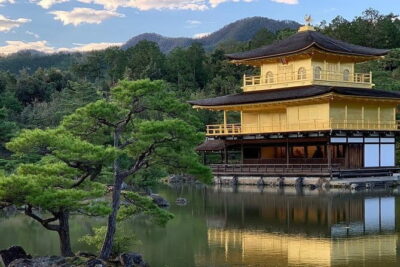
Ninna-ji and Kinkaku-ji, the Golden Pavilion, are also within walking distance. Myoshin-ji, Kyoto’s largest Zen complex, is close by as well. You will need to manage your timing carefully if you want to see all of them, since temple visits can take longer than expected.
A sensible plan is to visit one major temple, attend the tea ceremony, then continue to another nearby sight. The hour gives you a quiet middle point in the day. It is a better fit than trying to squeeze the ceremony between distant attractions on opposite sides of Kyoto.
The house’s location also makes it a good choice for people staying in western Kyoto or visiting Arashiyama. The Randen tram connection is scenic and practical for this part of the city, though you still need to allow time for the walk from the station.
Who will appreciate this experience most

I would recommend this tea ceremony to you if you want a personal cultural activity rather than a quick photo opportunity. It works especially well for couples, families, and small private groups who prefer a calm setting.
It is also a good choice for first-time visitors who want someone to explain the meaning behind the ceremony. The English-speaking instructor gives you a way to ask direct questions, and making your own matcha keeps the session from feeling purely observational.
Food restrictions are another reason to consider it. The seasonal sweets are vegan, gluten free, and nut free. You should still contact the provider about other needs, but those three restrictions are specifically covered.
This may not be the right pick if you want a long lesson, a full meal, or a kimono experience. The visit lasts one hour, includes matcha and sweets rather than lunch, and does not provide traditional clothing. It is focused and polished, not an all-day cultural program.
Small details that make the visit better
Arrive with enough time to find the house. The meeting point is in a residential area, and the entrance may not look like a large attraction. Using Ryoan-ji as your reference point is the simplest approach.
Wear clothing that lets you sit comfortably, even if you plan to use a chair. Tea rooms are quiet spaces, so avoid arriving with a large amount of loose luggage if possible.
Keep your camera ready, but leave the flash off. You can take photographs during the experience, yet the ceremony is best enjoyed when you are not trying to record every movement.
Ask questions. The private format is one of the main reasons to pay for this activity, and you should use the opportunity to ask about the utensils, gestures, sweets, garden, and matcha preparation.
If you have a translator or guide with you, they can join the ceremony without an extra charge. Contact the provider before the appointment if you have special requests, need a taxi, or require a particular seating arrangement.
Should you book this Kyoto tea ceremony?
Book it if you want privacy, cultural explanation, and a beautiful setting in one compact experience. The combination of a 100-year-old house, two gardens, seasonal sweets, an English-speaking instructor, and your own matcha preparation gives the hour more substance than a basic tea tasting.
The price is the main question. At $116 per person, it makes sense for a memorable Kyoto highlight, especially if you value a private group and personal instruction. It is harder to justify if you only want to sample green tea or are watching every yen.
For most visitors, I would place this near the top of a Ryoan-ji and west Kyoto day. The atmosphere is calm, the location is convenient, and the hands-on ending gives you something to remember beyond a few photographs. If that sounds like your kind of Kyoto, this is a strong choice.
FAQ
How long does the tea ceremony last?
The experience lasts one hour.
What language is the instruction in?
The instructor provides the experience in English.
Is the tea ceremony private?
Yes. The house is reserved completely for your group during the experience.
Is matcha included?
Yes. Matcha and everything needed to make tea are included.
Are sweets included?
Yes. You receive traditional seasonal sweets from one of Kyoto’s renowned confectioners.
Do the sweets meet dietary requirements?
The sweets are vegan, gluten free, and nut free.
Can I sit on a chair instead of the floor?
Yes. Chairs and tables are available for anyone who finds floor seating difficult.
Can I take photographs?
Yes. Photography is allowed, but you must turn off the flash. Video recording is not allowed.
Is the teahouse wheelchair accessible?
Yes. The teahouse is wheelchair accessible. Contact the provider in advance with any special requirements.
Just added around Kyoto
- Kyoto Hidden Treasures: Special Temple & Garden Access Tour★ 4.5 · 25 reviews
- Stunning Private Tea Ceremony: Camellia Garden Teahouse★ 5.0 · 28 reviews
- Kyoto ITALIAN GUIDE Golden Pagoda Bamboo Forest Dry Garden★ 4.0 · 2 reviews
- Kyoto: Kinkaku-ji Temple & Serene Garden Guided Tour with Tickets★ 5.0 · 9 reviews
- Guided Kyoto City Cherry Blossom One Day Private Tour★ 5.0 · 16 reviews
- Bamboo Grove Temple and Garden Views Tour★ 5.0 · 41 reviews
- Private & Unique Kyoto Cherry Blossom “Sakura” Experience★ 5.0 · 5 reviews
- Kyoto Japanese Garden Lover’s Private Tour with Government-Licensed Guide★ 4.5 · 10 reviews
Kyoto Garden Tours, compared.
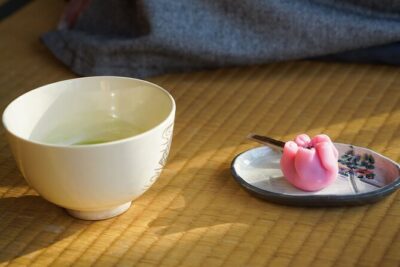
Kyoto Zen Meditation & Garden Tour at a Zen Temple with Lunch
Read our review →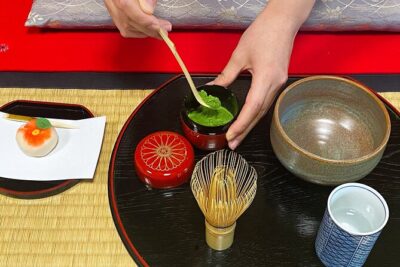
Kyoto Kiyomizu Tea Ceremony with Scenic Garden Views
Read our review →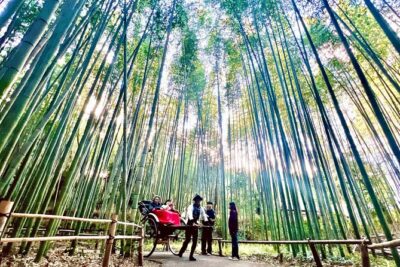
Stunning Private Tea Ceremony: Camellia Garden Teahouse
Read our review →
Kyoto Hidden Treasures: Special Temple & Garden Access Tour
Read our review →
Guided Kyoto City Cherry Blossom One Day Private Tour
Read our review →
Kyoto Japanese Garden Lover’s Private Tour with Government-Licensed Guide
Read our review →Browse the lists this tour appears in