
Review · JAPAN GARDEN TOURS
Kanazawa: Half-Day Private Tour – Garden, Castle, Geisha
Kanazawa packs an impressive amount of old Japan into a walkable half-day: a castle park, one of the country’s celebrated gardens, a striking shrine gate, and the wooden teahouses of Higashi Chaya. The route gives you a clear introduction to the city without burying you in a long bus ride.
I like the private format, since your guide can adjust the pace, skip places you have already seen, or pause when rain or tired feet get in the way. I also like the mix of grand sights and small cultural details, from castle architecture to Kutani ware, gold leaf art, and local sake.
The main drawback is the brisk four-hour schedule. You get a strong overview, but not much time for extended shopping, museums, or lingering over every garden path. The route also involves plenty of walking and is not suitable for wheelchair users or people with mobility impairments.
Key points at a glance
- Oyama Shrine begins the tour with a remarkable gate: Its Shinmon Gate blends Japanese design with Western architectural details.
- Kanazawa Castle Park delivers both buildings and gardens: See Gyokusen’inmaru Garden, Hishi Yagura, Gojikken Nagaya, Hashizume Gate, and San-no-maru Square.
- Kenrokuen is the visual centerpiece: The route includes Kasumigaike Pond, Karasaki Pine, Sazaeyama Hill, and a scenic viewing platform.
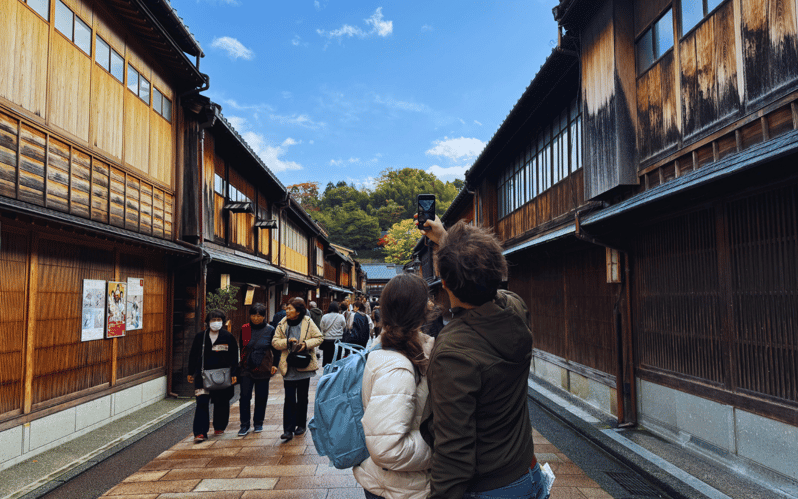
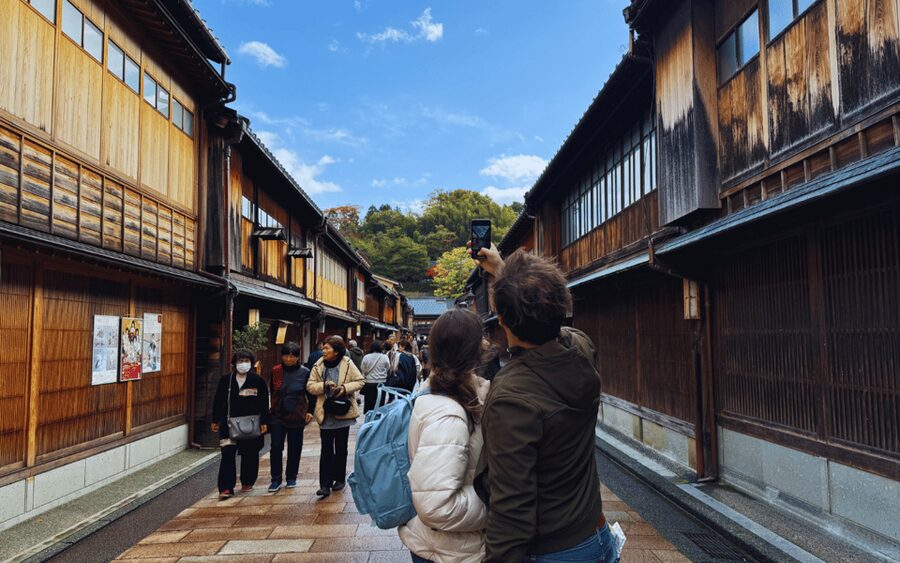
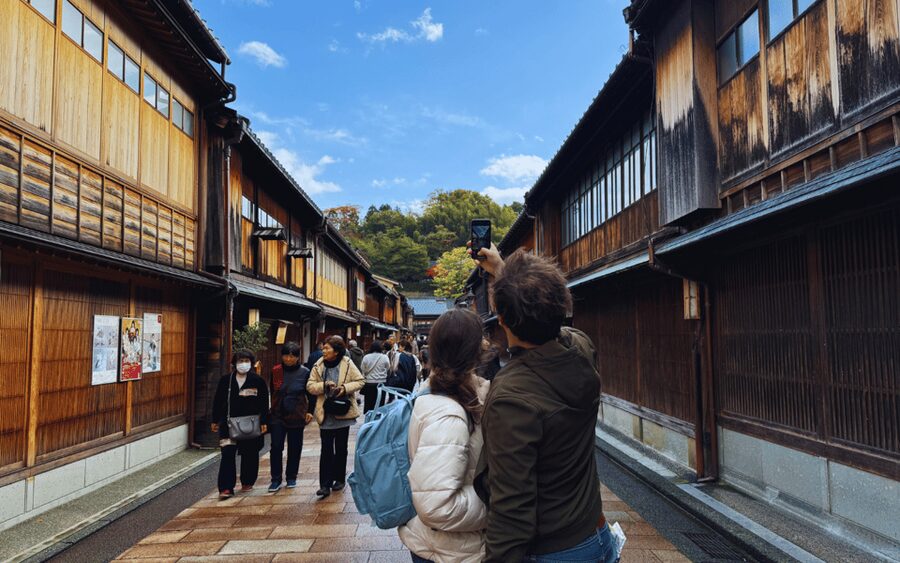
- Higashi Chaya ends the walk on a human scale: Wooden teahouses, traditional crafts, sake, and optional cultural stops bring the old entertainment district to life.
- Private guiding adds flexibility: Guides such as Megumi, Lee Stephen, Gucci, and Sho have adjusted routes, shared food suggestions, and changed plans in poor weather.
- The $150 price buys focus, not just admission: Entrance fees and an English-speaking guide are included, with a private group and recommendations for further exploring.
Why this four-hour route works in Kanazawa
Kanazawa is easy to underestimate. It is not Tokyo or Kyoto, and that is part of its appeal. The city offers important gardens, castle remains, preserved districts, and craft traditions without forcing you to cross a huge urban area between every sight.
This tour links four of the city’s best-known cultural areas in a sensible order. You begin at Oyama Shrine, walk through the castle grounds, continue to Kenrokuen, take a short bus or coach ride, and finish in Higashi Chaya. The route is active, but it gives you a useful picture of Kanazawa’s character in a single morning or afternoon.
A private guide matters here because the sights can otherwise feel disconnected. A castle wall, a garden pond, a shrine gate, and a teahouse street each tell a different part of the city’s story. Your guide can connect those pieces and explain why Kanazawa is known for both formal design and handmade arts.
The published price is $150 per person. That is not a budget sightseeing walk, but the price includes the guide, entrance to the listed sites, and a private group rather than a large shared party. If you value questions, flexible pacing, and help deciding what to see next, the cost is easier to justify. If you only want a quick orientation and prefer reading signs on your own, a self-guided visit will cost less.
Half-day trips around Japan:
- Kyoto Arashiyama Bamboo forest & Garden Half-Day Walking Tour
★ 5.0 · 413 reviews - From Paris: Giverny, Monet’s Home & Gardens Half-Day Trip
★ 4.5 · 2,887 reviews - From Avignon: Half-Day Lavender Tour of Luberon
★ 4.8 · 232 reviews
Oyama Shrine and the Shinmon Gate
Meet your guide in front of the Shinmon Gate at Oyama Shrine. Look for the yellow sign with the DeepExperience logo. This is a practical meeting point because the gate is easy to identify, and it gives the tour an interesting first sight rather than a nondescript street corner.
The Shinmon Gate is famous for its unusual mix of Japanese and Western architectural styles. That combination gives your guide an immediate way to talk about Kanazawa’s changing design traditions. You do not need to know much beforehand. The gate itself provides a clear visual lesson in how different influences can appear in one structure.
The shrine grounds are calmer than the busy shopping streets nearby. You will have time to look at the gate and gardens while your guide explains the site’s historical importance. This opening stop lasts about 15 minutes, so think of it as an introduction rather than a full shrine visit.
That short timing is both useful and limiting. It gets you moving quickly toward the castle, but if you enjoy shrine architecture or want quiet time for photographs, you may wish the schedule allowed more room. Tell your guide early if this is a particular interest.
Gyokusen’inmaru Garden and Kanazawa Castle Park
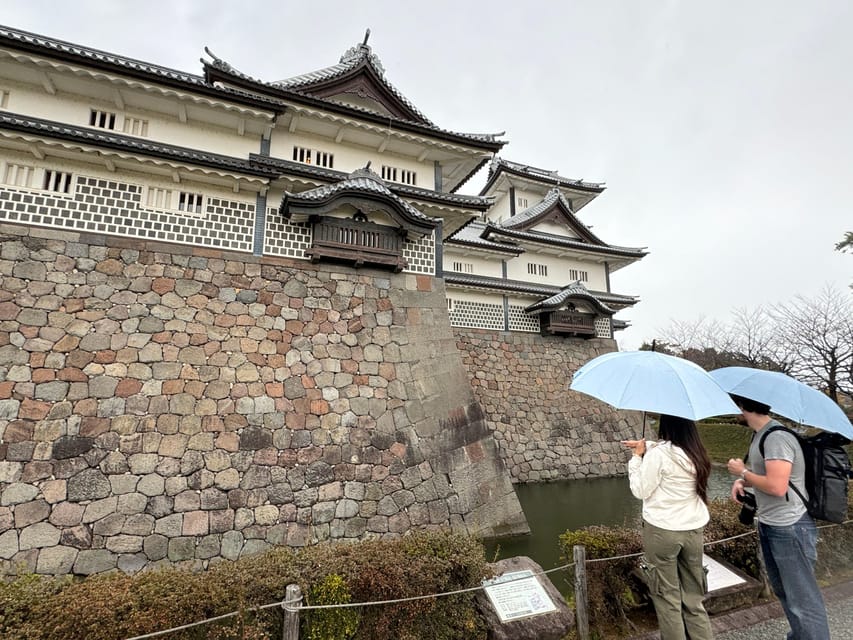
The castle portion lasts about 45 minutes and combines open grounds with major architectural features. You will stroll through Gyokusen’inmaru Garden, a carefully arranged garden known for seasonal appeal and a peaceful feel, before continuing into Kanazawa Castle Park.
Gyokusen’inmaru Garden is a good counterpoint to the more famous Kenrokuen. It is not simply a patch of greenery on the way to the castle. Its paths, planting, and water features are arranged to create changing views as you walk. Your guide can help you notice the relationships between the garden and the surrounding castle grounds.
The castle buildings provide the strongest architectural moments. Hishi Yagura, Gojikken Nagaya, and Hashizume Gate show the scale and defensive character of the complex. San-no-maru Square gives you a useful open area for photographs and a sense of how the buildings relate to one another.
You should keep your expectations in check. This is a guided tour of Kanazawa Castle Park, not a lengthy examination of every interior or reconstruction. The value comes from seeing the key structures in context and learning how the castle area fits into the city’s past.
Wear shoes with good support. The tour calls for walking at every major stop, and garden paths can make the four-hour route feel longer than the clock suggests. A hat, water, sunscreen, and a camera are sensible additions, especially in warm weather.
Kenrokuen in one focused hour
Kenrokuen is the centerpiece of the experience. The tour gives you about one hour here, enough to see the main features without turning the visit into an all-day garden study.
The name Kenrokuen is commonly explained through six qualities associated with an ideal garden: spaciousness, seclusion, artifice, antiquity, waterways, and fine views. You will not need to memorize that list to enjoy the place, but it helps explain why the garden feels varied rather than repetitive.
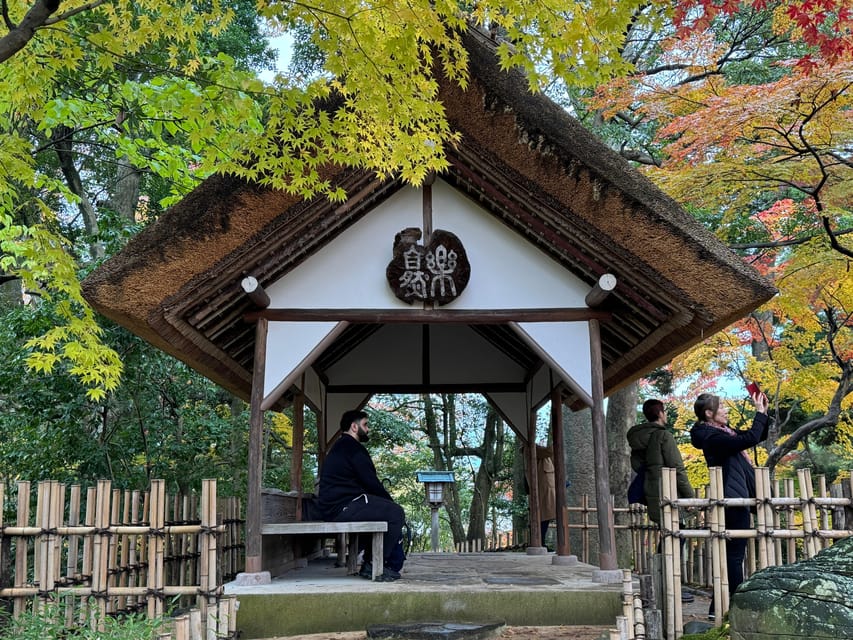
The route includes the Viewing Platform, Kasumigaike Pond, Karasaki Pine, and Sazaeyama Hill. Each stop offers a different kind of garden experience. The pond gives you a broad reflective view, the pine draws your eye to careful shaping and age, and the hill provides a change in height and outlook.
Your guide is especially useful here. Kenrokuen can seem like a collection of attractive scenes if you walk through it without context. With explanations of design choices and seasonal beauty, you can better understand why the garden is regarded as one of Japan’s three most celebrated gardens.
The one-hour limit keeps the overall route manageable, but it also means you will not see every corner at a leisurely pace. I would resist stopping for a long snack or shopping break during this section. Save your spare time for Higashi Chaya, where browsing and refreshments fit the setting better.
The garden is also the part of the tour most affected by weather and season. The character of the plants and views changes throughout the year, but the supplied details do not promise a particular seasonal display. Bring sunscreen and water on sunny days, and expect the guide to adapt the pace if conditions become uncomfortable.
More Garden Tours in Japan:
- Osaka: teamLab Botanical Garden Entry Ticket
★ 4.5 · 1,710 reviews - Imperial Palace East Garden and Edo Castle Walking Tour in Tokyo
★ 5.0 · 510 reviews - Kyoto Zen Meditation & Garden Tour at a Zen Temple with Lunch
★ 5.0 · 441 reviews - Tokyo: Imperial Palace East Gardens Walking Tour
★ 4.8 · 353 reviews
The short ride to Higashi Chaya
After Kenrokuen, the itinerary includes a 10-minute bus or coach transfer. That brief ride matters because it saves your legs and separates the formal garden and castle area from the teahouse district.
This is not a long sightseeing drive, so do not book the tour expecting a broad city tour from a vehicle. The ride is simply an efficient link between two parts of the route. Most of the experience happens on foot, where you can see the details of the streets and buildings at close range.
A private group makes this transition easier. You can ask your guide for suggestions about food, crafts, or other places to visit after the official tour ends. Several guides have helped with lunch and dinner ideas, and one guide was praised for knowing good snack stops, including gold leaf ice cream.
Higashi Chaya and Kanazawa’s craft culture
The final hour takes place in Higashi Chaya, the historic teahouse district. This is where the tour shifts from formal public spaces to streets lined with traditional wooden buildings and shops.
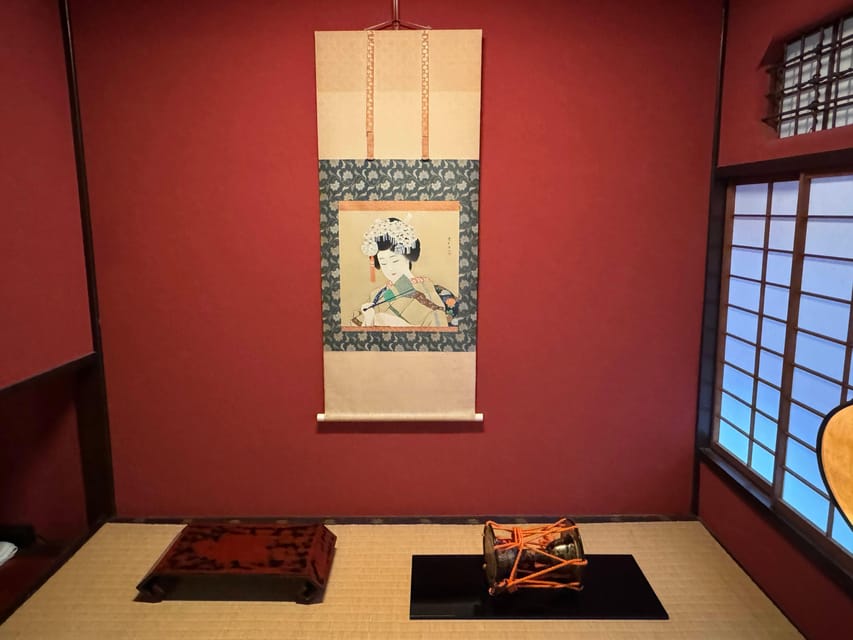
A teahouse district can be easy to misunderstand if you only see the façades. Your guide can explain the customs and role of the district, helping you look beyond the attractive fronts. The focus is on the atmosphere, architecture, and traditions that shaped this part of Kanazawa.
You will have time for photographs, sightseeing, and shopping. The district is a good place to learn about local crafts, including Kutani ware and gold leaf art. You may also sample local sake, depending on the stops chosen during your visit. These details give the tour a more direct connection to daily craft and food culture than the castle and garden sections can provide.
Optional visits to Shima or the Ochaya Art Museum can add more depth. The supplied schedule does not say that admission to either optional stop is included, so ask your guide about the plan and any extra cost before entering. If you are more interested in street scenes and shopping, you can use the hour differently.
Higashi Chaya is also the tour’s endpoint, at ひがし茶屋街. That is convenient if you want to continue exploring on your own. You finish in an area where you can browse crafts, look for a snack, or follow your guide’s suggestions for the next meal.
What the private guide adds
The strongest part of this activity is the guide-to-you ratio. A private group lets the guide answer questions at length and alter the plan when needed. You are not locked into the same pace as a large party.
Megumi has been praised for explaining customs, architecture, and local traditions in a clear and engaging way, along with offering lunch and dinner suggestions. Lee Stephen is known for turning historical details into lively stories and for pointing out local snacks. Gucci has introduced visitors to Kanazawa’s past and regional crafts, while Sho has offered useful background information within a well-sized four-hour route.
Those names do not guarantee who will lead your tour, but they show the kind of guiding available through this experience. The key benefit is not simply facts. It is having someone who can notice what interests you and adjust the emphasis.
The private setup also helps in bad weather. One guide changed the plan during heavy rain, arranged time in a teahouse, and found an indoor restaurant where the group could wait out the worst conditions. That kind of flexibility is hard to expect from a fixed large-group walk.
Still, the guide cannot remove every practical limit. Four hours is four hours, and you will need to keep moving to cover the route. If your group wants lengthy museum visits, extended shopping, or repeated café stops, this tour may feel too compressed.
Who should book this Kanazawa tour
I would recommend this experience to a first-time visitor who wants a clear introduction to Kanazawa’s main cultural sights. It is also a good fit if you have limited time in the city and want an English-speaking guide to make the most of one half-day.
Families and small groups may benefit especially from the private format. The pace can be adjusted, and the guide can respond to questions without waiting for a large party. Food-focused visitors will also appreciate the local snack and restaurant suggestions.
The tour is less suitable if you have difficulty walking, use a wheelchair, or prefer a slow, unstructured day. Mobility assistance is not offered, and the route includes gardens, castle grounds, shrine paths, and a teahouse district.
Bring comfortable shoes, a hat, water, sunscreen, and a camera. Smoking is not allowed. You can cancel up to 24 hours ahead for a full refund, and the reserve-now, pay-later option lets you hold a place without paying at once.
Should you book it?
Book this tour if you want a well-organized first look at Kanazawa with room for personal questions and local advice. The combination of Oyama Shrine, Kanazawa Castle Park, Kenrokuen, and Higashi Chaya covers the city’s essential cultural themes in four hours.
Skip it if you have already explored these areas, want long visits inside museums, or prefer to set your own pace. At $150 per person, the value depends on how much you use the guide. For a private group that wants context, route planning, and help with food and craft stops, it is a sensible splurge. For independent walkers with plenty of time, the same route can be done more cheaply on your own.
FAQ
How long does the Kanazawa private tour last?
The tour lasts four hours. The planned route includes about 15 minutes at Oyama Shrine, 45 minutes at Kanazawa Castle Park, one hour at Kenrokuen, a 10-minute bus or coach transfer, and one hour in Higashi Chaya.
Where do I meet the guide?
Meet in front of the Shinmon Gate at Oyama Shrine. The guide will hold a yellow sign with the DeepExperience logo.
What does the $150 price include?
The price includes an expert English-speaking guide, entrance to Oyama Shrine, Gyokusen’inmaru Garden, Kanazawa Castle Park, Kenrokuen Garden, and Higashi Chaya District. Recommendations for further exploring are also included.
Is this a private tour?
Yes. The activity is arranged for a private group rather than a shared group.
Is the tour suitable for wheelchair users?
No. The activity is not suitable for wheelchair users or people with mobility impairments.
What should I bring?
Bring comfortable shoes, a hat, a camera, sunscreen, and water. Smoking is not allowed during the activity.
Just added around Japan
- Himeji: Himeji Castle & Kokoen Garden 3.5-Hour Guided Tour★ 4.9 · 30 reviews
- Tokyo: Ashikaga Flower Park with Entry Ticket★ 5.0 · 3 reviews
- 1-Day Tour from Okayama: Kurashiki, Gardens & Okayama Castle★ 5.0 · 2 reviews
- Osaka: Daytime Hanami (Cherry Blossom) and Food Tour★ 4.7 · 7 reviews
- Private Car Day Trip to the Kobe Mountains, Gardens and Hot Springs from Osaka★ 4.5 · 16 reviews
- Private Car Full Day Tour of Osaka Temples, Gardens and Kofun Tombs★ 5.0 · 24 reviews
- Full-Day Tour from Kanazawa: Samurai, Matcha, Gardens and Geisha★ 5.0 · 68 reviews
- Kyoto Kiyomizu Tea Ceremony with Scenic Garden Views★ 5.0 · 101 reviews
Japan Garden Tours, compared.


Kyoto Zen Meditation & Garden Tour at a Zen Temple with Lunch
Read our review →
Kyoto Kiyomizu Tea Ceremony with Scenic Garden Views
Read our review →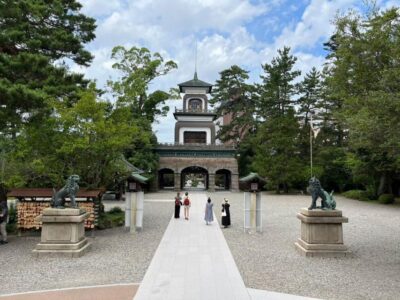
Kanazawa: Samurai, Matcha, Gardens and Geisha Full-Day Tour
Read our review →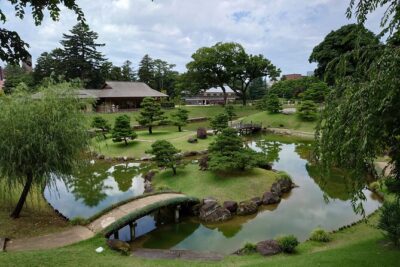
Full-Day Tour from Kanazawa: Samurai, Matcha, Gardens and Geisha
Read our review →
Nagano Spring: 1-Day Cherry Blossoms & Snow Monkeys Guided Tour
Read our review →Browse the lists this tour appears in