
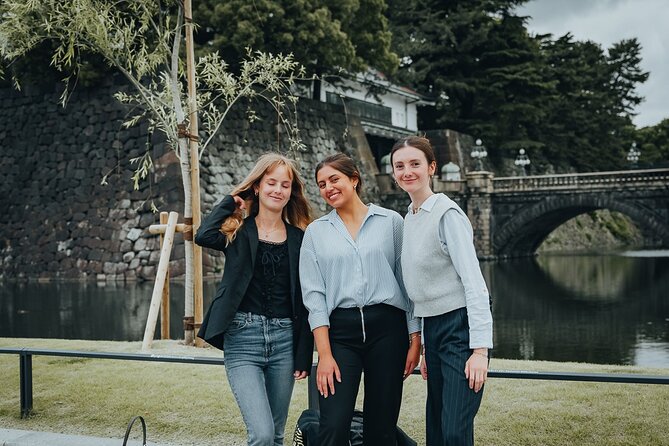
Review · TOKYO GARDEN TOURS
Tokyo Imperial Palace:Guided Walking Tour of East Gardens
The most appealing part of this walk is its setting: Edo Castle ruins and Imperial Palace gardens sit in the middle of Tokyo, yet the route offers a quiet break from the city streets. You get old stone walls, a surviving watchtower, formal gardens, and stories about emperors, samurai, and political power in one compact outing.
I like the maximum group size of eight, which should make it easier to hear the guide and ask questions. I also like that the walk has proved adaptable: Taro kept the experience interesting on a very hot day, and the guide still provided worthwhile sights when the palace was closed.
The main caution is that access can change, and the palace itself may not be open as expected. The tour can continue with nearby sights, but you should book it for the broader Imperial Palace area rather than for guaranteed entry into every part of the palace grounds.
Key points to know before booking
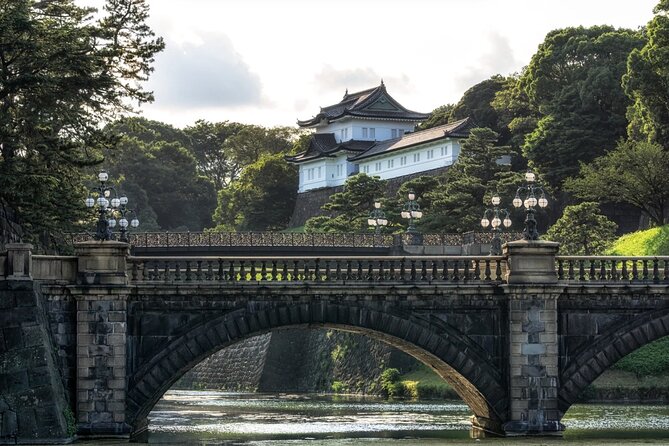
- Sakurada Tatsumi Yagura: See one of the few remaining Edo-period watchtowers connected with the old castle.
- A two-hour walking route: The pace combines three main stops with time for explanation and questions.
- Small group of up to eight: A useful size for an English-speaking guide and personal questions.
- No admission charge listed: The tour price is only $0.39 per person, making it an unusually low-cost way to see the area.
- Taro’s engaging approach: He has kept the history accessible even in difficult heat.
- Palace access may vary: If the palace is closed, the route still focuses on gardens, ruins, walls, and nearby points of interest.
Why the old Edo Castle site matters
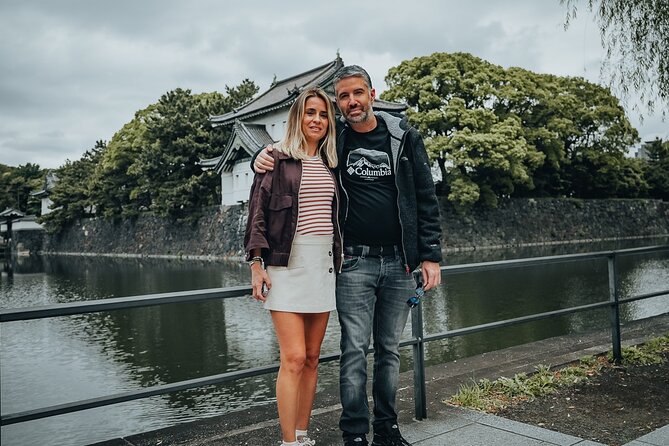
Tokyo’s Imperial Palace is not simply a royal residence behind impressive gates. Much of the East Gardens occupies ground that once belonged to Edo Castle, the seat of political power during the shogunate period. That gives the walk two layers: the living institution of the Imperial Palace and the older castle remains beneath it.
I like this kind of setting because you can see the past in physical form. Stone walls, gates, moats, and a surviving watchtower give the guide something solid to point to. Instead of hearing dates in a vacuum, you can connect them to defensive structures and the shape of the former castle grounds.
The route also helps explain why the palace occupies such an important place in Tokyo. The grounds sit in the center of the capital, close to public transportation and surrounded by the modern city. Inside, the tone changes. The paths and gardens create a calmer visit, while the old masonry reminds you that this was once a fortified political center.
The tour does not promise a grand palace interior visit. Its value is in showing you the wider site and explaining how the castle, the imperial residence, and Japan’s political story fit together.
More Garden Tours in Tokyo:
- Imperial Palace East Garden and Edo Castle Walking Tour in Tokyo
★ 5.0 · 510 reviews - Tokyo: Imperial Palace East Gardens Walking Tour
★ 4.8 · 353 reviews - Mt. Fuji, Cherry Blossom & Shiba Sakura Pvt. Day Tour
★ 5.0 · 326 reviews
Meeting at Wadakura Fountain Park
The tour begins at Starbucks Coffee in Wadakura Fountain Park, at 3-1 Kōkyogaien, Chiyoda City, Tokyo 100-0002. This gives you a clear place to meet, but you should allow enough time to identify the correct Starbucks and arrive ready for a walk.
Because the starting point is near public transportation, the location is practical for a central Tokyo visit. The meeting point also puts you close to the palace area from the start, so the tour does not spend much of its two hours on a long transfer.
Your guide is listed as a professional English speaker. One guide named in the available feedback is Taro, who made the historical material engaging during a very hot outing. That detail matters. Palace grounds can be exposed, and a guide who keeps the conversation lively can make a real difference when the weather is uncomfortable.
The experience ends back at the same meeting point. That makes planning easier if you want to continue sightseeing in central Tokyo afterward, though the tour itself does not include transportation beyond the walking route.
Sakurada Tatsumi Yagura and the castle defenses
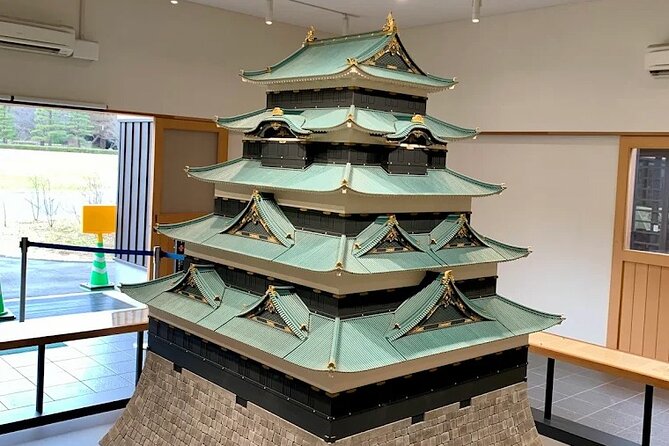
The first listed stop is Sakurada Tatsumi Yagura, also called Sakurada Nijū Yagura. This historic watchtower dates from the Edo period and is one of the few remaining structures associated with the old castle complex.
A yagura was more than a pretty building. It served as part of the castle’s defensive system and offered a position from which guards could watch key approaches. At this stop, your guide can connect the surviving structure with the wider network of walls, gates, and moats around Edo Castle.
The scheduled time here is about 30 minutes. That is enough for an explanation of the tower, photographs, and questions without letting one structure take over the entire walk. I like this balance because the watchtower gives you a strong opening image, but the visit continues into gardens and other historic areas.
Do not expect to enter the tower as though it were a museum. The appeal is its exterior, its location, and the story it helps tell about castle life and defense. If you enjoy architecture, military history, or old urban fortifications, this will likely be one of the most satisfying parts of the route.
The Imperial Palace and its changing access
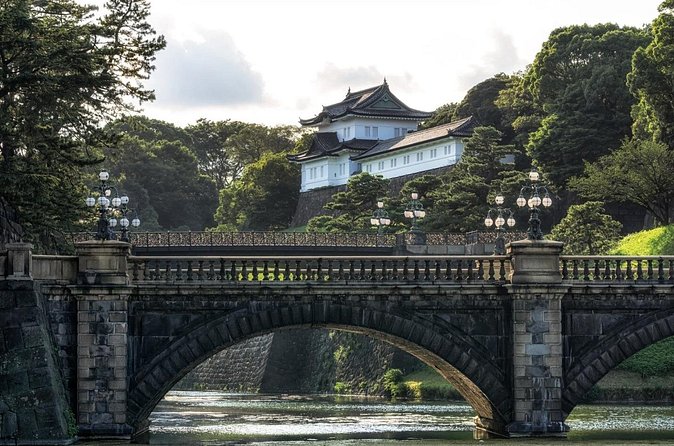
The next stop focuses on the Imperial Palace itself, with about 30 minutes set aside. The palace is the primary residence of Japan’s emperor and one of Tokyo’s best-known landmarks. Its location in the capital gives the site both ceremonial importance and a strong connection to modern Japan.
The exact access conditions can vary. One outing continued successfully even though the palace was closed, with the guide taking the group to other worthwhile places and explaining the area. That is useful information for planning: the experience is not entirely dependent on walking through a particular palace building or gate.
I would treat the palace stop as an opportunity to understand the grounds and their importance rather than as a guaranteed interior tour. The supplied details do not promise entry into palace buildings, and the price does not include a separate admission ticket. If your main goal is to see an interior or attend a specific ceremony, this is not the right product to rely on.
If your aim is to learn how the imperial residence fits into Tokyo’s past and present, the stop makes more sense. Your guide can add context that a self-guided walk may miss, especially around the distinction between the current palace and the former Edo Castle site.
Same corner of the map, a different planting:
- Tokyo: Edo Castle & East Garden of the Imperial Palace Tour
★ 4.7 · 112 reviews - Tokyo Private Tour! Edo Castle & Imperial Palace East Gardens
★ 5.0 · 105 reviews - Tokyo: Tsukiji Market and Hama-rikyu Gardens Guided Tour
★ 4.8 · 73 reviews - Tokyo: Pvt. Tour – Edo Castle & Imperial Palace East Gardens
★ 4.8 · 63 reviews
East Gardens and the Edo Castle ruins
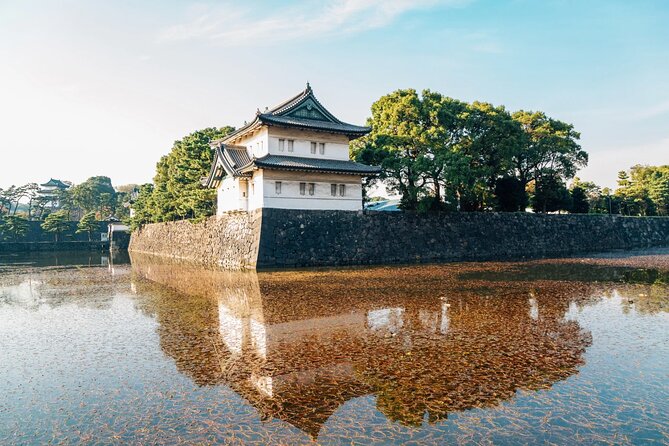
The East Gardens are the heart of the experience. They form part of the inner palace area and are open to the public. The gardens occupy the former Edo Castle site and bring together planted paths, stone walls, gates, ruins, and open areas.
The 30-minute listing for this stop should be understood as a focused visit rather than a full exploration of every corner. You will have time to see important remains and hear how the site developed, but the two-hour tour also includes the other stops and the walking between them.
This is where the tour’s mix of nature and political history works best. A garden path may look peaceful, but the surrounding stonework points to a heavily defended castle. The contrast helps you understand how the same central ground has changed function over time.
I especially like the East Gardens for visitors who want more than a photo of the palace exterior. The ruins give you something to examine, while the guide supplies the missing context. Without that explanation, a large stone foundation or wall can be easy to overlook. With it, the remains become part of a much larger story about authority, defense, and the growth of Tokyo.
The gardens also give the walk some breathing room. You are not moving from one formal explanation to another in a crowded indoor setting. You are walking outdoors, looking at real structures in their original setting, and hearing how the pieces connect.
What the two-hour format feels like
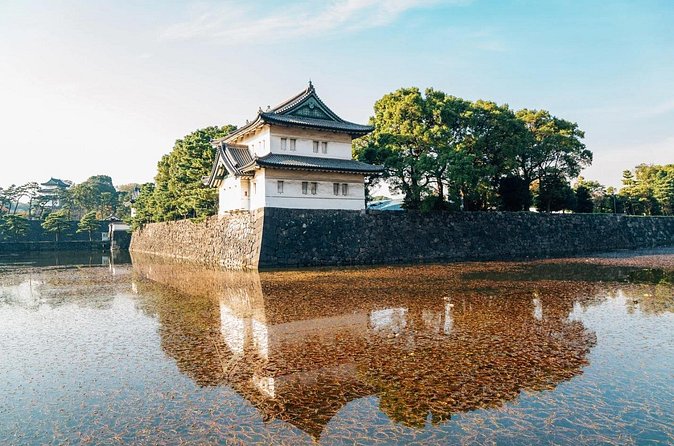
Two hours is a sensible length for this subject. It is long enough to cover the watchtower, palace area, and East Gardens without turning the visit into a half-day commitment. It also suits a wider Tokyo schedule. You can place it before or after other central-city plans.
The route is a walking tour, so you should expect time on your feet. The available information says most people can participate, but it does not provide a detailed accessibility assessment, such as the exact surface conditions, seating, or step-free route. If you have specific mobility needs, confirm those points before booking.
Weather is worth considering. The experience takes place outdoors, and the available feedback specifically notes intense heat. Bring whatever outdoor protection you normally need, and plan your energy sensibly. The guide can make the history engaging, but no guide can remove the effect of hot weather.
A group limit of eight is one of the strongest practical features. Large groups often make a historic walk feel distant, especially when the guide is explaining details near a wall or ruin. A group this size should allow a more direct exchange, though the actual feel depends on the number of people booked on your date.
The activity is conducted in English. That makes it a clear choice for visitors who want explanations rather than simply a scenic stroll.
Price, value, and the test-tour note
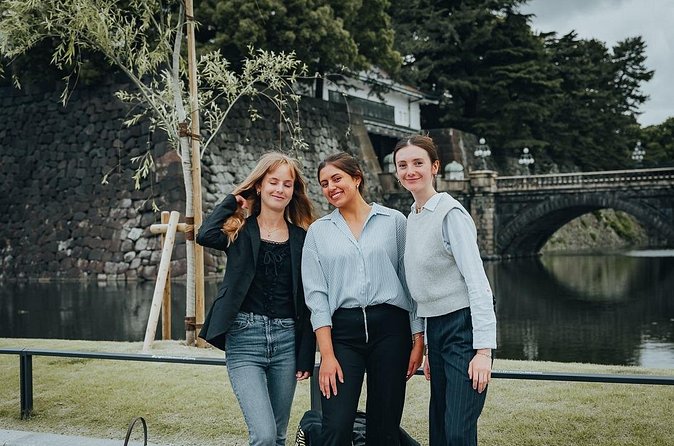
At $0.39 per person, the listed price is exceptionally low. Since the activity is identified as a test tour operated by the company, you should regard the price as an unusual trial offer rather than a normal benchmark for guided sightseeing in Tokyo.
Even at this price, the value depends on what you want. You are paying for a guide’s explanation and a planned route, not for a palace admission ticket or a long list of included extras. There is no separate admission charge listed for the three stops, so the low price leaves little financial risk if your schedule is flexible.
The test-tour note also means feedback is requested after the experience. That is reasonable for a new or trial operation, but it may signal that the tour is still being refined. Confirmation is sent within 48 hours of booking and remains subject to availability, so do not assume the reservation is final instantly.
For the price, I would consider this a strong value for someone who wants a guided introduction to the palace grounds and Edo Castle remains. I would be more cautious if you need a fixed palace entry time or a highly structured premium tour.
Who should book this walk?
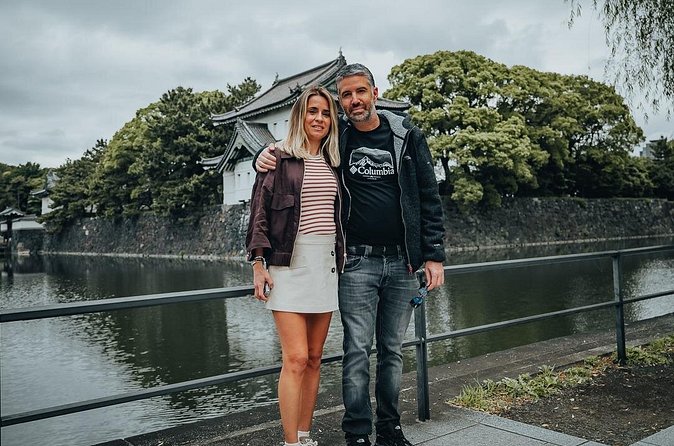
I would suggest it to you if you want a short history-focused activity in central Tokyo, especially if you are interested in castles, imperial institutions, gardens, or the transition from Edo to modern Tokyo.
It also suits first-time visitors who want help getting oriented. The guide can explain why the palace area matters, point out structures that are easy to miss, and connect the old castle site with Japan’s current imperial residence.
Families and mixed-interest groups may also find the format useful because the walk includes visible ruins, gardens, and a watchtower rather than relying only on long spoken explanations. Still, the experience is history-led, so anyone hoping for entertainment or a palace interior should adjust expectations.
I would not make this your only palace plan if the central goal is guaranteed access to the palace itself. The closure note shows that conditions can change, and the tour is designed to remain useful by shifting attention to nearby historic places.
Practical details before you reserve
The activity is booked with a mobile ticket, which is convenient for a central Tokyo walk. Confirmation arrives within 48 hours, subject to availability, so check your email before heading to the meeting point.
Free cancellation is available up to 24 hours before the start time for a full refund. Cancellation or changes made less than 24 hours before the start time are not accepted for a refund, and the cut-off uses Tokyo local time.
The tour ends where it begins, at the Starbucks in Wadakura Fountain Park. That return point is helpful if you are coordinating the walk with other plans, but you should still allow a little extra time after the stated two hours in case the walking pace or explanations run over.
Should you book the Imperial Palace East Gardens walk?
Book it if you want an inexpensive, compact introduction to Tokyo’s Imperial Palace area, with special attention to Edo Castle remains and the East Gardens. The small group and English guide are the main reasons to choose it over walking through the grounds alone.
Go in with realistic expectations. Palace access may change, the route is outdoors, and the tour does not promise entry into palace buildings. If those limits suit you, the $0.39 test-tour price offers remarkable value, particularly for a first visit or a spare morning in central Tokyo.
FAQ
How long does the Imperial Palace East Gardens tour last?
The tour lasts approximately two hours.
Where does the tour begin?
It begins at Starbucks Coffee in Kokyogaien Wadakura Fountain Park, 3-1 Kōkyogaien, Chiyoda City, Tokyo 100-0002, Japan.
Where does the activity end?
The activity ends back at the meeting point.
What language is the tour conducted in?
The tour is led by a professional English-speaking guide.
How many people can join the tour?
The maximum group size is eight people.
What places are included in the walking route?
The route includes Sakurada Tatsumi Yagura, the Imperial Palace area, and the East Gardens of the Imperial Palace, including Edo Castle ruins.
Is admission included?
Admission tickets are listed as free for the scheduled stops. The experience does not promise entry into palace buildings.
What happens if the Imperial Palace is closed?
The guide can continue with other worthwhile places in the area and provide explanations about the palace grounds and surrounding historic sites.
Is the tour near public transportation?
Yes. The meeting point is listed as being near public transportation.
Can I cancel for a full refund?
Yes. You can cancel at least 24 hours before the experience start time for a full refund. Cancellations or changes made less than 24 hours before the start time are not accepted for a refund.
Just added around Tokyo
- TOKYO: Tailored Gardens tour with Pro Gardener by E-bike -BASIC★ 5.0 · 2 reviews
- Tsukiji Food Strolling and Hama Rikyu Garden Walking Tour★ 5.0 · 7 reviews
- Tokyo: Serene Sakura & Sake: An Exclusive Brewery Pairing Lunch★ 5.0 · 2 reviews
- Tokyo: Kimono Experience inside Shinjuku Gyoen National Garden★ 5.0 · 3 reviews
- Tokyo Cherry Blossom Half Day Walking Tour with a Local Guide★ 3.5 · 4 reviews
- Cherry Blossom Highlights, Asakusa, Ueno, Imperial Palace Garden★ 4.5 · 4 reviews
- Sumida Riverside Walk: Garden &Temple Ritual (4 Meeting Points)★ 5.0 · 5 reviews
- Full Guided Mt. Fuji & Shiba-Sakura Festival One Day Pvt.Tour★ 5.0 · 6 reviews
Tokyo Garden Tours, compared.
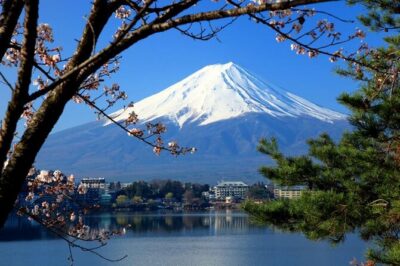
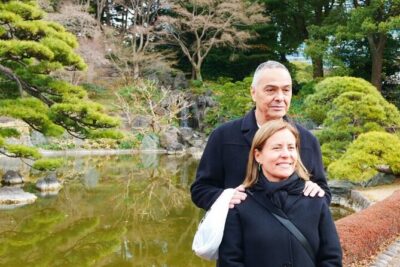
Edo Castle & East Garden of the Imperial Palace Tour
Read our review →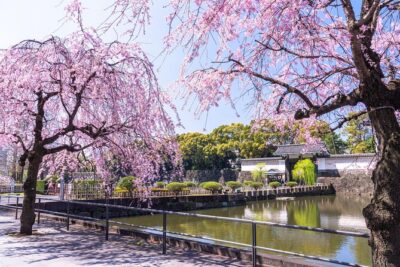
Tokyo Private Tour! Edo Castle & Imperial Palace East Gardens
Read our review →
Tsukiji Market and Hama-rikyu Gardens Guided Tour
Read our review →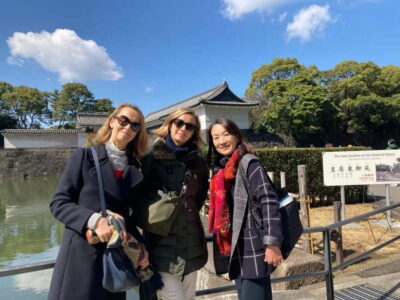
Pvt. Tour – Edo Castle & Imperial Palace East Gardens
Read our review →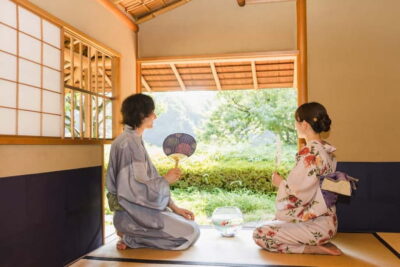
Kimono Rental inside Shinjuku Gyoen National Garden
Read our review →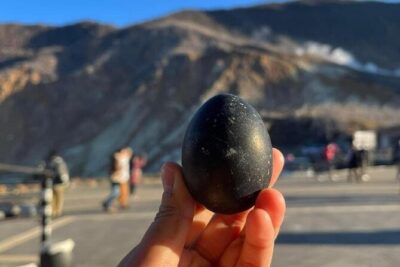
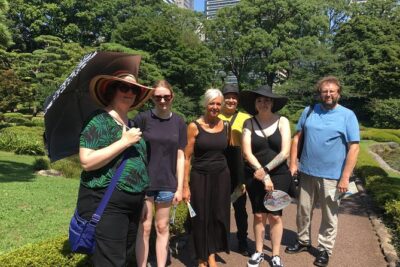
Tokyo Japanese Garden Lover’s Private Tour with Government-Licensed Guide
Read our review →Browse the lists this tour appears in