
Review · TOKYO GARDEN TOURS
Cherry blossom tour in Tokyo
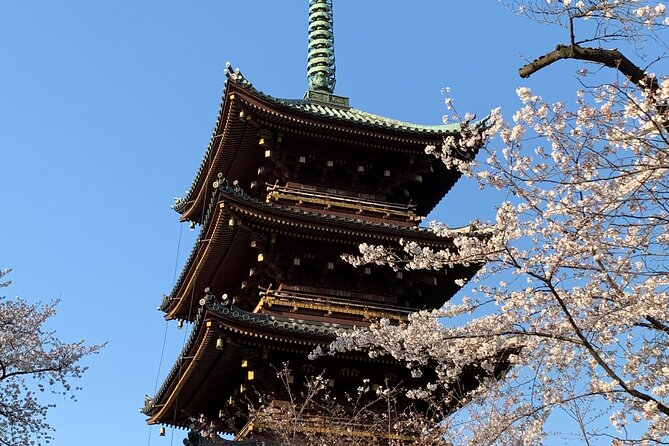
Tokyo’s cherry blossoms do not follow a tour schedule, so the smartest feature here is the flexible blossom planning. Guide Rieko chooses two or three good viewing places when you meet, rather than pretending every tree will be in bloom. I like that she has even scouted parks ahead of time when the season was early.
I also like the mix of old Tokyo and formal gardens, from Edo Castle ruins and Asakusa’s ancient temple to Hamarikyu’s pond views. The private format lets Rieko adjust the pace, including rest stops when needed. The catch is that public transportation, entrance fees, lunch, and private car service are not included, and the exact blossom stops can change.
Key points to know before booking
- Seasonal route: Rieko selects two or three cherry blossom locations according to bloom conditions on the day.
- Six hours on foot and by train: The tour connects central Tokyo sights using public transportation, with a private car available by request.
- Five notable areas: The planned sights include the Imperial Palace East Gardens, Asakusa, Hamarikyu Gardens, Chidorigafuchi, and Shinjuku Gyoen.
- Private experience: Only your group participates, making it easier to adjust the pace and focus.
- Hotel pickup takes time: Pickup and drop-off add about 30 minutes each way.
- Seasonal planning matters: The East Gardens are closed on Mondays and Fridays, and this experience requires good weather.
Why the changing cherry blossom route matters
A Tokyo cherry blossom tour needs room to adapt. Bloom dates vary by year, and even within the city, one park may be ahead of another. This experience handles that problem by having Rieko choose two or three places where the blossoms look best at the time of the tour.
That approach is more useful than locking you into a fixed list of parks. You may not spend equal time at every named stop, but you have a better chance of seeing flowers at the right stage. If the season arrives early or late, the guide can respond instead of simply following a calendar.
The tour lasts about six hours. That gives you enough time to combine gardens, temple grounds, palace scenery, and short walks without trying to cover all of Tokyo. Still, this is not a slow, all-day park picnic. Public transportation and several stops mean you should expect a full day of moving around.
Rieko’s style is especially suited to a private group. She has adjusted the pace for a guest who needed rest, and she has checked parks in advance when blossoms were not yet widespread. That suggests a guide who pays attention to conditions and to the people in front of her, not just to a printed route.
More Cherry Blossom Tours in Japan
- Mt. Fuji, Cherry Blossom & Shiba Sakura Pvt. Day Tour
★ 5.0 · 326 reviews - Mt. Fuji & Hakone Cherry Blossom private One Day Tour
★ 4.5 · 35 reviews - Tokyo Cherry Blossoms blooming spots E-bike Tour, 3hrs
★ 5.0 · 27 reviews
Starting at the Imperial Palace East Gardens
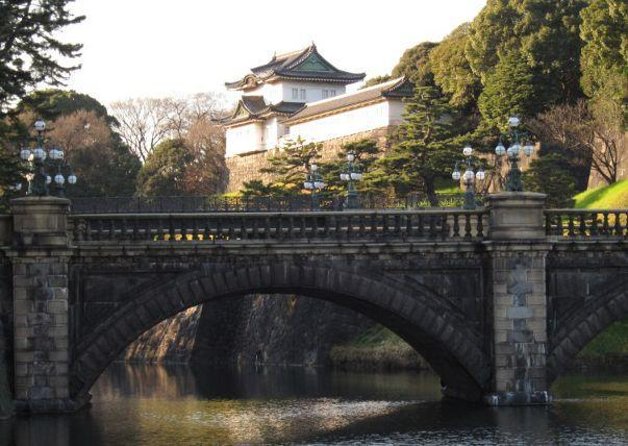
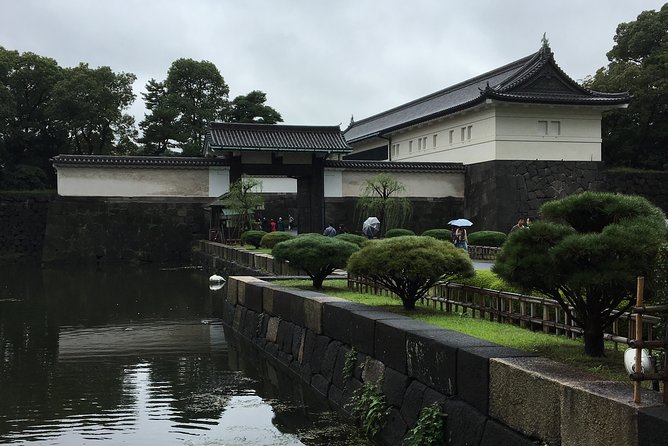
The meeting point is Tokyo Station’s Marunouchi North Exit. From there, the East Gardens of the Imperial Palace offer an immediate lesson in Tokyo’s past and present. The grounds occupy part of the former Edo Castle site, so you get both broad garden views and reminders of the military center that once shaped Japan.
The focus here is the feudal age and the remains of Edo Castle. Admission is free, which keeps the first stop simple and affordable. The gardens also provide a calmer opening than a crowded shopping street, giving Rieko space to explain how the castle and shogun government fit into Tokyo’s story.
Pay attention to the opening schedule. The East Gardens are closed on Mondays and Fridays. That is an important planning detail, since the tour route may need to change on those days rather than simply proceed as advertised.
The listed visit lasts about one hour. That is enough for a clear introduction and a walk through the garden, though not enough for every corner. If you want a long, unhurried garden visit, you should tell Rieko before the tour begins.
Asakusa brings in old Tokyo
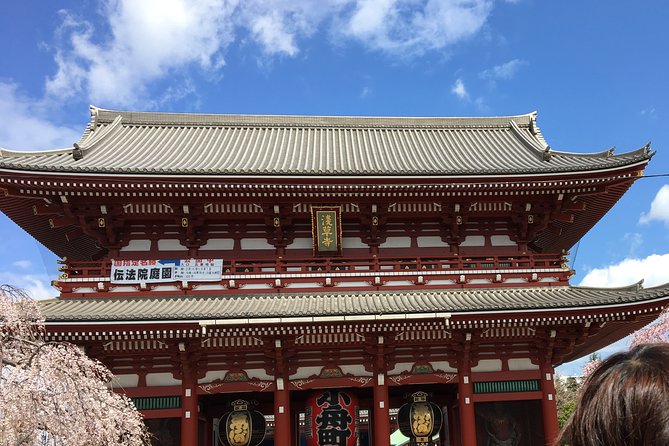
Asakusa shifts the mood from palace grounds to temple streets. The stop includes Tokyo’s oldest temple and the city’s oldest shopping street, giving you a look at a more traditional side of the capital.
The attraction here is the contrast. The Imperial Palace area is tied to rulers and government. Asakusa is about religious tradition, street life, and shopping. In one hour, you can take in the temple setting and browse the historic shopping street without spending the whole day in one district.
Admission to this stop is free, but shopping is not included, of course. If you see something you want, budget separately for purchases. The tour does not include lunch, so Asakusa may be a useful place to tell your guide if you need time to eat, though the supplied schedule does not promise a meal stop.
Asakusa is also one of the places where the cherry blossoms may add another layer to the visit. The tour’s main goal is seasonal flowers, but the guide chooses the strongest two or three locations on the day. Think of Asakusa as a cultural stop that may also become part of the blossom plan.
Hamarikyu Gardens and the shogun’s duck hunting grounds
Hamarikyu Gardens offers a very different setting. This former duck hunting ground of the shogun family now gives you formal garden scenery in central Tokyo. The historic use of the site makes it more than a simple flower park.
The listed visit is one hour. That is enough time to appreciate the garden’s layout and scenery, while still keeping the day moving toward the other stops. Hamarikyu is also a paid attraction, and the entrance fee is not included in the tour price.
That extra cost is worth noting when you compare this experience with a free walking tour. The advertised price covers the guide fee, not every expense during the day. You should allow for admission here, and potentially at Shinjuku Gyoen as well.
Hamarikyu is a good example of the tour’s broader appeal. You are not only chasing blossoms. You are seeing how Tokyo preserves traces of the shogun era inside a modern city.
More Cherry Blossom Tours in Tokyo
- Cherry Blossom Private Tour
★ 4.5 · 18 reviews - Licensed Guide Tokyo Meguro Cherry Blossom Walking Tour
★ 4.5 · 13 reviews - Evening Hanami (Cherry Blossom) Experience with a Local
★ 3.5 · 10 reviews - Tokyo: Mt. Fuji & Hakone Cherry Blossoms Private Day Tour
★ 3.5 · 9 reviews
Chidorigafuchi offers a short cherry blossom pause
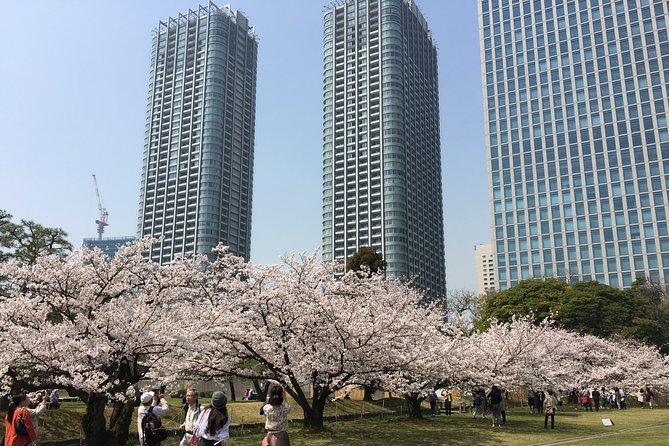
Chidorigafuchi is listed as a 30-minute stop beside the Imperial Palace moat. Its purpose is direct: enjoy the beautiful cherry trees along the water.
The shorter visit makes sense here. This is a scenic pause rather than a full museum or garden tour. You can take in the moat, the palace surroundings, and the blossoms without spending an hour at every photo stop.
Timing will matter. If the trees are in good bloom, half an hour may feel well used. If the flowers are only beginning to open, Rieko may favor another location instead. That is exactly why the flexible route is useful.
Chidorigafuchi also helps break up the longer visits. Six hours can feel demanding when you are walking and changing trains, so a brief scenic stop can keep the day from becoming a marathon.
Shinjuku Gyoen extends the blossom season
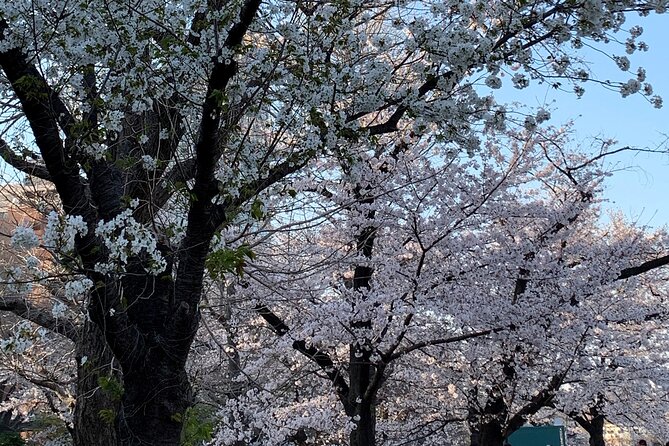
Shinjuku Gyoen National Garden is known for having several types of cherry trees, which allows the season to last longer than it does in a single-variety grove. The tour presents it as one of Tokyo’s key cherry blossom areas.
The planned visit is about one hour, and admission is not included. As with Hamarikyu, check your budget before you go. The tour price is not an all-inclusive entry pass.
Shinjuku Gyoen may be particularly useful when bloom timing is uneven. Different varieties can flower at different points, giving the guide more options when early blossoms have faded or later ones are not yet open. The exact choice still depends on conditions on your date.
Because the garden is one of the possible main blossom stops, you should not assume the tour will spend a full hour there every time. Rieko selects two or three places according to what is worthwhile that day. The strength of the plan is judgment, not a guaranteed fixed sequence.
Public transportation keeps the cost reasonable
The tour uses public transportation and walking. A private car is available if you request it, but private transportation is not included in the listed price.
That arrangement affects both value and comfort. At $128.26 per person, the price pays for a private guide and a tailored day, not a car, meals, or entrance tickets. For a solo traveler or a couple, that may feel expensive compared with joining a large group. For a family or small party, the private format can make more sense, especially when the cost is shared and you want flexibility.
Public transportation also keeps you close to ordinary Tokyo life. You are not sealed inside a vehicle between attractions. You move through the city as residents do, though the tradeoff is that stations, transfers, and walking can add effort.
If you prefer door-to-door convenience, request the car in advance and ask how the added transportation cost will affect your total. Hotel pickup and drop-off are offered, but each adds about 30 minutes. That means a hotel pickup could add roughly an hour to the day before you count the sightseeing itself.
The official start is at Tokyo Station’s Marunouchi North Exit, and the tour ends at Shimbashi Station. This is practical if you are already near central Tokyo or plan to continue sightseeing after the tour. It is less convenient if you expected to finish back at your hotel.
What the private format changes
Only your group participates. That is the main reason to choose this experience over a standard group walk.
You can ask for a slower pace, spend less time at a stop that does not interest you, or give Rieko useful information about your energy level. Her ability to let a guest rest is an important detail for anyone managing a health concern or simply trying not to overdo a spring sightseeing day.
The private setup also supports the blossom strategy. If one park is not showing much color, the guide can make a practical decision for your group. A large group would have more people to move and more fixed expectations.
Still, private does not mean every request is included. The guide fee is covered, while private transportation, lunch, and admission fees are separate. Ask about your preferred pace and transport before the day begins so the plan is clear.
Is $128.26 good value?
The price is reasonable if you value a personal guide, historical context, and a route that responds to blossom timing. The strongest value comes from Rieko’s local planning. Finding good flowers in Tokyo at the right moment can take time, and this experience puts that task in the hands of your guide.
The price is less attractive if you mainly want to sit in one park and take photographs. You could visit public blossom sites independently for less, especially since some stops are free. You would then need to research bloom conditions, handle transportation, and decide which garden deserves your time.
Remember the added costs. Hamarikyu Gardens and Shinjuku Gyoen require admission, while the tour does not include lunch or a private car. The two free highlights, the Imperial Palace East Gardens and Chidorigafuchi, help balance the budget, but you should not treat $128.26 as the full cost of the day.
The tour is booked an average of 149 days ahead, which signals strong advance planning for blossom season. If your dates are fixed, booking early is sensible. Spring availability can be tight even when the weather and flowers remain uncertain.
Practical details that affect your day
Confirmation arrives at booking, and the meeting point is easy to identify at Tokyo Station’s Marunouchi North Exit. The end point is Shimbashi Station, not the starting station or your hotel.
Most people can participate, but this is a walking and public-transportation experience. Tell Rieko about health needs early. The private format allows the pace to be adjusted, but the supplied schedule still covers several districts over six hours.
Good weather is required. If poor weather cancels the tour, you can choose another date or receive a full refund. You can also cancel for a full refund up to 24 hours before the start time. Changes or cancellations inside that 24-hour window are not accepted and are not refunded.
The tour provider is 高橋りえ子, also identified as Rieko. If you want hotel pickup, a car, extra rest time, or special attention to one type of sight, raise those points before the tour rather than waiting until the morning.
Who should book this Tokyo blossom tour?
Book it if you want more than a list of famous parks. You will get a private guide, historical stops, public-transportation practice, and a route that can change with the flowers. It is a good fit for families, couples, and small groups that value personal pacing.
It also suits you if this is your first visit to Tokyo and you want help connecting central districts without spending your own time on route planning. Rieko’s experience checking conditions ahead of time is most useful when the bloom forecast is uncertain.
Think twice if you want a guaranteed visit to every listed stop, a fully private vehicle, or an all-inclusive price. The guide selects two or three blossom sites, the car costs extra, and admission and lunch are separate.
FAQ
How long does the cherry blossom tour last?
The tour lasts approximately six hours.
Where does the tour start?
It starts at Tokyo Station’s Marunouchi-Kitaguchi, also called the Marunouchi North Exit, at 1 Chome-9 Marunouchi, Chiyoda City.
Where does the tour end?
The tour ends at Shimbashi Station, at 2 Chome-17 Shinbashi, Minato City.
Which places are included in the planned route?
The planned sights are the East Gardens of the Imperial Palace, Asakusa, Hamarikyu Gardens, Chidorigafuchi, and Shinjuku Gyoen National Garden.
Will the tour visit every listed cherry blossom location?
Not necessarily. The guide chooses two or three places where the cherry blossoms are best at the time of the tour.
Is transportation included?
The tour uses public transportation, but transportation costs are not included. Private transportation is available upon request and is also not included.
Is hotel pickup available?
Yes. Hotel pickup and drop-off can be arranged, but you should allow about 30 minutes each way.
Are entrance fees and lunch included?
No. The guide fee is included, while admission fees and lunch are not included.
What happens if the weather is poor?
The experience requires good weather. If it is canceled because of poor weather, you can choose another date or receive a full refund.
Should you book it?
Book this tour if you want a flexible spring day led by Rieko, with Tokyo’s blossoms placed alongside temples, gardens, and castle remains. The best reason to choose it is not simply the number of sights. It is the guide’s ability to adjust the route, check bloom conditions, and adapt the pace to your group.
Skip it if you want the lowest-cost way to see cherry trees or need a guaranteed fixed itinerary. For everyone else, especially a small group visiting during an uncertain blossom season, the private planning and personal attention can justify the $128.26 price, provided you budget separately for transport, admissions, and lunch.
Just added around Tokyo
- TOKYO: Tailored Gardens tour with Pro Gardener by E-bike -BASIC★ 5.0 · 2 reviews
- Tsukiji Food Strolling and Hama Rikyu Garden Walking Tour★ 5.0 · 7 reviews
- Tokyo: Serene Sakura & Sake: An Exclusive Brewery Pairing Lunch★ 5.0 · 2 reviews
- Tokyo: Kimono Experience inside Shinjuku Gyoen National Garden★ 5.0 · 3 reviews
- Tokyo Cherry Blossom Half Day Walking Tour with a Local Guide★ 3.5 · 4 reviews
- Cherry Blossom Highlights, Asakusa, Ueno, Imperial Palace Garden★ 4.5 · 4 reviews
- Sumida Riverside Walk: Garden &Temple Ritual (4 Meeting Points)★ 5.0 · 5 reviews
- Full Guided Mt. Fuji & Shiba-Sakura Festival One Day Pvt.Tour★ 5.0 · 6 reviews
Tokyo Garden Tours, compared.
Edo Castle & East Garden of the Imperial Palace Tour
Read our review →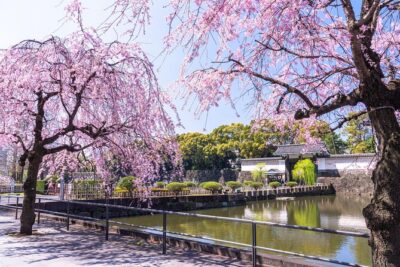
Tokyo Private Tour! Edo Castle & Imperial Palace East Gardens
Read our review →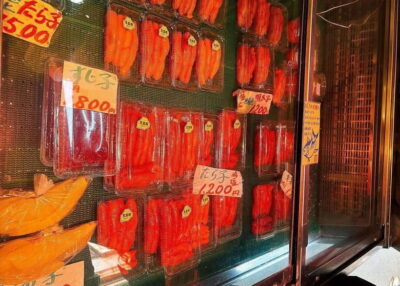
Tsukiji Market and Hama-rikyu Gardens Guided Tour
Read our review →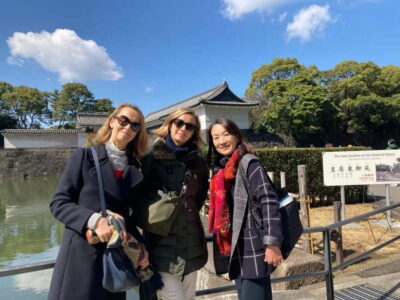
Pvt. Tour – Edo Castle & Imperial Palace East Gardens
Read our review →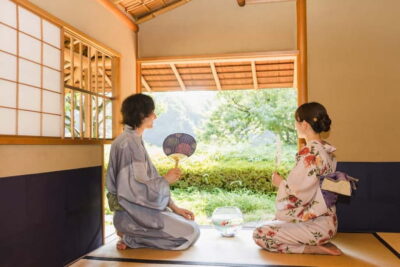
Kimono Rental inside Shinjuku Gyoen National Garden
Read our review →
Tokyo Japanese Garden Lover’s Private Tour with Government-Licensed Guide
Read our review →Browse the lists this tour appears in