
Review · TOKYO GARDEN TOURS
Tokyo Private Tour! Edo Castle & Imperial Palace East Gardens
Tokyo’s Imperial Palace East Gardens give you a rare change of pace in central Tokyo: old castle walls, quiet paths, a Japanese garden, and traces of the shogun’s former stronghold, all within sight of the modern city. A private guide helps turn a pleasant walk into a clear story about Edo, the imperial family, and Japan today.
I especially like the personal format, since your own group gets the guide’s full attention, and the chance to ask questions as you go. I also like the strong historical focus, with guides such as Naoko, Akiyoshi, Shigeru, Mikio, and Ishida praised for bringing the castle site and Japanese culture to life. The key caution is simple: this tour visits the East Gardens, not the Inner Palace, and the gardens are free to enter on their own.
Key points to know before booking
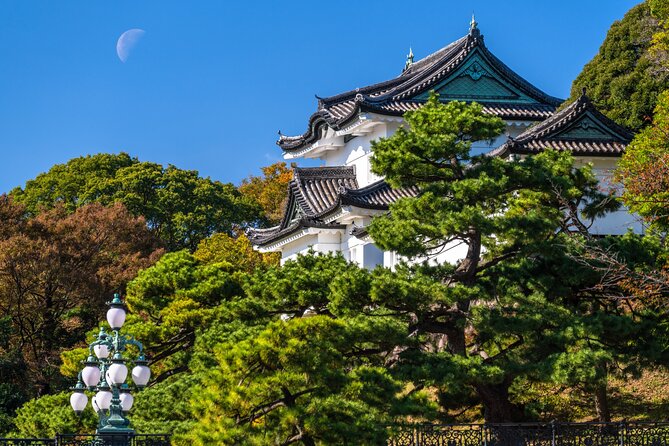
- The tour visits Edo Castle ruins: You’ll see the old castle site, Ote-mon Gate, historic structures, gardens, and stonework rather than a preserved palace interior.
- It is private for your group: You can ask questions, request a different pace, and focus more on history, plants, gardens, or imperial life.
- The tour lasts about two hours: That is enough for a focused introduction, but not a complete tour of every part of the Imperial Palace grounds.
- The guide makes the difference: English ability and presentation style can vary, so clear communication is worth confirming if it matters to you.
- The gardens are free to enter: You are paying for planning, navigation, and explanation, not admission to the East Gardens.
- Prepare for a baggage inspection: Do not arrive carrying Japanese knives or other possible weapons from shopping in Tsukiji, Asakusa, or elsewhere.
What you actually see in two hours
This is a walking tour of the Imperial Palace East Gardens, not a palace interior visit. The route begins at Wadakura Fountain National Park, at 3-1 Kōkyogaien in Chiyoda City, and finishes back at the same meeting point.
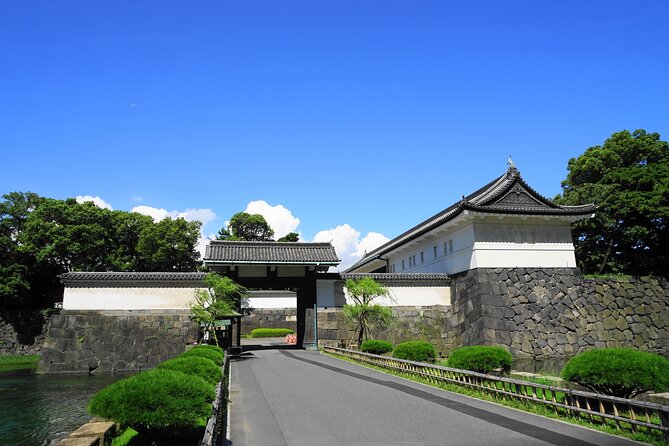
The walk includes Ote-mon Gate, one of the main historic approaches to the garden area. From there, your guide leads you through grounds connected with Edo Castle, the seat of the Tokugawa shoguns. The exact order and pace can vary, but the main sights include castle ruins, Ninomaru Garden, an old bridge, natural areas, and historic buildings or heritage remains.
I like this combination because it gives you several sides of Tokyo in a short stretch. You get gardens and quiet shade, but you also get fortification stones and an explanation of how the castle shaped the city. Look around and you’ll see how close the gardens are to present-day Tokyo, yet the paths can feel removed from the traffic and office towers.
The tour does not enter the Inner Palace. That point deserves attention because the name can easily create the wrong picture. The East Gardens are one part of the wider Imperial Palace grounds, while the Inner Palace is a separate area and is not included in this experience.
More Garden Tours in Tokyo:
- Imperial Palace East Garden and Edo Castle Walking Tour in Tokyo
★ 5.0 · 510 reviews - Tokyo: Imperial Palace East Gardens Walking Tour
★ 4.8 · 353 reviews - Mt. Fuji, Cherry Blossom & Shiba Sakura Pvt. Day Tour
★ 5.0 · 326 reviews
Edo Castle ruins and the story beneath your feet
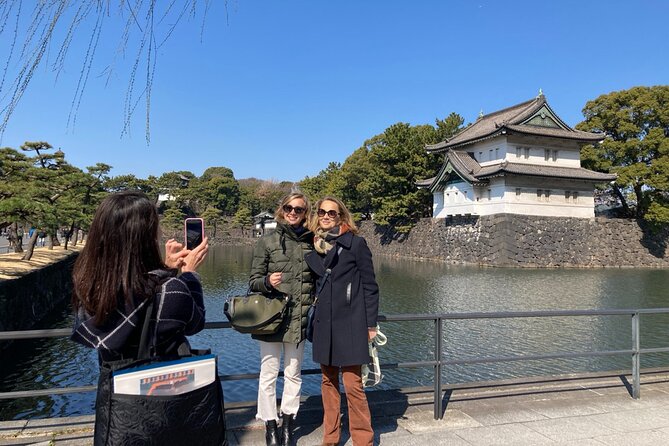
The most useful reason to hire a guide here is context. On your own, you can admire large stone walls, gates, gardens, and open spaces, but it is harder to understand what these pieces meant when Edo Castle was a working center of power.
A good guide connects the physical remains to the people who used them. Guides such as Shigeru have explained the site in detail, including individual garden areas and plants. Akiyoshi has been praised for discussing not only history but also Japanese life and the present role of the Imperial Family. That wider conversation is valuable because the palace grounds are not just an old castle site. They also connect Japan’s feudal past with its modern constitutional monarchy.
You may hear how the gardens appeared during the Edo period, when the site belonged to the shoguns. The experience is strongest when the guide uses the ruins to help you picture walls, gates, buildings, and movement through the castle grounds. It is not a theatrical show, but a careful walk with historical explanation.
The ruins themselves are not a fully rebuilt castle. If you want grand palace rooms or an intact medieval fortress, this will not meet that expectation. If you enjoy seeing foundations, defensive stonework, gates, and surviving traces, the site gives you plenty to think about.
Ninomaru Garden and the quieter side of Tokyo
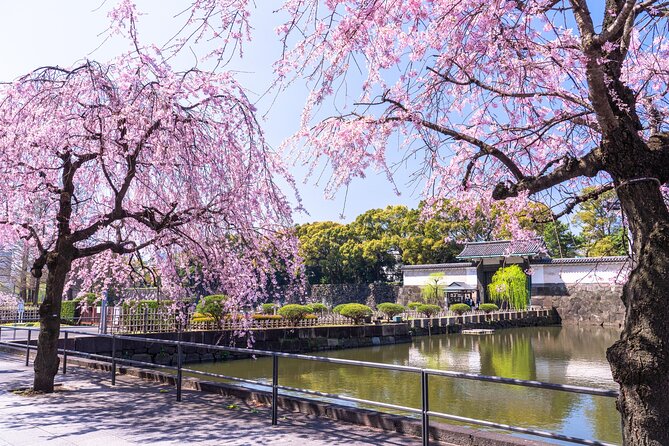
Ninomaru Garden is likely to be the most peaceful section of the walk. The route includes Japanese garden scenery, water, plantings, and old bridges. The gardens change with the seasons, and the operator specifically notes that many flowers and plants bloom through the year, with cherry blossoms especially beautiful in March and April.
The garden is also where the tour’s pace matters. A private guide can pause when you want a photo, explain a plant, or spend more time on a feature that catches your interest. Shigeru has been praised for his plant knowledge, making him a particularly good match if your group enjoys gardens as much as history.
Do not expect a long botanical tour unless you arrange that focus with your guide. The experience covers the wider East Gardens, so the time is divided between nature, castle remains, gates, and imperial history. Still, Ninomaru gives the walk a welcome balance. After stone walls and political history, you get a softer setting where the details of Japanese garden design become easier to notice.
The gardens also make a good place to pause in hot weather. One group found the tour comfortable even at 35 degrees Celsius because the guide provided umbrellas and neck coolers. That is a useful detail, though you should still dress for a two-hour outdoor walk. Heat and sun can make the open sections tiring, and the tour does not promise climate-controlled shelter.
Guides who shape the experience
This tour is sold as a private experience, but the guide is still the main variable. Several guides are named in the feedback, including Naoko, Akiyoshi, Shigeru, Mikio, Ishida Katsura, Yoshiko, Hirashima, and Taka.
Naoko has been described as lively, friendly, and very clear when discussing Japanese history and culture. Akiyoshi is a good fit if you want to connect the gardens with modern Japanese life and the Imperial Family. Shigeru has received praise for patient answers, plant knowledge, and careful explanations of each part of the garden.
Mikio is noted for strong English, promptness, and the ability to answer many questions. Ishida Katsura is associated with detailed explanations of Japanese history and friendly conversation. Yoshiko has been praised for keeping the walk enjoyable in heat and sun, while another guide adjusted the pace for fast walkers.
There is one important qualification. English communication has not been equally strong with every guide. One guest ended the tour early because the guide’s English was difficult to understand. That appears to be an exception among the many positive accounts, but it is still useful information for anyone who needs detailed English explanations. If your booking allows guide requests or questions before the start, ask about language ability and tell the operator what subjects interest you.
A private tour should also mean an interactive tour. Bring questions. Ask about the castle, garden design, the Imperial Family, plants, or the changes from shogun rule to modern Japan. You will get more value from the guide if you treat the walk as a conversation rather than a fixed speech.
Same corner of the map, a different planting:
- Tokyo: Edo Castle & East Garden of the Imperial Palace Tour
★ 4.7 · 112 reviews - Tokyo: Tsukiji Market and Hama-rikyu Gardens Guided Tour
★ 4.8 · 73 reviews - Tokyo: Pvt. Tour – Edo Castle & Imperial Palace East Gardens
★ 4.8 · 63 reviews - Tokyo: Kimono Rental inside Shinjuku Gyoen National Garden
★ 4.9 · 39 reviews
Is $65.41 a fair price?
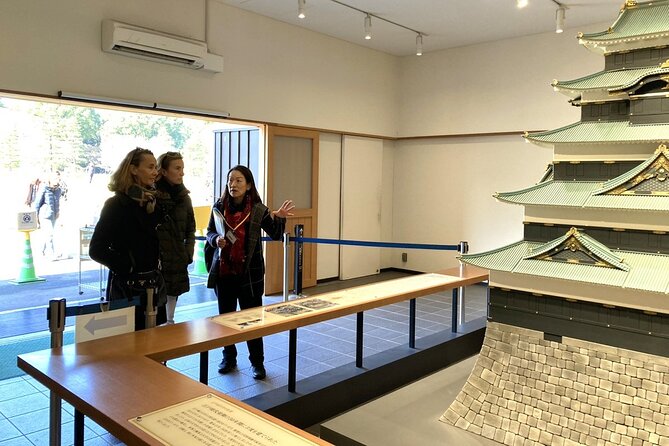
The listed price is $65.41 per person, with group discounts available. The East Gardens themselves are free to enter, so the price is not paying for an entry ticket. You are paying for a private guide, route planning, navigation, and two hours of explanation.
That can be good value if you are short on time or want historical context. The gardens are easy to visit without a guide, but the meaning of the ruins, gates, and old castle grounds is not always obvious. A strong guide can save you the work of researching Edo Castle and help you connect the site to the rest of your Japan trip.
The value is less clear if you only want a quiet stroll or already know the history. Since the public gardens are free and information is available on site, independent visitors can enjoy the setting without paying this fee. In that case, the private format is an extra rather than a necessity.
For families, first-time visitors, and anyone who likes asking questions, the price is easier to justify. A guide can adapt the pace and explain the site at a level that works for your group. Group discounts may also improve the per-person cost when several people book together.
Meeting point, timing, and practical details
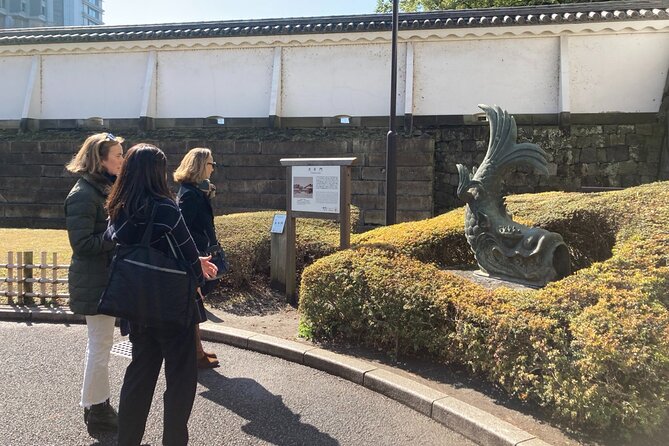
Meet at Wadakura Fountain National Park, 3-1 Kōkyogaien, Chiyoda City. The activity ends back at the meeting point, which makes it easier to plan a lunch stop or another Tokyo sight afterward without arranging a separate return transfer.
The tour lasts about two hours. That makes it a useful morning or afternoon activity, but you should not treat it as a full-day Imperial Palace visit. You’ll cover a focused portion of the grounds and return to the starting point.
The gardens are near public transportation, and most people can participate. You should be ready for outdoor walking, changing weather, and uneven historic surfaces. The supplied information does not give a detailed accessibility assessment, so anyone with mobility concerns should ask the operator for current route details before booking.
Upon entering the Imperial Palace grounds, you will go through a baggage inspection. Leave Japanese knives and other objects that could be considered weapons in a coin locker or similar place before meeting the guide. This matters if you have been shopping in Tsukiji, Asakusa, or another market earlier that day.
You receive a mobile ticket, and confirmation comes at booking. Free cancellation is available up to 24 hours before the start time for a full refund. Cancellations or changes made less than 24 hours before the start are not refunded or accepted. The experience also requires a minimum number of participants, so a cancellation by the operator may result in another date, another experience, or a full refund.
Who will get the most from this walk?
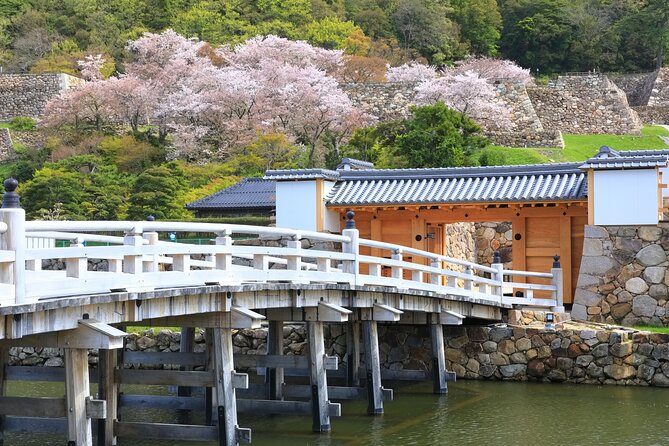
I would choose this tour if you want a short, guided introduction to Tokyo’s political and imperial past. It works especially well early in a Japan trip, when you are still building a sense of how Edo, the shoguns, the Imperial Family, and modern Tokyo fit together.
It is also a good match for families. Two hours is manageable, and the private format lets you ask for a slower pace or focus on whatever holds your children’s attention. The gardens provide visual variety, while the ruins give the walk a clear purpose.
Plant lovers may enjoy it with a guide such as Shigeru, who has been praised for explaining the gardens and seasonal flowers. Fast walkers can benefit from the flexible pace, while people who want a gentle stroll can ask the guide not to rush.
You might skip it if your main goal is entering the Imperial Palace itself. You might also skip it if you are happy to visit a free public garden without added explanation. The tour cannot change those limits: it does not enter the Inner Palace, and its main strength is interpretation rather than exclusive access.
Should you book the Imperial Palace East Gardens tour?
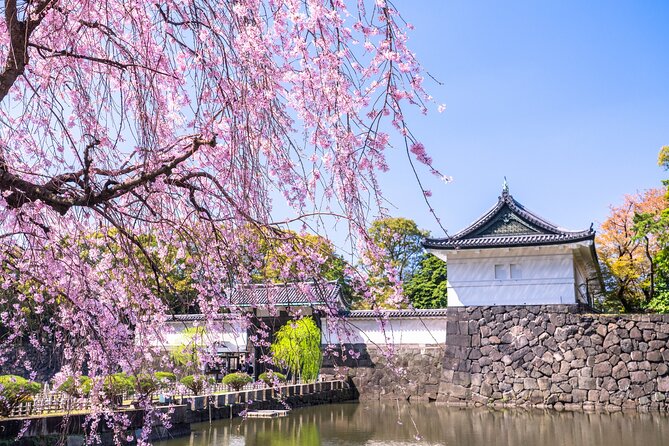
Book it if you want meaning, not just scenery. The East Gardens are pleasant on their own, but a good guide can explain why the castle ruins matter, how the gardens fit into the old power center of Edo, and what the Imperial Family represents today.
Before booking, keep three things clear. You are visiting the East Gardens only. The grounds are free, so the $65.41 price pays for private guiding rather than admission. And guide quality, especially English clarity, can vary.
With those expectations in place, this is a focused and useful Tokyo walk. It gives you gardens, old gates, castle remains, seasonal plants, and a calm break from the city, all in about two hours. For a first visit to Tokyo, I would consider it a sensible choice if history and personal guidance matter to you.
FAQ
How long does the Imperial Palace East Gardens tour last?
The tour lasts approximately two hours.
Does the tour enter the Imperial Palace Inner Palace?
No. The tour does not go inside the Imperial Palace Inner Palace. It visits the East Gardens and related historic areas.
What places are included in the walk?
The route includes the East Gardens, Edo Castle ruins, Ninomaru Garden, Ote-mon Gate, an old bridge, natural areas, and historic buildings or heritage remains.
Where does the tour begin?
The meeting point is Wadakura Fountain National Park, 3-1 Kōkyogaien, Chiyoda City, Tokyo 100-0002, Japan.
Where does the tour finish?
The activity ends back at the meeting point.
Is admission to the East Gardens included?
The tour information lists admission as free. The price covers the guide, not a paid admission ticket.
Is the tour private?
Yes. Only your group participates in the private activity.
Will there be a baggage inspection?
Yes. Visitors are subject to a baggage inspection when entering the Imperial Palace grounds.
Can I bring a Japanese knife purchased earlier that day?
You should leave Japanese knives and other items that could be used as weapons in a coin locker or similar place before the meeting.
Can I cancel for a full refund?
Yes, if you cancel at least 24 hours before the experience start time. Cancellations made less than 24 hours before the start are not refunded.
Just added around Tokyo
- TOKYO: Tailored Gardens tour with Pro Gardener by E-bike -BASIC★ 5.0 · 2 reviews
- Tsukiji Food Strolling and Hama Rikyu Garden Walking Tour★ 5.0 · 7 reviews
- Tokyo: Serene Sakura & Sake: An Exclusive Brewery Pairing Lunch★ 5.0 · 2 reviews
- Tokyo: Kimono Experience inside Shinjuku Gyoen National Garden★ 5.0 · 3 reviews
- Tokyo Cherry Blossom Half Day Walking Tour with a Local Guide★ 3.5 · 4 reviews
- Cherry Blossom Highlights, Asakusa, Ueno, Imperial Palace Garden★ 4.5 · 4 reviews
- Sumida Riverside Walk: Garden &Temple Ritual (4 Meeting Points)★ 5.0 · 5 reviews
- Full Guided Mt. Fuji & Shiba-Sakura Festival One Day Pvt.Tour★ 5.0 · 6 reviews
Tokyo Garden Tours, compared.
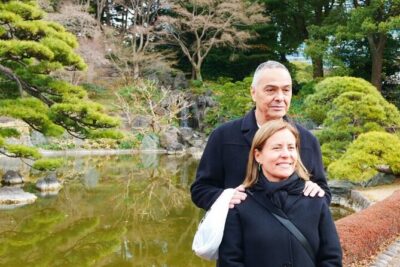
Edo Castle & East Garden of the Imperial Palace Tour
Read our review →
Tsukiji Market and Hama-rikyu Gardens Guided Tour
Read our review →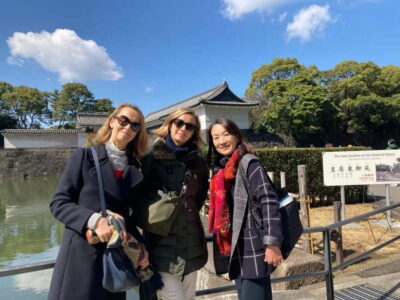
Pvt. Tour – Edo Castle & Imperial Palace East Gardens
Read our review →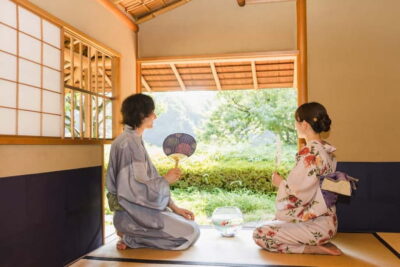
Kimono Rental inside Shinjuku Gyoen National Garden
Read our review →
Tokyo Japanese Garden Lover’s Private Tour with Government-Licensed Guide
Read our review →
Tokyo Cherry Blossoms blooming spots E-bike Tour, 3hrs
Read our review →Browse the lists this tour appears in