
Review · KYOTO GARDEN TOURS
Kyoto Hidden Treasures: Special Temple & Garden Access Tour
Kyoto’s best temple visits are not just about taking a photo at the gate. They are about understanding why a garden is arranged a certain way, how Buddhism differs from Shinto, and how to move between far-flung sights without losing half the morning. This private temple tour aims to do exactly that, with a local guide and a route that may include famous temples, quiet gardens, and excellent spring scenery.
I like two things here. First, the private format gives you room to ask questions and set a comfortable pace. Guides such as Sayuri, Haru, Takuma, Makiko, and Chika have helped guests make sense of Japanese religion, local transit, and temple details that are easy to miss. Second, the possible stops reach beyond Kyoto’s usual short list, including Haradanien and Taizo-in.
The catch is important: the route changes by date, and the tour is not customizable despite the general promise of personal preferences. You may not see every temple named below, and transfers can take a fair share of a short tour. Confirm the exact plan before booking.
Key points to know before booking
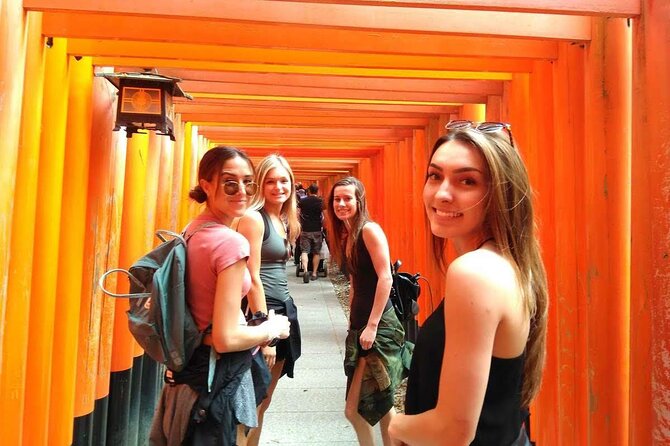
- A private guide for your group: You travel without other customers, so questions and pacing are easier to manage.
- The route changes by date: Tenryu-ji, To-ji, Kiyomizu-dera, Haradanien, Ninna-ji, and Taizo-in are possible stops, but not guaranteed together.
- Public transit is part of the experience: Your guide can show you how to use Kyoto’s buses, trains, or local taxis.
- Best for temple context: Guides explain Buddhism, Shinto, Japanese history, art, and local customs in plain language.
- Seasonal appeal: Cherry blossoms are a major focus, especially at To-ji, Kiyomizu-dera, Haradanien, and Ninna-ji.
- Allow for walking: Comfortable shoes matter, and the tour operates in rain or shine.
What this $140 Kyoto tour actually offers
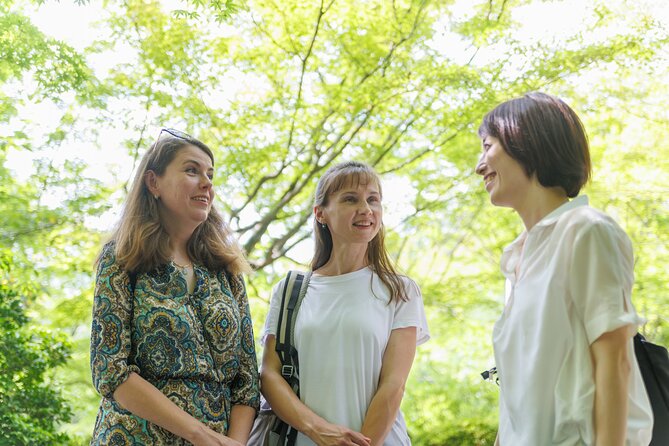
At $140, this experience makes the most sense for a small group that wants a private guide rather than a standard shared walk. The value is not simply the number of temples you enter. It lies in having someone explain what you are seeing, handle the route between sites, and adjust the pace for your group.
A private booking also spreads the guide cost across everyone in your party. Group discounts are available, which may make the price more appealing for a couple, family, or small group than for a solo visitor.
The tour lasts about two to four hours. That is enough time for a focused half-day outing, but not enough to inspect every possible location at leisure. If your date includes distant parts of Kyoto, public transit may eat into sightseeing time. One past experience specifically found the transfers longer than expected during the busy April season.
The start time is listed as 6:45 a.m. at the Kyoto Brighton Hotel in Kamigyo Ward. An early start can be useful in Kyoto, especially during cherry blossom season, but it requires planning the night before. The activity ends back at the meeting point.
More Garden Tours in Kyoto:
- Kyoto Zen Meditation & Garden Tour at a Zen Temple with Lunch
★ 5.0 · 441 reviews - Kyoto Arashiyama Bamboo forest & Garden Half-Day Walking Tour
★ 5.0 · 413 reviews - Kyoto Kiyomizu Tea Ceremony with Scenic Garden Views
★ 5.0 · 101 reviews
Meeting your guide near Kyoto Brighton Hotel
The tour begins in the lobby of Kyoto Brighton Hotel, at 330 Shiteicho, Kamigyo Ward. You will meet your guide there before setting out by foot and public transportation.
The guide assigned to you can vary. Names connected with this company include Sayuri, Naomi, Haru, Takuma Goda, Makiko, Chika, and Osamu. The exact person is not guaranteed, but the strongest pattern in the feedback is the usefulness of a local guide who can explain religious customs and keep the route moving.
Do not expect a private car. This is a walking tour, with public buses, trains, or local taxis used between places when needed. That can feel like extra work if you prefer door-to-door transport, but it also gives you a practical lesson in getting around Kyoto.
Tenryu-ji and the calm of Arashiyama
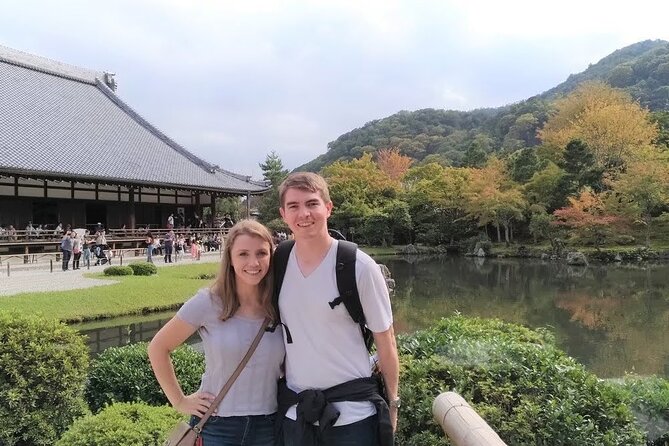
Tenryu-ji is one of the possible highlights. Founded in 1339, it is a major Zen temple and a World Heritage Site. Its garden is the main reason to come. The design encourages you to look across water, trees, and borrowed mountain views rather than race from building to building.
The temple works especially well with Arashiyama’s other sights, including the Bamboo Grove and Togetsukyo Bridge. If your assigned route includes Tenryu-ji, ask how much time is planned for the temple grounds and how much for nearby sights. Arashiyama can become crowded, and a short visit may feel rushed if too many stops are packed into the morning.
Spring is a strong time to see Tenryu-ji, but autumn foliage is also singled out as a beautiful season. The temple’s quiet gardens offer a useful counterpoint to Kyoto’s more dramatic viewpoints.
To-ji and Japan’s tallest wooden pagoda
To-ji gives you a different kind of temple experience. Its five-story pagoda rises 55 meters and is described as Japan’s tallest wooden pagoda. The scale is impressive, but the interior Buddhist art gives the visit much of its meaning.
The Lecture Hall contains a three-dimensional mandala linked with Shingon Esoteric Buddhism. Twenty-one Buddhist statues represent a carefully ordered religious universe, including Dainichi Nyorai, Fudo Myo-o, and the Four Heavenly Kings. A guide can help you understand the arrangement instead of leaving you with a room full of unfamiliar names.
The Fudo Myo-o statue is a National Treasure, and the Kodo and Kondo are closely associated with Kobo Daishi. These details matter because To-ji is not merely a pretty photo stop. It is a place where architecture, sculpture, and Buddhist teaching are meant to work together.
In spring, the pagoda framed by cherry blossoms is particularly striking. Still, ask about opening access and timing on your date. A short stop may allow only an outside view and a quick explanation.
Same corner of the map, a different planting:
- Kyoto: Private Tea Ceremony with a Garden View
★ 4.9 · 61 reviews - Bamboo Grove Temple and Garden Views Tour
★ 5.0 · 41 reviews - Stunning Private Tea Ceremony: Camellia Garden Teahouse
★ 5.0 · 28 reviews - Kyoto: Japanese Gardens Private Customizable Tour
★ 4.1 · 18 reviews
Kiyomizu-dera for Kyoto’s broadest temple view
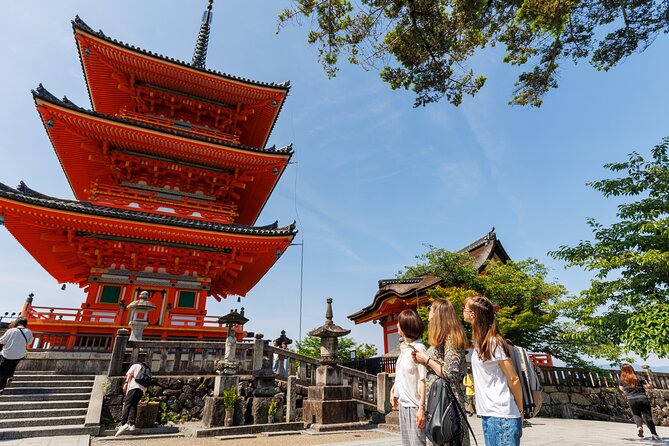
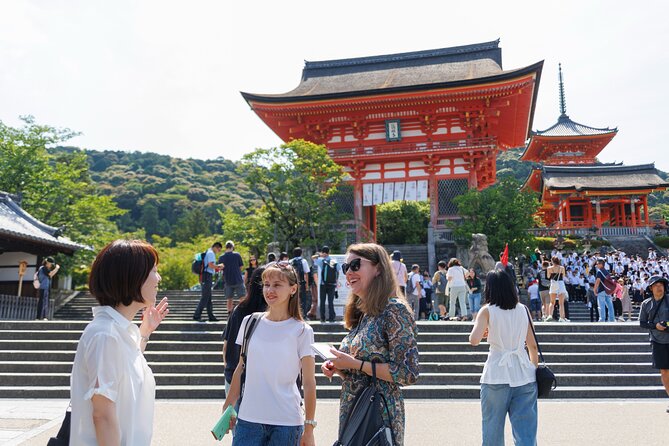
Kiyomizu-dera is one of Kyoto’s most recognizable temples. Its wooden stage projects over a hillside, creating a wide view across the city and surrounding trees. The structure was built without nails, a detail worth hearing while you look at the great wooden supports below.
This is a good choice if you want a famous sight with a strong visual payoff. Cherry blossoms in spring and autumn leaves add color to the view, though those seasons also bring crowds.
The approach can involve uphill walking and uneven temple grounds. Wear shoes with a firm sole, and be ready for a steady amount of walking. Kiyomizu-dera is not a quiet stop at peak times, so the private guide’s value lies in directing your attention to the building, view, and religious setting rather than simply getting you there.
Haradanien, Kyoto’s privately owned garden
Haradanien may be the most distinctive stop on the possible route. This privately owned garden is less familiar to many visitors than Kyoto’s major temple grounds. Its appeal is seasonal flowers planted in dense layers, with more than 400 cherry trees creating a tunnel-like display in spring.
That description makes Haradanien especially attractive for people who have already seen the main temple circuit and want something less predictable. It also makes the date matter more than usual. A garden visit changes sharply with the season, and the cherry blossom display is not a year-round feature.
Because Haradanien is privately owned, you should confirm that it is part of your date’s plan and ask about the admission arrangements. The tour information indicates that admission is included at the listed stops, but the exact contents vary by day.
Ninna-ji and the late Omuro cherry blossoms
Ninna-ji offers imperial connections and a more refined architectural setting. Emperor Uda founded it in 888, and emperors and imperial family members later served as head priests. The temple’s buildings and gardens reflect that long connection with the court.
Its famous Omuro-zakura cherry trees bloom later than many other varieties. That can be a real advantage if you are visiting after the main Kyoto blossom period. The low-growing trees create a different view from the tall flowering avenues found elsewhere.
Ninna-ji is a smart possible stop for anyone interested in the relationship between Japanese court culture and Buddhism. It also pairs well with a guide who can explain how temple institutions developed over time. The drawback is simple: it sits away from some of the city’s central sights, so combining it with several distant locations may create more transit than temple time.
Taizo-in for Zen and Japanese ink art
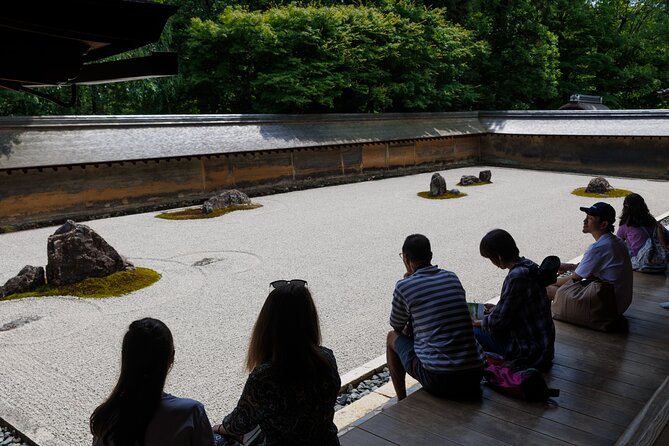
Taizo-in is a smaller Zen temple with a quieter mood. It is known for a National Treasure ink painting and a beautiful garden, making it a strong choice for visitors who prefer art and stillness to grand scale.
You may find this stop more rewarding with a guide than on your own because the significance of an ink painting or a Zen garden is not always obvious at first glance. The guide can give you a framework for looking, then let the setting do its work.
Taizo-in is also a reminder that a good Kyoto morning does not have to be built entirely around the most famous landmarks. If your date includes it, the experience may feel more measured than a quick sweep through several large temple compounds.
Why the guide matters more than the checklist
The best part of this experience is the explanation between the sights. Guides have helped guests understand the difference between Buddhism and Shinto, explained local history, answered detailed questions, and used printed material to make temple art easier to follow.
Takuma Goda has been praised for making selected sights informative and fun. Makiko has helped with transit and shown patience during the day. Haru has used supporting material to make the stops more interactive, while Osamu has been noted for an organized route and an easygoing manner. These examples suggest a useful range, but they do not guarantee which guide you will receive.
There is also a fair warning in the feedback: one guide was described as friendly and energetic but still developing in subject knowledge. That is worth keeping in mind if you want a specialist in Buddhist art or architectural history. The service appears strongest when you want an approachable local guide who can give context and manage the day.
Transit, walking, and the early start
This tour teaches you how to use Kyoto’s public transportation, which can be valuable beyond the morning itself. You may learn how to connect major sightseeing areas and how local taxis fit into the route.
The tradeoff is time. Kyoto’s temples are spread across the city, and traffic can slow buses during popular seasons. A two-hour version may feel tight if it includes several areas. A four-hour version gives the guide more room, but even then, ask how many stops are planned.
You should have moderate physical fitness and expect a moderate amount of walking. Comfortable walking shoes are essential. The tour runs rain or shine, so bring suitable clothing and accept that garden paths and temple approaches may feel less comfortable in wet weather.
Who will get the most from this experience
I would recommend this tour to first-time Kyoto visitors who want a clear introduction to temples without spending hours trying to decode each site alone. It also suits couples and families who value a private pace and want to ask plenty of questions.
It can work well for repeat visitors too, especially if you have already seen Kiyomizu-dera or Fushimi Inari and now want help noticing details you missed. The possible stops at Haradanien and Taizo-in give the experience more range than a standard famous-temple circuit.
I would be cautious if you want a fixed, fully confirmed schedule. The day’s content changes by date, and the activity is explicitly not customizable. I would also think twice if you dislike public transportation or want a private vehicle waiting at every entrance.
Booking details and cancellation terms
Confirmation is provided at booking, and a mobile ticket is available. The activity is near public transportation, but you should still check the meeting address carefully because the start is at Kyoto Brighton Hotel, not Kyoto Station.
Free cancellation applies when you cancel at least 24 hours before the local start time. Cancellations or changes made within 24 hours are not accepted and are not refunded.
Should you book this Kyoto temple tour?
Book it if you want private guidance, religious context, and help with Kyoto transit more than a rigid sightseeing checklist. The strongest value comes when your guide explains why a temple matters and helps you use the city’s buses and trains with confidence.
Before paying, ask which stops are planned for your date, how long the tour will run, and whether cherry blossoms or a particular garden are central to the route. If you receive a thoughtful guide and a well-spaced route, $140 can be fair for a small group. If the plan packs distant temples into two hours, the transfers may overshadow the visits.
FAQ
Where does the Kyoto temple tour start?
You meet your guide in the lobby of Kyoto Brighton Hotel at 330 Shiteicho, Kamigyo Ward, Kyoto, 602-8071, Japan.
What time does the tour begin?
The listed start time is 6:45 a.m.
How long does the tour last?
The experience lasts approximately two to four hours, depending on the selected tour length and the plan for that date.
Is transportation included?
A private vehicle is not included. The tour is conducted on foot, with public transportation or local taxis possibly used between locations.
Will the tour visit every listed temple and garden?
No. The contents vary by date, and the exact stops should be confirmed before booking. The possible locations include Tenryu-ji, To-ji, Kiyomizu-dera, Haradanien, Ninna-ji, and Taizo-in.
What happens if I need to cancel?
You receive a full refund if you cancel at least 24 hours before the experience start time. Cancellations or changes within 24 hours are not refunded or accepted.
Just added around Kyoto
- Stunning Private Tea Ceremony: Camellia Garden Teahouse★ 5.0 · 28 reviews
- Kyoto ITALIAN GUIDE Golden Pagoda Bamboo Forest Dry Garden★ 4.0 · 2 reviews
- Kyoto: Kinkaku-ji Temple & Serene Garden Guided Tour with Tickets★ 5.0 · 9 reviews
- Guided Kyoto City Cherry Blossom One Day Private Tour★ 5.0 · 16 reviews
- Kyoto Japanese Garden Lover’s Private Tour with Government-Licensed Guide★ 4.5 · 10 reviews
- Bamboo Grove Temple and Garden Views Tour★ 5.0 · 41 reviews
- Private & Unique Kyoto Cherry Blossom “Sakura” Experience★ 5.0 · 5 reviews
- Kyoto Spring Evening (Cherry Blossom) Food Tour★ 3.0 · 4 reviews
Kyoto Garden Tours, compared.
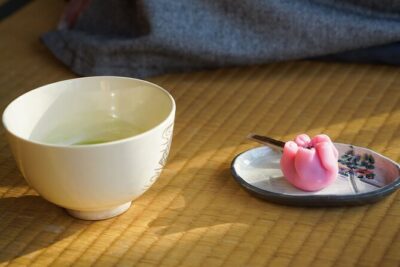
Kyoto Zen Meditation & Garden Tour at a Zen Temple with Lunch
Read our review →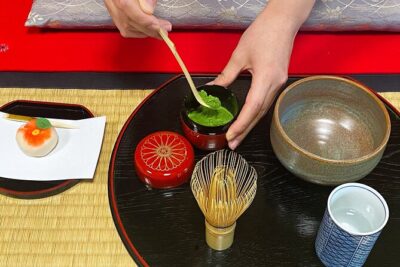
Kyoto Kiyomizu Tea Ceremony with Scenic Garden Views
Read our review →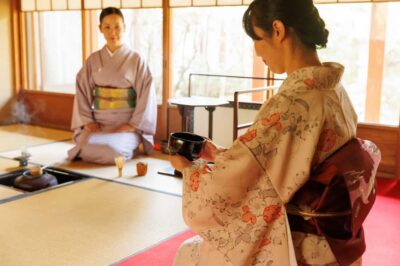
Stunning Private Tea Ceremony: Camellia Garden Teahouse
Read our review →
Guided Kyoto City Cherry Blossom One Day Private Tour
Read our review →
Kyoto Japanese Garden Lover’s Private Tour with Government-Licensed Guide
Read our review →Browse the lists this tour appears in