
Review · JAPAN GARDEN TOURS
Kyoto Arashiyama Bamboo forest & Garden Half-Day Walking Tour
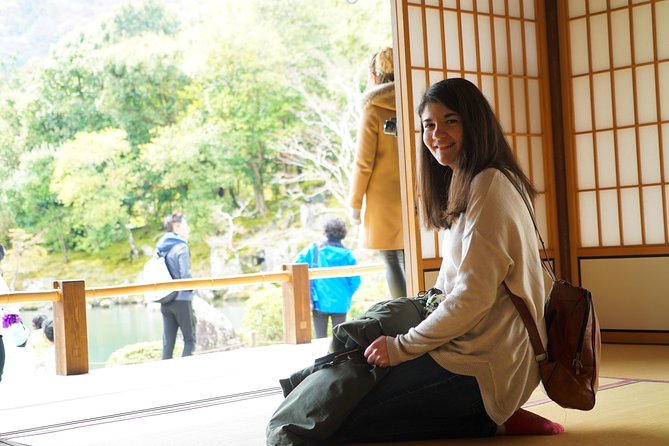
Arashiyama is far more than its famous bamboo lane. This small-group walking tour takes you from the tall bamboo to quiet temple gardens, mountain views, Tenryukyo Bridge, and a traditional Kyoto-style lunch. Guides such as Josh, Ayuri, Yumi, Masa, and Hiroko add local stories, cultural explanations, and small hands-on moments along the way.
I like the maximum group size of seven, which makes it easier to hear your guide and ask questions. I also like that the price includes lunch, admissions, matcha, and photos, so you can focus on the scenery instead of keeping track of every extra charge.
The catch is the walking. One outing reached about 28,000 steps, and another ran from 9 a.m. to roughly 2:30 or 2:45 p.m. If your legs, knees, or feet are unhappy with long walks, this is not the right way to see Arashiyama.
Key points
- Quiet Arashiyama beyond the bamboo lane: Visit Hokyoin, Sagaogurayama, and peaceful garden spaces that many people miss.
- Small groups capped at seven: Guides can answer questions and keep the pace personal.
- A full Japanese lunch is included: Vegetarian, vegan, and gluten-free requests must be made at least one day ahead.
- Three major sights anchor the walk: The bamboo forest, Tenryuji Temple, and Togetsukyo Bridge provide the classic Arashiyama experience.
- Cultural details make the stops meaningful: Expect explanations of Buddhist and Shinto customs, Zen paintings, gardens, tea, and local traditions.
- The timing demands stamina: Plan for several hours on foot, with little value here for anyone seeking a quick photo stop.
Starting at Saga-Arashiyama Station
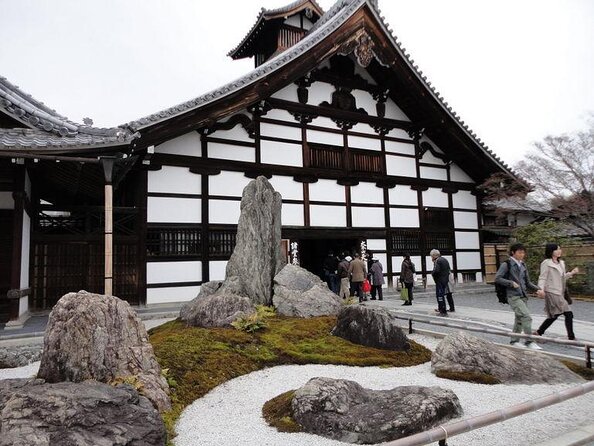
The tour begins at the north taxi stand outside Saga-Arashiyama Station, at Sagatenryuji Kurumamichicho. This is a practical meeting point near public transportation, but you should arrive early and confirm the exact station entrance before setting out. A missed meeting can end the day before it starts. The guide and group wait only a limited time, and late arrivals may not be able to join.
From the station, the route heads into the Arashiyama area on foot. That matters because the district can feel confusing when crowds fill the main roads. A guide gives you a clear route and keeps the day moving without turning it into a rushed march.
The tour lasts about five hours. The listed stops add up to roughly four hours and 25 minutes, before walking between them, so the schedule is best viewed as a half-day outing with a full walking component. Depending on the lunch location and the pace of the group, the finish may be closer to mid-afternoon.
Half-day trips around Japan:
- Kanazawa: Half-Day Private Tour – Garden, Castle, Geisha
★ 5.0 · 10 reviews - From Paris: Giverny, Monet’s Home & Gardens Half-Day Trip
★ 4.5 · 2,887 reviews - From Avignon: Half-Day Lavender Tour of Luberon
★ 4.8 · 232 reviews
Hokyoin Temple and a quieter Kyoto
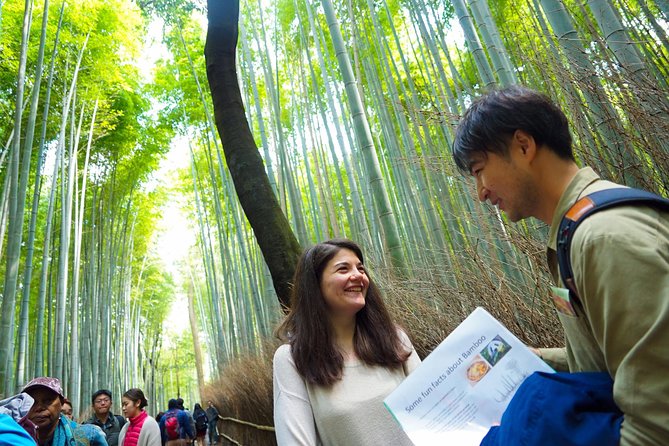
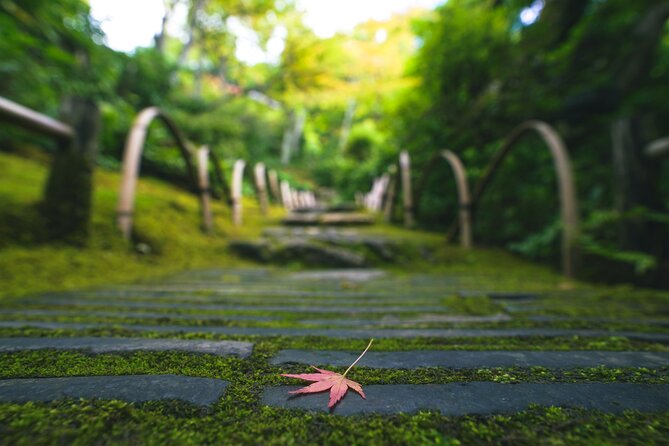
The first stop, Hokyoin, offers a softer introduction to Arashiyama than the famous bamboo path. The garden has the calm, traditional atmosphere many people hope to find in Kyoto, with space to slow down and notice details rather than simply take a quick picture.
Your guide can provide context about the temple and the way Japanese gardens are arranged. This is one of the places where a small group helps. You can ask why a garden is designed in a certain way or how Buddhist ideas shape the setting without holding up a large crowd.
The scheduled visit is only about 15 minutes, so do not expect a long meditation session. Still, it sets the tone for the rest of the walk and gives you an early taste of the quieter side of Arashiyama.
Sagaogurayama and the less-visited paths
The longest stop is in the Sagaogurayama area, where you spend about an hour exploring lesser-known corners of Arashiyama. This is a useful counterpoint to the famous bamboo grove. The district has more to offer than one narrow lane packed with people holding cameras.
The value here comes from the guide’s route and local explanations. Josh, Ayuri, and other guides were praised for bringing the area’s customs and stories to life, while also pointing out places away from the main tourist flow. You may pass small shops, temple grounds, and peaceful viewpoints, depending on the day’s route and conditions.
This section also helps you understand why a walking tour can be worth paying for in a district that is technically easy to reach on your own. The guide removes much of the guesswork. You do not have to spend your limited Kyoto time studying maps or wondering which side street leads somewhere worthwhile.
The bamboo forest without stopping at one postcard view
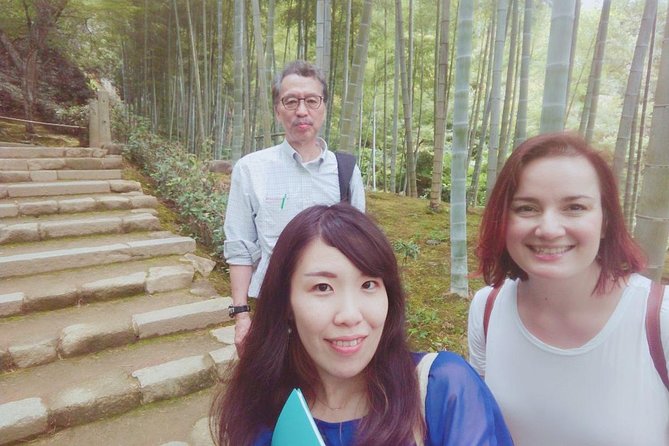
The Bamboo Forest Street appears next, with about 15 minutes set aside for the grove. The bamboo is genuinely impressive. The stalks rise high above the path, and the filtered light gives the place its familiar appearance.
But fifteen minutes is not a long time. The stop is designed for seeing the grove and taking photographs, not for wandering every path in the surrounding hills. If the area is crowded, your guide’s timing and route may help, but no tour can guarantee an empty bamboo lane.
I like that the bamboo forest is only one part of the day. If this were a stand-alone bamboo photo tour, the price would be harder to justify. Here, it acts as one chapter in a broader look at Arashiyama, surrounded by gardens, temples, food, and cultural explanation.
More Garden Tours in Japan:
- Osaka: teamLab Botanical Garden Entry Ticket
★ 4.5 · 1,710 reviews - Imperial Palace East Garden and Edo Castle Walking Tour in Tokyo
★ 5.0 · 510 reviews - Kyoto Zen Meditation & Garden Tour at a Zen Temple with Lunch
★ 5.0 · 441 reviews - Tokyo: Imperial Palace East Gardens Walking Tour
★ 4.8 · 353 reviews
Okochi Sanso Garden and mountain views
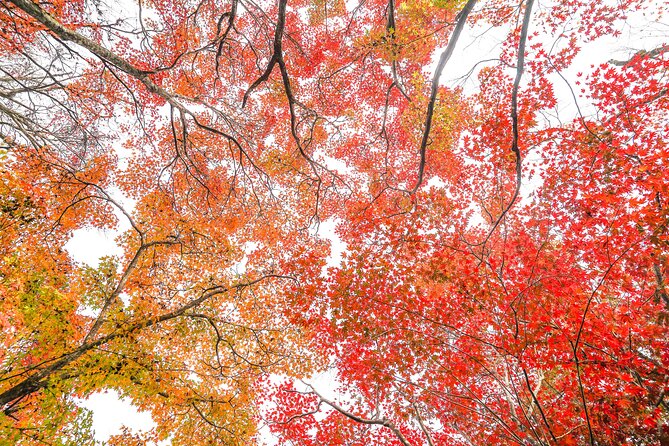
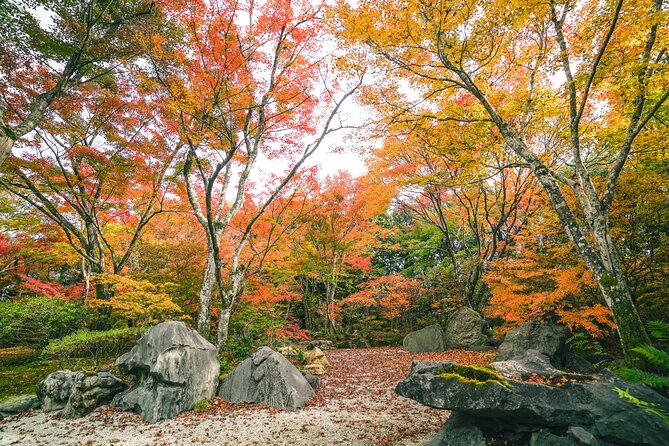
Okochi Sanso Garden receives about 45 minutes. This is one of the more scenic stops, with carefully arranged gardens and views toward the surrounding mountains and Kyoto area. It gives you a chance to enjoy the setting at a slower pace after the crowds of the bamboo route.
The admission to the Japanese garden is included as part of the tour’s entrance fees. That helps with the overall value, since the walk includes several paid cultural sites rather than only public streets and free paths.
Your guide can help explain what you are seeing, but you also get time to look around without a constant stream of commentary. One of the best features of this tour is that it balances instruction with quiet pauses. In hot weather, those pauses matter.
Matcha, tea snacks, and useful cultural details
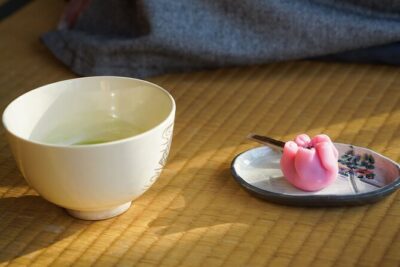
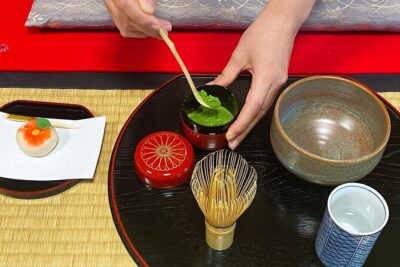
The experience includes matcha with a small tea ceremony snack. This is not presented as a long formal tea ceremony, but it adds a welcome cultural touch to the walking route.
Guides have also used visual aids and hands-on explanations to show how shrines, temples, and Japanese customs differ. Ayuri was praised for including a kanji lesson and explaining traditions in a clear way. These small details can make the visit more useful than a simple procession from one famous site to the next.
The quality of the guiding is central here. Yumi’s visual aids, Josh’s humor and storytelling, and Ayuri’s care with the group each point to the same strength: the best version of this tour depends on the person leading it. Guide assignments can change, so book this for the structure and subject matter rather than expecting one specific guide.
Lunch near Togetsukyo Bridge
Near Togetsukyo Bridge, you stop for an authentic Kyoto-style lunch. The meal is included, and it is one of the strongest reasons the price feels reasonable. Descriptions of the lunch include elegant Japanese dishes, vegetarian kaiseki, and a serene dining setting.
This is not just a quick bowl of noodles grabbed between sights. The meal gives you a chance to see how a Japanese lunch is presented and to ask what each item is and how it is eaten. Guides have explained the dishes at the table, which is especially useful if you are unfamiliar with Japanese cuisine.
Dietary planning is important. Vegetarian, vegan, and gluten-free meals are limited, and you must request them at least one day before the tour. The operator cannot guarantee allergy-free food or substitutions because the meal is prepared in kitchens it does not control. Requests made on the day cannot be accommodated.
Additional food and drinks are not included, though they are available for purchase. The lunch location can also affect where the tour ends, so do not plan an exact final activity immediately afterward.
Tenryuji Temple and Zen garden design
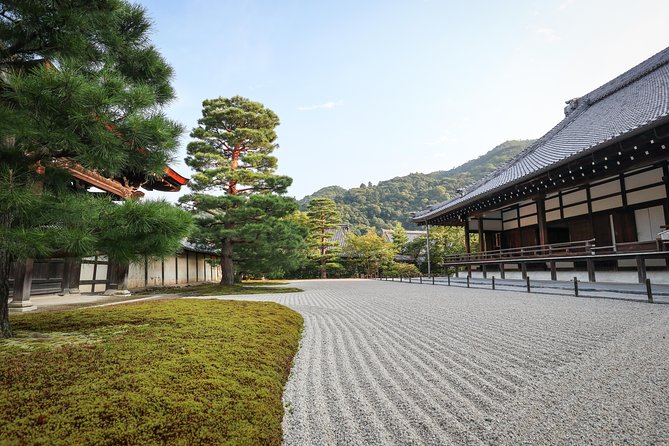
Tenryuji Temple is the major religious site on the route. This 14th-century temple and World Heritage site is known for its Japanese garden and Zen paintings. The scheduled visit lasts about 30 minutes, with the guide explaining the setting and its religious background.
Half an hour is enough for an introduction, but not for every room, garden corner, and painting. If Tenryuji is high on your Kyoto list, you may want to return independently for more time. The tour gives you a thoughtful first look and helps you understand what you are seeing, rather than replacing a longer visit.
The temple also brings a useful balance to the day. The bamboo grove supplies the famous visual moment, while Tenryuji gives you a better sense of the religious and artistic traditions that shaped this part of Kyoto.
Wear respectful clothing at the Buddhist and Shinto sites. The dress guidance is simple, but important. This is a cultural visit, not only a sightseeing walk.
Ending by Togetsukyo Bridge and the souvenir street
The tour ends near Togetsukyo Bridge or the main souvenir street, usually after about 20 minutes around the bridge area. Togetsukyo crosses the Katsura River and provides one of Arashiyama’s classic views.
This is a convenient finish. You can continue shopping, take more photographs, or make your own plans around the river. The exact endpoint may change according to the lunch restaurant, so treat the stated finish as a general area rather than a precise drop-off.
The bridge is also a good place to understand the character of Arashiyama. After temples and garden paths, the river opens the view and gives the day a natural closing point.
How much walking should you expect?
Plan for serious walking. The tour is not recommended for people with mobility issues, and a private tour is suggested if you have difficulty walking. Even for fit visitors, warm weather can make the route feel longer than the distance suggests.
One reported outing reached about 28,000 steps. That figure may not apply to every group, but it is a useful warning. Wear supportive walking shoes, bring water, and prepare for changing conditions.
Kyoto’s weather can be extreme. Summer temperatures may reach 40°C, while winter lows can fall to -5°C. The tour may be canceled for unsafe weather, so dress for the season and keep your schedule flexible.
Is $129.33 a fair price?
At $129.33 per person, this is not a budget walk. The value depends on how much of the day’s content you would otherwise arrange yourself.
The fee includes a certified guide, entrance fees to two temples and one Japanese garden, lunch, matcha with a small tea snack, and tour photos. You also get a small group capped at seven, which is a meaningful advantage over a large coach tour. Add the route planning and cultural explanations, and the package is fairly priced for someone who wants a structured half-day.
The value is weaker if you only want the bamboo forest and Togetsukyo Bridge. Both can be visited without this tour, and the bamboo stop itself is brief. The price makes more sense if you want the quiet gardens, Tenryuji context, included meal, and personal guidance.
Free cancellation is available up to 24 hours before the start time. Changes or cancellations inside that window are not refunded.
Who should book this Arashiyama walk?
I would choose this tour if you want more than photographs and prefer to understand the places you visit. It suits first-time visitors who want a well-planned introduction to Arashiyama, food lovers interested in a traditional Japanese meal, and people who enjoy asking questions as they walk.
It is also a good fit if you have only half a day for the district but do not want to spend that time sorting out a route. The small group and included admissions remove several practical headaches.
I would skip it if you dislike fixed schedules, want long independent visits at each temple, or have limited walking ability. The day can feel long, especially in summer. The bamboo forest is not the main event for the full five hours, and that is either the tour’s strength or its weakness, depending on what you came to see.
FAQ
How long does the Arashiyama walking tour last?
The tour lasts approximately five hours. The listed sightseeing stops take about four hours and 25 minutes, with walking and lunch included in the overall schedule.
Where does the tour begin?
It begins at the north taxi stand outside Saga-Arashiyama Station, at Sagatenryuji Kurumamichicho, Ukyo Ward, Kyoto.
Where does the tour end?
It generally ends near Togetsukyo Bridge or the main souvenir street. The exact location may change based on the location of the lunch restaurant.
How many people can join the tour?
The maximum group size is seven people.
Is lunch included?
Yes. An authentic Kyoto-style lunch is included, along with a matcha drink and a small tea ceremony snack.
Can I request a vegetarian, vegan, or gluten-free meal?
You can request one, but availability is limited. You must make the request at least one day before the tour, and allergy-free meals or substitutions cannot be guaranteed.
Are entrance fees included?
Yes. The tour includes entrance fees to two temples and one Japanese garden.
Is the tour suitable for people with mobility issues?
No. The tour is not recommended for people with mobility issues because it involves substantial walking. A private tour is suggested for anyone who has difficulty walking.
What happens if the weather is unsafe?
The tour may be canceled if the weather is unsuitable for safety reasons. Kyoto can reach about 40°C in summer and fall to around -5°C in winter, so prepare for the season.
Should you book it?
Book this tour if you want Arashiyama’s famous bamboo grove plus the quieter gardens, temple art, local customs, and a proper Japanese lunch. The small group, included admissions, and strong guide-led cultural content make it a useful first visit.
Skip it if the bamboo forest is your only goal or if five hours of walking sounds tiring. For most active visitors who want a fuller picture of Arashiyama, the mix of scenery, food, and clear local guidance makes the $129.33 price a reasonable trade for a well-organized half-day.
Just added around Japan
- Himeji: Himeji Castle & Kokoen Garden 3.5-Hour Guided Tour★ 4.9 · 30 reviews
- Tokyo: Ashikaga Flower Park with Entry Ticket★ 5.0 · 3 reviews
- 1-Day Tour from Okayama: Kurashiki, Gardens & Okayama Castle★ 5.0 · 2 reviews
- Osaka: Daytime Hanami (Cherry Blossom) and Food Tour★ 4.7 · 7 reviews
- Private Car Day Trip to the Kobe Mountains, Gardens and Hot Springs from Osaka★ 4.5 · 16 reviews
- Private Car Full Day Tour of Osaka Temples, Gardens and Kofun Tombs★ 5.0 · 24 reviews
- Experience Crafting a Flower-Adorned Mini Japanese Garden★ 4.7 · 15 reviews
- Kanazawa: Half-Day Private Tour – Garden, Castle, Geisha★ 5.0 · 10 reviews
Japan Garden Tours, compared.

Kyoto Zen Meditation & Garden Tour at a Zen Temple with Lunch
Read our review →
Kyoto Kiyomizu Tea Ceremony with Scenic Garden Views
Read our review →
Kanazawa: Samurai, Matcha, Gardens and Geisha Full-Day Tour
Read our review →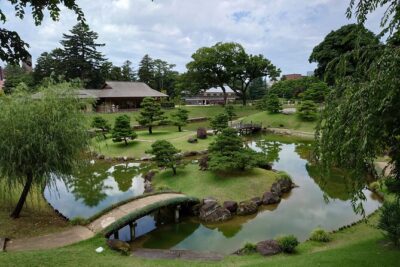
Full-Day Tour from Kanazawa: Samurai, Matcha, Gardens and Geisha
Read our review →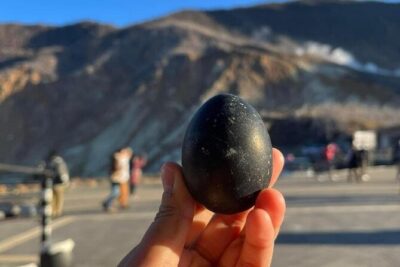
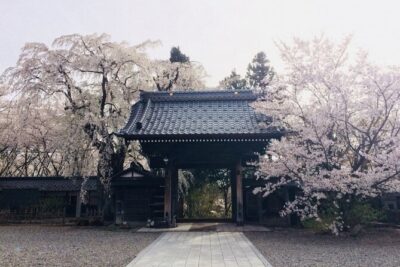
Nagano Spring: 1-Day Cherry Blossoms & Snow Monkeys Guided Tour
Read our review →Browse the lists this tour appears in