
Review · KYOTO GARDEN TOURS
Kyoto Spring Evening (Cherry Blossom) Food Tour
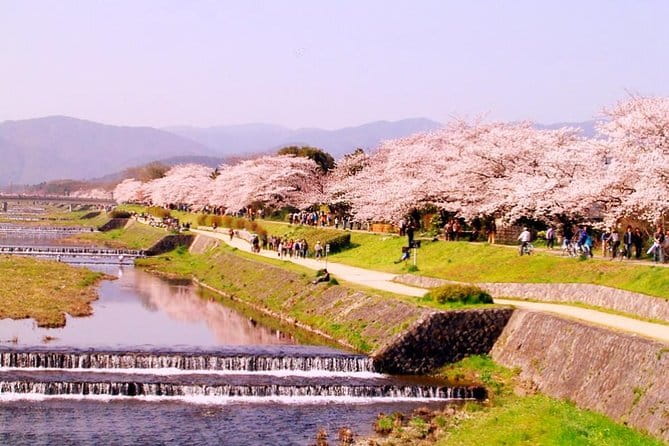
Kyoto’s cherry blossom season can feel crowded, but this evening walk takes you into the quieter Demachiyanagi area, where hanami means more than taking a quick photo beneath a tree. You’ll move through shrines, temple grounds, a shopping arcade, and local food stops, ending with a seasonal dinner.
I like the small group limit of 10 and the chance to taste spring food with a guide instead of guessing your way through unfamiliar shops. I also like the mix of local streets and major cultural sites, from Kawai Jinja and Tadasu no Mori to Shimogamo Jinja. The main drawback is price: at $217 per person, you pay a premium for a three-hour outing that you could partly copy on your own.
Key points at a glance
- A 4:30 pm start lets you see Kyoto shift from late afternoon into evening during cherry blossom season.
- Demachiyanagi Shopping Street adds everyday Kyoto life, with local snacks, sweets, and shopping time.
- Hanami with food and two drinks gives the blossom viewing a cultural and social purpose.
- Kawai Jinja, Tadasu no Mori, and Shimogamo Jinja bring shrines, woodland paths, and local tradition into one walk.
- A seasonal restaurant dinner is included, though extra food, drinks, transport, and gratuity cost more.
- Vegetarian and pescatarian options are available, and the group can include up to 10 people.
A quieter Kyoto evening under the cherry trees
The appeal here is not simply seeing sakura. Kyoto has plenty of famous blossom spots, and some are packed during peak spring weeks. This tour focuses on Demachiyanagi, a district where temples, shrines, shopping streets, and riverside life come together without making the evening feel like a race between photo stops.
You meet at Demachiyanagi Station at 4:30 pm. The exact meeting point is 32-1 Tanaka Kamiyanagicho in Sakyo Ward, and the tour returns there at the end. Since hotel pickup is not included, you need to reach the station yourself or arrange pickup for an additional fee.
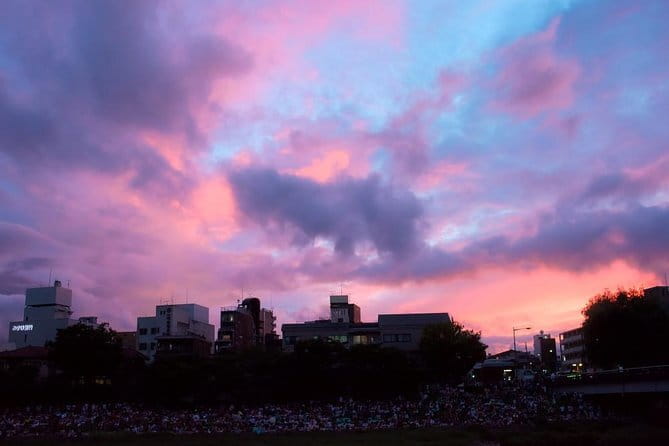
I like the timing. Three hours is long enough for a proper meal and several stops, but short enough to fit around other Kyoto plans. The late afternoon start also gives you changing light for the walk, though blossom timing and daylight can vary with the date.
The tour is offered in a setting where spring food matters as much as spring scenery. A guide can explain why certain ingredients appear at this time of year and help you make sense of small sweets or snacks that might otherwise seem mysterious. One earlier participant described the food as a way to understand the importance of seasonality in Japanese cooking, which is exactly the kind of context that can make a tasting worthwhile.
More Cherry Blossom Tours in Japan
- Guided Kyoto City Cherry Blossom One Day Private Tour
★ 5.0 · 16 reviews - Private & Unique Kyoto Cherry Blossom “Sakura” Experience
★ 5.0 · 5 reviews - Mt. Fuji, Cherry Blossom & Shiba Sakura Pvt. Day Tour
★ 5.0 · 326 reviews
Demachiyanagi Station and the local shopping arcade
The station is more than a practical meeting point. Demachiyanagi places you near the northern end of central Kyoto, close to the Kamo River and the path toward Shimogamo Jinja. From here, the group starts its walk through the district.
The shopping arcade is one of the more useful parts of the evening. A Japanese shotengai is a local covered or semi-covered shopping street, often lined with small food shops and neighborhood businesses. Here, you get time to browse, try local and seasonal snacks, and see a side of Kyoto that is less polished than the main temple corridors.
That matters because food tours can easily become a string of restaurant reservations. This one includes the small purchases and quick tastes that help you see how people shop for ordinary treats. You should still expect the pace to depend on the group and the businesses open that day. Restaurant schedules, holidays, weather, and other local conditions can cause substitutions.
Two drinks are included during the experience. Additional drinks and food are available at your own cost, so bring a little extra money if you want to buy something beyond the included tastings and dinner.
Kawai Jinja and the meaning behind the stops
Kawai Jinja is one of the shrines associated with the Shimogamo area. It gives the walk a more reflective pause after the food sampling begins. The tour is not only about looking at blossoms, and the shrine stops help place spring customs within Kyoto’s religious setting.
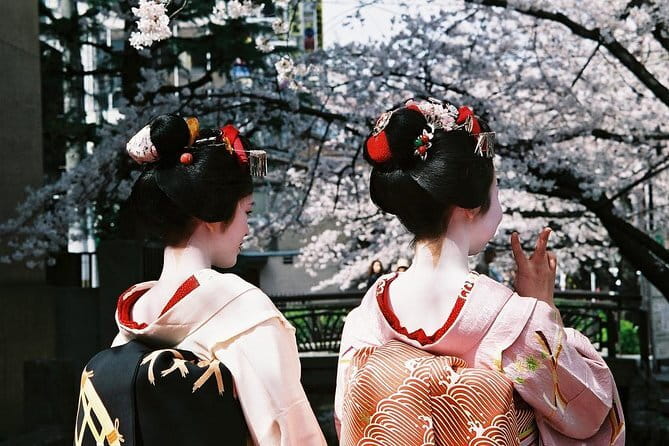
You may hear stories about the area and the traditions connected with hanami. One of the strongest elements of the experience is the guide’s storytelling. A previous participant specifically praised the historical explanations, saying they made the scenery feel more alive. That is important here because the tour does not rely on grand admission attractions. Much of its value comes from what the guide points out and explains while you walk.
Kawai Jinja is also a good example of the tour’s balance. You are not spending all three hours in shops or at dinner. Instead, the route moves between food, sacred places, trees, and ordinary streets.
Kyoto Imperial Palace and Botanical Gardens
The route includes the Kyoto Imperial Palace and Kyoto Botanical Gardens, but the supplied schedule does not promise extended admission or a full interior visit at either site. Treat these as points connected with the walk rather than guaranteed, in-depth tours of every garden and building.
That distinction matters. The three-hour format has to cover food tastings, a hanami stop, a restaurant meal, and several cultural locations. If you want a detailed visit to the Imperial Palace or the Botanical Gardens, plan separate time for it.
Still, their presence gives the evening a wider sense of Kyoto. The Imperial Palace represents the city’s former courtly center, while the Botanical Gardens provide a spring setting that may be especially appealing during blossom season. The guide may adjust the route based on opening schedules, weather, or other conditions, so the precise order and time spent at each spot can change.
More Cherry Blossom Tours in Kyoto:
- The DC Cherry Blossom Bus Tour with Tidal Basin Guided Walk
★ 4.5 · 151 reviews - National Mall & Cherry Blossoms Tour with Optional Museum Tickets
★ 4.5 · 112 reviews - Washington DC Cherry Blossoms By Bike Tour
★ 4.5 · 88 reviews - Washington: Cherry Blossom Tour
★ 4.5 · 61 reviews
Honmanji Temple and the walk through Tadasu no Mori
Honmanji Temple adds another temple stop to the route. As with the other cultural sites, the draw is the combination of place and explanation rather than a long formal visit. You are moving through a part of Kyoto where religious buildings and local neighborhoods sit close together.
Tadasu no Mori is especially fitting for a cherry blossom walk. This woodland area belongs to the grounds associated with Shimogamo Jinja and offers a change from the shopping arcade and paved city streets. You might find the contrast pleasant: first a snack in a neighborhood shop, then a quieter path beneath trees.
The walk does require some time on your feet. The tour lasts about three hours and includes several stops, so comfortable shoes are sensible. The supplied information does not give a distance or a detailed accessibility statement, but most people can participate and the route is near public transportation.
Shimogamo Jinja and a real hanami pause
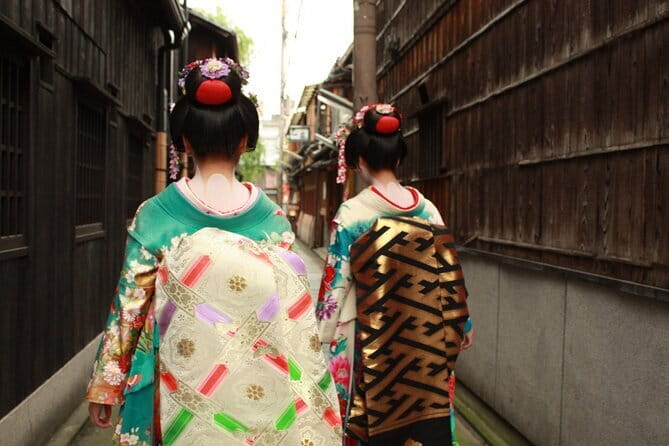
Shimogamo Jinja is one of the main cultural anchors of the outing. Along with Tadasu no Mori and Kawai Jinja, it gives the tour a strong connection to the Demachiyanagi area rather than treating cherry blossoms as scenery without context.
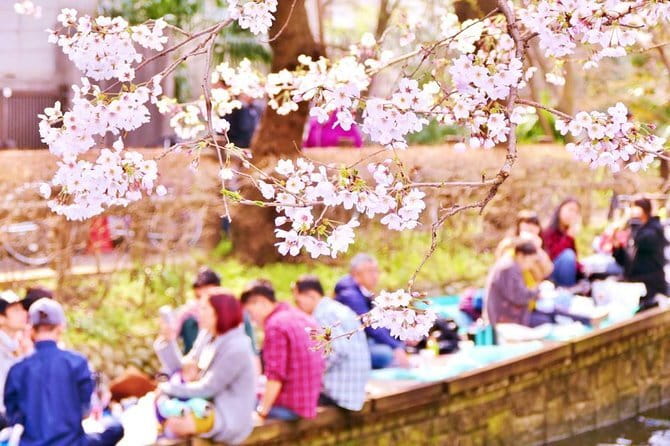
The hanami portion is described as a stroll and picnic with a local guide. That is a useful difference from a simple blossom photo stop. Hanami is traditionally a social occasion, and sitting down with food and drinks lets you experience that custom in a small, practical way.
You should not expect a huge festival setup or an elaborate catered banquet. The appeal is more modest: seasonal food, two drinks, blossoms, and time to enjoy the setting. Weather can affect this portion directly. If conditions are poor, the tour may be canceled, with the choice of another date or a full refund.
Seasonal dinner at a classic restaurant
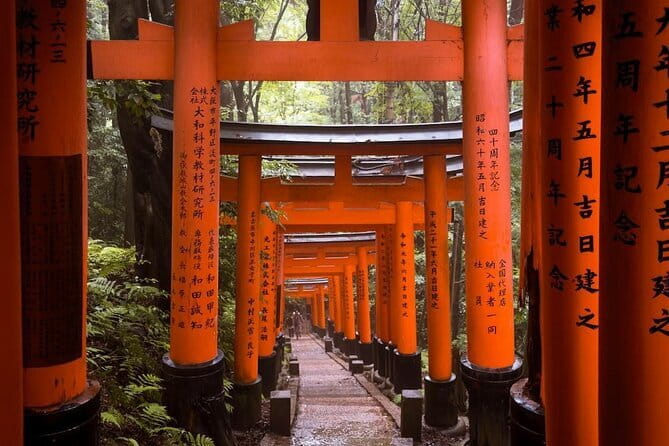
Dinner is the most substantial inclusion. You receive a meal of local and seasonal dishes at a classic restaurant, not just a collection of samples. The menu is not specified in advance, so you should be open to substitutions and changes tied to restaurant schedules and seasonal supply.
This is where the price becomes easier to assess. If you booked the food, drinks, guide, and cultural stops separately, the costs could add up. Yet the tour is still expensive at $217 per person, especially for only three hours. You are paying for convenience, interpretation, a small group, and access to a planned evening rather than simply paying for the food itself.
I would book it if you want someone else to handle the route and explain what you are eating. I would skip it if you enjoy planning your own walks, reading about shrines beforehand, and choosing inexpensive snacks from the shopping street.
Vegetarian and pescatarian diners are accommodated. The information does not promise every dietary need, so contact the provider before booking if you have allergies or strict restrictions. The minimum drinking age is 21, although two drinks are included as part of the experience.
What the guide adds, and where expectations matter
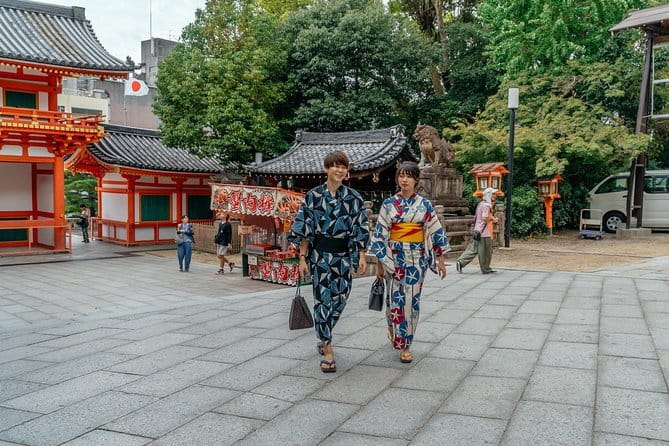
The strongest possible reason to book is the human element. A guide can connect a sweet, a shrine, and a cherry tree in a way that a self-guided map cannot. One guide named in the feedback was Lauren, who led a particularly well-liked evening. Guide assignments can change, so you should not assume she will lead your date.
The group size is capped at 10. That is small enough for questions and conversation without making the evening feel like a large bus excursion. One weakness in the feedback involved waiting for other members of a small group to arrive. Arrive on time at Demachiyanagi Station, and remember that a late start can reduce time at the stops.
The feedback is mixed overall. Some people found the evening a beautiful way to experience Kyoto and appreciated the food and explanations. Another person felt the tour cost far more than doing a similar route independently. Both reactions are fair.
The key question is what you want to buy. You are not buying rare access to a monument. You are buying a planned route, a local guide, included food and drinks, a restaurant dinner, and the comfort of having someone manage the evening during one of Kyoto’s busiest seasons.
Who will get the most from this three-hour tour
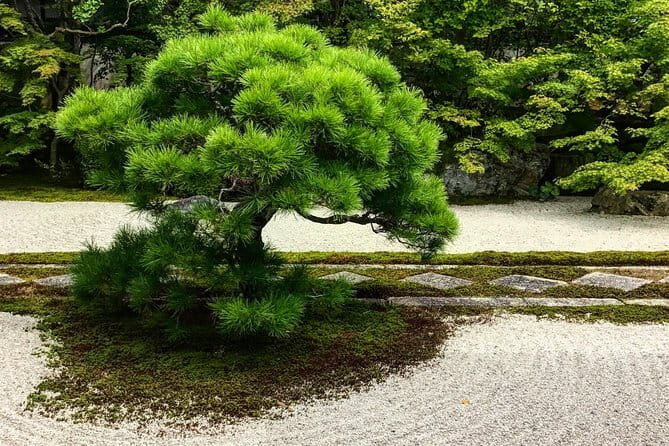
This outing suits you if you want a gentle introduction to Kyoto’s spring customs and prefer food to be part of your sightseeing. It also works well for people who enjoy small groups, short walking tours, and a set dinner rather than making several evening decisions after a long day.
Families can join, but children must be accompanied by an adult. A copy of passport information is required for children aged 10 and above. Solo participants should email the provider before booking, so the company can confirm arrangements.
Vegetarians and pescatarians have a clear advantage here because those options are listed in advance. People seeking a fully customizable food tour should ask questions before paying, since the restaurant menu and route can change.
You should be comfortable with public transportation and walking to the meeting point. Transportation costs are not included, and hotel pickup costs extra. The activity ends back at Demachiyanagi Station, which makes it easier to continue your evening from the same part of Kyoto.
Price, timing, and cancellation details
At $217 per person, this is a splurge. The inclusion of a seasonal restaurant dinner, snacks, sweets, two drinks, and a three-hour guided route gives the price some justification, but it remains poor value for anyone who mainly wants to see cherry blossoms.
The tour is often booked far ahead, with an average booking time of 321 days in advance. That figure suggests you should not leave a popular spring date until the last minute, especially if your Kyoto schedule is fixed.
A mobile ticket is provided, and confirmation arrives when you book. Free cancellation is available until 24 hours before the local start time. Changes made inside that window are not accepted and the payment is not refunded. If weather is poor or too few people sign up, the provider can offer another date or experience, or issue a full refund.
Should you book the Kyoto Spring Evening Food Tour?
Book this tour if you want a ready-made cherry blossom evening with food, stories, and a small group. The combination of Demachiyanagi’s shopping street, Kawai Jinja, Tadasu no Mori, Shimogamo Jinja, hanami, and a seasonal dinner gives you more range than a simple restaurant booking.
Skip it if you are watching your budget or enjoy independent exploring. You can walk through the district, visit the shrines, shop for snacks, and arrange your own picnic for much less.
For the right person, the value is not in saving money. It is in having a local guide shape a short spring evening into one clear experience. Just arrive on time, check the food requirements in advance, and accept that weather and local schedules may change the route.
FAQ
Where does the tour begin?
It begins at Demachiyanagi Station, at 32-1 Tanaka Kamiyanagicho, Sakyo Ward, Kyoto, 606-8205, Japan.
What time does the tour start?
The tour starts at 4:30 pm.
How long does the tour last?
The experience lasts approximately three hours.
Where does the tour end?
It ends back at the meeting point at Demachiyanagi Station.
Is hotel pickup included?
No. Hotel pickup is not included, but it can be arranged for an additional charge.
What food is included?
You receive various tastings of local snacks and sweets, plus a seasonal and local dinner at a restaurant.
Are drinks included?
Yes. Two drinks are included. Additional food and drinks can be purchased at your own expense.
Is the tour suitable for vegetarians and pescatarians?
Yes. Vegetarian and pescatarian options are available.
Can children join?
Yes. Children must be accompanied by an adult. A copy of passport information is required for children aged 10 and above.
What happens if the tour is canceled?
If poor weather or an insufficient number of bookings causes cancellation, you can choose another date or experience, or receive a full refund.
Food tours around Kyoto
- Balinese Vegan Cooking Class with Fresh Harvesting & Garden Tour
★ 5.0 · 86 reviews - Sorrento: Walking Tour in Lemon Garden w/ Food Tasting
★ 4.8 · 72 reviews - Lake Maggiore Gourmet: Gardens, Lake Cruise, & Food Tasting
★ 4.5 · 19 reviews - Versailles: Farmers Market & Royal Vegetable Garden Food Tour
★ 5.0 · 11 reviews
Just added around Kyoto
- Kyoto Hidden Treasures: Special Temple & Garden Access Tour★ 4.5 · 25 reviews
- Stunning Private Tea Ceremony: Camellia Garden Teahouse★ 5.0 · 28 reviews
- Kyoto ITALIAN GUIDE Golden Pagoda Bamboo Forest Dry Garden★ 4.0 · 2 reviews
- Kyoto: Kinkaku-ji Temple & Serene Garden Guided Tour with Tickets★ 5.0 · 9 reviews
- Guided Kyoto City Cherry Blossom One Day Private Tour★ 5.0 · 16 reviews
- Kyoto Japanese Garden Lover’s Private Tour with Government-Licensed Guide★ 4.5 · 10 reviews
- Bamboo Grove Temple and Garden Views Tour★ 5.0 · 41 reviews
- Private & Unique Kyoto Cherry Blossom “Sakura” Experience★ 5.0 · 5 reviews
Kyoto Garden Tours, compared.
Kyoto Zen Meditation & Garden Tour at a Zen Temple with Lunch
Read our review →
Kyoto Kiyomizu Tea Ceremony with Scenic Garden Views
Read our review →
Stunning Private Tea Ceremony: Camellia Garden Teahouse
Read our review →
Kyoto Hidden Treasures: Special Temple & Garden Access Tour
Read our review →
Guided Kyoto City Cherry Blossom One Day Private Tour
Read our review →Browse the lists this tour appears in