
Review · TOKYO GARDEN TOURS
Tokyo: Tsukiji Market and Hama-rikyu Gardens Guided Tour
Tsukiji Market is the heart of this walking tour, where narrow lanes lead past seafood, produce, grilled scallops, tamagoyaki, sushi, wagyu skewers, and matcha sweets. You get a close look at everyday Japanese food culture, then trade the market’s noise for the calm ponds and flowers of Hama-rikyu Gardens.
I like the easy mix of food and history, especially the short visit to Tsukiji Hongwanji Temple before the market. I also like the price: at $31, the tour includes a local guide and garden admission, while leaving you free to choose only the snacks you want.
The main drawback is the pace. You walk for much of the 150 minutes to three hours, and food purchases are not included. The information also gives conflicting accessibility notes, so anyone using a wheelchair or managing a mobility limitation should confirm suitability before booking.
Key points to know before you book
- Three very different stops: Visit Tsukiji Hongwanji Temple, Tsukiji Market, and Hama-rikyu Gardens in one compact outing.
- A serious food stop: Tsukiji handles about 480 types of seafood and 270 types of produce, with plenty to sample at your own cost.
- A peaceful finish: Hama-rikyu’s Edo-period garden offers ponds, flowers, and a striking view of Tokyo’s skyline.
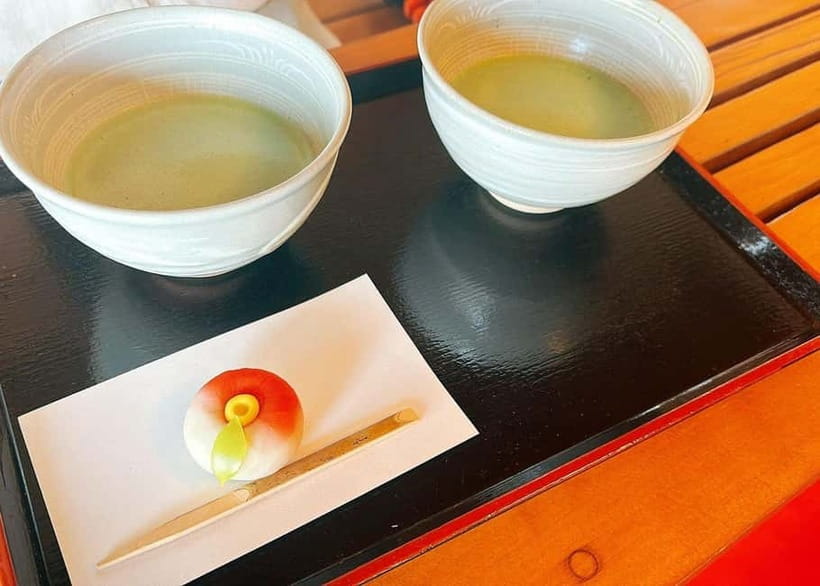
- Optional tea break: Matcha and wagashi cost about 1,000 yen on site and include a chance to learn Japanese etiquette.
- Walking matters: The route includes a 15-minute walk between the market and garden, plus plenty of time on foot.
- Good value at $31: Garden admission and guiding are included, but transport, meals, and market food are extra.
Why this Tokyo walk works so well

Tokyo can feel like a wall of towers, trains, and people moving at full speed. This tour gives you three different views of the city in a short time: a striking temple, a working food market, and a quiet garden with the skyline behind it.
The route is not built around a single grand sight. Its appeal is the change of mood. You begin in a sacred setting, move into the smells and sounds of Tsukiji, then finish among ponds and flowers. That makes the tour useful early in a Tokyo visit, when you want an introduction to the city that goes beyond shopping streets and observation decks.
You also get a guide to explain what you are seeing. At Tsukiji, that matters. The market’s range can be hard to grasp on your own, especially when you are looking at unfamiliar seafood, produce, utensils, and prepared foods. The guide can give the market a story instead of leaving you to wander without context.
The activity is offered in English, Chinese, French, Korean, and Spanish. A live guide makes this more than a simple route between three places, though the quality of your experience will naturally depend on the individual guide and the size of the group.
More Garden Tours in Tokyo:
- Imperial Palace East Garden and Edo Castle Walking Tour in Tokyo
★ 5.0 · 510 reviews - Tokyo: Imperial Palace East Gardens Walking Tour
★ 4.8 · 353 reviews - Mt. Fuji, Cherry Blossom & Shiba Sakura Pvt. Day Tour
★ 5.0 · 326 reviews
Starting at Tsukiji Hongwanji Temple
Meet your guide in front of the Starbucks Coffee near Tsukiji Station. From there, the first stop is Tsukiji Hongwanji Temple, with about 15 minutes for a guided visit.
The temple is known for unusual architecture and a calm atmosphere. That short stop gives you a quiet start before the market. You can pause, look closely at the building, and spend a few peaceful minutes in a part of Tokyo that feels far removed from the city’s commercial rush.
Fifteen minutes is not enough for a long architectural study, and that is worth keeping in mind. This is an introduction, not a full temple tour. Still, the timing works. You get a sense of the place without using up the hour you will want for the market and garden.
I like this order. Starting with the temple helps you get your bearings and gives the tour a clear rhythm. You are not dropped straight into food stalls before the guide has explained where you are.
Eating your way through Tsukiji Market
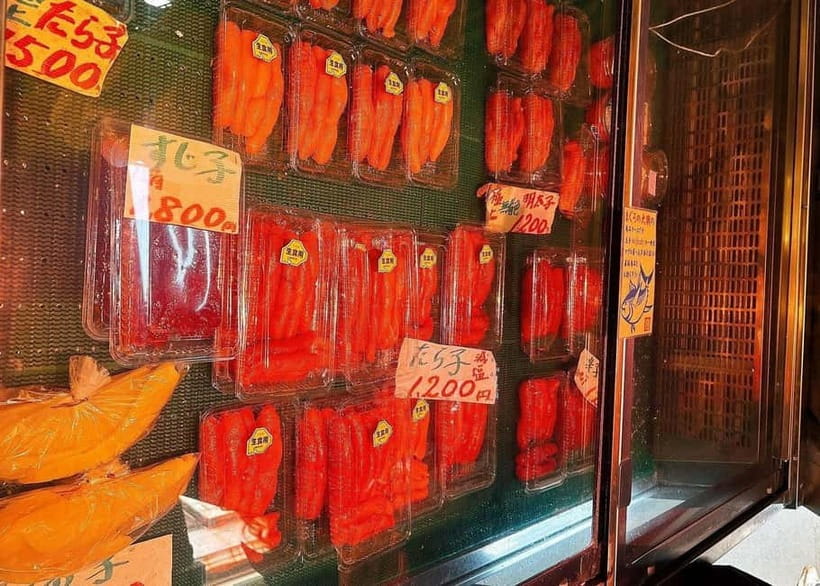
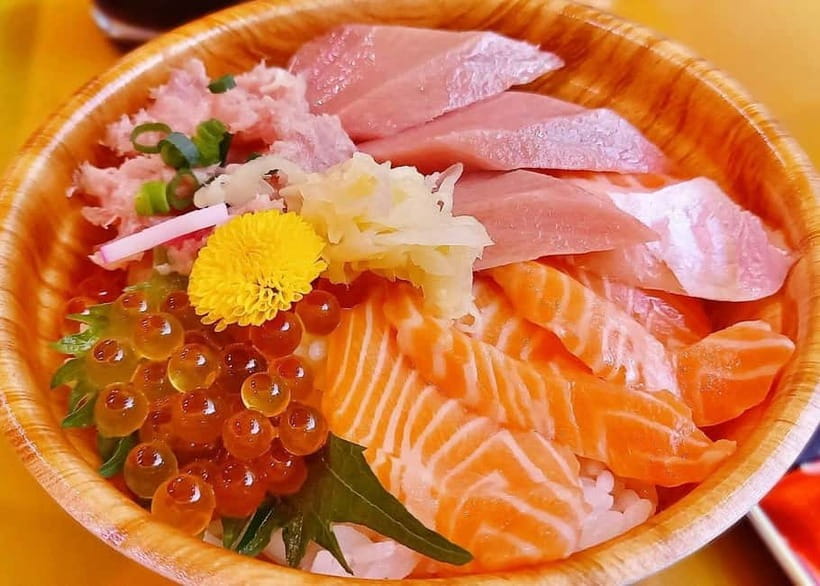
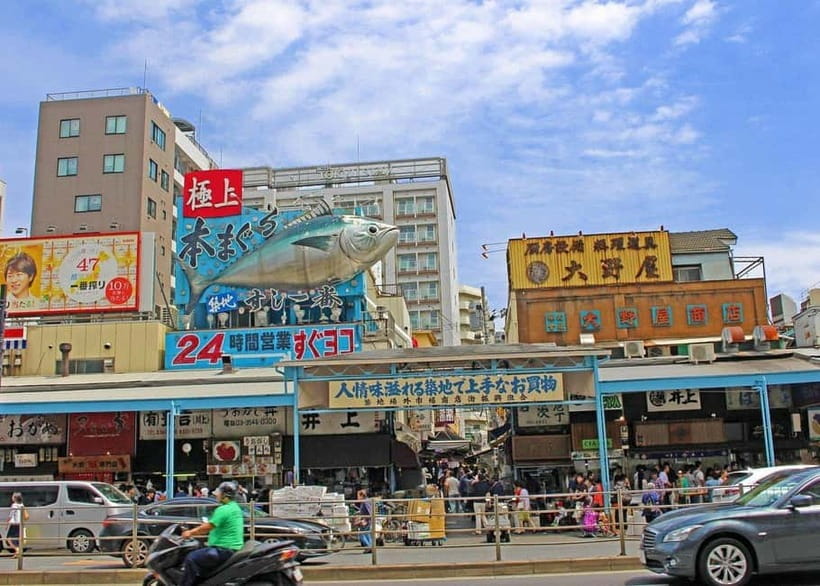
The main stop lasts about 45 minutes, including guided time, free time, and shopping. Tsukiji is described as one of Tokyo’s central wholesale markets, with an 83-year history and an enormous range of goods. About 480 types of seafood and 270 types of produce pass through the market, so even a short walk can show you a remarkable variety.
The market is best treated as a place to look, smell, taste, and ask questions. You move through narrow alleys while the guide explains the market’s role and the food traditions connected to it. You might see ingredients that you recognize, along with others that need explanation.
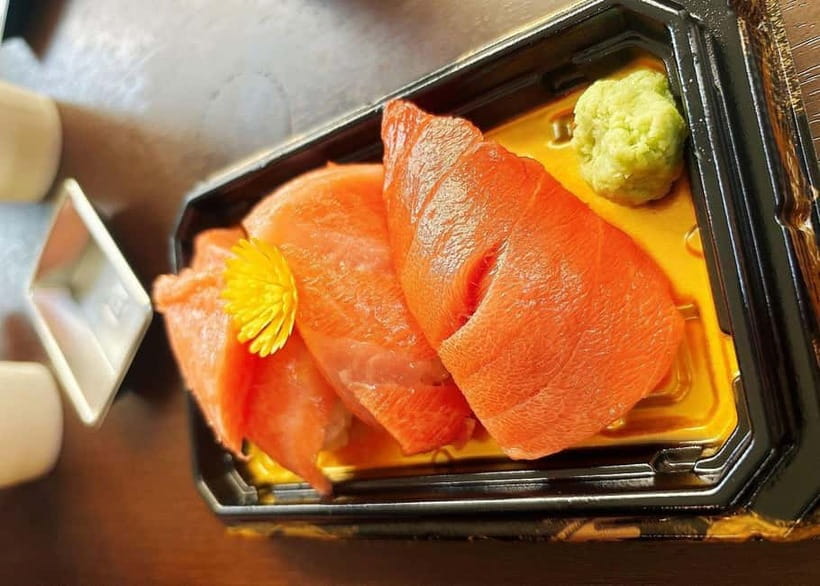
Food is not included in the tour price. That is actually a useful arrangement for many people. You can spend very little by simply walking and observing, or build your own tasting menu from the stalls. Suggested choices include grilled scallops, tamagoyaki, sushi, wagyu skewers, and matcha sweets.
Tamagoyaki is a Japanese omelette with a soft, layered texture. It is a simple choice if you want a quick bite rather than a full meal. Grilled scallops and wagyu skewers are more substantial, while sushi gives you the most direct connection to the market’s seafood focus. Matcha sweets offer an easy finish if you prefer something sweet.
Bring yen for these purchases. The exact cost of each snack is not included, and you should not count on the $31 price to cover food. You may also want to pace yourself. The market is only one section of the tour, and eating too much at the start can make the walk to the garden less pleasant.
The 45-minute market visit is a strength and a limitation. It keeps the full experience compact, but it does not allow hours for serious shopping or a long meal. If Tsukiji is your main reason for visiting Tokyo, you may want to return on your own with more time. If you want a guided introduction combined with two other major stops, the timing is sensible.
The 15-minute walk to Hama-rikyu Gardens
After the market, you walk for about 15 minutes to Hama-rikyu Gardens. There is no transport between the attractions, and that is important when planning your day. Wear comfortable shoes and carry water, especially in warm weather.
This walk is part of the experience rather than dead time. It connects the market and garden on foot, allowing the change from a crowded food district to a quieter historic setting to happen gradually. Still, anyone with limited stamina should take the walking requirement seriously.
The activity information contains two conflicting points about mobility. It says the experience is wheelchair accessible, but it also lists wheelchair users and people with mobility impairments as not suitable. Because of that contradiction, I would contact the provider before booking if accessibility affects your decision. Do not assume the route is suitable without confirmation.
Same corner of the map, a different planting:
- Tokyo: Edo Castle & East Garden of the Imperial Palace Tour
★ 4.7 · 112 reviews - Tokyo Private Tour! Edo Castle & Imperial Palace East Gardens
★ 5.0 · 105 reviews - Tokyo: Pvt. Tour – Edo Castle & Imperial Palace East Gardens
★ 4.8 · 63 reviews - Tokyo: Kimono Rental inside Shinjuku Gyoen National Garden
★ 4.9 · 39 reviews
Hama-rikyu Gardens and the Tokyo skyline
The final stop lasts about one hour and includes guided time and free time. Hama-rikyu Gardens was created during the Edo period more than 370 years ago. Its ponds, paths, flowers, and open views provide a sharp contrast with the modern buildings beyond it.
This is where the tour’s design pays off. After the market’s tight lanes and food stalls, the garden gives you room to slow down. You can look across the greenery toward Tokyo’s skyline and see old and new Japan in one frame.
Flowers change with the season. The tour information does not promise a particular bloom period, so you should treat seasonal flowers as a bonus rather than a guarantee. Depending on when you visit, you may see a range of colorful flowers in bloom.
You have free time here, which gives you some control over the final part of the outing. You can follow the guide for more explanation, take photographs, or simply enjoy the quiet. The garden is also a good place to ask questions about Japanese garden design and etiquette.
Admission to Hama-rikyu Gardens is included. That improves the value of the tour, since you do not need to buy a separate entry ticket after paying for the walk.
Optional matcha and wagashi in the garden
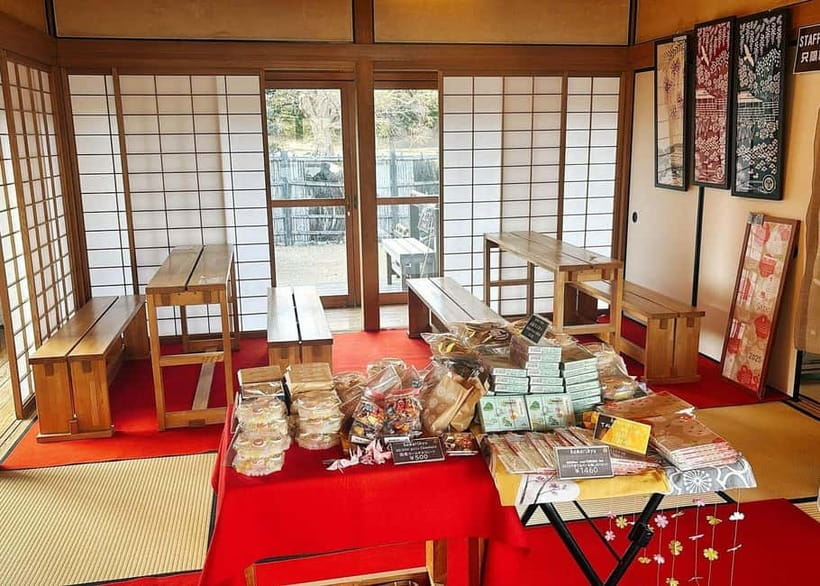
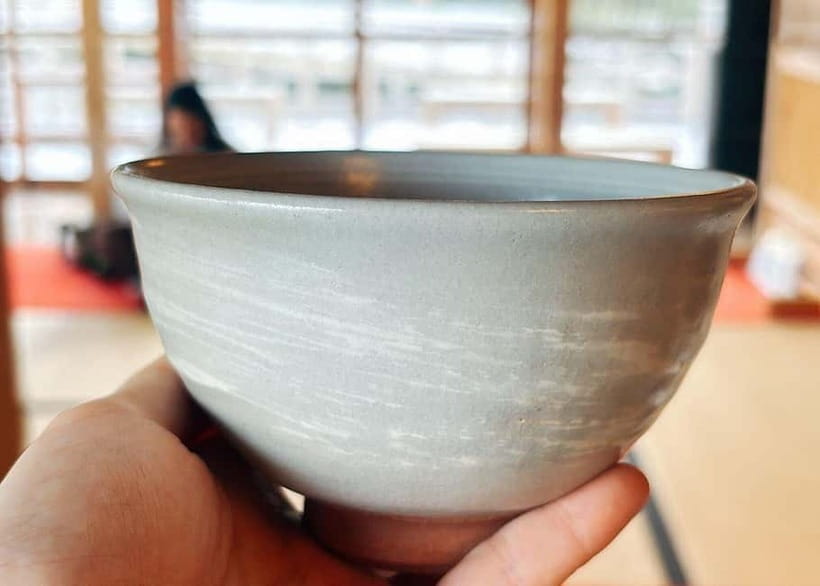
The optional tea experience costs about 1,000 yen, payable on site. It includes matcha and wagashi, traditional Japanese sweets, along with a chance to learn about Japanese etiquette.
This is not required, and you should think of it as an add-on rather than part of the basic tour. If you have already had plenty of food at Tsukiji, the tea stop may be a welcome pause without committing to another meal. If you are short on time or watching your spending, you can skip it.
The tea option adds a more formal cultural moment to a tour that otherwise focuses on walking and eating. It may appeal to you if you want a brief introduction to Japanese manners and sweets, not just a photo stop in a garden.
Is $31 a fair price?
At $31 per person, the tour is reasonably priced for a guided walk that includes Hama-rikyu Gardens admission. You are paying for the guide’s time, route planning, explanations, and help making sense of Tsukiji, rather than for a meal or private transport.
The value is strongest if you want structure. A first visit to Tsukiji can be confusing, and the guide helps you understand what you are seeing while pointing out foods worth considering. The temple and garden also give you more variety than a market-only walk.
The value is weaker if you want a long, leisurely food crawl. Forty-five minutes at the market is enough for a taste, but not enough for extensive shopping, repeated snacks, and a sit-down meal. You will also pay separately for every food item and for the optional tea.
You can reserve now and pay later, and cancellation is free up to 24 hours in advance for a full refund. Those terms give you some flexibility if your Tokyo schedule changes.
Who should book this experience?
I would recommend this tour to first-time Tokyo visitors who want a manageable introduction to Tsukiji. It also suits anyone who enjoys food but does not want a full-day cooking class or a formal restaurant tour.
It works well for people who like variety. In one outing, you get a temple, a market, a garden, historic context, optional tastings, and skyline views. Families and casual snackers may appreciate being able to choose their own food rather than paying for a fixed menu.
You should think twice if you dislike walking, need long seated breaks, or want to spend most of your time eating. Pregnant people are listed as unsuitable for the activity, and the conflicting accessibility information deserves a direct check before booking.
Bring comfortable shoes, water, and a camera. Smoking is not allowed during the experience. Since the tour ends at Hama-rikyu Gardens rather than returning to Tsukiji, plan your next stop from there.
My verdict: a smart short introduction to old and new Tokyo
Book this tour if you want a guided taste of Tsukiji without giving up the chance to see a temple and one of Tokyo’s historic gardens. The strongest feature is the contrast between the market’s food culture and Hama-rikyu’s quiet paths.
Skip it if you want a dedicated market feast or a slow garden visit. For most visitors, though, $31 is a fair price for a well-shaped half-day outing, especially with garden admission included and several language choices available.
The best plan is to budget extra yen for one or two market snacks, decide in advance if the 1,000-yen tea option appeals to you, and leave room in your schedule after the tour. Hama-rikyu Gardens is the final stop, so you can continue exploring from there rather than retracing the route.
FAQ
Where does the tour start?
The meeting point is in front of Starbucks Coffee near Tsukiji Station.
Where does the tour finish?
The tour ends at Hama-rikyu Gardens.
How long does the experience last?
The stated duration is between 150 minutes and three hours. Starting times vary, so check availability when booking.
Is transportation included?
No. This is a walking tour, and transportation to and from the attractions is not included.
Is food included in the price?
No. Food from market stalls is optional and must be paid for separately on site.
How much does the matcha tasting cost?
The optional matcha and wagashi tasting costs about 1,000 yen, payable on site.
What languages are available?
Live guides may conduct the experience in English, Chinese, French, Korean, or Spanish.
Is the tour wheelchair accessible?
The information provided is conflicting. It describes the activity as wheelchair accessible but also says it is not suitable for wheelchair users or people with mobility impairments. Confirm the route with the provider before booking if this is important for you.
Just added around Tokyo
- TOKYO: Tailored Gardens tour with Pro Gardener by E-bike -BASIC★ 5.0 · 2 reviews
- Tsukiji Food Strolling and Hama Rikyu Garden Walking Tour★ 5.0 · 7 reviews
- Tokyo: Serene Sakura & Sake: An Exclusive Brewery Pairing Lunch★ 5.0 · 2 reviews
- Tokyo Cherry Blossom Half Day Walking Tour with a Local Guide★ 3.5 · 4 reviews
- Cherry Blossom Highlights, Asakusa, Ueno, Imperial Palace Garden★ 4.5 · 4 reviews
- Tokyo: Kimono Experience inside Shinjuku Gyoen National Garden★ 5.0 · 3 reviews
- Sumida Riverside Walk: Garden &Temple Ritual (4 Meeting Points)★ 5.0 · 5 reviews
- Full Guided Mt. Fuji & Shiba-Sakura Festival One Day Pvt.Tour★ 5.0 · 6 reviews
Tokyo Garden Tours, compared.

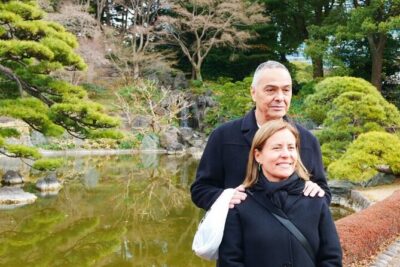
Edo Castle & East Garden of the Imperial Palace Tour
Read our review →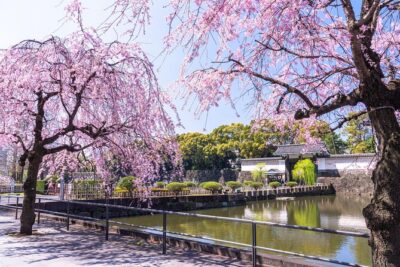
Tokyo Private Tour! Edo Castle & Imperial Palace East Gardens
Read our review →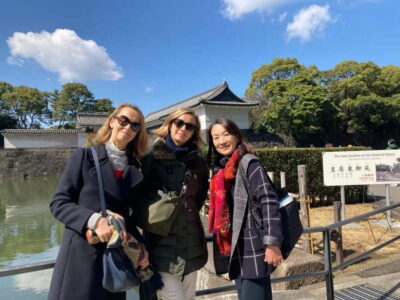
Pvt. Tour – Edo Castle & Imperial Palace East Gardens
Read our review →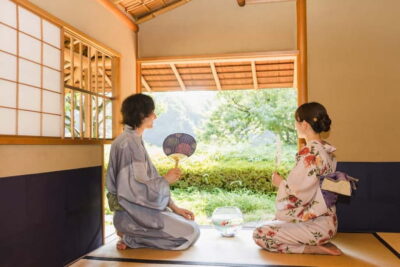
Kimono Rental inside Shinjuku Gyoen National Garden
Read our review →
Tokyo Japanese Garden Lover’s Private Tour with Government-Licensed Guide
Read our review →
Tokyo Cherry Blossoms blooming spots E-bike Tour, 3hrs
Read our review →Browse the lists this tour appears in