
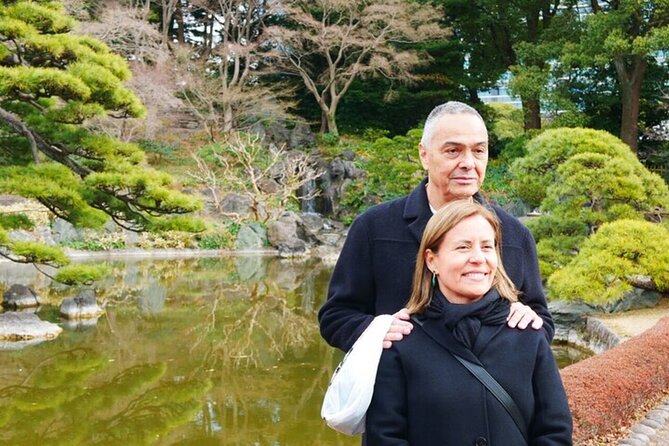
Review · TOKYO GARDEN TOURS
Tokyo: Edo Castle & East Garden of the Imperial Palace Tour
The best part of this experience is the setting: you walk through the former grounds of Edo Castle, where shoguns once ruled Japan, then see how that site became part of the Imperial Palace. The gardens give you open space, old stone walls, castle remnants, ponds, trees, and a quiet break from central Tokyo.
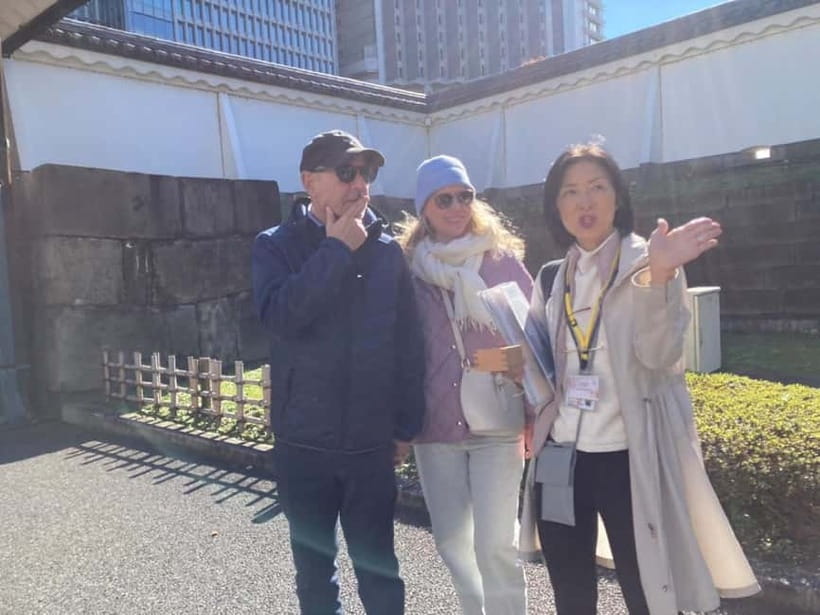
I like the slow two-hour pace and the way a good guide turns bare foundations and walls into a story about shoguns, daimyo, emperors, and daily palace life. I also like the practical help many guides provide, from taking photos to walking guests toward the subway after the tour.
The main consideration is simple: you do not enter the Imperial Palace itself. The East Garden is free to enter without a tour, so the $42 price pays mainly for interpretation, historical context, and a guided route rather than admission.
Key points to know before you book
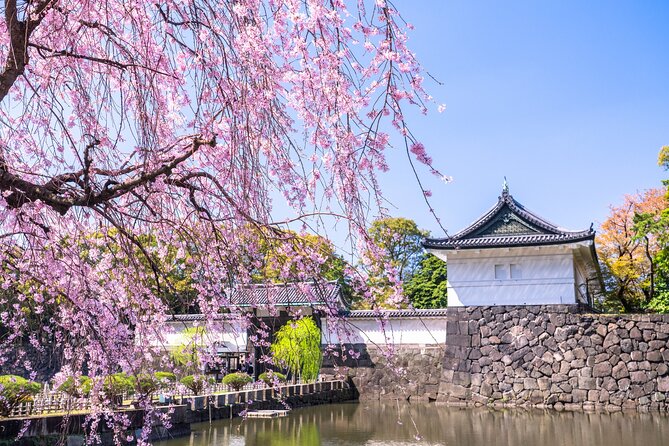
- Edo Castle remains: See surviving walls, foundations, and traces of one of Japan’s most important castles.
- English-speaking guides: Guides including Hitoshi, Naoko, Shigeru, Masahito, Mikio, and Hiroshi are praised for clear explanations and friendly help.
- Two-hour walking route: The pace is leisurely, with time for photos, questions, and short stops.
- Koi and garden details: Look for the distinctive koi fish and listen for explanations of plants, ponds, and Japanese garden design.
- Important closure days: The East Garden is closed on Mondays and Fridays.
- No Inner Palace access: The tour stays in the East Garden and does not enter the private Imperial Palace grounds.
What you really see at the East Gardens
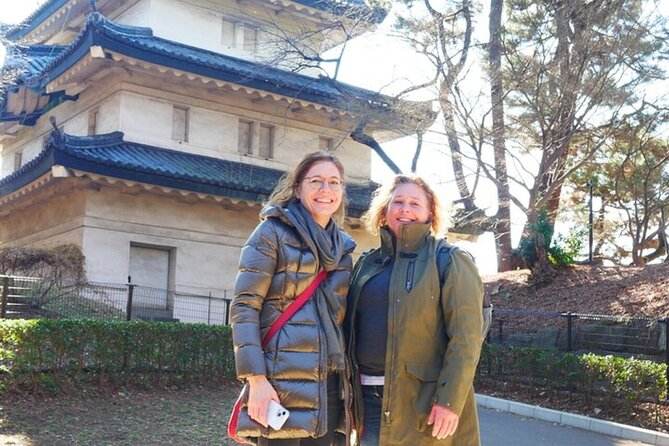
This is not a palace-interior tour. It is a guided walk through the East Gardens, a public section of the Imperial Palace grounds built on the former site of Edo Castle.
That difference matters. If you picture grand rooms, royal treasures, and an indoor visit with the emperor’s residence, this is not that experience. The Inner Palace is not open to the public, and the tour does not go inside it.
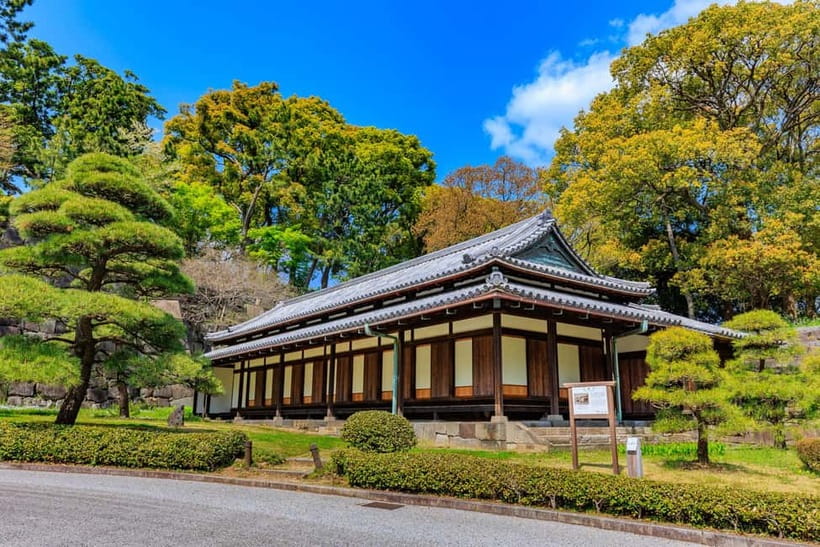
What you do get is a broad outdoor site where history is visible in the ground beneath your feet. You can see old castle walls, foundations, entrances, stonework, garden paths, and the remains of earlier buildings. Much of the castle itself is gone, so a guide adds real value by showing images and explaining what once occupied the open spaces.
I like this kind of sightseeing because it asks you to use your imagination without leaving you entirely on your own. A wall can look like just a wall until someone explains its defensive purpose. A broad open area can become the setting for shogunal government. A garden pond can lead to a conversation about taste, status, seasons, and court life.
The East Gardens also offer something Tokyo often lacks: breathing room. You get trees, lawns, paths, water, and carefully maintained planting within easy reach of the city center. The contrast between the formal gardens and the surrounding modern city is part of the appeal.
More Garden Tours in Tokyo:
- Imperial Palace East Garden and Edo Castle Walking Tour in Tokyo
★ 5.0 · 510 reviews - Tokyo: Imperial Palace East Gardens Walking Tour
★ 4.8 · 353 reviews - Mt. Fuji, Cherry Blossom & Shiba Sakura Pvt. Day Tour
★ 5.0 · 326 reviews
Meeting at Wadakura Fountain Park
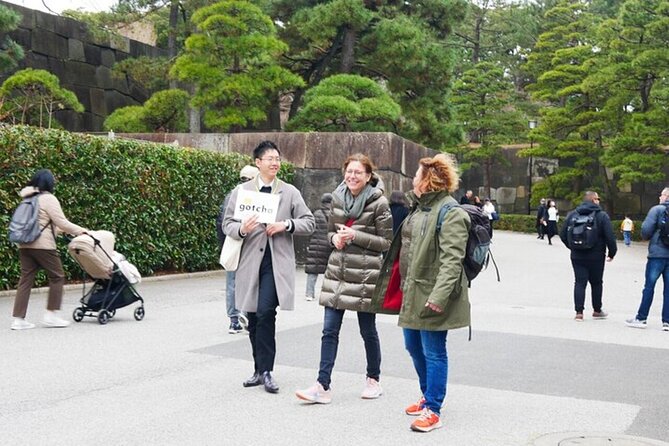
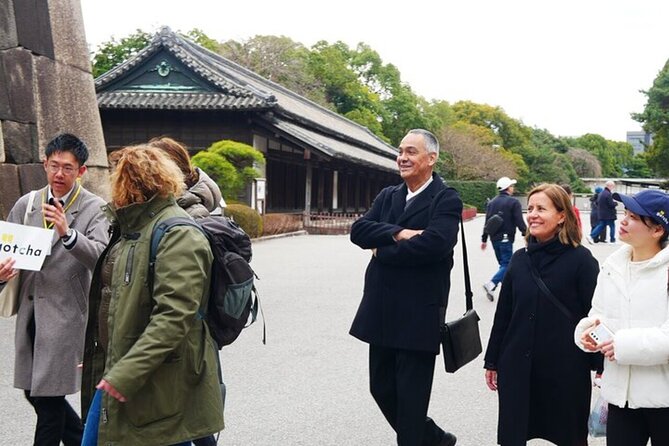
Your guide meets you in front of the fountain at Wadakura Fountain Park. Look for a person holding a sign marked Gotcha.
This is a useful meeting point because it gives you a clear visual landmark rather than an easy-to-miss street address. Still, arrive with enough time to locate the fountain calmly. Large Tokyo stations and central districts can be confusing, especially if you are still learning how Japanese station exits work.
The tour returns to the same fountain area after about two hours. That makes it easy to plan a nearby lunch, museum visit, shopping stop, or onward trip through Tokyo.
Several guides have gone beyond the formal route to help with the rest of the day. Hitoshi and other guides have walked people toward subway stations, helped them find the correct platform, or offered directions to the next activity. That is not guaranteed, but it is a useful quality to look for in a walking guide.
The history comes before the scenery
A strong guide gives you a short explanation of Japanese history before you enter the gardens. That introduction helps you keep the names and time periods straight.
You will hear about Edo, the former name of Tokyo, and the shoguns who governed Japan from Edo Castle. You may also hear about daimyo, ninjas, the imperial family, and the shift from shogunal rule to imperial government.
The exact style depends on your guide. Shigeru has been praised for giving a broad introduction before entering the gardens, while Mikio used pictures and stories to explain how the site looked in earlier times. Naoko is noted for using visual material during the walk, which can help younger visitors and anyone who finds dates and political titles hard to track.
This historical framing is the strongest reason to pay for the tour. Without it, you can still enjoy a pleasant garden and take good photographs. With it, the foundations and walls have a clearer purpose.
I would especially recommend the guided format if this is your first visit to Japan. The tour can help you understand the basic relationship between the shogun, the emperor, and the city of Edo before you visit other historic areas.
Walking through the former castle grounds
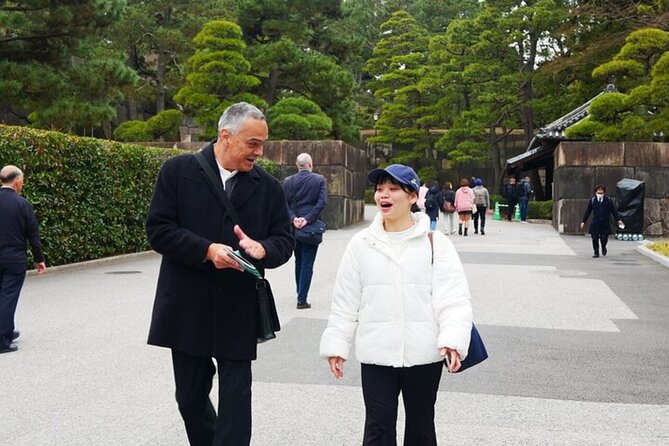
The route focuses on the East Gardens and the remains of Edo Castle. You will walk past historic structures and traces of the old castle complex while your guide explains what you are seeing.
Do not expect a fully reconstructed fortress. The site’s appeal comes from the combination of surviving stonework, open grounds, gardens, and historical explanation. The absence of the full castle means the guide’s storytelling matters more than it would at a preserved building with rooms and furniture.
The walk is described as leisurely rather than rushed. That suits the setting. You can stop for photos, ask questions, and take in the gardens without racing from one sign to the next.
Several guides are praised for adjusting the pace. Mikio took extra time with a slower group, and Hitoshi was especially attentive to a guest using a wheelchair. That suggests a considerate approach, but you should still remember that this is a walking tour through outdoor grounds. The available information does not promise a fully step-free route or specific accessibility equipment, so ask before booking if you have mobility needs.
The gardens also work well for families. One guide, Hitoshi, made the material accessible for a nine-year-old child, while visual explanations helped make the tour more engaging. The subject is serious, but a good guide can keep it from becoming a lecture.
Same corner of the map, a different planting:
- Tokyo Private Tour! Edo Castle & Imperial Palace East Gardens
★ 5.0 · 105 reviews - Tokyo: Tsukiji Market and Hama-rikyu Gardens Guided Tour
★ 4.8 · 73 reviews - Tokyo: Pvt. Tour – Edo Castle & Imperial Palace East Gardens
★ 4.8 · 63 reviews - Tokyo: Kimono Rental inside Shinjuku Gyoen National Garden
★ 4.9 · 39 reviews
Gardens, ponds, trees, and the famous koi
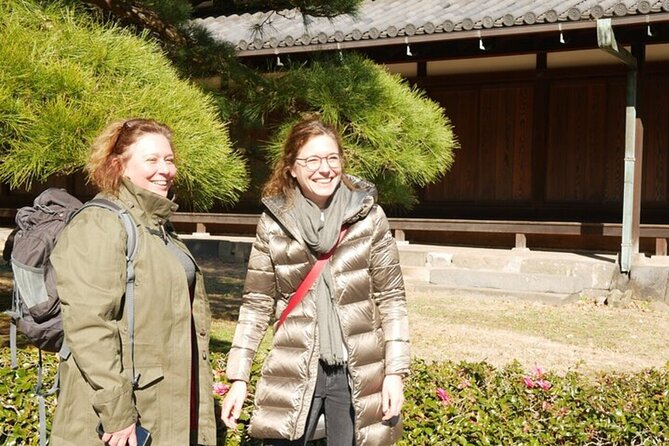
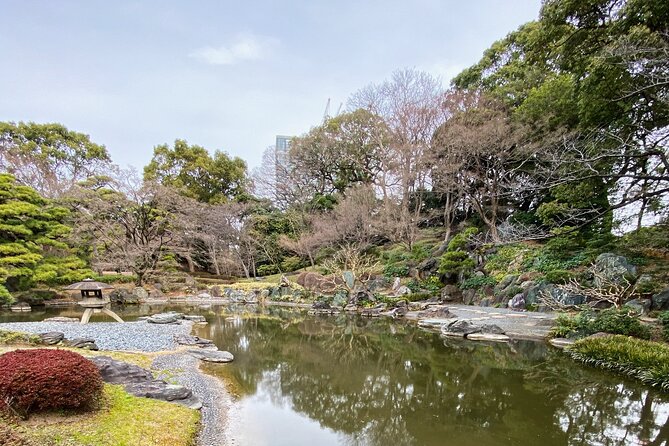
The East Gardens are not just a history stop. They give you a chance to notice Japanese garden design at a relaxed pace.
Your guide may point out the role of trees, plants, ponds, and open views. The garden setting offers a softer counterpoint to the hard stone walls and castle foundations. It also gives you time to slow down after Tokyo’s crowded streets.
One of the advertised highlights is a special breed of koi fish. The koi are a small but memorable part of the visit, particularly if you enjoy gardens, ponds, or Japanese cultural symbols. Ask your guide to point them out rather than assuming you will notice the fish on your own.
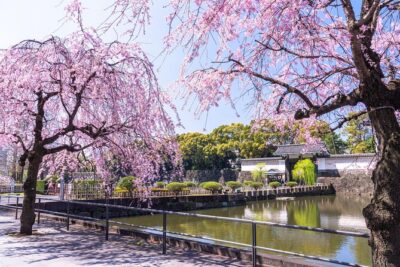
Season changes the feel of the walk. Spring can bring cherry blossoms in nearby areas, and one guide added a stop at an adjacent park for blossoms. Summer may feel warmer, while rainy weather can make the paths less comfortable. A light rain did not stop several tours from going ahead, but a waterproof jacket and shoes with a good grip would make the morning easier.
The garden is also a good place for photographs. Guides such as Shigeru and Naoko have helped people take pictures at attractive spots. That is a small service, but it matters when you are traveling as a couple or family and want everyone in the frame.
Why the guides make the difference
The experience depends heavily on the person leading it. The East Gardens are open to the public, so you are not paying for exclusive access. You are paying for a human layer of explanation and help.
The most frequently praised qualities are clear English, patience, historical skill, and a friendly manner. Hitoshi, Masahito, Shigeru, Naoko, Mikio, Hiroshi, Ayako, and Hirashima are among the guides singled out for these strengths.
Hitoshi appears especially suited to visitors who want a calm pace and plenty of context. He has explained castle history, shoguns, the imperial family, and garden details, while also helping people find their next train.
Masahito has been praised for being prepared, good-humored, and easy to talk with. Shigeru is a strong choice for people who want a wider introduction to Japanese culture, not only a list of facts about the palace grounds.
Naoko’s use of pictures and her patient style may suit families and older visitors. Mikio has shown flexibility with pacing and questions. The exact guide is not always known in advance, so you should book for the format and subject rather than for one particular person.
This is also a good setting for questions. You can ask how the castle worked, why the gardens are arranged as they are, or how imperial and shogunal history connect. The best part of a live guide is the chance to follow your curiosity.
Is $42 a fair price?
The price is $42 per person for two hours. Since the East Garden itself is free to enter, the cost deserves a closer look.
If you only want to walk through a pretty public garden, you can save the money and explore independently. Signs and maps may be enough for a quick visit, especially if your schedule is tight.
If you want to understand what you are seeing, the price is easier to justify. The guide supplies the missing story, keeps the route focused, answers questions, and can help with photographs and onward directions. You are also paying for a small amount of structure in a city where it is easy to spend an hour wandering without understanding the site.
This is not the best value for someone seeking a full-day excursion. One person reasonably noted that the same price could cover a longer day trip to Nikko or Mount Fuji. That comparison is fair. A two-hour garden walk cannot compete with a full day of major sights on quantity.
The better comparison is with other short guided walks. For a visitor interested in Japanese history, the tour offers a compact introduction without taking over your whole day. I would consider it good value early in a Tokyo stay, when the historical background can improve later visits to temples, castles, museums, and old neighborhoods.
Who will enjoy this two-hour walk?
I would recommend it most strongly to:
- First-time visitors who want a clear introduction to shogunal and imperial Japan.
- People who prefer a calm outdoor visit to a crowded indoor attraction.
- Families who benefit from pictures, stories, and a guide who can answer questions.
- Older visitors who appreciate a slower pace and help with directions.
- Garden lovers who want to combine plants, ponds, koi, and historic stonework.
- Visitors with only a morning or afternoon available for a cultural activity.
You may want to skip it if you already know Edo-period history well and are happy reading signs on your own. It may also disappoint if your main goal is to enter the Imperial Palace or see preserved castle rooms.
The route is not described as strenuous, but you should expect outdoor walking for two hours. Wear comfortable shoes, bring water in warm weather, and check the weather before leaving.
Practical details that can save you trouble
The East Garden is closed on Mondays and Fridays. Check the date carefully before booking, especially if you are building a short Tokyo itinerary.
Entry to the Imperial Palace grounds includes a baggage inspection. This is particularly important if you plan to shop for Japanese knives or other items that could be treated as weapons at Tsukiji, Asakusa, or elsewhere. Leave those purchases in a coin locker or another secure place before meeting the guide.
The tour is conducted in English. The activity includes the guide and the walking tour, but not entry to the Inner Palace, which is not open to the public.
You can cancel up to 24 hours before the start for a full refund, and the reserve-now, pay-later option gives you some flexibility when your plans are still changing.
Should you book the Edo Castle East Garden tour?
Book it if you want the East Gardens to mean more than a pleasant walk. The site is attractive on its own, but the shogun stories, castle explanations, visual aids, and garden details give the visit a clear purpose.
I would book this for the first or second day of a Tokyo stay, particularly if you want a gentle introduction to Japanese history. Choose it for the setting and the guide, not for palace interiors. If you need a full-day adventure or a grand castle reconstruction, spend your money elsewhere.
For most visitors interested in history, gardens, and a relaxed pace, $42 is a reasonable fee for two hours of focused explanation. Just confirm the closure day, leave restricted purchases behind, and arrive at the Wadakura Fountain Park meeting point ready for an outdoor walk.
FAQ
How long does the tour last?
The guided walk lasts two hours and begins and ends at Wadakura Fountain Park.
Where do I meet the guide?
Meet in front of the fountain at Wadakura Fountain Park. The guide will hold a sign marked Gotcha.
Does the tour enter the Imperial Palace?
No. The tour visits the East Gardens and does not enter the Inner Palace or the private Imperial Palace areas.
What days is the East Garden closed?
The East Garden is closed on Mondays and Fridays.
What language is the tour conducted in?
The live tour guide speaks English.
Is entry to the Inner Palace included?
No. The Inner Palace is not open to the public, and entry is not included.
Is there a baggage inspection?
Yes. Visitors are subject to a baggage inspection when entering the Imperial Palace grounds.
What should I do with a Japanese knife purchased earlier that day?
Leave it in a coin locker or similar secure place before the meeting if you have bought a Japanese knife or another item that could be used as a weapon.
Just added around Tokyo
- TOKYO: Tailored Gardens tour with Pro Gardener by E-bike -BASIC★ 5.0 · 2 reviews
- Tsukiji Food Strolling and Hama Rikyu Garden Walking Tour★ 5.0 · 7 reviews
- Tokyo: Serene Sakura & Sake: An Exclusive Brewery Pairing Lunch★ 5.0 · 2 reviews
- Tokyo: Kimono Experience inside Shinjuku Gyoen National Garden★ 5.0 · 3 reviews
- Tokyo Cherry Blossom Half Day Walking Tour with a Local Guide★ 3.5 · 4 reviews
- Cherry Blossom Highlights, Asakusa, Ueno, Imperial Palace Garden★ 4.5 · 4 reviews
- Sumida Riverside Walk: Garden &Temple Ritual (4 Meeting Points)★ 5.0 · 5 reviews
- Full Guided Mt. Fuji & Shiba-Sakura Festival One Day Pvt.Tour★ 5.0 · 6 reviews
Tokyo Garden Tours, compared.
Tokyo Private Tour! Edo Castle & Imperial Palace East Gardens
Read our review →
Tsukiji Market and Hama-rikyu Gardens Guided Tour
Read our review →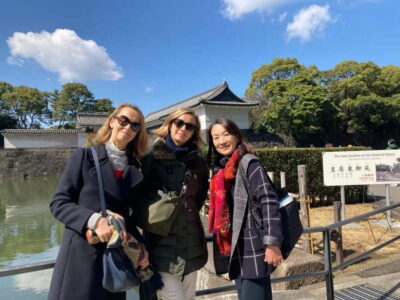
Pvt. Tour – Edo Castle & Imperial Palace East Gardens
Read our review →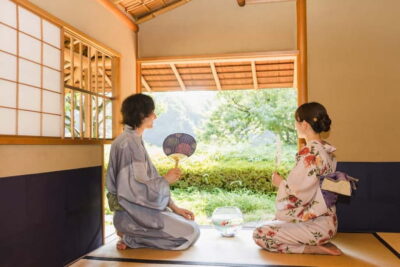
Kimono Rental inside Shinjuku Gyoen National Garden
Read our review →
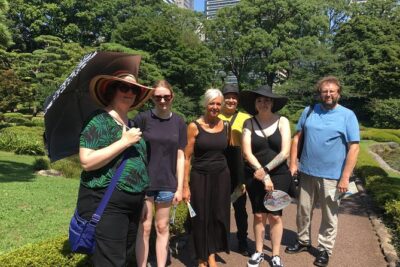
Tokyo Japanese Garden Lover’s Private Tour with Government-Licensed Guide
Read our review →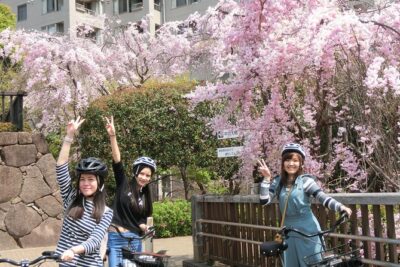
Tokyo Cherry Blossoms blooming spots E-bike Tour, 3hrs
Read our review →Browse the lists this tour appears in