
Review · JAPAN GARDEN TOURS
Peace Memorial Park, Hiroshima Castle, & Garden Private Tour
Hiroshima’s past and present come together in this compact private walk: the Atomic Bomb Dome and Peace Park confront you with the city’s wartime destruction, while Hiroshima Castle and Shukkeien Garden show its older culture and quiet beauty. The change from solemn memorials to ponds, bridges, and castle walls gives you a fuller picture than a Peace Park visit alone.
I like the private guide, since you can ask questions and set the pace within a short 150-minute schedule. I also like that the $82 price includes admission to all three paid sites, the English-speaking guide, and tour photos. The main drawback is time: this is a brisk introduction, and the Peace Memorial Museum can feel rushed after the castle and garden.
Key points
- Three very different sides of Hiroshima: You move from atomic-bomb memorials to samurai-era history and a traditional garden.
- Private English-speaking guide: Guides including Preety and Zunera have helped with clear explanations, family pacing, rain delays, and practical Hiroshima advice.
- All three entry fees included: Shukkeien Garden, Hiroshima Castle, and the Peace Memorial Museum are covered in the price.
- A serious final stretch: The Peace Park stops require quiet attention, especially the museum, cenotaph, Children’s Peace Monument, and Atomic Bomb Dome.
- A useful short tour: At 150 minutes, it suits a first visit or a tight schedule, but it is not a leisurely day of sightseeing.
- Walking is central: Comfortable shoes, water in summer, warm clothing in winter, and rain protection are sensible choices.
A short tour with a wide view of Hiroshima
Hiroshima is often reduced to one terrible date. This tour helps correct that. In a little over two hours, you see a landscaped garden shaped by old Japanese design, a rebuilt castle tied to feudal rule, and the memorial sites that keep the 1945 bombing in public memory.
That range is the tour’s greatest strength. You do not spend the whole time moving through solemn exhibits, nor do you see the city’s historic sights without understanding what happened here. The guide provides the links between them.
The pace is firm. The planned visits add up to about 150 minutes, with roughly 25 minutes at Shukkeien Garden, 30 minutes at Hiroshima Castle, an hour at the Peace Memorial Museum, and shorter stops around the Peace Park. A private format helps, but you still need to arrive ready to walk and keep moving.
The published route information gives two possible sequences. One lists Shukkeien first, followed by Hiroshima Castle and then the Peace Memorial sites. Another note says the museum will be the final stop because speaking is not allowed inside. Confirm the day’s exact order with Voyagers when you book, especially if you have a train to catch or want extra time at the museum.
More Garden Tours in Japan:
- Osaka: teamLab Botanical Garden Entry Ticket
★ 4.5 · 1,710 reviews - Imperial Palace East Garden and Edo Castle Walking Tour in Tokyo
★ 5.0 · 510 reviews - Kyoto Zen Meditation & Garden Tour at a Zen Temple with Lunch
★ 5.0 · 441 reviews
Shukkeien Garden: a calm opening or peaceful finale
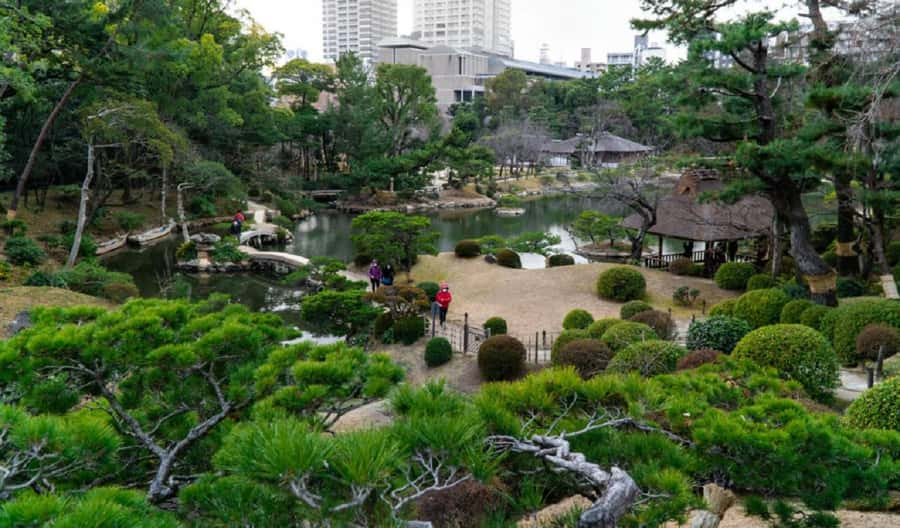
Shukkeien is a traditional Japanese garden in the center of Hiroshima. Its design includes carefully placed ponds, bridges, and planted areas, giving you a calm contrast to the memorial sites.
The suggested guided visit lasts about 25 minutes. That is enough to get an introduction to the garden’s layout and meaning, but not enough for a slow, reflective wander through every corner. If gardens are a major interest for you, you may wish you had more time.
Still, the short visit has real value. A guide can point out how the garden uses water, paths, bridges, and framed views to create variety in a small space. You get a quick lesson in Japanese garden design rather than simply taking photographs beside a pond.
The timing can shape your mood. If Shukkeien comes first, it gives you a gentle start before the castle and Peace Park. If it comes at the end, it offers a quiet release after the museum and memorials. The supplied schedule and final-stop note do not fully match, so ask about the order before you begin.
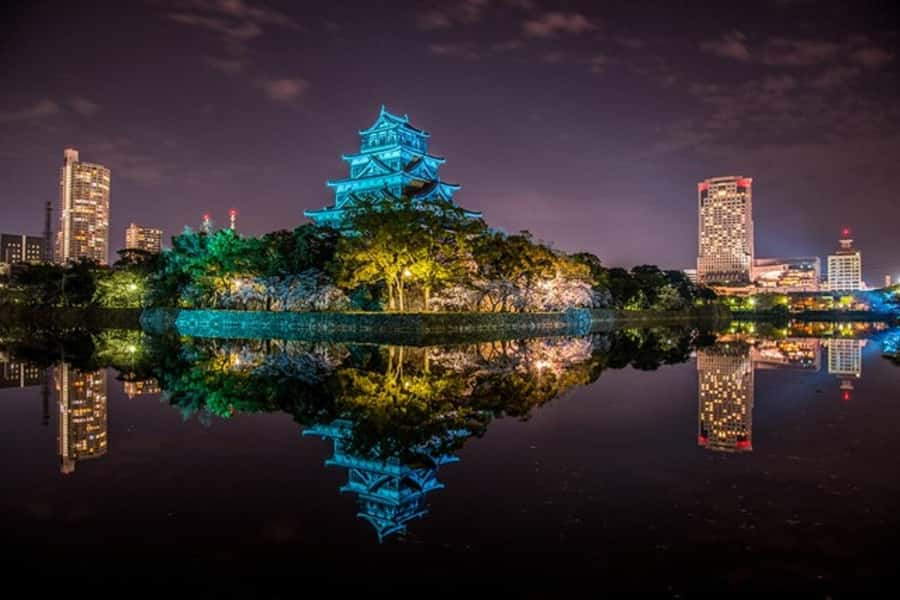
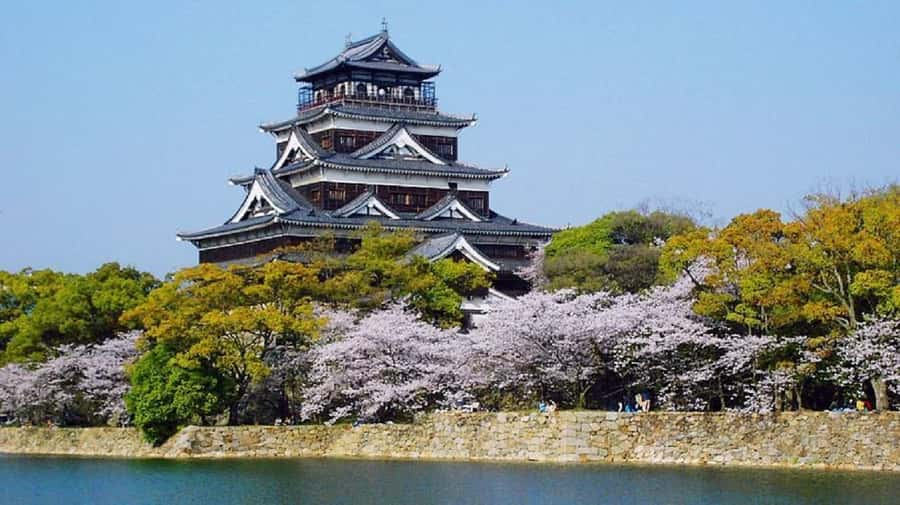
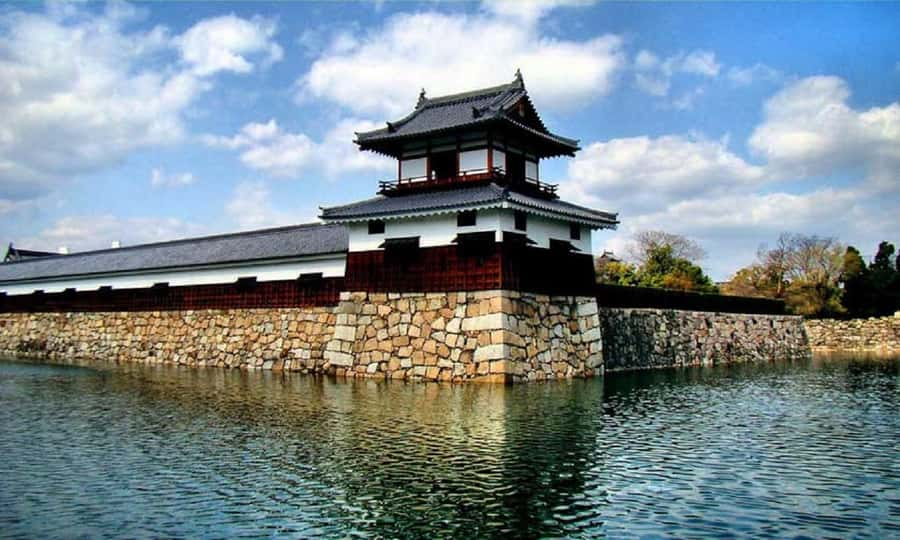
Hiroshima Castle and its samurai-era setting
Hiroshima Castle gives the tour a different kind of history. The castle grounds and interior introduce the feudal period, with a focus on Japan’s samurai past rather than the events of the 20th century.
The planned guided visit is about 30 minutes. You can expect to see the castle’s rooms and go up its tower structure, with the guide explaining the setting and its place in Hiroshima’s past. The visit is short, so think of it as a focused introduction, not a full museum study.
Gokoku Shrine is also located within the castle grounds. Its presence adds another layer to the stop, since you are not only seeing a reconstructed fortress but also a religious site within the same historic area.
The castle works well in the middle of this route. After the garden’s quiet patterns, its walls and tower bring a more dramatic sense of Japan’s military past. Then the tour turns toward the Peace Park, where the subject changes from feudal power to the human cost of modern warfare.
Admission is included, which makes this stop easy to fit into the day. You do not need to decide on the spot whether the entrance fee is worth paying. The guide can also keep the visit moving if your priority is the Peace Park.
The Peace Memorial Museum demands your attention
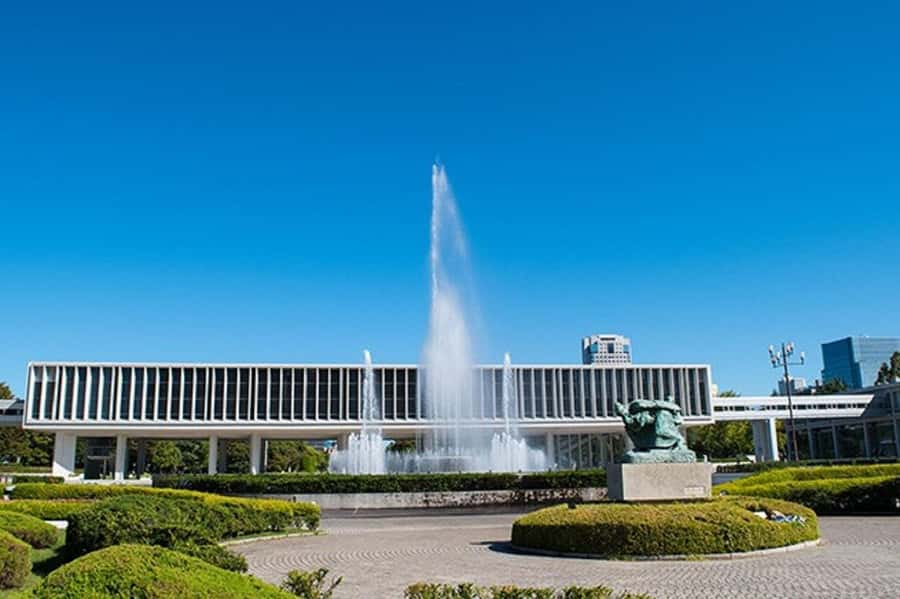
The Peace Memorial Museum is the emotional center of the tour. Its exhibits explain the events leading up to the atomic bombing and the suffering that followed. This is not a light sightseeing stop, and you should allow yourself some quiet time to take in what you are seeing.
The planned visit lasts one hour, longer than any other stop. That is appropriate, but it may still feel short if you read every English explanation carefully. The museum contains detailed information in English, so you can continue learning directly from the displays.
Speaking is prohibited inside the museum, according to the tour information. The rule keeps the atmosphere quiet and gives you space to think. Your guide can explain the broader setting outside or before entering, but inside you should expect to read, listen, and reflect rather than hold a running conversation.
I recommend treating the museum as more than another scheduled attraction. If the castle and garden run late, protect this hour as much as possible. The museum is the part of the tour least suited to being hurried.
The tour includes your entry ticket and states that you can skip the ticket line. That saves a small but useful amount of time, especially on a busy day. The guide also helps place the displays in context, though the museum’s English material remains important for the details.
Same corner of the map, a different planting:
- Kyoto Arashiyama Bamboo forest & Garden Half-Day Walking Tour
★ 5.0 · 413 reviews - Tokyo: Imperial Palace East Gardens Walking Tour
★ 4.8 · 353 reviews - Mt. Fuji, Cherry Blossom & Shiba Sakura Pvt. Day Tour
★ 5.0 · 326 reviews - Tokyo: Edo Castle & East Garden of the Imperial Palace Tour
★ 4.7 · 112 reviews
Peace Park’s memorials tell a connected story
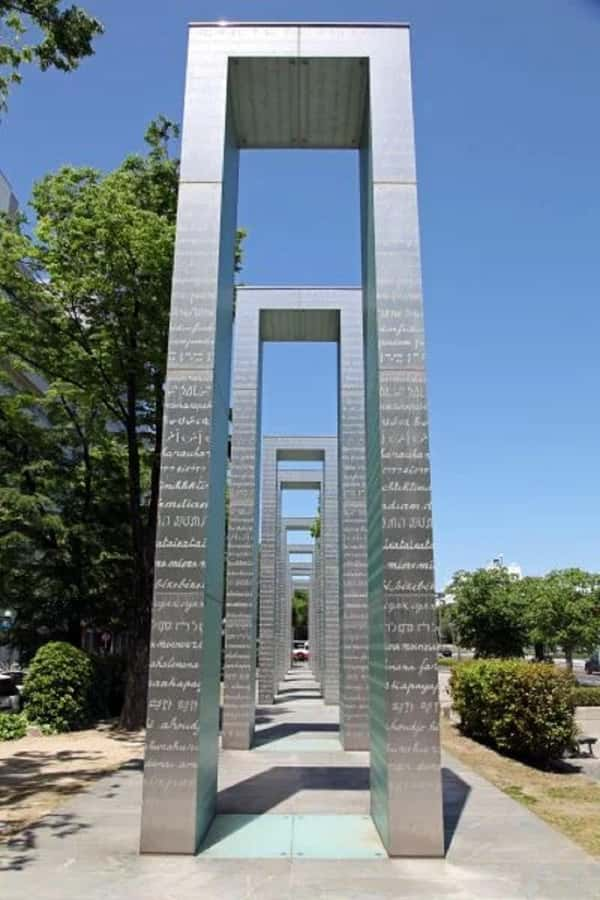
The Peace Memorial Park section is not one single sight. It is a series of places, each with its own focus. You visit the Victims Memorial Cenotaph, the Flame of Peace, the Children’s Peace Monument, the Atomic Bomb Dome, the Bell of Peace, and the Hypocenter.
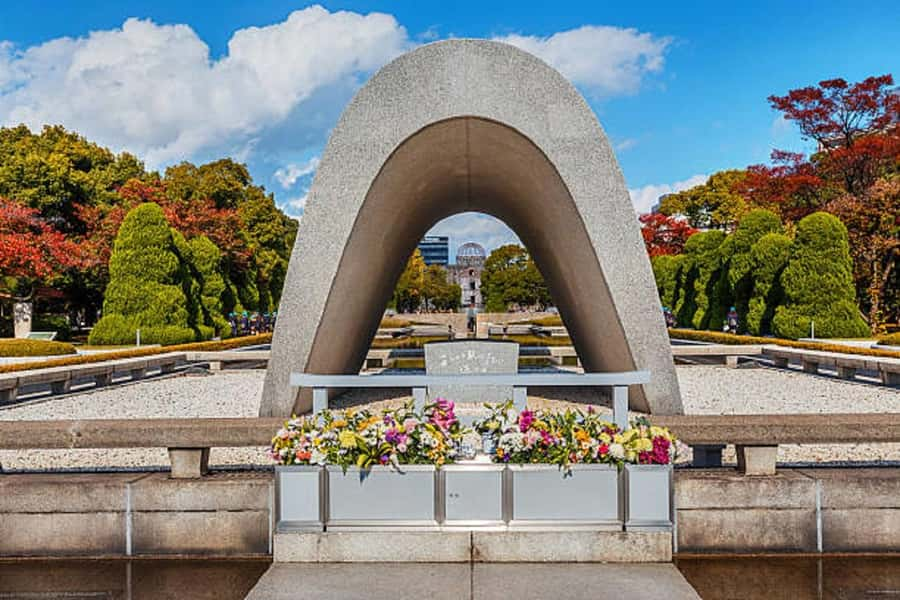
The Victims Memorial Cenotaph is scheduled for about 10 minutes. This is a brief stop, but it gives the guide a chance to explain the park’s central act of remembrance and the names represented there.
The Flame of Peace also receives about 10 minutes. Its place in the park gives the route a strong visual and symbolic point, while the guide can explain why it matters to Hiroshima’s message of peace.
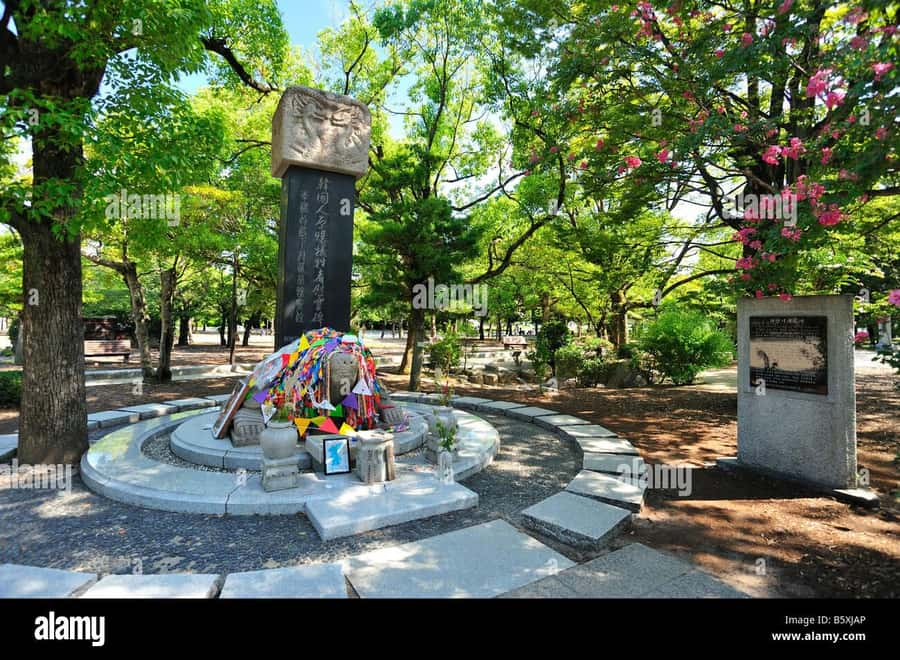
The Children’s Peace Monument is another 10-minute stop. It brings attention to children affected by the bombing and to the memorial tradition built around their memory. Take time to notice the surrounding details instead of treating it as a quick photo stop.
The Atomic Bomb Dome is one of Hiroshima’s most recognizable sights. Its damaged structure remains a stark reminder of the blast and the destruction around it. The tour gives you about 10 minutes here, enough for an explanation and photographs, though you may want to return later for a slower look.
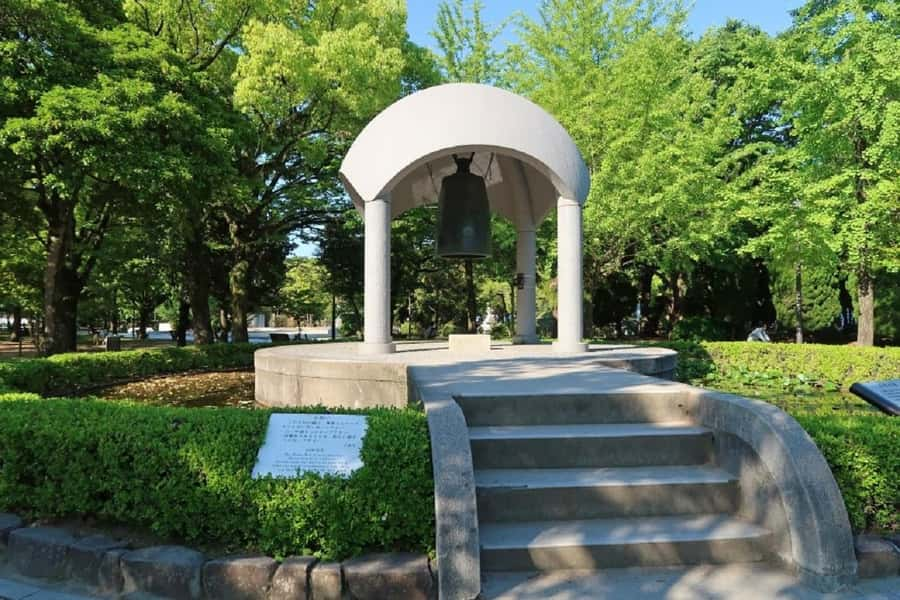
The Bell of Peace has a shorter five-minute visit. That may sound brief, but the guide can explain its role without making you spend too long at each small stop.
The Hypocenter visit is listed at 25 minutes, making it one of the longer outdoor memorial stops. This is where the guide can help connect the location to the scale and reach of the bombing. The subject is difficult, so the extra time matters.
The exact route order matters here. The museum and outdoor monuments work best when you are not watching the clock. Ask the guide how the time will be divided at the beginning, then decide which stops you want to linger over.
What the private format adds
A private group changes the feel of a short city tour. You are not trying to keep up with a large crowd or wait while a guide answers unrelated questions. You can ask for more detail at the castle, pause at a memorial, or keep the garden visit moving if the museum matters most to you.
This also helps families. One family found that the guide adapted the visit to keep children engaged and offered suggestions for other things to see, do, and eat in Hiroshima. That is useful because the Peace Museum can be difficult for younger children, while the garden and castle provide more visual variety.
The named guides connected with this experience include Preety and Zunera. Preety helped explain how to reach Miyajima Island, while Zunera handled a late arrival during heavy rain. Those details suggest a useful practical quality: the guide is not limited to reciting facts and may help you make sense of the rest of your Hiroshima stay.
The tour is offered in English. It is also wheelchair accessible, although the route remains a walking tour and includes several outdoor sites. If mobility affects your pace, discuss the day’s route with the provider before setting out.
Is $82 a fair price?
At $82 per person, this tour is not the cheapest way to walk around Hiroshima. You are paying for a private guide, not simply entry to the sites. The price includes admission to Shukkeien Garden, Hiroshima Castle, and the Peace Memorial Museum, plus tour photos.
That package can be good value if you want context and have limited time. Paying separately for the admissions, then finding each place and understanding the connections between them, would take more effort. The private format is especially useful for families or first-time visitors who want a clear route.
The value is weaker if you prefer to read everything alone and spend several hours at the museum. You can see the outdoor Peace Park sites at your own pace, and this tour’s fixed 150-minute schedule will not satisfy anyone seeking a slow, detailed study of Hiroshima’s memorials.
Food is not included. Hotel pickup and drop-off are also not included, though pickup on foot from accommodation may be possible if you are within a reasonable distance. Meeting options include Hiroshima Station or Shukkeien Garden near the station, and drop-off options include Hiroshima Station, the Peace Memorial Park area, and the park taxi stand.
Preparing for heat, rain, and a serious subject
Wear comfortable shoes. The route includes a garden, castle grounds, museum areas, and several outdoor memorials, so you should not plan it in stiff or unreliable footwear.
Hiroshima can be hot in summer. Bring a water bottle, sunglasses, and a hat. In winter, dress warmly. An umbrella and comfortable clothing are sensible at any time, and you should carry any personal medication you need.
Rain does not necessarily ruin the visit. A guide has helped guests continue despite heavy rain, but the outdoor portion will still be less pleasant in wet weather. Check the forecast and bring proper protection rather than relying on a last-minute purchase.
The subject also calls for the right frame of mind. The Peace Memorial Museum is powerful, and the outdoor memorials are not merely scenic stops. Give yourself some quiet time afterward if possible, rather than scheduling an immediate rushed activity.
Free cancellation is available up to 24 hours before the tour, and you can reserve now and pay later. Those terms help if your Hiroshima schedule is still changing.
Who should book this Hiroshima tour?
I would choose this tour if you have one short window in Hiroshima and want the main historic, cultural, and memorial sights connected by one guide. It is also a good fit for families, couples, and private groups who value questions, personal pacing, and practical recommendations.
The tour is less suitable if you want a relaxed garden visit, an extensive castle museum visit, or several hours inside the Peace Memorial Museum. In that case, use the tour as an introduction and return independently to the places that matter most to you.
At $82, the strongest reason to book is not the number of sights. It is the combination of a private English-speaking guide, included admission, and a route that shows Hiroshima as more than a single tragic event. Protect your museum time, confirm the order of stops, and wear good shoes. If those conditions suit your plans, this is a focused and worthwhile way to begin understanding the city.
FAQ
How long does the tour last?
The tour lasts 150 minutes, or two and a half hours.
What sites are included?
The route includes Shukkeien Garden, Hiroshima Castle, the Peace Memorial Museum, the Victims Memorial Cenotaph, the Flame of Peace, the Children’s Peace Monument, the Atomic Bomb Dome, the Bell of Peace, and the Hypocenter.
Is this a private tour?
Yes. It is offered for a private group with a live English-speaking guide.
Are admission tickets included?
Yes. Entry to Shukkeien Garden, Hiroshima Castle, and the Peace Memorial Museum is included.
Where does the tour meet?
Meeting options include Hiroshima Station and Shukkeien Garden near the station. Pickup may also be possible on foot from accommodation within a reasonable distance.
Where can the tour finish?
Listed drop-off options include Hiroshima Station, Peace Memorial Park in Hiroshima, and the Peace Memorial Park taxi stand.
Is the tour wheelchair accessible?
Yes, the activity is described as wheelchair accessible.
Can I speak inside the Peace Memorial Museum?
No. Speaking is prohibited inside the museum to preserve a quiet and respectful setting. English information is available for you to read.
Can I cancel the booking?
Yes. You can cancel up to 24 hours in advance for a full refund. Reserve now and pay later is also available.
Just added around Japan
- TOKYO: Tailored Gardens tour with Pro Gardener by E-bike -BASIC★ 5.0 · 2 reviews
- Tsukiji Food Strolling and Hama Rikyu Garden Walking Tour★ 5.0 · 7 reviews
- Tokyo: Serene Sakura & Sake: An Exclusive Brewery Pairing Lunch★ 5.0 · 2 reviews
- Tokyo Cherry Blossom Half Day Walking Tour with a Local Guide★ 3.5 · 4 reviews
- Cherry Blossom Highlights, Asakusa, Ueno, Imperial Palace Garden★ 4.5 · 4 reviews
- Tokyo: Kimono Experience inside Shinjuku Gyoen National Garden★ 5.0 · 3 reviews
- Sumida Riverside Walk: Garden &Temple Ritual (4 Meeting Points)★ 5.0 · 5 reviews
- Full Guided Mt. Fuji & Shiba-Sakura Festival One Day Pvt.Tour★ 5.0 · 6 reviews
Japan Garden Tours, compared.
Kyoto Zen Meditation & Garden Tour at a Zen Temple with Lunch
Read our review →
Edo Castle & East Garden of the Imperial Palace Tour
Read our review →
Tokyo Private Tour! Edo Castle & Imperial Palace East Gardens
Read our review →
Kyoto Kiyomizu Tea Ceremony with Scenic Garden Views
Read our review →
Zen Meditation and Garden Tour at a Temple with Lunch
Read our review →
Kanazawa: Samurai, Matcha, Gardens and Geisha Full-Day Tour
Read our review →Browse the lists this tour appears in