
Review · JAPAN GARDEN TOURS
Nara: Yoshikien and Isuien Gardens Tour with Tea Tasting
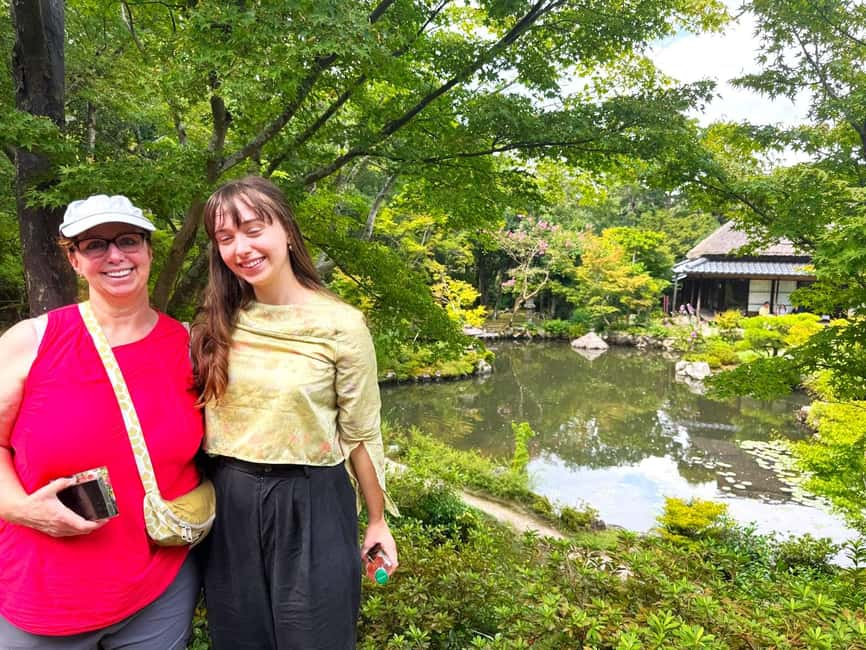
Yoshikien and Isuien offer two very different views of Japanese garden design in one quiet Nara outing. Yoshikien feels intimate and contemplative, while Isuien opens into broader views of Mount Mikasa and Todai-ji’s Great South Gate. The closing matcha tasting in a historic tea house gives the walk a calm, memorable finish.
I like the contrast between the gardens, and I like having a guide explain details you could easily miss, such as the placement of rocks, water, and borrowed scenery. The main consideration is the walking: you will spend three hours moving through gardens, so comfortable shoes matter.
Key Points
- Three garden styles at Yoshikien: See pond, moss, and tea gardens, each with a different mood.
- Two eras at Isuien: Walk through sections shaped during the Edo and Meiji periods.
- Borrowed scenery: View Mount Mikasa and Todai-ji’s Great South Gate as part of the garden design.
- Private group format: Ask questions and set a comfortable pace with an English- or Japanese-speaking guide.
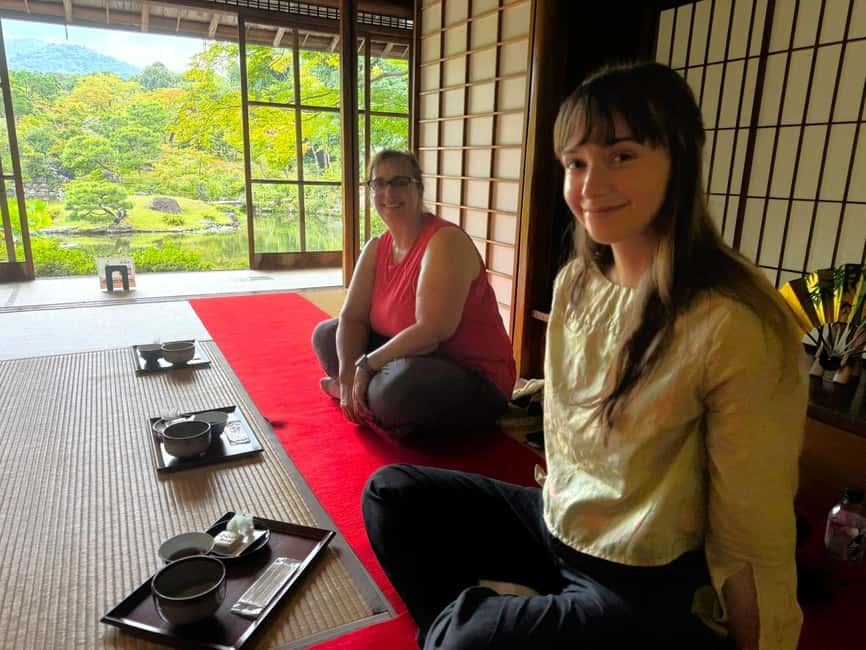
- Matcha in a tea house: End the tour with freshly whisked green tea and broad garden views.
- Useful flexibility: Cancel up to 24 hours ahead for a full refund, and reserve now while paying later.
Two Nara Gardens, Two Very Different Moods
This three-hour tour begins at Himuro Shrine, in front of the torii gate. Look for a guide holding a yellow DeepExperience sign. From there, you visit Yoshikien first and then continue to Isuien, finishing at the Isuien and Neiraku Museum entrance.
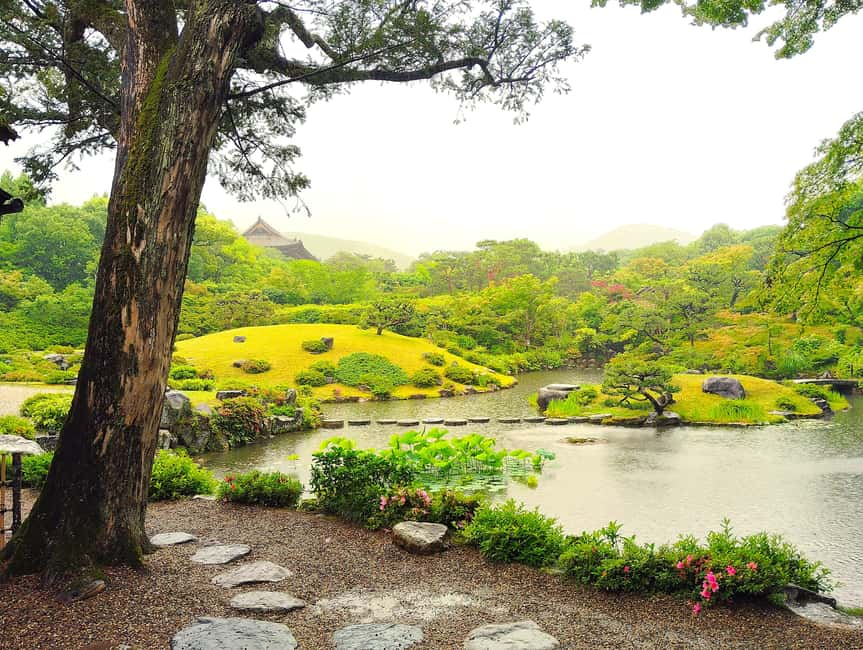
The pairing works well because the gardens are not simply two copies of the same idea. Yoshikien is smaller and quieter, with a natural, inward-looking character. Isuien is more expansive, with buildings, water, distant views, and garden sections from two distinct periods.
I would choose this tour for a morning or afternoon when you want something gentler than a packed temple schedule. It gives you time to look closely rather than rushing from one famous sight to another. The guide adds value by explaining why the garden feels balanced, not just pointing out attractive views.
The tour is a private group experience, which is useful here. Gardens reward questions. You can ask why a path curves, why a stone sits in one place, or why a particular view is framed from a certain room. With a fixed group of your own, the experience should feel more personal than a large walking tour.
More Garden Tours in Japan:
- Osaka: teamLab Botanical Garden Entry Ticket
★ 4.5 · 1,710 reviews - Imperial Palace East Garden and Edo Castle Walking Tour in Tokyo
★ 5.0 · 510 reviews - Kyoto Zen Meditation & Garden Tour at a Zen Temple with Lunch
★ 5.0 · 441 reviews
Yoshikien’s Pond, Moss, and Tea Gardens
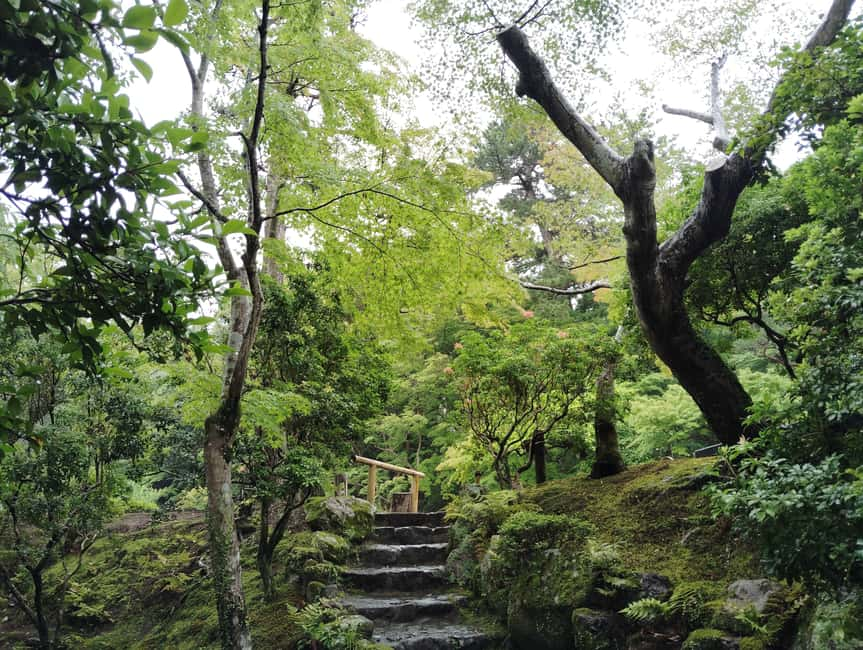
Yoshikien is the first major stop, with about an hour set aside for a guided visit. Its appeal comes from variety within a compact setting. The garden has three distinct styles: a pond garden, a moss garden, and a tea garden connected with the tea tasting experience.
The pond garden gives you the classic Japanese garden rhythm of water, rocks, plants, and carefully managed open space. Rather than treating the pond as decoration alone, your guide can help you notice how it directs your gaze and changes the feeling of the path around it.
The moss garden is quieter. Its softer colors and low, even texture create a slower mood than the pond area. This is the place to pause and observe small changes in shade, surface, and spacing. You do not need a long explanation to appreciate it, but a guide can put the design into context.
The tea garden has a more focused character. Its details prepare you for the final tea experience at Isuien, where the emphasis shifts from simply seeing Japanese design to taking part in a small cultural ritual.
Yoshikien once served as a temple residence, a detail that helps explain its private, sheltered feel. It is not presented as a grand parade of monuments. Instead, the garden encourages you to notice the relationship between natural forms and human choices.
That makes Yoshikien a good opening stop. You start with close observation, then move to Isuien’s larger views. If you prefer famous buildings and dramatic interiors, the first hour may feel understated. If you enjoy quiet spaces and design details, it may be the strongest part of the walk.
Isuien and Its Edo and Meiji Sections
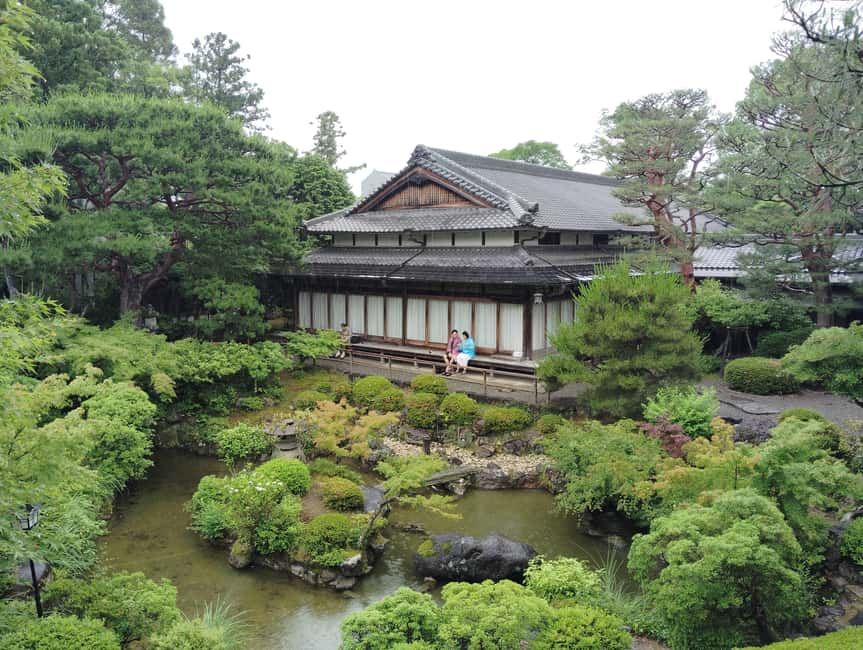
The second visit takes about two hours and gives the tour its broader sense of place. Isuien contains two connected sections shaped during the Edo and Meiji periods. Their combination lets you see how Japanese garden design changed over time while keeping a shared concern for harmony, movement, and framed views.
Your guide explains how the garden uses rocks, water, open areas, enclosed areas, and transitions between them. These details are easy to pass without comment. A stone may look casually placed, but its position can help balance a view or lead your eye toward the water.
The changing scale is one of Isuien’s pleasures. Some passages feel close and sheltered. Then the garden opens, and the view expands. That shift keeps the walk from feeling repetitive. You are not only circling a pond. You are moving through a sequence of different scenes.
The garden also rewards a slower pace. This is not a sightseeing stop where you need to photograph every angle. Give yourself time to look back after turning a corner. Notice how the view changes when a tree, wall, or building enters the frame.
The tour includes a photo stop, but the exact timing can depend on the guide and the group. Bring a camera if you like, though you will get more from the visit if you also spend some time without looking through a screen.
Borrowed Scenery at Mount Mikasa and Todai-ji
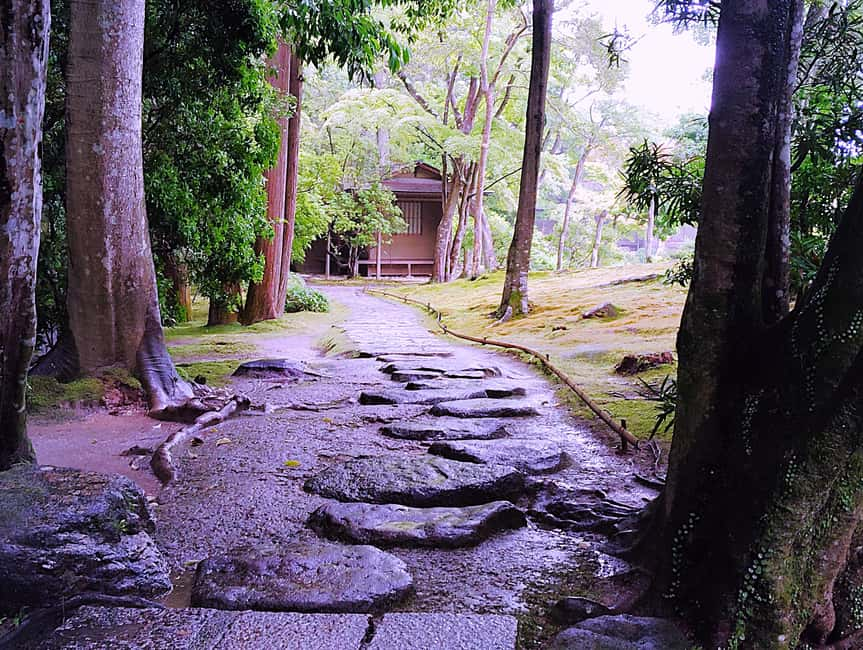
One of Isuien’s most memorable features is shakkei, or borrowed scenery. The garden incorporates distant features into its own composition, making them feel like part of the designed view.
From the back of the garden, you can see Todai-ji’s Great South Gate and Mount Mikasa framed in the distance. The effect changes your sense of scale. A close garden becomes part of a much larger setting, yet the view remains carefully controlled.
This is where a guide is especially useful. Without explanation, you may notice a beautiful vista but miss the design idea behind it. Your guide can show you how the near garden and faraway landmarks work together, and why the view feels both intimate and spacious.
The borrowed scenery also gives Isuien a strong connection to Nara. You are not looking at a garden cut off from the city and hills around it. The distant gate and mountain tie the garden to the wider cultural setting.
Keep in mind that this is a view-based experience, not a lookout tour. The appeal lies in how the scenery is framed through the garden, not in reaching a high point or seeing a huge panorama from every section.
Same corner of the map, a different planting:
- Kyoto Arashiyama Bamboo forest & Garden Half-Day Walking Tour
★ 5.0 · 413 reviews - Tokyo: Imperial Palace East Gardens Walking Tour
★ 4.8 · 353 reviews - Mt. Fuji, Cherry Blossom & Shiba Sakura Pvt. Day Tour
★ 5.0 · 326 reviews - Tokyo: Edo Castle & East Garden of the Imperial Palace Tour
★ 4.7 · 112 reviews
Matcha in a Historic Tea House
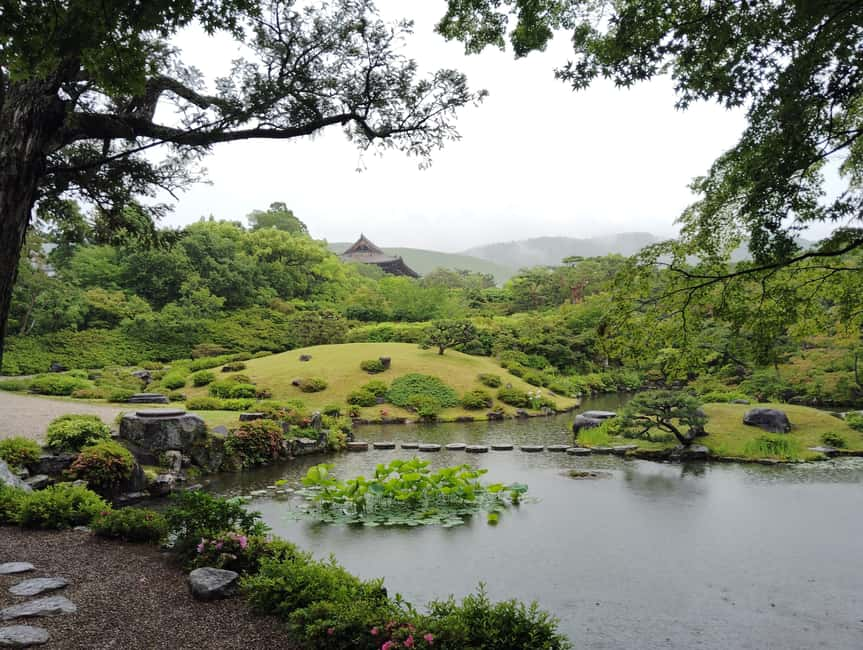
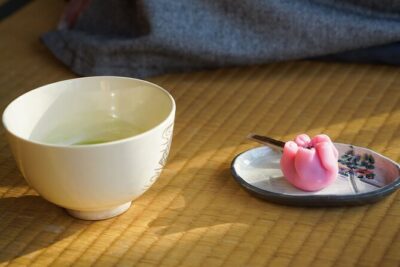
The tour ends with matcha tea tasting in a historic tea house within Isuien. This is more than a beverage break. It changes the way you experience the garden by adding taste, scent, sound, and a moment of stillness to the visual walk.
You receive freshly whisked green tea while looking out over the gardens and surrounding natural scenery. The setting matters. After an hour at Yoshikien and roughly two hours at Isuien, sitting down gives you time to absorb the details you have just seen.
The tea house also connects the garden’s design with Japanese cultural practice. The earlier tea garden at Yoshikien introduces one side of that tradition, while the matcha tasting lets you experience it directly.
Do not expect a full tea ceremony unless that is specifically stated when you book. The activity is described as a matcha tea tasting. That makes it approachable and keeps the focus on the garden visit, but anyone seeking a formal, highly structured tea ceremony should check the exact format before reserving.
For many people, this will be the tour’s most distinctive moment. Plenty of garden visits end at the exit. Here, the final stop gives you a quiet place to sit, look, and taste something connected to the setting.
What the Three-Hour Format Means
Three hours is enough time to cover both gardens without turning the visit into a rushed checklist. Yoshikien receives about an hour, while Isuien receives about two hours, including the guided visit, photo opportunities, and tea tasting.
You should still expect steady walking. The route passes through garden paths rather than city pavement alone, and the activity information specifically recommends comfortable shoes. If you have a full day of temple visits planned, place this tour where you can enjoy a slower pace rather than squeezing it between several timed attractions.
The starting point is clear: the torii gate of Himuro Shrine. The finish is at Isuien and the Neiraku Museum. Since the tour does not return you to the starting point, plan the rest of your day from the Isuien area.
The exact start time is selected from available options when you book. English and Japanese guides are offered. If language matters to you, check that the preferred language and time are available before confirming.
Is $83 a Fair Price?
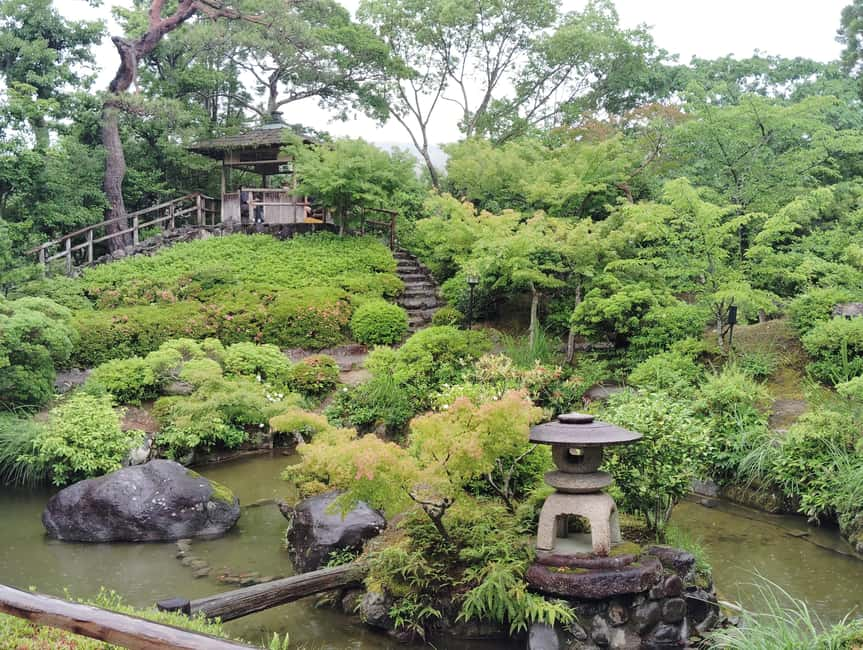
At $83 per person, this is not the cheapest way to enter a Japanese garden. The value depends on what you want from the visit.
If you only want to walk through the gardens and take photographs, admission alone would likely be a less expensive approach, though the supplied details do not give separate entrance prices. The tour earns its price through the private guide, the interpretation of garden design, and the matcha tasting in a historic tea house.
I think the cost makes more sense for first-time visitors who would otherwise miss the meaning behind the details. Rocks, water, sight lines, and garden transitions can be beautiful without explanation, but the guide helps you understand why they are arranged as they are.
The private format also matters. You are not paying only for a set route. You have more room to ask questions and adjust the pace than you generally would in a large group. That is especially useful if you are interested in Japanese aesthetics, architecture, tea culture, or photography.
The price is harder to justify if you already know these gardens well or prefer to explore independently. It is also less suited to someone who wants a high-energy sightseeing tour with many separate attractions. This is a focused visit to two gardens and one tea experience.
Reserve now and pay later is available, and cancellation is free up to 24 hours in advance for a full refund. Those terms help if your Nara schedule is still changing.
Who Will Enjoy This Garden Walk?
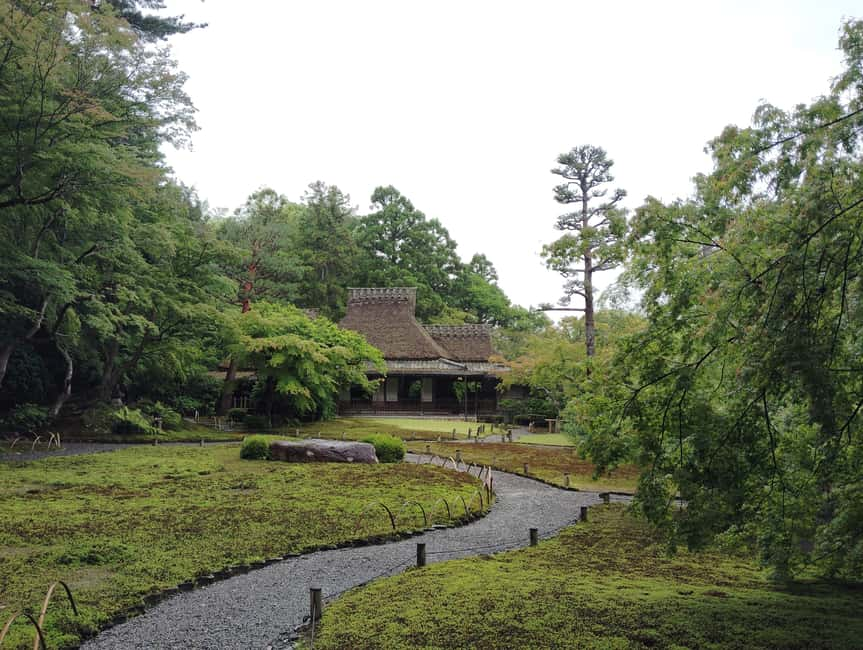
I would recommend this tour to you if you like:
- Quiet cultural experiences rather than crowded attractions
- Japanese garden design and architecture
- Guided explanations of visual details
- Small private groups
- Matcha and traditional tea settings
- Photography with time to frame views
- A slower three-hour activity in Nara
It is also a good choice for solo visitors who want company without joining a large group. A private guide can make it easier to ask questions and set a comfortable rhythm.
Families may enjoy the variety, but young children who need constant movement could find the quiet pace slow. The tour is built around looking closely, listening, walking, and sitting for tea.
You should also think about your footwear. Comfortable shoes are not a minor suggestion here. Garden paths can make three hours feel longer than the same amount of time on a flat city street.
How to Get the Most From the Visit
Arrive at Himuro Shrine with enough time to find the torii gate and identify the yellow sign marked DeepExperience. Since the meeting point is outside, do not wait inside a nearby building and expect the guide to find you.
Wear shoes that are comfortable for garden walking. Bring a camera, but leave room in your attention for the explanations. Ask about the borrowed scenery, the difference between the Edo and Meiji sections, and how the pond, moss, and tea gardens create different moods.
I would avoid planning a rushed attraction immediately after the tour. The finish at Isuien and the Neiraku Museum gives you a natural point to continue exploring, but the tea tasting may leave you wanting a few quiet minutes before moving on.
The experience is available in English or Japanese. For an English-language booking, confirm availability rather than assuming every departure offers both languages.
Should You Book Yoshikien and Isuien?
Book it if you want to understand Nara’s gardens rather than simply pass through them. The strongest reasons are the contrast between Yoshikien and Isuien, the explanation of borrowed scenery, and the matcha tasting with views across the garden.
Skip it if you prefer to explore alone, want a formal tea ceremony, or have limited time and only want Nara’s largest temple sights. At $83, the tour is best viewed as a guided cultural experience, not just garden admission.
For most visitors who enjoy calm places, thoughtful design, and a private pace, I think it is a worthwhile three-hour addition to a Nara day. The final cup of matcha gives the outing a satisfying finish, while the views of Mount Mikasa and Todai-ji help tie the gardens to the wider setting.
FAQ
Where does the tour meet?
The meeting point is in front of the torii gate of Himuro Shrine. The guide will be holding a yellow sign marked DeepExperience.
Where does the tour finish?
The tour finishes at Isuien Garden and the Neiraku Museum.
How long does the experience last?
The tour lasts three hours. Yoshikien is scheduled for about one hour, with about two hours for the Isuien visit, guided sightseeing, photo stop, and tea experience.
Which languages are available?
The live guide is available in English or Japanese. Check the available language when selecting your departure.
Is the tour private?
Yes. The activity is arranged for a private group.
Is matcha included?
Yes. A matcha tea tasting is included and takes place in a historic tea house within Isuien.
What should I wear?
Comfortable shoes are recommended because the tour involves walking through the gardens.
Just added around Japan
- TOKYO: Tailored Gardens tour with Pro Gardener by E-bike -BASIC★ 5.0 · 2 reviews
- Tsukiji Food Strolling and Hama Rikyu Garden Walking Tour★ 5.0 · 7 reviews
- Tokyo: Serene Sakura & Sake: An Exclusive Brewery Pairing Lunch★ 5.0 · 2 reviews
- Tokyo: Kimono Experience inside Shinjuku Gyoen National Garden★ 5.0 · 3 reviews
- Tokyo Cherry Blossom Half Day Walking Tour with a Local Guide★ 3.5 · 4 reviews
- Cherry Blossom Highlights, Asakusa, Ueno, Imperial Palace Garden★ 4.5 · 4 reviews
- Sumida Riverside Walk: Garden &Temple Ritual (4 Meeting Points)★ 5.0 · 5 reviews
- Full Guided Mt. Fuji & Shiba-Sakura Festival One Day Pvt.Tour★ 5.0 · 6 reviews
Japan Garden Tours, compared.

Kyoto Zen Meditation & Garden Tour at a Zen Temple with Lunch
Read our review →
Edo Castle & East Garden of the Imperial Palace Tour
Read our review →
Tokyo Private Tour! Edo Castle & Imperial Palace East Gardens
Read our review →
Kyoto Kiyomizu Tea Ceremony with Scenic Garden Views
Read our review →
Zen Meditation and Garden Tour at a Temple with Lunch
Read our review →
Kanazawa: Samurai, Matcha, Gardens and Geisha Full-Day Tour
Read our review →Browse the lists this tour appears in