
Review · JAPAN GARDEN TOURS
Hiroshima: Shukkei-en Garden with local guide 90min
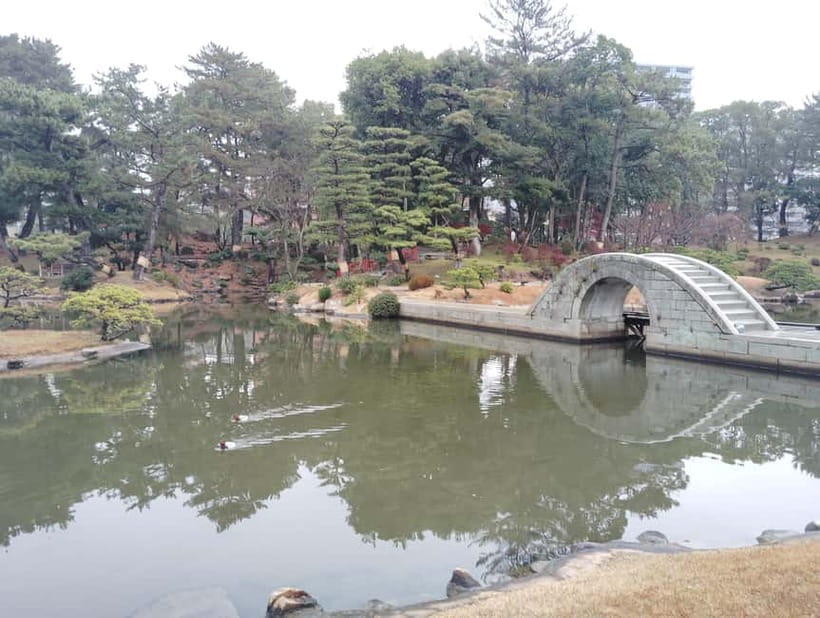
Hiroshima’s Shukkei-en Garden gives you a quiet change of pace right in the city center. Built about 300 years ago for a feudal lord, it follows the classic daimyo-garden plan: a large pond at the heart, carefully framed views, bridges, buildings, and paths that reveal a new scene at every turn.
I like the garden’s central pond and the way the route keeps changing as you walk. I also like having a private guide, since the garden’s design makes more sense when someone explains why the pond, curved bridge, boat landing, and moon-viewing stage sit where they do. The main consideration is time: 90 minutes is enough for a guided visit, but not a slow, lingering exploration of every corner.
Key points to know before booking
- A 300-year-old garden in central Hiroshima: You get a historic garden without leaving the city.
- A large central pond: The pond is the garden’s main organizing feature, as it is in many daimyo gardens.
- A private 90-minute walk: Your group receives a guide rather than joining a large public tour.
- English or Japanese guidance: The experience is offered in both languages.
- Distinctive garden structures: Look for the curved stone bridge, boat landing, and stage for viewing the moon.
- A peaceful urban pause: Shukkei-en offers nature and carefully framed views amid Hiroshima’s city setting.
Why Shukkei-en makes a good Hiroshima break
Many Hiroshima visits focus on powerful modern history, memorial sites, and busy central streets. Shukkei-en offers something different. It is a place for slower looking, with water, trees, paths, bridges, and small changes in the view doing most of the work.
The garden was built during the period when regional lords created large daimyo gardens. These were not simply open green spaces. Their ponds and buildings were arranged to suggest famous scenic places, creating a series of carefully planned views within a limited area.
That idea is important here. You do not just walk beside one large pond. You move along paths that alter your angle, bringing a bridge, building, shoreline, or stretch of water into view. The pleasure comes from the sequence.
I find this kind of garden especially useful early in a Hiroshima visit. It gives you a calm hour and a half, and it helps you notice Japanese ideas about proportion, borrowed scenery, and controlled views. You are still in the city, but the garden creates a strong sense of separation from it.
More Garden Tours in Japan:
- Osaka: teamLab Botanical Garden Entry Ticket
★ 4.5 · 1,710 reviews - Imperial Palace East Garden and Edo Castle Walking Tour in Tokyo
★ 5.0 · 510 reviews - Kyoto Zen Meditation & Garden Tour at a Zen Temple with Lunch
★ 5.0 · 441 reviews
Starting in front of the garden
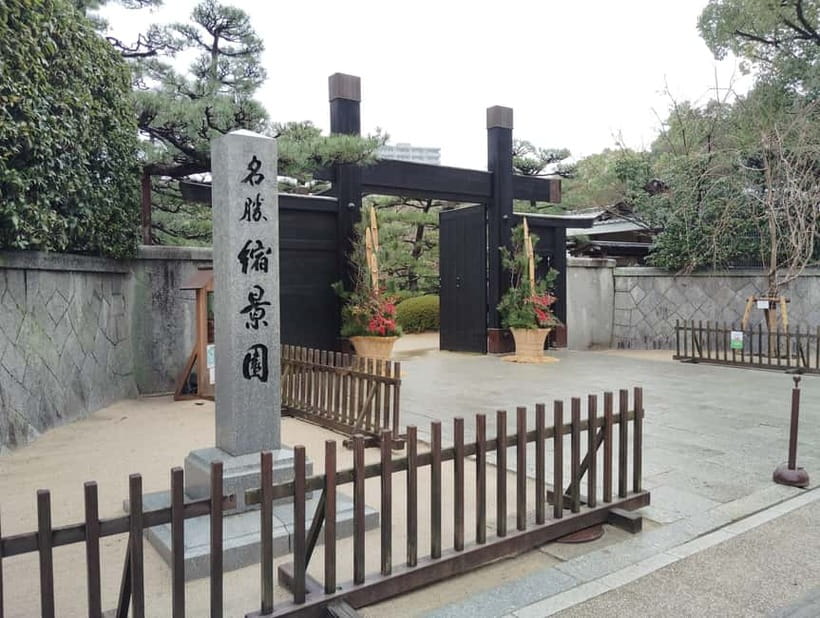
The meeting point is in front of Shukkei-en Garden. Your guide will hold a yellow sign with the DeepExperience logo, which gives you a clear visual marker at the start.
That detail matters because the experience begins at the garden itself, not at a hotel or a separate city meeting point. You will need to make your own way to Shukkei-en, then look for the guide before entering or beginning the visit.
The booking is for a private group. That gives you a more personal format than a large shared walk. You can focus on the garden without trying to keep up with a crowd, although the supplied details do not specify the maximum group size.
Guides speak English or Japanese. Two guide names connected with particularly warm feedback are Naoko and Emiko. Naoko received thanks for making the visit enjoyable for a Japanese participant and German friend, while Emiko was praised for being very friendly and explaining things clearly. Your assigned guide may be different, so treat those names as examples rather than a guarantee.
The central pond and the daimyo garden design
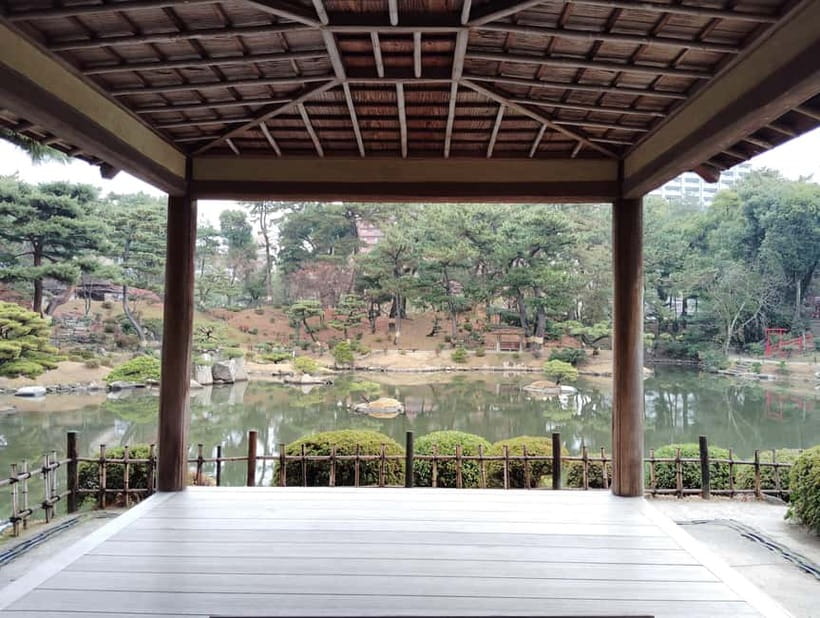
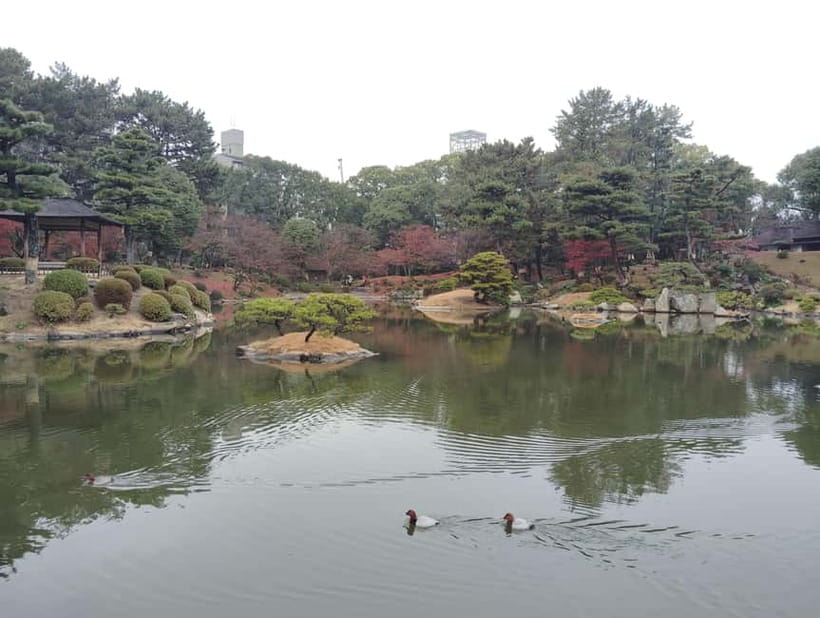
Once inside, the large pond becomes the main reference point. Its position is typical of a daimyo garden, where water often forms the center around which the rest of the garden is arranged.
This is where a guide adds real value. Without explanation, you can certainly enjoy the scenery. With help, you can better understand why the garden is laid out this way and how its designers used water, structures, and changing paths to create views associated with famous places.
The pond also helps make the visit easy to follow. Instead of a long list of separate sights, you have one central feature and a series of paths around it. The walk is about seeing how each part relates to the whole.
You should expect a sightseeing walk rather than a formal lecture. The scheduled visit lasts 90 minutes, and the supplied itinerary describes it as a guided visit, walking tour, sightseeing stop, and photo opportunity. That combination suits the garden well. You will have time to hear explanations, pause for pictures, and keep moving through the grounds.
Bridges, buildings, and changing views
The curved stone bridge is one of the garden’s most distinctive details. Its shape provides a strong visual contrast with the pond and the surrounding plantings. It is the sort of feature that can look different from each side of the water, so pay attention to the view behind it as well as the bridge itself.
The boat landing adds another reminder that the pond was designed as more than decoration. It connects the water with the garden’s buildings and suggests how people once experienced the grounds from different positions.
You will also see a stage for viewing the moon. The name alone tells you something about the garden’s purpose. This was a place designed for seasonal pleasures and carefully framed moments, not just for walking from one practical point to another.
The route follows paths beside the pond and through the garden. The descriptions promise a variety of views, but they do not give a fixed list of every structure or planting you will see. That is useful to keep in mind. Book this for the overall garden experience and guided interpretation, not for a checklist of named monuments.
Same corner of the map, a different planting:
- Kyoto Arashiyama Bamboo forest & Garden Half-Day Walking Tour
★ 5.0 · 413 reviews - Tokyo: Imperial Palace East Gardens Walking Tour
★ 4.8 · 353 reviews - Mt. Fuji, Cherry Blossom & Shiba Sakura Pvt. Day Tour
★ 5.0 · 326 reviews - Tokyo: Edo Castle & East Garden of the Imperial Palace Tour
★ 4.7 · 112 reviews
What the 90-minute itinerary feels like
The visit begins and ends at Shukkei-en, with the garden itself taking up the full 90-minute schedule. You will meet the guide, enter or begin the garden visit, then walk the paths around the pond while stopping at points of interest.
The first part should help you get oriented. The guide can introduce the garden’s age, its connection to feudal lords, and the basic features of daimyo gardens. This opening context makes the later views easier to read.
The middle portion is where the garden’s variety comes through. You will see the central pond from different points, pass the curved stone bridge and boat landing, and reach scenic spots such as the moon-viewing stage. The supplied information does not promise a specific order, so the route may depend on the guide and conditions on the day.
The final part gives you time to complete the walk and enjoy the garden at a measured pace. Ninety minutes is a practical length for a guided introduction. It is long enough to avoid a rushed visit, but short enough to fit beside other Hiroshima plans.
If you like to stop for many photographs, tell the guide early. The tour includes photo stops, but the schedule is still limited. A private format should make small adjustments easier, though no exact flexibility is promised.
What you get for $58 per person
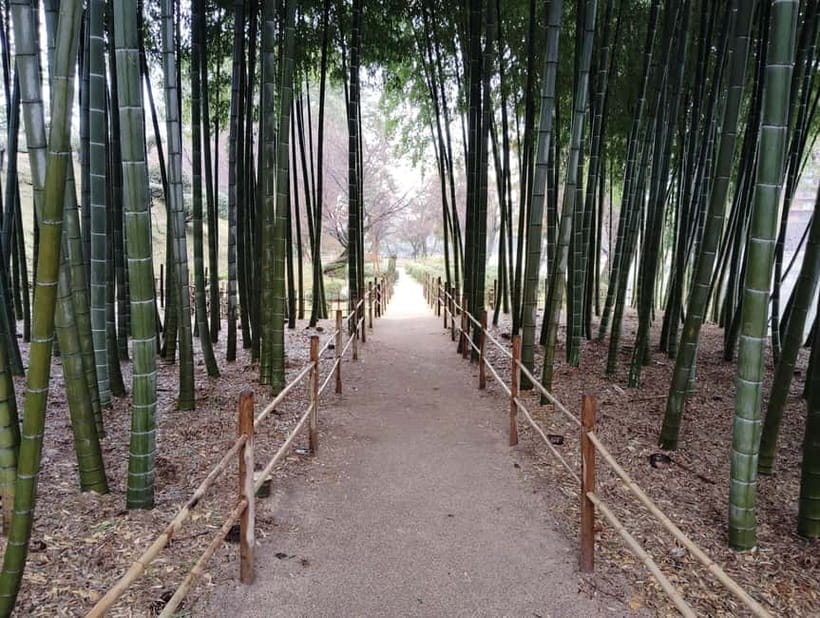
The listed price is $58 per person. That includes the entrance fee to Shukkei-en and the professional guide fee. Food and drinks are not included, although this is a 90-minute garden walk rather than a meal-based activity.
The value depends on what you want from the visit. If you only need admission and prefer to walk alone, paying for a guide may not be necessary. The garden can be enjoyed for its scenery without a formal explanation.
I see the stronger value in the private guiding. A daimyo garden can seem pleasant but cryptic. The pond, curved bridge, boat landing, and moon-viewing stage become more meaningful when you understand that they belong to a planned system of views and seasonal enjoyment.
The price also covers a short, focused experience. You are not paying for transportation, lunch, or a full-day program. You are paying for entry plus interpretation in a central Hiroshima setting. That makes the tour easiest to justify for visitors who want context and have limited time.
Who will enjoy this garden walk
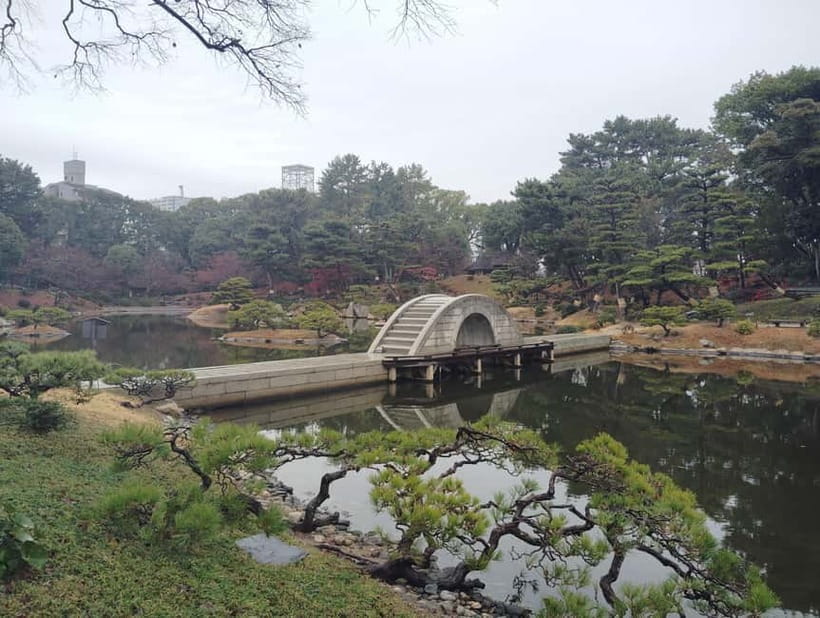
This experience fits you well if you enjoy gardens, architecture, design, photography, or quiet city stops. It is also a good choice if you want a private activity in English or Japanese and prefer a guide who can explain what you are seeing as you go.
Families and mixed-interest groups may find the 90-minute length useful. It is not an all-day commitment, and the garden gives you visual variety without requiring a long excursion outside Hiroshima.
The tour can also suit a pair of friends with different interests. One person may focus on the garden’s beauty, while the other wants to understand its feudal setting and design. A guide can connect those two ways of looking.
You might prefer an unguided visit if you want complete control over your pace or enjoy silent wandering. The guided format includes a set 90-minute visit, so it is less suitable for someone who wants to sit beside the pond for a long time or explore without conversation.
Practical details that affect your visit
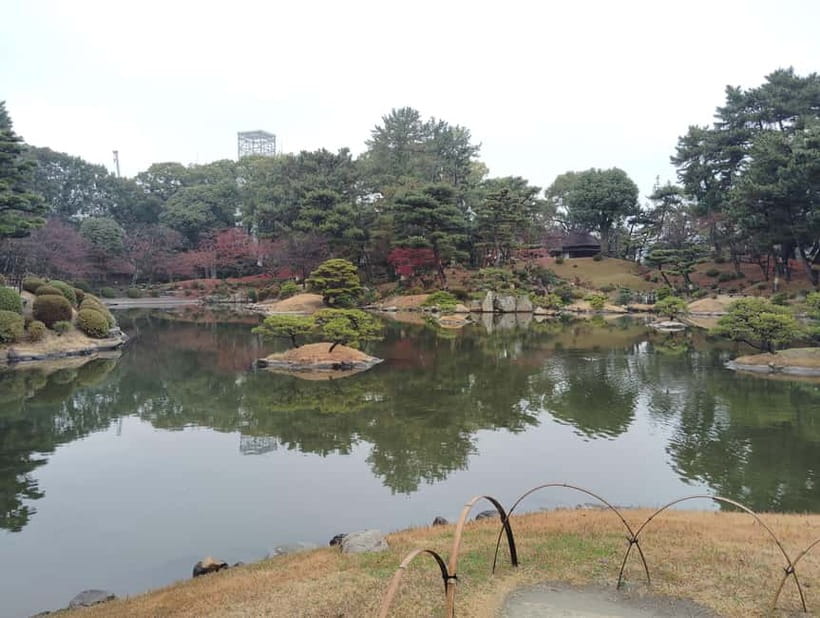
The experience is available with a live guide in English or Japanese. It is described as a private group, which means you are not signing up for a standard large-group walk.
The meeting point is in front of the garden, where you should look for the yellow DeepExperience sign. The activity starts and finishes at Shukkei-en, and no transportation is included.
There is no food or drink included. Since the tour lasts 90 minutes, this is a minor issue, but plan any refreshments separately. The supplied details do not state whether drinks can be purchased inside or nearby, so do not count on refreshments as part of the experience.
You can cancel up to 24 hours before the activity for a full refund. The reservation also allows you to reserve now and pay later, which can help if you are still arranging your Hiroshima schedule.
Starting times vary. Check availability for the date you want rather than assuming a fixed departure time. The garden is outdoors, so your comfort will depend on the weather, though no specific weather policy is provided.
What the early feedback tells me
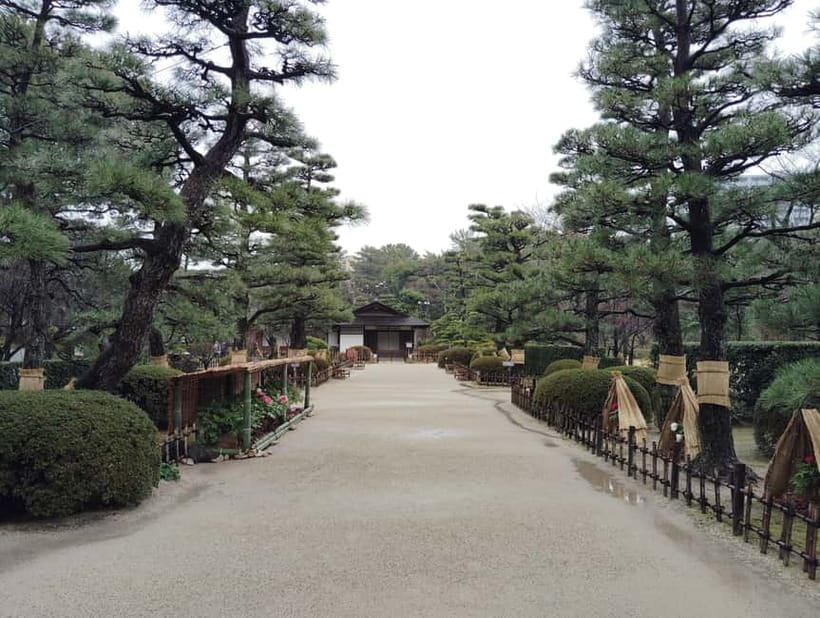
The experience has a perfect rating from three verified bookings, including feedback from Japan and Germany. That is a small sample, so I would not treat it as proof that every visit will be identical. Still, the comments point to a clear strength: the guides make the walk friendly and easy to follow.
Naoko was thanked by a Japanese participant whose German friend also enjoyed the visit. That is a useful sign for mixed-language or international groups, especially if you want the tour to work for people with different backgrounds.
Emiko was praised for her friendliness and clear explanations. Those are exactly the qualities that matter in a garden tour. The setting already supplies the beauty. The guide’s job is to help you see the reason behind the layout without turning the walk into a dry classroom session.
The strongest theme is peace and clear communication. You should book this expecting a calm, human-scale introduction to Shukkei-en, not an aggressive sightseeing sprint or a long academic talk.
My take on the garden’s limitations
The garden’s peaceful quality can be its only drawback for some people. If you want dramatic city views, major monuments, or a packed schedule of sights, Shukkei-en may feel gentle by comparison.
The information also does not specify a full list of stops, the precise route, accessibility details, or the number of people allowed in each private group. If any of those points matter to you, ask before booking.
The 90-minute duration is both a strength and a limit. It works well as a compact guided visit, but it may not satisfy you if you want extensive free time for sketching, photography, or sitting beside the pond.
Should you book the Shukkei-en tour?
Book it if you want a private, guided garden visit with clear English or Japanese interpretation, a central Hiroshima location, and a peaceful break from more intense sightseeing. The $58 price is reasonable for admission plus a 90-minute professional guide, especially if you value context rather than simply walking in alone.
Skip it if you prefer to explore at your own speed, do not need help understanding garden design, or want a longer and more flexible visit. For most visitors who enjoy carefully arranged scenery and a short, calm activity, this is a well-focused way to experience one of Hiroshima’s historic gardens.
FAQ
Where does the Shukkei-en Garden tour begin?
The meeting point is in front of Shukkei-en Garden. The guide will hold a yellow sign with the DeepExperience logo.
How long does the experience last?
The guided visit lasts 90 minutes.
Is the garden tour private?
Yes. The activity is described as a private group experience.
Which languages are available?
Live guiding is available in English and Japanese.
Is the Shukkei-en entrance fee included?
Yes. The entrance fee for Shukkei-en Garden is included.
Is a guide included in the price?
Yes. A professional guide fee is included.
Are food and drinks included?
No. Food and drinks are not included.
What can you see in Shukkei-en Garden?
The garden includes a large central pond, a curved stone bridge, a boat landing, a stage for viewing the moon, and paths with changing views.
Can you cancel for a full refund?
Yes. You can cancel up to 24 hours in advance for a full refund.
Can you reserve now and pay later?
Yes. The activity allows you to reserve your place and pay later.
Just added around Japan
- TOKYO: Tailored Gardens tour with Pro Gardener by E-bike -BASIC★ 5.0 · 2 reviews
- Tsukiji Food Strolling and Hama Rikyu Garden Walking Tour★ 5.0 · 7 reviews
- Tokyo: Serene Sakura & Sake: An Exclusive Brewery Pairing Lunch★ 5.0 · 2 reviews
- Tokyo Cherry Blossom Half Day Walking Tour with a Local Guide★ 3.5 · 4 reviews
- Cherry Blossom Highlights, Asakusa, Ueno, Imperial Palace Garden★ 4.5 · 4 reviews
- Tokyo: Kimono Experience inside Shinjuku Gyoen National Garden★ 5.0 · 3 reviews
- Sumida Riverside Walk: Garden &Temple Ritual (4 Meeting Points)★ 5.0 · 5 reviews
- Full Guided Mt. Fuji & Shiba-Sakura Festival One Day Pvt.Tour★ 5.0 · 6 reviews
Japan Garden Tours, compared.


Kyoto Zen Meditation & Garden Tour at a Zen Temple with Lunch
Read our review →
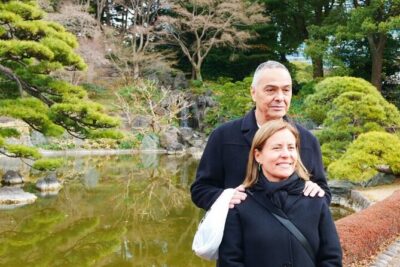
Edo Castle & East Garden of the Imperial Palace Tour
Read our review →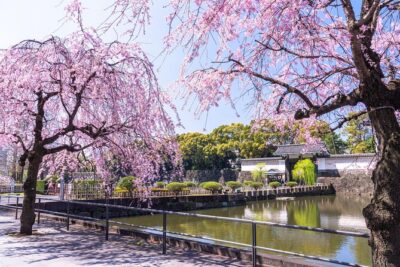
Tokyo Private Tour! Edo Castle & Imperial Palace East Gardens
Read our review →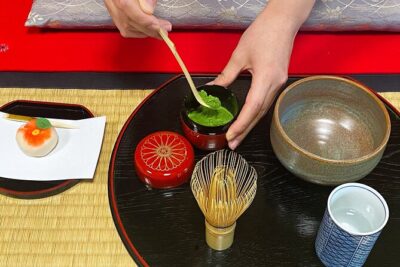
Kyoto Kiyomizu Tea Ceremony with Scenic Garden Views
Read our review →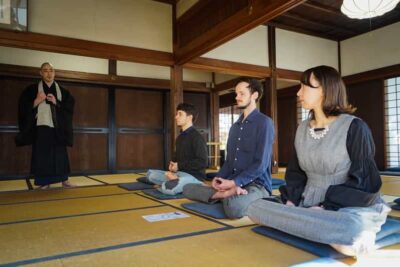
Zen Meditation and Garden Tour at a Temple with Lunch
Read our review →
Kanazawa: Samurai, Matcha, Gardens and Geisha Full-Day Tour
Read our review →Browse the lists this tour appears in