
Review · JAPAN GARDEN TOURS
Osaka: Daytime Hanami (Cherry Blossom) and Food Tour
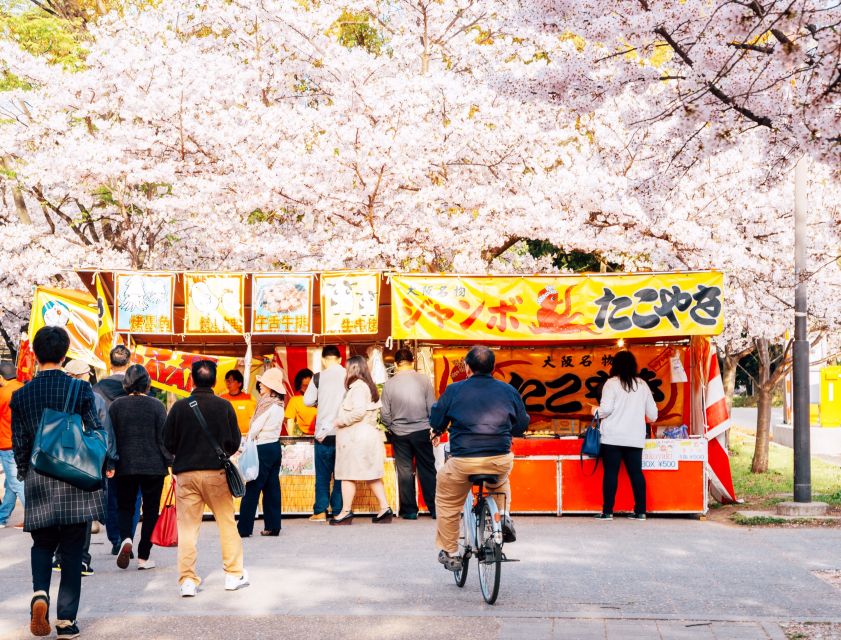
Osaka’s Karahori district gives this cherry blossom tour its character. Instead of heading straight to a packed city park, you’ll walk narrow backstreets near Matsuyamachi, pass old wooden houses and small artisan shops, then settle beneath cherry trees near a shrine. I like the mix of food and neighborhood life, and I like that the final hanami stop leaves time to sit rather than rush past the blossoms with a camera.
The main consideration is timing. Sakura can bloom early, late, or briefly, and one outing found only a few cherry and plum trees because the weather and flowers did not cooperate. The guide adapted well, but you should book this for the food, old Osaka atmosphere, and seasonal chance of blossoms, not as a guaranteed full-bloom photo session.
Key points at a glance
- Karahori’s old backstreets: Walk a quieter part of central Osaka, with traditional wooden homes, small shops, and a strong sense of local daily life.
- Several food stops: Taste seasonal snacks, dishes, and drinks rather than relying on one restaurant meal.
- A proper hanami pause: The tour ends at a secluded shrine and cherry-tree spot where you can sit, eat, and enjoy the season.
- Small English-speaking group: The maximum is 10 people, allowing room for questions and some flexibility.
- Guides who adjust to conditions: Miki and Sanae have led outings praised for their friendly manner, local food advice, and ability to adapt in rain or poor bloom conditions.
- Three hours on foot: Wear comfortable shoes and expect walking through uneven, narrow neighborhood streets.
Why Karahori makes a smart setting for hanami
Karahori is close to Osaka’s central districts, but it feels removed from the broad commercial streets and neon signs that many first-time visitors associate with the city. The area is known for maze-like lanes, older wooden houses, and independent shops. That makes it a useful place to see how Osaka’s past and present sit side by side.
You begin outside the doll shop Masumuraningyoten Sueyoshibashiten, just outside Matsuyamachi Station. From there, the walk moves through the neighborhood rather than treating the blossoms as a single stop. This matters because hanami is not only about finding a tree. It is also about the slow spring stroll, small bites, drinks, and time spent outdoors.
I like this approach for visitors who have already seen Osaka’s major sights. You get a more local-scale outing, with a guide explaining what you are seeing and pointing you toward shops and food that would be easy to miss alone. The route is still in the city center, so you do not lose half a day getting to a distant park.
The tradeoff is that Karahori is a working neighborhood, not a grand sightseeing complex. You will not find a long avenue of uninterrupted cherry trees here. The appeal comes from the combination of old streets, food, shops, shrines, and the possibility of blossoms at the right moment.
More Cherry Blossom Tours in Japan
- Mt. Fuji, Cherry Blossom & Shiba Sakura Pvt. Day Tour
★ 5.0 · 326 reviews - Nagano: 1-Day Snow Monkey & Cherry Blossom Tour in Spring
★ 4.8 · 51 reviews - Mt. Fuji & Hakone Cherry Blossom private One Day Tour
★ 4.5 · 35 reviews
Starting at Matsuyamachi Station
The meeting point is easy to reach on the Osaka Metro Nagahori Tsurumi Ryokuchi Line. Take Matsuyamachi Station’s Exit 2, then look for the doll shop at 2-8 Matsuyamachi, Chuo Ward, Osaka, 542-0067.
You should allow enough time to find the correct exit and meeting point. The tour does not include hotel pickup, so you are responsible for reaching Matsuyamachi. It also begins and ends at the same place, which is useful if you plan to continue sightseeing in central Osaka afterward.
This is a small group, limited to 10 participants. That number is large enough to give the walk some energy but small enough for the guide to answer questions and adjust the pace. A guide can also help with food choices and explain local customs more naturally than a large group tour allows.
The activity is in English. Guides have included Miki, who helped shape the route around local food, and Sanae, whose outing included a traditional restaurant meal, a tea ceremony, a seaweed shop, and a final cherry blossom stop. Exact stops can vary, so treat those details as examples of the kind of local access the tour can provide rather than a fixed promise.
Seasonal food along the old lanes
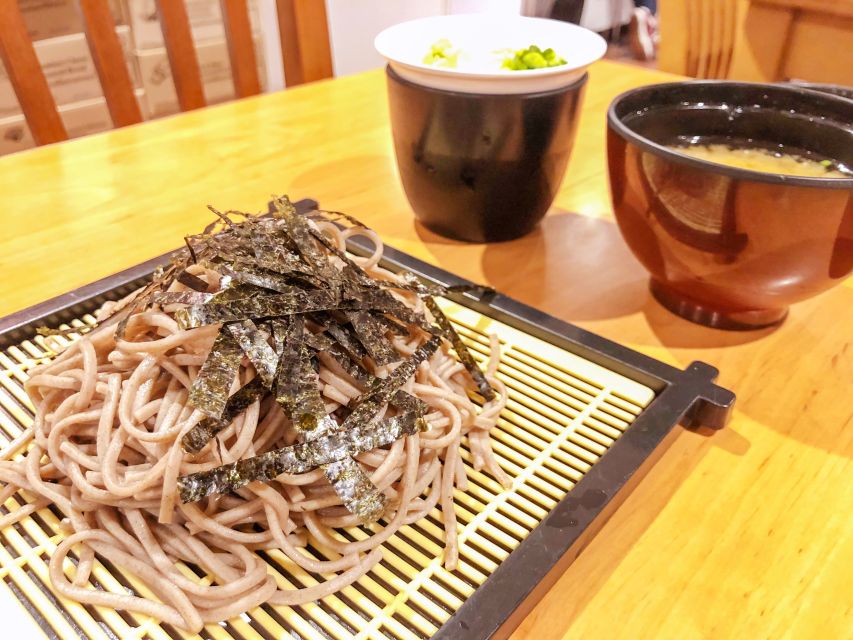
Food is not an extra added to a flower walk. It is one of the main reasons to book this experience. You will stop at seasonal street stalls and other food spots for a variety of dishes inspired by spring and cherry blossoms.
The precise menu is not listed, which is normal for a seasonal food tour. Availability can change with the day, the weather, and the shops that are open. You can expect local snacks and spring-themed tastes, but you should not book this expecting a fixed restaurant menu or a particular dish.
The tour includes tea, sake, beer, or other beverages. That gives the afternoon a proper hanami feel, since sitting with a drink and small foods is part of the pleasure of the season. Additional food and drinks are not included, though you can buy more at your own expense.
I especially like the multiple-stop format. One large meal can be satisfying, but a series of small tastes gives you a better sense of Osaka’s food culture and keeps the walk moving. It also lets the guide point out local shops and explain what makes a snack seasonal or typical.
Some stops may be more casual than polished. Street food stalls and neighborhood businesses are valued for their local character, not for formal service. If you want a carefully planned tasting menu, this will feel loose. If you enjoy eating in small amounts while exploring, the format works well.
Meeting shopkeepers and seeing everyday Osaka
The tour includes visits to local businesses where shopkeepers maintain long-running traditions. The seaweed shop mentioned on one outing is a good example of the sort of stop that adds substance to the walk. A small specialty shop can tell you more about Osaka’s food habits than another generic souvenir store.
You may also visit a traditional bar or restaurant. One itinerary included a highly praised meal there, along with a tea ceremony. Since the tour is seasonal and the description does not promise a fixed list of businesses, you should see these as possible highlights rather than guaranteed stops.
That flexibility is part of the experience. The guide can respond to opening hours, weather, and the group’s interests. A guide who knows the neighborhood can also steer you toward food that local residents buy, rather than places built only for sightseeing.
The human side of the tour matters here. Guides such as Miki and Sanae have been described as friendly, accommodating, and good at sharing practical food tips. Sanae’s outing was especially noted for clear English, thoughtful companionship, and a strong understanding of the old part of Osaka. You are not simply following a flag through the streets. You have someone helping you read the neighborhood.
Same corner of the map, a different planting:
- Osaka: teamLab Botanical Garden Entry Ticket
★ 4.5 · 1,710 reviews - Imperial Palace East Garden and Edo Castle Walking Tour in Tokyo
★ 5.0 · 510 reviews - Kyoto Zen Meditation & Garden Tour at a Zen Temple with Lunch
★ 5.0 · 441 reviews - Kyoto Arashiyama Bamboo forest & Garden Half-Day Walking Tour
★ 5.0 · 413 reviews
The cherry blossom question
The blossoms are the great attraction, and also the uncertain part. The experience is offered during the short sakura season, aiming for peak bloom. Exact dates vary, and the flowers may not be at their best on your chosen day.
That is not a flaw unique to this tour. Cherry trees are living things, not a theater schedule. Rain, wind, temperature, and early or late flowering can change the scene quickly. One outing took place when the main trees did not cooperate, but the guide found other cherry and plum blossoms and reshaped the experience around the conditions.
You should plan with the right expectation: this is a cherry blossom food tour with a strong seasonal focus, not a guarantee that every street will be covered in pink. If the flowers are late, the Karahori walk and food stops still give the tour a reason to exist. If the timing is right, the final stop becomes much more special.
The guide’s response to poor weather is important. A previous outing took place in rain, and the guide adjusted the experience to keep it enjoyable. That does not make wet weather ideal, but it suggests the tour is not abandoned the moment conditions turn difficult.
Ending at a quiet shrine and cherry-tree spot
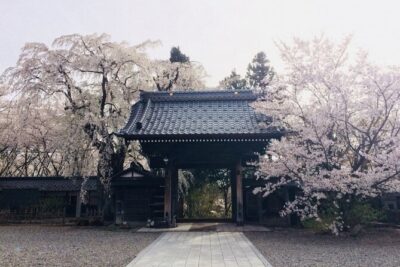
The walk finishes at a secluded place where shrines and cherry trees meet. Here you can sit, eat, drink, and take in the season at a slower pace. This is the most distinctly hanami part of the experience.
Many sightseeing walks treat a flower viewing spot as a quick photo stop. This one gives you time to stay. That makes a difference. Hanami is built around pausing under the trees, sharing food, and letting the day move at a gentler speed.
The word secluded should be taken in context. This is still Osaka, and the tour does not promise an empty private garden. It does promise a quieter final setting away from the city’s brightest commercial areas. The charm comes from the contrast between the old neighborhood walk and the calm ending.
The activity returns to the original meeting point after three hours. You can then use the nearby train station to reach another part of Osaka, or continue exploring around Chuo Ward.
Is $161 a fair price?
At $161 per person, this is not a cheap snack walk. The value depends on how much you want from a guide-led experience during a short and crowded travel season.
The price includes an English-speaking guide, several food stops, seasonal street snacks, local dishes, and tea, sake, beer, or another included beverage. It also buys you a small group capped at 10 people and a route through a part of Osaka that can be hard to understand on your own.
You are paying for more than the food itself. A self-guided walk would cost less, and Osaka has plenty of inexpensive places to eat. The added value is having someone explain the neighborhood, introduce local businesses, handle the route, and help the group make the most of uncertain blossom conditions.
The price is easier to justify if you care about food culture and want a guide who can answer questions. It is harder to justify if your only aim is to see a large mass of cherry trees. In that case, a public park visit may give you more flowers for less money, though without the food stops and local context.
Remember that transportation, hotel pickup, extra food, extra drinks, and gratuity are not included. The activity lasts three hours, so you are not paying for a full-day excursion.
Who will enjoy this three-hour walk?
I would recommend it to you if you want a compact introduction to old Osaka, prefer small tastings to one formal meal, and enjoy walking through ordinary neighborhoods. It also suits visitors who want a seasonal activity that feels tied to Japanese customs rather than a standard city tour.
Food-focused visitors will get the most from it. The range of snacks, drinks, neighborhood shops, and possible restaurant stops gives you plenty to discuss with the guide. The small group also helps if you like asking where locals eat or what ingredients are used.
It is a good choice for couples, friends, and solo visitors who would rather share the afternoon with a small group than arrange every stop alone. Families may also appreciate the short duration, though food preferences and walking comfort will matter.
This is not suitable for wheelchair users, according to the activity information. You should also wear comfortable shoes. The route includes walking through old streets and neighborhood lanes, and the tour is not designed as a seated food tasting.
Practical details before you reserve
The tour lasts three hours, with starting times based on availability. Since cherry blossom season is brief, check the date carefully before booking and think about how the timing fits with your other Osaka plans.
Free cancellation is available up to 24 hours in advance for a full refund. You can also reserve now and pay later, which is useful when your spring schedule is still changing.
Bring comfortable shoes and prepare for outdoor walking. Rain is possible during blossom season, and the guide may adjust the route or emphasis if the weather turns poor. Extra drinks and food can be purchased at your own expense, but the included tastings and beverage give the tour a substantial base.
Most important, keep your expectations balanced. The best day combines full bloom, pleasant weather, good food, and a quiet final stop. The less perfect day can still work because the Karahori neighborhood, food businesses, and guide are not dependent on every tree flowering at once.
Should you book the Karahori hanami food tour?
Book this tour if you want food, local streets, and a small-group guide wrapped around the cherry blossom season. The combination of seasonal snacks, drinks, old Osaka lanes, and a sit-down hanami ending gives you more than a simple flower-viewing stop.
Skip it if you need guaranteed peak bloom or want the lowest-cost way to see Osaka’s cherry trees. At $161, the tour makes sense when you value introductions to local food and neighborhood life as much as the blossoms themselves.
For the right visitor, it is a thoughtful three-hour choice: walk a lesser-seen part of central Osaka, eat along the way, and finish under the trees with time to enjoy the moment.
FAQ
Where does the tour begin?
It begins in front of the doll shop Masumuraningyoten Sueyoshibashiten, outside Matsuyamachi Station, at 2-8 Matsuyamachi, Chuo Ward, Osaka, 542-0067.
How do I reach the meeting point?
Take the Osaka Metro Nagahori Tsurumi Ryokuchi Line to Matsuyamachi Station and use Exit 2.
Where does the tour finish?
The tour ends back at the original meeting point near Matsuyamachi Station.
How long does the tour last?
The activity lasts three hours. Available starting times depend on the date you select.
What language is the tour in?
The live tour guide speaks English.
How many people can join?
The group is limited to 10 participants.
What food and drinks are included?
The tour includes local snacks from seasonal street stalls, dishes at multiple food stops, and tea, sake, beer, or other beverages.
Are transportation and hotel pickup included?
No. Hotel pickup and transportation costs are not included. You must make your own way to Matsuyamachi Station.
Is the tour accessible to wheelchair users?
No. The activity is not suitable for wheelchair users. Comfortable shoes are recommended because the tour involves walking.
Food tours around Japan
- Balinese Vegan Cooking Class with Fresh Harvesting & Garden Tour
★ 5.0 · 86 reviews
Just added around Japan
- Himeji: Himeji Castle & Kokoen Garden 3.5-Hour Guided Tour★ 4.9 · 30 reviews
- Tokyo: Ashikaga Flower Park with Entry Ticket★ 5.0 · 3 reviews
- 1-Day Tour from Okayama: Kurashiki, Gardens & Okayama Castle★ 5.0 · 2 reviews
- Private Car Day Trip to the Kobe Mountains, Gardens and Hot Springs from Osaka★ 4.5 · 16 reviews
- Private Car Full Day Tour of Osaka Temples, Gardens and Kofun Tombs★ 5.0 · 24 reviews
- Full-Day Tour from Kanazawa: Samurai, Matcha, Gardens and Geisha★ 5.0 · 68 reviews
- Kyoto Kiyomizu Tea Ceremony with Scenic Garden Views★ 5.0 · 101 reviews
- Kanazawa: Samurai, Matcha, Gardens and Geisha Full-Day Tour★ 4.9 · 75 reviews
Japan Garden Tours, compared.

Kyoto Zen Meditation & Garden Tour at a Zen Temple with Lunch
Read our review →
Kyoto Kiyomizu Tea Ceremony with Scenic Garden Views
Read our review →
Kanazawa: Samurai, Matcha, Gardens and Geisha Full-Day Tour
Read our review →
Full-Day Tour from Kanazawa: Samurai, Matcha, Gardens and Geisha
Read our review →
Nagano Spring: 1-Day Cherry Blossoms & Snow Monkeys Guided Tour
Read our review →Browse the lists this tour appears in