
Review · JAPAN GARDEN TOURS
From Asakusa: Old Tokyo, Temples, Gardens and Pop Culture
Tokyo makes more sense when you see its sharp changes in one day. This walk moves from the incense and temple customs of Asakusa to Ueno’s market streets, Akihabara’s anime and electronics culture, and the calm paths of Koishikawa Korakuen. The contrast is the main attraction.
I like the small maximum group of eight, which gives you room to ask questions and keep up with your guide. I also like the practical cultural lessons, especially temple etiquette and help with Tokyo’s train system. The main concern is pace: four hours covers a lot, and one report describes a late start, crowd trouble in Asakusa, and a rushed finish.
Key points to know
- Four very different parts of Tokyo: Asakusa, Ueno, Akihabara, and Koishikawa Korakuen offer a broad look at old and modern city life.
- Small groups matter: The tour accepts no more than eight people, and some departures may feel almost private.
- Guide quality is a major strength: Taka, Hiro, Ken, Yapi, and others are praised for clear explanations, patience, flexibility, and strong English.
- Expect plenty of walking: A moderate fitness level is required, with crowded streets, local train use, and several hours on foot.
- Temple and garden admissions are covered: Standard tour costs, admissions, and stated local train rides are included, while food and drinks are extra.
- The tour ends in Akihabara: This is useful if you want to continue exploring anime, electronics, maid cafes, and other pop culture sights afterward.
Four hours from temple bells to anime signs
This is an ambitious introduction to East Tokyo. In roughly four hours, you move through districts that can feel like separate cities: old Asakusa, food and market streets around Ueno, neon-lit Akihabara, and an Edo-period garden in central Tokyo.
I like the route because it avoids the usual single-neighborhood tour. You do not spend the whole morning looking at temples, or the whole afternoon in shops. Instead, you get a quick lesson in how Tokyo holds old customs and modern entertainment side by side.
The price is $70.49 per person. That is fair if you value a guide who explains what you are seeing, helps with local transport, and adjusts the walk to your interests. It is less attractive if you prefer to move slowly, shop at length, or explore each neighborhood on your own.
The group cap of eight is important. A guide can answer individual questions, help you through crowded areas, and make small changes more easily than on a coach tour. Some departures have ended up with only one or two people, although you should book for the advertised small group rather than count on a private experience.
More Garden Tours in Japan:
- Osaka: teamLab Botanical Garden Entry Ticket
★ 4.5 · 1,710 reviews - Imperial Palace East Garden and Edo Castle Walking Tour in Tokyo
★ 5.0 · 510 reviews - Kyoto Zen Meditation & Garden Tour at a Zen Temple with Lunch
★ 5.0 · 441 reviews
Starting in Asakusa beside Senso-ji
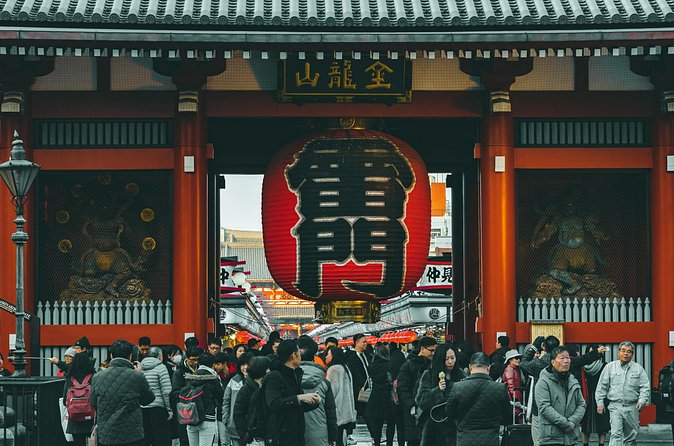
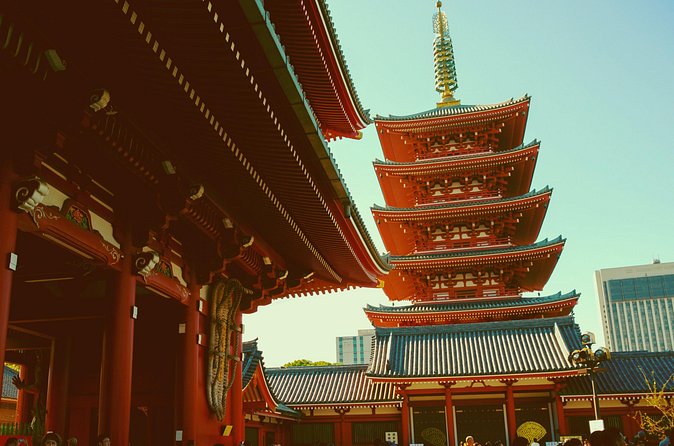
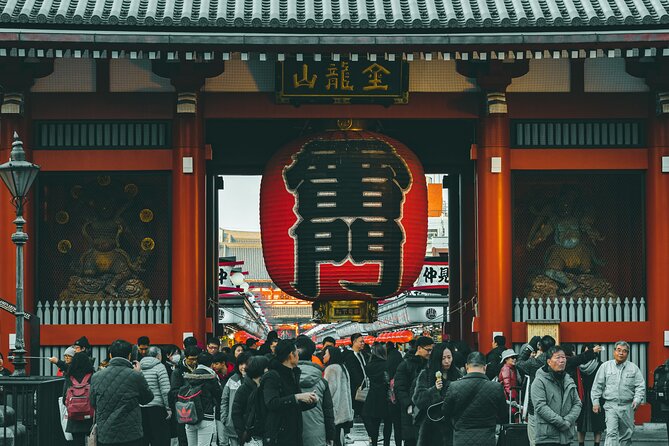
The tour begins in Asakusa, at the stated meeting address near Kaminarimon and Senso-ji. This is one of Tokyo’s most useful areas for learning how a Japanese Buddhist temple works, rather than simply taking a photo at the front gate.
Your guide explains the temple’s long history, the meaning of its major features, and the customs expected from visitors. You can expect lessons on how to approach a temple, what to do around the cleansing area, and how to behave respectfully on the grounds. These details help you feel less awkward when visiting other temples later in Japan.
Senso-ji is free to enter, and about an hour is allotted to the Asakusa portion, including the temple itself. The route may include the Kaminarimon gate, Nakamise shopping street, and the temple grounds. The shopping street is a good place to see traditional snacks, souvenirs, and small shops, but it can be extremely crowded.
That crowd is the first practical issue to understand. Asakusa is not a quiet old quarter all day. Keep your group in sight, listen for meeting instructions, and avoid stopping suddenly in the middle of the walking flow. One poor experience involved a guide moving ahead in the crowd and speaking too softly, making it hard to follow. That is not the expected standard, but it is a useful warning to speak up quickly if you cannot hear.
Ueno’s market streets and everyday Tokyo
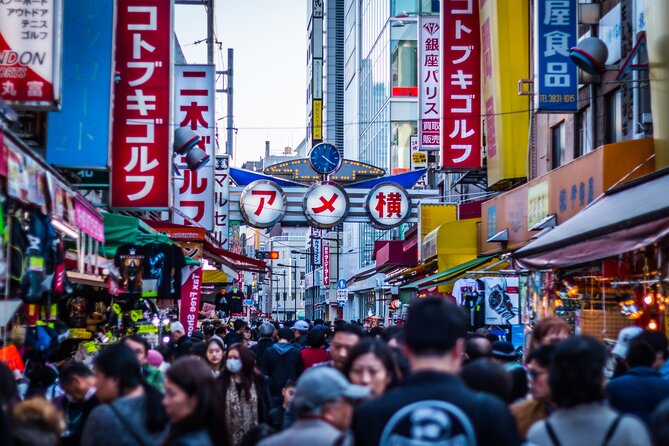
From Asakusa, the walk heads toward Ueno. The area has long been associated with street vendors, shops, and food sellers. It offers a different view of Tokyo from the polished temple approach in Asakusa.
The value here is context. Your guide can explain how commercial streets function, how older shopping areas developed, and what makes Ueno different from the tourist center around Senso-ji. You may also have time to browse or shop, depending on the group’s pace and the day’s timing.
This is one part of the tour where a guide can save you time. Ueno and nearby Okachimachi can feel like a maze of stores and food stalls. A local guide can point out the kinds of places you might skip if you simply followed a station map.
Do not expect a long shopping session. The whole Ueno stop is listed at about 45 minutes, and the route still has to reach Akihabara and the garden. If you want to buy food, souvenirs, or specialty goods, tell your guide early. A few people have had time to shop in the markets, but the tour is not designed as a dedicated market visit.
Akihabara’s electric and pop culture side
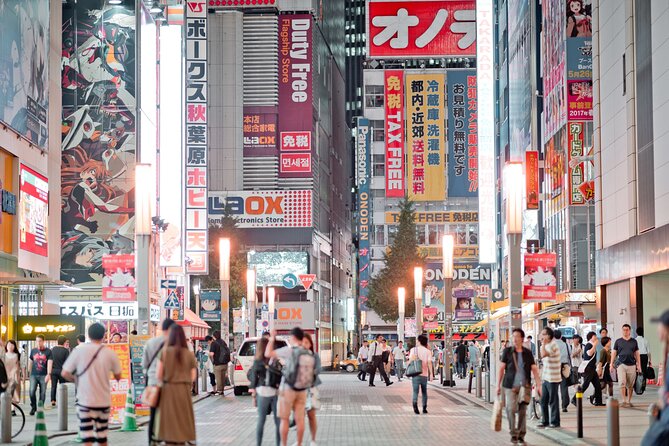
Akihabara changes the mood again. The district began as an electronics center and developed into one of Tokyo’s best-known areas for anime, manga, games, maid cafes, and other parts of Japanese pop culture.
The tour gives you an introduction rather than a full shopping expedition. You might visit or pass through anime shops and electronics stores, and your guide can explain why the area became associated with these interests. This is useful if the signs and store fronts feel confusing, or if you want to understand more than the surface-level neon.
Akihabara is allotted about 45 minutes. That is enough to get your bearings and learn what to explore afterward, but not enough for serious shopping. If you have a list of figures, games, electronics, or manga to find, plan extra time after the tour.
The phrase pop culture can also mean different things to different people. If you expect a carefully planned tour of several specific stores, this may feel brief. One disappointing experience described the modern portion as being dropped off at various anime stores. To get more from this stop, ask your guide questions about the district and explain your interests instead of treating it as a simple store crawl.
The ending at Akihabara Station is convenient. You can continue shopping, eat nearby, or use the station to reach your next stop. Guides such as Ken have also helped people understand Tokyo’s train system, which can be one of the most useful benefits of this experience.
Same corner of the map, a different planting:
- Kyoto Arashiyama Bamboo forest & Garden Half-Day Walking Tour
★ 5.0 · 413 reviews - Tokyo: Imperial Palace East Gardens Walking Tour
★ 4.8 · 353 reviews - Mt. Fuji, Cherry Blossom & Shiba Sakura Pvt. Day Tour
★ 5.0 · 326 reviews - Tokyo: Edo Castle & East Garden of the Imperial Palace Tour
★ 4.7 · 112 reviews
Koishikawa Korakuen, a quiet change of pace
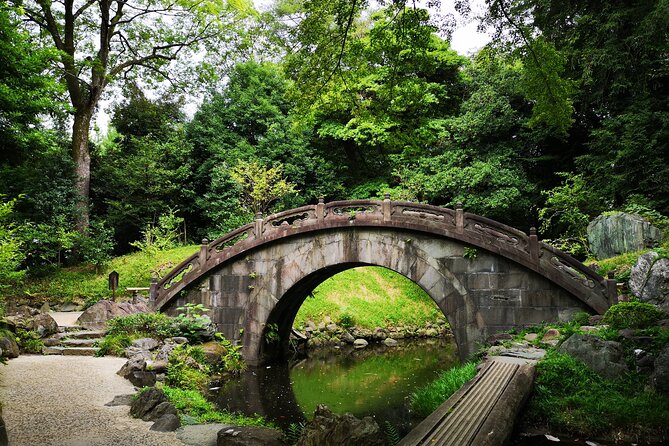
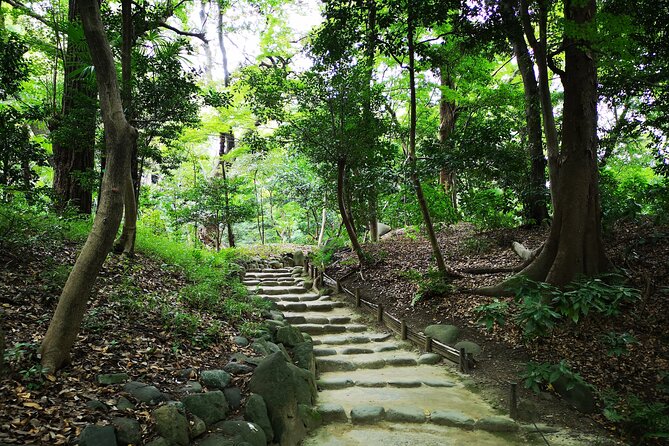
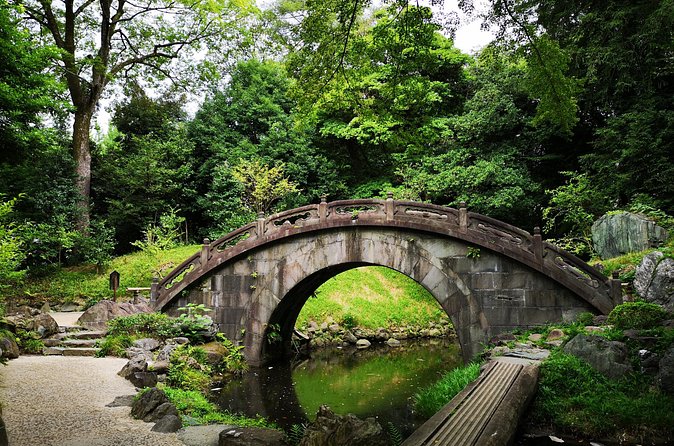
The final major stop is Koishikawa Korakuen Garden, a welcome break from signs, traffic, and crowds. The garden dates to the Edo period and draws on ideas from Confucian poetry. Its paths, ponds, bridges, and carefully arranged views show a very different side of Japanese design.
About 45 minutes is allotted here, and admission is included. The garden is not just a green space to walk through. Your guide can explain how strolling gardens are arranged and point out the way water, stones, plants, and borrowed views work together.
I especially like placing the garden after Akihabara. The contrast makes both stops more memorable. You feel the speed and noise of modern Tokyo, then enter a quieter setting shaped by older ideas about beauty and balance.
The garden may be the tour’s most peaceful stop, but do not mistake peaceful for effortless. You are still completing a four-hour walking route, and children or tired family members may be ready for a break by the end. One family found the experience enjoyable for children, though the full outing left them tired. Wear shoes you can walk in and bring water.
How the guides shape the experience
The guide is more important here than on a simple sightseeing loop. The route covers familiar landmarks, but the quality comes from the explanations, transitions, and help with practical details.
Taka is praised for strong English, humor, local familiarity, and the ability to adjust the walk. He has helped people make time for markets and shopping while explaining the area around Senso-ji. Hiro and Hiroshi are noted for taking people to places they might not find alone, while Ken is praised for history, culture, train guidance, and answering questions.
Yapi is described as patient, kind, and detailed. Yeman has adjusted the pace and focus to match personal interests. Michelle, Johann, Matt, Andrew, Shizuko, Toru, and Katsu have also led departures, with specific praise for warmth, energy, clear explanations, family-friendly pacing, and flexibility.
Guide assignments can change, so do not book solely because you hope for one named person. The useful pattern is clear: this tour works best when you treat it as a conversation. Ask about customs, neighborhoods, food, trains, or the parts of Tokyo you want to see later. A quiet passenger may get a standard route, while an active participant can receive far more practical help.
Walking pace, crowds, and transport details
The tour requires moderate physical fitness. You will walk through busy streets, spend several hours moving between stops, and use local trains as part of the route. There are no food or drink provisions, so handle those needs before starting or ask your guide about a suitable break.
The stated inclusions cover all fees and taxes, admissions, and standard local train rides. However, one account says the participant had to pay for trains personally. That conflicts with the advertised inclusion, so confirm the current transport arrangement before departure and carry a transit card or a small amount of money as a backup.
Four hours is enough to sample each area, not to master it. The schedule can also be affected by late arrivals. One departure began 15 to 20 minutes late while the guide waited for missing people, leaving less time at the stops. Arrive early at the Asakusa meeting point and keep your confirmation details available.
The weather policy also matters. The experience requires good weather. If poor conditions cause cancellation, you are offered another date or a full refund. You can cancel for a full refund up to 24 hours before the start time, but late cancellations and late changes are not accepted.
Who will get the most from this route
I would recommend this for a first visit to Tokyo, especially if you are staying in Shibuya or another modern part of the city and want a look at older neighborhoods. It is also a strong first-day choice because a guide can explain customs and give you a basic feel for trains before you explore alone.
Families can benefit from the variety. A temple, market streets, anime shops, and a garden give children and adults different things to notice. Still, the route is long enough that younger children may need encouragement and rest.
This also suits solo visitors and couples who want company without joining a large group. The eight-person limit makes questions easier, and a small departure may become nearly private. People interested in Japanese history, everyday culture, anime, or city planning can all find something useful here.
I would hesitate if your priority is slow photography, extended shopping, or a relaxed garden visit. The route is broad and efficient. It gives you a taste of several districts, but you will need to return on your own for a deeper look.
Should you book this Tokyo walking tour?
Book it if you want range, context, and practical help in one half-day. The mix of Senso-ji, Ueno, Akihabara, and Koishikawa Korakuen is unusually broad, and the best guides turn that variety into a clear story about Tokyo.
At $70.49, the value is strongest when the guide is active, clear, and flexible. Taka, Hiro, Ken, Yapi, and other named guides have shown how much better the day can feel when explanations and route choices match your interests.
Go in ready to walk, accept short visits at some stops, and ask questions. Confirm the train-cost arrangement, arrive early, and do not expect the pop culture section to replace a full Akihabara shopping day. With those limits understood, this is a smart way to get your bearings and see several sides of Tokyo before setting out on your own.
FAQ
How long does the Tokyo walking tour last?
The tour lasts approximately four hours.
What areas does the tour visit?
The route includes Asakusa, Senso-ji Temple, Ueno, Akihabara, and Koishikawa Korakuen Garden.
How large is the group?
The maximum group size is eight people.
Is admission to Koishikawa Korakuen Garden included?
Yes. Garden admission is included, along with all stated fees and taxes.
Are train rides included?
The tour information states that standard local train rides are included. One experience reported paying separately for trains, so confirm the current arrangement and carry a backup payment method.
Is food included?
No. Food and drinks are not included.
What happens if the weather is poor?
The experience requires good weather. If it is canceled because of weather, you are offered a different date or a full refund.
Just added around Japan
- TOKYO: Tailored Gardens tour with Pro Gardener by E-bike -BASIC★ 5.0 · 2 reviews
- Tsukiji Food Strolling and Hama Rikyu Garden Walking Tour★ 5.0 · 7 reviews
- Tokyo: Serene Sakura & Sake: An Exclusive Brewery Pairing Lunch★ 5.0 · 2 reviews
- Tokyo: Kimono Experience inside Shinjuku Gyoen National Garden★ 5.0 · 3 reviews
- Tokyo Cherry Blossom Half Day Walking Tour with a Local Guide★ 3.5 · 4 reviews
- Cherry Blossom Highlights, Asakusa, Ueno, Imperial Palace Garden★ 4.5 · 4 reviews
- Sumida Riverside Walk: Garden &Temple Ritual (4 Meeting Points)★ 5.0 · 5 reviews
- Full Guided Mt. Fuji & Shiba-Sakura Festival One Day Pvt.Tour★ 5.0 · 6 reviews
Japan Garden Tours, compared.

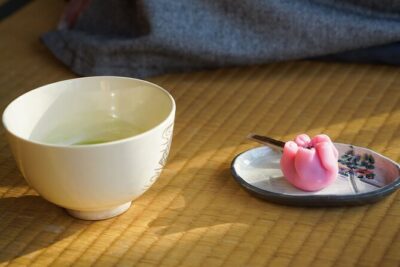
Kyoto Zen Meditation & Garden Tour at a Zen Temple with Lunch
Read our review →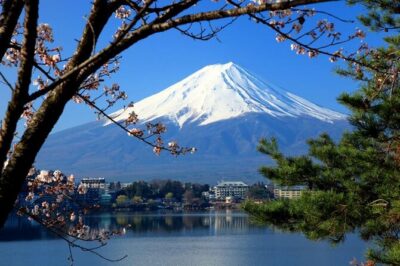
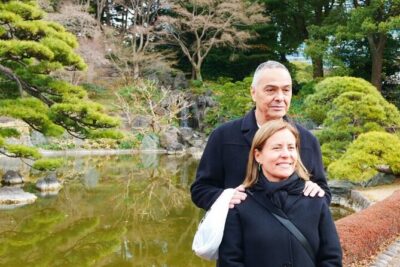
Edo Castle & East Garden of the Imperial Palace Tour
Read our review →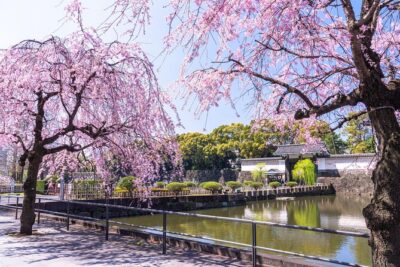
Tokyo Private Tour! Edo Castle & Imperial Palace East Gardens
Read our review →
Kyoto Kiyomizu Tea Ceremony with Scenic Garden Views
Read our review →
Zen Meditation and Garden Tour at a Temple with Lunch
Read our review →
Kanazawa: Samurai, Matcha, Gardens and Geisha Full-Day Tour
Read our review →Browse the lists this tour appears in