
Review · JAPAN GARDEN TOURS
Kyoto: Zen Meditation and Garden Tour at a Temple with Lunch
The best part of this Kyoto tour is the hour of zazen meditation with a Zen monk, not simply a quick look at a temple. Before you sit, your guide explains how posture, breathing, and attention work, then helps you understand what you are doing rather than treating meditation as a tourist photo stop.
I like the quiet garden visit at Komyo-in and the traditional Buddhist lunch, where vegetables, mushrooms, and seaweed take the place of meat and fish. I also like the small tour size, normally capped at seven, and guides such as Yutaka, Eri, Louis, and Tammy, who explain Buddhist ideas in clear English. One thing to consider: the meditation room may be shared with a larger local group, and the monk may not speak English.
Key points to know before booking
- You visit three temple settings: Komyo-in, Tofukuji, and Shorin-ji within the Tofukuji temple district.
- The meditation lasts about one hour: You learn posture, breathing, and the basic ideas behind zazen.
- The monk may communicate through your guide: Silent reading material is provided during the session.
- Lunch is traditional Shojin Ryori: Expect vegetable-based dishes, with fish-based dashi and a little dairy noted in the meal information.
- The tour lasts 270 minutes: The 10:45 departure puts lunch at about 2:15 p.m., so eat a solid breakfast.
- This suits adults and older teenagers: Children under 12 and people with gluten intolerance should not book.
Why this Zen tour feels different from a standard temple visit
Kyoto has no shortage of temples, gardens, and guided walks. This one tries to connect the pieces. You first look at Zen through a garden, then see major temple architecture, then sit quietly for a formal meditation session, and finally discuss the day over lunch.
That order matters. Zen can be difficult to explain in a classroom or on a busy street. A carefully raked garden gives you something concrete to look at. A temple shows you how the tradition shaped Japanese buildings and daily life. Sitting still gives you a direct, physical sense of the discipline involved.
I like that the tour does not pretend one hour will turn you into a Zen practitioner. It gives you an introduction: how to sit, how to breathe, how to deal with the mind wandering, and how zazen fits into Buddhist practice. The guide then helps connect those points to what you have seen.
The tour costs $107 per person and lasts four and a half hours. That is not the cheapest way to see Kyoto temples, but the price includes temple and garden admission, an English-speaking guide, the meditation session, lunch, and photographs taken during the outing. For someone who wants cultural explanation rather than a quick stroll past temple gates, the package offers fair value.
More Garden Tours in Japan:
- Osaka: teamLab Botanical Garden Entry Ticket
★ 4.5 · 1,710 reviews - Imperial Palace East Garden and Edo Castle Walking Tour in Tokyo
★ 5.0 · 510 reviews - Kyoto Zen Meditation & Garden Tour at a Zen Temple with Lunch
★ 5.0 · 441 reviews
Starting at Tofukuji Station
The meeting point is outside Exit 2 of Tofukuji Station, beside Family Mart. This is one place where you need to be precise. A taxi driver may take you to Tofukuji Temple rather than the station, so do not simply say Tofukuji and assume you are in the right place.
From Kyoto Station, take the JR line to Tofukuji. Rapid and local trains can be used. From Shijo Keihan, take a Keihan sub-express, semi-express, or local train. Do not use an express train for this route.
Arrive early. The tour starts on time, and if you miss the group, you cannot join later, reschedule, or receive a refund. This is a small point with a big effect, especially if you are navigating Kyoto by taxi or making your first train connection of the day.
Komyo-in and the first look at Zen gardens
The first formal stop is Komyo-in, where you spend about 40 minutes. The garden is the right opening for this experience because it gives your guide room to explain Zen without rushing through a list of dates and names.
Expect a quiet setting, composed views, and a slower pace than you get at Kyoto’s busiest sights. Your guide explains how to look at the garden and points out ideas tied to Zen thought. The purpose is not simply to admire a pretty scene. You are being shown how space, restraint, emptiness, and natural forms can suggest Buddhist ideas.
This is also where the tour begins to feel personal. Guides such as Yutaka have been praised for making Buddhist philosophy easier to follow, while Eri has helped visitors understand symbols and their meanings. The exact guide depends on the date, but the experience is designed around explanation and conversation.
You should not expect a private garden visit in complete isolation. Tofukuji is an important temple district, and Kyoto can be busy. Still, Komyo-in gives you a calmer start than beginning with a major sightseeing corridor.
Tofukuji’s gates, paintings, and unusual details
The next stop is Tofukuji Temple, with about 10 minutes set aside for a short visit. Tofukuji is one of Kyoto’s five major Zen temples and has served as a place of residence and Zen practice for monks since the 13th century.
The visit includes the imposing San-mon gate, dragon paintings on a ceiling, and the oldest surviving toji, or temple toilet. That last detail may sound odd, but it is exactly the kind of practical feature that makes a temple visit memorable. Religious life was also daily life, with buildings for eating, sleeping, washing, and working.
Because only 10 minutes are listed here, think of Tofukuji as a focused introduction rather than a full tour of every building. Your guide gives you context, points out the key features, and moves the group toward the meditation temple. If you want hours to explore Tofukuji on your own, plan a separate visit.
The short stop works well for this tour’s main purpose. You are not spending the whole morning on architecture before trying zazen. Instead, you get enough background to understand the setting, then move into the quieter part of the day.
Same corner of the map, a different planting:
- Kyoto Arashiyama Bamboo forest & Garden Half-Day Walking Tour
★ 5.0 · 413 reviews - Tokyo: Imperial Palace East Gardens Walking Tour
★ 4.8 · 353 reviews - Mt. Fuji, Cherry Blossom & Shiba Sakura Pvt. Day Tour
★ 5.0 · 326 reviews - Tokyo: Edo Castle & East Garden of the Imperial Palace Tour
★ 4.7 · 112 reviews
Shorin-ji and the one-hour zazen session
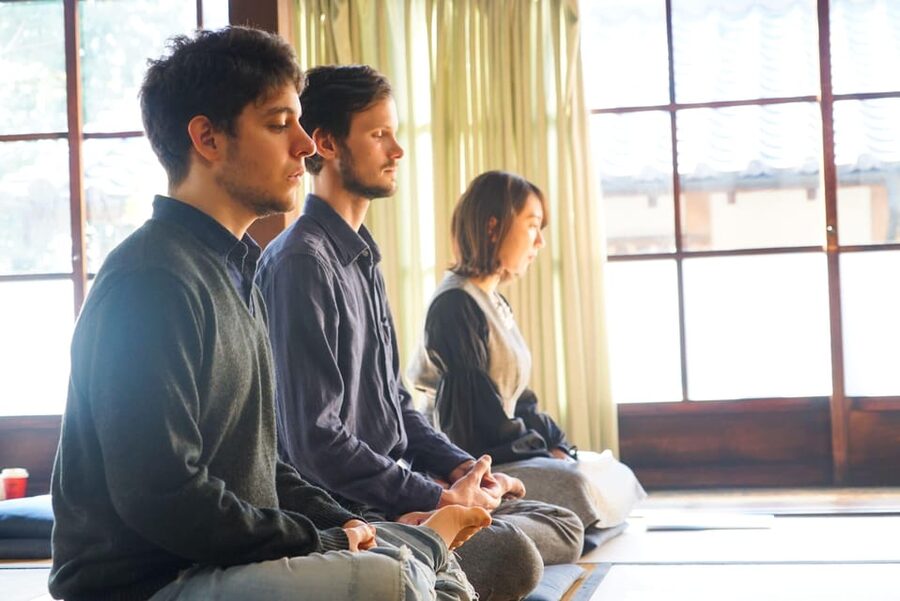
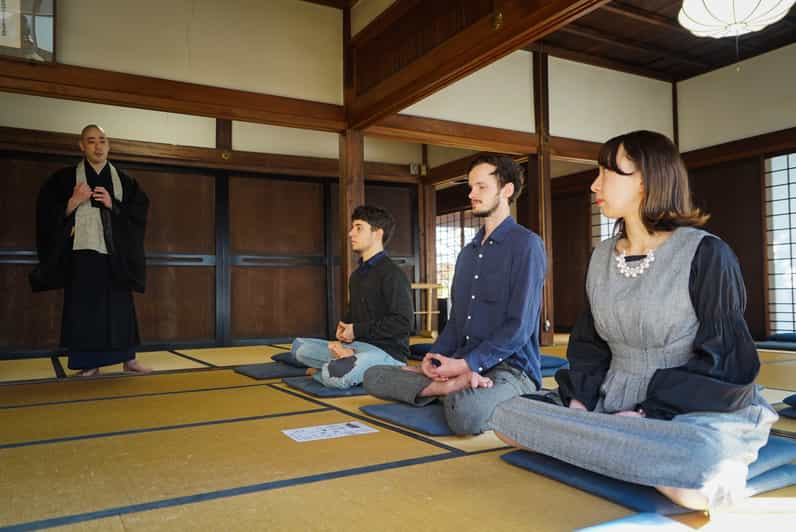
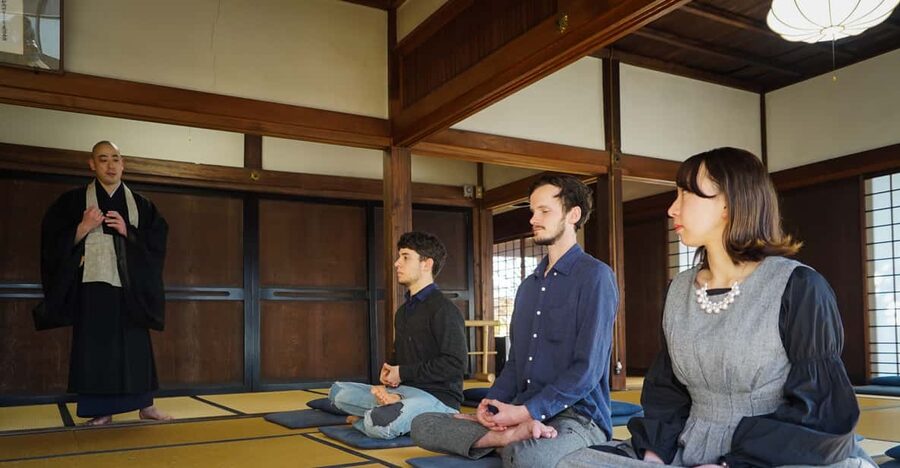
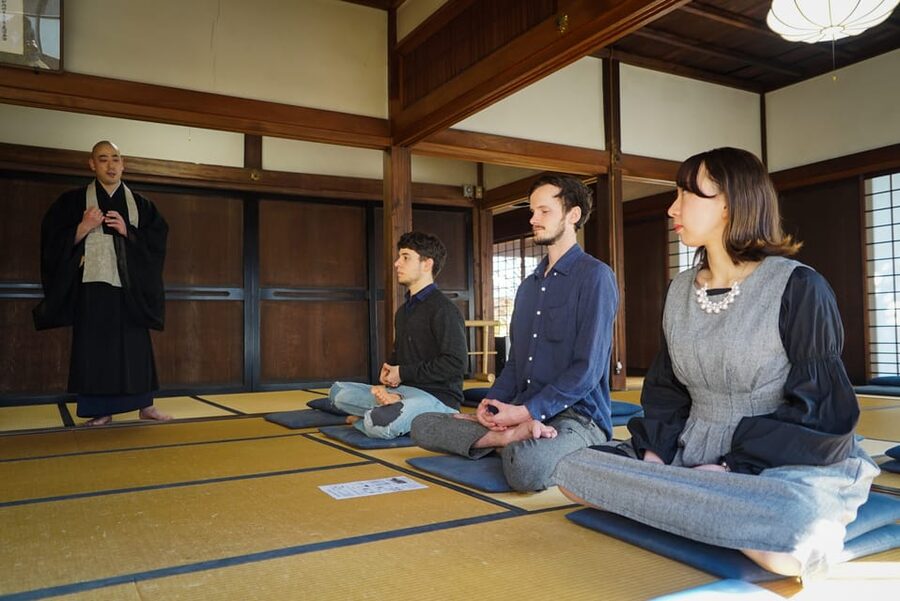
The central stop is Shorin-ji, also called Bishamon-do Temple, where the visit and meditation period lasts about 70 minutes. This is a smaller temple within the Tofukuji area devoted to zazen practice.
Your guide explains how to sit, where to place your hands, how to hold your back, and how to use the breath. For a first session, this preparation is valuable. Without it, a visitor can spend the hour worrying about posture or wondering what is expected.
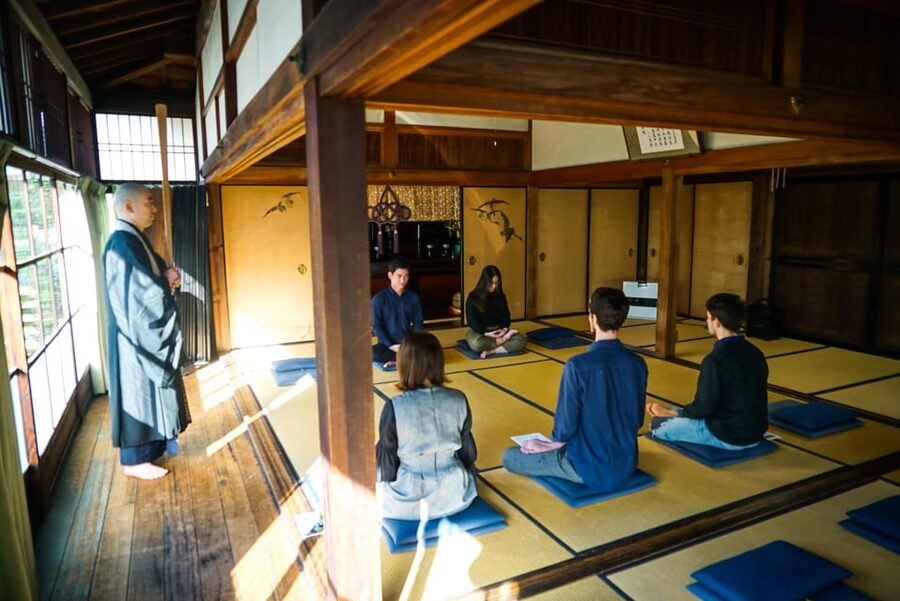
During the meditation itself, the guide remains silent. You receive special material to read quietly, covering the practice and its ideas. This arrangement respects the other people sitting in the room, but it also means you should not expect a running English commentary while you meditate.
The monk may not speak English. After the session, your guide can help with questions and discussion, including translation when needed. That exchange is an important part of the experience because it lets you move beyond silent imitation and ask about what you felt or noticed.
There is one practical caveat. The advertised tour group is limited to seven, but the meditation room may include other participants. One session was held in a large L-shaped room with around 30 people. If you imagine a tiny private room with only your guide and one monk, adjust that picture. The small tour makes the walking and explanations more personal, but it does not guarantee a small meditation hall.
The hour can also feel long if you have never sat still before. That is not a flaw in the practice, but you should be ready for quiet, limited movement, and no casual conversation. The tour is not a quick wellness activity squeezed between shopping stops.
A Buddhist meal after meditation
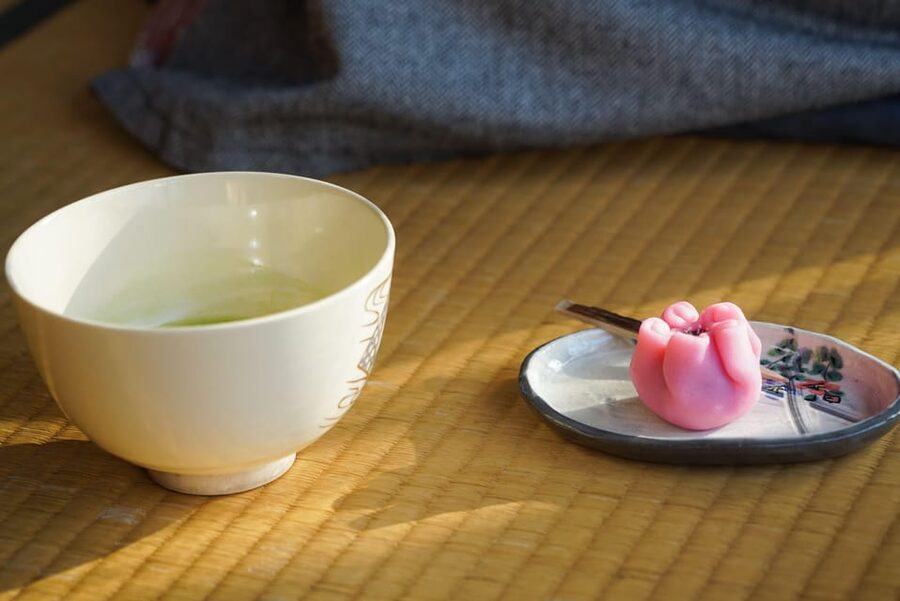
After zazen, you take a short walk to a local restaurant for lunch. The meal is Shojin Ryori, the traditional Buddhist cuisine associated with Japanese monks. It focuses on vegetables, mushrooms, tofu, and seaweed rather than meat and fish.
The meal gives you another way to understand temple life. Buddhist food is not just a substitute for a meat dish. It reflects restraint, seasonality, careful preparation, and respect for ingredients. You get several small dishes rather than one large plate, which makes lunch feel like part of the cultural lesson.
The meal information notes that fish-based dashi is included, along with a small amount of dairy. So this is not a vegan meal, and strict vegetarians should ask questions before booking. People with gluten intolerance are specifically advised not to take the tour.
Timing matters. Those on the 10:45 departure eat at about 2:15 p.m., after meditation. Have a solid breakfast or early snack. Waiting until the included lunch can leave you distracted during the quietest part of the day.
The restaurant is beside a temple that once housed as many as 1,200 Buddhist monks in training. That setting adds useful context, but the lunch is not presented as a monk’s private meal or a ceremonial retreat. It is a traditional meal in a local restaurant, followed by conversation about what you have seen.
The guides make the difference
This tour depends heavily on the guide. The best guides do more than translate signs. They explain Buddhist terms, answer questions about symbols, handle the conversation with the monk, and help you connect the garden to the meditation.
Yutaka is frequently named as a calm, funny, and patient guide. He has helped visitors understand Zen Buddhism and Japanese culture, translated questions for the monk, taken photographs, and offered suggestions for the rest of a Kyoto trip. Eri has been praised for her explanations of Buddhism and her eye for photographs. Louis and Tammy have also led groups with a friendly and lively approach.
Guide assignments can change, so you should not book solely on the hope of getting one particular person. The important point is the guide’s role. You are not left to figure out temple etiquette, Buddhist vocabulary, or meditation posture by yourself.
The tone also varies by guide. Some visitors value a calm, reflective pace. Others enjoy humor and a more conversational walk. Either way, the group size of up to seven gives you a better chance to ask questions than a large bus tour.
Timing, comfort, and what to wear
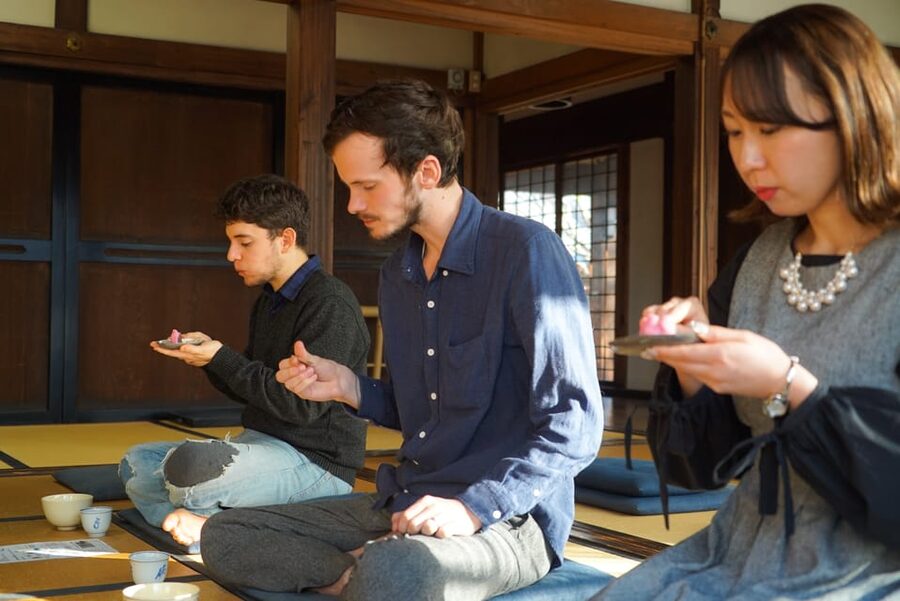
The entire experience takes 270 minutes, with walking between the temples, the meditation, lunch, and the final discussion. Wear shoes that are easy to remove, since temple interiors may require you to take them off.
Bring water and a hat in summer. Kyoto is hot and humid, and several hours outside can wear you down before the meditation begins. In winter, temple floors can be cold, so thick socks are a good idea.
The tour is not suitable for children under 12. That rule makes sense given the quiet meditation period and the need to remain still. Older children may be able to manage it, but the activity is aimed more at adults and mature teenagers interested in Buddhist practice.
Photography is included through the guide, which is useful during a quiet cultural experience where you may not want to stop and manage your phone. Do not expect photography during the zazen period. Silence and respect come first.
Cancellation is flexible if you act at least 24 hours before the start time. You can also change the date or time up to 24 hours before departure, subject to availability. That helps, but it does not protect you from arriving late, so treat the station meeting point as a firm appointment.
Who should book this Kyoto experience?
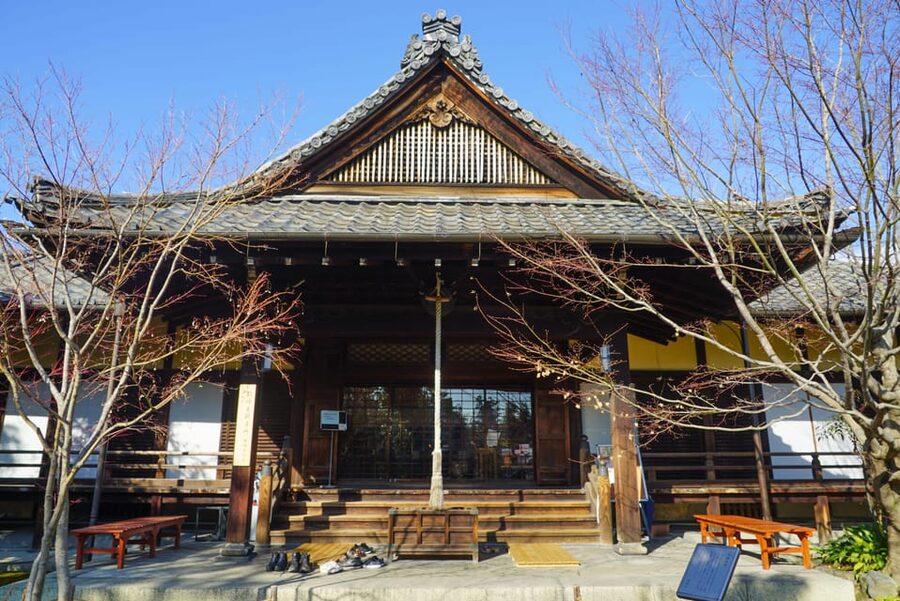
I would choose this tour if you want more than temple photos and short historical notes. It suits you if you are curious about Buddhism, have tried meditation, or want a guided introduction to Japanese religious life without committing to a full retreat.
It is especially useful for first-time visitors who would otherwise feel unsure about temple etiquette or the meaning of Zen gardens. The guide provides a clear path through the morning, and the lunch gives the day a satisfying finish.
You may want to skip it if you dislike sitting still, need a fully private meditation room, have strict gluten restrictions, or want to explore Tofukuji at your own pace. You should also think twice if lunch at 2:15 p.m. would be difficult for you.
Should you book the Tofukuji Zen meditation tour?
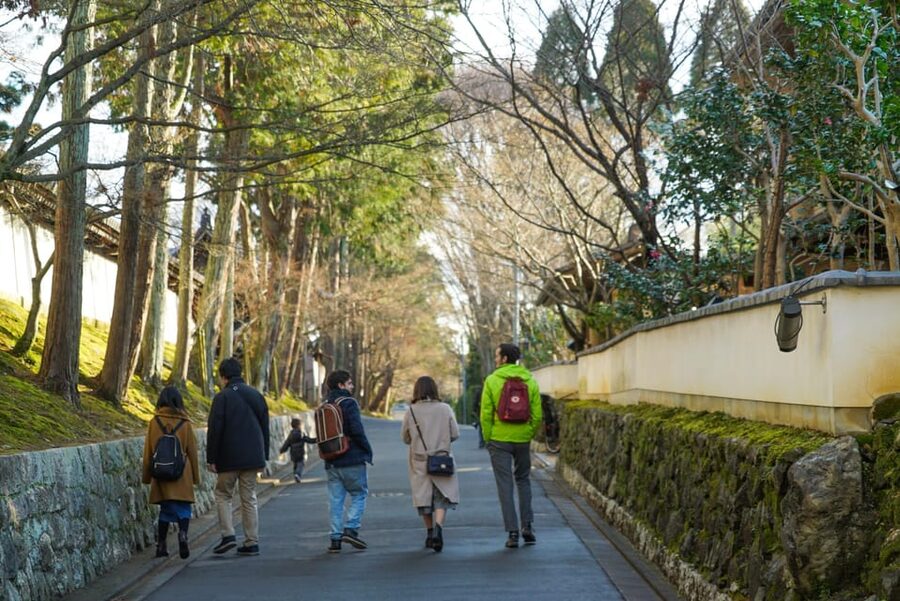
Book it if the chance to practice zazen with a monk matters more to you than checking off a long list of Kyoto sights. The garden, temple architecture, careful explanations, and Buddhist lunch create a well-shaped half-day, with meditation at its center.
Go in with realistic expectations. The group walk is small, but the meditation room may be shared with many others. The monk may rely on your English-speaking guide for conversation, and the meal includes fish-based dashi. With those points in mind, the $107 price is reasonable for a focused cultural experience that combines access, instruction, food, and conversation in one morning.
FAQ
Where does the Kyoto Zen meditation tour meet?
Meet outside Exit 2 of Tofukuji Station, next to Family Mart. From Kyoto Station, use the JR line. From Shijo Keihan, use a Keihan sub-express, semi-express, or local train, not an express service.
How long does the activity last?
The tour lasts 270 minutes, or four and a half hours. The route includes temple and garden visits, a one-hour zazen session, lunch, and a final discussion.
Is the tour conducted in English?
Yes. The activity includes a live English-speaking guide. The monk may not speak English, so your guide can assist with questions and discussion.
What food is served at lunch?
Lunch is Shojin Ryori, a traditional Buddhist meal based on vegetables, mushrooms, and seaweed. The meal information notes that fish-based dashi and a little dairy are included.
Is the tour suitable for children?
No. The activity is not suitable for children under 12 years old.
What should I bring or wear?
Bring water and a hat during Kyoto’s hot, humid summers. Wear thick socks in winter because temple floors can be cold. Arrive on time, since late arrivals cannot join the group or receive a refund.
Just added around Japan
- TOKYO: Tailored Gardens tour with Pro Gardener by E-bike -BASIC★ 5.0 · 2 reviews
- Tsukiji Food Strolling and Hama Rikyu Garden Walking Tour★ 5.0 · 7 reviews
- Tokyo: Serene Sakura & Sake: An Exclusive Brewery Pairing Lunch★ 5.0 · 2 reviews
- Tokyo: Kimono Experience inside Shinjuku Gyoen National Garden★ 5.0 · 3 reviews
- Tokyo Cherry Blossom Half Day Walking Tour with a Local Guide★ 3.5 · 4 reviews
- Cherry Blossom Highlights, Asakusa, Ueno, Imperial Palace Garden★ 4.5 · 4 reviews
- Full Guided Mt. Fuji & Shiba-Sakura Festival One Day Pvt.Tour★ 5.0 · 6 reviews
- Japanese Garden & Western Architecture: Akasaka exploration tour★ 5.0 · 9 reviews
Japan Garden Tours, compared.

Kyoto Zen Meditation & Garden Tour at a Zen Temple with Lunch
Read our review →
Edo Castle & East Garden of the Imperial Palace Tour
Read our review →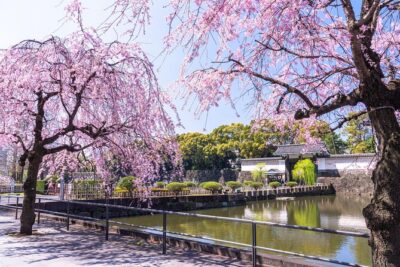
Tokyo Private Tour! Edo Castle & Imperial Palace East Gardens
Read our review →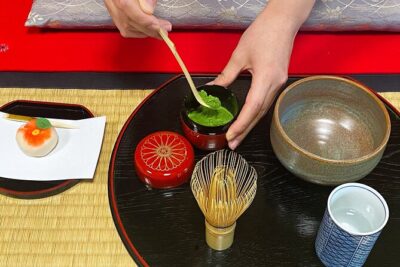
Kyoto Kiyomizu Tea Ceremony with Scenic Garden Views
Read our review →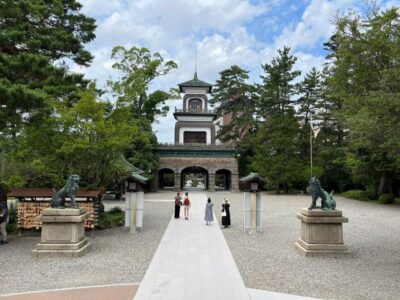
Kanazawa: Samurai, Matcha, Gardens and Geisha Full-Day Tour
Read our review →
Tsukiji Market and Hama-rikyu Gardens Guided Tour
Read our review →Browse the lists this tour appears in