

Review · MALTA GARDEN TOURS
The Limestone Heritage Park and Gardens (Entry Ticket)
Malta’s story is written in limestone, and this family-run park in Siġġiewi gives you a clear, hands-on way to read it. You move from a 7,000-year overview to geology, museum displays, a 400 B.C. Punic tomb, gardens, farm animals, and live stonework.
I like the 17-language audio program, which lets you set your own pace, and the mix of indoor and outdoor stops. The citrus garden and animal park add a welcome change after the history displays. The main drawback is size: this is a small attraction, not an all-day theme park, so some visitors may finish sooner than expected.
Key points to know
- A self-guided look at 7,000 years of Malta: Start with the audio-visual presentation, then follow the walkthrough at your own speed.
- A real Punic tomb from around 400 B.C.: This is one of the park’s most distinctive historical stops.
- Stonework you can watch, and perhaps try: Live demonstrations show how local limestone is shaped, with a small personal limestone project available for an extra €5.
- A good family mix: The museum and geology section suit curious adults, while the farm animals and gardens give children a reason to keep moving.
- Useful multilingual access: Audio content is offered in English, Maltese, French, German, Italian, Dutch, Russian, Spanish, Greek, Portuguese, Swedish, Danish, Finnish, Norwegian, Polish, Chinese, and Japanese.
- Plan around short opening hours: The park closes at 4:00 p.m. on weekdays, at noon on Saturday, and all day Sunday and public holidays.
Why Malta’s limestone story matters

You see limestone everywhere in Malta, from old village buildings to churches, walls, and carved details. At this park, the stone is not just a backdrop. It becomes the main thread tying together geology, craft, trade, burial customs, and daily life.
The attraction presents roughly 7,000 years of island history in a format that is easier to follow than a large museum with dozens of unrelated rooms. You begin with a broad introduction, then narrow your attention to the material itself: where limestone fits into the islands, how it has been used, and why stonework remains such an important part of Maltese culture.
I find that approach useful if you are visiting Malta for a short stay and want context before seeing more churches, villages, or archaeological sites. You will not get a full academic history course, but you will come away with a better sense of why the local built environment looks the way it does.
History tours around the world:
- Aboriginal Heritage Walk – Royal Botanic Gardens Victoria, Melbourne Gardens
★ 5.0 · 314 reviews - Beijing Historical Tour II including Summer Palace, Lama Temple & Panda Garden
★ 4.0 · 187 reviews - Authentic Amalfi Lemon Tour & Tasting in the Historical Garden
★ 5.0 · 52 reviews
Begin with the multilingual audio-visual presentation
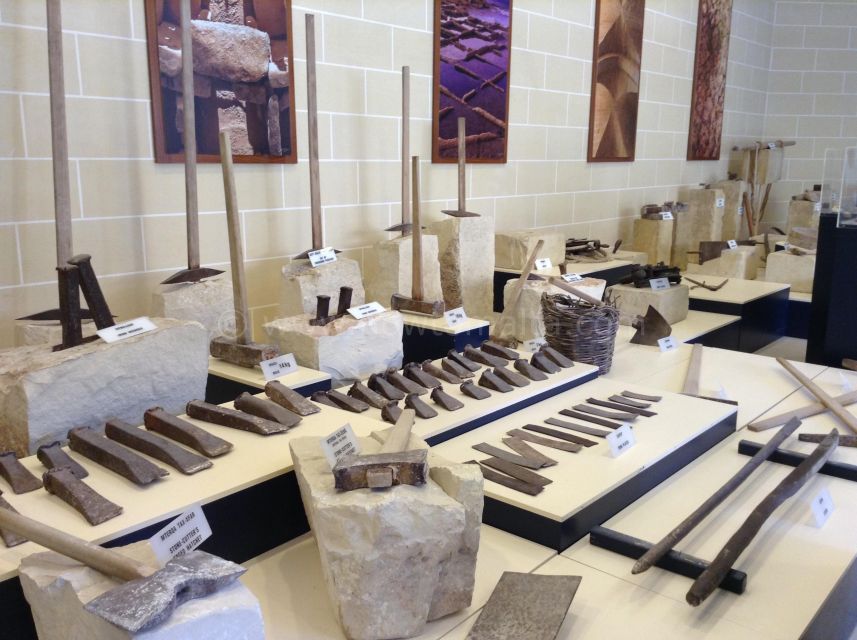
The first major stop is an audio-visual presentation available in 17 languages. This gives you the basic story before you walk around the grounds, and it helps make the later displays easier to understand.
You can choose English, Maltese, French, German, Italian, Dutch, Russian, Spanish, Greek, Portuguese, Swedish, Danish, Finnish, Norwegian, Polish, Chinese, or Japanese. That range is a practical strength. You do not need to rely on a live guide or struggle through dense written panels.
The presentation is especially useful for families and mixed-language groups. Everyone can follow the story in a language they understand, then explore the rest of the park at a comfortable speed. Since no live guide is included, the quality of your visit depends partly on how much attention you give the audio material.
I would not rush through this opening section. It provides the framework for the geology displays, the stone demonstrations, and the old burial site. Give yourself time to get the basic story before moving outside.
Follow the audio-guided walkthrough at your own speed
After the presentation, the audio-guided walkthrough takes you through the attraction. This is not a tightly timed group tour. You can pause, listen again, spend longer at a display, or move on when a section has given you enough.
That freedom is one of the park’s best features. You can make the visit short and focused, or turn it into a relaxed half-day outing with time for the gardens, animals, a snack, and the stonework demonstration.
The walkthrough also helps prevent the site from feeling like a collection of unrelated objects. The geology section explains the stone itself. The museum hall adds cultural and historical context. The outdoor areas show how the subject can be presented in a more informal way.
You should still keep an eye on the clock. A booked ticket is valid for one entry on the selected day, and the last entry is 30 minutes before closing. You may arrive at any time during opening hours, but you cannot leave and return later on the same ticket.
The geology section puts the stone first
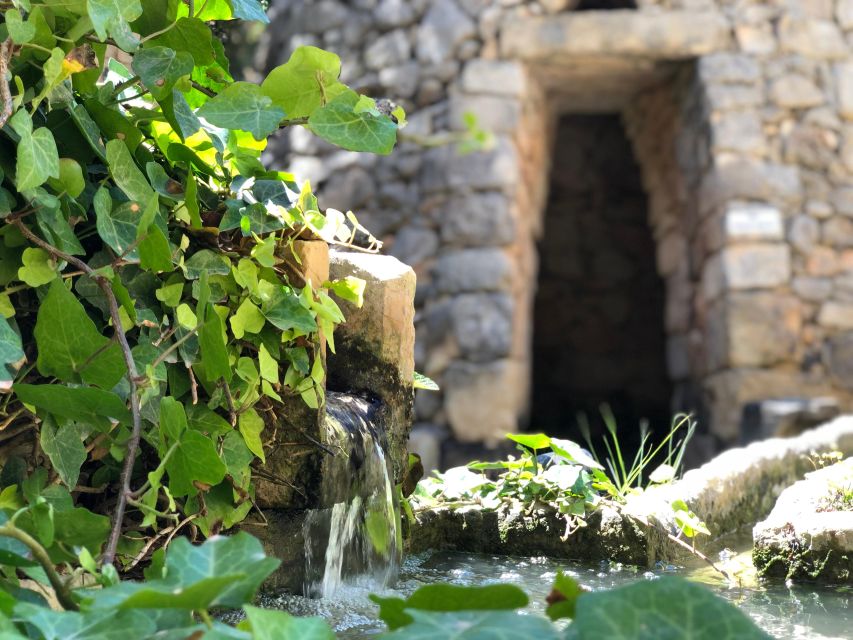
The geology section is the most direct introduction to the material behind Malta’s famous architecture. It gives you a chance to think about limestone as a natural resource before you see it shaped by people.
This stop will appeal most to visitors who like to know how things are formed. It also gives children a concrete subject to look at, especially when paired with the later stonework demonstration. Instead of treating geology as an abstract school topic, the park connects it to buildings, sculpture, tools, and local identity.
Do not expect a large natural-history museum. The attraction is focused, and the geology section is part of a broader visit rather than a stand-alone scientific center. Its value comes from the connection between the displays and the rest of the park.
Entry tickets around the world:
- Paris: Versailles Palace and Gardens Full Access Ticket
★ 4.6 · 41,579 reviews - Marrakesh: Majorelle Garden Entry Tickets
★ 4.5 · 9,651 reviews - Florence: Reserved Entry Ticket to the Boboli Gardens
★ 4.4 · 5,275 reviews - From Amsterdam: Keukenhof Ticket with Transfer
★ 4.4 · 4,089 reviews
The museum hall adds everyday context
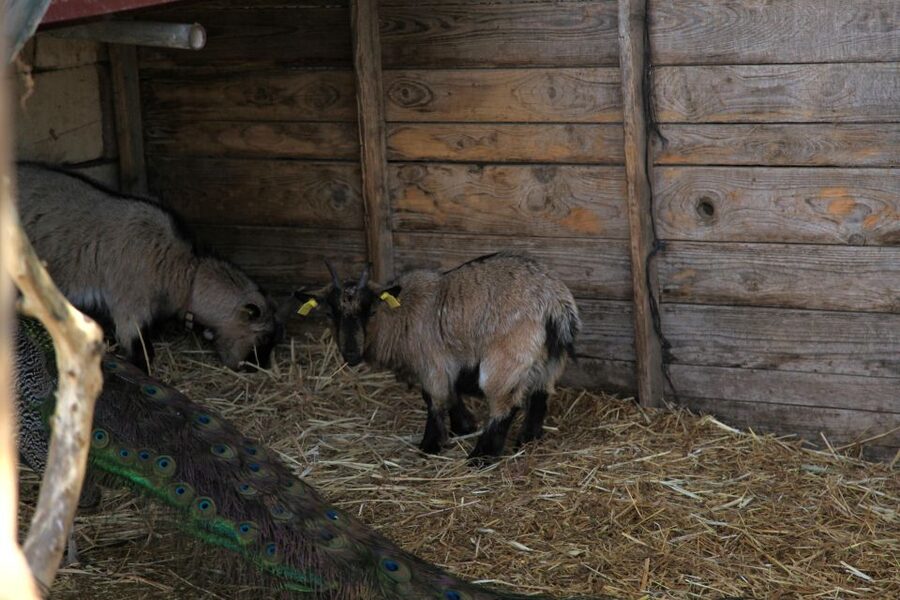
The museum hall shifts the focus from the stone itself to the people who used it. Here, you get more of the cultural side of Malta’s long story and a clearer picture of how stone has shaped local work and traditions.
I like having this indoor section between the outdoor stops. Malta’s sun can make a day outside tiring, and the museum gives you a quieter place to slow down. It also works well for families who need a change of pace from the audio tour.
The hall is not presented as a massive national museum. Think of it as a compact collection that supports the park’s main theme. If you already know a great deal about Maltese archaeology, you may want more depth. For most visitors, though, it supplies useful background without asking for a full day of concentration.
See the Punic tomb dating to 400 B.C.
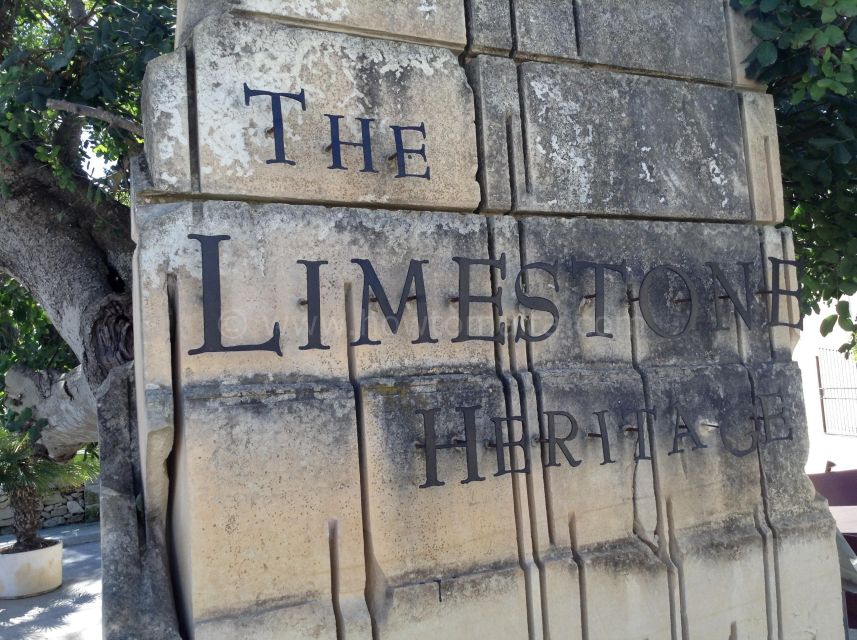
The Punic tomb is one of the most unusual parts of the visit. Dating to around 400 B.C., it connects the park to Malta’s ancient past in a direct way that a modern display cannot quite match.
This is where the attraction feels most like an archaeological site rather than a museum. You can think about how burial customs, stone, and the island’s position in the Mediterranean came together long before modern Malta took shape.
The tomb is included with admission, so you do not need to arrange a separate archaeological visit. It is also a good reason to pay attention to the audio explanation. Without context, an old chamber can be easy to glance at and leave. With context, it becomes a small but meaningful piece of Malta’s early history.
Watch the stonework demonstration
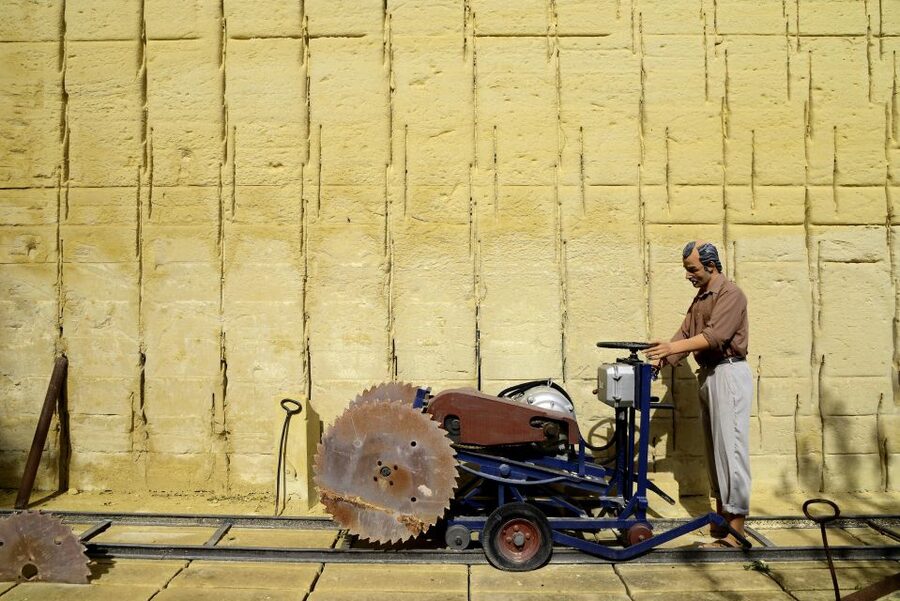
The live stonework demonstration brings the park’s main subject into the present. Instead of only seeing finished objects or old masonry, you get to watch stone being shaped by hand.
This is the part I would prioritize if you are interested in traditional crafts. The demonstration makes the material feel less passive. Limestone is not simply something used in old buildings. It is something that requires skill, patience, and control.
You can also ask about creating your own limestone piece for €5. That extra activity is not included in the entry price, but it gives you a more active way to remember the visit. One practical tip: allow extra time if you choose this option. A small piece made by you can take longer than a quick souvenir purchase, particularly if you want to work on it carefully.
The demonstration may be less interesting to someone who wants a fast archaeological tour. For families, though, it can be the moment that holds attention best. Children get a clear sense that stonework is a process, not just a finished decoration on a building.
Slow down in the citrus garden and animal park
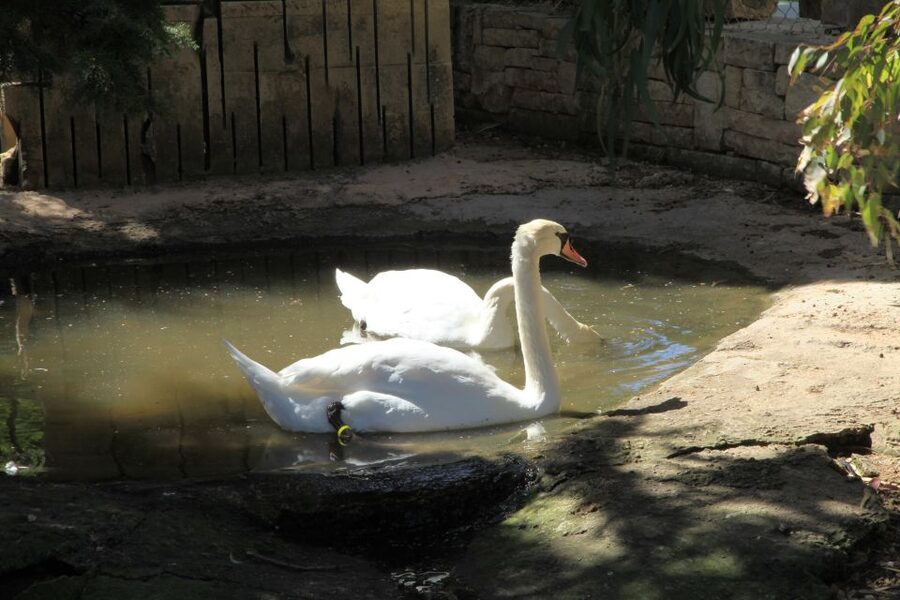
Once you have finished the historical sections, the citrus garden offers a quieter outdoor break. It is a simple addition, but it changes the rhythm of the visit. You can move from audio commentary and museum displays to a more relaxed setting.
The farm animal park serves a similar purpose. Meeting the animals makes the attraction friendlier for young children, and it gives adults a chance to pause. This is also why the park works better as a family outing than a strictly archaeological site would.
I would not book this attraction expecting a major wildlife park or botanical garden. The garden and animals are supporting features. Their value is in giving you variety and a calm place to spend time after the main tour.
Leave time for food and the small shop
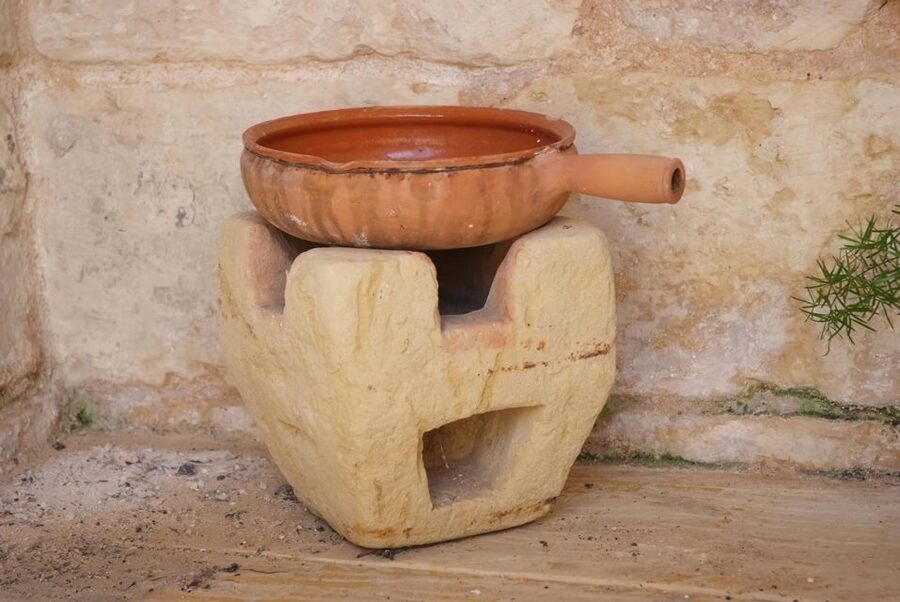
Food and drinks are not included, but the park serves tea, coffee, snacks, a Maltese platter, and Maltese tuna ftira. If you want to try something local without committing to a full restaurant meal, this is a useful way to finish.
The food stop also gives you a chance to sit in the countryside surroundings rather than rushing straight out after the last display. Check how much time remains before closing, especially on Saturday, when the park is open only until noon.
The shop sells Maltese goods and stone souvenirs. You do not have to buy anything, and there is no purchase obligation. I would treat it as an optional final stop, particularly if you want a small reminder of the stonework demonstration rather than a generic souvenir.
Is $11 a fair price?
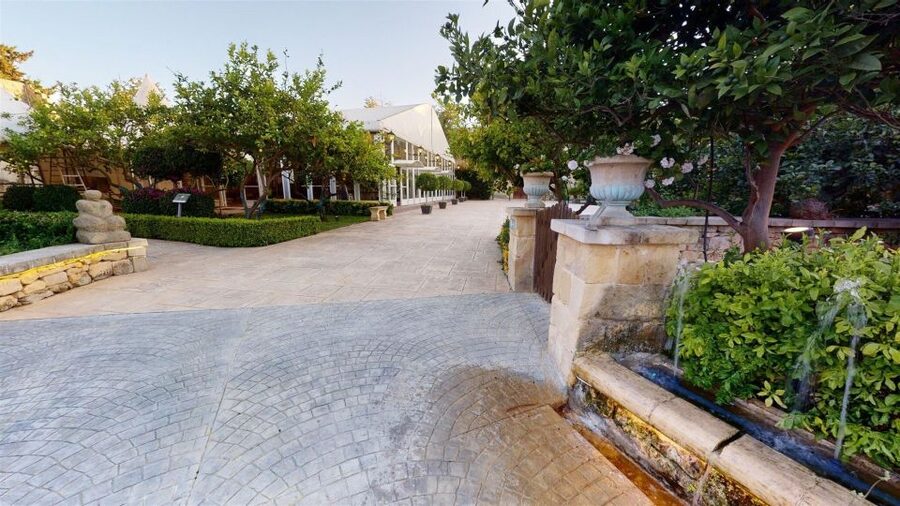
At $11 per person, the admission is reasonable if you plan to use the full range of features. You are paying for the audio-visual presentation, the self-guided tour, the museum, geology section, Punic tomb, garden, animal park, and live demonstration.
The value is strongest when you stay for several hours and treat the park as a complete outing. If you only want to look at the museum for 30 minutes, the price may feel less compelling. The attraction is designed to work as a relaxed day visit, even though many people may not need the entire day.
Food, drinks, and the optional €5 limestone activity cost extra. Hotel transport is not included, and no live guide is part of the ticket. Those limits keep the base price clear, but you should include them when planning your budget.
The flexible timing helps. You can enter at any hour on your booked day during opening hours, rather than having to arrive for one fixed tour departure. That is useful if you are combining the park with other sights in the area.
Opening hours require careful planning
The park is open Monday through Friday from 9:00 a.m. to 4:00 p.m. On Saturday, it closes at noon. It is closed on Sundays and public holidays.
Those hours are shorter than many major attractions, so I would check the date before building your day around it. The last entry is 30 minutes before closing. Opening times can change, and the activity provider should be contacted if you need confirmation during your stay.
The best strategy is to arrive earlier rather than later. You will have time for the presentation, the walkthrough, the demonstration, the animals, and a break for food without watching the clock. Saturday can work, but the noon closing time makes it a morning visit only.
The park is wheelchair accessible. Hotel pickup and drop-off are not included, so you need to arrange your own way to reach Siġġiewi.
Who will enjoy this attraction most?
I would recommend the Limestone Heritage Park and Gardens to you if you want a gentle introduction to Malta’s past, especially if you enjoy combining culture with hands-on activities.
It suits:
- Families who need more than museum cases and text panels
- Visitors who want audio content in a wide choice of languages
- Anyone curious about Maltese limestone and traditional craft
- People looking for a relaxed outdoor stop with gardens and animals
- First-time visitors who want useful background before exploring more of Malta
You may want to skip it if you are seeking a large archaeological complex, a full-day guided tour, or a major natural-history museum. The park is compact, and its appeal comes from variety rather than scale.
The high rating of 4.7 from 27 recorded ratings fits the attraction’s strongest qualities: it is unusual, easy to follow, and more personal than a standard museum visit. At the same time, the comment that it feels smaller than expected is useful advice. Plan for a pleasant few hours, with the option to linger, rather than assuming every minute of a full day will be filled.
Should you book the Limestone Heritage Park?
Book it if you want a clear, family-friendly look at Malta’s stone traditions, with enough variety to keep the visit from feeling like a lecture. The Punic tomb, live demonstration, animal park, and multilingual audio guide give it more range than the low price might suggest.
I would especially recommend it on a weekday morning, when you can take your time before the 4:00 p.m. closing. Add the optional limestone activity if you like making things, and leave room for a Maltese snack or ftira.
Skip it if your schedule is packed with major archaeological sites and you dislike smaller attractions. But if you have several hours in your Malta plan and want a direct, practical introduction to the material behind the islands’ villages and buildings, this is a sensible $11 stop.
FAQ
How long is the Limestone Heritage Park ticket valid?
The ticket is valid for one day, and you may enter at any hour during the opening hours on the booked date. It allows one entry only, with no re-entry.
Is the audio guide available in English?
Yes. The audio-visual presentation and audio-guided walkthrough are available in English, Maltese, French, German, Italian, Dutch, Russian, Spanish, Greek, Portuguese, Swedish, Danish, Finnish, Norwegian, Polish, Chinese, and Japanese.
Is a live guide included?
No. The ticket includes the audio-visual presentation, audio-guided walkthrough, and live stonework demonstrations, but not a personal guide.
Is the park open every day?
No. It is open Monday through Friday from 9:00 a.m. to 4:00 p.m. and Saturday from 9:00 a.m. to noon. It is closed on Sundays and public holidays.
Is food included in the ticket?
No. Tea, coffee, snacks, a Maltese platter, and Maltese tuna ftira are available to buy, but food and drinks are not included.
Is the attraction wheelchair accessible?
Yes. The Limestone Heritage Park and Gardens is wheelchair accessible.
Just added around the world
- Yu Garden Shanghai Entry Tickets Booking And Trip★ 3.6 · 9 reviews
- Zanzibar: Jozani Monkeys, Butterfly Garden & Reptile Park★ 5.0 · 2 reviews
- York: Castle Howard Gardens and Grounds Entry Ticket★ 4.5 · 23 reviews
- York: Castle Howard House and Gardens – Self-Guided★ 4.8 · 120 reviews
- Royal Horticultural Society: Harlow Carr Garden Ticket★ 4.7 · 14 reviews
- Woking: Royal Horticultural Society Wisley Garden Ticket★ 4.7 · 24 reviews
- Woodside: Filoli Historic House and Garden Entry Ticket★ 4.9 · 9 reviews
- Xochimilco floating gardens, Coyoacan and UNAM murals★ 4.0 · 6 reviews
Malta Garden Tours, compared.
Valletta: Monastery and Secret Garden Entry Ticket
Read our review →
Mdina, Rabat, Dingli cliffs, San Anton gardens, Ta’ Qali & Mosta guided tour
Read our review →
Mysterium Fidei Monastery & Secret Garden in Valletta
Read our review →
Scenic Tour by Vintage Bus to Buskett Garden & Dingli Cliffs
Read our review →
Rabat Mdina and San Anton Gardens Group Tour with St. Paul’s Catacombs
Read our review →
Mdina, Dingli cliffs and San Anton Gardens guided tour
Read our review →Browse the lists this tour appears in