

Review · AUSTRALIA GARDEN TOURS
The Explorer – Cranbourne Gardens
Cranbourne Gardens is far too large to rush on foot, and The Explorer bus gives you a smart first look. In 25 minutes, you pass red earth, dry-climate planting, water features, and winding garden paths while the driver explains what you are seeing. It is especially useful if you are fitting the gardens into a busy Mornington Peninsula day.
I like the way the ride saves your legs and gives families a clear overview before they walk. I also like the live commentary, which adds plant, cultural, and garden history rather than simply carrying you from one point to another. The main drawback is that 25 minutes is only an introduction, and an open-air bus depends on good weather.
Key points to know
- A 25-minute route through a 15-hectare Australian Garden: You cover a large area quickly, including the Red Sand Garden, Howson Hill, Ian Potter Lake, Arid Garden, and Dry River Bed.
- Live commentary from the driver-guide: The talk covers plants, garden history, cultural meaning, and the ideas behind the garden’s design.
- Useful for limited mobility: The ride lets you see more of Cranbourne without walking the full distance.
- A good family option: The bus adds movement and variety for children, and the Kids Explorer Bus is free for children during school holidays.
- Hop-off flexibility: Your ticket includes the option to get off at various stops and continue exploring on foot.
- A low-cost add-on: At $10.76 per person, the ride can be good value if it helps you see more of a very large garden.
Why The Explorer makes sense at Cranbourne
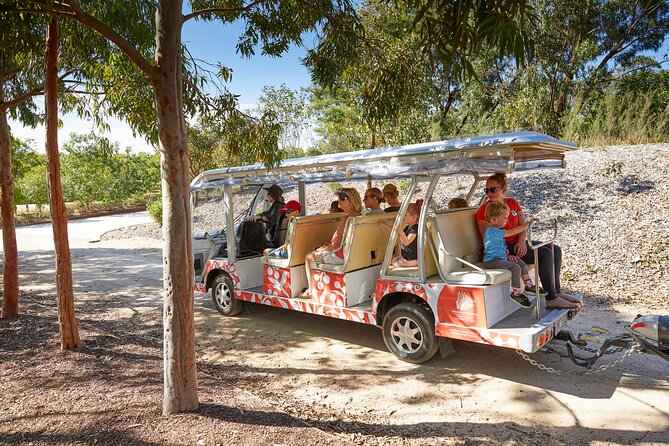
Royal Botanic Gardens Cranbourne is not a small patch of flower beds beside a visitor centre. The Australian Garden covers about 37 acres, or 15 hectares, and presents native Australian plants in a series of distinct settings. If you try to see everything on foot, you need time, energy, and a willingness to cover plenty of ground.
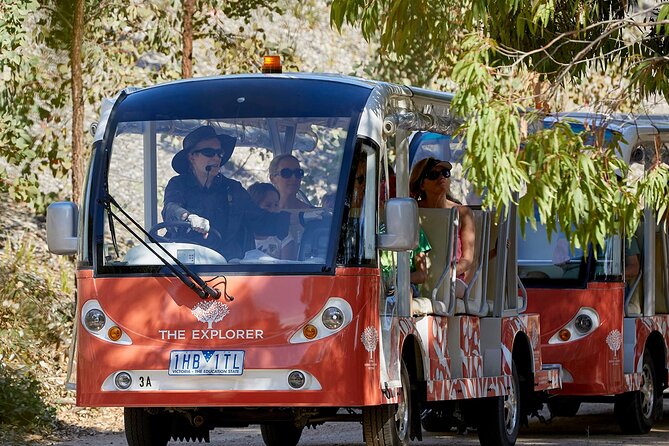
The Explorer solves the orientation problem. You begin at the Visitor Centre, settle into an open-air minibus, and receive a moving introduction to the garden. The route travels from the Red Sand Garden along the east coast section of the Australian Garden, then winds back through the Peppermint Garden.
That route matters because the garden is designed as a collection of different plant communities and visual scenes. The bus does not simply circle a car park. It links areas with different colours, textures, terrain, and planting styles, giving you a sense of how the full garden fits together.
I would treat the ride as both transport and interpretation. You get an overview first, then decide where to spend your walking time. That is far more useful than arriving without a plan and discovering too late that the next section is a long way away.
More Garden Tours in Australia:
- Maleny Botanic Gardens Bird Aviary Experience Ticket
★ 4.5 · 579 reviews - Aboriginal Heritage Walk – Royal Botanic Gardens Victoria, Melbourne Gardens
★ 5.0 · 314 reviews - The Explorer – Melbourne Gardens
★ 5.0 · 224 reviews
From the Red Sand Garden to the east coast
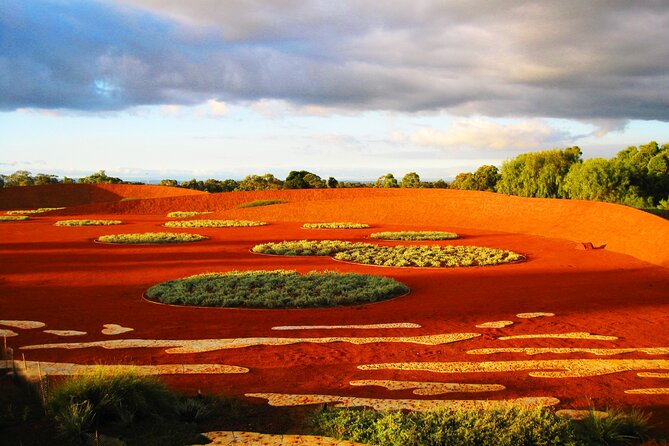
The Red Sand Garden is one of the first major highlights. Its red earth gives the setting a strong Australian character and creates a clear visual change from the greener areas of the gardens. The bus lets you take in the scale and colour without needing to stop for long at every planting bed.
As the route moves along the east coast section of the Australian Garden, the commentary helps connect the plants to their wider setting. The precise wording can vary by driver, but the tour is built around plant interpretation, stories about the gardens, cultural meaning, and the choices behind the design.
This is where the ride earns its modest price. You are not just being driven past plants. You are given a way to read the garden. A patch of native planting becomes part of a larger story about Australian environments and how they can be represented in a public garden.
If you are a keen gardener, take notes of the areas you want to revisit. The bus moves at a useful sightseeing pace, but you will not have time to study every specimen from your seat. The best approach is to mark a few places mentally, then return on foot after the ride.
Howson Hill gives you a sense of scale
Howson Hill is another useful point on the route because it helps you understand the shape of the gardens. From a higher position, you can appreciate how the different sections relate to one another. You are not seeing one uniform planting scheme. You are seeing a planned sequence of dry gardens, water, paths, native plant collections, and open areas.
For first-time visitors, this overview is valuable. It can be difficult to understand a large garden from ground level, especially when paths turn and planting blocks hide what lies ahead. The bus gives you a broad sense of direction before you set off walking.
Howson Hill may also be a good reason to stay seated for the full circuit if you have limited mobility. You get the view without needing to make the climb yourself. The experience is designed for most people to take part, and the bus makes the gardens more manageable for visitors who cannot comfortably walk long distances.
Still, do not expect a long stop at every highlight. This is a moving tour, not a series of extended photo breaks. If a particular view catches your eye, the hop-off option gives you a chance to return to it at a slower pace.
Ian Potter Lake changes the mood
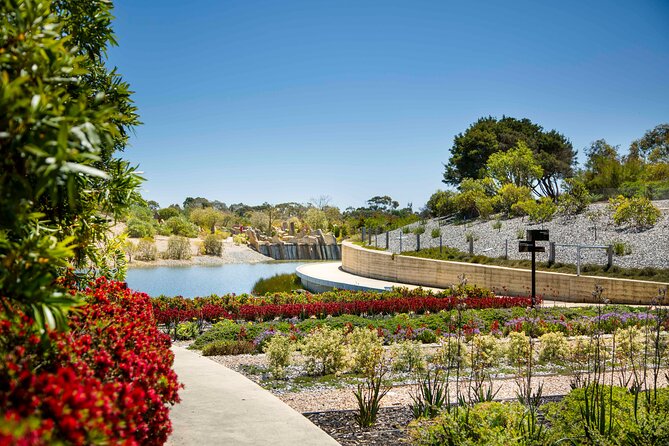
Ian Potter Lake brings water into a garden otherwise known for dry-climate planting and strong earth colours. Water features can change the feel of a public garden, and here the lake gives the route a calmer visual pause.
The lake is also a reminder that the Australian Garden is not built around one narrow idea of Australian nature. The design moves between dry country, native plant collections, waterways, and paths that frame small garden scenes. You see contrast rather than one repeated view.
I would pay attention to how the route shifts around the lake. Even from the bus, the change in scenery helps break up the ride and keeps the tour from feeling like a simple transport loop. Families may appreciate that variety, especially if children are less interested in plant names than in water, movement, and changing views.
The lake is one of the places where a short ride can leave you wanting more time. That is not a flaw in the garden, but it is a limit of the 25-minute format. If you want to linger, plan to use the hop-off flexibility or return on foot after the main circuit.
Same corner of the map, a different planting:
- Melbourne: 1-Hour Gardens and Sporting Precinct River Cruise
★ 4.1 · 196 reviews - River Gardens Melbourne Sightseeing Cruise
★ 3.5 · 193 reviews - Night Walk in Cairns Botanic Gardens – Let’s Go Buggin
★ 5.0 · 153 reviews - Hunter Valley: Wine Tour with 3 Tastings and Garden Lunch
★ 4.7 · 103 reviews
The Arid Garden shows Australia’s dry side
The Arid Garden gives the tour one of its clearest plant-based themes. It focuses on plants suited to dry conditions, making it a strong stop for anyone interested in Australian horticulture or water-conscious garden design.
You can use this section to compare how the garden presents plants from different environments. The red soil, dry planting, and open feel create a very different impression from the lake and Peppermint Garden. The contrast makes the route easier to remember and gives the commentary something specific to explain.
For keen gardeners, this may be one of the most useful areas to revisit at walking speed. A bus view is good for spotting the overall structure, but you may want more time to look at plant forms and planting combinations. The Explorer gets you there efficiently, then lets you choose how much detail you want.
There is also a practical benefit on hot days. The ride is open-air, but you are not walking continuously between widely spaced sections. The bus helps conserve energy, which can make the difference between a short visit and a fuller day in the gardens.
The Dry River Bed brings the design together
The Dry River Bed is a memorable feature because it uses the look and shape of a watercourse without relying on flowing water. It adds texture and a sense of movement to the garden, even when the channel itself is dry.
This is a good example of why commentary matters. Without explanation, you might see an attractive garden feature and move on. With a guide discussing nature and design, you can better understand how the garden turns Australian environmental ideas into a visitor experience.
The Dry River Bed also connects several themes from the route: dry conditions, native plants, rock and soil, and the way water shapes country. It is one of the highlights that rewards both casual sightseeing and closer horticultural attention.
Again, the bus provides the introduction rather than the final word. If you enjoy photography, sketching, or plant study, you will probably want to walk back through this area. The Explorer gives you the map in your head. Your own walking time supplies the detail.
Peppermint Garden completes the circuit
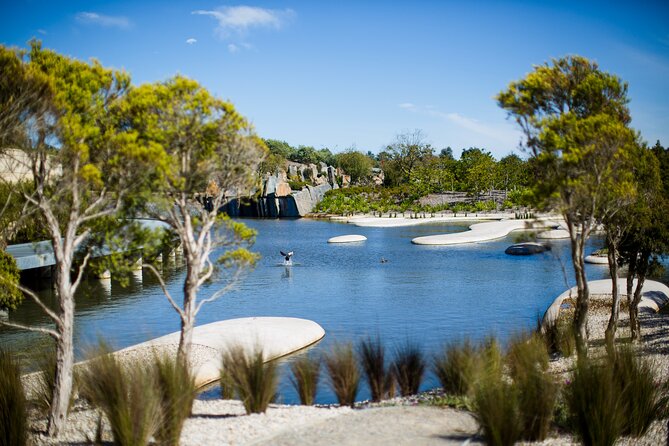
The route winds back through the Peppermint Garden before returning toward the starting point. This closing section gives you a final change of planting style and helps round out the circuit.
A return through a different garden area is useful because it avoids the feeling of simply retracing the same road. You see another part of the Australian Garden and finish with a clearer idea of its range.
By the time the ride ends, you should know which sections deserve more of your time. That is the real strength of the experience. It does not try to replace the gardens. It helps you use them better.
What the commentary adds

The driver-guide provides live commentary during the ride, covering the gardens’ history, cultural significance, plant life, and nature interpretation. That mix is important. A botanical garden can be visually impressive while still leaving you unsure what makes it special.
The commentary gives you a framework. You learn how the garden tells stories about Australia, how native plants are grouped, and why areas such as the Red Sand Garden, Arid Garden, and Dry River Bed look so different.
The quality of the ride will partly depend on the person driving that day. One named driver, Peter, is specifically praised for his plant and garden knowledge, while another account describes the host as funny and friendly. You should expect an informative guide, but the exact humour and detail will vary from one departure to another.
That personal element is a plus. A live guide can point out things that a recorded track might miss and adjust the talk for the group. The small maximum of 25 people also helps keep the ride more personal than a large coach tour.
Is $10.76 good value?
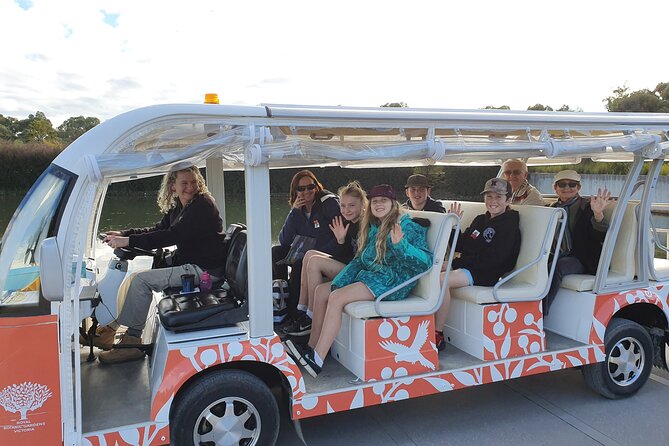
At $10.76 per person, The Explorer is reasonably priced for a 25-minute ride through a 15-hectare garden. The value is strongest when you consider what it saves: walking distance, energy, and time spent figuring out the layout.
It is particularly good value for a parent managing children, an older visitor, or anyone with limited mobility. One ride can open up sections of the garden that might otherwise be skipped. It also gives you a quick overview if Cranbourne is one stop on a wider Mornington Peninsula trip or a route toward Phillip Island.
The price is less compelling if you only want a long, quiet walk and plan to spend several hours exploring every path. In that case, the bus may feel too brief. I would see it as a useful addition to your garden admission rather than the whole visit.
Check the child pricing carefully when booking. The Kids Explorer Bus is free for children during school holidays, but there has been a fare mismatch in at least one booking situation. Confirm the school holiday offer and the price shown for each child before paying.
Who will enjoy the ride most?
The Explorer works best for people who want access, context, and a quick overview.
- Families: The moving bus gives children a change of pace, and the special Kids Explorer offer can reduce the cost during school holidays.
- Older visitors: You can see more of the gardens without committing to a long walk.
- Visitors with mobility limitations: The bus makes the large site more practical and leaves energy for the areas you choose to explore on foot.
- Garden enthusiasts: The commentary and varied plant settings provide useful orientation before closer study.
- Short-stay visitors: If you are passing through the Mornington Peninsula or heading toward Phillip Island, the ride gives you a sensible introduction without taking all day.
- Nature lovers: You get native plants, dry-country design, water features, and interpretation in one compact circuit.
The experience may be less suitable if you dislike open-air transport, need a long stop at every point, or want a private guide. The bus carries up to 25 people, so it is a shared experience rather than a personal garden walk.
Practical details before you go
The meeting point is Royal Botanic Gardens Cranbourne, at Ballarto Road and Botanic Drive, Cranbourne VIC 3977. The experience starts from the Visitor Centre, and transport to the gardens is not included, so you need to arrange your own way there.
The tour lasts about 25 minutes. Build in extra time if you want to walk through the gardens afterward, because the ride is an overview rather than a full visit.
The bus is open-air, so weather matters. The experience requires good weather and may be moved or refunded if conditions are poor. Wear clothing suited to the day, and do not treat the ride as a fully enclosed coach trip.
Service animals are allowed, and most people can participate. If you have particular mobility needs, confirm the practical boarding details with the provider before arrival rather than relying only on the general accessibility information.
Free cancellation is available up to 24 hours before the start time for a full refund. Changes or cancellations inside that 24-hour window are not accepted, and the local time at Cranbourne controls the cut-off.
Should you book The Explorer?
I would book it if you want a clear introduction to Cranbourne Gardens, need to reduce walking, or have limited time. The short ride covers major features, the guide adds useful context, and the hop-off option lets you turn the overview into a longer visit.
I would also recommend it for families, especially during school holidays, provided you confirm the child fare before booking. The ride keeps children moving and gives adults a break from managing a long walking route.
If you are a dedicated gardener with several hours available, book it as your first step, not your final activity. Use the circuit to choose your favourite areas, then explore the Red Sand Garden, Arid Garden, Dry River Bed, Ian Potter Lake, or Peppermint Garden at your own pace.
At this price, The Explorer is a sensible way to understand a very large Australian garden before spending your walking time where it matters most.
FAQ
How long does The Explorer tour last?
The tour lasts approximately 25 minutes.
Where does The Explorer depart from?
It departs from the Visitor Centre at Royal Botanic Gardens Cranbourne.
What is the meeting point?
The ticket redemption point is Royal Botanic Gardens Cranbourne, Ballarto Road and Botanic Drive, Cranbourne VIC 3977, Australia.
What areas can you see during the ride?
The route includes the Red Sand Garden, Howson Hill, Ian Potter Lake, Arid Garden, Dry River Bed, the east coast section of the Australian Garden, and the Peppermint Garden.
Is commentary included?
Yes. A driver-guide provides live commentary during the ride, with information about plants, garden history, cultural significance, and nature.
Can I get off the bus during the experience?
The ticket includes flexibility to hop off at various stops within the Australian Garden.
Is the tour suitable for visitors with limited mobility?
Yes. The bus is designed to help visitors see more of the large gardens without walking the full site, and most people can participate.
Are children free?
Children ride free on the Kids Explorer Bus during school holidays. Check the child fare shown at booking, since pricing can vary by booking channel.
What happens if the weather is poor?
The experience requires good weather. If it is cancelled because of poor conditions, you will be offered another date or a full refund.
Just added around Australia
- 5 Days Walking with Wildflowers – Fitzgerald Biosphere★ 5.0 · 2 reviews
- Garden Entry Ticket★ 4.5 · 48 reviews
- Deluxe Dinner Package by Luke Nguyen at Botanic House★ 5.0 · 2 reviews
- Secret Sydney: Hidden Beaches and Gardens★ 5.0 · 4 reviews
- Southern Highlands Private Tour with Wine, Waterfall and Garden★ 5.0 · 4 reviews
- Explore Sydney’s Botanic Gardens In a Series of Fun Cryptic Clues★ 5.0 · 2 reviews
- PRIVATE Sydney City Bondi Beach Opera House & Botanic Garden Tour★ 5.0 · 2 reviews
- Orchids and Wildflowers Photographic Day tour from Perth★ 5.0 · 3 reviews
Australia Garden Tours, compared.

Aboriginal Heritage Walk – Royal Botanic Gardens Victoria, Melbourne Gardens
Read our review →

1-Hour Gardens and Sporting Precinct River Cruise
Read our review →

Night Walk in Cairns Botanic Gardens – Let’s Go Buggin
Read our review →
Hunter Valley: Wine Tour with 3 Tastings and Garden Lunch
Read our review →
Kuranda Koala Gardens and Birdworld Admission Tickets
Read our review →
Browse the lists this tour appears in