
Review · ITALY GARDEN TOURS
Near Cagliari: Wild Herbs and Healing at “In Our Garden”
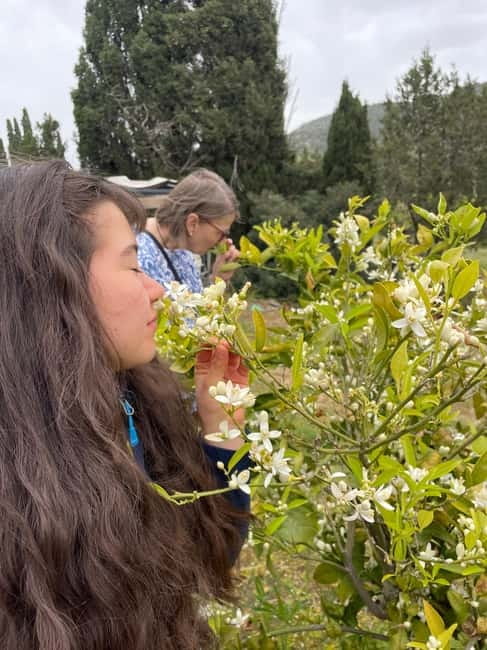
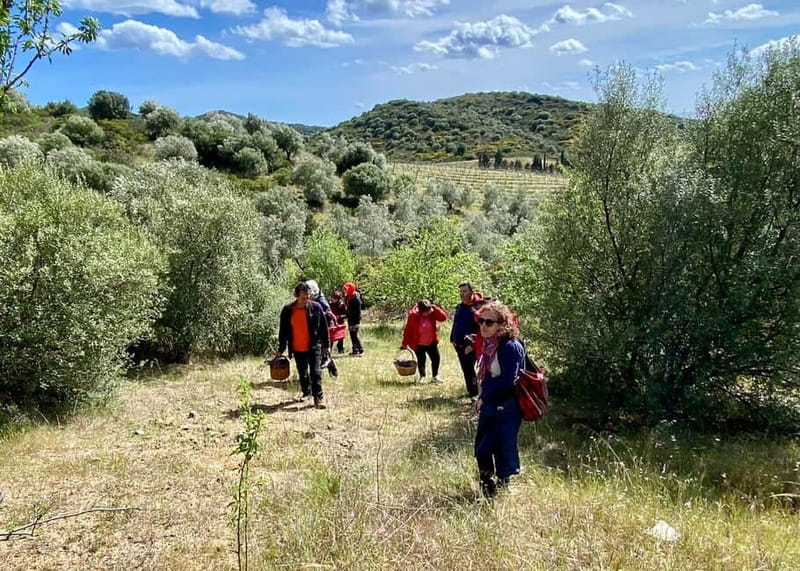
Sardinia’s best stories are not all found at the beach. At In Our Garden, Ramona leads you through vineyards, olive trees, almond trees, and orange orchards while showing how wild herbs have shaped daily life and folk medicine on the island. You may gather plants, learn about infused oils, and finish with tea, homemade merenda, and a small lavender bundle.
I like the personal scale of this outing, with a private group and a guide who connects plants to family traditions, rituals, and everyday use. I also like that you can reach the meeting area by bus from Cagliari, then arrange a short pickup. The main consideration is that this is a gentle countryside walk, not a strenuous hike or a formal medical workshop, and summer heat makes morning or late afternoon the wiser choice.
Key points at a glance
- Ramona leads the walk: She brings a background in sustainable local development, permaculture, folk wisdom, and slow living to the outing.
- The setting is a working rural retreat: You walk among vineyards, almond trees, olive groves, and orange orchards at In Our Garden.
- Plants are linked to Sardinian life: You learn how spontaneous herbs have been used in food, rituals, emotional care, and traditional remedies.
- The visit includes hands-on elements: You may gather plants and learn about infused oils and smudge sticks.
- The ending is distinctly local: Herbal tea, homemade merenda, and a handmade wild-lavender mazzetti are part of the visit.
- It works without a car: Bus line PF from Cagliari takes about 30 minutes to stop 475, followed by a five to ten minute drive and pickup.
A countryside introduction just outside Cagliari
In Our Garden is a bio-agritourism retreat in South Sardinia, close enough to Cagliari for a half-day outing. The setting gives you something different from the usual city and seaside circuit. Instead of rushing between sights, you spend two hours paying attention to plants, scents, soil, and the small details of rural life.
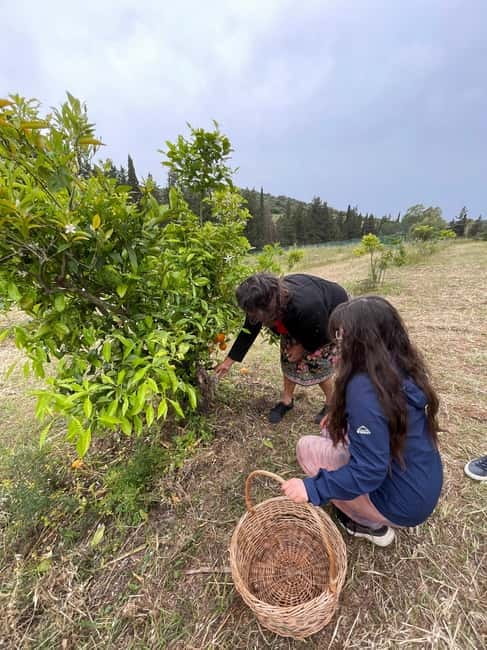
The walk passes through several kinds of cultivated and semi-wild land. Vineyards bring the connection to wine and farming. Almond trees and orange orchards add seasonal interest, while olive groves place the visit firmly in the Mediterranean countryside.
The setting is not presented as a staged museum. It is a place where Ramona and her partner also make wine and grow organic products. That matters because the plants are discussed as part of a living way of life, not as isolated specimens with labels.
You should expect a relaxed pace. The walk lasts about two hours and is described as gentle and unhurried. If you want a demanding trek, dramatic mountain views, or a long list of archaeological stops, this is not the right outing. If you want time to notice what grows around you, the pace makes sense.
More Garden Tours in Italy:
- Florence: Reserved Entry Ticket to the Boboli Gardens
★ 4.4 · 5,275 reviews - Rome: Borghese Gallery and Gardens Guided Small-Group Tour
★ 4.6 · 2,783 reviews - Rome: Borghese Gallery & Gardens Small Group Guided Tour
★ 4.5 · 2,190 reviews
Meeting Ramona and hearing Sardinian plant traditions
Ramona is the central reason to choose this activity. Originally from Liguria, she worked for more than 30 years as a freelance organizational psychologist focused on sustainable local human development. After living and working in many places, she chose Sardinia as the place to build a life tied to land, culture, and personal connection.
Her interests include social innovation, art and culture, permaculture, slow living, and longevity. That mix gives the walk a broader frame. You are not simply memorizing plant names. You are hearing how nature can fit into food, household customs, rituals, and a slower daily rhythm.
Ramona speaks Italian, English, Spanish, French, and Portuguese. That language range is useful for a private outing, especially when the conversation turns to subtle plant uses or cultural ideas that can be hard to explain through translation.
The tone appears to be warm and personal rather than academic. One useful detail from the visit is that Ramona may let you taste certain plants. That makes the walk more sensory, though you should only eat anything when she has identified it and invited you to do so.
You will also hear about the emotional and physical roles assigned to plants in Sardinian popular medicine. Treat this as cultural and historical knowledge, not as a substitute for professional medical advice. The value is in understanding how local families have traditionally viewed plants and healing.
Identifying spontaneous herbs in the field
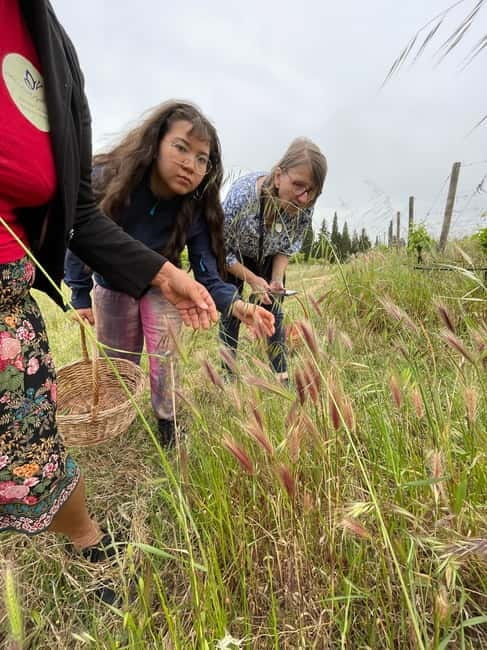
The most engaging part of the outing is the move from looking at plants to recognizing them. Ramona points out spontaneous herbs and explains how to distinguish them, where they grow, and why they matter.
The information covers edible and medicinal plants used in Sardinian traditions. You may learn how particular herbs have been gathered, prepared, or connected with rituals for emotional and physical well-being. Since plant availability changes with the season, the exact selection is likely to vary.
That seasonal change is a strength. A return visit could bring different flowers, scents, or harvests. The experience is not built around one fixed display, so it keeps a close link to the time of year.
You can expect to use more than your eyes. The walk invites you to notice fragrance, texture, and flavor. One part involves gathering herbs from the wild, with guidance, then discussing ways to preserve their aroma in infused oils.
This hands-on approach gives the outing more value than a talk alone. You leave with a better sense of how people once turned plants into useful household items. Still, the time is limited. Two hours allows for an introduction and some practical work, but not a full course in herbal preparation or plant identification.
Infused oils, rituals, and practical folk wisdom
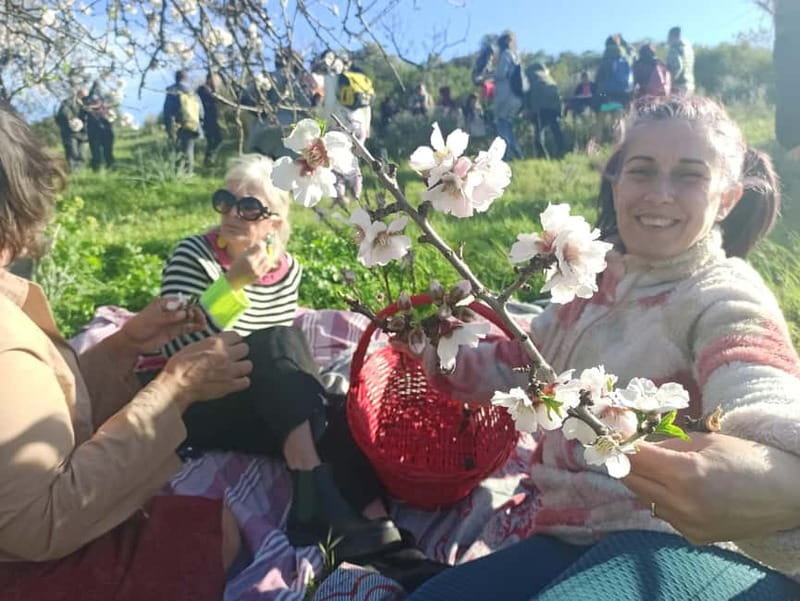
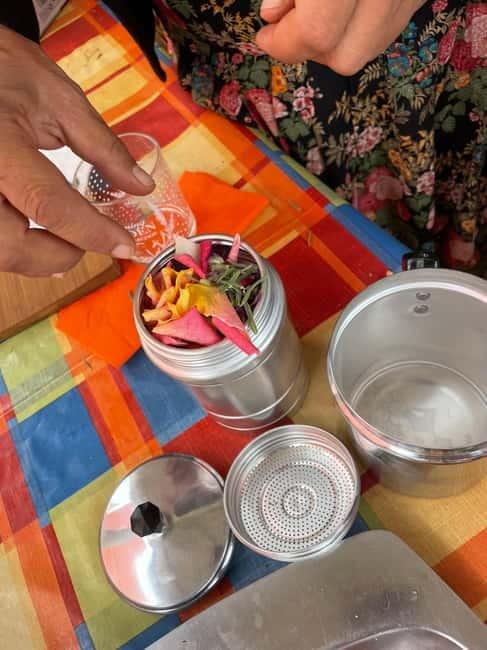
Infused oils are one of the most distinctive topics included in the activity. Ramona explains how herbs can be used to create aromatic oils that preserve their natural essence. You may take part in the process and learn why preparation matters.
The activity also refers to smudge sticks, another way of working with dried plants and scent. These details connect the outing to ritual as well as practical use. Sardinian folk medicine is not only about treating a symptom. It can include ideas about mood, protection, memory, and the relationship between people and the natural world.
I like this part because it avoids treating herbs as simple curiosities. The plants are linked to habits and beliefs that have been passed through generations. You get a glimpse of how rural knowledge can carry social meaning as well as practical purpose.
At the same time, you should keep your expectations sensible. The description does not promise that you will make a full bottle of oil or take home a complete herbal remedy. The emphasis is on learning, gathering, and understanding the process.
The same applies to the healing language. This is an introduction to traditional practices and plant uses. It is not a consultation with a doctor, pharmacist, or clinical herbalist. That distinction is important, especially if you have allergies or take medication.
Same corner of the map, a different planting:
- Florence: Pitti Palace and Boboli Gardens Ticket & eBook
★ 4.5 · 835 reviews - Caserta Royal Palace & Gardens Small Group Tour with Shuttle
★ 4.9 · 632 reviews - Florence: Pitti Palace, Boboli Garden, Palatine Gallery Tour
★ 4.9 · 558 reviews - Tremezzina: Villa Carlotta Museum and Garden Entry Ticket
★ 4.7 · 556 reviews
Herbal tea and a Sardinian merenda
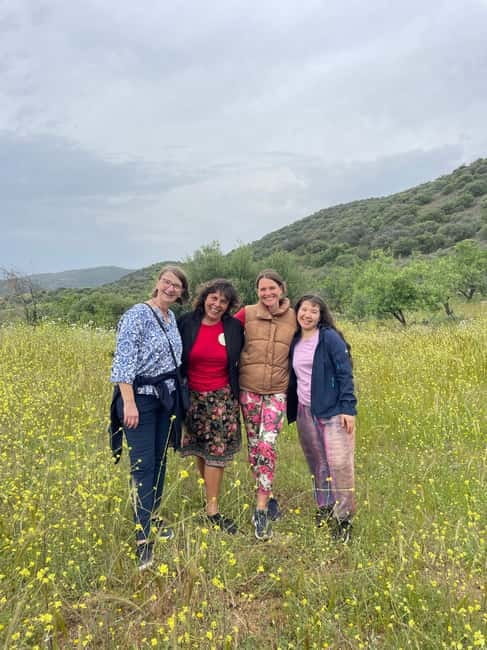
The walk ends with a break for freshly prepared herbal tea and homemade merenda. In Sardinia, merenda is a traditional snack, and here it gives the visit a social finish rather than sending you away as soon as the walking stops.
This pause is more than a refreshment detail. It lets you talk with Ramona, ask follow-up questions, and connect the herbs to food. The setting in nature also keeps the mood calm and informal.
The food side may be especially appealing if you care about where ingredients come from. In Our Garden offers fresh organic products, and the wider project is tied to local cultivation. Ramona and her partner also make wine.
One visit included an invitation to stay for a meal made with products from the land. That should not be treated as a guaranteed part of the two-hour booking, but it suggests the hosts are generous with their time when circumstances allow. The included merenda and herbal tea are the reliable parts of the planned experience.
If you have dietary restrictions, ask ahead. The available information does not list a fixed menu or specific ingredients, so it is better to confirm before you arrive.
Taking home a lavender mazzetti
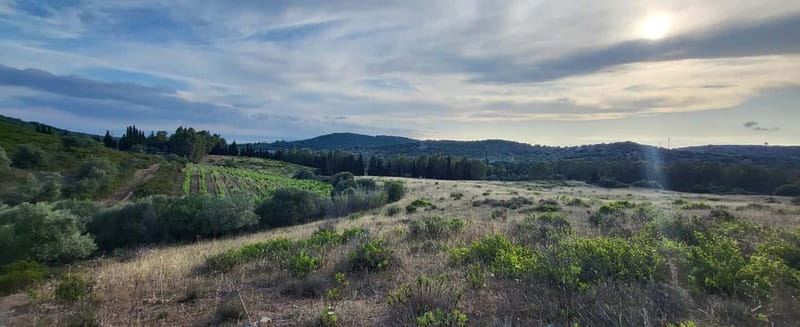
The handmade bundle of wild lavender, called a mazzetti, is a small but thoughtful souvenir. It is practical, fragrant, and tied directly to the activity rather than being a generic gift-shop purchase.
A mazzetti can also help you remember the walk through scent. That matters because fragrance is one of the strongest ways to recall a place. The bundle carries the countryside experience home without taking up much space in your luggage.
The gift also reflects the style of In Our Garden. The focus is on simple materials, local plants, and handwork. You are not buying a polished commercial product. You are receiving a modest object connected to the plants and traditions discussed during the visit.
Getting there from Cagliari without a car
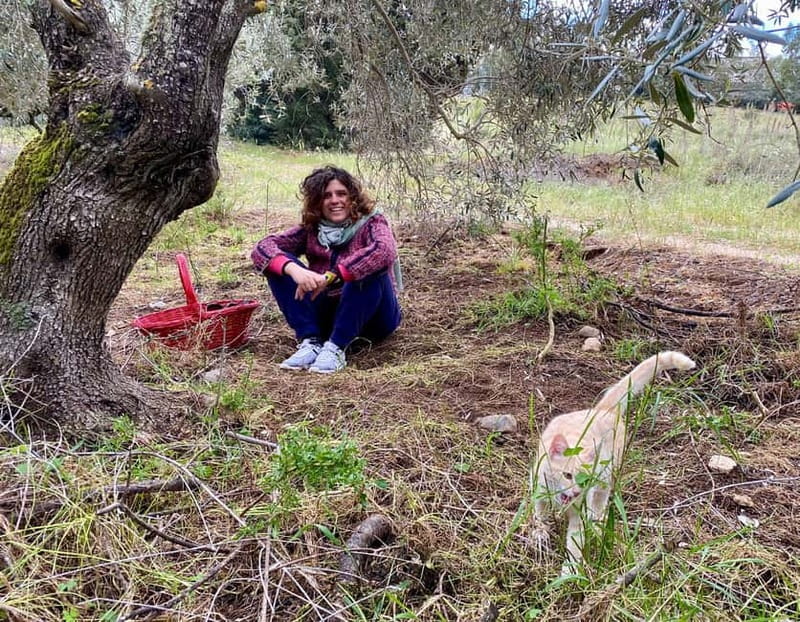
You do not need to rent a car for this experience. From Cagliari train station, catch bus line PF toward Terra Mala. The bus takes about 30 minutes, with additional stops along the coastal road.
Get off at bus stop number 475 on Via Leonardo da Vinci, near the junction with Via Lago di Varese in Marina Residenza. From there, the hosts can pick you up for the remaining five to ten minute drive.
This is useful for visitors staying in Cagliari who want a rural outing without dealing with parking or navigation. Allow extra time for finding the correct bus stop and coordinating the pickup. The published journey time is approximate, so do not plan a tight connection immediately afterward.
The bus trip itself adds a small slice of local life, but it may take closer to three quarters of an hour depending on stops and waiting time. A car may be more convenient if you are already touring southern Sardinia, though the public transport option makes this activity accessible to independent visitors.
Choosing the best time and group setup
The two-hour duration fits neatly into a Cagliari day. You could pair it with time in the city, a meal nearby, or another coastal stop, but leave enough room for the bus and pickup.
Summer heat is the main timing issue. Book in the morning or late afternoon when possible. The walk is gentle, but sun exposure still affects comfort, especially while moving through open countryside.
A private group changes the feel of the visit. You can ask questions without competing with a large crowd, and Ramona can adapt the discussion to your interests. That is particularly useful if you care more about edible plants, folk rituals, organic farming, or the social side of the project.
The activity is offered at $53 per person. I consider that fair if you value personal guiding, a private format, the tea and merenda, and the handmade lavender bundle. You are paying for a small cultural encounter rather than a long excursion packed with multiple attractions.
The value is weaker if you judge tours mainly by distance covered or the number of major sights included. This is a slow, focused visit. Its worth comes from conversation, setting, and access to a way of life you would not easily see from Cagliari’s historic center or beaches.
Free cancellation up to 24 hours before the activity and reserve-now, pay-later booking make it easier to fit into a changing itinerary. Starting times depend on availability.
Who will get the most from this visit
I would choose this outing if you want to see another side of Sardinia beyond the coast. It suits couples, solo visitors, families with an interest in plants, and anyone who prefers a small local activity to a large organized tour.
It is also a good match for people interested in permaculture, organic growing, traditional food, folk medicine, or slow living. The private setting gives you room to ask thoughtful questions and follow the subjects that interest you most.
You may want to skip it if you need a physically challenging walk, a strict timetable, or a formal scientific lecture. The pace is relaxed, and the plant selection depends on the season. The experience is strongest when you are willing to slow down and listen.
Should you book In Our Garden?
Book it if you want a personal introduction to Sardinian plant traditions and like the idea of spending two quiet hours in the countryside near Cagliari. Ramona’s warmth, multilingual guiding, and connection to the project give the visit a human focus.
The strongest reasons to go are the private group, the chance to gather and taste plants with guidance, the discussion of infused oils and folk remedies, and the simple ending with tea, merenda, and lavender. The car-free access is another clear advantage.
Skip it if your priority is a hike, a major attraction, or a guaranteed full meal. For everyone else, the $53 price buys a thoughtful rural encounter and a small piece of Sardinian tradition to carry home.
FAQ
How long does the In Our Garden experience last?
The activity lasts approximately two hours and consists of a gentle countryside walk, plant discussion, practical activities, and refreshments.
How much does the experience cost?
The listed price is $53 per person.
Where is In Our Garden located?
In Our Garden is in South Sardinia near Cagliari, in a rural setting with vineyards, almond trees, olive groves, and orange orchards.
Can I reach the experience by public transport?
Yes. Take bus line PF from in front of Cagliari train station toward Terra Mala. Get off at stop 475 on Via Leonardo da Vinci, near Via Lago di Varese. The hosts can pick you up for the five to ten minute drive from the stop.
What languages does Ramona speak?
The activity is available in Italian, English, Spanish, French, and Portuguese.
Is this a private tour?
Yes. The activity is organized for a private group.
What is included at the end of the walk?
You receive herbal tea and homemade merenda in nature. You also take home a handmade bundle of wild lavender called a mazzetti.
Can I cancel if my plans change?
You can cancel up to 24 hours in advance for a full refund. Reserve-now, pay-later booking is also available.
Just added around Italy
- Lake Maggiore Gourmet: Gardens, Lake Cruise, & Food Tasting★ 4.5 · 19 reviews
- Vatican: Gardens, Museums and Sistine Chapel Guided Tour★ 4.2 · 98 reviews
- Venice: Convent Garden of Redentore Entry Ticket★ 4.3 · 5 reviews
- Varenna: Villa Cipressi Gardens Entry Ticket on Lake Como★ 4.6 · 39 reviews
- Vatican Gardens & Castel Sant’Angelo Skip-the-line tickets★ 4.3 · 20 reviews
- Valley of the Temples: Kolymbethra Garden Entry Ticket★ 3.5 · 43 reviews
- Typical Apulian menù in the garden of an ancient Trullo★ 5.0 · 11 reviews
- Venice: panoramic lunch in St. Mark’s Square Royal Gardens★ 3.0 · 12 reviews
Italy Garden Tours, compared.

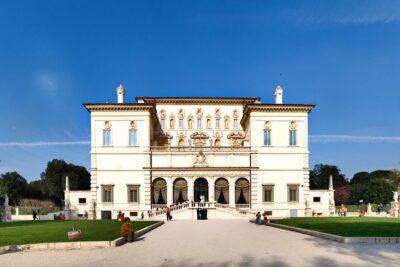
Borghese Gallery & Gardens Small Group Guided Tour
Read our review →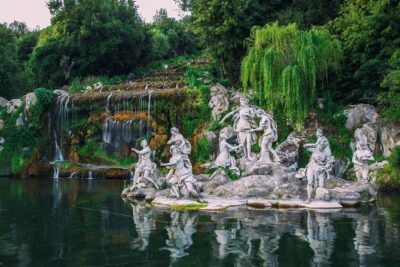
Caserta Royal Palace & Gardens Small Group Tour with Shuttle
Read our review →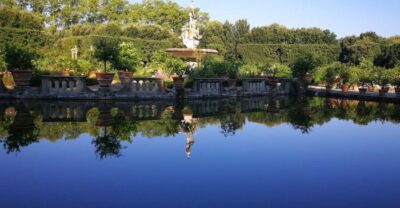
Pitti Palace, Boboli Garden, Palatine Gallery Tour
Read our review →
Tremezzina: Villa Carlotta Museum and Garden Entry Ticket
Read our review →
Sorrento: Lemon Garden Tour with Marmalade Tasting
Read our review →
Vatican: Vatican Gardens with Bus Tour & Vatican Museums
Read our review →Caserta Royal Palace & Gardens Small Group Tour with Shuttle
Read our review →Browse the lists this tour appears in