
Review · SPAIN GARDEN TOURS
MUCBO | Sóller Botanical Garden – Balearic Museum of Natural Sciences
The most unusual thing about MUCBO is that it brings Mallorca’s natural history and living plant life together in one place. The museum covers geology, fossils, and present-day biodiversity, while the garden gives you a direct look at the plant life the institution works to protect.
I like the focus on the Balearic Islands rather than a generic collection from around the world. I also like the modest $10 price and the chance to visit both the only botanical garden and only natural science museum on Mallorca with one admission.
The main caution is condition. Recent reports describe dry plants, dead leaves, weeds, and limited variety in parts of the garden. Parking can also be difficult around midday, so public transport or an arrival near opening time may save you a great deal of frustration.
Key points to know before you go
- Mallorca’s only botanical garden: The garden concentrates on plants connected to the Balearic Islands.
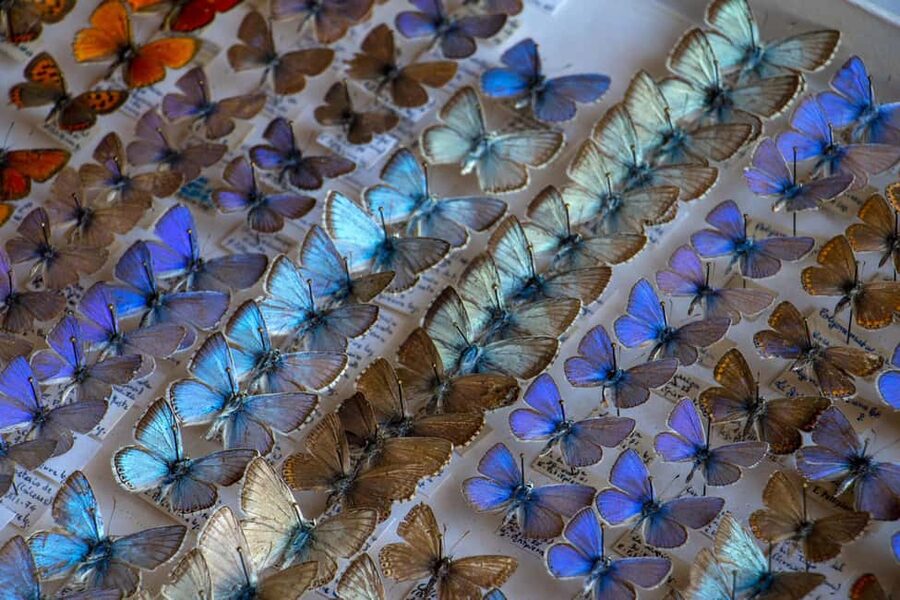
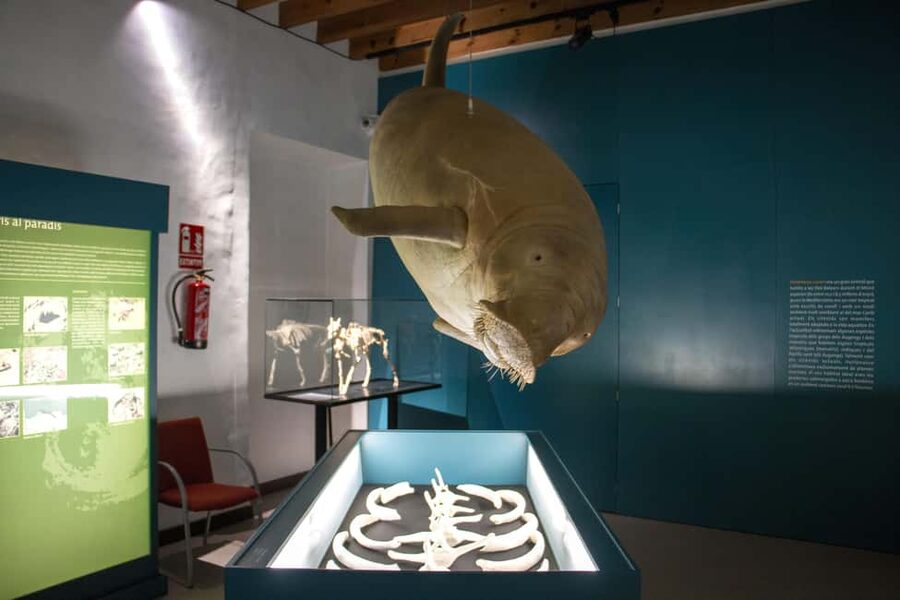
- A museum with real scientific range: Permanent sections cover geology, paleontology, and current biodiversity.
- More than a display garden: The site also includes a herbarium and a germplasm bank used for plant conservation.
- A low-cost cultural stop: Admission is $10 per person for the garden and museum together.
- Plan around access: Parking may be very hard at midday, especially during busy periods.
- Expect an uneven presentation: Some parts may look dry or untidy, particularly in the hotter months.
What MUCBO offers in Sóller
MUCBO, the Sóller Botanical Garden Foundation and Balearic Museum of Natural Sciences, has worked for more than 30 years in research, conservation, public education, and environmental study. That gives the visit a clear purpose: this is not just a pleasant patch of greenery with a few labels. It is intended to explain the natural world of the Balearic Islands and help protect it.
That purpose matters when you set your expectations. You are not booking a grand European garden filled with exotic specimens, elaborate fountains, or acres of formal planting. You are visiting a small, specialist institution with a regional focus.
For me, that regional focus is the strongest reason to go. The Balearic Islands have their own plant communities, geology, fossils, and wildlife story. MUCBO gives you a place to connect those subjects rather than treating Mallorca as only a beach destination.
The institution has two main sections. The Balearic Museum of Natural Sciences contains permanent exhibitions, while the Sóller Botanical Garden presents living plants and conservation work. Together, they create a compact introduction to the islands’ natural character.
More Botanical Gardens in Spain
- Blanes: Marimurtra Botanical Garden Entry Ticket
★ 4.7 · 998 reviews - Icod de los Vinos: Dragon Tree & Botanical Garden Ticket
★ 4.5 · 761 reviews - Las Palmas, Botanical Gardens and Bandama Volcano Tour
★ 4.1 · 113 reviews
Start with the museum’s geology and fossils
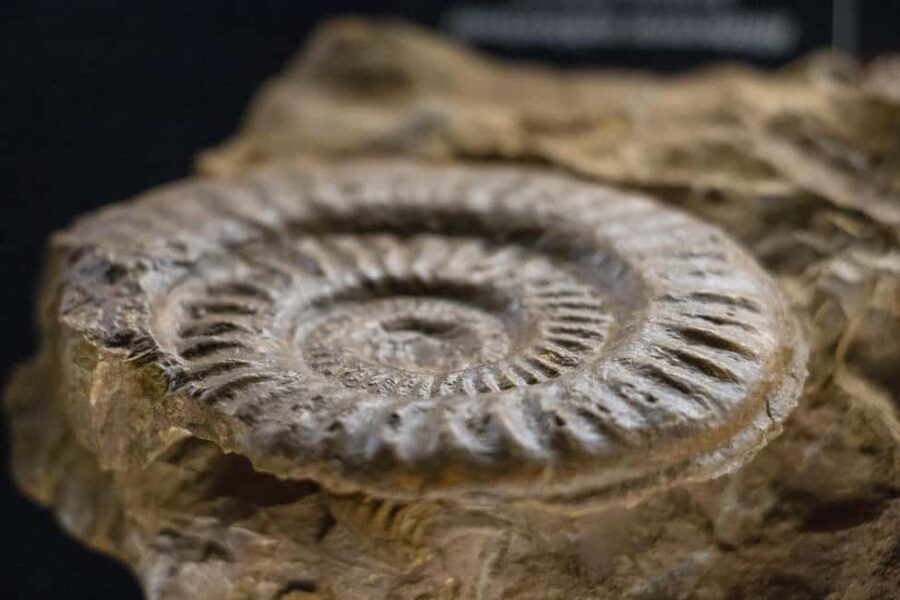
A useful way to approach the visit is to begin with the museum. The geology section gives you the basic setting for the islands, while the paleontology displays show that Mallorca’s story reaches far beyond the present day.
You can expect permanent material on rocks, fossils, and the formation of the natural environment. The supplied information does not give a detailed room-by-room route or list individual specimens, so I would not arrive expecting a particular fossil or famous object. Instead, think of this section as a framework for understanding the island.
That framework is useful because the garden makes more sense once you have considered the ground beneath it and the changes that shaped the region. Even a short museum visit can help you look at local plants as part of a larger natural system, not as isolated decorations.
The paleontology material also gives the visit a time scale that a garden alone cannot provide. Plants change with climate, soil, and geography, while fossils show how much the islands’ natural story has changed over long periods.
Some content may be presented in its original language. If you need every label in English, check before booking or be prepared for a visit that relies partly on visual displays and your own interpretation. No individual guide is named in the supplied details, so this should not be treated as a guided tour led by a specified expert.
Move from museum displays to living plants
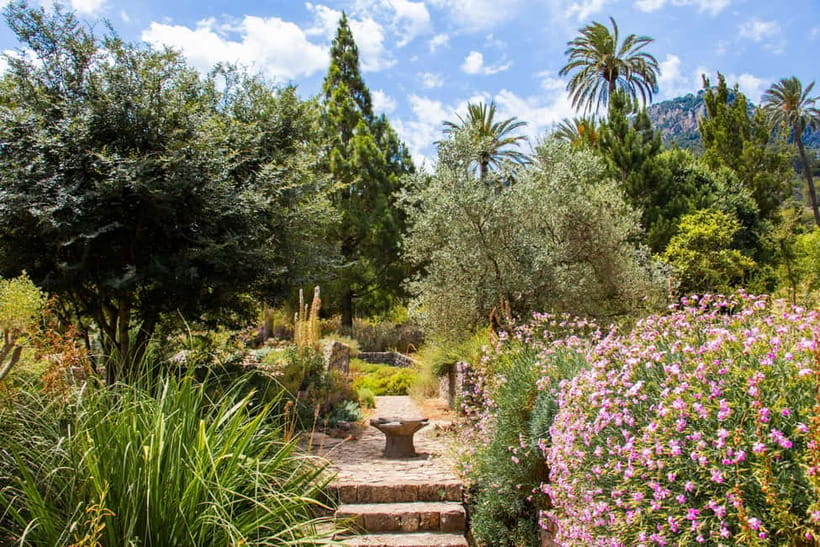
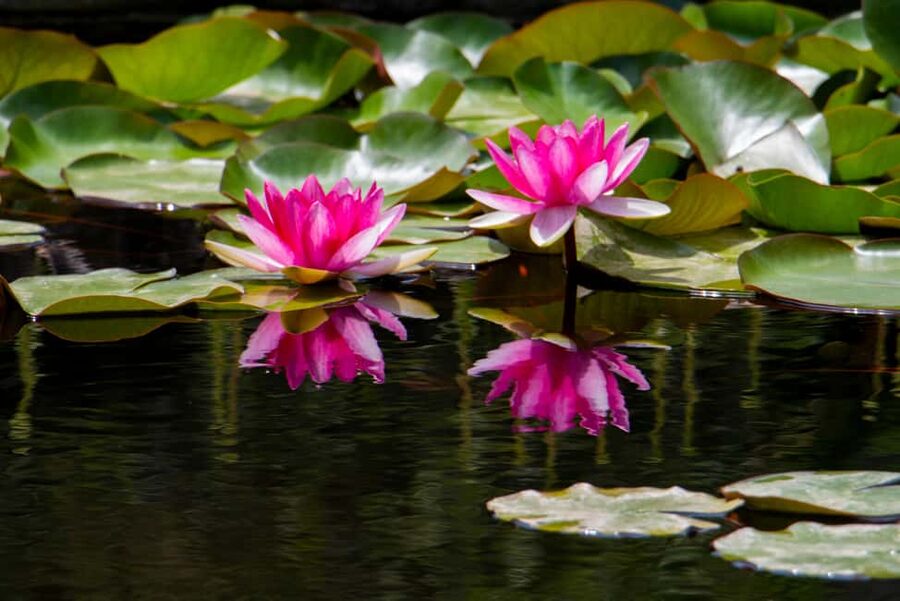
The garden is the other half of the experience. It provides a living plant exhibition tied to the Balearic Islands, giving you a more direct connection with the subject than display cases alone can offer.
The idea is excellent. A natural science museum can explain biodiversity, but a botanical garden lets you see different forms, textures, and growing habits in front of you. You can take your time, compare plants, and connect the museum’s ideas with living examples.
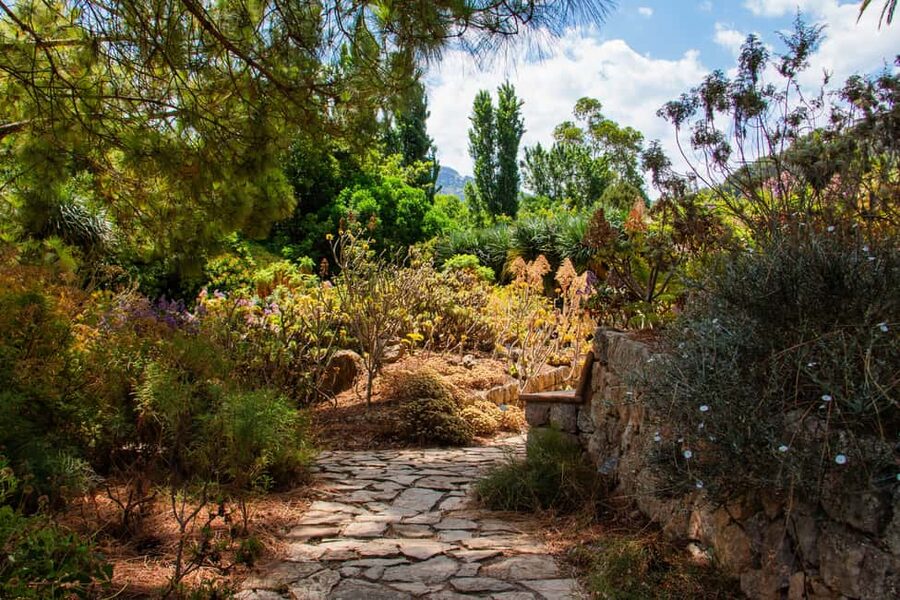
Still, the garden’s condition appears to vary. A June 2025 visit was described as showing many plants suffering from a lack of water, along with fallen leaves, dead plant material, weeds, and areas that seemed to need more care. Another visitor found the garden small, with limited plant variety and maintenance below expectations.
Those comments are important for anyone who has visited major botanical gardens in other countries. If you are used to large collections with extensive labels, polished paths, and carefully maintained beds, MUCBO may feel underdeveloped for the price. If you are interested mainly in Balearic plant conservation and local science, the garden’s smaller scale may be less of a problem.
I would plan to visit with curiosity rather than demanding a perfect ornamental garden. The strongest value lies in the institution’s subject and purpose. The weaker point is that the physical presentation may not always match the importance of the work being done.
The herbarium and germplasm bank add real purpose
Two less visible parts of the institution help explain why MUCBO exists: its herbarium and germplasm bank.
A herbarium preserves plant specimens for study. A germplasm bank protects plant material so it can support future research and conservation. You may not see these collections in the same way you see the outdoor plants or the museum displays, but their presence changes how you should read the whole site.
This is not simply a place that grows plants for decoration. It also works to document and safeguard plant life from the Balearic Islands. That makes the visit more valuable for students, families, gardeners, and anyone interested in how conservation works in practice.
The details available do not say exactly which parts of the herbarium or germplasm bank are open to the public. Do not assume that you will receive a behind-the-scenes tour or handle preserved specimens. Their importance is best understood as part of MUCBO’s wider scientific role.
I especially like this connection between public display and long-term preservation. You see the living collection, learn about the natural world in the museum, and know that the institution also keeps records and plant material for future work.
Same corner of the map, a different planting:
- Granada: Alhambra & Gardens Tour w/Nasrid Palaces Option
★ 4.2 · 7,022 reviews - Granada: Alhambra Gardens and Generalife Ticket
★ 4.4 · 2,195 reviews - Granada: Alhambra Guided Tour with Nasrid Palaces & Gardens
★ 4.7 · 2,190 reviews - Alhambra &Charles Palace Guided Tour with Optional Nasrid Palaces
★ 4.5 · 2,149 reviews
What the visit may feel like on the ground
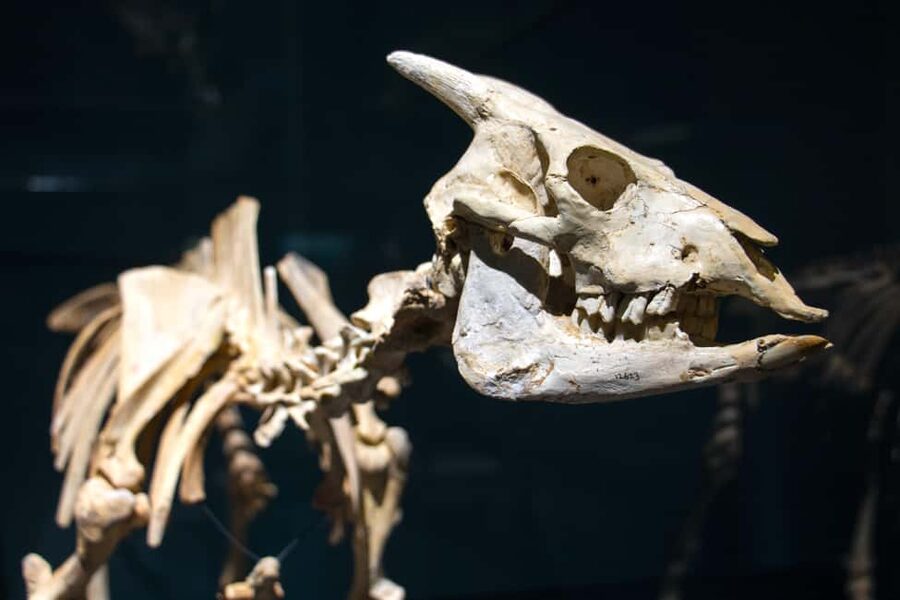
MUCBO is listed as a one-day experience, but that does not mean you need to spend an entire day there. The admission is valid for one day, and you can check available starting times when booking. The information provided does not give an exact visit length, so allow enough time for both sections without building your whole Mallorca schedule around a fixed duration.
The visit should be taken at an unhurried pace. Read the museum displays, look closely at the plant collection, and give yourself time to notice how the two sections relate. Rushing through in a few minutes would reduce the value of the admission.
At the same time, the mixed condition of the garden means you may not want to reserve a full day only for this attraction. I would pair it with other time in Sóller rather than treating it as the sole reason for your trip.
That approach also protects you from disappointment. If the museum interests you more than the outdoor section, you still have a worthwhile scientific stop. If the garden looks its best during your visit, you have extra time to enjoy it without feeling hurried.
Why arrival time and parking matter
The biggest practical warning is parking. One September 2025 visitor spent 45 minutes circling before giving up because cars kept arriving. That is a serious risk if you turn up in the middle of the day with a tight schedule.
I would use public transport if that fits your plans, or arrive close to opening time. The available information does not specify a dedicated parking area or guarantee a space, so you should not assume that parking will be easy simply because the attraction is outside a major city center.
This matters even more in warm weather. A failed parking search can turn a $10 visit into a frustrating hour in the car, followed by a rushed museum and garden visit. Plan the arrival before you leave, and check the day’s starting times rather than relying on a casual midday stop.
The parking problem is not a reason to reject MUCBO outright. It is a reason to treat access as part of the booking decision. If you are driving, early arrival is the safest practical choice based on the information available.
Is $10 a fair price?
At $10 per person, the admission is not expensive compared with many paid attractions in Mallorca. You receive access to both the botanical garden and the natural science museum, which makes the price reasonable if you care about local science, plants, fossils, or conservation.
The value becomes less clear if your main goal is a large, highly polished garden. A visitor who expects broad variety and immaculate grounds may feel that $10 is too much, especially if the garden looks dry or poorly maintained during the visit.
I would judge the cost in two parts. First, you are paying for a public institution with more than 30 years of work in research and conservation. Second, you are paying for the condition and quality of the visit on that particular day. The first point supports the price. The second may not always do so.
This is why MUCBO suits a specific type of visitor. If you want context about the Balearic Islands and appreciate smaller scientific collections, $10 is a fair outlay. If you want a showpiece garden for photography or a long stroll among carefully tended beds, the value is less certain.
Who will appreciate MUCBO most?
I would recommend MUCBO most strongly to:
- People interested in Mallorca’s plants, geology, fossils, and native biodiversity
- Families looking for an educational stop rather than a standard sightseeing attraction
- Students and amateur naturalists
- Gardeners who want a Balearic and conservation-based focus
- Visitors already spending time in Sóller who can arrive early or use public transport
I would be more cautious if you have limited time in Mallorca and want only the island’s most polished attractions. I would also lower expectations if you judge botanical gardens mainly by their size, number of species, or formal maintenance.
The institution’s educational role is a real strength. It organizes workshops, conferences, and school visits on natural science subjects, although the admission information does not confirm that one of these activities will take place during your visit. Treat those programs as part of MUCBO’s broader work, not as guaranteed features of a standard entry ticket.
Accessibility and booking flexibility
The experience is listed as wheelchair accessible, which is useful when planning a visit with mobility needs. The information does not provide detailed notes about every path, surface, slope, or exhibition area, so you may want to confirm any specific access requirements before going.
You can cancel up to 24 hours in advance for a full refund. A reserve-now, pay-later option is also available, allowing you to keep your plans flexible and pay nothing at the time of booking.
The ticket is valid for one day, and you should check availability for the available starting times. Some material is shown in its original language, so language needs are worth considering before you commit.
Should you book MUCBO?
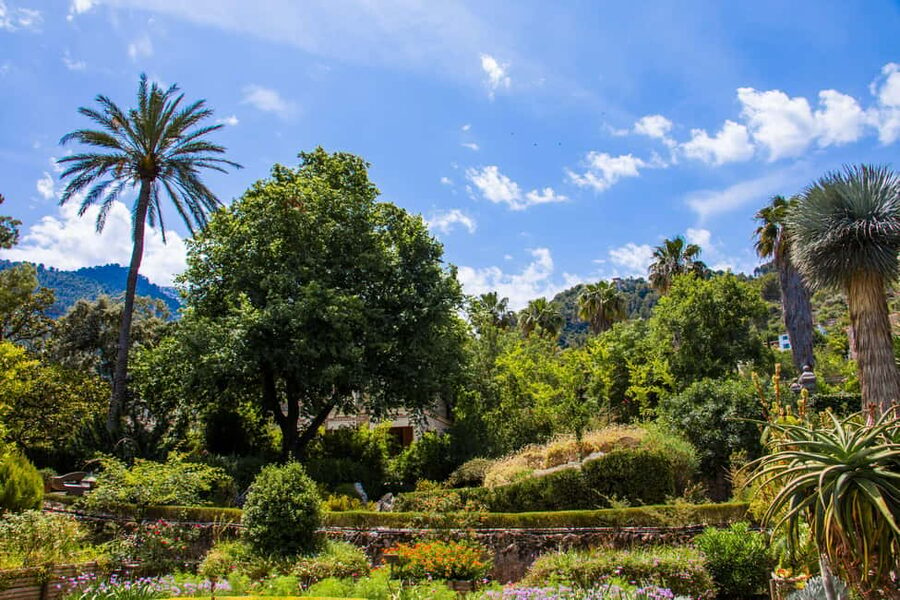
Book it if you want a specialist look at Balearic nature, especially geology, fossils, local biodiversity, and conservation. The combination of museum, living collection, herbarium, and germplasm bank gives the visit a clear educational purpose, and $10 is a manageable price for access to both main sections.
I would not book it blindly as a grand botanical garden outing. Recent conditions suggest that parts of the garden may be dry or untidy, and the collection may feel small if you are used to famous botanical gardens. Drive only if you can arrive early or have a clear parking plan.
My practical choice would be to visit in the morning, use public transport when possible, and pair MUCBO with other time in Sóller. With those expectations, it can be a worthwhile stop for anyone who wants to understand Mallorca beyond its coast.
FAQ
What does admission to MUCBO include?
General admission includes both the Sóller Botanical Garden and the Balearic Museum of Natural Sciences.
How much does the experience cost?
The listed price is $10 per person.
How long is the ticket valid?
The ticket is valid for one day. You should check availability for the available starting times.
Can I cancel my booking?
Yes. You can cancel up to 24 hours in advance for a full refund.
Is MUCBO wheelchair accessible?
Yes, the experience is listed as wheelchair accessible.
What can I see at the museum and garden?
The museum has permanent exhibitions on geology, paleontology, and current biodiversity. The garden includes living plants, a herbarium, and a germplasm bank.
Museum visits around Spain
- Lanzarote Tour: Lagomar Museum, Cactus Garden & La Graciosa
★ 4.5 · 18 reviews - Vienna: Skip-the-Line Sisi Museum, Hofburg and Gardens Tour
★ 4.8 · 5,918 reviews - Marrakech: Majorelle Garden, YSL, and Berber Museum Entry
★ 4.6 · 5,168 reviews - Rome: Borghese Gallery and Gardens Guided Small-Group Tour
★ 4.6 · 2,783 reviews
Just added around Spain
- Private VIP visit El Escorial Palace, Monastery and Gardens★ 4.9 · 23 reviews
- Valencia, Botanical Garden, Guided Tour★ 5.0 · 3 reviews
- Complet Segway Tour Medieval + Gardens★ 5.0 · 25 reviews
- Private E-Bike City Tour of Valencia’s History, Gardens★ 5.0 · 3 reviews
- Valencia Segway Tour Through Gardens & Nature★ 5.0 · 19 reviews
- Exclusive Alcazar with breakfast or afternoon coffee in gardens★ 5.0 · 3 reviews
- Malaga E-MTB Tour: Botanical Garden, Natural Park and Port of Malaga★ 4.5 · 33 reviews
- Malaga Shore Excursion:Skip-the-Line Alhambra, Generalife Gardens★ 4.0 · 21 reviews
Spain Garden Tours, compared.

Alhambra & Gardens Tour w/Nasrid Palaces Option
Read our review →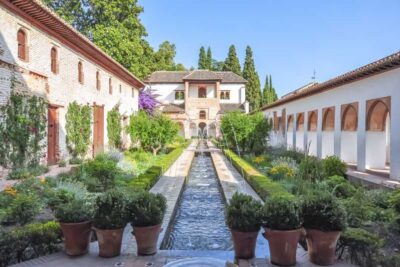
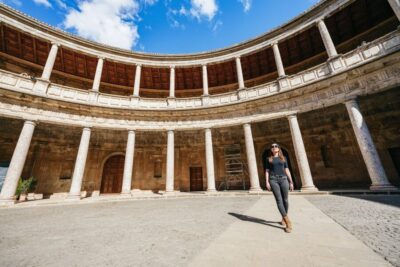
Alhambra Guided Tour with Nasrid Palaces & Gardens
Read our review →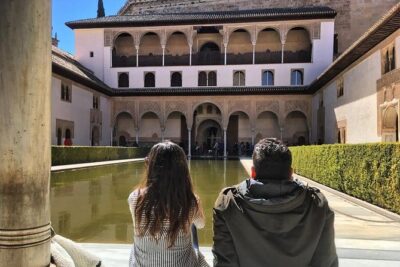
Alhambra &Charles Palace Guided Tour with Optional Nasrid Palaces
Read our review →
Alhambra and Generalife Garden Ticket & Guided Tour
Read our review →
3-Hour Alhambra and Generalife Gardens Guided Tour
Read our review →
Córdoba: Viana Palace Gardens and Patios Entry Ticket
Read our review →Browse the lists this tour appears in