
Review · SPAIN GARDEN TOURS
Private VIP visit El Escorial Palace, Monastery and Gardens
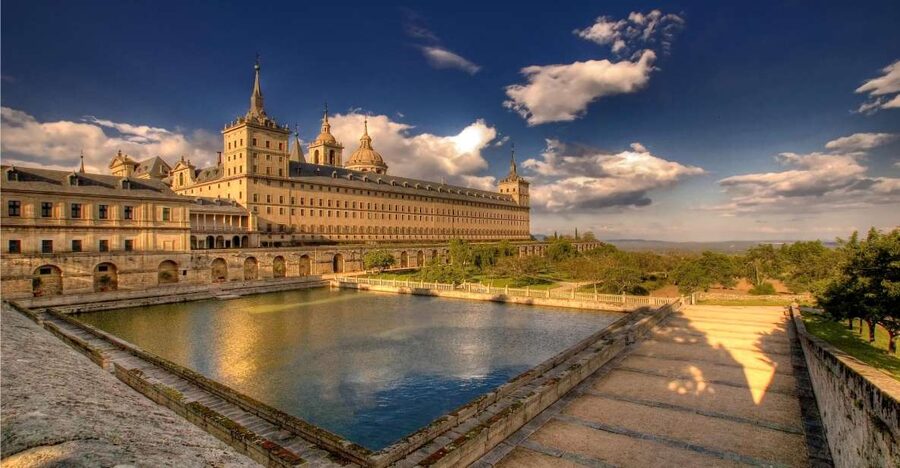
San Lorenzo de El Escorial is not a quick photo stop. It is a vast 16th-century royal complex built during the reign of Philip II, with a basilica, palace, monastery, royal tombs, gardens, and one of Spain’s great Renaissance libraries. This private visit gives you three hours to make sense of the place with an official local guide rather than wandering through its long corridors on your own.
I like the private format, which lets the guide adjust the pace and explain the ideas behind the building, not just point out rooms. I also like the access to the Royal Crypts and Laurentine Library, two sections that can be easy to miss without a well-planned visit. The main consideration is mobility: the tour is not suitable for people with mobility impairments, and the complex is large enough to require plenty of walking.
Key points at a glance
- Three hours at Spain’s royal monastery: See the basilica, Habsburg palace, monastery, gardens, village, crypts, and library in one visit.
- A private group with an official guide: English and Spanish tours are available, with guides such as Ana and Pablo praised for their personal approach.
- The Royal Crypts are included: Visit the burial place of the Kings of Spain, one of the most striking sections of the complex.
- Philip II’s library is a major highlight: The Laurentine Library reflects the king’s interest in Renaissance learning and humanist study.
- Easy to reach from Madrid: El Escorial is about 40 minutes from the city center, with public transportation available throughout the day.
- Good flexibility: You can reserve now and pay later, with free cancellation up to 24 hours before the visit.
Why El Escorial is worth the trip from Madrid
Madrid has enough museums and palaces to fill several days, so an outing to El Escorial needs to offer more than pretty rooms. It does. This site brings together religion, royal power, architecture, art, scholarship, and burial traditions in one imposing complex.
Philip II ordered the construction of El Escorial in the 16th century. The building served several purposes at once: monastery, royal residence, basilica, library, and burial place for Spanish royalty. Its unusual grill-shaped plan is linked to Saint Lawrence, the saint to whom the complex is dedicated.
I find that context useful because the building can feel severe at first. The stone walls and broad courtyards are impressive, but the place makes more sense once you understand that Philip II wanted El Escorial to express both Catholic devotion and the authority of the Spanish monarchy. A guide can connect those aims as you move from the basilica to the palace and then to the library.
The private format matters here. A large group tour can give you the basic facts, but El Escorial rewards questions. You can ask about the building’s religious purpose, Philip II’s taste in books, the royal family, or the symbolism of the complex without waiting for a group to catch up.
More Garden Tours in Spain:
- Granada: Alhambra & Gardens Tour w/Nasrid Palaces Option
★ 4.2 · 7,022 reviews - Granada: Alhambra Gardens and Generalife Ticket
★ 4.4 · 2,195 reviews - Granada: Alhambra Guided Tour with Nasrid Palaces & Gardens
★ 4.7 · 2,190 reviews
Entering the monastery and basilica
The tour begins at the listed meeting point on Avenida de Juan de Borbón y Battenberg in San Lorenzo de El Escorial. Entry tickets are included, and the experience uses an express security check, so you avoid some of the delay associated with a standard entrance.
The monastery is the first major lesson in scale. This is not a small religious house tucked into a village. It is a huge Renaissance complex designed to function as a working monastery and a royal center. Your guide helps you read the building as a deliberate statement rather than a collection of unrelated rooms.
The Basilica of Saint Lawrence is one of the essential stops. Its architecture gives the complex its spiritual center, with the royal ambitions of the surrounding palace tied closely to Catholic worship. The basilica is also a good place to see how the designers balanced ceremony and order within the larger plan.
You should expect a serious tone here. El Escorial is not presented as a light, decorative palace. Its appeal comes from the combination of formal design, religious purpose, and royal power. If you enjoy grand interiors with clear historical meaning, this section will likely be one of the strongest parts of the visit.
Headsets are provided if required. That can help in a large interior, especially when other groups are nearby or when the guide needs to speak quietly in a religious setting.
The Royal Crypts and Spain’s royal line

The Royal Crypts are included in this visit, which adds weight to the experience. These underground burial spaces hold the remains of Spanish kings and queens, making them one of the clearest places to see the connection between El Escorial and the monarchy.
The crypts are not simply another room on a palace route. They show how the building served as a long-term royal mausoleum. The ornate setting and the number of royal burials make the political side of the monastery impossible to ignore.
I would pay close attention to the guide here. A list of names and dates can become tiring, but the sequence of rulers helps you understand how Spanish royal power changed over time. The visit reaches back into the country’s dynastic past and carries that story through Philip II’s reign.
This is also a section that benefits from a private guide’s judgment. You can spend enough time to understand the purpose of the crypts without getting trapped in a long lecture. The experience is designed to cover the main complex in about three hours, so the guide’s ability to keep a steady pace is important.
Philip II’s Laurentine Library
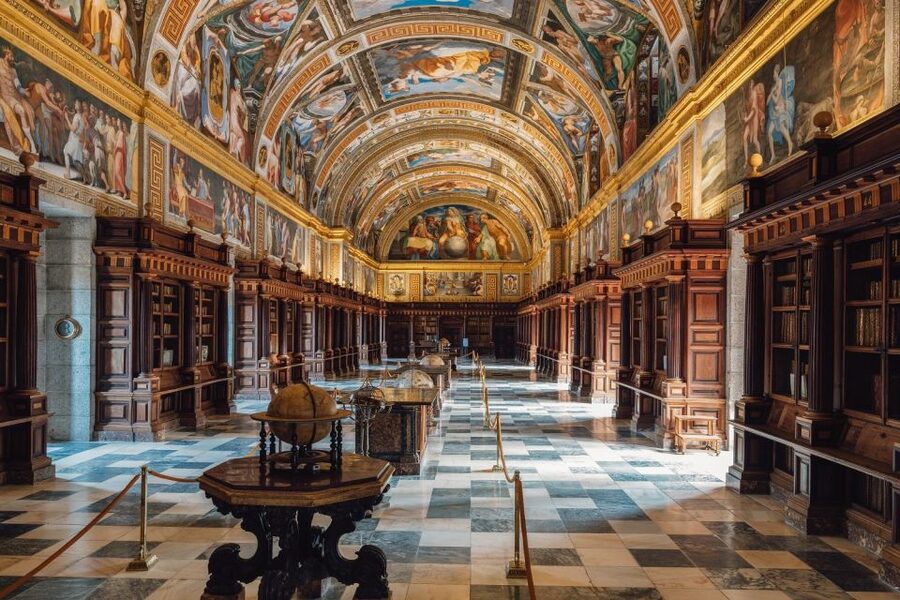
For many people, the library is the tour’s most distinctive stop. The Royal Library, also called the Laurentine Library, reflects Philip II’s interest in scholarship and Renaissance learning. Its books represent a royal effort to gather broad humanist knowledge under one roof.
The library adds an intellectual side to El Escorial that you will not get from the basilica or crypts alone. Here, the king appears not only as a ruler and religious patron, but also as a collector of books and ideas. That contrast helps explain why the complex was built as more than a residence.
The room is known for its golden decoration and Renaissance character. The library’s design turns study into a form of royal display, showing that books and learning could carry political weight. Philip II’s collection was part of his vision for a center of knowledge linked to the Spanish crown.
Your guide can help you notice the difference between simply seeing a historic library and understanding why it was placed inside this royal monastery. I especially like that this stop broadens the visit beyond military power, dynasties, and religious ceremony.
If you have a strong interest in books, architecture, or the Renaissance, this section alone may justify choosing the private visit rather than a basic entrance ticket.
Same corner of the map, a different planting:
- Alhambra &Charles Palace Guided Tour with Optional Nasrid Palaces
★ 4.5 · 2,149 reviews - Granada: Alhambra and Generalife Garden Ticket & Guided Tour
★ 4.0 · 1,862 reviews - Granada: 3-Hour Alhambra and Generalife Gardens Guided Tour
★ 4.7 · 1,304 reviews - Blanes: Marimurtra Botanical Garden Entry Ticket
★ 4.7 · 998 reviews
The Habsburg palace and royal rooms
The palace section shows how the Habsburg monarchs used El Escorial as a royal residence. The rooms are tied to the daily and ceremonial life of the crown, giving you a closer look at the people behind the grand institution.
The word palace can create the wrong expectation. This is not presented as a glittering pleasure palace on the scale of some European royal residences. El Escorial has a restrained, purposeful character. Its royal rooms make sense within a building shaped by religion, administration, and dynastic memory.
That is one reason the guide is valuable. Without context, the palace can seem austere. With explanation, the rooms become part of Philip II’s larger plan and the Habsburg use of the complex.
The tour also connects the palace to the monastery and basilica, rather than treating each area as a separate attraction. You see how royal living, prayer, scholarship, and burial were gathered into one site.
Gardens and the village of San Lorenzo
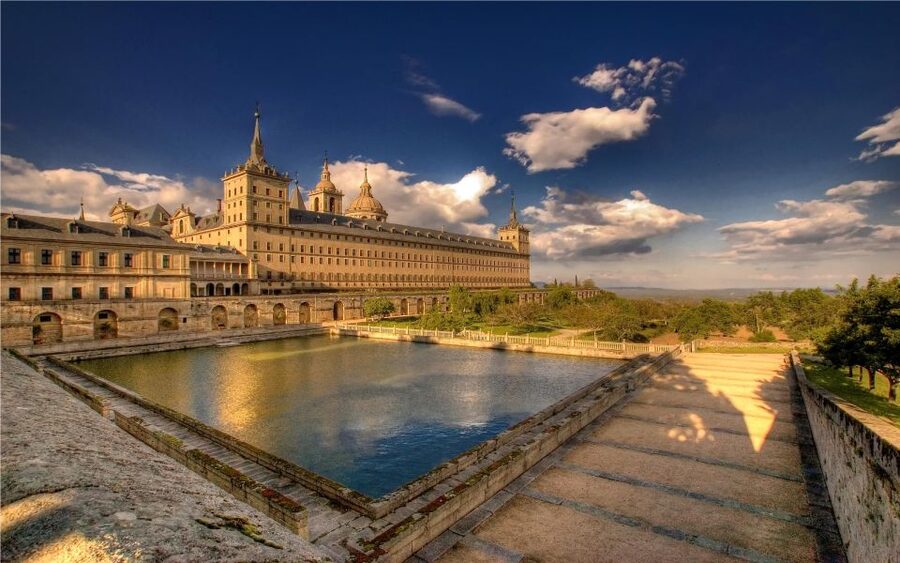
The gardens offer a welcome change after the large interiors. They show the Renaissance taste for ordered outdoor spaces and give you a chance to view the monastery from a different angle.
The visit includes a walk through the gardens and a stroll in the nearby village. That village stop is useful because it places the royal complex in a living setting. You are not only visiting an isolated monument. You are also seeing the town that grew around it and absorbing its local atmosphere.
The supplied plan does not promise a long garden walk or a separate village excursion, so think of these as parts of the larger three-hour visit rather than independent tours. Still, they add variety and keep the experience from becoming a continuous sequence of grand rooms.
The gardens are also a practical pause. You can step outside, take in the scale of the building, and let the information settle before continuing. If you enjoy photographs, the exterior views may be among the most satisfying parts of the visit, though the main value is seeing how the monastery and its grounds work together.
What makes the private guide useful
A private tour can sound like a small luxury, but at El Escorial it has a clear practical benefit. The complex covers several types of experience, from religious art and royal burial spaces to architecture, books, and village life. Your interests may not match those of another group.
The guide can adjust the explanation to your prior knowledge. Ana, one of the guides associated with this experience, is praised for explaining El Escorial in both English and Spanish and for tailoring the visit to the group’s level. She is also noted for keeping a relaxed pace rather than rushing from room to room.
Pablo is another guide named in the feedback, with a private group describing the visit as both educational and enjoyable. You cannot assume that either Ana or Pablo will lead your particular booking, but their names give you a useful picture of the service style: personal, informed, and attentive.
The pre-visit communication also appears careful. One group received a personal message about 24 hours beforehand, confirming that the guide was keeping track of the appointment. That small detail matters when you are arranging an outing away from central Madrid.
The tour is offered in English or Spanish. If you need a language other than those two, this is not the right choice.
Price, timing, and practical value
The price is $129 per person for three hours. That is not the cheapest way to see El Escorial, especially if you are comfortable reading signs and exploring at your own speed. The price includes admission, an official government-approved guide, and headsets when needed.
The value depends on what you want from the visit. If your plan is simply to enter the monastery and walk through a few rooms, a private tour may feel expensive. If you want the Royal Crypts, library, palace, basilica, gardens, and historical connections explained in one sitting, the cost is easier to justify.
A private group also means you are paying for attention, not only entry. You can ask questions and keep the guide focused on the parts that interest you most. That is especially helpful for families, couples, or small groups with different levels of interest in Spanish history.
Plan on three hours, even though a particular visit may finish a little earlier. The experience covers a lot, and rushing would weaken its value. El Escorial is about 40 minutes from Madrid city center, and public transportation is available all day, making it a realistic half-day outing.
Wear comfortable shoes. The tour is not suitable for people with mobility impairments, and the size of the complex means that walking is part of the experience. Anyone who needs a fully accessible route should confirm suitability before booking.
You can reserve now and pay later, which helps if your Madrid schedule is still changing. Cancellation is free up to 24 hours before the tour for a full refund.
Who should book this El Escorial visit?
I recommend this tour most strongly if you want history explained in a clear, personal way. It suits first-time visitors to El Escorial who do not want to miss the crypts or library, and it works well for small groups that prefer a flexible pace.
It is also a good choice for anyone interested in Philip II, the Spanish Golden Age, Habsburg monarchy, Renaissance architecture, or the role of religion in royal life. The experience has enough variety to hold the attention of people who are not specialists.
You may want to skip it if you prefer exploring alone, dislike formal historical sites, or are watching every euro. The $129 price is a premium over entering independently, and the tour includes a lot of information in a fairly short period.
Should you book it?
Book this private El Escorial visit if you want the complete royal-monastery experience rather than a quick look at the basilica. The included crypts and library are major advantages, and the private format gives the guide room to adapt the tour to your interests.
I would make this a priority day trip from Madrid for visitors who value context and personal guidance. Just allow three hours, expect plenty of walking, and choose another option if mobility is a concern or if you would rather explore at your own pace.
FAQ
Where does the tour meet?
The meeting point is at Av. de Juan de Borbón y Battenberg, 6, 28200 San Lorenzo de El Escorial, Madrid, Spain.
How long does the visit last?
The advertised duration is three hours.
How far is El Escorial from Madrid city center?
The site is about 40 minutes from Madrid city center.
Is public transportation available?
Yes. Public transportation is available throughout the day.
What languages are offered?
The live tour guide speaks English or Spanish.
Is this a private tour?
Yes. The activity is organized for a private group.
What does the price include?
The $129 price includes entry tickets, an official government-approved guide, and headsets if required.
Does the tour include the Royal Crypts?
Yes. The Royal Crypts, where the Kings of Spain are buried, are included.
Can I see the Royal Library?
Yes. The visit includes the Renaissance Laurentine Library, also called the Royal Library.
Is the tour suitable for people with mobility impairments?
No. The activity is listed as unsuitable for people with mobility impairments.
Can I cancel for a refund?
Yes. You can cancel up to 24 hours in advance for a full refund.
Do I have to pay when I book?
No. The reserve-now, pay-later option lets you book without paying immediately.
Just added around Spain
- Valencia, Botanical Garden, Guided Tour★ 5.0 · 3 reviews
- Complet Segway Tour Medieval + Gardens★ 5.0 · 25 reviews
- Private E-Bike City Tour of Valencia’s History, Gardens★ 5.0 · 3 reviews
- Valencia Segway Tour Through Gardens & Nature★ 5.0 · 19 reviews
- Exclusive Alcazar with breakfast or afternoon coffee in gardens★ 5.0 · 3 reviews
- Malaga E-MTB Tour: Botanical Garden, Natural Park and Port of Malaga★ 4.5 · 33 reviews
- Malaga Shore Excursion:Skip-the-Line Alhambra, Generalife Gardens★ 4.0 · 21 reviews
- Private VIP visit El Escorial Palace, Monastery, Villa & Garden★ 5.0 · 25 reviews
Spain Garden Tours, compared.
Alhambra & Gardens Tour w/Nasrid Palaces Option
Read our review →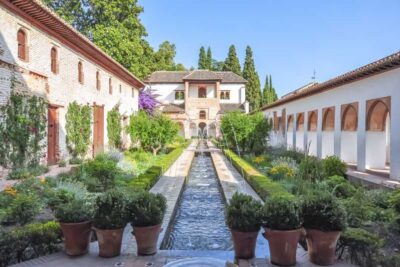
Alhambra Guided Tour with Nasrid Palaces & Gardens
Read our review →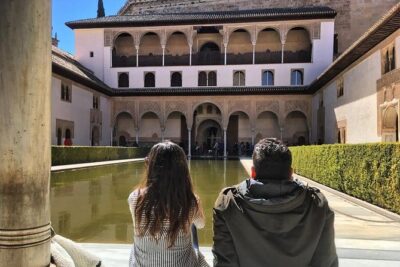
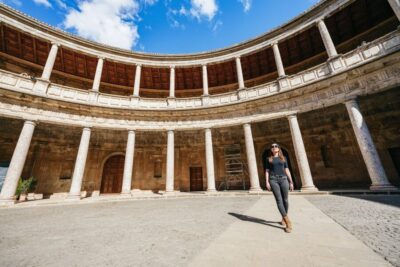
Alhambra &Charles Palace Guided Tour with Optional Nasrid Palaces
Read our review →
Alhambra and Generalife Garden Ticket & Guided Tour
Read our review →
3-Hour Alhambra and Generalife Gardens Guided Tour
Read our review →
Córdoba: Viana Palace Gardens and Patios Entry Ticket
Read our review →Browse the lists this tour appears in