
Review · ITALY GARDEN TOURS
Lemons & Breathtaking Views: Amalfi Monumental Garden Tour
Amalfi’s best lemon experience may be found above town, where the Aceto family tends a seven-generation lemon grove beneath the Monumental Cemetery. The reward is not only the scent of citrus and the story of local farming, but a broad view over Amalfi and the Mediterranean while you taste lemonade, lemon cake, and limoncello.
I like the family connection, especially the chance to meet Gianmarco and hear how his relatives still care for the terraces. I also like the tasting, which includes homemade lemon cake and a practical explanation of how limoncello is made. The main caution is the uneven ground and the possibility of about 200 stone steps if the public elevator is not working.
Key points at a glance
- Seven generations of lemon farming: Learn how the Aceto family has cared for this garden and its old trees.
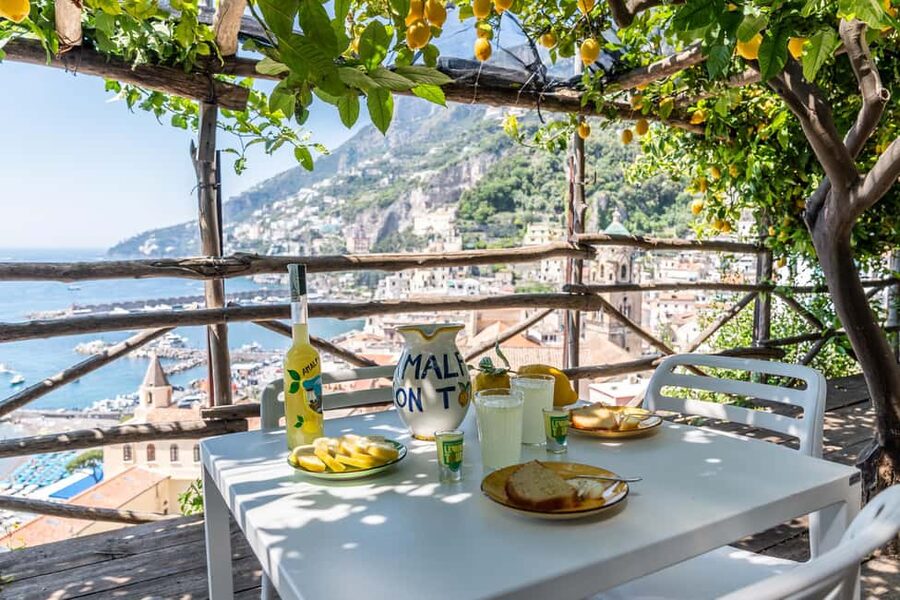
- A rare view over Amalfi: The tasting terrace looks across the town and the Mediterranean Sea.
- Real local produce: Taste lemonade, lemon cake, a sweet lemon, and family-made limoncello.
- A 90-minute small-group visit: With no more than 10 people, the tour feels personal and easy to follow.
- A lift may save the uphill walk: When operating, the public elevator takes you close to the upper viewpoint.
- Good shoes matter: The route crosses uneven terraces, and steps are possible when the lift is closed.
Why this lemon garden matters in Amalfi
Amalfi is famous for its oversized lemons, but it is easy to see them only as a souvenir or a flavor in a pastry. This visit explains the work behind them. The Sfusato Amalfitano is a PGI-certified lemon variety, and it has shaped local cooking, farming, and trade for centuries.
Amalfi’s seafarers introduced the variety in the 10th century. The fruit became useful in everyday food, preserves, drinks, and sweets. On the tour, you learn how lemons became part of the town’s identity rather than simply hearing that they are important.
The garden itself reaches back to about 700 AD. It sits below Amalfi’s Monumental Cemetery and near the old San Lorenzo al Piano aqueduct, which once carried water down from Scala. Records from the years 1000 to 1100 describe changes to the garden and water system, giving you a clear sense that this is working farmland with a long paper trail, not a modern display built for sightseeing.
I find that context useful because the terraces explain Amalfi’s past in a very practical way. The steep slopes leave little level ground for farming, so generations of local families built and maintained small growing areas by hand. The lemon grove also shows why water systems mattered so much here.
More Garden Tours in Italy:
- Florence: Reserved Entry Ticket to the Boboli Gardens
★ 4.4 · 5,275 reviews - Rome: Borghese Gallery and Gardens Guided Small-Group Tour
★ 4.6 · 2,783 reviews - Rome: Borghese Gallery & Gardens Small Group Guided Tour
★ 4.5 · 2,190 reviews
Meeting Gianmarco near Fior di pizza
The tour begins at Fior di pizza, where Gianmarco waits in a recognizable shirt. From there, you walk for about five minutes to reach the garden area. This short meeting-point walk keeps the arrangement simple, but you still need to arrive ready for uneven ground rather than treating the visit as a flat city stroll.
The group is limited to 10 people. That is a useful size for a family-run property. You can hear the guide without a loudspeaker, ask questions about cultivation, and keep the pace fairly relaxed. The tour is offered in English and Italian.
Gianmarco is the guide named for this experience, and the family connection is central to the visit. He explains the garden’s history, different kinds of lemons, the work involved in maintaining the terraces, and the products made from the fruit. The focus is personal and hands-on, not a general lecture about the Amalfi Coast.
The tour takes about 90 minutes, though the stated duration can range from one to two hours. That gives some breathing room for questions and the tasting. I would allow extra time afterward rather than scheduling another fixed activity immediately after it.
Taking the elevator or climbing the old steps

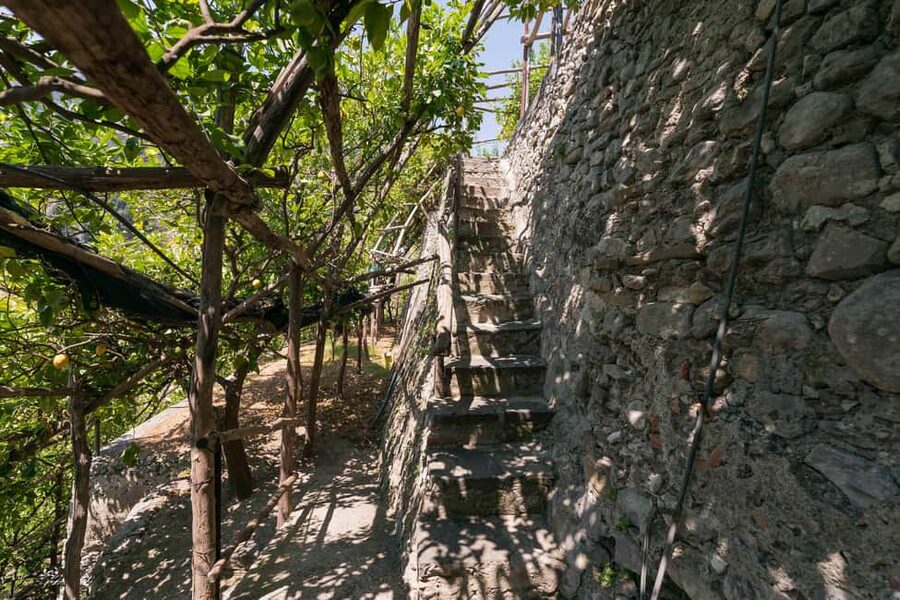
When the public elevator is operating, there is no uphill walking to the garden. The lift takes you to one of the city’s viewpoints, and from there the route goes downhill through the lemon grove toward the panoramic terrace. This is the easier version of the tour and a helpful detail for anyone who can walk but would rather avoid a steep climb.
The elevator is not guaranteed. If it is out of service, the group uses stone steps, about 200 in total. The information also describes the access as roughly 40 to 50 steps from the main road in the easier account, so the exact effort may depend on where the route begins and how the access is operating that day. Either way, prepare for stairs and ask about the lift when you meet the guide.
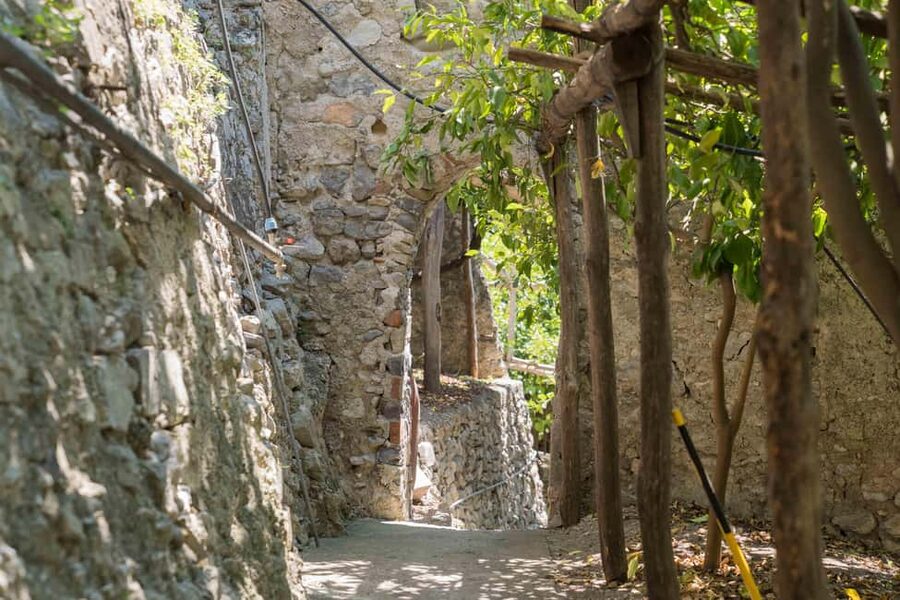
The garden paths are uneven because the terraces are agricultural ground. Comfortable walking shoes are essential. Sandals with poor grip, smooth soles, or dress shoes would make the visit less pleasant.
This is not a wheelchair-accessible activity, and it is not suitable for people with mobility impairments or heart problems. The mix of steps, sloping paths, and uneven surfaces is the reason. If you have limited stamina but can manage ordinary walking, confirm the lift situation before booking.
Walking through the Aceto family terraces
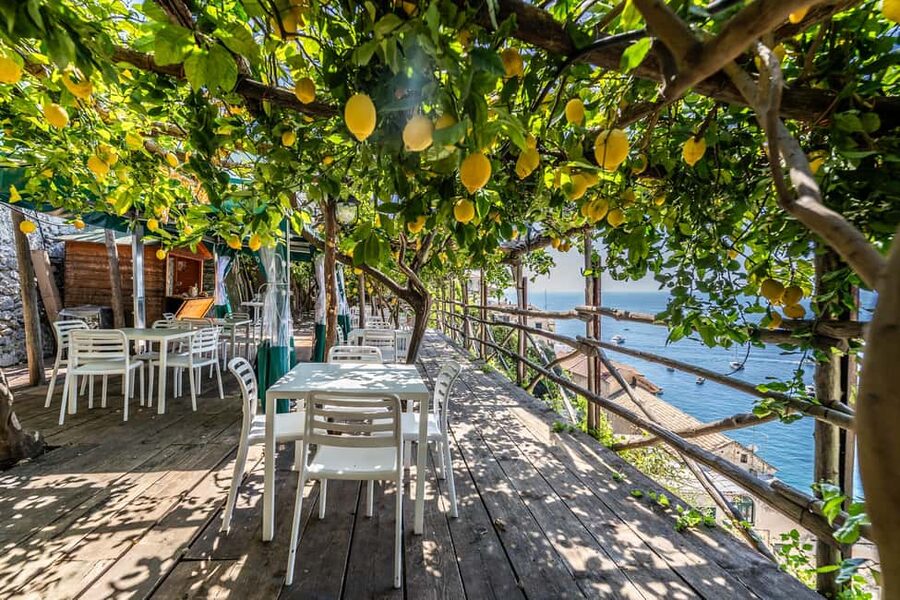
Once inside, the tour shifts from town streets to rows of lemon trees supported by the steep hillside. Some trees are centuries old. You see how the terraces make farming possible on Amalfi’s sharp slopes and how ongoing care is needed to keep the ground, trees, and paths in working order.
The Aceto family has preserved the garden for the past 30 years, while the wider family farming tradition goes back seven generations. That combination gives the visit two useful layers: ancient agricultural history and the current effort required to keep a small farm alive.
The garden is certified organic and uses sustainable methods, including integrated biological control. Beekeeping is also part of the farm, helping with pollination and producing honey. These details make the tour more than a scenic walk. You learn how lemons depend on a wider farm system and why maintaining old terraces takes steady labor.
You are asked not to touch the plants. That is sensible on a working farm, especially with old trees and fruit intended for food products. You still get close enough to see the cultivation area and understand how the lemons grow, but this is not a pick-your-own activity.
The guide explains traditional cultivation methods and the challenges facing local farmers today. That conversation is one of the strongest reasons to choose this experience. It puts the famous Amalfi lemon in a real economic and agricultural setting instead of treating it as a decorative symbol.
Same corner of the map, a different planting:
- Florence: Pitti Palace and Boboli Gardens Ticket & eBook
★ 4.5 · 835 reviews - Caserta Royal Palace & Gardens Small Group Tour with Shuttle
★ 4.9 · 632 reviews - Florence: Pitti Palace, Boboli Garden, Palatine Gallery Tour
★ 4.9 · 558 reviews - Tremezzina: Villa Carlotta Museum and Garden Entry Ticket
★ 4.7 · 556 reviews
The terrace with Amalfi below you
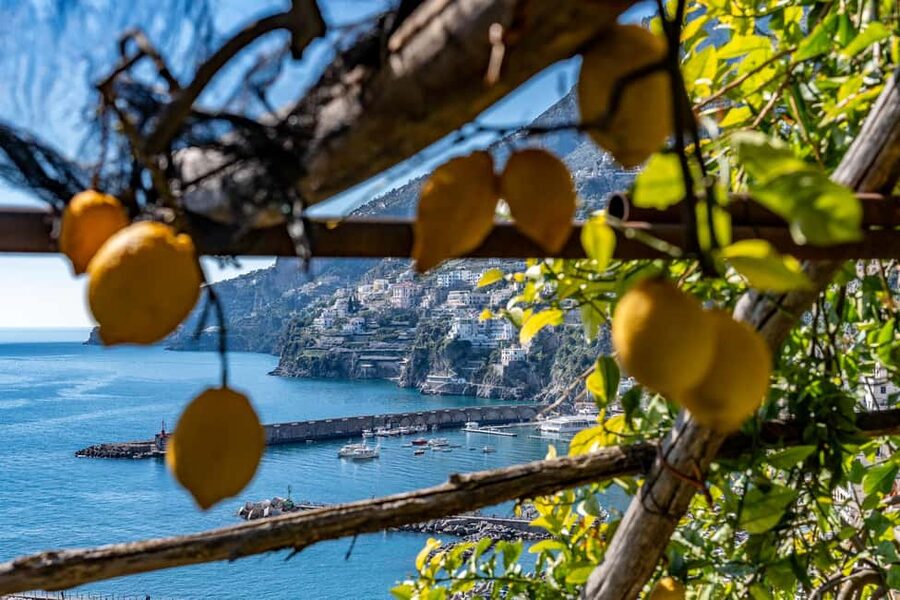
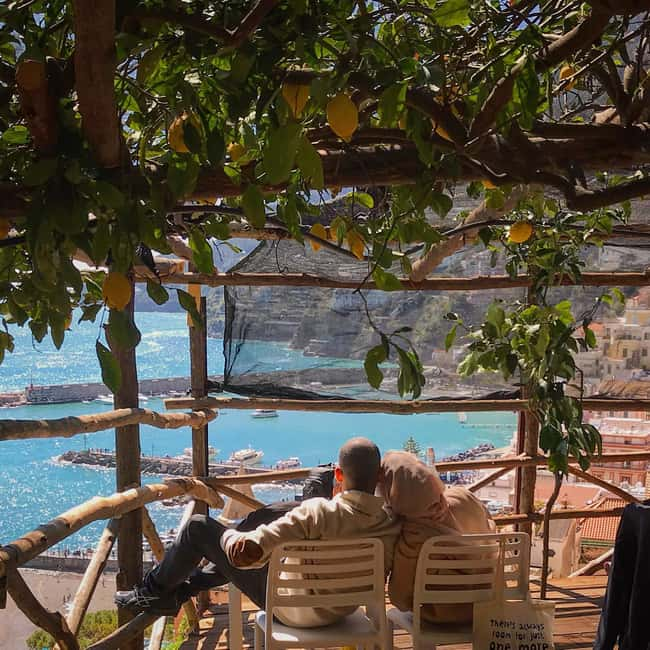
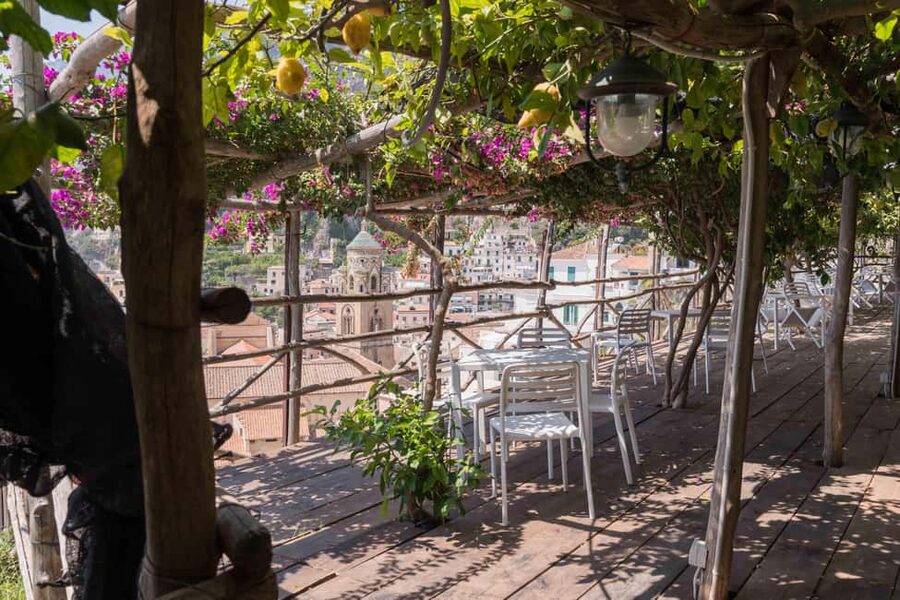
The garden’s big visual reward comes at a scenic terrace overlooking Amalfi and the Mediterranean Sea. You stop beneath the shade of the lemon trees, giving the visit a welcome pause after the steps and sloping paths.
The view is especially useful for understanding Amalfi’s setting. From above, the town’s tight position between mountain and water becomes clear, as does the small amount of land available for cultivation. The lemon terraces are not separate from the town. They are part of the reason Amalfi developed the way it did.
This is also the point where the pace slows. You are not rushed through a photo stop, since the tasting takes place here for about 20 minutes. The setting adds value to the $41 price because you are receiving more than a garden tour and a sample table. You get a quiet viewpoint that is tied directly to the farm’s history.
Still, the view should not be the only reason you book. Amalfi has many scenic outlooks, and weather can affect what you see. The stronger reason to come is the combination of family guidance, old cultivation methods, and local food.
Lemonade, cake, and family-made limoncello
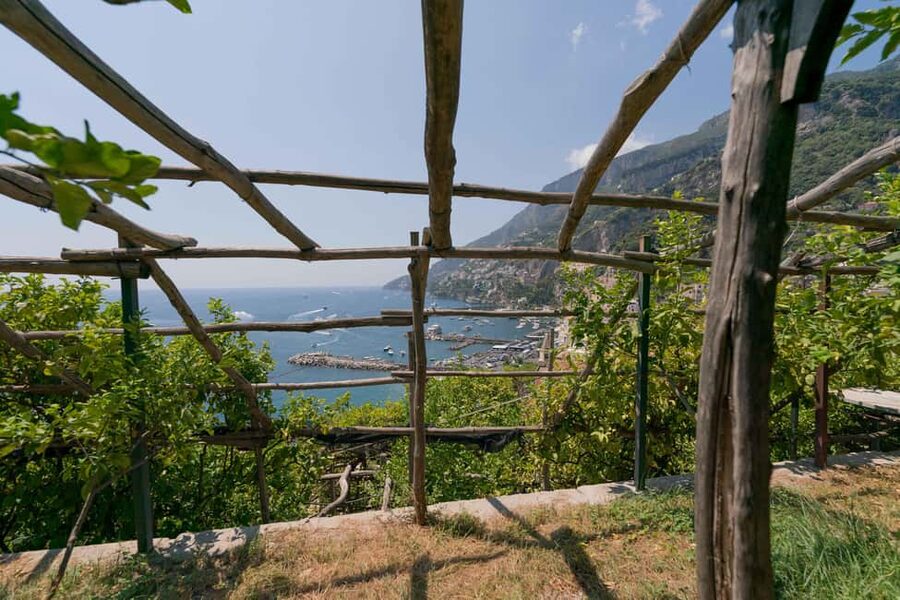
The tasting includes fresh homemade lemonade, a slice of lemon cake, and limoncello. You may also taste a sweet lemon. The food is simple, but it fits the place and gives you a direct way to understand how the fruit is used.
The lemon cake is a particular highlight. It is made by Gianmarco’s mother, and the family’s recipe gives the tasting a more personal character than a standard commercial sample. The lemonade offers a fresh, straightforward taste of the fruit, while the limoncello shows how the lemon peel becomes one of Campania’s best-known after-dinner drinks.
The limoncello portion includes a demonstration and an explanation of how you can make it at home. This is a welcome extra because it turns the tasting into a small lesson. You learn that the drink is connected to preparation and patience, not simply to a bottle bought in a shop.
The tasting is not a full meal. If you are hungry, eat beforehand. Think of it as a generous finish to a cultural walk, with enough food and drink to make the stop feel complete.
The farm also produces honey through its beekeeping work, and lemons are used for limoncello, jams, and honey-based products. Not every product is necessarily part of the tasting, so I would not book expecting a large food spread. The value is in the explanation and the setting.
What $41 buys you
At $41 per person, this is not the cheapest way to spend an hour in Amalfi. You are paying for a small group, a family-led visit to a private garden, the guide’s time, access to a place that is not open to the public outside tour hours, and the tasting.
That package makes sense if you want something tied to local life rather than another general town walk. A standard viewpoint costs nothing, but it does not explain how the terraces function or why Amalfi’s lemons matter. A food tasting in town may offer more samples, but it will not take you into an old working grove.
The price also includes the practical advantage of a short format. With a 90-minute visit, you can fit the tour into a day that includes Amalfi Cathedral, the waterfront, or transport along the coast. You do not need to give up half a day to learn about local agriculture.
I see the value most clearly for people who care about food, family businesses, farming, or local history. If you want only a dramatic view, you can find less expensive viewpoints. If you want the view explained through the story of a working lemon farm, $41 is reasonable.
Timing, weather, and the walking conditions
The garden is open only during tour times, and advance booking is required. You cannot count on wandering in later after spotting the terraces from town. Check the available starting time and build in a few minutes to find Fior di pizza.
Wear comfortable shoes with a firm sole. The route includes uneven ground, terraced paths, and possibly stone steps. The elevator can remove the uphill section when it is operating, but you should plan as if some walking and stairs are part of the experience.
The shaded terrace helps during hot weather, and the tour includes a pause beneath the lemon trees. Even so, summer in Campania can be warm, so bring water and protect yourself from the sun. These are practical precautions based on the outdoor setting and walking route.
The experience can be canceled up to 24 hours ahead for a full refund, and you can reserve now and pay later. Those terms are useful when your Amalfi plans depend on weather, ferry schedules, or road conditions.
Who should book this garden tour?
I would choose this for a couple, family, or small group that wants a slower and more personal side of Amalfi. It suits people who enjoy hearing how food is grown, asking questions, and meeting the family behind a local product.
It is also a good choice for older visitors who are comfortable walking but do not want a demanding mountain excursion. One account describes the route as manageable for an 80-year-old in reasonable shape, especially when the access is working well. That is encouraging, but the stairs and uneven ground still deserve honest attention.
Families can appreciate the lemonade, cake, and simple story of how a lemon becomes a drink or dessert. Children should understand that the plants cannot be touched, and the tour may be less appealing to anyone who needs constant activity rather than a slow walk and a tasting.
I would skip it if you need step-free access, have a heart condition, use a wheelchair, or want a completely flat route. I would also skip it if your schedule is so tight that a lift delay or a few extra questions would cause stress.
Should you book it?
Book this tour if you want to connect Amalfi’s famous lemon with the people, water systems, terraces, and daily work behind it. The strongest parts are Gianmarco’s family-led explanation, the old grove, the calm sea view, and the homemade cake and limoncello tasting.
Do not book it as a substitute for a full meal or as a guaranteed easy walk. Ask about the elevator when you arrive, wear proper shoes, and leave room in your schedule. For a modest-size group and a private garden that is normally closed to the public, the $41 cost is fair, especially if authentic food and local family history matter to you.
FAQ
Where does the Amalfi lemon garden tour begin?
The meeting point is Fior di pizza in Amalfi. Gianmarco waits there wearing a recognizable shirt, and the group walks for about five minutes to reach the garden area.
How long does the experience last?
The tour takes about 90 minutes. The stated duration may range from one to two hours, depending on the available starting time and the pace of the visit.
What food and drink are included?
The tasting includes homemade lemonade, a slice of lemon cake, and limoncello. The experience may also include a sweet lemon, and the guide explains how limoncello is made.
Is the tour available in English?
Yes. The live guide speaks English and Italian.
How large is the group?
The experience is limited to 10 participants, making it a small-group tour.
Do I need to climb stairs?
When the public elevator is operating, it takes you to an upper viewpoint, followed by a short downhill walk through the grove. If the lift is closed, the route uses about 200 stone steps. The garden also has uneven terrain.
Is the tour suitable for wheelchair users?
No. The activity is not suitable for wheelchair users or people with mobility impairments. It is also not recommended for people with heart problems.
Just added around Italy
- Lake Maggiore Gourmet: Gardens, Lake Cruise, & Food Tasting★ 4.5 · 19 reviews
- Vatican: Gardens, Museums and Sistine Chapel Guided Tour★ 4.2 · 98 reviews
- Venice: Convent Garden of Redentore Entry Ticket★ 4.3 · 5 reviews
- Varenna: Villa Cipressi Gardens Entry Ticket on Lake Como★ 4.6 · 39 reviews
- Vatican Gardens & Castel Sant’Angelo Skip-the-line tickets★ 4.3 · 20 reviews
- Valley of the Temples: Kolymbethra Garden Entry Ticket★ 3.5 · 43 reviews
- Typical Apulian menù in the garden of an ancient Trullo★ 5.0 · 11 reviews
- Venice: panoramic lunch in St. Mark’s Square Royal Gardens★ 3.0 · 12 reviews
Italy Garden Tours, compared.


Borghese Gallery & Gardens Small Group Guided Tour
Read our review →
Caserta Royal Palace & Gardens Small Group Tour with Shuttle
Read our review →
Pitti Palace, Boboli Garden, Palatine Gallery Tour
Read our review →
Tremezzina: Villa Carlotta Museum and Garden Entry Ticket
Read our review →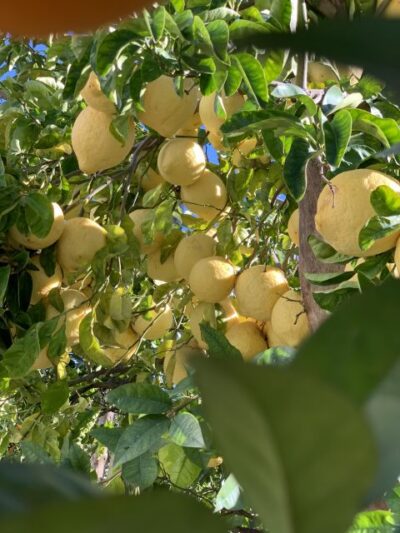
Sorrento: Lemon Garden Tour with Marmalade Tasting
Read our review →
Vatican: Vatican Gardens with Bus Tour & Vatican Museums
Read our review →Caserta Royal Palace & Gardens Small Group Tour with Shuttle
Read our review →Browse the lists this tour appears in