
Review · SPAIN GARDEN TOURS
Aranjuez: Garden of The Prince Entry Ticket and Guided Tour
The most surprising part of this tour is how much history is packed into a garden. Aranjuez’s Prince’s Garden is not just a pleasant place for a stroll. Its fountains, islands, imported plants, and viewing points reflect royal taste, political struggle, and Spain’s long fascination with plants from abroad.
I like the way the guide connects small details, such as cinnamon brought from the Philippines, to the larger story of the garden. I also like that the route includes famous sights and quieter corners, with Fran’s clear storytelling earning special praise when he leads the visit.
The main thing to note is that the tour is in Spanish, and the Royal Palace is not included. You should also expect a fair amount of walking on garden paths, so comfortable shoes matter.
Key points at a glance

- Two hours in one of Spain’s largest historic gardens, with an organized route through its main sights.
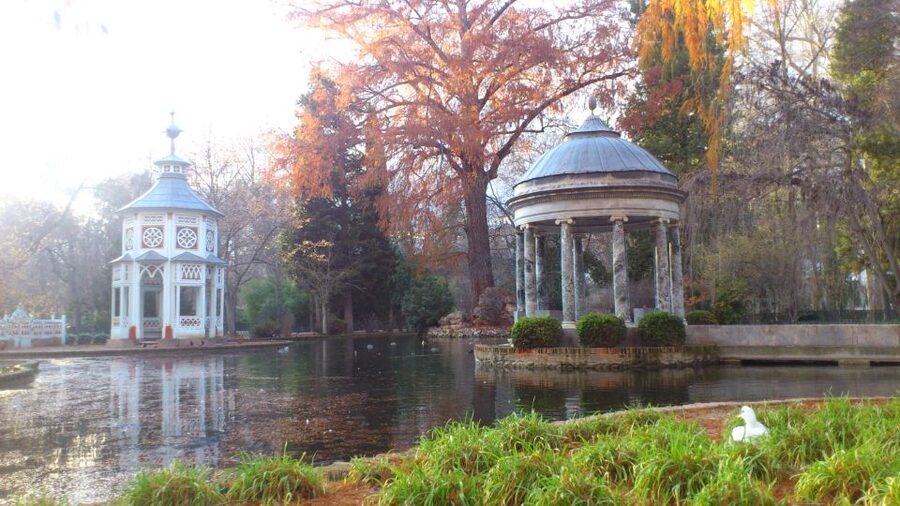
- The Pond of the Chinescos includes a distinctive gazebo inspired by Chinese architecture.
- The Swiss Mountain viewpoint offers a look at 18th-century garden design and royal planning.
- American and Asian Islands show how the garden was shaped by plants and ideas from outside Spain.
- Botanical stories go beyond plant names, including the arrival of cinnamon from the Philippines.
- The $14 price includes entry and a guided tour, but not admission to the Royal Palace.
Why the Prince’s Garden is worth your time

Aranjuez is known for its royal setting, but the Prince’s Garden gives you a different way to understand the town. Inside its extensive grounds, design, politics, science, and leisure all meet. The garden was built to impress, yet it also functioned as a place where new plants were tested, displayed, and given meaning.
That mix makes the visit more rewarding than a simple walk among trees. As you move from fountains to islands and viewpoints, you see how a royal garden could serve as a stage for power. A grand water feature was never just decoration. An imported plant was not merely a curiosity. Each feature helped communicate wealth, control, and connections with distant parts of the world.
I especially like the botanical angle. The story of bringing foreign seedlings into Aranjuez gives you a practical sense of the work behind royal gardens. Moving plants over long distances was difficult, and the garden’s collection reflected patience, money, and international links.
The tour also touches on political battles connected with the grounds. That context gives the garden more weight. You are not only looking at pretty paths and fountains. You are seeing a place tied to decisions, rivalries, and the public image of the Spanish monarchy.
Entry tickets around Spain:
- Granada: Alhambra Gardens and Generalife Ticket
★ 4.4 · 2,195 reviews - Granada: Alhambra and Generalife Garden Ticket & Guided Tour
★ 4.0 · 1,862 reviews - Blanes: Marimurtra Botanical Garden Entry Ticket
★ 4.7 · 998 reviews
Meeting your guide near Avenida de Palacio
Your meeting point is outside Cafe de Damas, on the corner of the square where Avenida de Palacio begins. This is useful to know because the garden itself is large, and heading straight into the grounds without a clear meeting point could leave you searching.
Look for the guide near the cafe and arrive ready to walk. The activity lasts two hours, which is long enough to cover the principal sights without turning the outing into an all-day commitment. You will want comfortable clothes and shoes, since the experience takes place outdoors and involves moving through a large garden.
The tour is conducted in Spanish. If you understand Spanish, the language adds to the local character of the visit. If you do not, the visual features remain easy to appreciate, but the historical and botanical details will be harder to follow.
Guide Fran receives particular praise for being clear, well prepared, friendly, and able to make history easy to follow. The experience can have different guides, so Fran may not lead every departure. Still, his style gives you a useful idea of the level of explanation to expect when the right guide is on duty.
Fountains, paths, and the main garden route
The opening part of the visit introduces you to the Prince’s Garden through its most important and attractive areas. You will see fountains that help define the garden’s royal character, along with paths that reveal how carefully the grounds were arranged.
A guided route helps here. Large historic gardens can be confusing, especially when several paths appear to lead toward the same feature. A guide can show you which areas matter and explain why a particular fountain, view, or planting area was placed where it is.
One of the strongest points of the tour is its balance between well-known sights and overlooked corners. You are not simply taken from one photo stop to the next. The guide also points out less obvious places, which can make the garden feel more personal and less like a checklist.
Do not expect every minute to be filled with grand monuments. Some of the value comes from learning how the garden works as a whole. The paths, water, islands, viewpoints, and plants were planned together. Once you understand that design, even a quiet stretch becomes easier to appreciate.
The 18th-century Swiss Mountain viewpoint
The Swiss Mountain viewing point is one of the tour’s more distinctive stops. Built in the 18th century, it shows how garden designers used height and distance to create changing views across the grounds.
This is a good place to pay attention to the guide’s explanation rather than simply take a quick photograph. The viewpoint helps you see the garden as a planned composition. Royal gardens often relied on carefully controlled perspectives, and this stop gives you a practical example of that idea.
The name may suggest a natural mountain setting, but the attraction is its role within the garden. It is a designed high point, created to alter the way you see the surrounding space. That makes it useful for understanding the garden’s visual planning.
For you, the main benefit is variety. After walking among fountains and planted areas, the viewpoint changes the pace. It also helps make sense of the garden’s scale, something that can be difficult to grasp from ground level.
More Garden Tours in Spain:
- Granada: Alhambra & Gardens Tour w/Nasrid Palaces Option
★ 4.2 · 7,022 reviews - Granada: Alhambra Guided Tour with Nasrid Palaces & Gardens
★ 4.7 · 2,190 reviews - Alhambra &Charles Palace Guided Tour with Optional Nasrid Palaces
★ 4.5 · 2,149 reviews - Granada: 3-Hour Alhambra and Generalife Gardens Guided Tour
★ 4.7 · 1,304 reviews
American and Asian Islands
The American and Asian Islands add a strong international note to the visit. Their names point to the wider world that royal gardeners wanted to represent within Aranjuez.
These areas are especially interesting if you like the practical side of botanical history. The garden was shaped by efforts to bring foreign seedlings into Spain and establish them in a royal setting. That process involved more than simply planting something new. Plants had to survive transport, adapt to a different place, and fit into a carefully controlled design.
The story of cinnamon arriving in Aranjuez from the Philippines is one of the tour’s memorable details. It connects a single plant with Spain’s overseas links and the desire to collect useful and unusual species. You may never look at cinnamon in quite the same way after hearing how it became part of this setting.
I find this part valuable because it keeps the tour grounded. Instead of treating the garden as a sealed-off royal playground, the guide shows how distant places influenced what grew here. The islands become a record of travel, trade, science, and royal ambition.
The Pond of the Chinescos and its Chinese-style gazebo
The Pond of the Chinescos is described as the garden’s seventh wonder, and it is likely to be one of the tour’s most memorable visual stops. Its centerpiece is a gazebo designed in a traditional Chinese architectural style.
The pond and gazebo show the 18th-century taste for distant cultures in European garden design. This was not an attempt to recreate China in full. It was a carefully staged feature that used architectural style to add novelty, contrast, and a sense of faraway places.
The Chinese-style gazebo also gives the route a clear focal point. After hearing about imported plants and international connections, you see those ideas expressed through garden architecture. The result is more than an attractive pond. It is a small piece of cultural mythology built into the grounds.
You will want to allow time to look closely here. The gazebo is easy to remember, but the guide’s explanation gives it context. Without that explanation, you might see only an unusual structure beside the water. With it, you can connect the feature to the tastes and ambitions that shaped the entire garden.
The garden’s role in Aranjuez politics
The Prince’s Garden was connected to political battles throughout its history. That may sound surprising if you think of a garden as a private refuge, but royal spaces often carried political meaning.
A large, polished garden could project authority. It showed that the monarchy had the money and organization to control water, land, plants, and architecture. It also created a setting where power could be displayed in a highly controlled way.
The tour brings this political side into the walk without losing sight of the garden itself. You hear how the grounds fit into Aranjuez’s wider culture and royal story. This is one reason a guide adds real value. Plaques can name a fountain or building, but they rarely explain how the place functioned within political life.
The connection with the Royal Palace is important, but remember that palace entry is not part of this activity. The guide can help place the garden within the broader story of Aranjuez, yet you will need a separate ticket if you want to visit the palace interiors.
What the $14 price really gives you
At $14 per person, this is a reasonably priced way to see a major cultural site with context. Your fee covers entry to the garden and the two-hour guided visit. For a large historic site, that matters because you are paying for direction as well as access.
The value is strongest if you want to understand what you are seeing. You can walk through a garden on your own for less, but you may miss the reason behind the islands, the imported plants, the viewpoints, and the Chinese-style structure. The guide turns separate features into one connected story.
The price is less compelling if you prefer complete freedom or already know Aranjuez well. A fixed two-hour route may feel unnecessary if your main goal is a quiet, unhurried walk. The Spanish-only format also affects value for anyone who cannot follow Spanish comfortably.
You can reserve now and pay later, and cancellation is free up to 24 hours before the activity for a full refund. Those terms are helpful if your day in Aranjuez depends on transport or changing plans.
Who will enjoy this walk most
I would choose this tour if you like gardens, royal history, architecture, or the movement of plants across borders. It suits you particularly well if you enjoy learning why a place was designed as it was, rather than simply photographing the prettiest parts.
It is also a good match for visitors who want a focused activity in Aranjuez. Two hours gives you a clear introduction without taking over the entire day. You can then use the rest of your time for other sights, including the Royal Palace if you arrange separate admission.
Families and casual sightseers may enjoy the fountains, pond, islands, and gazebo even if botanical history is not their main interest. Still, the experience is built around listening and walking, so it may not suit anyone looking for a fast attraction with little explanation.
The garden is not suitable for wheelchair users according to the activity information. If accessibility is important for your plans, you should take that limitation seriously before booking.
Practical advice before you go
Wear shoes that you can walk in comfortably for two hours. Choose clothing suited to an outdoor visit, and remember that the garden is the setting for the activity, not an indoor museum.
Try to arrive at Cafe de Damas with enough time to find the exact corner where Avenida de Palacio begins. The stated meeting point is outside the cafe, not inside the Royal Palace or at a random garden entrance.
Keep your schedule flexible enough for the full two hours. The route includes several areas, and rushing away early would mean missing part of the explanation. If your day includes the palace, allow separate time and budget for it.
The tour is in Spanish, so this is best booked by Spanish speakers or by people comfortable following a guided explanation in Spanish. The garden’s visual appeal will still be there, but much of the botanical and political value comes through the spoken commentary.
Should you book the Prince’s Garden tour?
Book it if you want more than a scenic walk. For $14, you get garden entry, a two-hour route, and a Spanish-speaking guide who can explain the fountains, islands, imported plants, political role, and Pond of the Chinescos.
I would especially recommend it to Spanish-speaking visitors who want a clearer sense of how Aranjuez developed as a royal center. The cinnamon story, the foreign seedlings, and the Chinese-style gazebo give the visit details you are unlikely to notice on your own.
Skip it if you need an English-language tour, wheelchair access, or complete control over your pace. Also remember that the Royal Palace requires a separate ticket. For the right visitor, though, this is an affordable and thoughtful way to see one of Aranjuez’s most important cultural sites.
FAQ
How long does the Prince’s Garden tour last?
The guided tour lasts two hours.
What is included in the price?
The $14 price includes entry into the Prince’s Garden and the guided tour.
Is the Royal Palace included?
No. Admission to the Royal Palace is not included.
What language is the tour in?
The live tour guide speaks Spanish.
Where do I meet the guide?
Meet outside Cafe de Damas, on the corner of the square where Avenida de Palacio begins.
Is the tour suitable for wheelchair users?
No. The activity information states that it is not suitable for wheelchair users.
Can I cancel the booking?
Yes. You can cancel up to 24 hours in advance for a full refund. You can also reserve now and pay later.
Just added around Spain
- Granada: Alhambra, Nasrid Palaces & Gardens guided Tour★ 5.0 · 33 reviews
- Granada: Alhambra Gardens, Generalife & Alcazaba Guided Tour★ 4.1 · 98 reviews
- Granada: Gardens of Carmenes Guided Tour★ 4.9 · 28 reviews
- Valencia: Gardens Segway Tour 1h.★ 4.9 · 16 reviews
- From Madrid: Day Trip to Brihuega Lavender Fields★ 4.4 · 83 reviews
- Denia and Mediterranean Gardens Day Trip★ 5.0 · 3 reviews
- Elche: Entry Ticket Huerto del Cura National Artistic Garden★ 3.6 · 9 reviews
- Cesar Manrique’s Lanzarote tour with Cactus Garden & LagOmar★ 4.5 · 2 reviews
Spain Garden Tours, compared.

Alhambra & Gardens Tour w/Nasrid Palaces Option
Read our review →

Alhambra Guided Tour with Nasrid Palaces & Gardens
Read our review →
Alhambra &Charles Palace Guided Tour with Optional Nasrid Palaces
Read our review →
Alhambra and Generalife Garden Ticket & Guided Tour
Read our review →
3-Hour Alhambra and Generalife Gardens Guided Tour
Read our review →
Córdoba: Viana Palace Gardens and Patios Entry Ticket
Read our review →Browse the lists this tour appears in