
Review · UK GARDEN TOURS
Abbotsford: House, Chapel and Garden Ticket
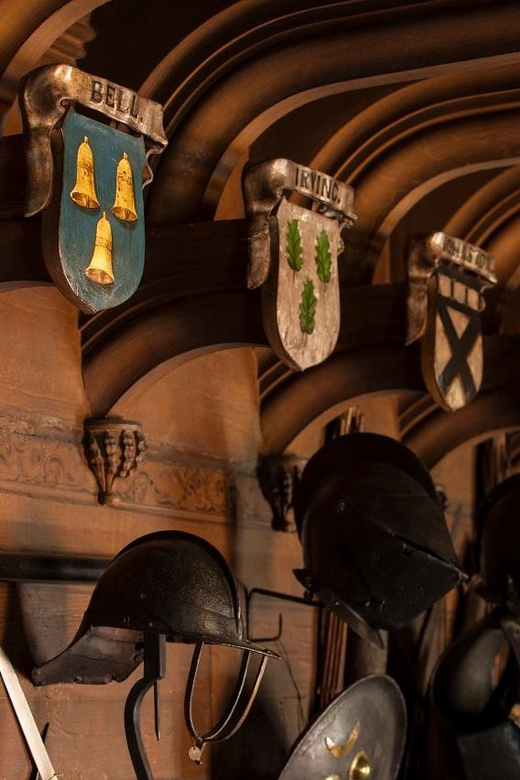
Sir Walter Scott’s Abbotsford is part country house, part personal museum, and part creative workshop. The rooms hold the objects and unusual artefacts that fed his poems and novels, while the gardens show how strongly his imagination shaped the grounds. I like the mix of writer’s home and lived-in curiosity cabinet, and I like that you can slow down outdoors after the house.
The formal gardens and woodland paths give the visit breathing room. The chapel adds a quiet, human touch, and the Visitor Center offers a useful introduction before you enter the main house. The main consideration is time: two hours is enough for the core visit, but it can feel rushed if you want the house, gardens, café, Pavilion, Furnace House, and folklore trail.
Key points to know before you go
- Scott’s creative home: See the house he created on the banks of the River Tweed and the objects tied to his writing.
- Three outdoor garden rooms: The formal gardens were designed as picturesque settings for the house and remain closely linked to Scott’s original plans.
- A self-guided visit: You set your own pace, with an audio guide or written transcripts rather than a live guide.
- More than a house tour: Your ticket includes the family chapel, Pavilion, Furnace House, gardens, and house.
- Extra folklore for families: Witch Corner is an interactive trail, but it costs extra.
- Easy from Edinburgh: Take the Borders Railway from Waverley to Tweedbank in less than an hour, then walk about 20 minutes or use the complementary shuttle when it runs.
Why Abbotsford feels different from a standard house tour
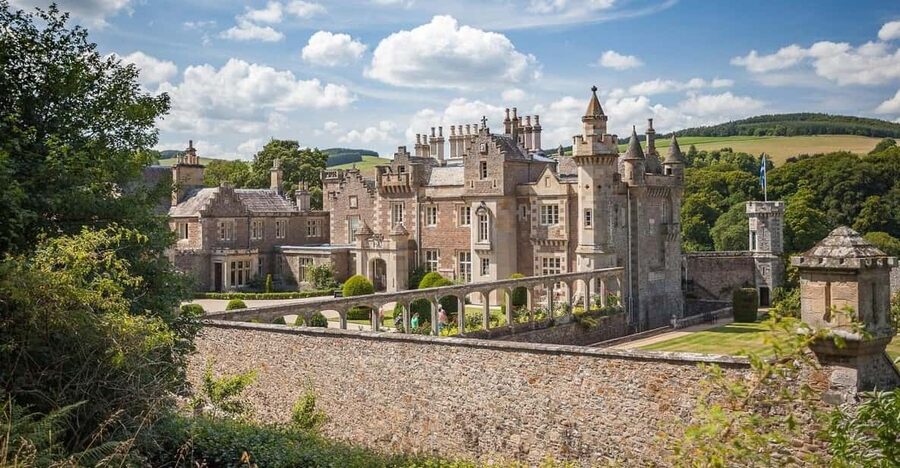
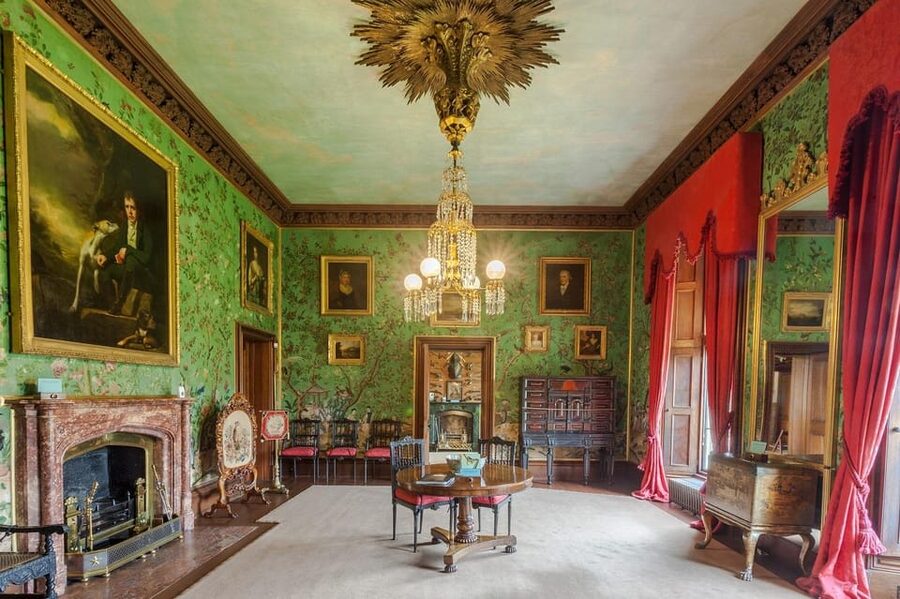
Many historic homes ask you to admire furniture and move on. Abbotsford gives you a clearer sense of the person behind the public figure. Sir Walter Scott built the property around his creative ambitions, and the house works best when you pay attention to the odd, personal details rather than only the grand rooms.
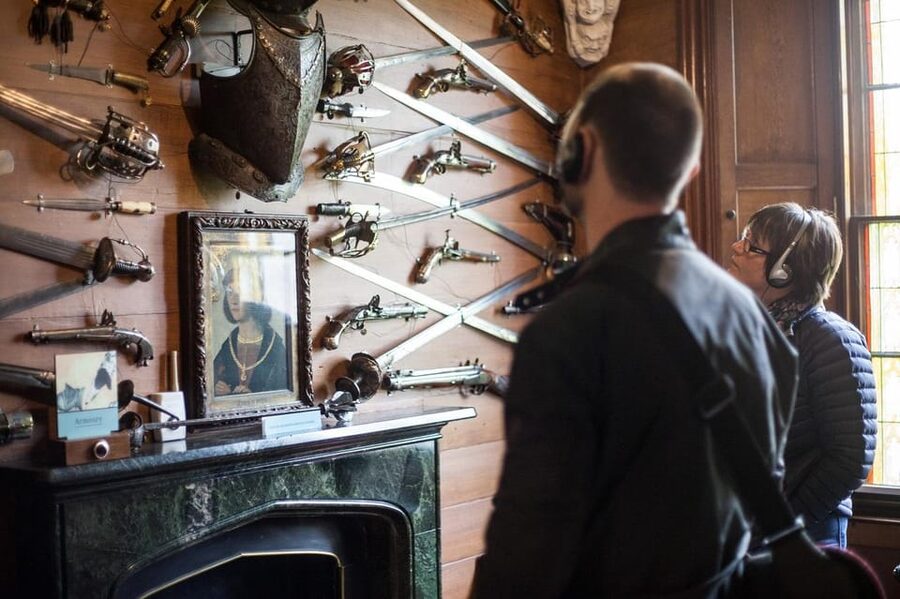
You will find a collection of intriguing objects and unusual artefacts connected with the interests and inspiration behind his poems and novels. The experience is self-guided, so you can linger when something catches your eye instead of keeping pace with a group.
That freedom suits the subject. Scott was a writer with a wide-ranging imagination, and the house is not presented as a bare sequence of historical rooms. It is a place shaped by his tastes, work, and ideas about how a home should look and feel.
The Visitor Center is a sensible first stop. Its free exhibition introduces Scott’s life and times, helping you understand the house before you enter it. I would give this a few minutes even if you are eager to reach the main building. It puts the rooms in context and gives you a better reason to notice the personal objects inside.
Entry tickets around the UK:
- London: Kew Gardens Admission Ticket
★ 4.6 · 3,252 reviews - Kew Gardens Entrance Ticket
★ 4.0 · 1,055 reviews - The Alnwick Garden: Entry Ticket
★ 4.3 · 241 reviews
Starting at the Visitor Center
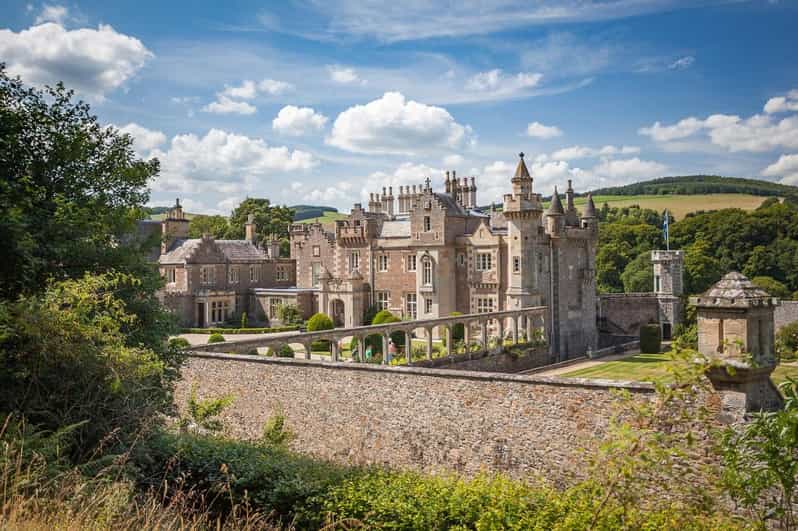
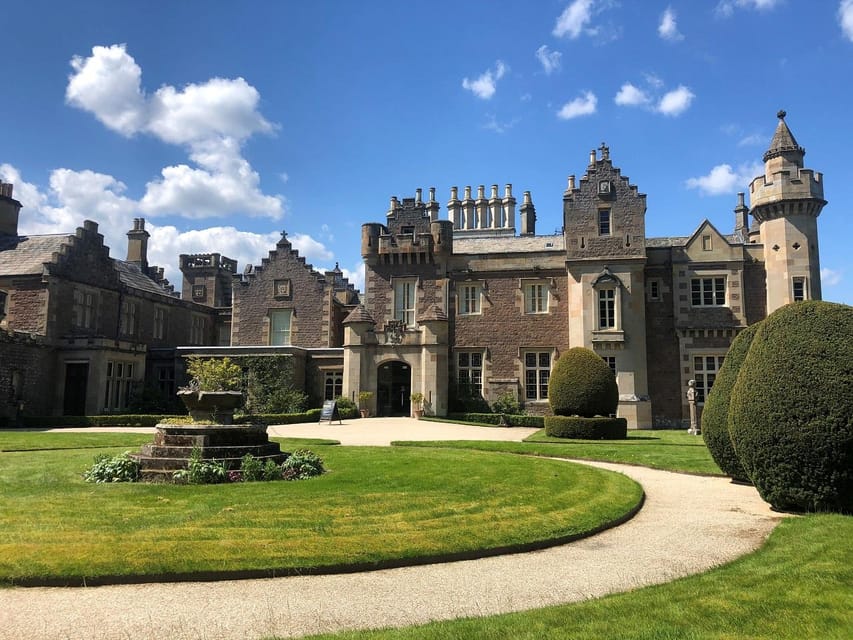
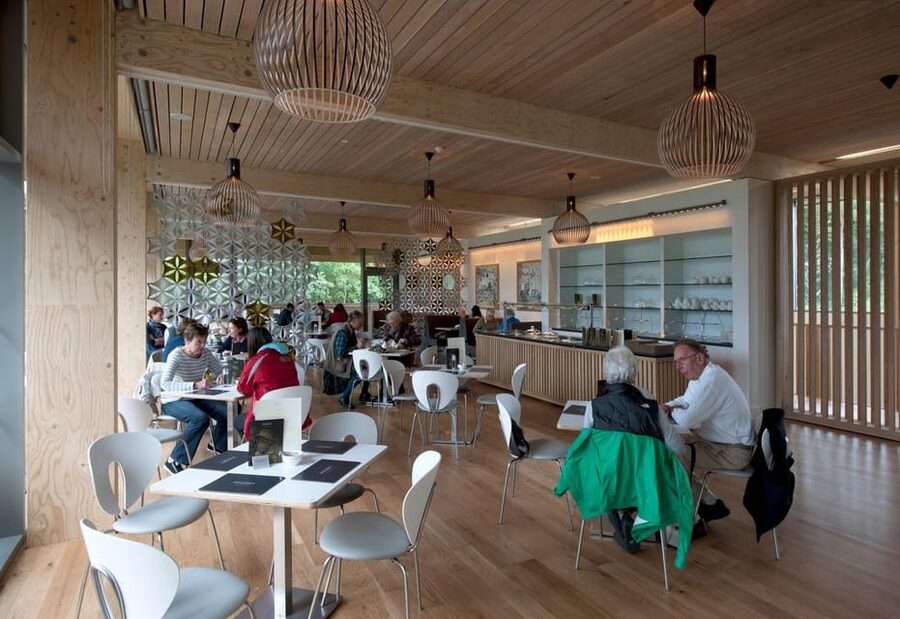
Your visit begins at the new Visitor Center, which also houses a shop and café. This is where you can get your bearings, read about Scott, arrange your visit, and decide how much time you want to spend indoors and outside.
The free exhibition is included before you reach the paid areas. It is useful for visitors who know Scott mainly as a famous name, since it introduces the man, his writing, and the period in which Abbotsford took shape.
The shop sells souvenirs and unusual gifts. That may sound like a small detail, but it matters if you want to leave with something connected to Scott rather than a generic attraction item.
Ochiltree’s café looks toward the house and serves morning coffee, lunch, afternoon tea, and freshly prepared food using locally sourced ingredients. Seasonal menus change, so the exact choices are not fixed. I would consider eating here if you want to keep the visit in one place, especially since a meal can turn a short house stop into a relaxed half-day outing.
Food and drinks are not included in the ticket. One useful point from the on-site experience is value: the café is described as offering good portions and fair value, making it a practical stop rather than an afterthought.
Exploring Sir Walter Scott’s house
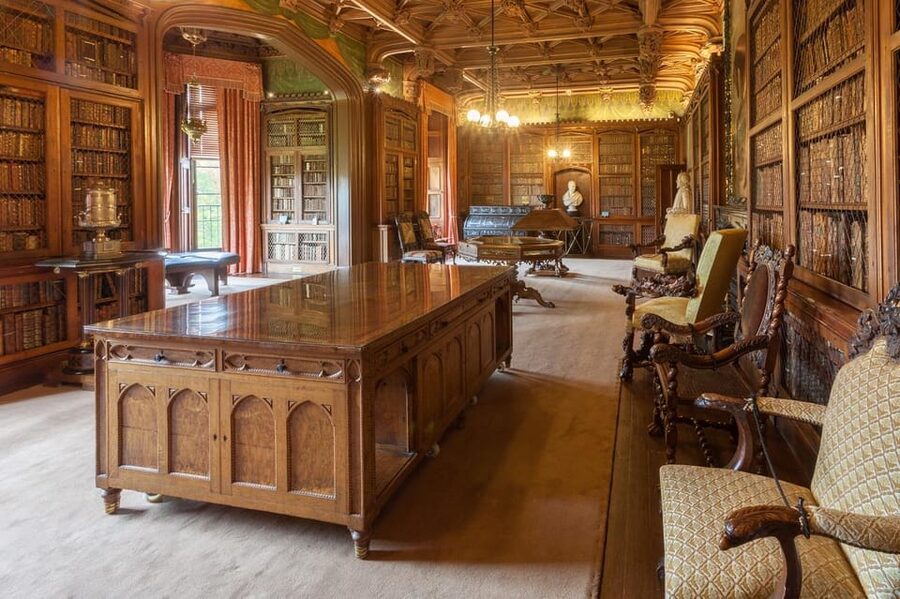
The house is the center of the visit. It was created about 200 years ago on the banks of the River Tweed, and it represents Scott’s ambition to build a home that reflected his imagination.
The rooms contain objects tied to his life and creative work. You should not expect a live guide to explain every item. Instead, you use the included audio guide or written transcript and choose where to focus.
Audio guides are available in English, German, French, Russian, and Spanish. That makes the house easier to enjoy if English is not your first language. English is the language used by the host or greeter, but the recorded material gives you more choice once you begin the self-guided visit.
The lack of a set group can be a benefit. You can pause, move on, or spend extra time with a room that interests you. It also means the quality of your visit depends on your own pace and attention. If you prefer a lively guide telling stories as you walk, this format may feel quieter than expected.
I would not rush through the house in an effort to tick off every room. The appeal lies in connecting the objects with Scott’s work and seeing how his home became part of his creative world. The experience is less about spectacle and more about understanding the tastes and ambitions of a major Scottish writer.
The chapel and the quieter corners
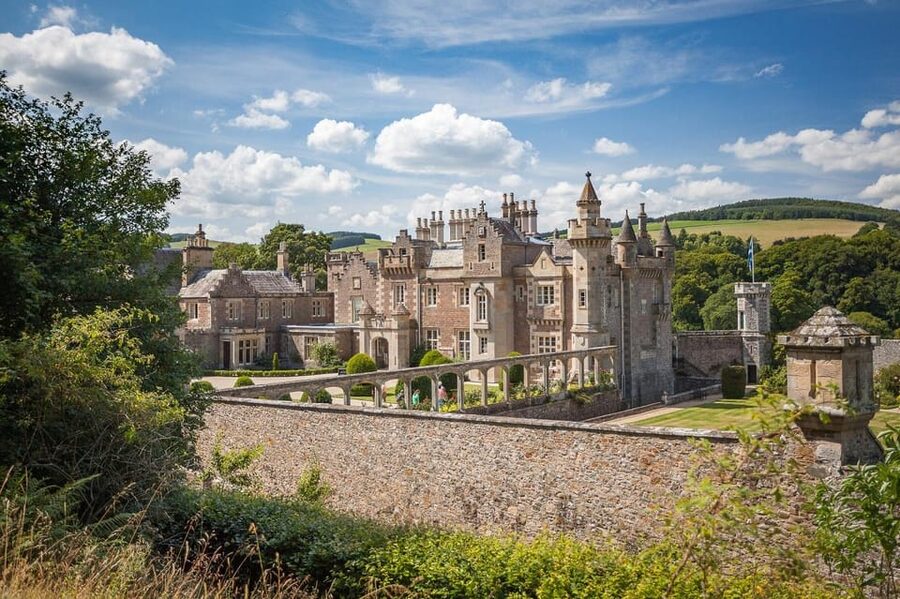
Entrance to the family chapel is included. It gives the visit a more personal scale after the larger house interiors.
The chapel is not a separate tour with its own guide. It forms part of the self-guided experience, so you can visit it at your own speed. I would allow a few quiet minutes here rather than treating it as a quick box to check.
The chapel also helps balance the public side of Abbotsford. The house shows Scott’s creative and social world, while the family chapel points toward the private life of the estate.
More Garden Tours in the UK:
- The Kensington Palace Gardens Royal High Tea
★ 4.5 · 934 reviews - London: Kensington Palace Gardens Tour with Royal High Tea
★ 4.6 · 325 reviews - London: Sky Garden Early Access with Pastry and Hot Drink
★ 3.9 · 242 reviews - Birmingham: Winterbourne House and Garden Admission Ticket
★ 4.7 · 199 reviews
Three garden rooms shaped by Scott
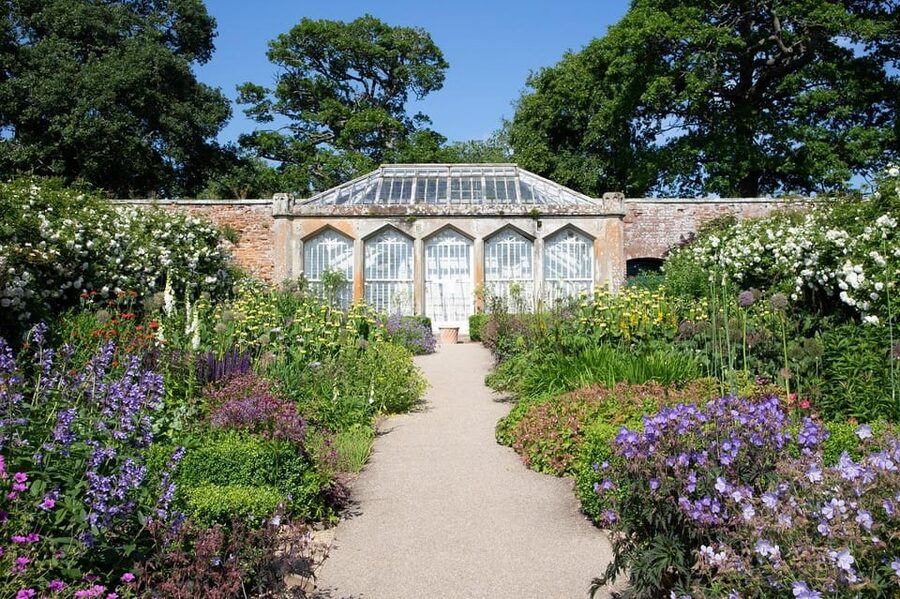
Scott’s ideas did not stop at the walls of the house. The grounds were arranged as three distinct outdoor rooms, each with its own character and each designed to frame the main building.
The gardens you see today remain fundamentally Scott’s work, though later family members made changes for the needs of their own time. That gives the grounds a useful sense of continuity. You are not simply looking at a modern recreation, but neither should you expect every planting or feature to be untouched since Scott’s day.
The formal gardens are the best place to slow down. You get views back toward the house, and the setting makes clear why outdoor space mattered to Scott’s imagination.
Beyond the formal areas, tranquil woodlands and riverside walks offer a calmer side to the property. The walkways give you a chance to step away from the indoor exhibits, though the ticket’s stated duration is only two hours. If you want a long stroll beside the River Tweed, plan extra time.
I like this outdoor section because it changes the rhythm of the visit. The house asks you to look closely at objects and rooms. The gardens let you look outward and understand the setting Scott chose for his home.
Pavilion and Furnace House storytelling
Your ticket includes the Pavilion and Furnace House experience. These spaces use light, sound, tactile features, and visual interpretation to tell the story of Scott’s gardens and his love of green spaces.
This is a good addition for families and for anyone who wants more than labels on walls. The multisensory approach gives the garden story a different pace, with something to engage your eyes, ears, and hands.
It also helps explain the grounds as more than pretty surroundings. Scott’s outdoor rooms were part of the way he imagined and used Abbotsford. The Pavilion and Furnace House give that idea a dedicated place in the visit.
Since the visit is self-guided, you can take this section at your own speed. If you have children with you, it may provide a welcome change after the quieter house rooms. If you are visiting mainly for Scott’s writing, you may prefer to keep your time focused on the house and gardens.
Witch Corner and the extra folklore trail
Witch Corner is Abbotsford’s interactive folklore trail. It is designed as an adventure through local stories and folklore, making it a natural add-on for families or anyone who enjoys a more playful attraction.
It is not included in the house, chapel, and garden ticket. You need to budget separately if you want to add it.
That distinction matters when comparing the ticket price. The $21 admission covers the main house, gardens, family chapel, Pavilion, Furnace House, and audio or written interpretation. Witch Corner adds another activity, but it is not part of that base admission.
If you are short on time, I would prioritize the house and gardens. If you have children or want a folklore-themed activity, Witch Corner can extend the visit and add a different mood.
How long you really need at Abbotsford
The ticket is valid for two hours, and that is a reasonable target for the main route through the Visitor Center, house, chapel, gardens, and included garden interpretation.
Still, two hours is not generous if you want to read everything, eat at Ochiltree’s, visit the shop, walk by the river, and add Witch Corner. I would treat the two-hour period as the core visit rather than the total time you must spend on the estate.
A focused visit could look like this:
- Start with the free Visitor Center exhibition.
- Tour the house using the audio guide or written transcript.
- Visit the family chapel.
- Walk through the three garden areas.
- See the Pavilion and Furnace House.
- Add food, shopping, riverside walking, or Witch Corner if time allows.
The exact order can vary because the experience is not led by a guide. That is useful if you want flexibility, but you need to manage your own clock.
Getting there from Edinburgh by rail
Abbotsford is reachable from Edinburgh Waverley by the Borders Railway. The train to Tweedbank takes less than an hour, which makes the property a practical day trip from the capital.
From Tweedbank, you can follow the signposted walk to Abbotsford in about 20 minutes. A complementary shuttle bus may also operate, but you should check the current timetable before setting out.
This route avoids driving and gives you a simple connection from central Edinburgh. The walk from the station is manageable for many people, but you should allow extra time if you have mobility concerns, luggage, or a tight return train.
Parking is not included in the ticket. The experience is wheelchair accessible, though you should still check current transport and site arrangements if you need the shuttle or have specific access requirements.
Is the $21 ticket good value?
At $21 per person, the ticket offers more than entry to a single historic house. You get the house, formal gardens, family chapel, Pavilion, Furnace House, and an audio guide or written transcript.
I think the value is strongest for visitors who will use the outdoor areas. The gardens and woodland help make the property feel like a full outing rather than a short indoor tour.
The ticket is less compelling if you only want a quick look at the house and have no interest in the gardens. In that case, the two-hour format may feel adequate but not especially expansive. The café and shop are useful extras, but meals, drinks, Witch Corner, and parking cost more.
The included multilingual audio guide also adds value. You are not forced to pay extra for basic interpretation, and you can choose English, German, French, Russian, or Spanish for the recording.
Who will enjoy Abbotsford most?
I would recommend Abbotsford to readers who enjoy historic homes with personal detail, literary connections, gardens, and self-guided visits.
It suits:
- Fans of Sir Walter Scott and Scottish literature
- Families who want gardens plus an optional folklore trail
- Visitors looking for a day trip from Edinburgh
- People who prefer to explore at their own pace
- Garden lovers who want formal areas, woodland, and riverside walking
- Visitors who value a café and Visitor Center on site
It may be less suitable if you want a live storyteller, a tightly timed guided tour, or a short attraction that takes less than an hour. The house rewards attention, and the wider estate rewards extra time.
My recommendation
Book this experience if you want to understand Sir Walter Scott through the home he created, not just through a display about his name. I especially like the combination of the house, three garden rooms, chapel, and Pavilion and Furnace House, since each part shows a different side of Abbotsford.
Give yourself more than the basic two hours if you want lunch, a riverside walk, or Witch Corner. For a focused visit, the ticket is fairly priced and easy to fit into a Scottish Borders day trip from Edinburgh. For the best experience, start at the Visitor Center, take your time in the house, and save room for the gardens.
FAQ
What does the Abbotsford ticket include?
The ticket includes entrance to Abbotsford House, the formal gardens, the family chapel, the Pavilion, and Furnace House. An audio guide or written transcript is also included.
Is Witch Corner included in the ticket?
No. Witch Corner, the interactive folklore trail, is not included and costs extra.
How long is the ticket valid?
The activity is valid for two hours. You should check the available starting times when booking.
Is the visit guided by a person?
No. The Visitor Center, house, and gardens are self-guided. Audio guides and written transcripts are provided.
Which audio guide languages are available?
Audio guides are available in English, German, French, Russian, and Spanish.
Can I reach Abbotsford from Edinburgh by train?
Yes. Take the Borders Railway from Edinburgh Waverley to Tweedbank. The journey takes less than one hour, followed by a signposted walk of about 20 minutes or a complementary shuttle bus, depending on current timings.
Are food and drinks included?
No. Food and drinks are not included. Ochiltree’s café serves coffee, lunch, afternoon tea, and freshly prepared seasonal food.
Is Abbotsford wheelchair accessible?
Yes, the activity is listed as wheelchair accessible.
Just added around the UK
- Hillsborough Castle Gardens Entrance Ticket★ 4.7 · 47 reviews
- Royal Horticultural Society: Hyde Hall Garden Ticket★ 4.7 · 7 reviews
- Edinburgh: Walk Dean Village, New Town & Royal Botanics★ 4.9 · 22 reviews
- Royal Horticultural Society: Rosemoor Garden Ticket★ 3.9 · 4 reviews
- Belvoir Castle: Castle, Gardens and Ground Entry★ 4.0 · 2 reviews
- Barbara Hepworth Museum & Sculpture Garden: entry to site.★ 4.7 · 28 reviews
- VIP Kensington Palace Gardens Tour & Royal Tea Crown Experience★ 4.5 · 102 reviews
- London: VIP Kensington Palace Gardens Tour & Royal High Tea★ 4.7 · 59 reviews
UK Garden Tours, compared.
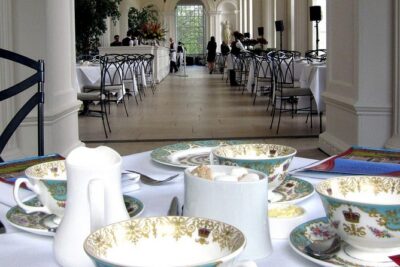

Kensington Palace Gardens Tour with Royal High Tea
Read our review →
Sky Garden Early Access with Pastry and Hot Drink
Read our review →
Birmingham: Winterbourne House and Garden Admission Ticket
Read our review →
VIP Kensington Palace Gardens Tour & Royal Tea Crown Experience
Read our review →Browse the lists this tour appears in