
Review · ITALY GARDEN TOURS
Pasta Cooking Class in a Garden near Pompeii
The best part of this Pompeii activity happens away from the ruins. You start in a family garden, pick up the feel of local ingredients, then join Sabrina and her family in the kitchen to make fresh pasta by hand. I like the small-group setting, which keeps the class personal, and I like that the menu changes with the season rather than treating Italian food as a fixed script.
You should also know that the three hours can pass quickly, especially if you want plenty of time to cook, eat, and chat. The meeting point is marked by a Balestrieri Gardens sign, and a transfer is not included, so you need to plan your own arrival.
Key points at a glance
- Garden-to-table setting: Begin among vegetables and herbs grown at the home before cooking indoors.
- Family recipes: Sabrina teaches pasta and dessert recipes passed through her family, with help from Rosalba on some sessions.
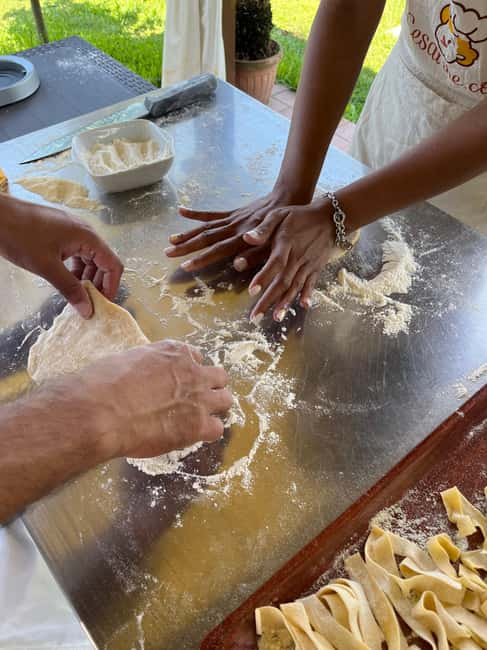
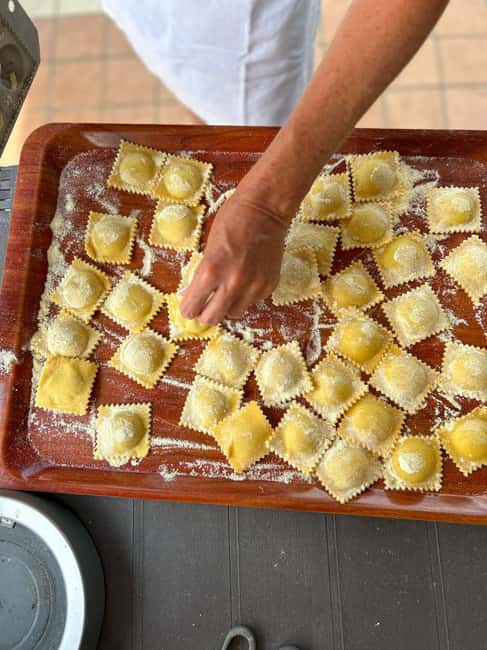
- Hands-on ravioli: You do not just watch a demonstration. You help make the dough, roll it, fill it, and cook it.
- Campania on the plate: The meal includes seasonal bruschetta, fresh pasta, homemade dessert, water, and Gragnano wine.
- Near Pompeii’s main sights: The home is a few minutes from the Pompeii ruins and sanctuary.
- Useful for families: A 12-year-old participant enjoyed the class, and the relaxed format suits mixed ages.
A home kitchen near Pompeii, not a cooking school
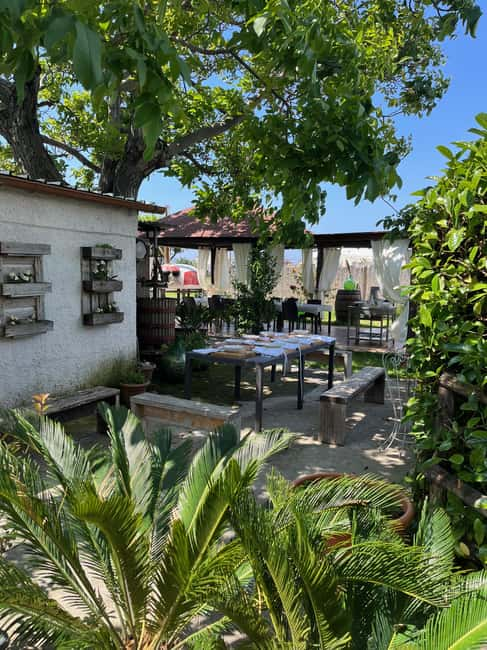
This class is built around hospitality first and instruction second. Sabrina welcomes you into her home in Pompeii, takes you through the garden, and then brings you into the kitchen. That matters because the setting gives the food a clear sense of place. You are not simply making pasta in a neutral classroom. You are seeing the herbs and vegetables that may become part of your meal.
The class is limited to 10 people, but some sessions can be much smaller. One couple found themselves cooking with Sabrina and a friend, while other groups included families and pairs of friends. I see this as a real advantage if you want help at the table rather than a formal demonstration from across the room.
Sabrina teaches in English. Her approach is practical and patient. She shows you what to do, then guides you while you try it yourself. You can expect attention to the feel of the dough, not just a list of measurements. That is useful because handmade pasta depends on texture. You need to notice when dough is smooth and workable, when it needs more handling, and how thin to roll it.
The mood is informal. Sabrina and her family aim to make you feel part of a Sunday meal at home. Rosalba has also helped with the class, and the two women are praised for making the kitchen feel warm and easygoing. If you prefer a polished culinary studio with chef whites and timed stations, this may feel too casual. If you want a personal introduction to everyday Campanian cooking, the home setting is the main reason to book.
Cooking classes around Italy:
- Shared Cooking Class with Fresh Garden Ingredients in Sorrento
★ 5.0 · 194 reviews - Cooking Class in a Typical Sorrento Garden
★ 5.0 · 100 reviews - Cooking Class with garden visit
★ 5.0 · 57 reviews
Starting in the Balestrieri garden
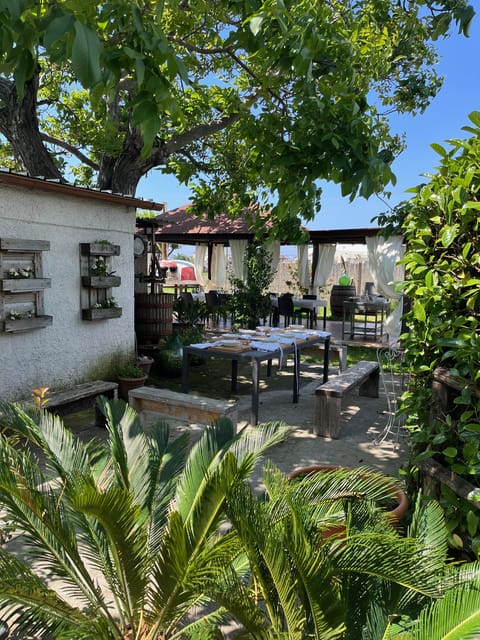
Your meeting point is marked by a sign for Balestrieri Gardens. The property is only a few minutes from Pompeii’s archaeological ruins and the sanctuary, making the class easy to pair with a day in town. A transfer can be requested, but it is not included, so ask for details if you do not want to arrange your own way there.
The garden visit begins the food story. Sabrina shows you what grows on the property and explains how the produce fits into the meal. Seasonal vegetables and herbs are used for the bruschetta, and some of the ingredients for the pasta and dessert may come from the garden. The exact menu is not fixed, since Sabrina adjusts ingredients according to the season and local conditions.
That flexibility is worth noting. You may not receive the same vegetables or exact pasta filling at every time of year. For me, that is a strength. It keeps the cooking connected to Campania rather than turning the lesson into a repeatable tourist menu.
The garden also gives you a breather after sightseeing. Pompeii can be hot and tiring, especially in summer. A quiet outdoor start helps you slow down before the hands-on work begins. At the same time, the garden is part of a private home, not a formal public botanical attraction. You come for the ingredients and the family connection, not for an extended garden tour.
Making pasta the Sunday way
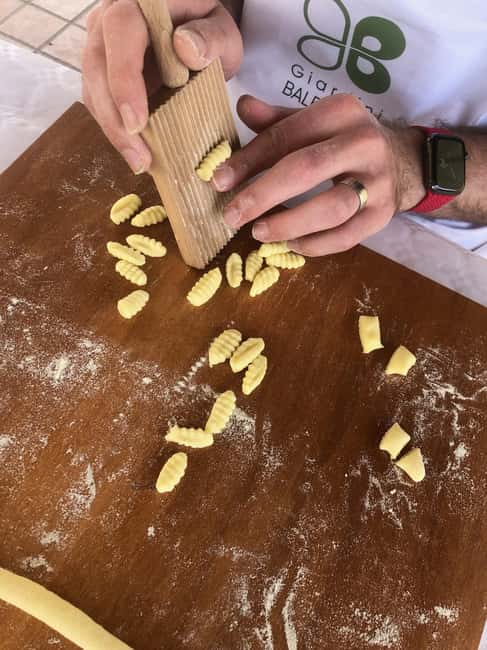
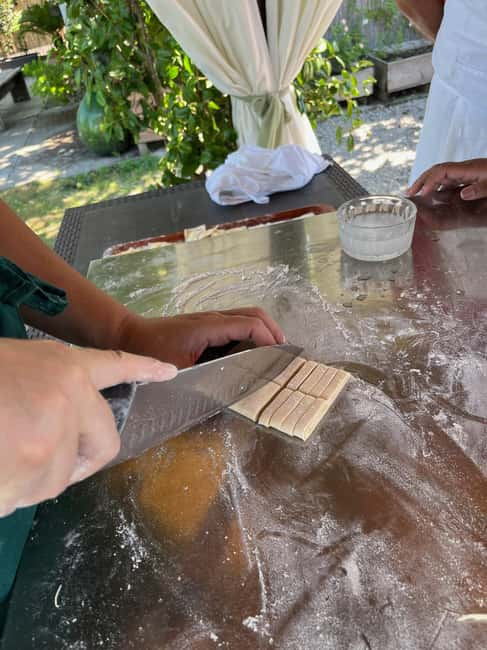
The central task is fresh pasta made with flour, eggs, and patience. Sabrina demonstrates the process, then puts you to work. You learn how to bring the ingredients together, judge the dough by touch, roll it out, and shape the pasta.
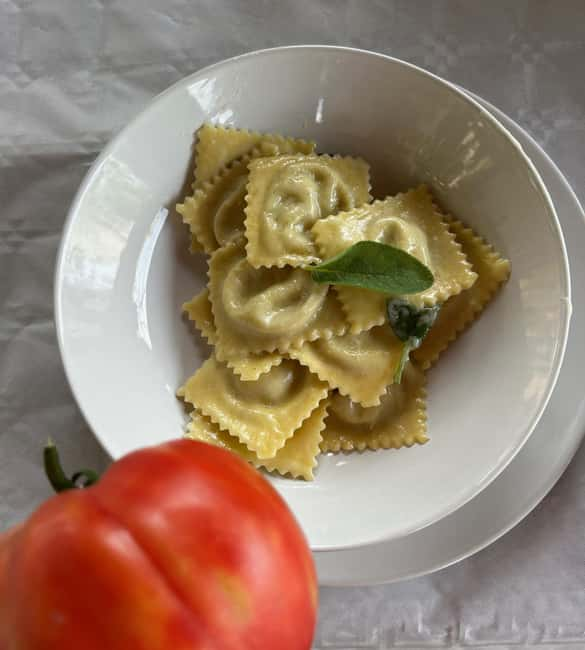
Ravioli is a likely focus, based on the sessions described by participants, though the menu can change. That gives you a rewarding project because ravioli requires more than cutting noodles. You have to roll the dough thin enough, add the filling carefully, seal each piece, and avoid trapping air. The finished pasta then becomes part of the meal you eat together.
I like the class because it teaches a skill you can repeat at home. You are not just watching someone make an impressive dish while you take notes. The instruction centers on hand movements and texture, which are the things that cookbooks often explain poorly. Sabrina’s patient approach is especially helpful if you have never made pasta before.
Do not expect a professional-level master class in advanced pasta shapes. Three hours must cover the garden, pasta, dessert, bruschetta, cooking, and the shared meal. The aim is a warm introduction to family cooking, not technical training for a restaurant kitchen.
That distinction helps set expectations. You should leave with a better understanding of fresh pasta and the confidence to try ravioli again. You may not leave with a complete set of restaurant techniques or a printed curriculum. Bring curiosity, not the expectation of a formal qualification.
Bruschetta, dessert, and a Campanian meal
The food you prepare is served as part of the meal. The listed menu includes bruschetta with seasonal vegetables, fresh pasta, homemade dessert, water, and Gragnano wine.
The bruschetta is a simple but useful lesson in local cooking. Fresh toppings and good bread do most of the work, so it gives you a chance to see how garden produce can become a satisfying starter without complicated preparation. The ingredients can change with the season, which means the dish is tied to what is available rather than a fixed recipe.
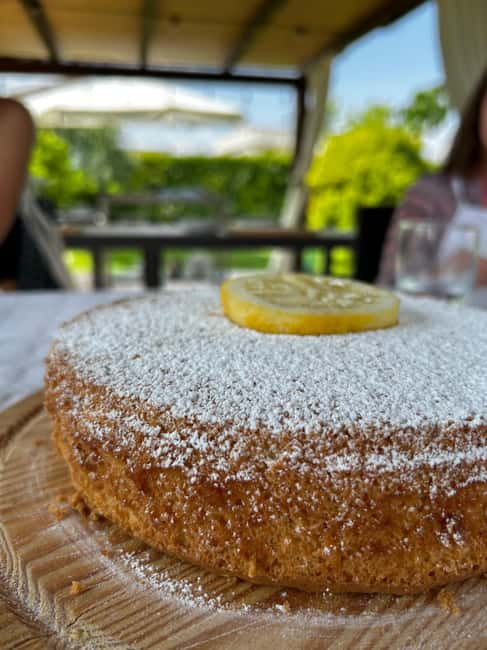
The dessert is a typical Campania preparation. Several sessions included lemon caprese cake, a local specialty made with almonds, chocolate, and lemon. Sabrina teaches the dessert along with the pasta, so you get a second recipe to take home and repeat. The lemon gives the cake a fresh regional character, and it provides a pleasant contrast to the savory pasta.
Gragnano wine is included with the meal. Gragnano, near Naples, is known for its local wine tradition, so this is a fitting choice for a Pompeii-area food experience. Water is also provided. Gratuities are not included.
The meal is one of the strongest parts of the value. At $94 per person, you are paying for three hours of instruction, food, wine, garden access, and a personal host rather than just a plate of pasta. The price is not the cheapest way to eat near Pompeii, but it compares well if you want a meal plus a participatory activity. If you only want lunch, a restaurant will be simpler. If you want to learn recipes and spend time with a local family, the price makes more sense.
Pasta classes around Italy:
- Fresh local pasta lesson in the garden
★ 5.0 · 24 reviews - Cooking class in a garden: handmade pasta
★ 5.0 · 4 reviews
What the family atmosphere adds
Sabrina and her family are the heart of the experience. The cooking is important, but the emotional appeal comes from being welcomed into a private home. You may meet other family members, and you may find a cat named Gary wandering around the property. That small detail gives the setting a lived-in feel that no restaurant can reproduce.
I would recommend this class to you if you enjoy conversation, shared food, and a slower pace. It works especially well for couples, friends, and parents with older children. A 12-year-old joined one session and enjoyed making pasta, so this is not limited to serious adult food enthusiasts.
It is also a good choice for a rainy day. The garden is part of the plan when weather allows, but the class can move indoors. One session became a successful afternoon activity despite rain. You still get the home kitchen and cooking instruction, even if the outdoor portion is shortened.
The family approach can be a drawback for someone who wants a tightly controlled schedule. Cooking in a home means the pace may depend on the group, the menu, and the conversation. The class may feel less predictable than a commercial cooking studio. I consider that a fair trade for the personal setting, but it is worth knowing before you book.
Timing your class with Pompeii
The duration is three hours, and starting times depend on availability. Since the home is close to the Pompeii ruins and sanctuary, you can fit the class into a day of sightseeing. You might visit the ruins first and cook afterward, or schedule the class before an afternoon visit.
I would avoid creating a rushed plan around it. Pompeii can take several hours, and the class itself includes several stages. You need time to arrive at the Balestrieri Gardens sign, tour the garden, cook, sit down for the meal, and enjoy conversation. Treat the cooking class as a main activity rather than a quick add-on.
The class can work particularly well near the end of your Pompeii visit. After walking through ancient streets and houses, you return to a modern local home and see how food remains part of daily life. The contrast is meaningful without being forced. You move from archaeology to family tradition in the same area.
A transfer is not included, though you can request information about one. Since the available details do not specify a standard pickup route or price, ask before booking if transport is important to you. Otherwise, use the stated Balestrieri Gardens sign as your arrival reference.
Group size, language, and practical fit
The class is conducted in English and limited to 10 participants. That cap should keep the cooking more personal than a large group lesson, though the exact feel depends on how many people book your date.
A small group matters most during the pasta work. You want enough counter space to roll dough and shape ravioli, and you want a chance to ask questions. If you are traveling with family, this format also lets children take part instead of sitting through a long chef demonstration.
The minimum booking is two people. Solo visitors cannot assume they can join alone, so check availability if you are traveling by yourself. The activity is best for people who enjoy active participation. If you have no interest in kneading, rolling, shaping, or preparing food, the meal alone may not justify the price.
The class has free cancellation up to 24 hours before the start time, and you can reserve now and pay later. Those policies make it easier to fit the activity around a changing Pompeii schedule. Gratuities are separate, so keep that in mind when planning the final cost.
Is $94 per person good value?
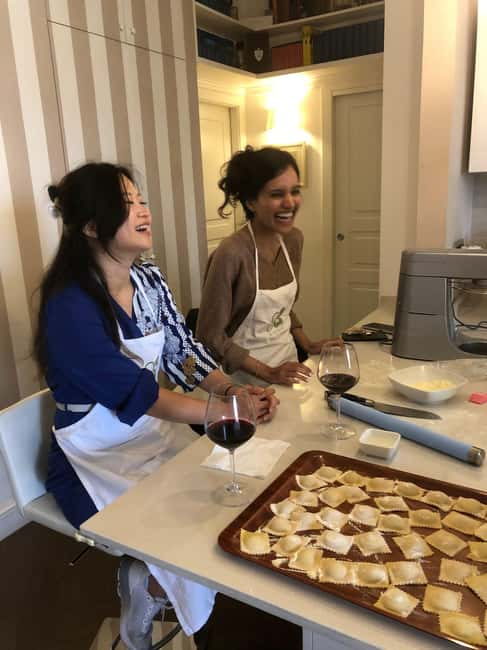
I think the price is reasonable for the right kind of afternoon. You receive a three-hour experience, a full menu, wine, instruction, and time in a private garden and home. The class also gives you recipes and techniques you can use after your trip, which adds value that a standard restaurant meal does not provide.
The price is less attractive if you measure it only against the amount of food. This is not a bargain lunch. You are paying for hosting, teaching, a small group, and the personal setting. The ingredients are genuine and often homegrown, but the main value is the connection between the food and the family that prepares it.
I would book it for a special day in Pompeii, especially if you are traveling with a partner, a parent, or a child who likes cooking. I would skip it if your schedule is already packed with the ruins and you would feel pressured by a fixed three-hour commitment.
Who should book this Pompeii cooking class?
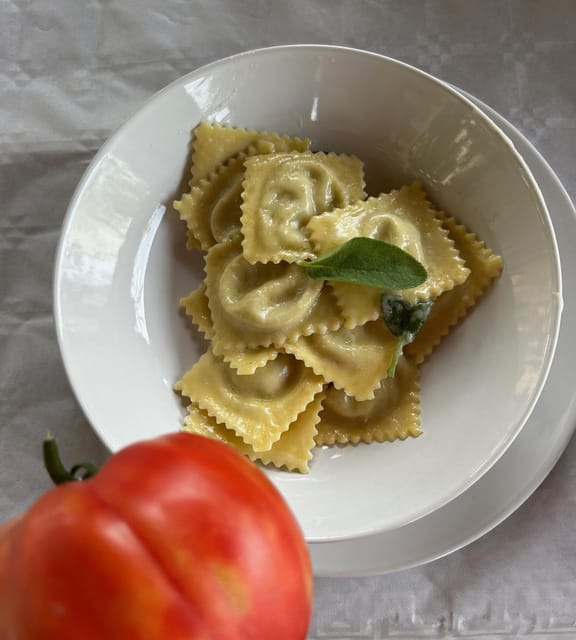
Book this experience if you want to:
- Learn fresh pasta by actually making it
- Cook with seasonal garden produce
- Meet Sabrina and experience a family kitchen
- Add a relaxed food activity near Pompeii’s ruins
- Share a meal with Gragnano wine
- Give older children a hands-on activity
- Have an indoor option if rain affects your plans
I would be cautious if you need a formal culinary course, guaranteed ravioli at every session, or a precisely timed itinerary. The menu can change, and the home setting has a natural, flexible pace.
Final call: a personal food experience worth planning for
I would book the Pasta Cooking Class in a Garden near Pompeii if you want your time in Campania to include more than ancient walls and photo stops. Sabrina’s garden, family recipes, handmade pasta, lemon caprese cake, and shared meal create a direct connection with everyday local life.
The main caution is simple: allow the full three hours, arrange transport if needed, and accept that the experience is shaped by the season and the household. For $94 per person, it offers good value when you want instruction, food, and a personal welcome in one activity. It is an especially strong pick for couples, families, and anyone who wants to return home able to make ravioli with confidence.
FAQ
Where is the cooking class held?
The class takes place at a private home and garden near Pompeii, a few minutes from the Pompeii ruins and sanctuary. Look for a sign that says Balestrieri Gardens.
How long does the experience last?
The cooking class lasts three hours. Starting times depend on availability.
What food is included?
The menu includes bruschetta with seasonal vegetables, fresh pasta, homemade dessert, water, and Gragnano wine.
Will I make ravioli?
Ravioli is a main focus in some sessions, and you can expect to take part in making pasta from scratch. The exact menu may change with the season and climate.
Is the class taught in English?
Yes. The instructor language is English.
How large is the group?
The activity is limited to 10 participants. A minimum of two people is required to book the experience.
Is transportation included?
No. Transfer is not included, but you can request information about arranging one.
Can I cancel the booking?
Yes. You can cancel up to 24 hours in advance for a full refund. The activity also offers a reserve-now-and-pay-later option.
Just added around Italy
- Lake Maggiore Gourmet: Gardens, Lake Cruise, & Food Tasting★ 4.5 · 19 reviews
- Vatican: Gardens, Museums and Sistine Chapel Guided Tour★ 4.2 · 98 reviews
- Venice: Convent Garden of Redentore Entry Ticket★ 4.3 · 5 reviews
- Vatican Gardens & Castel Sant’Angelo Skip-the-line tickets★ 4.3 · 20 reviews
- Varenna: Villa Cipressi Gardens Entry Ticket on Lake Como★ 4.6 · 39 reviews
- Valley of the Temples: Kolymbethra Garden Entry Ticket★ 3.5 · 43 reviews
- Typical Apulian menù in the garden of an ancient Trullo★ 5.0 · 11 reviews
- Venice: panoramic lunch in St. Mark’s Square Royal Gardens★ 3.0 · 12 reviews
Italy Garden Tours, compared.

Borghese Gallery & Gardens Small Group Guided Tour
Read our review →
Caserta Royal Palace & Gardens Small Group Tour with Shuttle
Read our review →
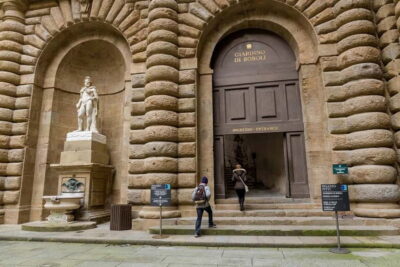
Pitti Palace, Boboli Garden, Palatine Gallery Tour
Read our review →
Tremezzina: Villa Carlotta Museum and Garden Entry Ticket
Read our review →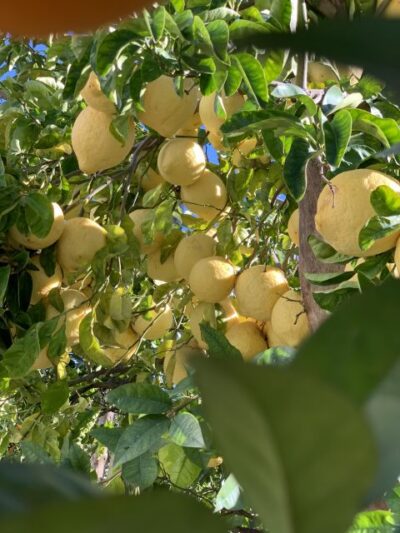
Sorrento: Lemon Garden Tour with Marmalade Tasting
Read our review →
Vatican: Vatican Gardens with Bus Tour & Vatican Museums
Read our review →Caserta Royal Palace & Gardens Small Group Tour with Shuttle
Read our review →Browse the lists this tour appears in