

Review · NETHERLANDS GARDEN TOURS
From Amsterdam: take the famous Tulip route tour
The best part of this tour is that it takes you beyond formal flower gardens and into the working tulip country of the Noordoostpolder. For about 100 kilometers, you ride through nearly 2,000 acres of farmfields, stopping to walk along field edges and photograph rows of flowers in several colors.
I like the small group, limited to eight people, and the chance to see real growing fields rather than only a display garden. I also like the guides’ role in choosing the best stops. Michael is praised for his tulip knowledge and calm organization, while Simon has helped guests find the van when the meeting point proved confusing.
The main drawback is timing. This is a spring-only trip, and the best color depends on the bloom period and weather. At $152 per person, it is also not a cheap outing, especially since lunch is extra and the tour is mostly a long drive with field stops.
Key points at a glance

- A 100-kilometer farmfield route: Follow the famous Noordoostpolder Tulip Route through the Netherlands’ biggest flower-growing region.
- Real tulip fields, not only gardens: Walk beside working farmfields, with permission and guidance, for close-up views and photographs.
- A small group of eight or fewer: The van setting makes it easier to ask questions and adjust stops.
- Michael and Simon are notable guides: Michael is especially praised for tulip facts, Dutch culture, and smooth timing. Simon has received praise for helpful directions and a friendly approach.
- A full spring day from Amsterdam: The schedule runs roughly from 9 a.m. to 5 p.m., including transport, breaks, field stops, and the return journey.
- Lunch costs extra: A snack pack, water, coffee or tea, and a local spiced biscuit are included, but the midday meal is optional and not covered.
Why the Noordoostpolder is the real attraction

The Noordoostpolder is man-made land, reclaimed from the water, and it now supports the largest flower-growing region in the Netherlands. That setting gives this outing a different character from a visit to a single flower park.
At a formal garden, you see flowers arranged for visitors. Here, you see the scale of commercial tulip farming: long, straight rows that can run toward the horizon, with blocks of different colors changing as you drive. The sight is less polished than a garden, but more connected to how the flowers are actually grown.
The route has been described by National Geographic as one of the world’s beautiful road trips. That is a bold claim, but the appeal is easy to understand on a clear spring day. You are not simply taken to one viewpoint, photographed, and sent home. You spend several hours moving through the growing region, with the color changing from field to field.
The word farmfields matters here. You do not wander freely among the tulips. You walk along the edges of the actual fields, following the guide’s instructions and respecting the crops. That gives you close views without treating a working farm like a public park.
More Tulip Fields and Keukenhof Gardens in the Netherlands:
- Amsterdam: Keukenhof Entry & Shuttlebus with Flexible Return
★ 4.7 · 11,891 reviews - From Amsterdam: Keukenhof Ticket with Transfer
★ 4.4 · 4,089 reviews - Amsterdam: Tour to Keukenhof Gardens with Windmill Cruise
★ 4.5 · 2,819 reviews
The 9 a.m. transfer from Amsterdam
The day begins with a transfer from the meeting point opposite the Chamber of Commerce. A parking area for tour vans and buses is located near the water.
The directions deserve extra attention. One participant found them unclear, and guide Simon ended up collecting several people and leading them to the van. That was helpful, but you should still allow extra time and confirm the exact pickup details before setting out.
From about 9 to 10:15 a.m., the air-conditioned van travels toward the Noordoostpolder. This first stretch is important because the tulip region is not right in central Amsterdam. You are paying not only for the field stops but also for the long transfer that gets you to the source of the spectacle.
A small van with no more than eight participants is a good fit for this route. You will spend many hours on the road, so the limited group size matters. It allows the guide to explain what you are seeing without addressing a large crowd, and it should make photo stops easier to manage.
The tour is in English. Guides including Michael and Simon have been praised for clear explanations, friendly conduct, and keeping the day on schedule while allowing some flexibility.
Coffee, tea, and a local Dutch snack
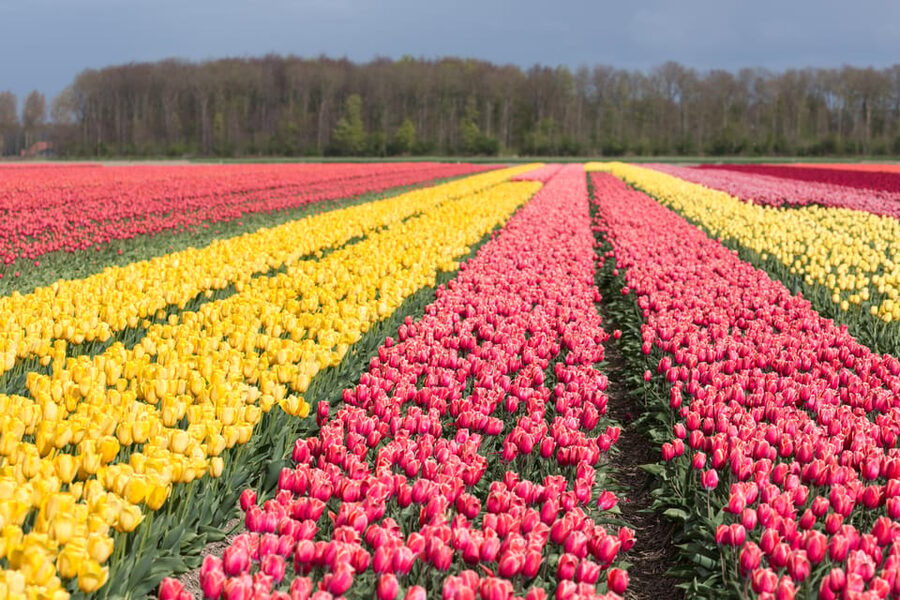
Around 10:15 a.m., you stop for coffee or tea, a local spiced biscuit, and a restroom break. The snack pack also includes a bottle of water.
This is a modest pause, but it is well placed. After the drive from Amsterdam, you get a chance to stretch before the main route begins. The included food will not replace lunch, but it removes the need to plan every small refreshment yourself.
The local biscuit is a nice touch because it gives the break a Dutch flavor rather than feeling like a generic bus-tour stop. If you need a full meal during the day, remember that lunch later is optional and costs extra.
Three hours along the 100-kilometer Tulip Route
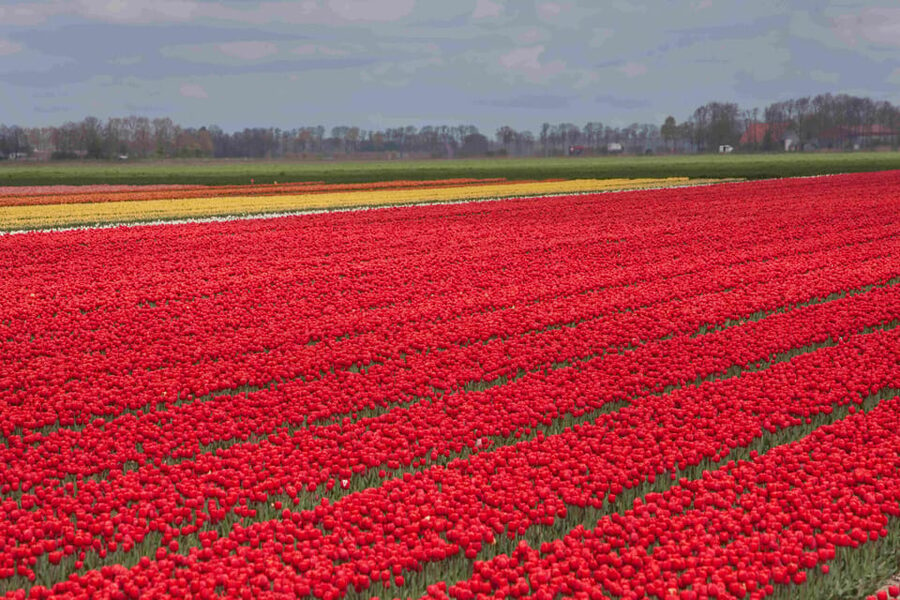
The central part of the day runs from about 10:45 a.m. to 2 p.m. This is when you follow the long Tulip Route through the Noordoostpolder’s fields.
You will see much of the route from the van, then stop at selected places for photographs and short walks along the edges of the fields. The guide’s field choices can make a real difference. Blooming conditions vary from one plot to another, and Michael is particularly praised for finding strong photo locations and explaining tulip cultivation.
Expect a succession of color rather than one single field that provides the entire show. One stop might offer broad bands of a single shade, while another gives you a mixed view of neighboring plots. The sight is strongest when you can see several fields at once, with rows stretching across the flat reclaimed land.
The guide also adds context about tulip growing, the history of tulips, Dutch culture, and the flower trade’s place in the national economy. That information helps turn a scenic drive into a more useful look at the area.
Photography is a major reason to choose this trip. There are several chances to get out, move along the field edges, and work from different angles. You should not expect unlimited time at every stop, though. The route is long, and the schedule has to keep moving to cover it.
Rain is another factor. One outing took place in steady rain, yet the guide kept the mood positive and the schedule organized. Still, you should bring suitable outdoor clothing and accept that the colors will look different under gray skies. The tour operates in spring, not only on perfect sunny days.
More Garden Tours in the Netherlands:
- From Amsterdam: Keukenhof Gardens Ticket and Transfer
★ 4.5 · 2,741 reviews - Utrecht: De Haar Castle + Gardens Entry Ticket
★ 4.7 · 1,838 reviews - Amsterdam: Day Tour Keukenhof and Zaanse Schans Windmills
★ 4.5 · 1,549 reviews - Amsterdam: Keukenhof and Zaanse Schans Live Guided Day Tour
★ 4.6 · 1,089 reviews
Walking beside working fields
The walking is gentle in concept, but this is not a dedicated hiking excursion. You leave the van at selected points and walk along the edges of the farmfields for close views and photographs.
This is one of the tour’s strongest features because it gives you scale. From the road, the fields look like large blocks of color. From the edge, you can study the rows and see how precisely the flowers are planted.
You must follow the guide’s directions and stay at the field margins. The crops are being grown for commercial use, so stepping into the rows would damage the flowers. The experience is about getting close without crossing that line.
The tour is not suitable for wheelchair users. The provided information does not describe the surface or the exact length of each walk, so anyone who needs specific mobility details should ask the operator before booking.
The 2 p.m. break at Tulip Experience Field
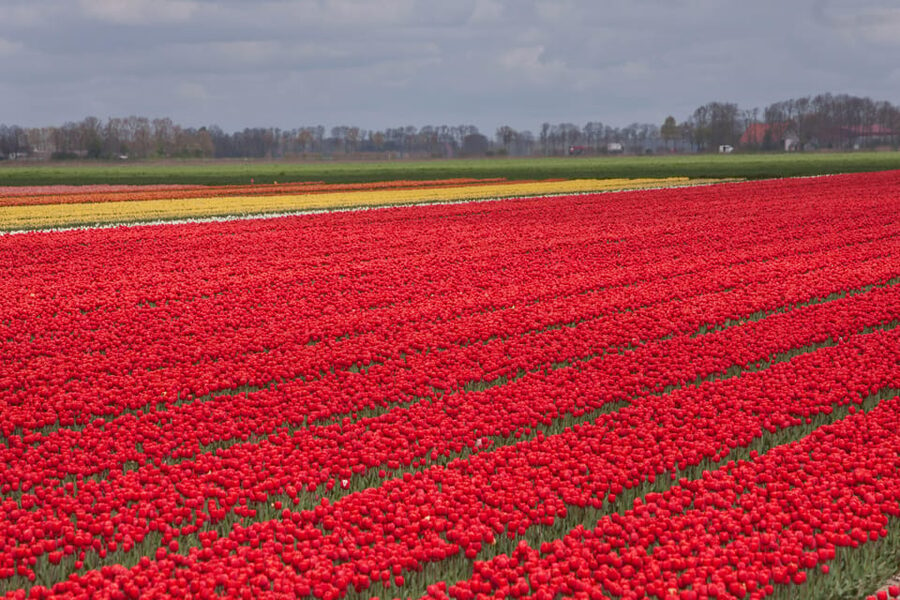
At about 2 p.m., you stop for an hour at the Tulip Experience Field. This includes a show garden, a chance to use the restroom, and time to buy or arrange an optional lunch.
This stop gives the day a change of pace. The farm route shows the commercial side of tulip growing, while a show garden offers a more arranged and visitor-friendly view of the flowers. It also gives you a proper pause after several hours of driving and field stops.
Do not assume lunch is part of the $152 price. The snack pack and drinks are included, but lunch is optional. If keeping costs under control matters to you, check what food is available and decide how much you want to spend before ordering.
The hour is long enough for a meal and a look around, but it is not a separate full attraction visit. The main purpose of the tour remains the farmfield route.
The final fields and return to Amsterdam
From 3 to 5 p.m., you finish the last stretch of the Tulip Route and drive back to Amsterdam. By then, you will have spent much of the day on the road, but the long return makes sense because the flower region lies outside the city.
This is a good tour for someone who wants the route handled from beginning to end. You do not need to arrange regional transport, find the best field roads, or work out where stopping is allowed. The guide takes care of the driving and selects the field locations.
The tradeoff is pace. If you want to spend an hour at every field or wander at your own speed, a guided road trip may feel restrictive. This itinerary favors variety: many views, several stops, and a broad sense of the region rather than one prolonged visit.
Is $152 a fair price?

The price is $152 per person. That is expensive for a day trip, and one participant specifically considered it costly. Lunch is not included, so the total can rise.
Still, the price covers eight hours, an air-conditioned vehicle, an English-speaking guide, the snack pack, water, coffee or tea, and transport from Amsterdam to a flower region that is not close to the city center. You are also paying for local route knowledge and the convenience of reaching working fields that can be difficult to locate independently.
The small group helps the value. With a maximum of eight people, this is closer to a personal road trip than a large coach excursion. If Michael is guiding, you can expect strong explanations about tulips, Dutch culture, and the flower trade. Simon has also been praised for being helpful and organized.
I would call the value fair for a tulip enthusiast, a photographer, or someone with only one spring day in the Netherlands. It is less compelling if you have already visited the region independently, dislike long drives, or mainly want a formal garden with more time on foot.
Tulip fields compared with Keukenhof
The farmfields and Keukenhof serve different purposes. Keukenhof gives you designed beds, paths, displays, and a polished garden visit. This tour gives you a long view of commercial flower production across the Noordoostpolder.
You do not need to treat them as competing choices. One participant described the farmfield outing as a strong complement to Keukenhof because the two show tulips in different ways.
Choose this tour if your priority is scale, open views, field photography, and the story of growing flowers for the market. Choose a formal garden if you want carefully arranged displays and more control over how long you spend in one place.
Who should book this spring tour?
I would recommend it to:
- People visiting the Netherlands during tulip season
- Photographers looking for broad rows of flowers and changing field colors
- Anyone who wants to see working farmfields rather than only a garden
- Visitors who prefer a small group and an English-speaking guide
- People who value local explanations about tulip growing and Dutch culture
- Those who want transport arranged from Amsterdam
I would think twice if you need wheelchair access, want a low-cost outing, or prefer to spend most of the day walking rather than riding. The weather can also shape the day, so spring sunshine should not be treated as guaranteed.
Practical booking advice
The tour runs only in spring, and the exact bloom period affects what you see. A field route can never promise that every plot will be at its peak on your chosen date, but the guide can select the best available stops.
Book only if you are comfortable with a full eight-hour day. The schedule begins around 9 a.m. and returns around 5 p.m., with a long transfer each way and several hours on the route.
Bring clothing suited to changeable spring weather. You will be outside beside fields, and rain is possible. Also, confirm the pickup details carefully, since the meeting point directions have caused confusion for some people.
Free cancellation is available up to 24 hours before departure, and you can reserve now and pay later. The tour is limited to eight participants, so that flexibility may help if your Amsterdam plans are still shifting.
Should you book the Tulip Route tour?
Book it if you want the real agricultural side of Dutch tulip country, not just a garden visit. The long route, small van, field-edge walks, and guide commentary make this a full regional outing rather than a quick photo stop.
Skip it if $152 feels too high for a day built around driving and short walks, or if you want a more formal garden experience. For the right visitor, especially someone in the Netherlands during peak spring color, the chance to see nearly 2,000 acres of tulips from the road is a memorable reason to leave Amsterdam for the day.
FAQ
When does the Tulip Route tour operate?
The tour is offered only during springtime, when the tulip fields are in bloom.
How long does the tour last?
The full experience lasts about eight hours, running roughly from 9 a.m. until 5 p.m.
How much does the tour cost?
The listed price is $152 per person.
How many people are in the group?
The group is limited to eight participants.
What language is the tour conducted in?
The live tour guide speaks English.
What food and drinks are included?
The tour includes a snack pack with a bottle of water, plus coffee or tea and a local spiced biscuit during the morning break.
Is lunch included?
No. Lunch at the Tulip Experience Field is optional and costs extra.
Where is the meeting point?
The van picks you up opposite the Chamber of Commerce, near a parking area for tour buses and vans by the water.
Is the tour suitable for wheelchair users?
No. The tour is not suitable for wheelchair users.
Just added around the Netherlands
- Hillegom: Tulip Barn Entry Ticket★ 4.6 · 81 reviews
- From Rotterdam: Private Keukenhof & Windmills Tour★ 5.0 · 2 reviews
- From The Hague: Private Sightseeing tour to Keukenhof★ 5.0 · 2 reviews
- Lisse: Enjoy the Tulip Fields by Bike with a Local Guide!★ 4.7 · 65 reviews
- Enjoy the tulip fields in a Landrover with a local guide!★ 4.9 · 14 reviews
- From Amsterdam: The Early Flower Tour, full day with Lunch★ 5.0 · 2 reviews
- From Amsterdam: VIP Keukenhof Tulip Tour with Private Driver★ 5.0 · 2 reviews
- Amsterdam : Tulip Wonderland Tour★ 4.9 · 17 reviews
Netherlands Garden Tours, compared.
Keukenhof Entry & Shuttlebus with Flexible Return
Read our review →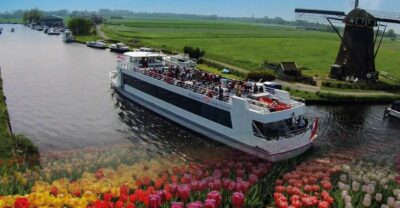
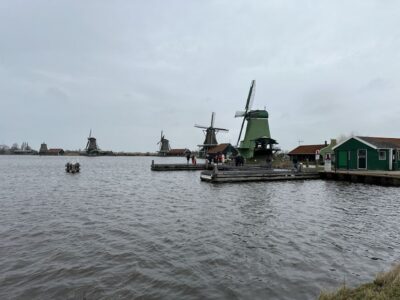
Tour to Keukenhof Gardens with Windmill Cruise
Read our review →

Day Tour Keukenhof and Zaanse Schans Windmills
Read our review →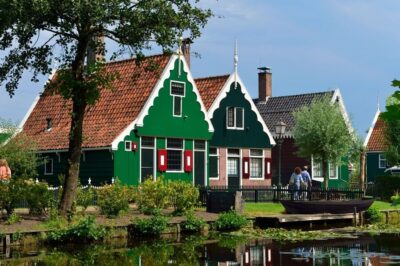
Keukenhof and Zaanse Schans Live Guided Day Tour
Read our review →
Keukenhof and Zaanse Schans Windmills Guided Day Trip
Read our review →
Go City Amsterdam Pass: 40+ Attractions including Keukenhof
Read our review →Browse the lists this tour appears in