
Review · AMSTERDAM GARDEN TOURS
From Amsterdam: Tulip Fields of Holland Tour
The best part of this five-hour outing is that you see working flower fields, not only a polished garden made for visitors. From a small van, you pass rows of tulips, hyacinths, and daffodils, then stop to walk and take photographs in the bulb-growing country south of Amsterdam. I especially like the access to a tulip farmer’s fields and the generous time at De Tulperij for apple pie, coffee, and tea.
I also like the small group, limited to seven people, and the personal guiding style associated with Leander. Guides such as Leo or Leandro are also named in the tour’s recent feedback. The main drawback is the short season and fixed timing: the strongest display usually runs from April 7 through April 30, and fields can never be guaranteed at their peak on every departure.
Key points to know before booking
- Small van, maximum seven people: The vehicle can use rural roads and reach places large coaches cannot.
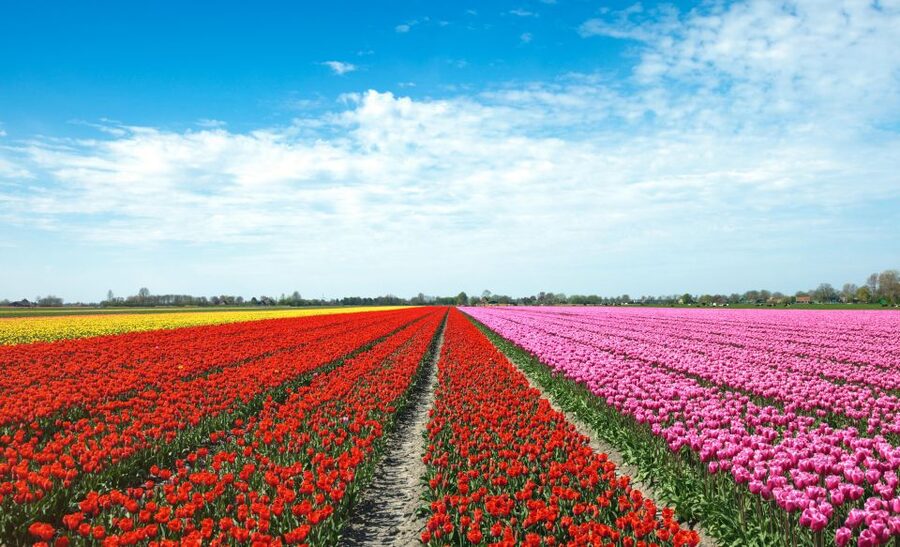
- Flower fields, not just formal gardens: You see rows grown for the Dutch bulb trade, with tulips, hyacinths, and daffodils.
- A real farming stop: De Tulperij in Voorhout provides time for a coffee, tea, Dutch apple pie, and local snacks.
- Strong guide element: Leander is praised for explaining tulip cultivation, Dutch history, windmills, and local life.
- Five hours from central Amsterdam: The tour leaves from Oosterdokskade 4 and returns there.
- Season matters: April 7 to April 30 is given as the best viewing period, though blooms depend on the year.
Why this is more than a quick tulip photo stop

The flower fields around Lisse and Voorhout are part of a working agricultural area. The rows are planted to produce bulbs, so you get a different view from a formal flower park. Instead of wandering through displays arranged mainly for viewing, you look across long strips of cultivated color and hear how farmers grow and propagate the bulbs.
That distinction matters. If you want neatly planned beds, signs, and a large visitor attraction, this may feel less polished. If you want to understand the Dutch bulb industry and see the countryside where the flowers are grown, the farm setting is the stronger choice.
The tour also gives you something a large coach excursion cannot easily provide: flexibility on narrow rural roads and several informal photo stops. The van is small enough to reach places buses cannot enter, though the precise fields visited can change with bloom conditions and farming activity.
More Tulip Fields and Keukenhof Gardens in Amsterdam
- Amsterdam: Keukenhof Entry & Shuttlebus with Flexible Return
★ 4.7 · 11,891 reviews - From Amsterdam: Keukenhof Ticket with Transfer
★ 4.4 · 4,089 reviews - From Amsterdam: Keukenhof Gardens Ticket and Transfer
★ 4.5 · 2,741 reviews
Leaving Amsterdam for the bulb country
The meeting point is at Lot61 coffee place under the DoubleTree by Hilton Hotel near Amsterdam Central Station. If you arrive by public transportation, use Grand Central Station as your reference, then walk east to Lot61.
This is an early and practical meeting point for a half-day trip. You spend about an hour in the van on the first leg, driving west from Amsterdam through rural roads toward Lisse. That first hour is not wasted time. It shifts the setting from city streets to open countryside and gives the guide room to explain the area, tulip cultivation, and the long connection between Dutch life and flower growing.
Because the tour is led in English, you can ask questions as you go. Leander is particularly associated with clear explanations and a relaxed sense of humor. The guide’s role is important here. Without some background, a row of flowers can remain a pretty photo. With context, you begin to notice the difference between flowers grown for display and bulbs grown for sale.
Water is available onboard. You should wear comfortable clothes, and pack light. Baby strollers, large bags, luggage, and vaping are not allowed.
Lisse: your first field photographs
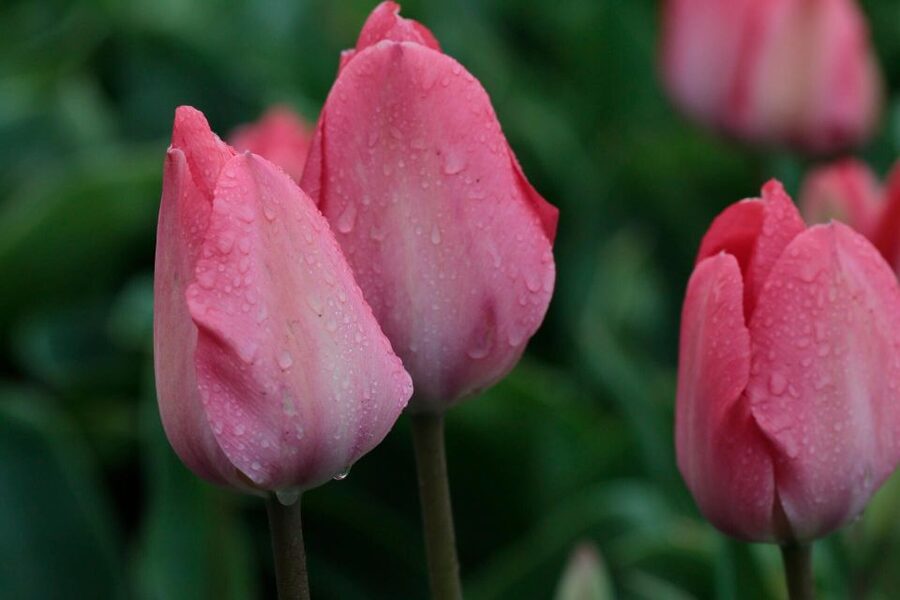
The first listed photo stop is in Lisse and lasts about 15 minutes. Lisse is one of the best-known names in the Dutch bulb region, so this is where the scale of the spring fields starts to make sense.
Fifteen minutes is enough for a quick walk, a few photographs, and a look across the rows, but it is not a long independent exploration. You should treat this as an introduction rather than a full visit. The guide will help you make the most of the stop, especially if the best view is a short distance from the van.
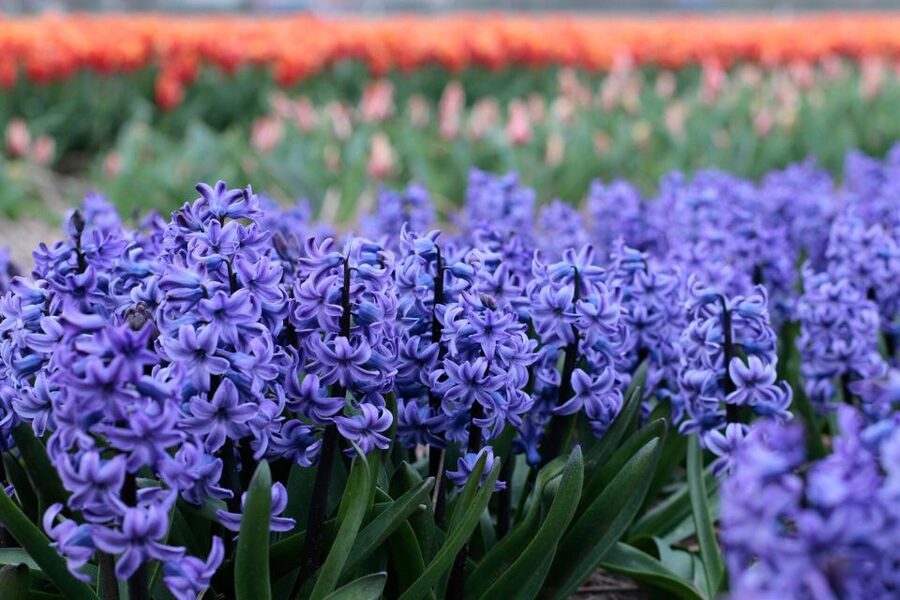
The fields can include blooming hyacinths, daffodils, and several tulip varieties. Their color and timing are controlled by weather, so the exact mix may differ from one date to another. The tour is at its most rewarding when the flowers are open across broad stretches, but spring conditions are never fully predictable.
The small group helps here. Seven people can get out, gather, and return to the van quickly. A large coach group would need more time simply to move from vehicle to field.
The farming story behind the flowers
A major reason to choose this trip is the explanation of how the bulb industry works. The guide talks about tulip history, cultivation, propagation, and the way farmers grow the flowers.
This adds useful context to what you see. The colorful blooms are not simply planted for visitors. They are part of a crop cycle, and the fields are managed with the next generation of bulbs in mind. That makes the countryside feel less like a stage set and more like a place of work.
The Dutch tulip story also has an art and culture side. The tour connects the flowers to Dutch history and cultivation traditions, while some departures may include views of working windmills. One recent experience specifically included sawmills still in operation, but windmills are not listed as a guaranteed stop, so you should regard that as a possible bonus rather than a promise.
Leander receives especially strong praise for this part of the outing. He is described as a local guide with extensive knowledge of tulip farming, windmills, and Dutch history. That local perspective is valuable because the fields can look similar at first glance. A good explanation helps you understand why the area matters.
Same corner of the map, a different planting:
- Amsterdam: Day Tour Keukenhof and Zaanse Schans Windmills
★ 4.5 · 1,549 reviews - Amsterdam: Keukenhof and Zaanse Schans Windmills Guided Day Trip
★ 4.5 · 1,063 reviews - Go City Amsterdam Pass: 40+ Attractions including Keukenhof
★ 4.3 · 1,011 reviews - Amsterdam: Keukenhof Entry & Shuttle Bus with Flexible Return
★ 4.5 · 754 reviews
De Tulperij: apple pie and a proper pause
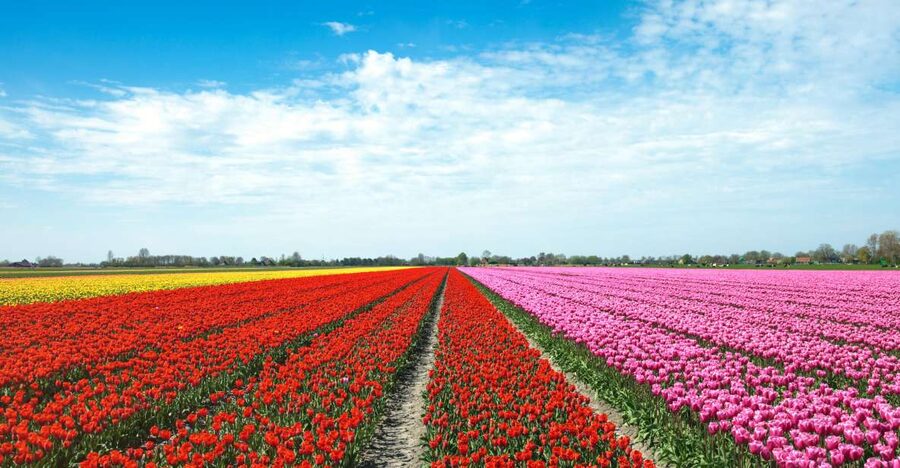
After the first field visit, the van continues for about 20 minutes to De Tulperij in Voorhout. You spend about an hour and a half here, making it the longest stop of the day.
This is where the tour slows down. You can enjoy Dutch apple pie with coffee or tea, along with local snacks. The apple pie is not a minor refreshment tucked into a rushed schedule. It is part of the character of the outing, and the generous stop gives you time to sit, talk, and ask more questions.
For many people, this will be the most comfortable section of the tour. Five hours of flower viewing can become tiring if every stop is hurried. De Tulperij provides a welcome break before the final field visit. It also gives the guide more time to explain farming in a relaxed setting.
The stop is not a full meal, so plan your expectations accordingly. The included food is Dutch apple pie, coffee, and tea, with local snacks listed as part of the visit. If you need a substantial lunch, you should make separate plans for later.
Voorhout and the final countryside views
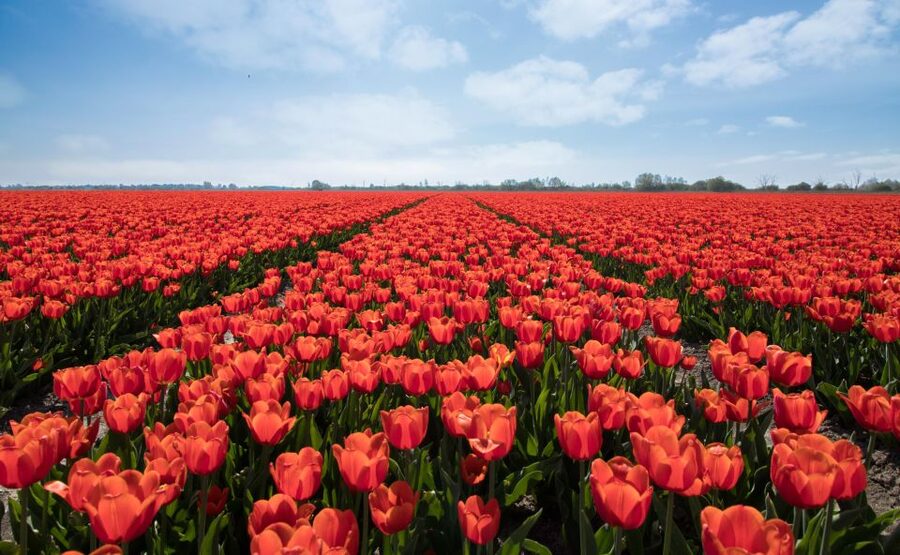
After De Tulperij, the van travels about 20 minutes to Voorhout for another 15-minute photo stop. This second look at the fields breaks up the return journey and gives you another chance to photograph flowers under different conditions.
The value of this stop depends heavily on the day’s blooms and the guide’s choice of location. That is a normal limitation of a seasonal farm tour. The flowers are living crops, not permanent exhibits, and the most photogenic field can change from week to week.
Still, the two photo stops create a better rhythm than one single roadside pause. You first see the bulb region around Lisse, learn what you are looking at, take a break at De Tulperij, then return to the countryside with more context. The tour ends with the drive back to Amsterdam and arrival at Oosterdokskade 4.
Is $200 a fair price?
At $200 per person, this is not a cheap way to see spring flowers. The value comes from the small group and the amount of guiding rather than from the number of formal attractions.
Your price includes round-trip transportation from Amsterdam by van, water onboard, Dutch apple pie, coffee, and tea. It also covers five hours of the guide’s time and access to a small-group format limited to seven participants. You are paying for a focused countryside trip rather than simply buying entry to a garden.
I think the price makes the most sense for a first visit to the Netherlands, a special spring trip, or anyone who dislikes large coach excursions. It is less compelling if you only want a short photograph beside tulips or already have easy access to the bulb fields by car.
The small van is a real part of the value. It can use rural roads and stop in places large buses cannot. The guide’s local knowledge also helps you avoid wasting the limited bloom season on a poorly timed or overly crowded outing.
Timing, crowds, and the short bloom window
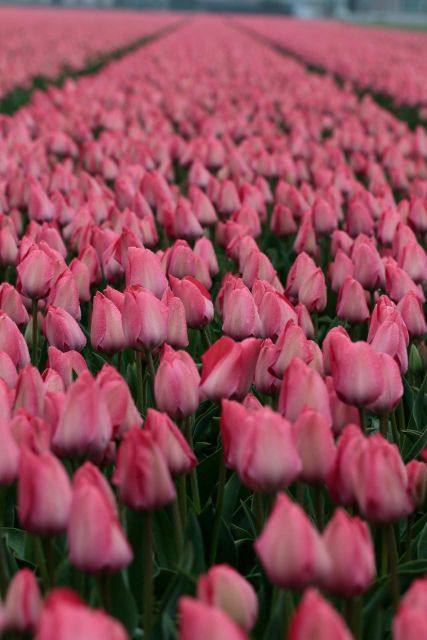
The best stated period for viewing is April 7 through April 30. You should use that window when planning, but do not read it as a guarantee that every flower will peak on every date.
The tour begins in the morning, and one early departure was appreciated because it helped avoid crowds. That is a useful reason to accept an early start. Spring flower areas become busy, and a small group can move more easily before the roads and photo spots fill up.
The bloom sequence also matters. Hyacinths and daffodils may be strong earlier, while tulips often provide the main show later in the season. Weather can shift the timing, so you should book with some flexibility if the flowers are the central reason for your visit.
Free cancellation up to 24 hours in advance and the option to reserve now and pay later are useful safeguards. They do not remove the weather risk, but they give you some room to adjust your plans.
Who will enjoy this tour most?
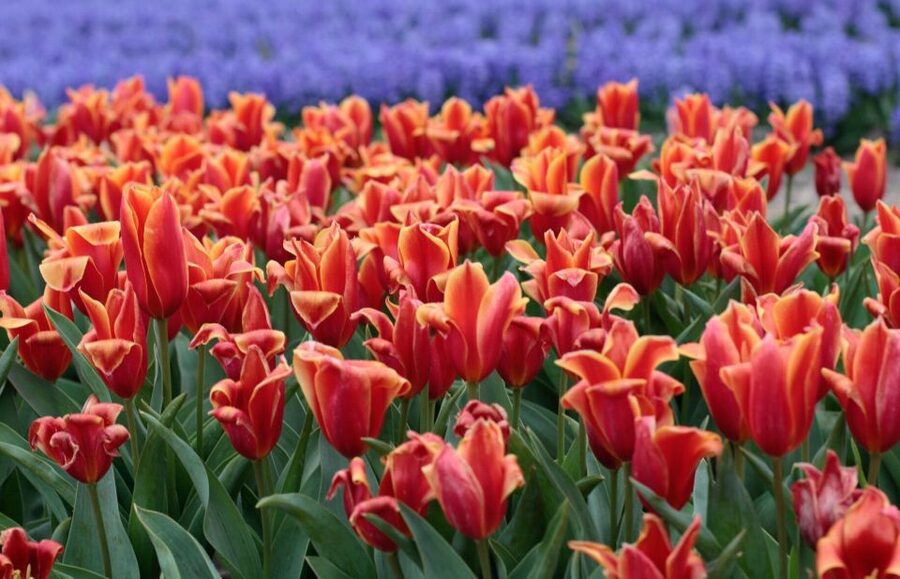
I would choose this for you if you want:
- A small, personal group rather than a big coach
- Rural views and working flower fields
- Clear explanations about tulip farming and Dutch history
- A guide who can answer questions and take photographs
- A relaxed food stop with Dutch apple pie
- A half-day trip that returns to Amsterdam the same day
It also suits photographers who want several field viewpoints without arranging a rental car. Families with older children may enjoy the colors and open countryside, though the tour is not designed around a stroller and baby strollers are not allowed.
You should think twice if you need wheelchair access, since the experience is not suitable for wheelchair users. You may also prefer another option if you want a long, self-guided visit at one major flower park. The field walks and photo stops are shorter, and the tour’s focus is the wider bulb-growing region.
Practical details that can affect your day
The tour lasts five hours, but only part of that time is spent walking among flowers. You have roughly one hour in the van on the way out, 20-minute transfers between stops, and the return drive. Comfortable clothes are the sensible choice, especially since the countryside may be breezy or damp.
The exact starting time varies, so check availability before booking. The only stated tour language is English, and the group is limited to seven participants.
You should arrive at Lot61 under the DoubleTree by Hilton Hotel, not simply at a general location around Central Station. Large bags and luggage are not allowed, so leave suitcases at your accommodation. Water is provided onboard, but bring anything else you need for a five-hour outing within the stated restrictions.
The experience provider is Amsterdam countryside tours. The guide is one of the main reasons this format works. Leander is repeatedly praised for being friendly, funny, well informed, and attentive, while Leo and Leandro are also named in the supplied tour material. Since guide assignments can vary, do not assume every departure will be led by the same person.
Should you book the tulip fields tour?
Book it if you want the working countryside behind the famous flower pictures, a very small group, and a guide-led explanation of Dutch bulb farming. The mix of field photographs, a farmer visit, apple pie, and rural driving gives the five hours a clear sense of place.
Skip it if you want a formal garden with long hours to wander independently, need wheelchair access, or cannot travel during the short spring bloom period. At $200, the tour rewards people who value personal guiding and easy transport more than the lowest possible price.
For the best chance of seeing broad rows in flower, aim for April 7 through April 30, accept an early start, and travel light. That is when this small van, local guide, and farm-based route make the strongest case for themselves.
FAQ
How long is the tulip fields tour?
The experience lasts five hours, including transportation from Amsterdam, photo stops, the visit to De Tulperij, and the return journey.
Where does the tour begin?
The meeting point is Lot61 coffee place under the DoubleTree by Hilton Hotel at Oosterdokskade 4. From Amsterdam Central Station, walk east to Lot61.
What is the price?
The listed price is $200 per person.
How many people are in the group?
The tour is limited to seven participants and uses a small van.
What language is the tour conducted in?
The tour is conducted in English with a live guide.
What is included in the price?
Round-trip transportation by van, water onboard, Dutch apple pie, coffee, and tea are included.
When is the best time to see the flower fields?
The stated best viewing period is April 7 through April 30. Bloom conditions can vary by year and date.
Are tulips the only flowers I will see?
No. The experience includes blooming tulips, hyacinths, and daffodils, with different tulip varieties possible.
Can I bring luggage or a baby stroller?
No. Baby strollers, luggage, and large bags are not allowed.
Is the tour suitable for wheelchair users?
No. The experience is not suitable for wheelchair users.
Just added around Amsterdam
- Discover Holland’s Beautiful Tulip Fields with an Expert Guide★ 5.0 · 100 reviews
- Private Guided Keukenhof Gardens and Zaanse Schans Tour★ 5.0 · 7 reviews
- Amsterdam Private Tour to Keukenhof, Tulip Fields and Windmills★ 5.0 · 28 reviews
- Private Tour Tulip Gardens (Keukenhof) and Dutch highlights★ 5.0 · 2 reviews
- Tulip Paradise: Keukenhof Half-Day Private Tour★ 5.0 · 17 reviews
- Keukenhof, Flower Fields, Volendam and Zaanse Schans Small-Group Tour★ 4.0 · 23 reviews
- Sightseeing Keukenhof Tulip fields, Giethoorn tour from Amsterdam★ 5.0 · 2 reviews
- Private Tour to Tulips, Keukenhof, Windmills & Cheese Farm★ 5.0 · 4 reviews
Amsterdam Garden Tours, compared.
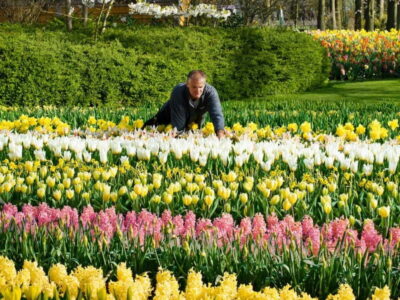
Keukenhof Entry & Shuttlebus with Flexible Return
Read our review →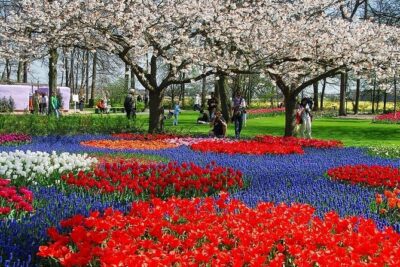
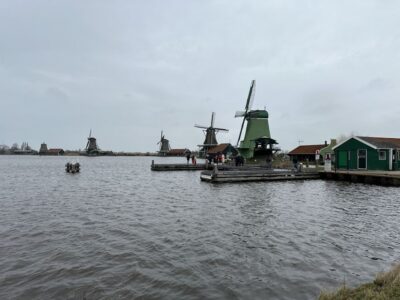
Day Tour Keukenhof and Zaanse Schans Windmills
Read our review →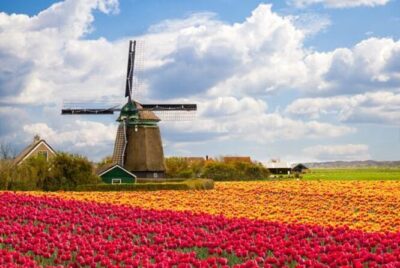
Keukenhof and Zaanse Schans Windmills Guided Day Trip
Read our review →
Go City Amsterdam Pass: 40+ Attractions including Keukenhof
Read our review →
Keukenhof Entry & Shuttle Bus with Flexible Return
Read our review →
Browse the lists this tour appears in