
Review · MALTA GARDEN TOURS
Mysterium Fidei Monastery & Secret Garden in Valletta
Mysterium Fidei opens a door that was closed to the public for more than 400 years. Inside St Catherine’s Monastery, you can see the original kitchens, washrooms, bedrooms, and crypts once used by women who took vows never to leave their cloistered home. It is a rare look at private religious life in the center of Valletta.
I like the peaceful garden and the way the audio guide gives meaning to otherwise bare rooms. I also like the honest, untouched feel of the place, including its small chapel and burial crypt. The main drawback is important: only the ground floor is open, and the garden is quite small, so visitors expecting a large complex or rooftop view may feel shortchanged.
Key things to know before you go
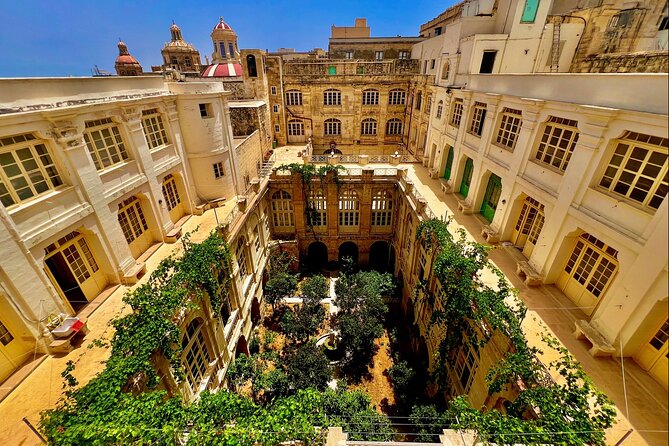
- A 400-year-old garden door: The enclosed garden was closed to the public for centuries and now offers a quiet break from Valletta’s busy streets.
- Original working spaces: You can see the monastery kitchens, bedrooms, washrooms, and other rooms connected with daily life.
- A ground-floor visit: The upper floors remain part of the closed cloister, so the advertised views are not available from inside.
- An audio-led experience: An English audio guide explains the rooms and the lives of the cloistered nuns.
- A compact, reflective stop: Allow 30 minutes for a quick look, or up to 90 minutes if you read carefully and spend time in the garden and crypt.
- Good value at $12.10: The price is reasonable for a distinctive Valletta experience, provided you understand its modest size and limited access.
Entering St Catherine’s Monastery in Valletta
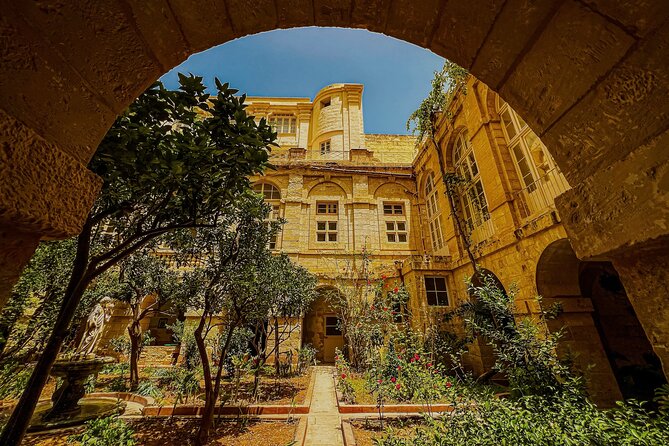
Mysterium Fidei is located at St Catherine’s Monastery in the heart of Valletta. This is not a grand palace tour with sweeping halls and grand staircases. It is a quieter place, focused on daily life inside a religious community that lived apart from the outside world.
The monastery is associated with a community of cloistered nuns. On joining, the women took vows that meant they would not leave the monastery. Their world was contained within the walls, with work, prayer, meals, and burial all taking place within the same setting.
That fact gives the visit its weight. You are not simply looking at old stone rooms. You are seeing the practical spaces that supported a highly restricted way of life. The kitchens, washrooms, bedrooms, and crypt help you picture how the community functioned from day to day.
The experience is self-guided, with an English audio guide explaining the rooms and their history. That suits the setting. You can move at your own pace rather than following a guide through a fixed talk, and you have time to pause in the garden or spend longer in the crypt.
More Garden Tours in the world:
- Paris: Versailles Palace and Gardens Full Access Ticket
★ 4.6 · 41,579 reviews - Amsterdam: Keukenhof Entry & Shuttlebus with Flexible Return
★ 4.7 · 11,891 reviews - Versailles: Skip-the-Line Tour of Palace and Gardens Access
★ 4.7 · 10,429 reviews
The original kitchens and daily rooms
The most useful part of the visit is the chance to see ordinary rooms rather than only ceremonial spaces. Original kitchens and washrooms show the work behind monastic life. Bedrooms and living quarters give you a more direct sense of how the nuns spent their days.
These rooms are not lavish. Their plainness is part of the point. The atmosphere comes from the lack of heavy restoration and the feeling that the spaces were left close to their former condition. You may find the rooms sparse, but that sparseness makes the visit more honest.
The audio guide helps connect each space to the people who used it. Without that explanation, a small room or old kitchen could be easy to pass over. With it, you can consider how the community managed food, hygiene, prayer, and household work while remaining shut away from ordinary city life.
I recommend listening carefully rather than rushing from room to room. The visit is short enough that you do not need to choose between every stop, but the place rewards a slower pace. If you are interested in social history, religious life, or the history of women in Malta, these modest spaces may hold more interest than a highly decorated church.
The Secret Garden after four centuries
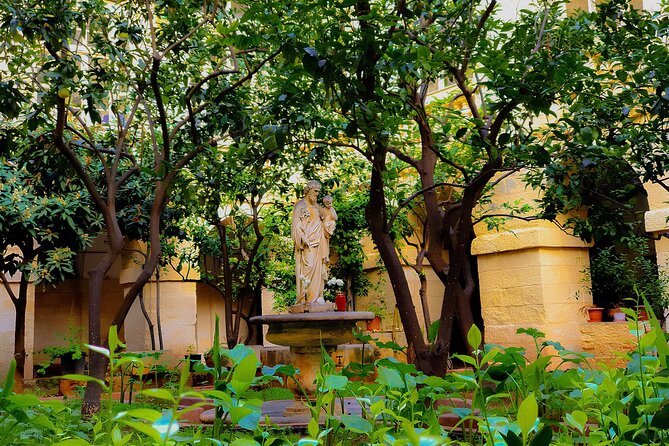
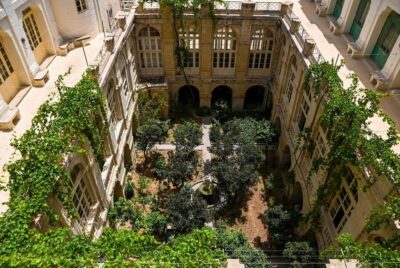
The Secret Garden is the emotional center of the experience. It is an enclosed garden in the middle of Valletta, a city known for its dense streets and stone buildings. Once you step into it, the noise and movement of the surrounding city feel more distant.
Do not picture a vast formal garden. The space is tiny, as the name might suggest, but its small scale suits the story. This was not a public park. It was a private refuge for women who lived inside the monastery and had little contact with the world beyond its walls.
The garden offers a place to sit, look around, and consider that isolation. Its value is less about the number of plants or the size of the grounds and more about its setting. In a compact city, even a small patch of enclosed green can change the pace of your day.
It is also the best area for photographs. The old walls, quiet corners, and garden details make attractive images, though the experience is more about atmosphere than a long list of photo spots. Bring your camera, but leave time to simply enjoy the calm.
The audio guide explains the garden’s story and its connection to the cloistered nuns. This added context makes it more than a pretty courtyard. You begin to understand why an enclosed garden mattered to women who could not walk into Valletta’s streets.
The crypt and the monastery’s final resting place
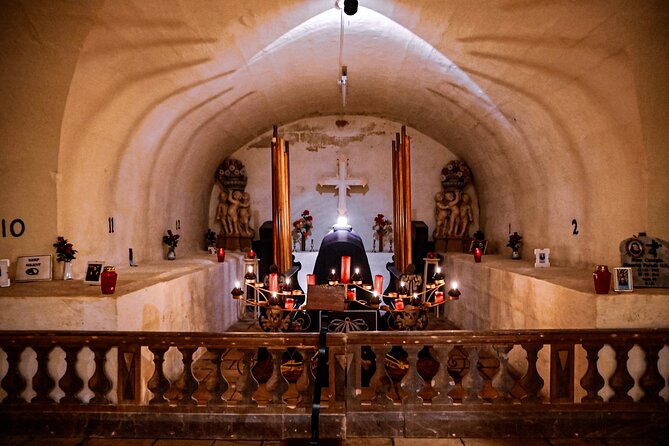
The crypt is one of the most memorable parts of the visit. It was the final resting place of the sisters, who were buried within the monastery walls. Their separation from the outside world continued even after death.
This room is stark and serious. It does not offer the easy charm of the garden, but it gives the experience a stronger sense of human scale. You are reminded that the monastery was not just a workplace or residence. It was intended to be the nuns’ complete world.
The crypt also helps explain why the monastery feels different from a standard historic house. A historic house usually tells you how a family lived for a period of time. Here, the rooms represent a lifelong commitment, with the same walls holding the community’s work, worship, rest, and burials.
Visitors who enjoy quiet, contemplative places will likely spend longer here. If you prefer lively storytelling, grand architecture, or interactive displays, the crypt may feel austere. The audio guide provides useful context, but this is still a low-key experience built around observation.
Same corner of the map, a different planting:
- Marrakesh: Majorelle Garden Entry Tickets
★ 4.5 · 9,651 reviews - Vienna: Schönbrunn Palace & Gardens Skip-the-Line Tour
★ 4.7 · 7,739 reviews - Granada: Alhambra & Gardens Tour w/Nasrid Palaces Option
★ 4.2 · 7,022 reviews - From Paris: Versailles Palace & Gardens with Transportation
★ 4.6 · 6,222 reviews
A small chapel and other details
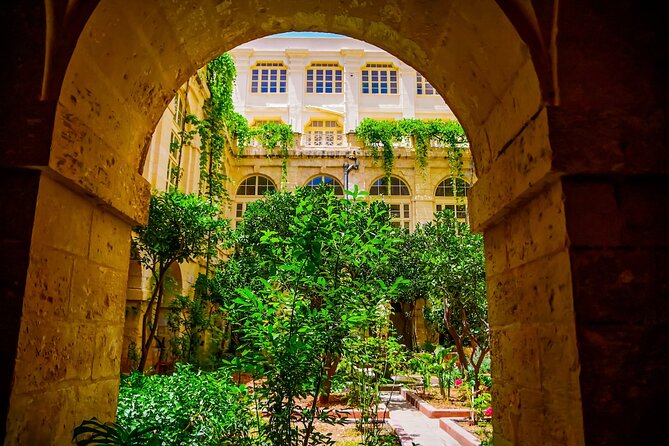
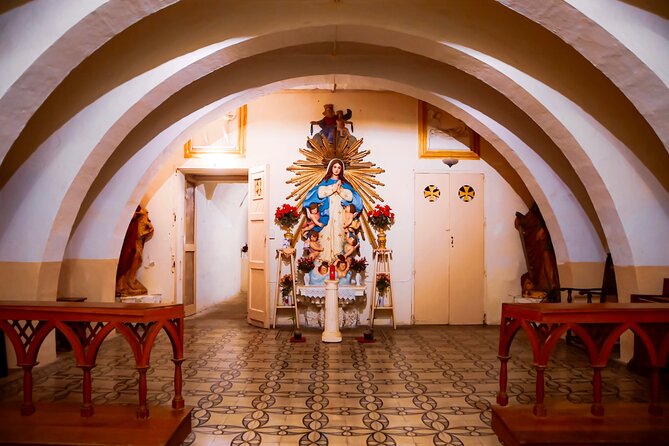
The monastery includes a small chapel, adding a religious focus to the domestic rooms and garden. It is not described as a vast cathedral space, so you should set your expectations accordingly. Its appeal is the relationship between the chapel and the rest of the cloistered setting.
A relic connected with the Holy Cross is also associated with St Catherine’s Monastery, with an authenticity certificate under Vatican seal. This is an important detail for visitors interested in Catholic history and relics, though the central experience remains the monastery rooms, garden, and crypt.
You may also see signs of the living community connected with the site. The monastery is still operating, and the upper floors are not open to the public. That restriction is not a missing part of the tour. It reflects the fact that the nuns continue to live a cloistered life.
This distinction matters when you look at photographs used to promote the experience. Some images may suggest access to higher levels or views that you will not receive during the visit. The public route is at ground level, and you should book with that in mind.
What the audio guide adds
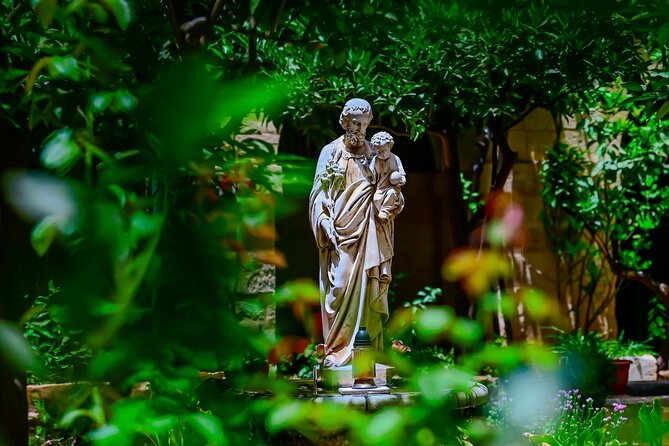
The English audio guide is central to the visit. Without a guide, you would see old rooms and a garden but miss much of the meaning behind them. The narration explains how the nuns lived and why the monastery’s spaces were arranged as they were.
I like audio guides in places such as this because they allow a personal pace. You can stop to study a room, move ahead when the information is less relevant to you, or return to a detail that catches your attention. There is no need to keep up with a group.
The audio format also fits the monastery’s quiet mood. This is not a tour that needs loud commentary in every room. The information arrives in short sections while the building itself provides the atmosphere.
The available language is English. No individual guide’s name is provided, so you should expect a recorded, self-guided visit rather than a tour led by a named local expert.
How long to allow and when to visit
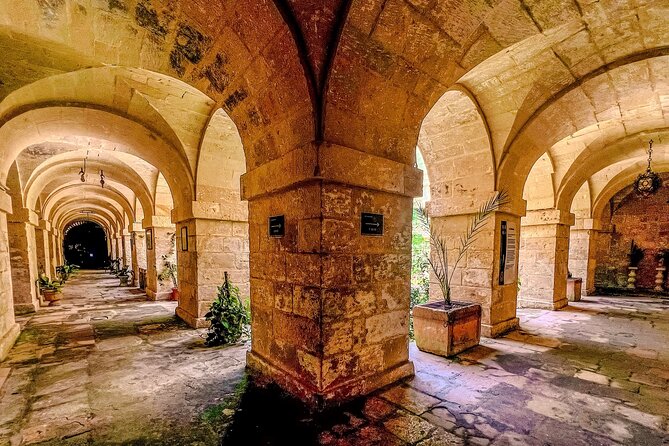
The stated duration ranges from 30 minutes to 1.5 hours. I would allow about an hour for a comfortable visit. Thirty minutes works if you move briskly and focus on the main rooms, garden, and crypt. Ninety minutes gives you time to listen to more of the audio guide and enjoy the garden without rushing.
Opening hours are listed as 10 a.m. to 5 p.m., Monday through Sunday, for the period from January 6, 2025, through May 31, 2026. Since opening information can change, check the details for your chosen date before setting out.
The location near Valletta’s public transport makes it easy to combine with other city sights. You can treat it as a short cultural stop between churches, museums, and harbor viewpoints. The best use of your time depends on your interests: history-minded visitors may stay over an hour, while others may see it as a peaceful half-hour pause.
Because the monastery remains active, the experience may feel more limited than a fully converted museum. I see that as both a strength and a restriction. You get a look at a place that still has a religious purpose, but you cannot wander freely through every room.
Is $12.10 good value?
At $12.10 per person, Mysterium Fidei is fairly priced for Valletta. You are paying for access to a place that was closed to the public for centuries, along with an audio explanation of its history. The unusual setting gives it more value than a simple garden admission.
The price makes the most sense if you enjoy authentic domestic details, quiet religious sites, and stories about how people lived. The kitchens, washrooms, bedrooms, and crypt create a connected picture rather than a single impressive room.
Value drops if you expect a large garden, extensive grounds, upper-floor access, or panoramic views. The garden is small, and much of the monastery remains private. If you have only a few hours in Valletta and want major monuments, you may prefer to spend your money elsewhere.
For many visitors, the best comparison is not with a major museum. It is with a small historic site that gives you a different kind of experience. At this price, the visit works well as an addition to a day in Valletta, especially because it can be completed in under 90 minutes.
Who should book this experience?
I would recommend Mysterium Fidei to people who enjoy places with a quiet mood and a clear human story. It suits visitors interested in religious history, women’s history, historic interiors, photography, and unusual corners of Valletta.
It is also a good choice if you need a break from crowded streets. The garden gives you a calm place to pause, and the audio guide lets you set your own rhythm.
Families can participate, and most people can take part. Service animals are allowed, and the site is near public transportation. Still, the serious crypt and the bare rooms may appeal more to older children and adults than to very young children looking for an active attraction.
You should be cautious if you are booking mainly for the view shown in promotional photographs. Upper floors are not open, and the visit stays at ground level. The garden is attractive but compact, so it is better described as a quiet courtyard oasis than as a major garden tour.
Should you book Mysterium Fidei?
Book it if you want a short, unusual Valletta experience that shows how cloistered nuns lived behind monastery walls. The crypt, original working rooms, and enclosed garden offer a more personal story than another quick look at a grand church interior.
Skip it if you need a large attraction with extensive rooms, dramatic views, or a long guided program. For everyone else, $12.10 is a sensible price for a peaceful stop with real historical character. Free cancellation is available up to 24 hours before the start time, which gives you some flexibility when planning your Valletta day.
FAQ
Where is Mysterium Fidei located?
It is located inside St Catherine’s Monastery in Valletta, Malta, in the heart of the city.
How much does the experience cost?
The listed price is $12.10 per person.
How long does a visit take?
The visit takes approximately 30 minutes to 1 hour and 30 minutes. A one-hour visit gives you time to use the audio guide and see the main rooms, garden, chapel, and crypt without rushing.
What can I see inside the monastery?
You can see the original kitchens, bedrooms, washrooms, and other ground-floor areas. The visit also includes the crypt, a small chapel, and the Secret Garden.
Are the upper floors open to the public?
No. The upper floors remain part of the closed cloister, so the public visit is limited to ground-level areas.
Is the experience guided?
The experience includes an English audio guide. No named in-person guide is specified.
What are the opening hours?
The stated opening hours are 10 a.m. to 5 p.m., Monday through Sunday, for January 6, 2025, through May 31, 2026.
Can I cancel my booking?
Yes. You can cancel for a full refund if you do so at least 24 hours before the experience begins. Changes or cancellations made less than 24 hours before the start time are not accepted for a refund.
Just added around the world
- Hillsborough Castle Gardens Entrance Ticket★ 4.7 · 47 reviews
- Himeji: Himeji Castle & Kokoen Garden 3.5-Hour Guided Tour★ 4.9 · 30 reviews
- Hantan Canyon & Goseokjeong Flower Garden & Pink Muhly Park★ 5.0 · 4 reviews
- Hillegom: Tulip Barn Entry Ticket★ 4.6 · 81 reviews
- Heidelberg: Heidelberg Castle Garden & Outside Private Tour★ 4.9 · 18 reviews
- Versailles: Skip-the-Line Versailles Palace and Gardens Tour★ 4.7 · 110 reviews
- Hanover: Royal Gardens of Herrenhausen Guided Tour★ 4.6 · 78 reviews
- Hatta Safari & Honey Bee Garden Visit★ 4.8 · 52 reviews
Malta Garden Tours, compared.
Valletta: Monastery and Secret Garden Entry Ticket
Read our review →
Mdina, Rabat, Dingli cliffs, San Anton gardens, Ta’ Qali & Mosta guided tour
Read our review →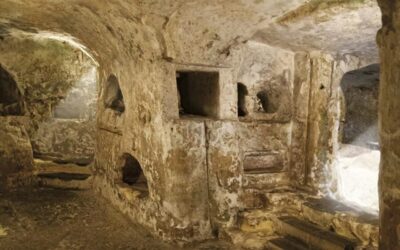
Browse the lists this tour appears in