
Review · SRI LANKA GARDEN TOURS
Ella: Nine Arch Spice Garden Tour with Traditional Lunch
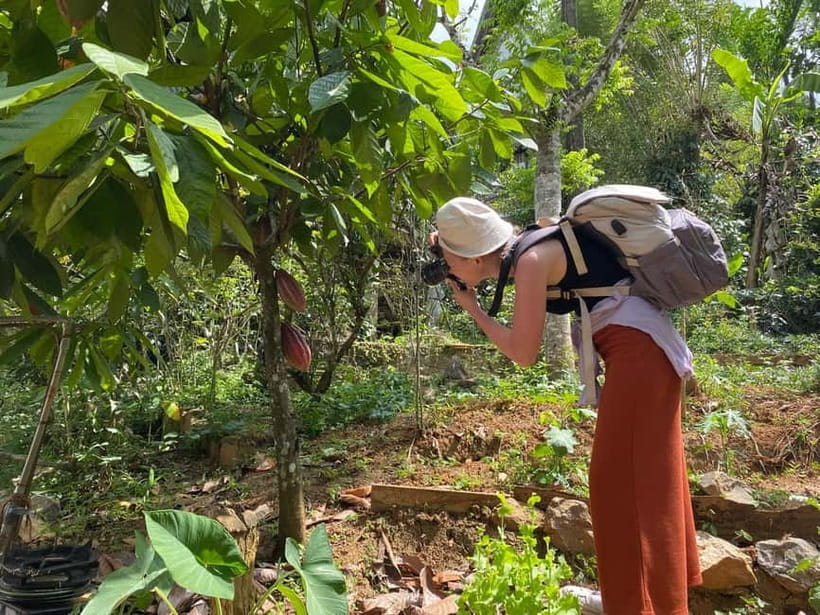
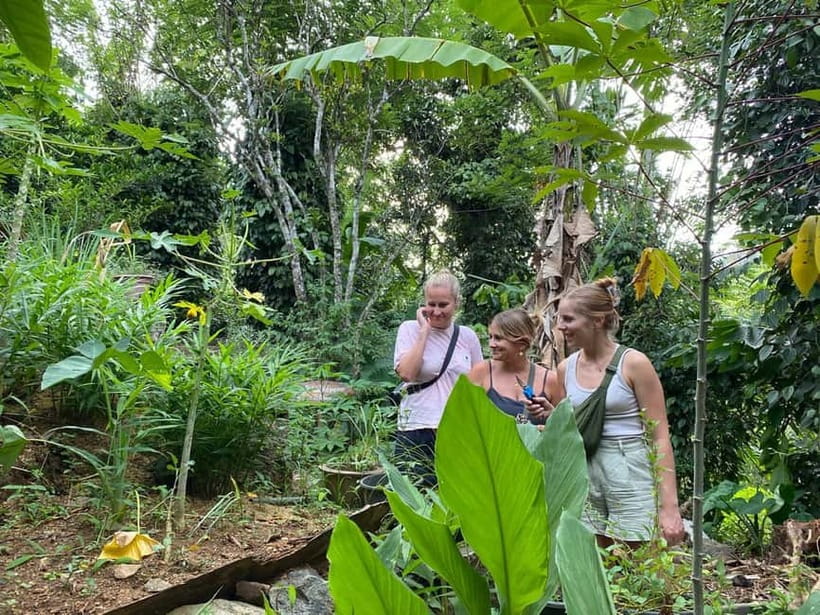
The best part of this 2.5-acre spice garden is that you see familiar cooking ingredients where they grow. Vanilla, cocoa, cinnamon, clove, nutmeg, curry leaves, and garcinia become real plants rather than names on a restaurant menu. The setting is quiet, green, and easy to explore at a gentle pace.
I like two things here: the small group of up to eight keeps the garden walk personal, and the cooking session turns the visit into something you can understand and taste. The six-curry lunch is a generous way to finish. The main consideration is time. At 2.5 hours, this is an introduction rather than a full agricultural tour, so spice enthusiasts may wish for a longer visit.
Key points to know before you book
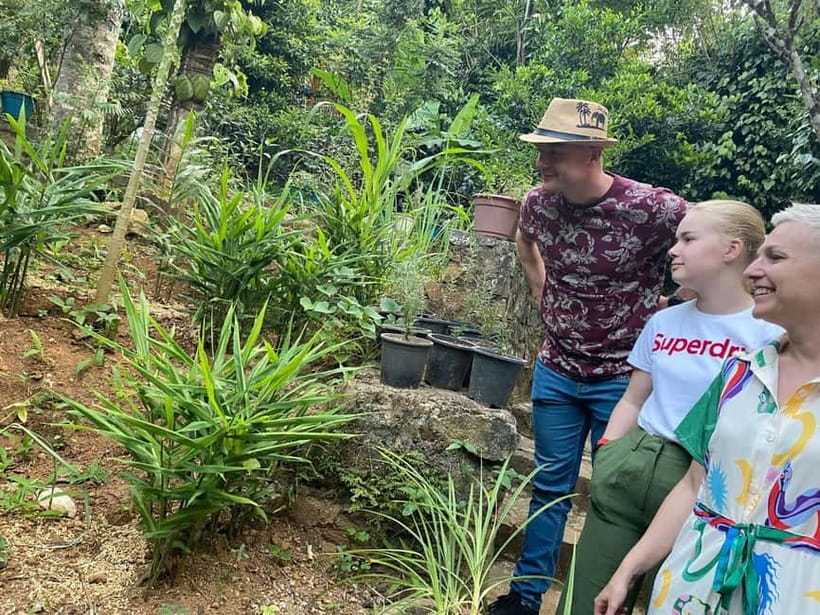
- A 2.5-acre garden gives the tour room to breathe: You walk among garcinia, vanilla, cocoa, curry leaves, nutmeg, clove, cinnamon, and other plants instead of simply viewing spice samples indoors.
- The meal includes six Sri Lankan curries: This is not just a tasting spoonful. You get a traditional lunch with dessert after learning about spice-based cooking.
- Sam and the team lead the experience: The available feedback specifically praises the explanations from the guide and the warm welcome from Sam and the team.
- The group limit is eight people: You have a better chance to ask questions and follow the cooking demonstration closely than on a large coach outing.
- You can buy spices at the end: The sales room lets you take home ingredients connected to the garden.
- The $20 price covers the main experience: Garden access, an English-speaking guide, the interactive lunch, six curries, and dessert are included.
Start with the plants, not the plate
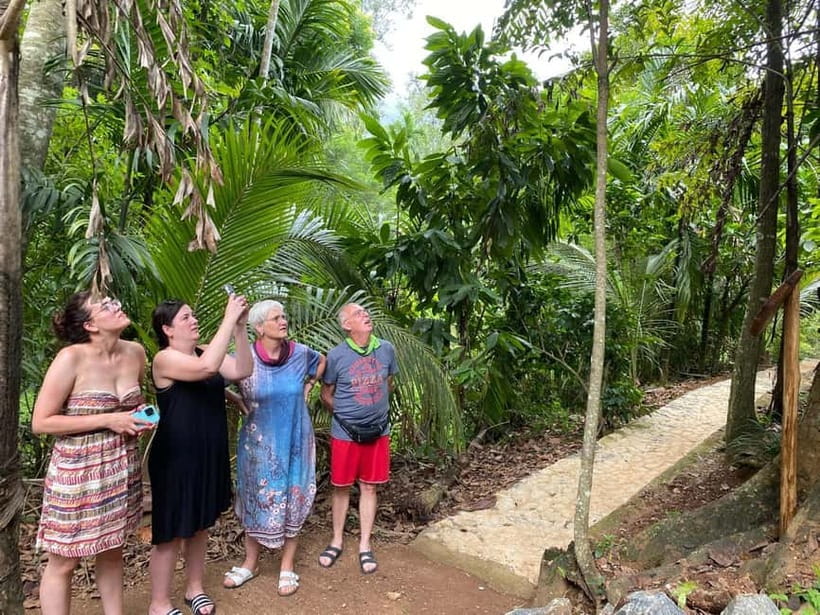
The garden walk is the heart of the experience. You move through a 2.5-acre growing area filled with spice plants, herbs, and other useful crops. That size matters. It should feel more like a short countryside walk than a quick stop beside a display table.
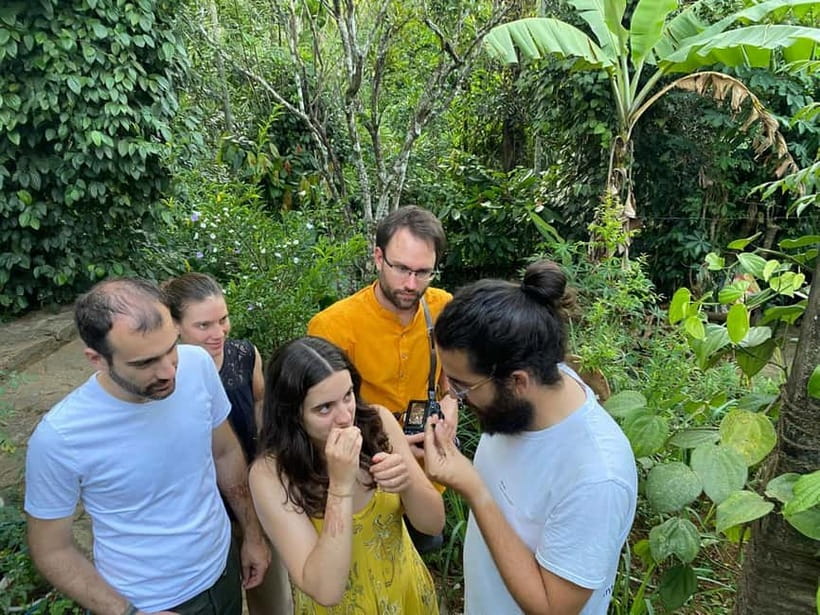
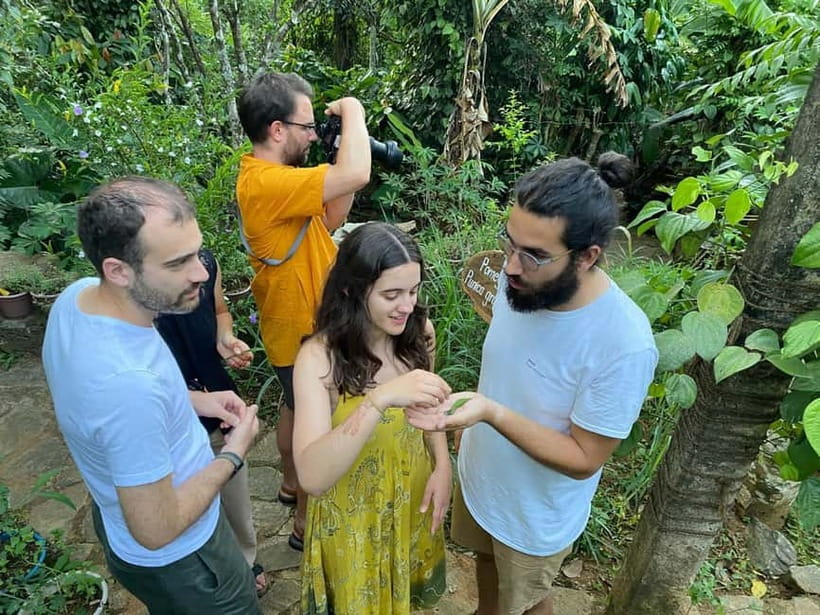
The guide explains what you are seeing as you go. For a first visit to a Sri Lankan spice garden, that context makes a difference. A spice is not just a dried brown stick or a small packet from a shop. It begins as bark, leaf, seed, pod, fruit, or flower, and each plant has its own shape and growing habit.
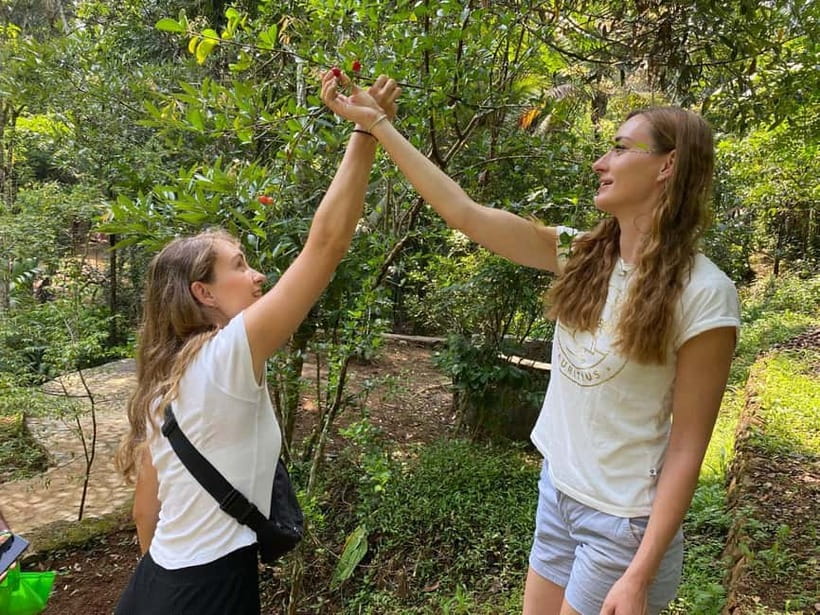
Garcinia, vanilla, cocoa, curry leaves, nutmeg, clove, and cinnamon are among the plants included. You can expect the guide to connect these crops with their use in Sri Lankan cooking. The walk is especially useful if you enjoy food but do not know how the ingredients are produced.
The garden also gives you a break from Ella’s more famous sights. The Nine Arch name may catch your attention, but this experience is focused on plants, food, and local spice traditions rather than railway photography or a viewpoint. It offers a slower activity for a morning or afternoon when you want something hands-on.
The path details are not specified, so sensible shoes are a good idea. You should also expect an outdoor setting, with the usual need to be comfortable walking through a garden. The activity is listed as wheelchair accessible, which is helpful, though you may want to confirm the exact route and surface when booking if access is important to you.
More Spice and Herb Gardens in the world:
- Ella : Cooking class with amazing Spice Garden Tour
★ 5.0 · 239 reviews - Alcamo Farm Animals and Aromatic Garden
★ 4.0 · 45 reviews - Day Tour to Elephant Orphanage / spice garden
★ 5.0 · 20 reviews
Why the guide matters in a spice garden
A garden can be pleasant without much explanation, but it is the guide who turns the plants into a lesson. This tour includes an English-speaking guide, and the small group limit means you are not lost in a crowd while the information is being given.
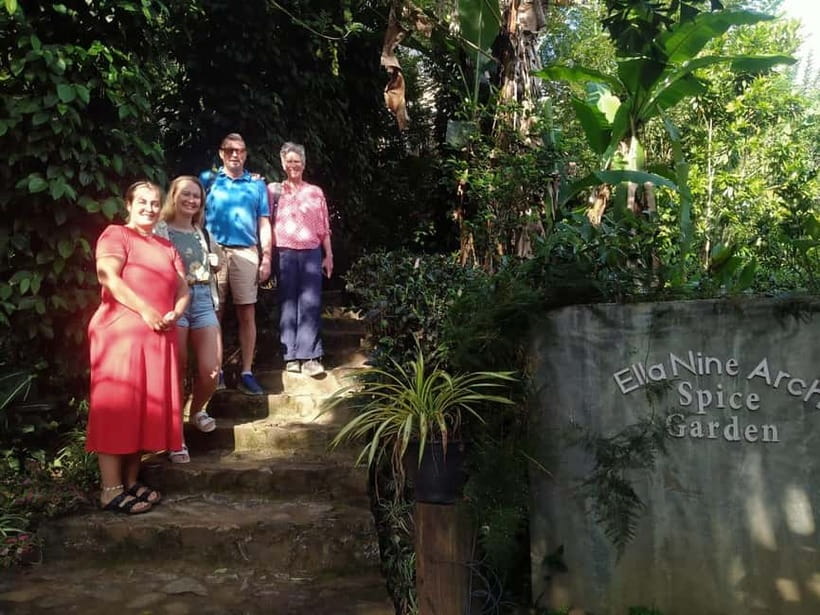
Sam and the team are named as the people welcoming and hosting the experience. The strongest available feedback praises the amount of explanation during the garden walk and the friendly reception. That points to the human side of the tour, not just the setting.
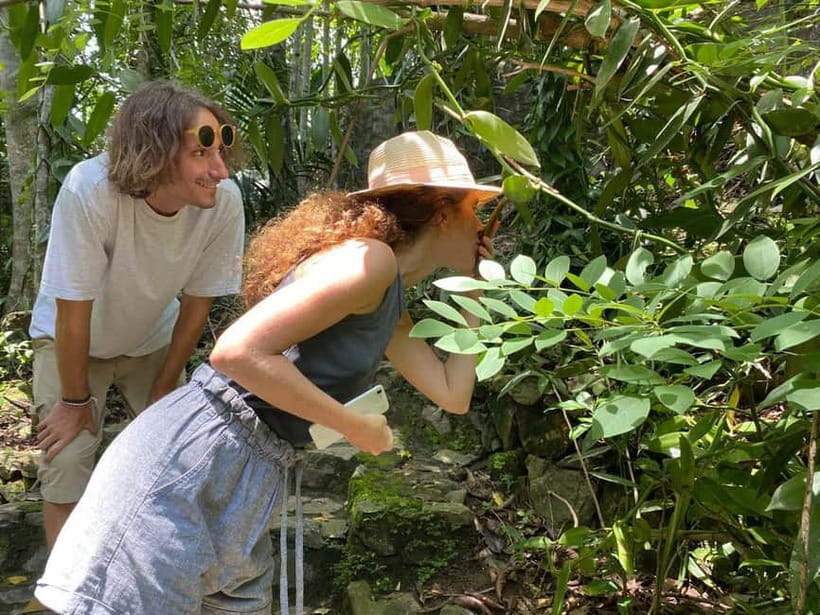
You should use the walk to ask practical questions. Which part of the plant is used? How does a fresh ingredient differ from the dried version? Which spices are common in Sri Lankan curry? The supplied details do not promise a particular number of plants or a formal botany lesson, so do not book this expecting a technical farming course.
Instead, think of it as a food-focused introduction. You see the raw ingredients, hear how they fit into cooking, then sit down to eat the result. That simple order gives the visit a clear sense of purpose.
The cooking lesson brings the spices into focus
After the garden walk, the activity moves from growing to cooking. You learn how Sri Lankan curry is prepared in an interactive session, rather than simply being handed a finished meal. That is the part I would value most if I wanted to remember the experience after returning home.
The available feedback specifically highlights learning to cook Sri Lankan curry and finding the food delicious. You should expect participation and explanation, though the supplied information does not give a detailed list of tasks or recipes. The exact dishes may vary, so approach the lesson as a practical introduction rather than a fixed cooking school syllabus.
The timing also works well. After seeing cinnamon, curry leaves, nutmeg, clove, and other plants in the garden, you can place them in a familiar culinary setting. A spice lesson makes more sense when it leads directly to a meal.
This is also a good activity for people who enjoy food but are not confident cooks. You do not need to arrive as an expert. The guide’s role is to explain the process, and the group size allows room for questions. If you are already an experienced cook, you may find the lesson basic, but the garden setting and local meal still add value.
Six curries and a traditional Sri Lankan lunch
Lunch includes six Sri Lankan curries, along with a traditional dessert. That is a substantial part of what the $20 fee covers, and it makes the experience more than a walk followed by a small sample.
Six curries also give you a better sense of how Sri Lankan meals work. Instead of judging the cuisine from one dish, you get a range of preparations in a single sitting. The information does not name the individual curries, so do not expect to choose a menu in advance or rely on a specific favorite being served.
The meal is described as an interactive traditional lunch, linked to the cooking lesson. That combination is important. You are not just eating in a restaurant; you are learning about spice use and then trying the finished food.
Dessert completes the meal. No details are provided about its ingredients, so anyone with food allergies or strict dietary needs should ask the provider before booking. The same applies if you need vegetarian, vegan, or other special arrangements. The tour confirms six curries and dessert, but it does not state that special menus are available.
Allow yourself to enjoy the meal at an unhurried pace. The entire activity lasts 2.5 hours, so the garden walk, explanation, cooking session, and lunch all share the same time window. If food is your main reason for booking, you may wish the meal had more time, but the current format gives you a compact taste of the subject without taking half a day.
More Garden Tours in the world:
- Paris: Versailles Palace and Gardens Full Access Ticket
★ 4.6 · 41,579 reviews - Amsterdam: Keukenhof Entry & Shuttlebus with Flexible Return
★ 4.7 · 11,891 reviews - Versailles: Skip-the-Line Tour of Palace and Gardens Access
★ 4.7 · 10,429 reviews - Marrakesh: Majorelle Garden Entry Tickets
★ 4.5 · 9,651 reviews
The spice sales room is useful, with one small caution
The final stop is the spice sales room. This gives you a chance to buy spices and take home a practical reminder of the garden. I like this better than ending with a generic souvenir shop, because the products relate directly to what you have just seen and tasted.
You can use the sales room to continue the lesson. If you are unsure what to buy, ask which ingredients are easiest to use at home and how they should be stored. The tour information confirms that spices are available for purchase, but it does not list prices, packaging, brands, or payment methods.
That means you should treat shopping as an optional extra, not part of the $20 value calculation. The included value comes from the garden access, guide, cooking activity, six-curry lunch, and dessert. Anything you buy afterward will cost more.
It is also wise to avoid buying more than you can use. A small packet of cinnamon or curry seasoning may bring back the memory more successfully than a large collection that sits forgotten in a cupboard. Ask questions before purchasing, especially if you want whole spices rather than prepared blends.
Is $20 a fair price for 2.5 hours?
At $20 per person, this is priced as an accessible food-and-garden activity rather than a luxury dining experience. The fee includes several pieces: entry to the garden, an English-speaking guide, the interactive cooking session, a traditional lunch with six curries, and dessert.
That package gives the price a strong practical case. If you paid separately for a garden visit, a cooking lesson, and a full Sri Lankan meal, the total could easily become less convenient, even if the class itself is fairly simple.
The small group also improves the value. With a maximum of eight people, the guide can give explanations without addressing a large crowd, and you have a better chance of seeing what is happening during the cooking session. A private class is not promised, so do not expect one-to-one instruction.
The main limit is the short duration. Two and a half hours is enough for a well-shaped introduction, but not enough for a long garden study, a detailed cooking course, and a slow multi-course meal. I would call the price good for a first look at Sri Lankan spices and food, especially if you are already planning to eat lunch during the outing.
Who will enjoy this most?
This activity suits you if food is one of your main reasons for visiting Sri Lanka. It combines plants, local cooking, a shared meal, and a small amount of shopping in one compact visit.
It also works well for couples, families, and solo visitors who prefer a calm activity with a clear structure. The group limit of eight should make it easier to ask questions than on a large organized excursion.
You will probably get the most from it if you are curious about ingredients but do not know much about how Sri Lankan dishes are made. The garden gives you visual context, while the cooking session and meal show how those ingredients are used.
It may be less suitable if you want a strenuous outdoor walk, a long farm tour, or a formal culinary qualification. The available details describe a guided garden visit and interactive lunch, not a difficult hike or an advanced cooking course.
The experience is wheelchair accessible, which opens it to more people, but the exact route is not described. If you use a wheelchair, confirm the garden path and cooking area before arrival so you know how the access works in practice.
Timing, language, and booking flexibility
The activity lasts 2.5 hours, with starting times dependent on availability. That makes it fairly easy to fit around other plans, but you should check the schedule before choosing a day.
The live guide speaks English. No other guide language is listed, so English is the safest choice if you want to follow the plant explanations and cooking instruction fully.
You can cancel up to 24 hours ahead for a full refund. The reserve-now-and-pay-later option also gives you some flexibility while arranging your time in Ella. These policies are useful if your wider Sri Lankan itinerary is still shifting.
The group is limited to eight participants. That number is small enough for conversation but does not guarantee a private experience. If you want the quietest possible visit, ask how many places are already booked.
Should you book the Ella spice garden experience?
I would book this if you want an approachable introduction to Sri Lankan spices and cooking rather than another lookout or transport-heavy excursion. The strongest reasons are the direct connection between the garden and the meal, the six-curry lunch, and the small group format.
The experience is particularly good value for anyone who would otherwise pay for lunch and still wants a useful cultural activity. The garden walk may be too brief for serious horticulture enthusiasts, and the exact curry menu is not provided, so keep expectations realistic.
Choose it for the relaxed setting, the chance to learn from Sam and the team, and the opportunity to take home spices you have just seen growing. If those details appeal to you, the $20 price makes this an easy addition to an Ella itinerary.
FAQ
How long does the Ella Nine Arch Spice Garden experience last?
The activity lasts 2.5 hours.
What does the traditional lunch include?
The lunch includes six Sri Lankan curries and a traditional dessert.
Is a guide included?
Yes. An experienced, live English-speaking guide is included.
How many people can join the group?
The group is limited to eight participants.
Can I buy spices during the experience?
Yes. The tour includes a visit to the spice sales room, where you can purchase spices to take home.
Can I cancel the booking for a refund?
Yes. You can cancel up to 24 hours in advance for a full refund.
Just added around the world
- Hillsborough Castle Gardens Entrance Ticket★ 4.7 · 47 reviews
- Himeji: Himeji Castle & Kokoen Garden 3.5-Hour Guided Tour★ 4.9 · 30 reviews
- Hantan Canyon & Goseokjeong Flower Garden & Pink Muhly Park★ 5.0 · 4 reviews
- Hillegom: Tulip Barn Entry Ticket★ 4.6 · 81 reviews
- Heidelberg: Heidelberg Castle Garden & Outside Private Tour★ 4.9 · 18 reviews
- Hanover: Royal Gardens of Herrenhausen Guided Tour★ 4.6 · 78 reviews
- Hatta Safari & Honey Bee Garden Visit★ 4.8 · 52 reviews
- Versailles: Skip-the-Line Versailles Palace and Gardens Tour★ 4.7 · 110 reviews
Sri Lanka Garden Tours, compared.
Organic Cooking Class with Garden Visit by Sinhagiri
Read our review →

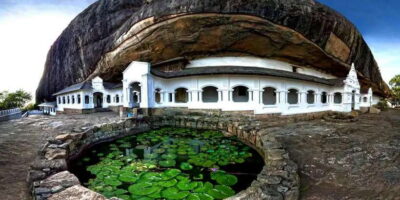
From Sigiriya: Kandy Transfer with Dambulla and Spice Garden
Read our review →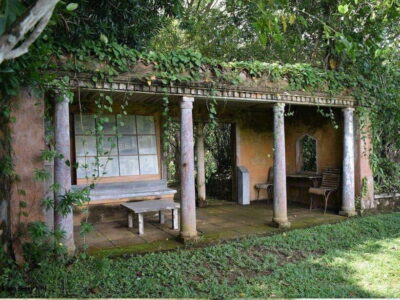
From Kalutara/Waskaduwa: Lunuganga & Brief Garden Tour
Read our review →Browse the lists this tour appears in