
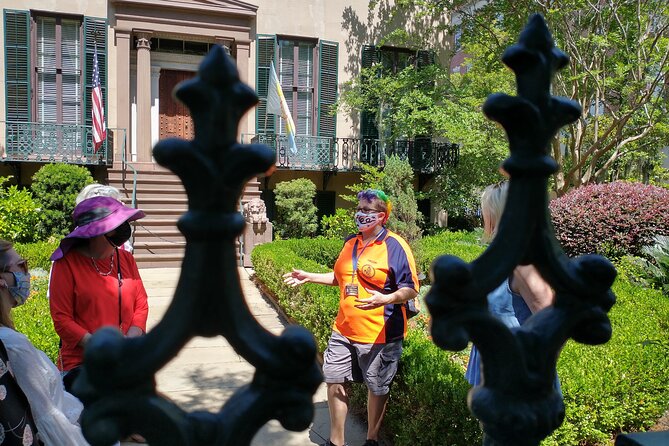
Review · USA GARDEN TOURS
Botanical Tour (by Walk With Me Savannah Tours)
Savannah’s squares are more than pretty patches of lawn. They are small outdoor classrooms, filled with camellias, magnolias, live oaks, Spanish moss, ironwork, and plants brought here for food, medicine, fashion, or simple beauty. This walking tour makes you slow down and notice what most sightseeing tours pass by.
I like the way the tour connects plants with Savannah’s past, rather than treating botany as a list of Latin names. I also like the flexible teaching style praised by many guests, especially guide Sargon’s ability to adjust the discussion to what is blooming and answer questions in plain language. The main drawback is practical: two hours on foot in Savannah’s heat can be tiring, and the plant-focused stops may feel too specialized if you want a fast overview of the city.
Key points to know before you book
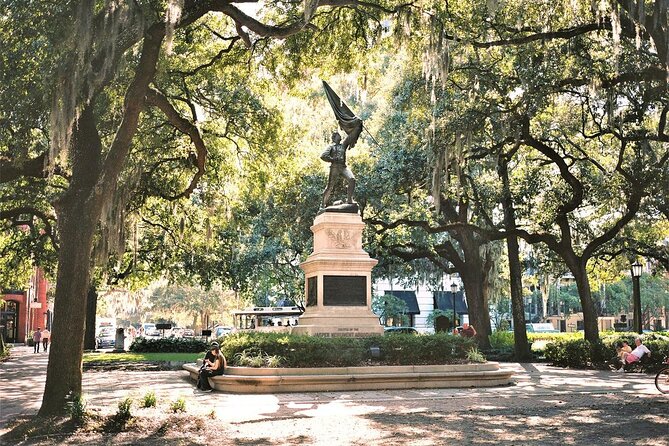
- Start at Columbia Square: The tour opens among old fountains, cast iron, and plants such as star jasmine, bottlebrush, tea olive, privet, azaleas, and rhododendron.
- Botany comes with stories: Expect plant uses, folklore, origins, cemetery trees, architectural details, and Savannah history.
- Sargon is a major strength: Her enthusiastic, clear style has earned especially strong praise, with other guides sometimes leading the walk.
- The route ends at Forsyth Park: You’ll pass Lafayette Square, the Andrew Low House, Madison Square, Jones Street, and Monterey Square first.
- Prepare for a warm walk: Wear comfortable shoes, carry water, and consider a hat or visor. Shade is used when possible.
- Small-group format: The maximum is 20 people, so the walk should be more personal than a large coach tour.
What this Savannah botanical walk is really about
This is not a formal garden tour. Savannah’s historic district provides the setting, and the city itself supplies the plants. You move through public squares, a cemetery, streets lined with homes, a private garden viewed from outside if needed, and Forsyth Park’s broad lawns.
I like this format because you get the familiar Savannah sights while learning to read them differently. A live oak is no longer just a photogenic tree. Spanish moss becomes part of the city’s visual identity. Camellias connect to Juliette Gordon Low and the Andrew Low House. Iron fences and fountains become part of the same story as the plants around them.
The tour costs $40 per person and lasts about two hours. That is fair value if you want a guided walk with real teaching rather than a quick photo stop at each square. You are paying for the guide’s ability to identify plants, explain their uses, place them in local history, and respond to your questions.
If you only want Savannah’s headline sights, you can see many of these squares on your own for free. The value here is in the interpretation. You could walk past a bottlebrush or resurrection fern without giving it a thought. With a good guide, those details become part of the city you remember.
More Botanical Gardens in the USA
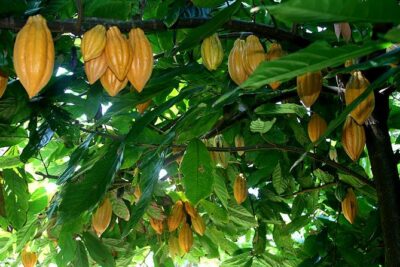
- Princeville Botanical Gardens Tour and Chocolate Tasting Ticket
★ 5.0 · 774 reviews - NYC: New York Botanical Garden Pass
★ 4.5 · 359 reviews - General Admission to Denver Botanic Gardens Ticket
★ 4.5 · 312 reviews
Columbia Square begins with plants and ironwork
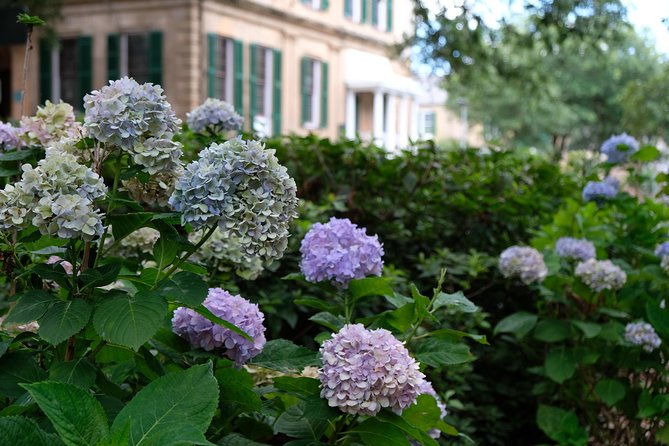
Meet at Columbia Square in Savannah’s historic district. The opening section looks at the square’s cast iron ornamentation, including the oldest fountain downtown, work from a major historic Georgia foundry, and more modern cast iron by Ivan Bailey.
That architectural start matters. The tour does not force you to choose between flowers and buildings. Savannah’s decorative ironwork often frames gardens, gates, and street trees, so the two subjects naturally sit together.
Around the square, you may discuss star jasmine, bottlebrush, tea olive, privet, azaleas, and rhododendron. The guide can explain how to tell these plants apart and may add practical notes about their origin, uses, or place in Southern gardening.
This first stop is listed at about 15 minutes, but the route also includes walking and conversation between locations. Bring questions early. The guide’s ability to adapt the discussion is one of the tour’s best features, particularly if something is in bloom or a plant catches your eye.
Colonial Park Cemetery adds moss, trees, and difficult stories
From Columbia Square, the route heads toward and through Colonial Park Cemetery. Here, the plant discussion turns to Spanish moss, palmetto trees, crepe myrtles, ginkgos, and magnolias.
The cemetery gives the botanical talk a different mood. Trees are not just decoration in a burial ground. Their age, shade, roots, and seasonal changes shape how the place feels. The guide may point out what could be the oldest crepe myrtle downtown, along with large magnolias and other notable trees.
This is also a useful place to hear about the city’s past in a setting that encourages a slower pace. The tour does not treat the cemetery as a quick backdrop for photographs. You get plant identification alongside stories about the grounds and the role of trees in Savannah’s public spaces.
Because the walk continues over several stops, the cemetery section may appeal most to people who enjoy detail. If you prefer a brisk route with only a few facts, the steady plant talk may test your patience.
Lafayette Square frames the Cathedral with subtropical color
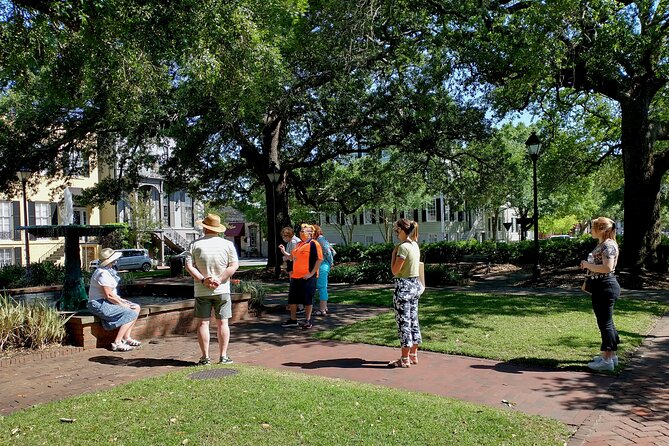
Lafayette Square is a short stop, listed at about five minutes, but it gives you some of the best city views on the route. You’ll see the Cathedral and surrounding homes while examining variegated shell ginger, green leopard plants, Japanese holly fern, and the square’s fountain.
The plants here help explain Savannah’s soft, almost garden-like appearance. Foliage with different colors and textures can make a public square feel carefully planted even when the space is also used for walking, sitting, and sightseeing.
I would not judge the tour by the short time allotted to this square. The point is not to spend an hour in each location. It is to build a running vocabulary of plants as you cross the district.
Same corner of the map, a different planting:
- Seattle: Chihuly Garden and Glass Entry Ticket
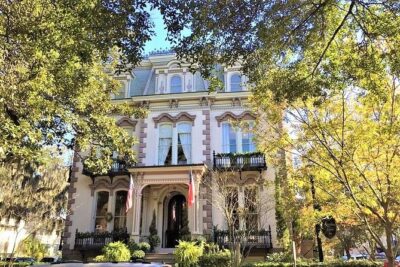
★ 4.8 · 374 reviews - Savannah Midnight in the Garden of Good & Evil Narrated Walking Tour
★ 5.0 · 370 reviews - George Washington’s Mount Vernon Gardens & Grounds Admission
★ 4.5 · 340 reviews - Tampa: Busch Gardens Tampa Bay Ticket & Multi-Park Options
★ 4.3 · 332 reviews
Andrew Low House brings Juliette Gordon Low into the garden
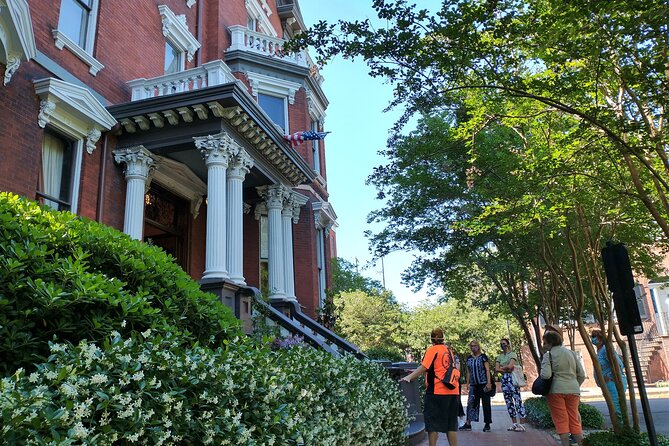
The Andrew Low House is one of the more personal stops. Its garden was lovingly developed by Juliette Gordon Low, founder of the Girl Scouts. Here, the plant talk includes crepe myrtles, several kinds of camellias, narcissus, and other garden plants.
Camellias receive special attention because they were Juliette Gordon Low’s favorite. That detail gives the garden a human connection. You are not simply hearing that a plant grows well in Savannah. You are learning how a particular person shaped and cared for a garden.
There is a small possibility the garden may be closed because of the house’s schedule. Even then, the plants can be viewed from outside the fence. That makes this stop worthwhile, but you should not book the tour expecting guaranteed garden access.
The stop is listed at about 10 minutes. It is enough time for a focused explanation, not a full house visit. Admission to the tour stops is free, and this experience does not include a separate interior tour of the Andrew Low House.
Madison Square shows how much variety fits in one square
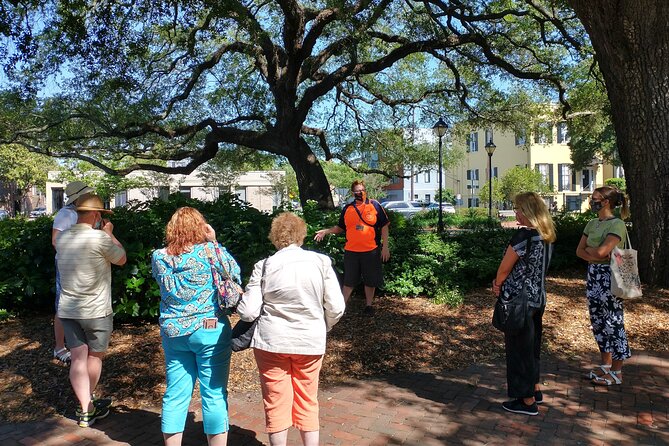
At Madison Square, the subject shifts to agapanthus, reed canary grass, big-leaf hydrangeas, lacy tree philodendrons, shrimp plants, and a Japanese cherry blossom.
This is the sort of stop that makes the tour useful even if you do not consider yourself a plant person. The guide explains what you are looking at in an approachable way, often adding culinary, medicinal, cultural, or historical uses when relevant. You do not need prior gardening knowledge to follow along.
The review material repeatedly praises this clear, enthusiastic teaching style. Sargon is especially noted for answering questions well and explaining plants at a level people can understand. One particularly useful touch is the ability to compare Savannah’s plants with the growing conditions back home.
Madison Square is listed at about 10 minutes. As with the other squares, the real time includes walking, questions, and the occasional unexpected discovery along the route.
Jones Street slows the pace beneath the live oaks
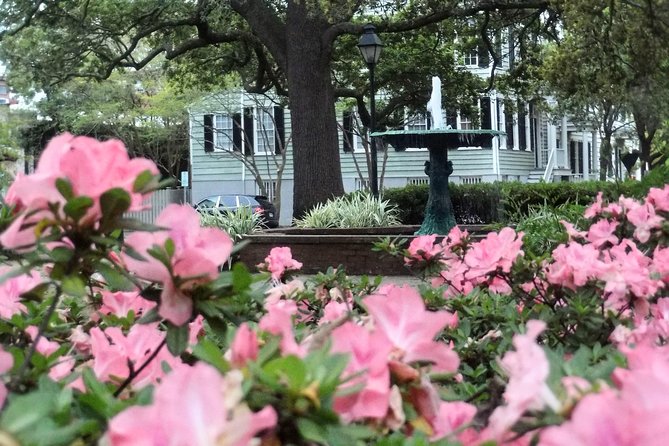
The walk along Jones Street gives you a break from formal squares. This street is known for its live oak canopy, private gardens, and attractive homes. It has also been named by Better Homes and Gardens as the prettiest neighborhood to live in in the country.
You will not tour the private gardens, but you can enjoy views of them while learning about additional plant life and ironwork. This is a good example of the tour’s balance. You are not standing in one garden for two hours. Instead, you are reading the public and private greenery woven through an ordinary residential street.
The route also gives you time to notice how Savannah’s trees shape the walking experience. Shade matters here, especially during warmer months. Several people specifically appreciated that Sargon chose shaded places for explanations on a hot day.
Monterey Square links Georgia olives with local iron
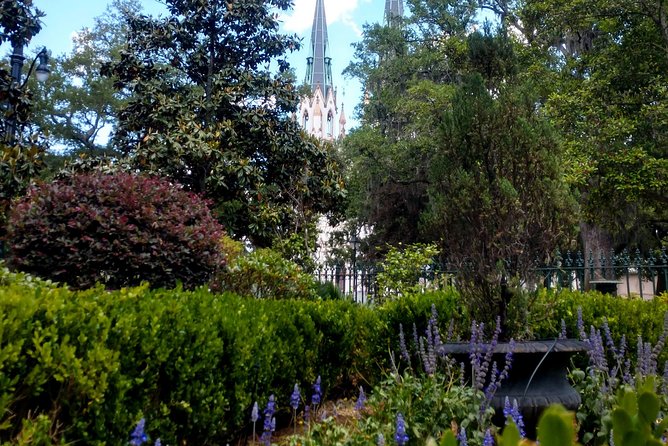
At Monterey Square, the focus moves to Georgia’s olives, juniper, gardenias, and more examples of local ironwork.
This stop adds another layer to the city’s plant story. Savannah’s gardens are not made from one familiar group of Southern plants. They include species tied to trade, climate, household use, ornamental gardening, and local adaptation.
The ironwork discussion also continues a thread that began at Columbia Square. If you enjoy architecture, you will get more from this tour than plant names alone. Gates, railings, fountains, and decorative details receive attention along with shrubs and trees.
Forsyth Park closes with oaks and the Scent Garden
The walk finishes at Forsyth Park, Savannah’s largest open green space. The guide points out the oldest live oak in downtown Savannah, the Savannah Scent Garden for the Blind, live oaks, and resurrection fern.
The Scent Garden is a thoughtful final stop because it shifts the focus from appearance to touch and smell. It also reminds you that public gardens can be designed for different ways of experiencing plants, not only for visual display.
Resurrection fern makes a memorable closing subject. Its ability to respond to dry conditions gives the guide a chance to explain how plants survive and change in Savannah’s climate.
The endpoint is the Marine Corps Memorial at 1 West Gaston Street. That is useful for planning your next stop, but remember that you begin at Columbia Square and finish some distance away. Arrange your day around the route rather than expecting to return to the starting point.
What the guides do best
The strongest part of this experience is the guide’s teaching. Sargon receives repeated praise for enthusiasm, friendliness, and command of both plants and Savannah’s history. The walk works best when you ask questions, point out something unusual, and let the discussion develop.
The guide does not simply recite names. You may hear what a plant was used for, where it came from, how it relates to local life, or how to compare it with plants in your own growing zone. Folklore and quirky facts also appear, which helps the information stick.
The tour can also be adjusted to the season. If something is in bloom, the guide may give it extra attention. That is important because Savannah’s plant display changes through the year, and an October walk will not look exactly like a spring outing.
Guide assignments can vary. Sargon is the name most strongly associated with the praise provided here, but Walk With Me Savannah Tours may use other guides. The essential thing to expect is a botany-focused walk with history and architecture mixed in.
Heat, walking, and group size
The tour is about two hours and is not recommended for anyone who cannot walk or roll one-third of a mile without resting. The route includes sidewalks, squares, a cemetery, and public streets, so comfortable shoes are a smart choice.
Savannah can be hot, and the walk includes open spaces. Carry water and consider a hat or visor. Shade is used when possible, but it cannot be guaranteed at every stop.
Service animals are allowed, and well-behaved pets are allowed. The tour is near public transportation, and most people can participate. The maximum group size is 20, which keeps it smaller than a typical sightseeing group but does not guarantee a private experience.
You receive a mobile ticket, and confirmation arrives at booking. Free cancellation is available up to 24 hours before the start time. Poor weather or failure to reach the minimum number of participants can lead to a rescheduled tour or full refund.
Who should book this walk
I would choose this tour if you like gardens, trees, urban design, historic neighborhoods, or learning the story behind ordinary details. It also suits someone who has already seen Savannah’s famous squares and wants a fresh reason to walk them again.
You do not need to know anything about botany. The explanations are intended for general visitors, and the enthusiastic guide helps keep the subject accessible. Even someone who normally skips plant tours may enjoy the mix of hands-on identification, folklore, history, and ironwork.
I would hesitate if you want a fast city orientation, a seated activity, or a tour devoted mainly to interiors and major historical events. The botanical subject remains central for the full two hours.
Should you book the Botanical Tour?
Yes, if you want Savannah to feel more textured and less like a collection of photo stops. At $40, the tour offers good value for a small-group walk led by someone who can connect flowers, trees, gardens, cemeteries, architecture, and local stories.
Book it for the guide-led interpretation, not simply for access to the squares. Wear good shoes, bring water, and allow for heat. If Sargon is leading, you can expect an especially lively and informed walk. If you enjoy noticing the small things that give Savannah its character, this is an easy tour to recommend.
FAQ
Where does the Botanical Tour start?
The tour starts at Columbia Square in Savannah, Georgia.
Where does the tour end?
It ends at the Marine Corps Memorial at 1 West Gaston Street, Savannah.
How long does the tour last?
The tour lasts approximately two hours.
How much does the tour cost?
The price is $40 per person.
What plants might I see?
The route includes plants such as star jasmine, bottlebrush, tea olive, privet, azaleas, rhododendron, Spanish moss, palmettos, crepe myrtles, magnolias, camellias, gardenias, live oaks, and resurrection fern.
Does the tour include the Andrew Low House garden?
The garden is part of the route, but it may be closed depending on the house schedule. The plants can still be viewed from outside the fence.
Is the tour suitable for people who know little about plants?
Yes. The guides explain plant names, uses, origins, and history in an accessible way, and no previous plant knowledge is required.
Is the walk suitable for someone with limited mobility?
The tour is not recommended for anyone who cannot walk or roll one-third of a mile without resting.
Are pets allowed?
Well-behaved pets are allowed, and service animals are allowed.
How large is the group?
The maximum group size is 20 people.
Can I cancel for a full refund?
Yes. You can cancel at least 24 hours before the experience start time for a full refund. Changes or cancellations made less than 24 hours before the start time are not accepted for a refund.
Just added around the USA
- Woodside: Filoli Historic House and Garden Entry Ticket★ 4.9 · 9 reviews
- Williamsburg: Busch Gardens Ticket & Water Country Option★ 4.2 · 101 reviews
- Miami: Vizcaya Museum & Gardens Ticket with Transport★ 4.6 · 9 reviews
- National Mall & Cherry Blossoms with Washington Monument Ticket★ 4.5 · 21 reviews
- NYC to D.C Day Trip: Thomas Jefferson Memorial to Cherry Blossoms★ 4.5 · 17 reviews
- DC Kenwood Cherry Blossoms Half-Day Small Group Tour★ 3.5 · 17 reviews
- Skagit Valley Tulip Festival Day Tour from Seattle★ 4.5 · 7 reviews
- Tulip Festival and Skagit Valley Tour★ 5.0 · 7 reviews
USA Garden Tours, compared.
Princeville Botanical Gardens Tour and Chocolate Tasting Ticket
Read our review →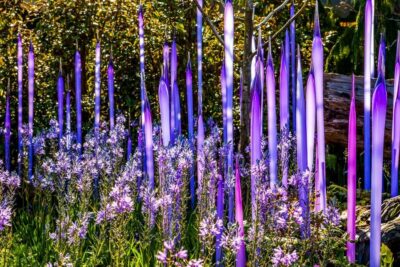
Savannah Midnight in the Garden of Good & Evil Narrated Walking Tour
Read our review →

George Washington’s Mount Vernon Gardens & Grounds Admission
Read our review →
Tampa: Busch Gardens Tampa Bay Ticket & Multi-Park Options
Read our review →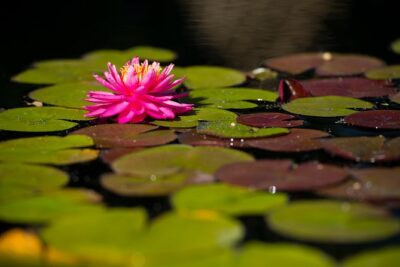
General Admission to Denver Botanic Gardens Ticket
Read our review →
Avery Island Experience- Tabasco & Jungle Gardens Self-guided tour
Read our review →Browse the lists this tour appears in