
Review · USA GARDEN TOURS
General Admission to Denver Botanic Gardens Ticket
Denver Botanic Gardens gives you a rare city break without leaving central Denver. On 24 acres near Capitol Hill, Colorado’s high-desert plants share space with specimens from Asia, Patagonia, Africa, and the Middle East. The result feels less like a single flower garden and more like a series of small journeys connected by paths, ponds, art, and quiet places to sit.
I like the range of experiences here, especially the drought-resistant planting that shows what can thrive in Colorado’s semi-arid climate. I also like the practical extras: cafés, a well-stocked shop, public films, art exhibitions, and the seasonal Mordecai Children’s Garden.
The main caution is timing. Outdoor displays change with the season, and operating hours can vary. A winter or late-fall visit may be calmer, but some flowers will be past their best, and general admission does not cover special evening events such as Blossoms of Light.
Key points to know before you go
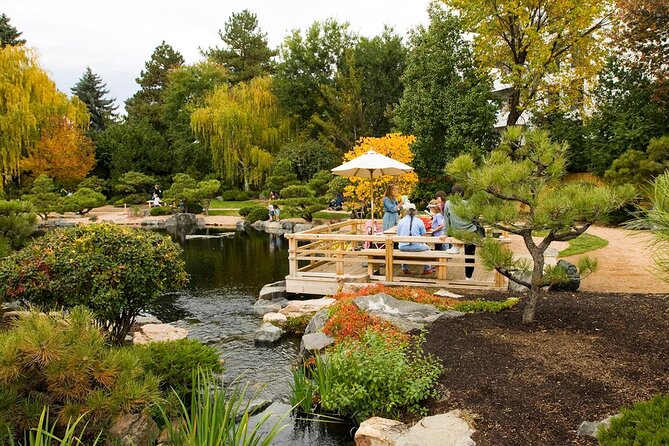
- A 24-acre urban garden: You can spend an hour seeing the highlights or make a relaxed half-day of it.
- Colorado plants take center stage: The collections are chosen to thrive in the state’s semi-arid climate.
- Global gardens add variety: Look for plant displays representing Asia, Patagonia, Africa, the Middle East, and the Americas.
- Good family facilities: The seasonal, three-acre Mordecai Children’s Garden offers hands-on play and plant learning.
- Useful on-site amenities: Offshoots Café operates year-round, while The Hive Garden Bistro runs for three seasons.
- Check the date carefully: Hours may change, and specially ticketed events require separate admission.
What a visit to Denver Botanic Gardens feels like
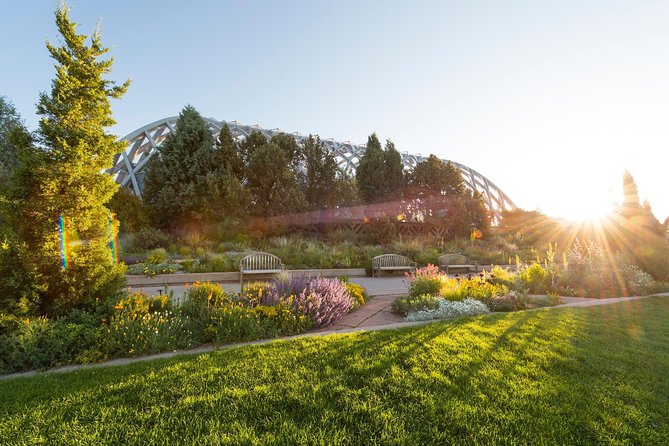
The York Street site is an urban oasis in the plainest sense: you are in the middle of Denver, yet the garden gives you room to slow down. It began in 1951 and has grown into one of the country’s best-known botanical gardens, with living collections ranging from tropical plants to species suited to tundra conditions.
I would allow at least 1 to 3 hours, depending on your pace. If you simply want a pleasant walk, an hour may do. If you stop for photographs, read the plant labels, visit an exhibition, eat, and explore the children’s area, plan on several hours. One visitor spent five hours here, which is entirely plausible if you take your time.
The garden is not built around one single grand view. Its appeal comes from changing settings. One path may lead you through plants adapted to Colorado’s dry conditions, while another presents a collection from a distant part of the world. Water features, ponds, fountains, shade trees, lawns, and tucked-away seats break up the walking and give you places to pause.
That variety makes the garden useful for different kinds of visits. You can treat it as a serious plant collection, a family outing, a quiet date, a place to sketch or read, or simply a comfortable walk in the city.
More Botanical Gardens in the USA
- Princeville Botanical Gardens Tour and Chocolate Tasting Ticket
★ 5.0 · 774 reviews - NYC: New York Botanical Garden Pass
★ 4.5 · 359 reviews - Byodo In Temple, Waimea Botanical Garden-Waterfall: Includes Fees
★ 5.0 · 291 reviews
Colorado’s high-desert plants are the real lesson
The most meaningful part of the garden is its focus on plants that can handle Colorado’s climate. This is not just a display of flowers imported from wetter regions. The living collections are selected to work in a semi-arid environment, so you see how drought-resistant plants can create beauty without demanding constant water.
That matters if you garden in the Mountain West or another dry region. The plant labels and garden layouts can give you practical ideas for shade, texture, water use, and seasonal interest. One useful way to visit is to pay attention not just to individual flowers, but to how plants are grouped and how the garden uses stone, water, trees, and open ground.
The collection also reaches from the tropics to the tundra. That broad range gives the garden an educational purpose beyond decoration. You can compare plants from different climates and see how far the staff have pushed the idea of a garden suited to Colorado.
The outdoor display will not look the same all year. May is a strong choice for tulips and spring color, while autumn brings pleasant walking weather and changing foliage. In late fall, some outdoor flowers may be finished, but the garden can still be worth visiting for its structure, trees, water, art, and indoor features.
Plant collections from Asia to Patagonia
The international gardens give the visit its sense of variety. The site includes plant displays connected with Asia, the Middle East, South Africa, Patagonia, South and Central America, and other regions. You do not need to know much about botany to enjoy this section of the visit. Clear labels help you understand what you are seeing, and the changes in planting style keep the walk from becoming repetitive.
I especially like this format for people who have limited time in Denver. Instead of driving from one attraction to another, you can see plants associated with several parts of the world in one compact setting. It is a pleasant way to add something different to a city itinerary.
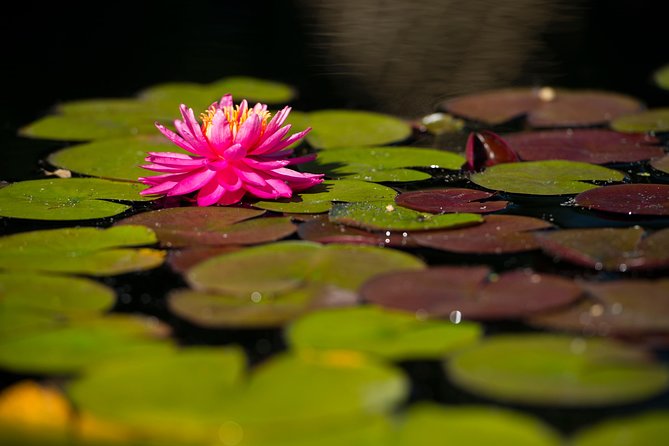
The garden also includes ponds and water features, with lily pads and other aquatic details adding color and sound. Ducks, bird calls, shade trees, and small sitting areas give the site a peaceful quality, even when more people are around. Bring time to wander rather than trying to cover every path quickly. The garden rewards a slow pace.
Art is part of the experience as well. Exhibitions appear throughout the year, and admission includes access to the garden’s art displays. The specific work will depend on your date, so I would treat this as an added benefit rather than the main reason to buy a ticket.
Mordecai Children’s Garden for families
Families have a strong reason to include Denver Botanic Gardens in their plans. The three-acre Mordecai Children’s Garden sits above the parking structure and offers hands-on plant education and play from spring through fall.
Because it operates seasonally, check that it will be open before you promise it to young children. When available, it gives kids a more active way to engage with the garden instead of asking them to walk quietly from one plant bed to another.
The wider site also works well for family outings. There are ponds, open grassy areas, art, clearly labeled plants, and places to stop for food. Parents should still expect a fair amount of walking, and the garden is large enough that children may need breaks.
The garden is also friendly to older visitors. A walker user was able to navigate the site easily, and most of York Street is accessible to wheelchairs and strollers. A few gravel paths and stairs remain, but alternate routes can be used. This is a useful detail for anyone planning around mobility needs.
Same corner of the map, a different planting:
- Seattle: Chihuly Garden and Glass Entry Ticket
★ 4.8 · 374 reviews - Savannah Midnight in the Garden of Good & Evil Narrated Walking Tour
★ 5.0 · 370 reviews - George Washington’s Mount Vernon Gardens & Grounds Admission
★ 4.5 · 340 reviews - Tampa: Busch Gardens Tampa Bay Ticket & Multi-Park Options
★ 4.3 · 332 reviews
Cafés, the shop, and useful breaks
You do not need to leave the garden when you get hungry. Offshoots Café is open year-round and serves meals, snacks, and beverages. The Hive Garden Bistro operates for three seasons. The precise menus are not given, but the cafés make it possible to turn the visit into a relaxed lunch or coffee stop rather than a quick walk between other attractions.
Food and drinks are not included in the $16.50 admission, so budget separately if you plan to eat on-site. The café is particularly useful for families and for anyone planning to stay several hours. A coffee or snack can also make a cool-weather visit more comfortable.
The Shop at the Gardens is worth a look even if you are not shopping for plants. It carries gardening tools, books, décor, locally made home items, tabletop goods, accessories, bath and body products, and a children’s section with educational toys and books. It is a practical place to find a souvenir that relates to the visit rather than a generic Denver item.
The Sturm Family Auditorium shows films for public viewing during the day, and the Science Pyramid includes the exhibition Welcome Home: Meet Your Habitat. These features give you indoor options when the weather turns unpleasant or when you want a break from walking.
Timing your visit and handling the seasons
Denver Botanic Gardens operates in all weather conditions, so dress for the forecast rather than assuming sunshine. Colorado’s weather can make a cool or drizzly day perfectly pleasant for walking, but strong sun can also make the open paths feel exposed. A hat or other sun cover is a sensible addition.
Season matters more here than it does at many indoor attractions. Spring brings tulips and fresh growth. Summer offers the fullest outdoor experience, along with the seasonal children’s garden and three-season dining. Autumn can provide comfortable walking temperatures and attractive color, though individual flower beds may be past peak.
Winter can still work, especially if you are interested in indoor displays such as the orchid exhibit and want a quiet walk on a pleasant day. Just set your expectations properly. You may see fewer flowers outdoors, and some seasonal areas may not operate.
Check the hours for your chosen date before setting out. Operating hours can change, and evening programs use different tickets. General admission does not include specially ticketed events such as Blossoms of Light. A visitor who expects a daytime ticket to cover an evening event can easily end up with the wrong admission.
Parking, access, and the $16.50 price
The admission price is $16.50 per person. For a major city garden with 24 acres of collections, exhibitions, public films, family facilities, and dining, I consider that fair value, particularly if you plan to stay half a day.
The value is weaker if you have only 30 minutes or if you visit at a time when your favorite outdoor areas are closed. You should also remember that food, drinks, and special events cost extra. On the other hand, the ticket includes a good deal beyond a simple flower walk, and the garden gives you flexibility to set your own pace.
Limited complimentary parking is available in the public parking complex. Since parking is limited, do not assume a space is guaranteed. The York Street location is near Capitol Hill, making it convenient for a city day, though the information provided does not specify public transport details.
A mobile ticket is included, which is handy for advance planning. Confirmation is provided at booking. The standard group limit is 30 people, although this is a self-guided general admission visit rather than a named guided tour. No guide names are provided, and you should not expect a scheduled personal guide to lead you through the grounds.
How long should you stay?
For a quick visit, focus on the most attractive outdoor sections, the ponds and water features, one art display, and a short stop in the shop. That should fit within the lower end of the 1 to 3 hour estimate.
For a fuller outing, allow half a day. Add the children’s garden when open, the Science Pyramid exhibition, a film in the auditorium, lunch or coffee, and time to sit in the quieter corners. People who enjoy identifying plants, taking photographs, or reading labels will naturally need longer.
Do not rush the site. One of the garden’s strengths is its collection of small pauses: a bench under a tree, a grassy hill, a fountain, or a path where bird calls become more noticeable. The garden works best when you give yourself permission to stop.
Who will enjoy this garden most?
I would recommend it to families, couples, solo visitors, garden enthusiasts, photographers, and anyone who wants a calm half-day near central Denver. It is also a good choice when you need a flexible activity that does not depend on a fixed tour schedule.
You will get the most from it if you enjoy variety rather than a single headline attraction. The garden is about plant collections, design, water, art, food, and time outdoors working together.
It may be less satisfying if you want guaranteed peak flowers, a formal guided tour, or a fully indoor attraction. Seasonal changes are part of the deal, and the best visit depends on your expectations. A late-season visit can still be beautiful, but it will not offer the same flower display as spring or summer.
Should you book Denver Botanic Gardens?
Yes, if you want a flexible and good-value outing with more substance than a quick stroll. The strongest reasons to book are the Colorado-adapted plants, the international collections, the easy walking routes, and the range of extras that let you stay for an hour or most of a day.
I would book for spring color, summer family time, or a relaxed autumn walk. For winter or late fall, check seasonal areas and hours first. Also confirm whether you are buying ordinary daytime admission or a separate ticket for an evening event.
At $16.50, this is a sensible choice for most visitors to Denver, especially if you plan to use the cafés, exhibitions, children’s spaces, or indoor features. Just check the date, dress for the weather, and leave enough time to slow down.
FAQ
How much does general admission cost?
General admission costs $16.50 per person.
How long should I plan for a visit?
The estimated visit lasts 1 to 3 hours, though you can spend longer if you stop for food, exhibitions, films, or the children’s garden.
Where is Denver Botanic Gardens located?
The York Street location is near Capitol Hill in Denver, Colorado.
Is parking available?
Limited complimentary parking is available in the public parking complex.
Is the garden wheelchair and stroller accessible?
Nearly all of the York Street location is wheelchair and stroller accessible. A few gravel paths and stairs exist, but alternate routes are available.
Is the Mordecai Children’s Garden open all year?
No. The three-acre Mordecai Children’s Garden is open seasonally from spring through fall.
Are food and drinks included with admission?
No. Food and drinks are not included, but Offshoots Café operates year-round and The Hive Garden Bistro operates for three seasons.
Does general admission include Blossoms of Light?
No. Specially ticketed events such as Blossoms of Light require separate admission.
Can I visit in any weather?
The garden operates in all weather conditions, so you should dress appropriately. If the experience is canceled because of poor weather, you will be offered another date or a full refund.
What is the cancellation policy?
You can cancel at least 24 hours before the experience start time for a full refund. Cancellations or changes made within 24 hours are not refunded or accepted.
Just added around the USA
- From NY:Shri Swaminarayan Mandir,Longwood Gardens 1-day Tour★ 5.0 · 4 reviews
- Denver Botanic Gardens General Admission Ticket★ 4.6 · 95 reviews
- Charleston: Magnolia Plantation & Gardens Guided Tour★ 4.5 · 43 reviews
- Boston: Boston Celtics Basketball Game Ticket at TD Garden★ 4.5 · 14 reviews
- Boston: Boston Bruins Ice Hockey Game Ticket at TD Garden★ 4.4 · 12 reviews
- Boston: TD Garden Arena Tour★ 4.1 · 54 reviews
- Big Island: Waterfall Tour with Swimming & Botanical Garden★ 4.9 · 24 reviews
- Augusta: Guided Walking Ghost Tour of Garden City★ 5.0 · 2 reviews
USA Garden Tours, compared.
Princeville Botanical Gardens Tour and Chocolate Tasting Ticket
Read our review →

Savannah Midnight in the Garden of Good & Evil Narrated Walking Tour
Read our review →

George Washington’s Mount Vernon Gardens & Grounds Admission
Read our review →
Tampa: Busch Gardens Tampa Bay Ticket & Multi-Park Options
Read our review →
Avery Island Experience- Tabasco & Jungle Gardens Self-guided tour
Read our review →
Byodo In Temple, Waimea Botanical Garden-Waterfall: Includes Fees
Read our review →Browse the lists this tour appears in