
Review · COOKING CLASSES
Authentic Garden to Table Cooking Class in Dubrovnik Countryside
At Kameni Dvori, cooking starts with the garden, not a chopping board. You knead your own bread, collect vegetables and eggs, and help prepare a seasonal Croatian meal on a family farm in Konavle. The Mujo family has lived on this property since the 1500s, and that connection gives the afternoon a real sense of place.
I like the hands-on work and the way the meal changes with the season. I also like the personal welcome from Ivo, Katarina, and their family, including the chance to milk a goat when dessert calls for fresh milk. The main consideration is time: five hours is a good part of your day, and the $208 price is high if you only want a quick cooking lesson.
Key points to know before you book
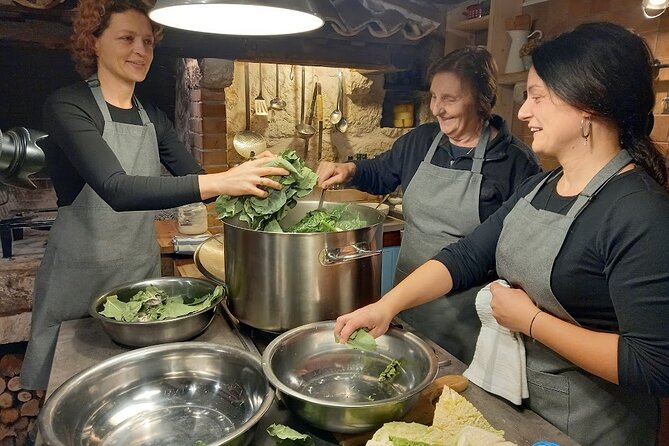
- A farm-to-table meal in Konavle: You gather ingredients from the garden and use them in the meal.
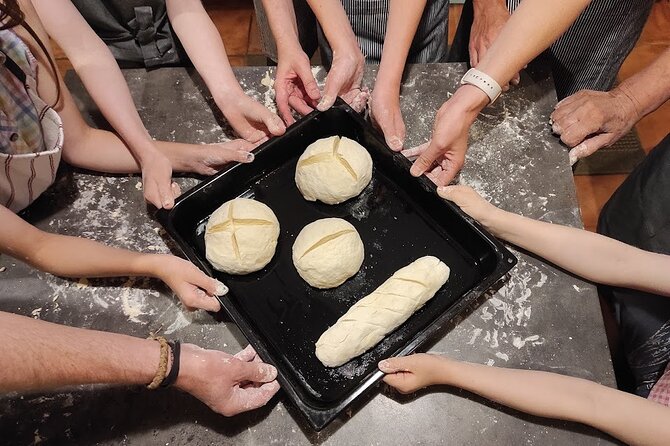
- Bread is made by hand: Each person kneads an individual loaf using a traditional recipe.
- The family story is part of the experience: While lunch cooks, you hear about 500 years and 15 generations on the property.
- Small-group setting: The maximum is eight people, which suits a personal class far better than a large food tour.
- The menu changes: Seasonal garden produce determines what you prepare, though examples include chicken stew, Lovorno skewer, pasta, vegetables, and Grandma’s cake.
- Transport is offered: Pickup is available from Dubrovnik, with vehicles for groups of three, seven, or eight.
From Dubrovnik to the Konavle countryside
The cooking class takes place at Kameni Dvori, Holiday Village Konavle, in Lovorno near Gruda. This is outside Dubrovnik, so pickup matters. The drive is not just a transfer. Ivo has given guests a short history lesson along the way, while Katarina has explained the area and her family’s connection to the property.
Pickup vehicles display a Cooking class sign, and the provider offers vehicles for three, seven, and eight occupants. If you need a child’s chair or have a special pickup request, contact the provider before the day of the class.
You return to the same meeting point at the end. That makes the outing simple to fit into a Dubrovnik stay, though you should allow the full five hours rather than trying to squeeze it between two tightly timed sightseeing plans.
More Farm and Kitchen Garden Visits in the world:
- From Garden to Table: Indonesian Cooking Class in Yogyakarta
★ 4.9 · 24 reviews - St Hugo Garden to Table Experience & Lunch
★ 4.5 · 19 reviews - Slowlife Family Farm- Cook with us From Garden to Table Syracuse
★ 5.0 · 10 reviews
A welcome drink at a 500-year-old family home
Arrival begins with a welcome drink and an introduction to the day. The setting is one of the strongest parts of the experience. The Mujo family has owned the property since the 1500s, and the homestead is still a working family place rather than a staged restaurant with a garden added for show.
The family takes an active role. You may meet Ivo, his wife Katarina, one of their daughters, and other relatives who help with the meal and the farm. That gives the class a warm, informal feel. You are not simply watching a chef demonstrate a few polished dishes. You are spending time in a multigenerational household where cooking, farming, and family stories are closely linked.
The property also produces homemade wine and olive oil. Homemade juice and fruit may be offered early in the visit, depending on the day and season. The welcome is generous, but the pace is relaxed. This is best for you if you enjoy conversation and small details, not if you want a tightly scripted class that moves from one recipe to the next.
Kneading bread the traditional way
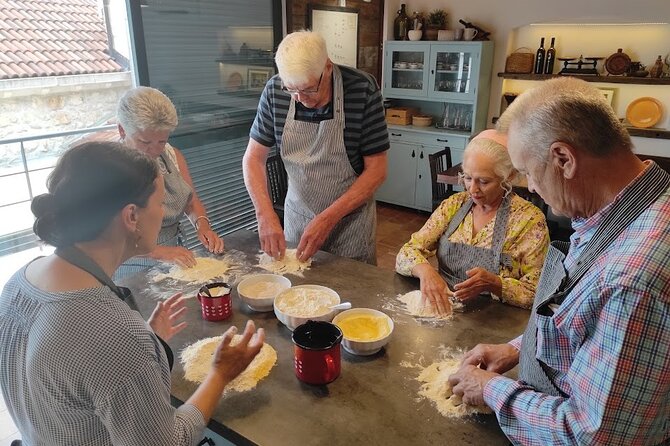
The first practical task is bread. Each person kneads their own dough using a traditional recipe, then lets it rest while the group visits the garden.
This is a smart way to begin. Bread takes time, so the dough can develop while you do the outdoor part of the class. You also get a simple introduction to the difference between following a recipe and handling dough by feel. The bread is later served warm with the meal, along with homemade olive oil and other local foods.
You do not need to arrive as a cook. The class is designed around participation, and the work is accessible. Still, be ready to use your hands. This is not a demonstration where you sit at a table and take notes while someone else does everything.
Picking vegetables and gathering eggs
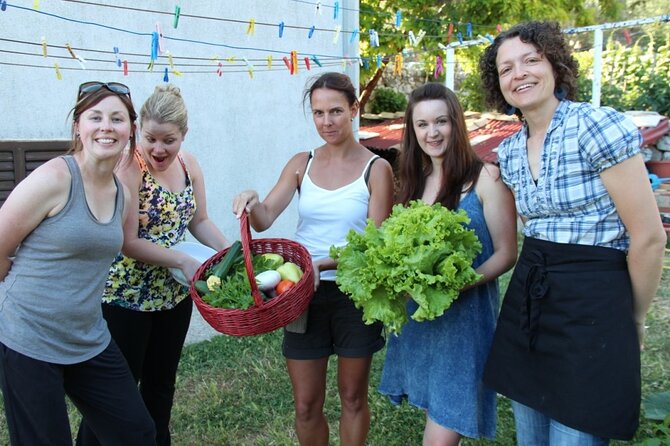
After the bread is started, you walk through the garden with your hosts. They explain how the crops are cultivated, then show you which ingredients are ready to use. You collect the vegetables needed for the meal and gather fresh eggs.
This is where the experience becomes more than a standard Croatian food lesson. The ingredients have a clear source. Instead of hearing a general explanation about seasonal cooking, you see the garden and help bring the food inside.
The exact menu depends on the time of year and what is available. That is a benefit if you care about fresh produce and traditional cooking, but it also means you should not book with the expectation of one fixed menu. The class may prepare soup, vegetables, pasta, chicken, or another seasonal dish.
The garden also includes fruit trees, and the family produces its own olive oil and wine. The visit gives you a practical look at rural life in the Konavle area without turning into a formal agricultural tour.
Cooking classes around the world:
- Chiang Mai: Cooking Class, Market & Thai Herbs Garden Tour
★ 4.9 · 4,824 reviews - We Cook Thai Home Garden Cooking School
★ 4.9 · 378 reviews - Thai Cooking Class with Market & Garden Tour
★ 4.9 · 249 reviews - Ella : Cooking class with amazing Spice Garden Tour
★ 5.0 · 239 reviews
The goat-milking moment
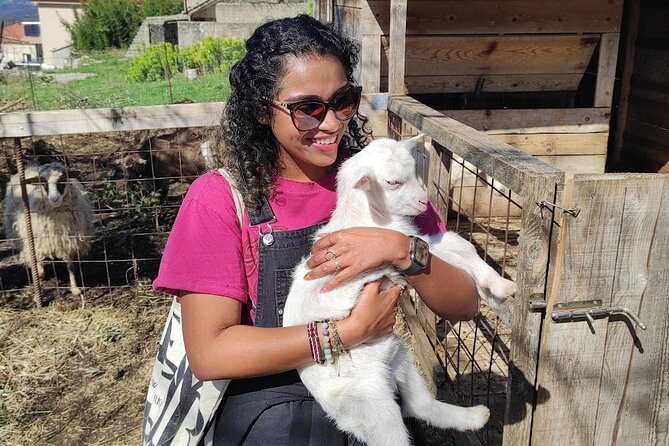
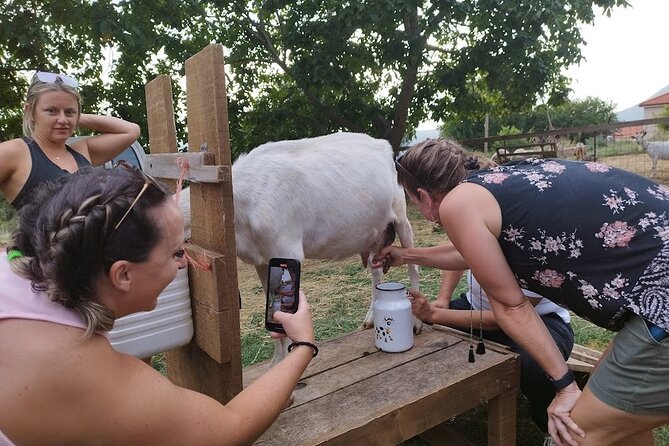
If dessert includes milk, the host may offer you the chance to milk a goat. This is one of the most unusual parts of the day, and it is clearly optional in the sense that it depends on the dessert and the conditions that day.
For families and curious eaters, it can be a memorable hands-on moment. If you are uncomfortable with farm animals or simply prefer to keep your hands on the cooking, you should not expect this part to be central every time. It is an extra connection to the food rather than a guaranteed feature of every class.
Preparing a Croatian meal together
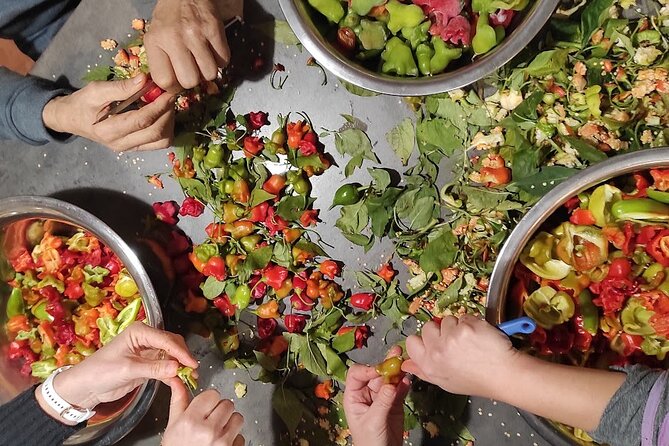
Once the garden visit is over, you return to the kitchen and prepare the meal. The work may include cutting fresh vegetables, making pasta, preparing a stew, and skewering marinated meat.
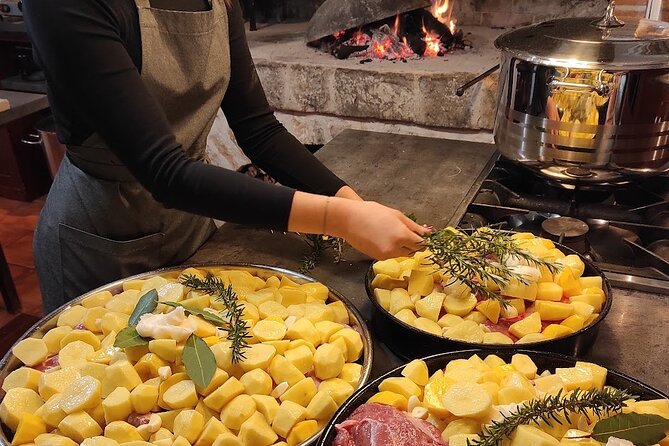
One sample menu begins with cured meat and homemade cheese, served with warm bread, pickled vegetables, spreads, and homemade olive oil. The main course may be Lovorno skewer, pork cooked on bay leaf branches with country-style potatoes, boiled vegetables, and seasonal salad.
Another possible main dish is farm-grown chicken stew. It is prepared with fresh vegetables and fruit, cooked with wine, and served with homemade pasta. Dessert may be Grandma’s cake.
The menu gives you a useful sense of Croatian home cooking. You are not being shown one famous restaurant dish designed for tourists. You are working with the ingredients that make sense for a family kitchen in the countryside. The bay leaf skewer is especially tied to the local setting, while the chicken stew and pasta show the practical, hearty side of the meal.
Vegetarian and vegan meals are available. Gluten-free meals can also be arranged, and the provider says it can accommodate flexible dietary restrictions. Tell them when booking rather than waiting until pickup.
Family stories while the food cooks
While the food is on the stove, the hosts present a family tree covering about 500 years. The family describes its roots as extending across 15 generations on the property.
This part gives the meal a human center. You learn not only what is being cooked, but why the homestead matters to the people running it. The story is also a useful counterpoint to Dubrovnik’s famous stone walls and crowded old town. Here, Croatian heritage is told through a family house, gardens, recipes, and relatives who still work together.
The pace can feel slow if you are focused only on eating. I would see that as part of the bargain. Five hours sounds long for a cooking class, but the time is divided among transport, conversation, garden work, cooking, and lunch. You are buying a half-day connection to the area, not a quick recipe lesson.
Lunch with homemade wine
The finished meal is served at the homestead with homemade red or white wine. This is a generous final stage because you eat the food you helped prepare, rather than receiving a separate tasting menu prepared entirely by someone else.
The food is described as seasonal, healthy, and produced either on the property or by local family farms. Expect home-style cooking rather than fine dining. The appeal is freshness, quantity, and the pleasure of sitting down after doing the work.
The family’s homemade cheese, cured meats, olive oil, pickled vegetables, and wine add variety to the table. If you are not drinking alcohol, the experience also includes homemade juice and other nonalcoholic options may be available, but the stated meal pairing is red or white wine.
One important point: the class is not built around a guaranteed list of dishes. The sample menu is a guide. Your meal will reflect the season and the garden, which is exactly why the food feels connected to the place.
A possible countryside add-on
One especially full version of the day included a bike ride through the countryside. A family member joined with bicycles for a nine-mile ride, mostly downhill, with stops for local history. The ride ended at a cousin’s vineyard, where the group sampled four homemade wines with cheese and cured meats before returning uphill for the prepared lunch.
This sounds like an excellent addition, but you should not assume it is part of the standard five-hour cooking class. The core experience described here includes the welcome, bread, garden, cooking, family stories, and meal. The bike ride and vineyard visit appear to be an extra arrangement connected to one particular outing.
If cycling is important to you, ask the provider directly before booking. If it is not included, the cooking class still offers plenty to fill the half-day.
Is $208 a fair price?
At $208 per person, this is not a budget meal or a basic cooking lesson. The price makes more sense when you count the complete experience: transportation may be included, the group is capped at eight, the class lasts about five hours, and the day includes a farm visit, food preparation, a substantial meal, wine, and family storytelling.
You are also paying for access to a private family setting that would be difficult to arrange on your own. The ingredients come from the homestead or local family farms, and the hosts spend time with you rather than simply serving food.
The value is strongest for you if you want a personal cultural experience and would otherwise pay for a separate countryside outing, meal, and transfer. It is weaker if your main goal is learning several restaurant-style techniques or getting a long recipe handout.
This is also an experience that tends to be reserved well ahead of time, with bookings averaging 132 days in advance. If your dates are fixed, plan early.
Who will enjoy this most?
I would recommend the class to couples, families, and small groups who want a break from Dubrovnik’s old town. It works especially well for people who enjoy food, gardens, local customs, and conversation.
It is a good fit for children who like practical activities such as kneading dough, collecting eggs, and possibly milking a goat. Ask about a child’s chair when arranging pickup if you need one.
Vegetarians, vegans, and people avoiding gluten can be accommodated, but you should give clear details ahead of time. The meal is flexible because it follows the available ingredients, though you still need the hosts to plan properly.
I would be more cautious about booking it if you dislike group participation, do not want to spend several hours away from the city, or expect an exact fixed menu. You also should not choose it as your only food experience in Croatia if you want a formal chef-led lesson with advanced techniques.
Booking details and cancellation
The experience is offered in English and uses a mobile ticket. Confirmation is normally provided at booking. If you book within two days of the travel date, confirmation may take up to 48 hours and remains subject to availability.
Free cancellation is available if you cancel at least 24 hours before the start time. Cancellations made less than 24 hours ahead, along with late changes, are not refunded. Service animals are allowed.
The activity ends back at the meeting point. Pickup is offered, but confirm your pickup details and any special needs before the day.
Should you book the Kameni Dvori cooking class?
Book it if you want to understand Dubrovnik’s wider region through food rather than another walk around the old town. The strongest reasons are the garden-to-table work, the small group of no more than eight, and the Mujo family’s long connection to the property.
I especially like that you make bread, collect ingredients, and then eat the result. The family tree, homemade wine, olive oil, and possible goat-milking stop add character that a standard cooking school cannot easily copy.
Skip it if you want a short, low-cost lesson or a fixed menu. For everyone else, this is one of the better ways to spend a half-day outside Dubrovnik, with enough food, history, and family contact to justify the premium price.
FAQ
How long does the cooking class last?
The experience lasts approximately five hours, including the welcome, garden visit, cooking, family stories, and meal.
Where does the activity take place?
It takes place at Kameni Dvori, Holiday Village Konavle, at Lovorno 11, 20215 Gruda, Croatia.
Is pickup available from Dubrovnik?
Yes. Pickup is offered, and the vehicles display a Cooking class sign. Vehicles are available for groups of three, seven, and eight occupants.
What food will be prepared?
The dishes depend on the season and the ingredients available in the garden. Sample dishes include homemade bread, vegetable soup, Lovorno skewer, chicken stew with homemade pasta, seasonal vegetables, salad, and Grandma’s cake.
Are vegetarian and vegan meals available?
Yes. Vegetarian and vegan meals are available, and flexible dietary restrictions can be accommodated.
Can the class provide gluten-free food?
Yes. Gluten-free meals are available. Tell the provider about your needs when booking.
Is wine included with the meal?
The final meal is served with homemade red or white wine. Other homemade drinks may also be offered during the visit.
What is the cancellation policy?
You can cancel for a full refund up to 24 hours before the experience start time. Cancellations or changes made less than 24 hours before the start are not refunded.
Just added around the world
- Hillsborough Castle Gardens Entrance Ticket★ 4.7 · 47 reviews
- Himeji: Himeji Castle & Kokoen Garden 3.5-Hour Guided Tour★ 4.9 · 30 reviews
- Hantan Canyon & Goseokjeong Flower Garden & Pink Muhly Park★ 5.0 · 4 reviews
- Hillegom: Tulip Barn Entry Ticket★ 4.6 · 81 reviews
- Heidelberg: Heidelberg Castle Garden & Outside Private Tour★ 4.9 · 18 reviews
- Versailles: Skip-the-Line Versailles Palace and Gardens Tour★ 4.7 · 110 reviews
- Hanover: Royal Gardens of Herrenhausen Guided Tour★ 4.6 · 78 reviews
- Hatta Safari & Honey Bee Garden Visit★ 4.8 · 52 reviews
Cooking Classes, compared.
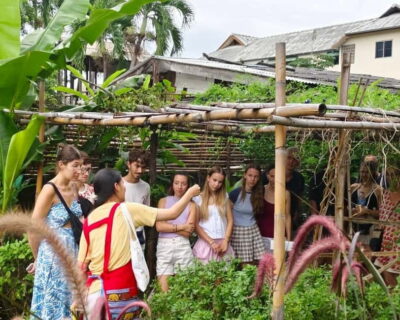
Cooking Class, Market & Thai Herbs Garden Tour
Read our review →
Krabi: Authentic Thai Cooking Class+Thai Herbs Garden Tour
Read our review →
Half day Thai cooking Class + Market tour+Garden tour
Read our review →
Cooking Morning Class Chiang Mai Visit Organic Garden and Market
Read our review →
Shared Cooking Class with Fresh Garden Ingredients in Sorrento
Read our review →Browse the lists this tour appears in