
Review · INDONESIA GARDEN TOURS
From Garden to Table: Indonesian Cooking Class in Yogyakarta
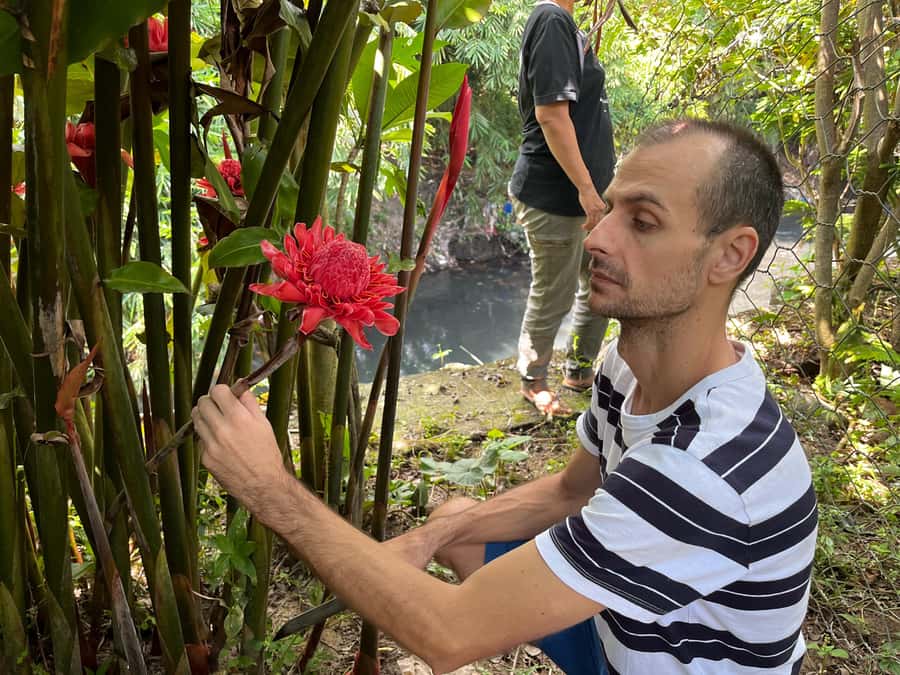
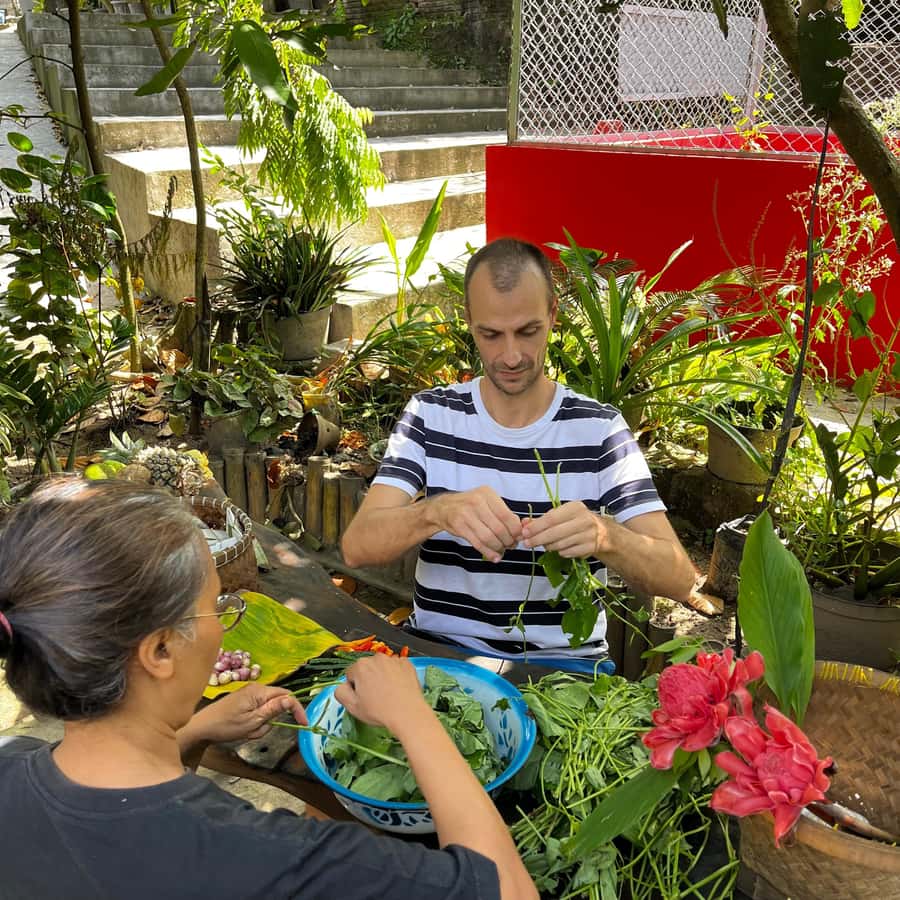
Yogyakarta’s best food lesson may begin with your hands in the soil. At Endah’s home, you pick herbs, flowers, and other ingredients from the garden before washing, grinding, chopping, and cooking them into a full Javanese meal. I like the farm-to-table start and the relaxed family setting, where cats wander nearby and conversation matters as much as the food.
I also like that you get a real choice of menus and can discuss spice levels with Endah before cooking. The main consideration is heat: this is a home-style class without air-conditioning, so bring a small personal fan or dress for a warm five-hour session.
Key points to know before booking
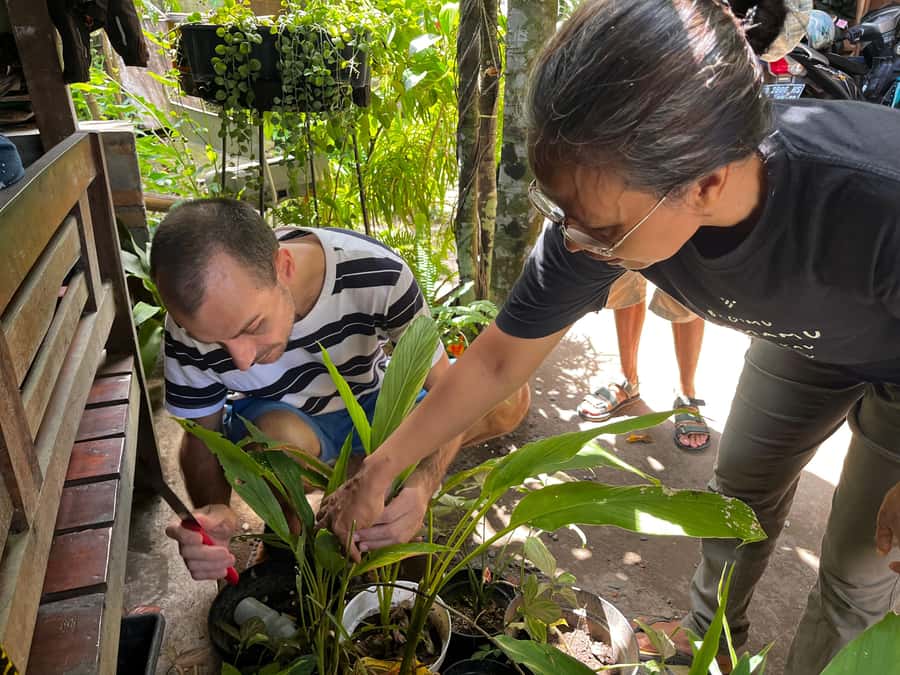
- You harvest ingredients from Endah’s own garden, including herbs, vegetables, and flowers used in the meal.
- Endah teaches in English, with practical help as you prepare and cook rather than simply watching.
- You prepare six local dishes, including rujak, chicken, tofu, tempeh, sambal, and fruit.
- The class is private, making it easier to request dishes, adjust spice, and ask questions.
- Your cooking becomes lunch, with drinks and a welcome beverage included.
- The setting is welcoming but informal, with family members, cats, and no air-conditioning.
Starting with a garden harvest in Yogyakarta
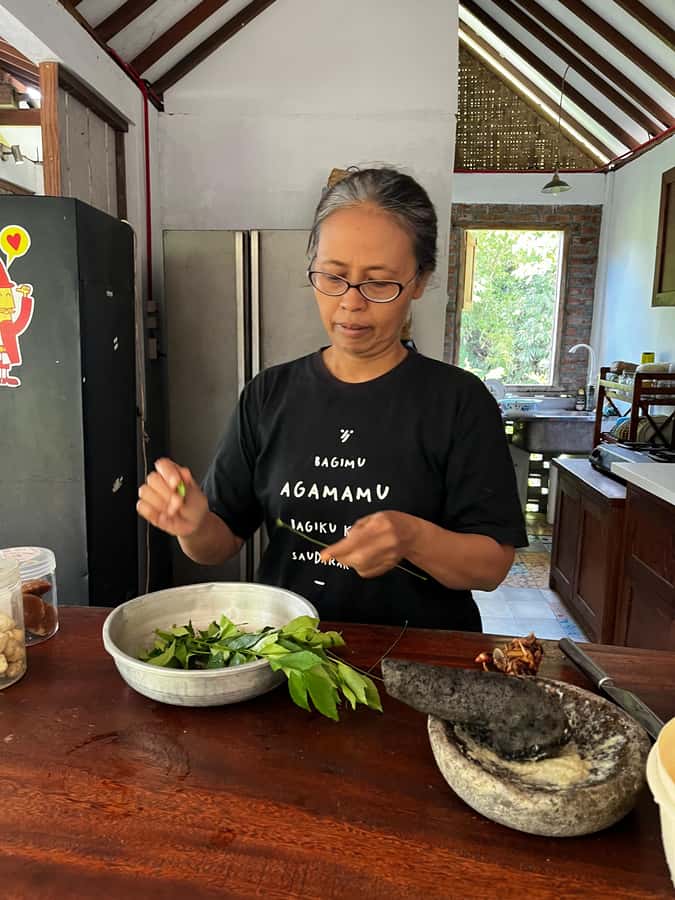
The class begins away from the stove. Endah takes you into the garden and introduces the plants used in Indonesian cooking. You may handle fresh herbs, rhizomes, spices, vegetables, and edible flowers, learning to recognize them by sight, smell, and texture.
That first step gives the meal a useful sense of place. Instead of meeting a pile of anonymous ingredients on a counter, you see where some of them come from and how they look before preparation. For anyone who has only encountered Indonesian flavors in a restaurant, this is a practical way to understand why the food can taste so layered.
The garden is also part of the charm. The setting is calm, and cats add a bit of domestic comedy as you move between picking produce and preparing lunch. This is not a polished studio class. It feels closer to being welcomed into a family kitchen, which is exactly what many people want from a food experience in Java.
Keep your expectations realistic. The garden is important because it connects the food to its source, not because it is a major sightseeing stop. The focus remains on cooking, conversation, and the meal ahead.
More Farm and Kitchen Garden Visits in the world:
- St Hugo Garden to Table Experience & Lunch
★ 4.5 · 19 reviews - Authentic Garden to Table Cooking Class in Dubrovnik Countryside
★ 5.0 · 17 reviews - Slowlife Family Farm- Cook with us From Garden to Table Syracuse
★ 5.0 · 10 reviews
Six dishes, with room to shape the menu
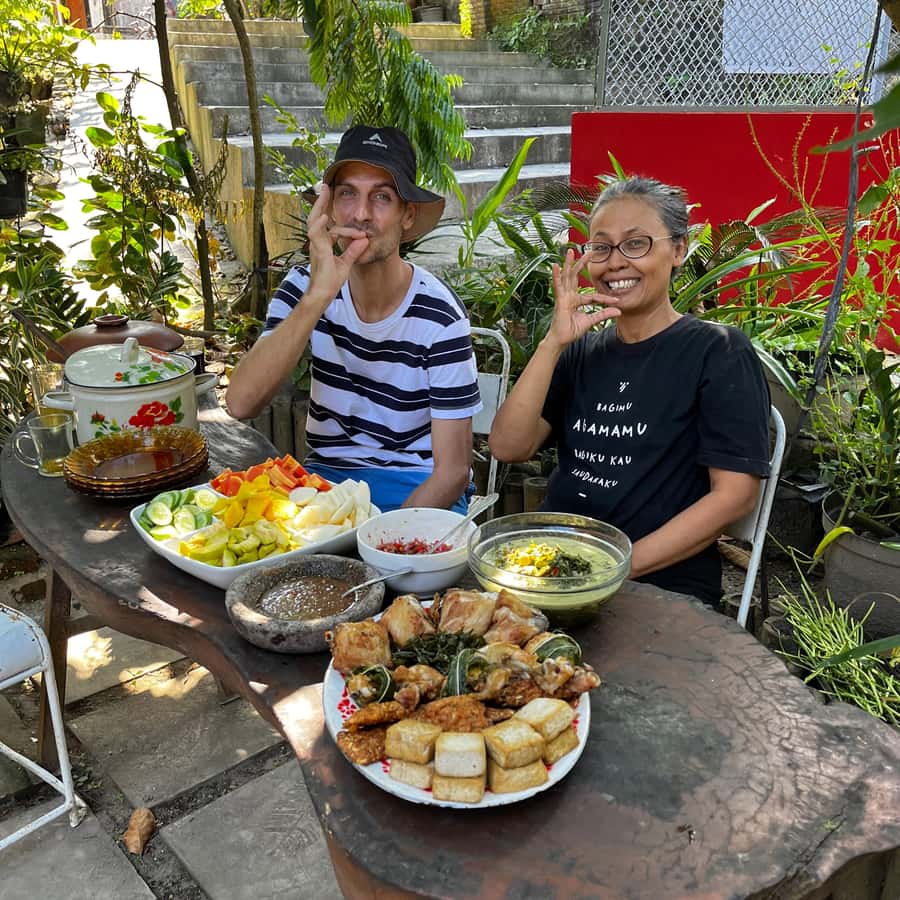
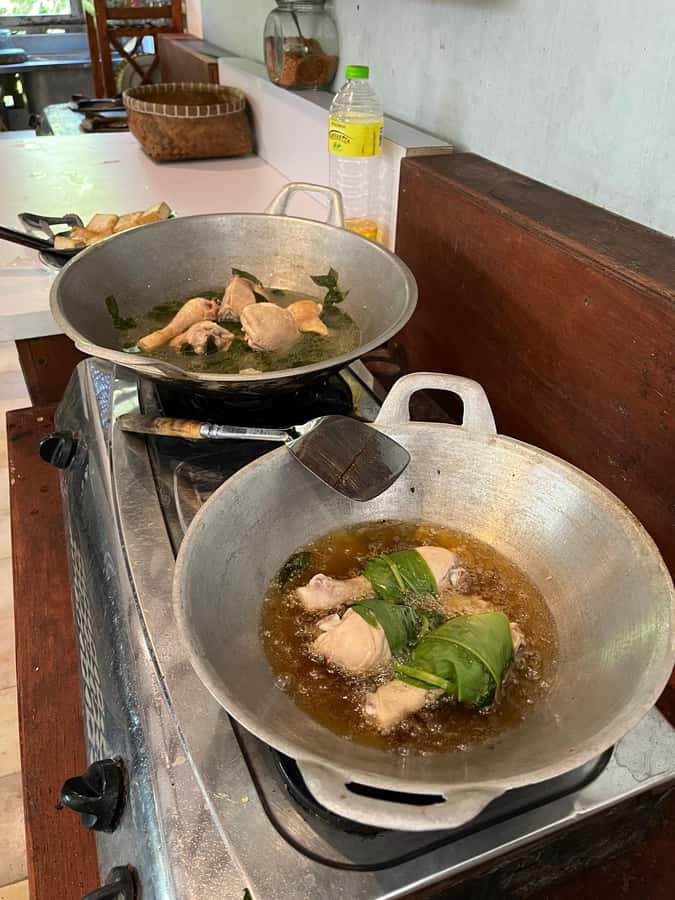
The standard menu covers a broad range of Indonesian flavors and textures. You prepare vegetable rujak with peanut sauce, fried chicken with curry leaves, fried or boiled tofu, tempeh, Balinese lemongrass chili sauce, and local fruit rujak.
That is a generous amount of food for one class. The vegetable rujak brings fresh produce and a nutty sauce, while the fruit rujak gives you a sweet, tangy finish. Tofu and tempeh show two everyday staples in different forms. The chicken adds a hearty centerpiece, and the lemongrass chili sauce brings the sharp, fragrant heat that many people associate with Indonesian meals.
The menu is not fixed in the narrow sense. After booking, you receive the full range of menus and choose what you want to prepare. Endah can also pay attention to your preferred spice level. This matters because Indonesian sambal can be gentle, fiery, or somewhere in between, and a private class gives you more control than a large group lesson.
One possible alternative is rawon, a Javanese beef soup known for its dark color and distinctive seasoning. The ingredients and menu choices depend on the options sent to you, so check those details before you settle on your selection.
I appreciate that the dishes are not all variations of the same thing. You work with fresh vegetables, fried foods, fermented soy, sauces, and fruit. That gives you a better sense of how an Indonesian meal is built, with several contrasting dishes served together rather than one large main course.
How hands-on is the cooking?
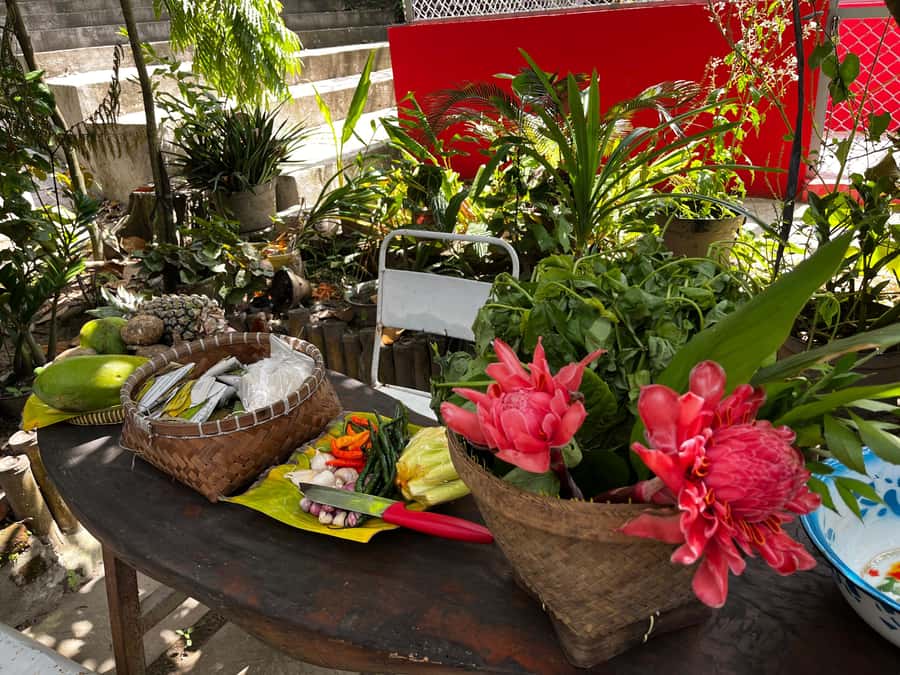
You are expected to help with the work. That may include picking produce, cleaning ingredients, preparing sambal, chopping, grinding spices, cooking, and handling items such as kroepoek. Endah explains the plants and ingredients as you go, then puts you to work.
This is a good fit if you want to learn by doing. You will not simply sit at a counter while a chef performs every step. The class is designed to get you involved, and the private format makes it easier to ask for an explanation when a method feels unfamiliar.
There is one useful qualification. The flow can be less orderly than a Western recipe lesson. Several parts of different dishes may be prepared at the same time, so you might not see one dish completed from start to finish before moving to the next. If you prefer a neat, numbered sequence, ask Endah to explain which ingredients belong to which dish as you work.
That looser rhythm is also part of the home-kitchen feel. Indonesian cooking often involves preparing several accompaniments together, and the class reflects that rather than turning the meal into a rigid demonstration.
The family setting makes the class feel personal
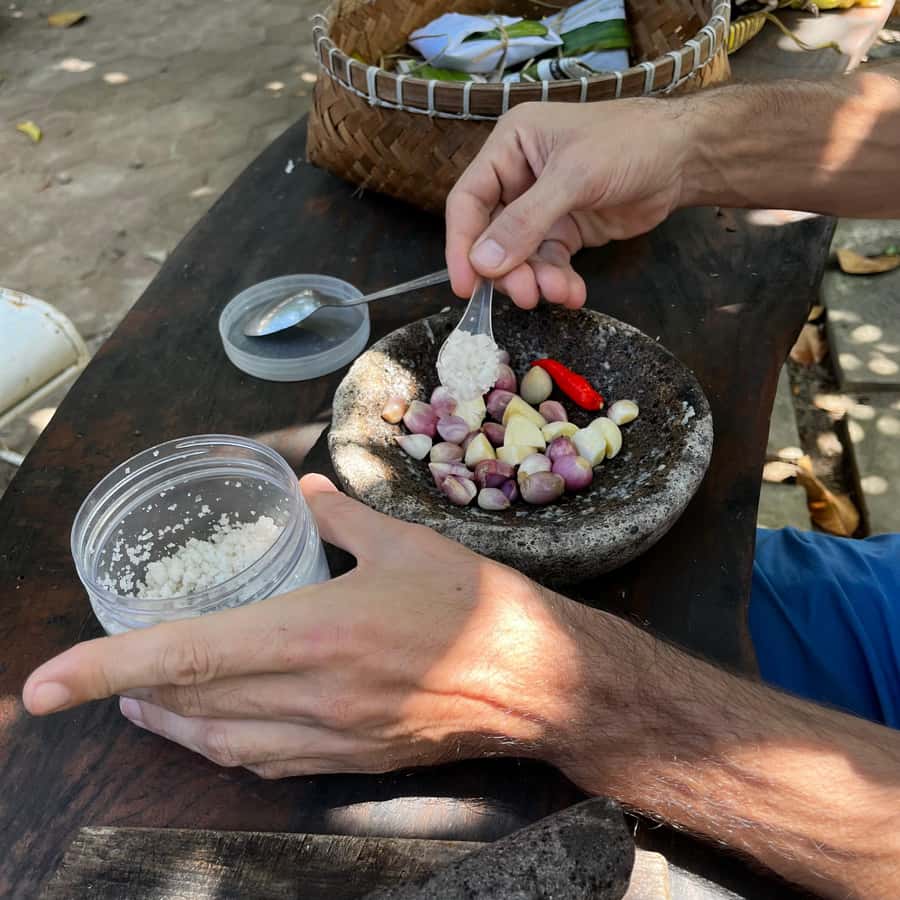
Endah’s warmth is central to the experience. You meet her family, share conversation, and cook in a setting that feels personal rather than commercial. The tone is informal, friendly, and generous, with welcome snacks and drinks helping the session get off to an easy start.
Your welcome drink may be tamarind turmeric, tamarind sugar, or lemongrass tea. Other refreshments can include fresh juice, and you might be offered home-brewed coffee or bananas from the garden. The exact extras are not the core promise, but they fit the generous home setting.
This social side is valuable if you want more than a recipe. As you prepare food, you can discuss Indonesian culture, family cooking, ingredients, and daily eating habits. The class brings people from different backgrounds together around a shared task, so conversation feels natural rather than forced.
The tradeoff is that this is not a silent, tightly timed professional kitchen. The pace can be relaxed, and family interaction is part of the day. If you want a highly formal lesson with precise chef demonstrations, this may feel casual. If you want to feel welcomed into a local home, the informality is a major advantage.
Cooking classes around the world:
- Chiang Mai: Cooking Class, Market & Thai Herbs Garden Tour
★ 4.9 · 4,824 reviews - We Cook Thai Home Garden Cooking School
★ 4.9 · 378 reviews - Thai Cooking Class with Market & Garden Tour
★ 4.9 · 249 reviews - Ella : Cooking class with amazing Spice Garden Tour
★ 5.0 · 239 reviews
Lunch is the payoff
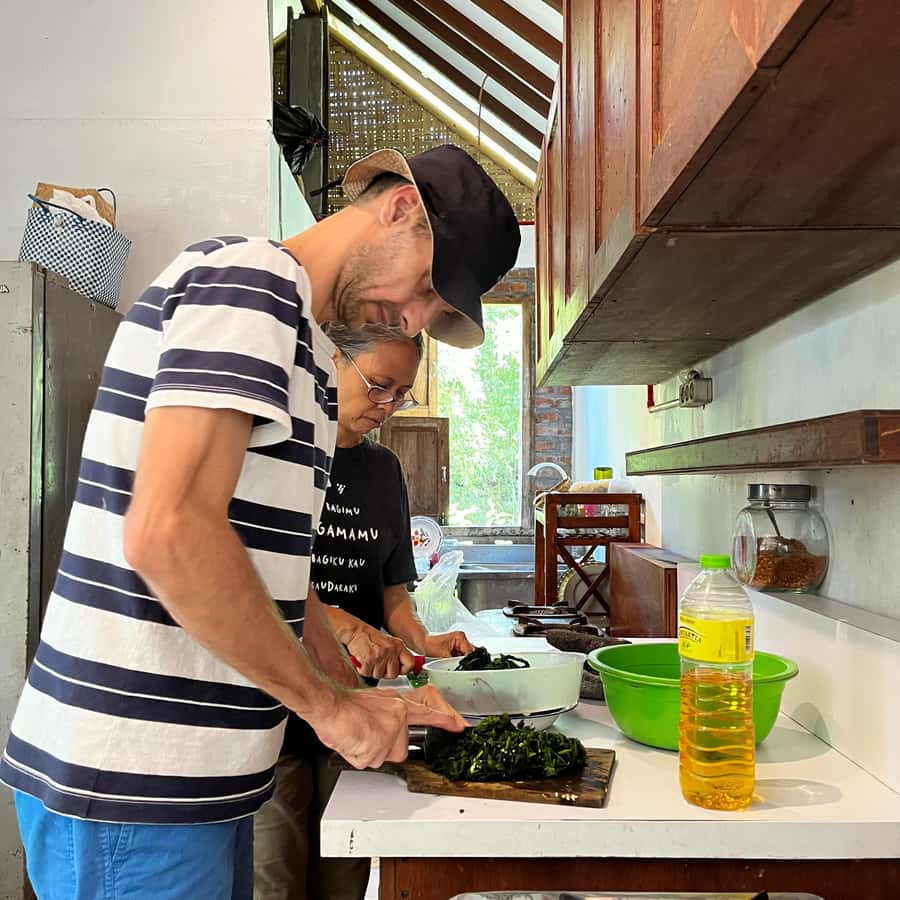
At the end, you eat the dishes you prepared. This is more satisfying than receiving a small tasting plate after several hours of work. The portions are substantial, and the combination of dishes gives you a full meal rather than a single recipe sample.
Eating your own food also helps you understand the balance of the menu. You can compare the peanut sauce with the chili sauce, taste how the herbs affect the chicken, and see how tofu and tempeh work alongside fresh vegetables and fruit.
You will not leave hungry. The meal, welcome drink, and other provided refreshments make the $46 price easier to assess. You are paying for five hours of instruction, ingredients, equipment, garden access, cultural conversation, and lunch. Compared with a short demonstration followed by a small tasting, this offers solid value.
The value is strongest for people who cook at home and plan to use the recipes again. Endah sends the recipes after class, so you have a useful way to recreate the meal. That follow-up turns the experience into something you can carry home rather than a one-day food memory.
Comfort, timing, and practical limits
The class lasts five hours, so plan it as a half-day activity rather than a quick morning stop. Starting times vary, and you need to check availability when booking.
The cooking area is not air-conditioned. Yogyakarta can be warm, and several hours around food preparation may feel sticky, especially if you are sensitive to heat. Light clothing and a personal fan are sensible. The relaxed garden setting helps, but it does not replace cooling equipment.
The activity is wheelchair accessible, which is useful information when comparing cooking classes. The group is private, another clear benefit for anyone who needs a slower pace or wants to ask for adjustments.
There is no hotel shuttle included. You need to arrange your own way there and back, and personal expenses and tips are also outside the price. One host has helped arrange a taxi home, but you should not treat that as a guaranteed transfer service.
Children under five and people over 70 are not suitable for this activity according to the stated limits. That may reflect the length of the class, the heat, and the amount of hands-on food preparation. Families with older children should check the age policy before booking.
Who will enjoy this Javanese cooking class?
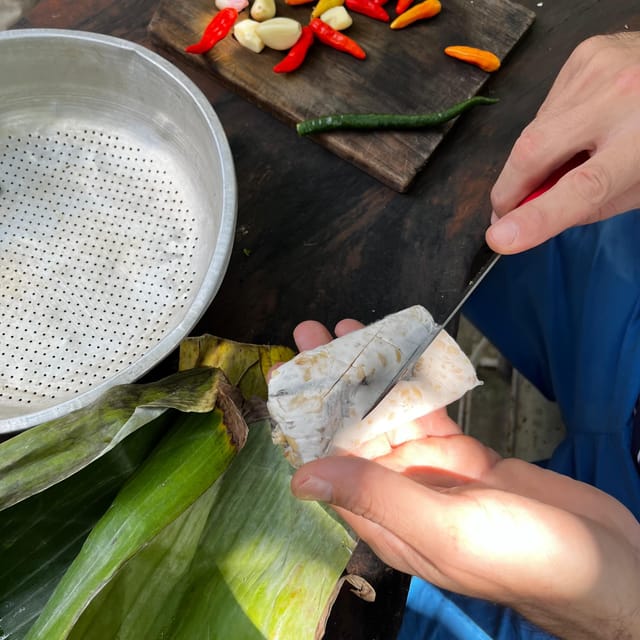
I would choose this class if you want to understand Indonesian food through ingredients and daily cooking habits, not just eat a finished dish. It suits curious cooks, couples, solo visitors, and small groups who enjoy conversation and a personal setting.
It is especially good for people who want to adjust the menu. The private format lets you choose from the available menus and discuss spice levels with Endah. That is useful if you are vegetarian, cautious with chili, or eager to focus on a specific Javanese dish, though you should confirm your needs after receiving the menu choices.
It also suits visitors who value local contact. You meet Endah’s family, see the garden, and share the meal in the same place where much of the food began. The experience feels grounded in ordinary home life, not designed only for photographs.
I would hesitate if you dislike heat, need a tightly structured lesson, or want a short activity. The class takes five hours, the cooking sequence can move between dishes, and the lack of air-conditioning is worth taking seriously.
Is the $46 price fair?
At $46 per person, this sits in a reasonable range for a private five-hour class with lunch. The price includes the ingredients, equipment, welcome drink, other beverages, and six dishes. You also receive recipes afterward, which adds value for anyone who wants to cook the food again.
The private setting is the biggest factor. You are not paying for a large group where the instructor must divide attention among many people. You can make menu requests, ask about unfamiliar plants, and adjust the spice level more easily.
The price does not include hotel transport, tips, or personal spending. Add the cost of getting to the home when planning your budget. Still, if you compare it with a restaurant meal alone, the class gives you several hours of activity and instruction before you sit down to eat.
The 4.9 rating from 24 bookings supports the idea that the experience delivers what it promises, especially in hospitality, food quality, and personal attention. I would place more weight on the practical details than the number: the class is warm and hands-on, but casual and not air-conditioned.
Should you book it?
Book this class if you want a personal introduction to Javanese food, enjoy helping with every stage, and like the idea of lunch in a family home. The garden harvest, flexible menu, generous meal, and recipes afterward make it more useful than a simple cooking demonstration.
Before you commit, check the available menus, decide how much chili you can handle, and prepare for five warm hours without air-conditioning. If those points work for you, this is a strong Yogyakarta choice for food lovers who want to meet a local family and learn what Indonesian cooking looks like at home.
FAQ
Where does the cooking class take place?
It takes place in Yogyakarta, Java, Indonesia, in a home setting with access to a garden.
How long does the class last?
The activity lasts five hours.
How much does the experience cost?
The listed price is $46 per person.
What language does the instructor speak?
The instructor teaches in English.
Is the class private?
Yes. The activity is offered as a private group experience.
What dishes will I prepare?
The listed dishes are vegetable rujak with peanut sauce, fried chicken with curry leaves, fried or boiled tofu, tempeh, Balinese lemongrass chili sauce, and local fruit rujak.
Can I choose the menu?
Yes. After booking, you receive the full range of menu options to choose from.
Is lunch included?
Yes. You eat the meal you prepare during the class.
What drinks are provided?
A welcome drink is included, with a choice of tamarind turmeric, tamarind sugar, or lemongrass tea. Other refreshing drinks are also provided.
Is hotel transportation included?
No. Hotel shuttle service is not included. Personal expenses and tips are also separate.
Is the class wheelchair accessible?
Yes, the activity is wheelchair accessible.
Are there age restrictions?
Children under five and people over 70 are not considered suitable for this activity.
Can I cancel for a full refund?
Yes. You can cancel up to 24 hours in advance for a full refund.
Do I have to pay when I book?
No. The reserve-now, pay-later option lets you book without paying immediately.
Just added around the world
- Hillsborough Castle Gardens Entrance Ticket★ 4.7 · 47 reviews
- Himeji: Himeji Castle & Kokoen Garden 3.5-Hour Guided Tour★ 4.9 · 30 reviews
- Hantan Canyon & Goseokjeong Flower Garden & Pink Muhly Park★ 5.0 · 4 reviews
- Hillegom: Tulip Barn Entry Ticket★ 4.6 · 81 reviews
- Heidelberg: Heidelberg Castle Garden & Outside Private Tour★ 4.9 · 18 reviews
- Hatta Safari & Honey Bee Garden Visit★ 4.8 · 52 reviews
- Versailles: Skip-the-Line Versailles Palace and Gardens Tour★ 4.7 · 110 reviews
- Hanover: Royal Gardens of Herrenhausen Guided Tour★ 4.6 · 78 reviews
Indonesia Garden Tours, compared.

Jakarta Bogor Botanical Garden, Waterfall and Rice terrace, Lunch
Read our review →
Balinese Vegan Cooking Class with Fresh Harvesting & Garden Tour
Read our review →
Bali: Secret Garden, Ulun Danu Temple and Waterfall Tour
Read our review →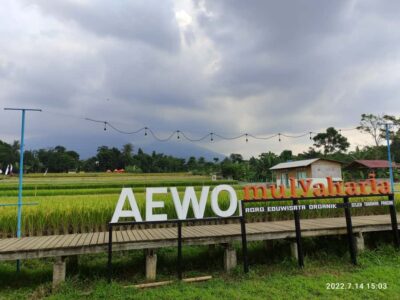
Jakarta : Botanical Garden, Waterfalls, and Rice Fields Tour
Read our review →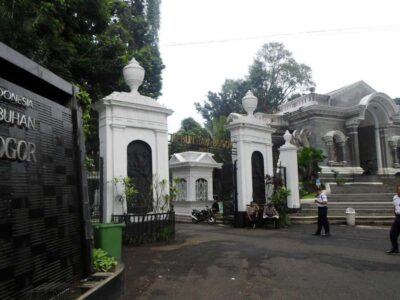

From Jakarta: Bogor Botanical Garden, Ricefield, & Waterfall
Read our review →Browse the lists this tour appears in