
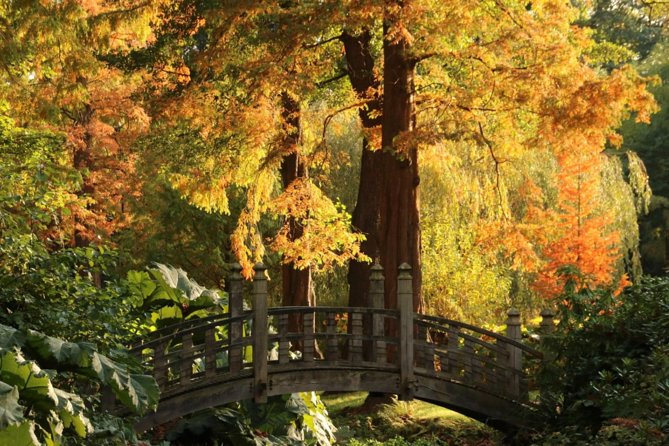
Review · UK GARDEN TOURS
Skip the Line: House and Garden Admission Ticket
Winterbourne House and Garden gives you a quiet change of pace near the heart of Birmingham. The main attraction is not a grand stately home, but an elegant Edwardian suburban villa paired with a carefully designed garden inspired by Gertrude Jekyll. I like the contrast between the peaceful grounds and the busy city outside, and I like that the visit works for both serious gardeners and families looking for an easy outing.
I also appreciate the seasonal variety, from the restored walled garden in summer to the rock garden and woodland paths. The main caution is the skip-the-line promise: at least one visitor still had to join a queue, so buy ahead for convenience, but do not assume it guarantees instant entry.
Key points to know
- Edwardian Arts and Crafts setting: See one of Birmingham’s best-preserved suburban villa gardens from this period.
- Gertrude Jekyll influence: The original owners used Jekyll’s gardening books as guides when shaping the grounds.
- Several distinct garden areas: Expect themed borders, a crinkle-crankle wall, a rock garden, woodland paths, and international plant collections.
- Good value for a flexible visit: The ticket costs $14.17 per person and allows a visit of roughly one to four hours.
- Best from May to October: The walled garden is especially colorful during these months, though the grounds offer interest year-round.
- Practical limitation: Parking can be difficult because the approach is narrow, and the skip-the-line arrangement may not remove every queue.
Why Winterbourne feels different from a standard Birmingham attraction
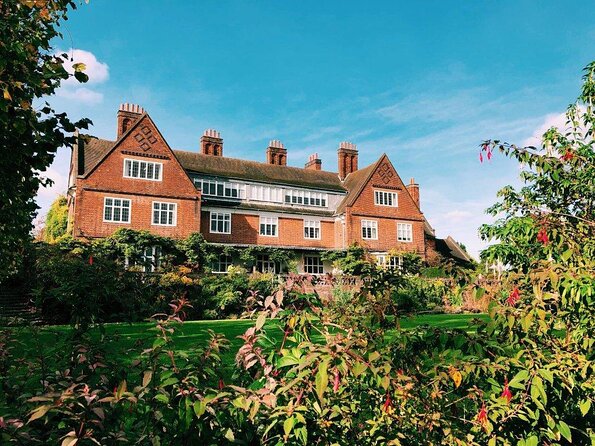
Winterbourne is a place where the setting does much of the work. You are not being hurried from room to room or pushed through a large formal attraction. Instead, you move between a period house, lawns, borders, paths, and plant displays at your own speed.
That slower rhythm is the main reason to choose this admission ticket. You can make the visit a focused garden tour, a look at an Edwardian home, or a calm break during a day in Birmingham. If you have just spent time among traffic, shops, and city streets, the change is noticeable.
The property is Grade II listed, and its importance comes from the way the house and garden belong together. Winterbourne is one of the best surviving examples of an Edwardian Arts and Crafts suburban villa garden in Birmingham. This is not simply a collection of attractive flower beds added beside an old building. The design reflects a period when educated middle-class homeowners treated the garden as part of the architecture and daily life of the house.
That context adds interest for anyone who enjoys design, social history, or old houses. You can look at the planting with a gardener’s eye, then consider how the garden was meant to be experienced by the people who lived in the villa.
Skip-the-line tickets around the UK:
- Skip-the-Line: Botanic Garden Entry Ticket
★ 4.5 · 53 reviews - Versailles: Skip-the-Line Tour of Palace and Gardens Access
★ 4.7 · 10,429 reviews - Vienna: Schönbrunn Palace & Gardens Skip-the-Line Tour
★ 4.7 · 7,739 reviews
Entering the Edwardian house
Your visit begins with the admission to Winterbourne House and Garden. The ticket is mobile, which is handy if you are already carrying several Birmingham bookings on your phone. The attraction is offered in English, and no named guide or guided commentary is included, so plan on exploring independently.
The house gives the garden a human scale. Rather than presenting an enormous country estate, it shows how an Edwardian suburban home could be planned around outdoor space. The period character is part of the appeal, but the gardens are likely to hold your attention for longer if plants and planting design are your main interests.
Take time to look at the relationship between the rooms and the grounds. The home was associated with Margaret and John Nettlefold, who created the garden with help from ideas found in Gertrude Jekyll’s books. Jekyll’s influence is especially useful to keep in mind as you view the colored borders and more structured areas.
The house can also be a good anchor for families. Younger children may not want a long, room-by-room historical visit, but the grounds give them more space to move around. Adults can focus on the house and planting while keeping the overall outing relaxed.
Following the lawns and themed borders
From the house, the lawns lead you into the garden’s main areas. The borders are arranged with strong color themes, giving the grounds a sense of order without making them feel stiff. This is where the Edwardian Arts and Crafts style becomes easiest to understand.
The best display is generally expected from May through October, when the restored walled garden can show a broad mix of color. If flowers are your main reason for coming, that period offers the safest choice. Still, a March visit can have its own appeal, especially if you enjoy seeing a garden wake up through the seasons.
One useful feature is the number of places where you can pause. Benches around the grounds make it easy to sit and take in the planting instead of treating the visit like a walk with a fixed endpoint. The peaceful atmosphere is a real part of the value here. You are paying for access to a place where you can look closely, rest, and set your own pace.
Do not expect every plant to be at its best on every date. One visit in spring found the wisteria not yet in full flower, apart from the plant by the house. That is a reminder that gardens are seasonal, and a ticket cannot guarantee that a particular plant will be blooming when you arrive.
The restored walled garden and crinkle-crankle wall
The restored walled garden is one of the most distinctive parts of Winterbourne. Its crinkle-crankle wall gives the area a playful outline and a clear historic character. From May to October, the planting here is intended to deliver a strong range of color, making it a natural highlight for photographers and keen gardeners.
The wall is also a good example of why this visit is more than a simple flower display. The garden combines practical structure with visual design. You can study the shape of the wall, the way the beds sit within it, and the seasonal changes in planting.
I would give this area extra time if you visit during the main flowering period. It is easy to hurry through a garden by taking a quick path around the edge, but the pleasure here comes from noticing combinations of color and form. If you are visiting with children, the clear boundaries of the walled garden can make it easier to explore as a group.
The display will be quieter outside the main flowering months. That does not make it pointless, but it changes the reason to visit. In cooler or early-season periods, the house, structure of the garden, and woodland walk become more important than a full show of flowers.
Entry tickets around the UK:
- London: Kew Gardens Admission Ticket
★ 4.6 · 3,252 reviews - Kew Gardens Entrance Ticket
★ 4.0 · 1,055 reviews - The Alnwick Garden: Entry Ticket
★ 4.3 · 241 reviews - Birmingham: Winterbourne House and Garden Admission Ticket
★ 4.7 · 199 reviews
Rock garden, woodland walk, and unusual plants
Beyond the lawns and borders, Winterbourne has an original sandstone rock garden. This gives the grounds a different texture and scale from the flatter formal areas. Rock gardens reward close attention, particularly if you enjoy seeing how plants are placed in relation to stone, slope, and shelter.
The woodland walk offers another change. Here you can expect larger foliage, shade, and plantings that feel less formal than the central lawns. Gunnera leaves and rhododendron displays are among the notable features named for this part of the grounds. The combination should make the walk appealing even when the main borders are between peak displays.
Winterbourne’s botanical collections include plants from China, North and South America, and Alpine parts of the world. That international range gives the garden more depth than a purely local display. You can move from a period British garden design to plants connected with very different climates and regions.
The collections are especially useful for visitors who want to learn by looking rather than through a formal lecture. You are free to compare shapes, leaf sizes, and planting styles at your own speed. Since no guide is specified, you should not expect a scheduled talk as part of this ticket. The strength here is independent discovery.
How long to allow for your visit
The stated duration is approximately one to four hours. That is a wide range, but it makes sense for this attraction. A quick visit could cover the house, main lawns, and a few garden sections in about an hour. A slower visit with time on benches, close inspection of plants, and a full walk through the grounds can fill much more of an afternoon.
I would allow at least two hours if you care about gardens. Add more time if you want to read displays, examine the house carefully, and stop often. The peaceful character is easily lost if you try to force everything into a short gap between other bookings.
Opening hours vary by season:
- From January 13 through February 28, 2026, the hours are 10:30 a.m. to 3:30 p.m.
- From March 1 through October 31, 2026, the hours are 10:30 a.m. to 4:30 p.m.
The shorter winter hours matter. Check your timing carefully so you do not arrive late and have to rush the grounds. The longer spring and summer schedule gives you more room for an unhurried visit.
Is $14.17 good value?
At $14.17 per person, the ticket is reasonably priced for a visit that can last from one to four hours. The value is strongest if you use the garden as a proper outing rather than a quick photo stop. You receive admission to both the house and grounds, and the varied areas give you enough to see beyond one central lawn.
The price also suits mixed groups. A keen gardener can spend time with the collections and planting design, while someone less interested in horticulture can focus on the house, woodland path, and general calm of the setting. Families get an outdoor visit with benches and room to move, though the grounds are not simply a playground.
The ticket includes admission only. Food and drinks are not included unless specifically stated, so plan separately if you want refreshments. That matters because a garden visit often stretches longer than expected, particularly in good weather.
The mobile format is convenient, and advance purchase is intended to reduce waiting. Still, keep expectations sensible. One visitor reported joining a queue despite buying the skip-the-line ticket. I would treat advance booking as a way to prepare and possibly save time, not as a guarantee that you will walk straight in at any moment.
Access, parking, and comfort
Most people can take part, and the attraction has a maximum group size of 30 for this activity. Since this is an admission visit rather than a tightly managed tour, that limit should help keep the experience from feeling crowded.
Some parts of the grounds are suitable for wheelchairs and pushchairs, but access is not complete across every area. If you use a wheelchair or are bringing a pushchair, expect that certain paths or sections may be easier than others. The available information does not give a full route map, so ask on arrival about the most practical way around the garden.
Parking can be awkward. The approach is narrow, and finding a convenient place for a car may take patience. If you are driving, allow extra time rather than planning to arrive just before closing.
The garden itself offers plenty of benches, which is useful for anyone who wants a low-pressure visit. You do not need to keep walking continuously. That makes Winterbourne a good choice for a relaxed afternoon, though the varied paths mean comfortable shoes are still sensible.
Who will enjoy Winterbourne most?
I would recommend this experience most strongly to:
- Gardeners interested in Edwardian design, Gertrude Jekyll, and plant collections
- People who enjoy historic houses without the scale and crowds of a major estate
- Families looking for a calm outdoor visit with room to explore
- Anyone who wants a quiet break from central Birmingham
- Visitors who enjoy seasonal changes and may return at different times of year
- Couples or solo visitors who prefer a self-paced attraction
You may want to choose another activity if you need a fully guided tour, guaranteed queue-free entry, or a large number of indoor exhibits. Winterbourne’s appeal depends on taking your time outdoors, and its strongest flower displays change with the calendar.
The garden is also worth considering as a repeat visit. A spring outing can show early growth and developing borders, while later visits may bring fuller color in the walled garden, different rhododendron displays, and changes in the woodland. The visitor who returned in March with plans to come back through the year had the right idea: this is a place that changes rather than a one-time spectacle.
Should you book the Winterbourne ticket?
Book it if you want a peaceful, reasonably priced visit built around a period house and a carefully designed garden. The walled garden, themed borders, rock garden, and woodland walk give you enough variety to justify the admission, especially from May through October.
I would be cautious if your main reason for booking is the skip-the-line claim. The advance mobile ticket is still useful, but at least one person found a queue on arrival. Go for the house and garden first, and treat any saved waiting time as a bonus.
For keen gardeners, families, and anyone needing a quiet hour or two in Birmingham, this is an easy choice. Allow two hours if you can, arrive within the seasonal opening times, and remember that the best display depends on the date. The experience is calm, personal, and pleasantly different from a standard city attraction.
FAQ
Where is Winterbourne House and Garden?
Winterbourne House and Garden is in Birmingham, England.
What does the ticket include?
The ticket includes admission to Winterbourne House and Garden.
How much does admission cost?
The listed price is $14.17 per person.
How long does a visit take?
The approximate duration is one to four hours, depending on how much time you spend in the house and garden.
Is the ticket available on a mobile phone?
Yes. A mobile ticket is provided.
Is the experience offered in English?
Yes. The experience is offered in English.
When is Winterbourne open?
From January 13 through February 28, 2026, opening hours are 10:30 a.m. to 3:30 p.m. From March 1 through October 31, 2026, opening hours are 10:30 a.m. to 4:30 p.m.
Is food included?
No. Food and drinks are not included unless specifically stated.
Can I cancel the booking?
Yes. You can cancel for a full refund up to 24 hours before the experience start time. Cancellations or changes made less than 24 hours before the start time are not accepted for a refund.
Just added around the UK
- York: Castle Howard Gardens and Grounds Entry Ticket★ 4.5 · 23 reviews
- York: Castle Howard House and Gardens – Self-Guided★ 4.8 · 120 reviews
- Royal Horticultural Society: Harlow Carr Garden Ticket★ 4.7 · 14 reviews
- Woking: Royal Horticultural Society Wisley Garden Ticket★ 4.7 · 24 reviews
- London: Westminster Walking Tour and Visit to Kew Gardens★ 4.7 · 7 reviews
- RHS Garden Wisley and Tea in the Garden Entry Ticket★ 4.0 · 10 reviews
- RHS Garden Wisley Entry Ticket★ 4.0 · 86 reviews
- Oxford College Gardens Public Walking Tour★ 5.0 · 3 reviews
UK Garden Tours, compared.



Kensington Palace Gardens Tour with Royal High Tea
Read our review →
Sky Garden Early Access with Pastry and Hot Drink
Read our review →
Birmingham: Winterbourne House and Garden Admission Ticket
Read our review →
York: Castle Howard House and Gardens – Self-Guided
Read our review →Browse the lists this tour appears in