
Review · SRI LANKA GARDEN TOURS
Sri Lanka: Ceylon Cinnamon Experience & Spice Garden Tour
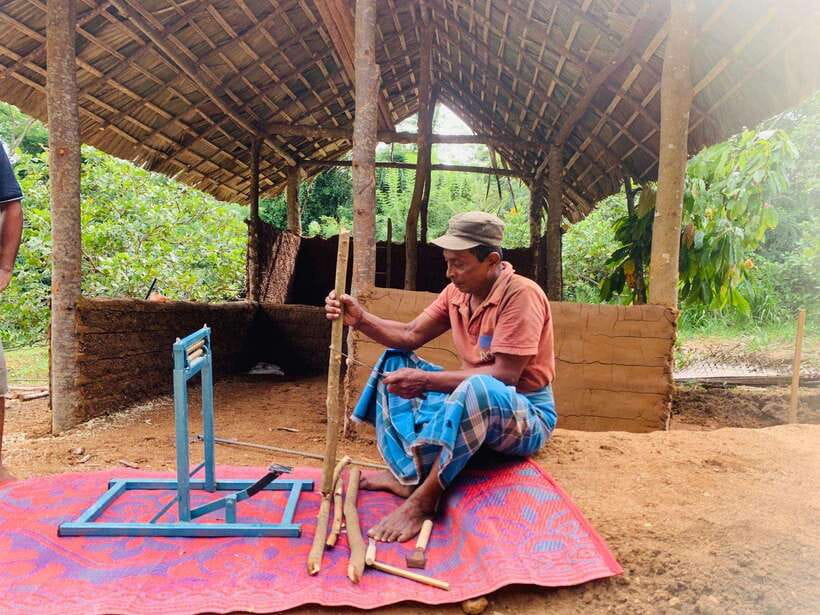
The most memorable part of this three-hour visit is hands-on: you see cinnamon bark peeled, scraped, rolled, and prepared, then try making a quill yourself. I like the small groups of up to 10 and the chance to taste spices with tropical fruit rather than simply look at plants. I also like that this is a working farm and factory, not just a display garden.
The main drawback is getting there. You arrange your own transport, and the garden is not suitable for wheelchair users, people with mobility impairments, or pregnant women. Much of the visit takes place outdoors, so bring water, sun protection, and shoes that can handle an uneven garden path.
Key points at a glance
- Make a cinnamon quill: Watch the traditional process from bark peeling to rolling, then take part yourself.
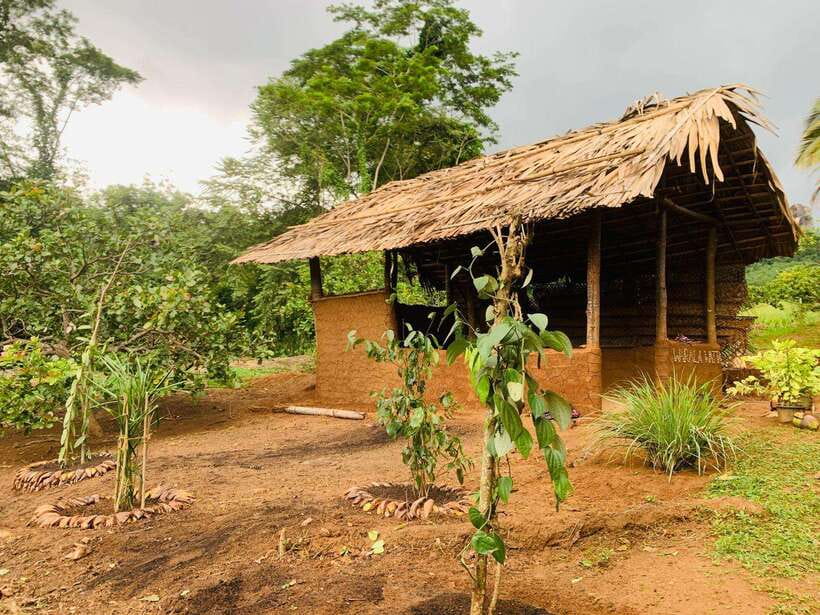
- Walk a working spice farm: See cinnamon, black pepper, cloves, cardamom, and other Sri Lankan plants in their growing environment.
- Taste the garden: Sample spices, tropical fruit, and tea, with explanations of flavor and common uses.
- Visit the factory: Follow the spice-processing journey and learn how quality is checked.
- Keep the group personal: Tours are limited to 10 people and led in English.
- Allow three hours, plus transport: The activity includes the garden, tastings, cinnamon work, and factory visit, but not travel to or from the farm.
Why the cinnamon lesson is the heart of the visit
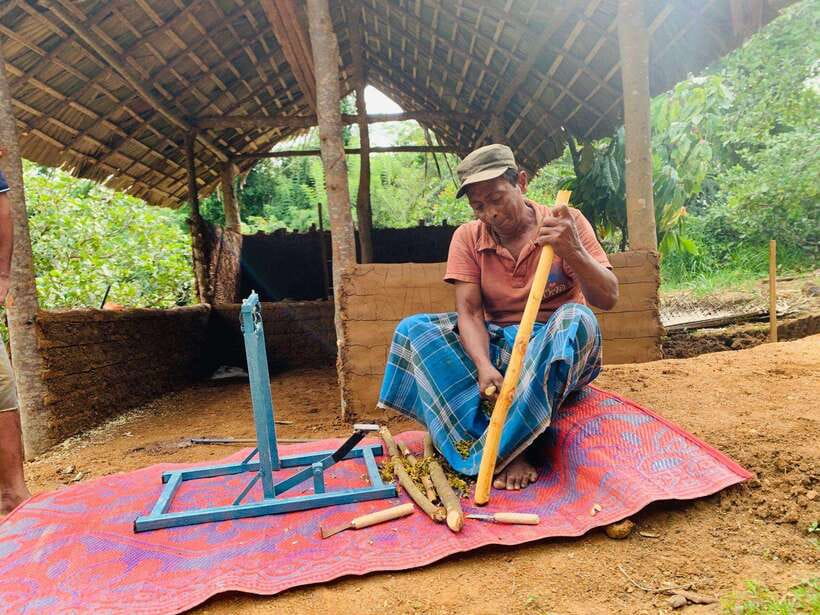
Cinnamon is not simply scooped from the ground or plucked from a finished plant. At Warala Watta, you get to see the work that turns a piece of bark into the familiar rolled spice used in kitchens around the world.
The process begins with peeling the bark. You then see how it is handled and prepared before the inner layers are shaped into a cinnamon quill. The appealing part is that you are not limited to watching. You can try making a cinnamon roll yourself, which gives you a better feel for the care and skill involved.
I would make this the main reason to book. A standard garden walk can blur into a list of plant names, but the cinnamon demonstration gives the visit a clear story. You see the raw material, the human work, and the finished product in one place.
The activity is also useful if you buy cinnamon at home but have never thought about how it is made. The guide can connect the plant to its culinary and medicinal uses, while the factory portion shows how the product moves beyond the farm.
More Spice and Herb Gardens in the world:
- Ella : Cooking class with amazing Spice Garden Tour
★ 5.0 · 239 reviews - Alcamo Farm Animals and Aromatic Garden
★ 4.0 · 45 reviews - Day Tour to Elephant Orphanage / spice garden
★ 5.0 · 20 reviews
A walk through cinnamon, pepper, cloves, and cardamom
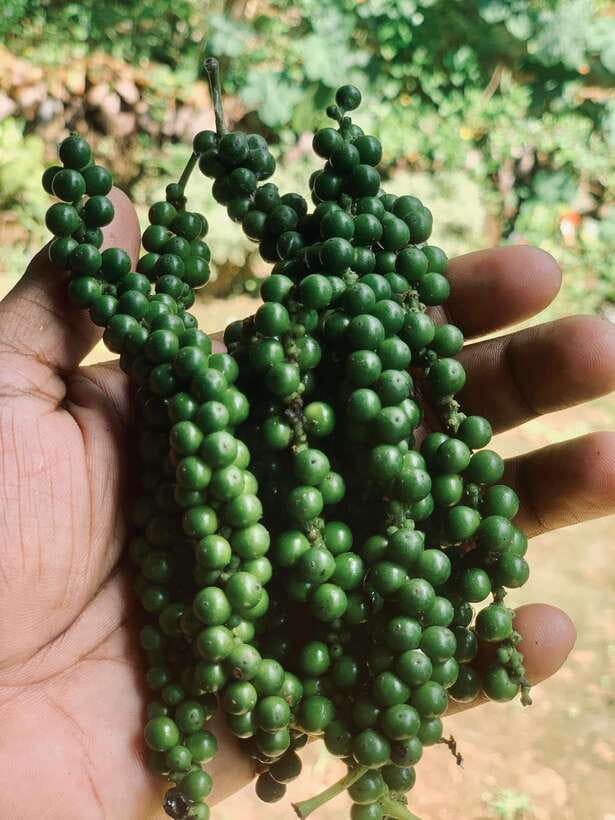
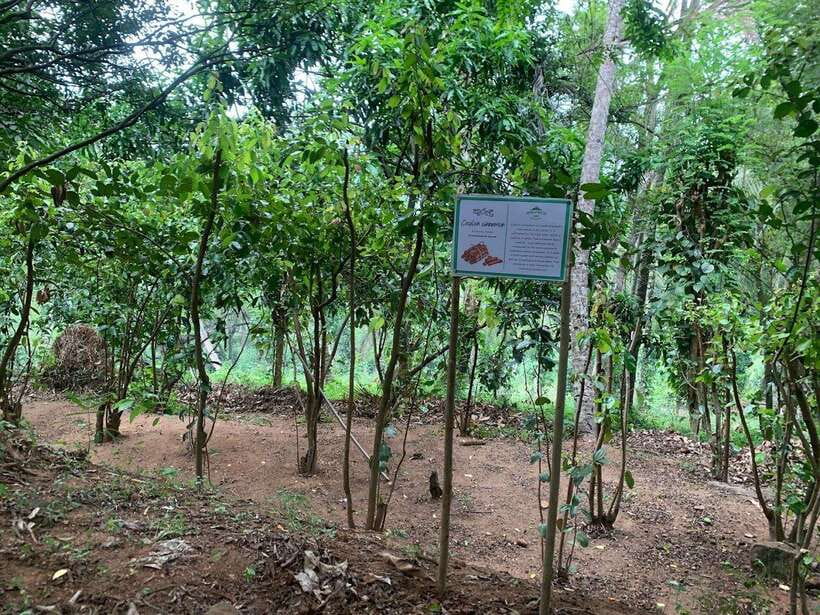
The guided garden walk takes you through a range of Sri Lankan spices, including cinnamon, black pepper, cloves, cardamom, and other plants grown at the farm. The pace is designed for looking, smelling, asking questions, and tasting, rather than rushing from one sign to the next.
Your English-speaking guide explains how the plants are cultivated and used. You also hear about traditional applications in cooking and local health practices. That context matters because a spice garden is easy to misunderstand if you only see the leaves. The guide helps you connect each plant with the bark, seed, pod, fruit, or other part used in food.
Pay attention to the sensory side of the walk. You may be asked to identify spices by smell, taste, or touch during the spice sensory challenge. It is a simple idea, but it turns passive listening into an active test. The garden asks you not to touch plants without permission, so follow the guide’s instructions and help protect the growing areas.
Wear comfortable walking shoes. You may be on plantation paths rather than smooth indoor flooring, and the garden setting means sun, insects, and warm conditions are possible. A hat, sunscreen, water, and insect repellent are sensible additions to your day bag.
From fresh plants to the processing factory
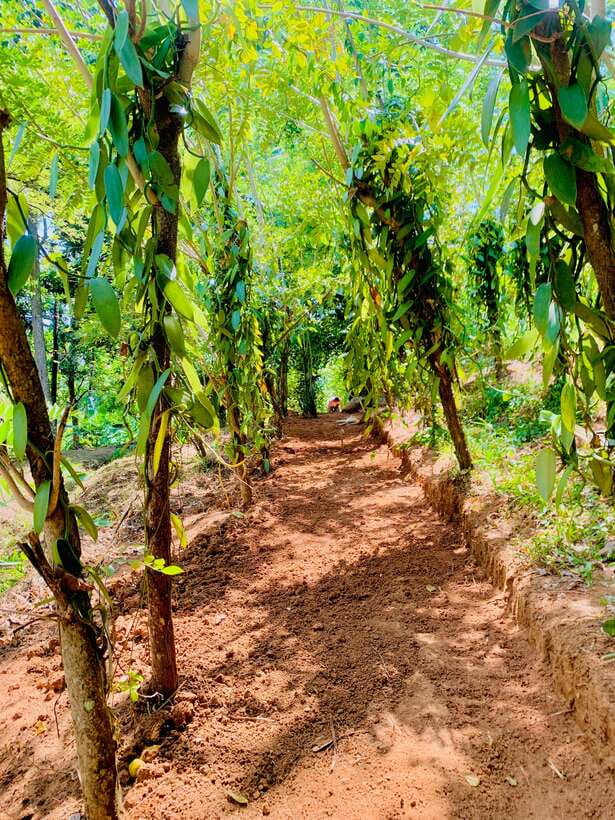
The factory visit adds an important second half to the farm experience. Instead of seeing spices only at their growing stage, you follow the processing journey and learn about quality assurance.
This is useful for anyone curious about what happens between harvesting and the packet on a shop shelf. The factory gives you a look at the practical side of the business, while the garden shows where the ingredients begin. Together, the two stops make the tour feel more grounded in actual farm work.
The exact seasonal activity can vary. Spice harvesting is listed as seasonal, so you should not expect every plant to be at the same stage on every visit. That is not a flaw, but it is worth understanding before you arrive. You are booking a working farm visit, not a fixed theatrical show.
The shop is another practical benefit. You can buy cinnamon, cloves, black pepper, chili powder, and other spices after the tour. Prices have been described as fair, making this a convenient place to purchase items you have just seen being produced. Pack purchases carefully if you are continuing your trip, and check any customs rules that apply when you return home.
Tasting spices, fruit, and tea
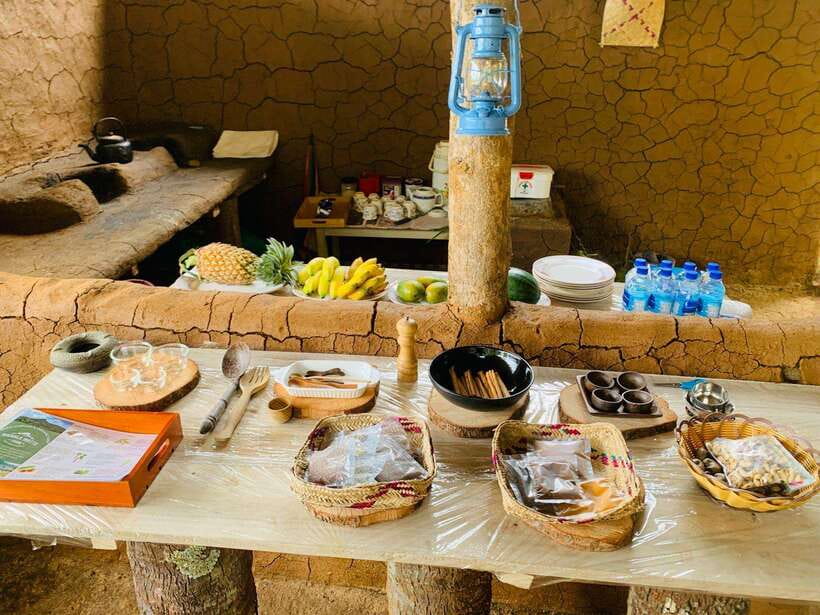
The tasting is not an afterthought. You sample fresh garden spices while the guide explains their flavors and possible health uses. The experience also includes tropical fruit paired with Sri Lankan spice blends, which helps you understand how local seasonings work with sweet, fresh ingredients.
This is one of the best features for first-time visitors to Sri Lanka. You can smell a spice in the garden, learn how it is used, and then taste it in a more familiar setting. Fruit gives you a gentle way to notice the difference between heat, sweetness, warmth, sharpness, and fragrance.
Tea is also part of the tasting experience. The information does not specify every tea pairing or fruit served on a particular day, so keep your expectations flexible. The selection can depend on what is fresh and available at the farm.
If you have food allergies or dietary restrictions, ask before sampling anything. The provided information does not list allergen procedures or a separate tasting menu. That is a sensible question to raise when you arrive.
More Garden Tours in the world:
- Paris: Versailles Palace and Gardens Full Access Ticket
★ 4.6 · 41,579 reviews - Amsterdam: Keukenhof Entry & Shuttlebus with Flexible Return
★ 4.7 · 11,891 reviews - Versailles: Skip-the-Line Tour of Palace and Gardens Access
★ 4.7 · 10,429 reviews - Marrakesh: Majorelle Garden Entry Tickets
★ 4.5 · 9,651 reviews
Meeting the people behind Warala Watta

The human welcome is an important part of the visit. The team includes Roha and Dilan, along with other staff who help guide the garden, cinnamon work, tasting, and factory portions. When they are leading your visit, you can expect a personal introduction to the farm’s work rather than a generic presentation.
A small group makes a real difference here. With no more than 10 participants, you have a better chance to ask how a spice is grown, see a demonstration clearly, and take your turn with the cinnamon. A solo visitor may occasionally find the group even smaller, depending on bookings, but that is not guaranteed.
The tour is offered in English. If you want to ask detailed questions about farming methods, processing, or culinary use, prepare a few in advance. Good questions can make a plant walk far more rewarding.
The farm also presents its organic farming methods and sustainable practices. The information available does not provide a formal organic certification or a detailed list of farming techniques, so I would treat this as an opportunity to learn about the farm’s approach rather than assume a particular certification standard.
Is three hours enough?
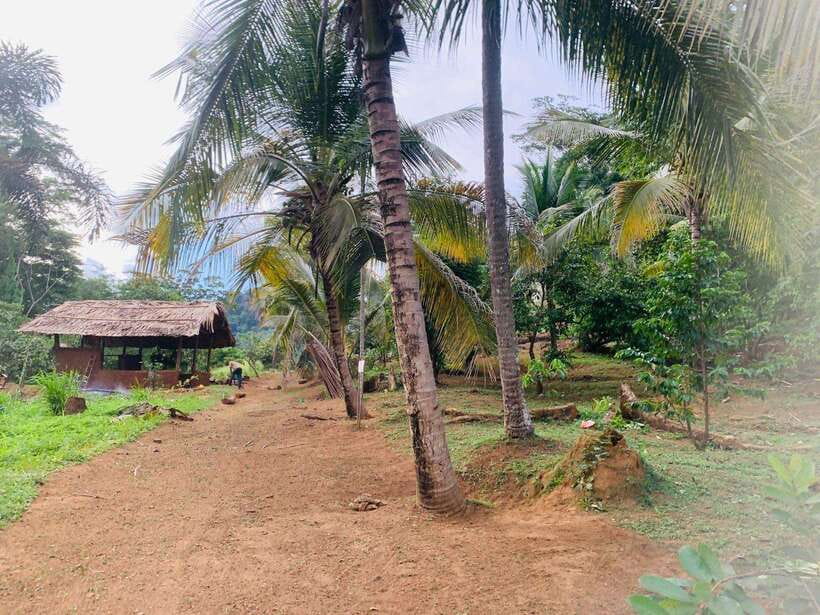
Three hours is a comfortable length for the main program. You have time for the garden walk, cinnamon demonstration, hands-on preparation, tastings, sensory activities, and factory visit without turning the experience into a full-day commitment.
Some visits may run closer to two and a half hours, depending on the group and pace. If you have a tightly scheduled day, allow extra time for transport and any shopping afterward. The listed duration does not include getting to the farm or returning to your hotel.
The outdoor setting also affects the pace. You may want to slow down in the garden, take photographs, or ask questions. That is part of the appeal, but it means you should not book the experience immediately before a train, airport transfer, or timed attraction unless you have a generous buffer.
Getting there and preparing well
Transportation to and from Warala Watta Farm is not included. You need to arrange your own ride, and the information provided does not specify a pickup service or a single meeting point beyond the garden itself. Confirm the exact arrival details before setting out.
The route itself can be part of the pleasure. The farm is in Sri Lanka’s Central Province, and one visit included a memorable journey to the site. Still, do not assume that every booking includes transport or a scenic transfer. Your ride remains your responsibility.
Pack lightly, but bring the basics:
- Comfortable walking shoes
- A hat and sunscreen
- Drinking water
- Insect repellent
- A camera
Smoking is not allowed on the garden premises. You should also avoid touching plants unless the guide invites you to do so. That protects the garden and keeps the sensory activities orderly.
The activity is not suitable for pregnant women, wheelchair users, or people with mobility impairments. The outdoor paths, walking requirements, and farm setting are the key concerns. If you have another mobility or health issue, contact the provider before booking rather than relying on assumptions.
What the $20 price gets you
At $20 per person, this is good value if you want more than a short photo stop. The price covers a guided spice garden walk, the cinnamon experience, spice tasting, tropical fruit tasting, and the factory visit. You are paying for access to several parts of a working operation, plus instruction and food samples.
The value is strongest when you take part. If you only watch the cinnamon process and skip the questions, tasting, and hands-on work, the price will feel less worthwhile. Plan to engage with the guide and use the sensory elements.
The price does not include meals or transport. Those costs can change the total for your day, especially if you are coming from another town. Even so, the included program is broad for a three-hour farm visit, and the small group limit gives it a more personal feel than a large coach excursion.
You can also reserve now and pay later, which helps if your Sri Lankan route is still changing. Free cancellation is available up to 24 hours before the activity for a full refund. Check the booking terms at the time you reserve, since your confirmation is the final word on these conditions.
Who will enjoy this farm visit most?
I would recommend Warala Watta to you if you like food, agriculture, local production, and hands-on demonstrations. It suits curious adults, couples, solo visitors, and families with participants who can manage the walking and outdoor conditions.
It is especially good for anyone staying in Sri Lanka’s Central Province who wants a three-hour activity with a clear local focus. You do not need to be a serious cook. The cinnamon work, fruit tasting, and sensory challenge are easy to appreciate even if your spice knowledge begins and ends with the kitchen cupboard.
Solo visitors may also find the small group format reassuring. The team has a welcoming reputation, and the experience can feel personal when numbers are low. Still, the availability of a very small group is not guaranteed.
I would look elsewhere if you want a polished indoor museum, guaranteed harvest activity, accessible paths, or included hotel transport. This is a farm, factory, and garden visit. Its strengths are direct contact with the plants and the people who process them, not comfort or formal presentation.
Should you book the Ceylon Cinnamon Experience?
Book it if you want to understand Sri Lankan spices through your hands, nose, and taste buds. The cinnamon quill lesson is the strongest part, while the garden walk, fruit tasting, and factory visit give the activity useful breadth.
The best plan is to set aside a relaxed three hours, arrange transport early, wear practical shoes, and arrive ready to ask questions. At $20, the mix of instruction, tastings, and hands-on work offers solid value, particularly for food lovers and first-time visitors to Sri Lanka.
Skip it only if mobility limits make plantation paths difficult, or if your schedule cannot absorb travel time beyond the three-hour activity. For everyone else, Warala Watta offers a friendly, direct look at how Sri Lankan spices grow, taste, and reach the market.
FAQ
Where is the Ceylon Cinnamon Experience held?
It is held at Warala Watta Farm Spice Garden and Organic Farm in Sri Lanka’s Central Province.
How long does the tour last?
The listed duration is three hours. Some visits may take about two and a half hours, depending on the pace and group.
What is included in the price?
The price includes the guided spice garden walk, Ceylon Cinnamon Experience, farm-to-table spice tasting, tropical fruit tasting with Sri Lankan spices, and the factory visit.
Is transportation included?
No. You need to arrange your own transportation to and from the spice garden.
What language is the tour offered in?
The tour is offered in English with a live guide.
How large is the group?
The activity is limited to 10 participants.
Can I make cinnamon myself?
Yes. You can watch the cinnamon process and take part in preparing a cinnamon quill.
Are meals included?
No. Meals are not included.
What should I bring?
Bring comfortable shoes, a hat, sunscreen, water, a camera, and insect repellent.
Is the garden accessible to wheelchair users?
No. The activity is not suitable for wheelchair users or people with mobility impairments. It is also not suitable for pregnant women.
Just added around the world
- Yu Garden Shanghai Entry Tickets Booking And Trip★ 3.6 · 9 reviews
- Zanzibar: Jozani Monkeys, Butterfly Garden & Reptile Park★ 5.0 · 2 reviews
- York: Castle Howard Gardens and Grounds Entry Ticket★ 4.5 · 23 reviews
- York: Castle Howard House and Gardens – Self-Guided★ 4.8 · 120 reviews
- Royal Horticultural Society: Harlow Carr Garden Ticket★ 4.7 · 14 reviews
- Woking: Royal Horticultural Society Wisley Garden Ticket★ 4.7 · 24 reviews
- Woodside: Filoli Historic House and Garden Entry Ticket★ 4.9 · 9 reviews
- Xochimilco floating gardens, Coyoacan and UNAM murals★ 4.0 · 6 reviews
Sri Lanka Garden Tours, compared.
Organic Cooking Class with Garden Visit by Sinhagiri
Read our review →


From Sigiriya: Kandy Transfer with Dambulla and Spice Garden
Read our review →
Nine Arch Spice Garden Tour with Traditional Lunch
Read our review →
From Kalutara/Waskaduwa: Lunuganga & Brief Garden Tour
Read our review →Browse the lists this tour appears in