
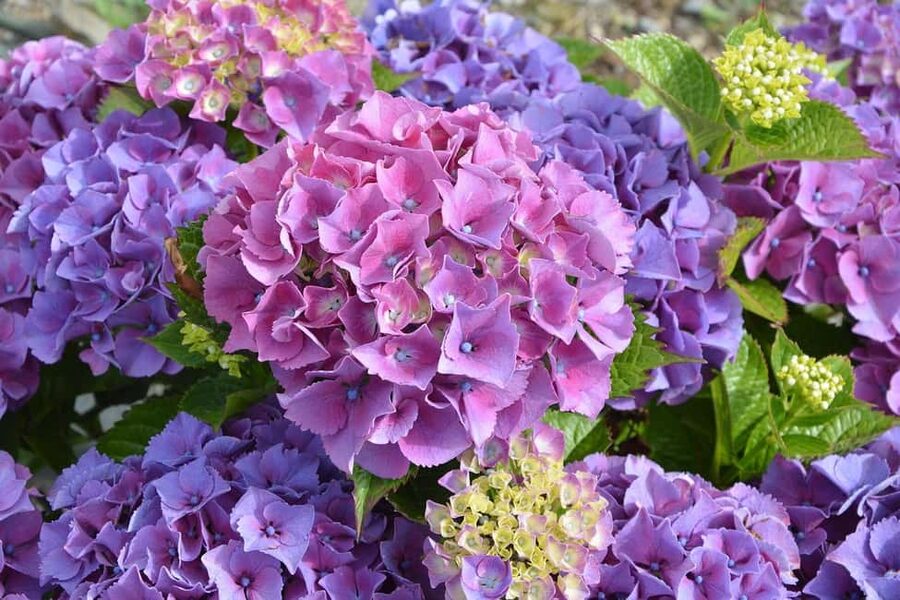
Review · USA GARDEN TOURS
San Antonio: Botanical Garden Admission Ticket
San Antonio Botanical Garden gives you a calm break from the city, with 38 acres of gardens arranged as a living museum of native Texas plants and imported species. The best reason to come is the range: formal displays, themed garden areas, conservation work, and quiet places to sit all fit into one visit. I especially like the chance to see 35 rare and endangered plant species and the fact that the garden treats plants as both beautiful displays and subjects worth understanding.
I also like the garden’s mix of nature and culture. Educational programs serve more than 28,000 people each year, while art, architecture, music, theater, and special events add variety beyond the plant collections. At $18, the ticket is good value if you plan to stay several hours, though a one-star experience reported that exhibits were closed and very few people were present, so checking current opening details before setting out is wise.
Key points to know before you go

- 38 acres to explore: You get access to the formal gardens, native Texas plant collections, themed areas, and other garden spaces for one day.
- 35 rare and endangered species: Conservation is a real part of the visit, not just a background idea.
- $18 admission: The price includes general entry and access to all garden areas, but not food, drinks, souvenirs, or a personal guide.
- Open from 8 AM to 4 PM: Arriving early gives you more time and may make parking easier.
- Lot A is the practical parking choice: It is closest to the admissions kiosk, entry area, and Garden Gift Shop, though free parking is limited.
- Accessibility has limits: The garden is described as wheelchair accessible, but wheelchair access is also specifically noted as limited.
What an $18 day at the San Antonio Botanical Garden includes
The San Antonio Botanical Garden is best understood as a living museum rather than a quick city park stop. Founded in 1980, it brings together native Texas plants, imported specimens, formal gardens, and displays arranged around different themes.
Your general admission ticket is valid for one day and includes access to all garden areas. That matters because the value depends less on a single headline attraction and more on how long you spend moving through the grounds at your own pace.
At $18 per person, the ticket makes sense for anyone who enjoys gardens, plant conservation, photography, quiet walks, or a slower morning in San Antonio. If you only have time for a brief look, the price may feel less compelling. The garden gives you room to linger, so I would plan on more than a rushed half hour.
Meals and drinks are not included. A personal tour guide is not included either, and souvenir purchases at the Garden Gift Shop are extra. Those limits are easy to understand, but they are worth remembering if you expect a guided sightseeing tour rather than a self-directed garden visit.
More Botanical Gardens in the USA
- Princeville Botanical Gardens Tour and Chocolate Tasting Ticket
★ 5.0 · 774 reviews - NYC: New York Botanical Garden Pass
★ 4.5 · 359 reviews - General Admission to Denver Botanic Gardens Ticket
★ 4.5 · 312 reviews
Starting near Lot A and the admissions kiosk
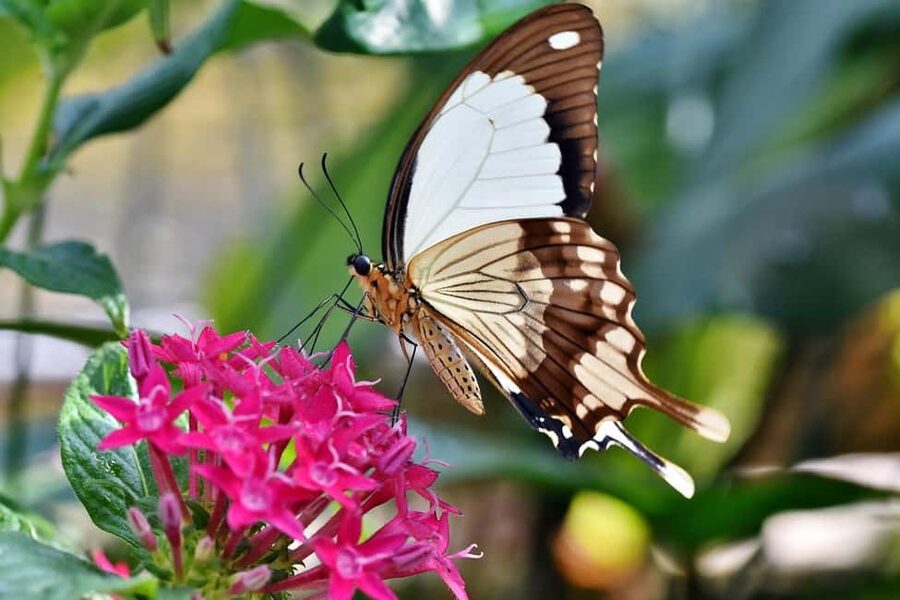
Parking can shape your first impression. Free parking is limited, and Lot A is the closest option to the admissions kiosk, entry area, and Garden Gift Shop.
If Lot A has space, use it. The short distance matters if you are carrying a bag, traveling with children, or managing limited mobility. The available information does not promise a large parking supply, so arriving earlier in the 8 AM to 4 PM operating window is a practical move.
Once inside, you can set your own pace. There is no required group departure time, and the ticket is valid for the day. That gives you a useful choice: walk steadily through the collections, or slow down and spend more time in the areas that interest you most.
Because the garden is spread across 38 acres, comfortable shoes are sensible. That is basic advice rather than a stated rule, but the size of the grounds means you should expect more walking than a compact indoor exhibit.
Formal gardens and native Texas plants
The formal gardens offer a clear starting point for understanding the garden’s design. Here, planting is arranged with more structure, giving you a chance to notice how color, shape, spacing, and plant groupings create a display.
The native Texas collections add a stronger sense of place. Instead of seeing only imported ornamentals, you can connect the garden to the plants that belong to the state’s own natural setting. For anyone interested in regional gardening, this part of the visit may be more useful than a purely decorative flower display.
I like this contrast because it keeps the visit from becoming repetitive. One section may appeal to your eye, while another gives you a better feel for local plant life. You are not simply walking past beds of flowers. You are seeing different choices in planting and presentation across the same garden.
The supplied information does not identify every themed area or list the plants found in each one. That means you should treat the garden as a place to explore rather than arrive with a fixed checklist. The broad promise is clear: you will find formal gardens, native collections, imported plant life, and themed horticultural displays.
Rare species and the garden’s conservation work
The garden cares for 35 endangered and rare plant species. This is one of the strongest reasons to visit, especially if you want more from a garden than attractive scenery.
Rare plants can be easy to overlook when you are focused on flowers and large displays. I suggest slowing down around collection areas and reading any available interpretation rather than treating the plants as decoration. The value here lies in seeing conservation work in a setting that remains open and pleasant to explore.
The garden’s conservation role also gives context to the formal displays. Some plants are there for beauty, while others represent species that need protection and careful care. You get a clearer picture of how public gardens can support education and plant preservation at the same time.
No specific guided conservation talk is promised with general admission. If you want a deeper explanation, check the schedule for educational programs or ask whether a guided option is available during your visit. A personal guide is not part of the $18 ticket.
Same corner of the map, a different planting:
- Seattle: Chihuly Garden and Glass Entry Ticket
★ 4.8 · 374 reviews - Savannah Midnight in the Garden of Good & Evil Narrated Walking Tour
★ 5.0 · 370 reviews - George Washington’s Mount Vernon Gardens & Grounds Admission
★ 4.5 · 340 reviews - Tampa: Busch Gardens Tampa Bay Ticket & Multi-Park Options
★ 4.3 · 332 reviews
Themed areas and a slower pace
Themed garden areas give the visit its variety. Each section presents a different horticultural idea or plant grouping, so you can compare styles as you move through the grounds.
This is where I would avoid rushing. The garden is not a single viewpoint that you see and leave. Its appeal comes from the changes between areas, from formal design to native plants to displays focused on botanical variety.
You may find a quiet place to sit and simply take a break. The garden specifically offers peaceful spots for relaxation, which makes it useful for a mixed group. One person can focus on plants, another can enjoy the setting, and everyone can take a pause without needing to follow a strict tour route.
The 8 AM opening is helpful if you prefer a quieter start and want to make the most of the day. The garden closes at 4 PM, so watch the time if you stop often for photographs, reading, or rest.
Education beyond the plant displays
The garden’s educational programs reach more than 28,000 participants each year. That figure suggests a serious teaching mission, not just occasional signage beside flower beds.
For you, the practical point is that the garden can work as both a casual outing and a learning-focused visit. You can walk through the collections without joining a program, or you can check what educational activities are available during your date.
The exact program schedule is not provided here, so I would not assume a particular class, talk, or demonstration will run when you arrive. Program availability may shape the day, and it is worth checking current details before booking if education is your main reason for going.
A guided tour may also deepen your understanding of the plant collections and conservation work. Since no guide names or specific tour times are supplied, general admission should be viewed as independent access rather than a guaranteed guided experience.
Art, architecture, music, and theater
The garden also hosts experiences connected with art, architecture, music, and theater. That gives the site a wider cultural role and may add something different to a return visit.
More than 21,000 people attend special events each year. If an event lines up with your visit, you may find the garden feels very different from a quiet daytime walk. Plant collections can provide the setting, while cultural programming gives the visit a more social or performance-based focus.
Do not assume every event is included in the standard admission price. The supplied information confirms that the garden hosts these experiences, but it does not state that every program or event comes with the $18 ticket. Check the event details before booking if a concert, performance, or exhibition is central to your plans.
For a first visit, I would focus on seeing the garden itself. Then, if you enjoy the setting, a return trip built around a special event could offer a new way to experience the grounds.
How much time should you allow?
The ticket is valid for one day, and the garden is open daily from 8 AM to 4 PM. You do not need to use every available hour, but the full-day validity gives you freedom to take the visit slowly.
I would allow several hours if you want to see a broad selection of the formal gardens, native collections, rare plants, and themed areas. Add time for sitting, photography, an educational program, or a special event if one is scheduled.
A quick visit may work if you are nearby and want a short nature break. Still, the price feels strongest when you use the garden as a substantial part of your day rather than a brief stop between other San Antonio attractions.
The absence of a fixed itinerary is a benefit for some people and a drawback for others. You get freedom, but you also need to decide how to spend your time. If you prefer a guided route with a guide explaining each stop, this ticket may feel too independent.
Accessibility and practical limits
The garden is listed as wheelchair accessible, but wheelchair accessibility is also described as limited. Take that warning seriously if mobility access is important to your plans.
The information provided does not explain which routes, surfaces, or garden areas may be difficult. Contact the garden before your visit if you need precise access details. Do not assume every part of the 38-acre site will be equally easy to reach.
Lot A is the closest parking area to the admissions kiosk and entry point, which may help reduce the distance from your car. Limited free parking remains a consideration for anyone who needs a convenient arrival.
The garden’s size can be a benefit, but it can also make a visit more tiring. Plan rest breaks, especially if you hope to stay for several hours.
What the praise gets right, and where caution is needed
The strongest reaction is clear: the garden can be remarkably beautiful. A recent five-star visit called it absolutely gorgeous, and another described it as a place where someone could spend a lifetime. That fits the basic character of the site: 38 acres, many plant collections, quiet areas, and enough variety for repeat visits.
The high overall rating of 4.5 from 14 reviews supports the idea that most people find the garden rewarding. At the same time, the experience is not guaranteed to be identical every day.
One serious complaint described arriving when everything seemed closed, with no exhibits open and almost no one present. A refund was requested. That report does not tell us why the garden was in that condition, but it gives you a useful warning: confirm current operating details and exhibit availability before you go, particularly around holidays, special closures, or unusual schedules.
The timing of your visit matters. A beautiful garden is only good value if the areas you want to see are open. The flexible cancellation policy helps here: you can cancel up to 24 hours in advance for a full refund, and you can reserve now while paying later. Those options reduce some risk when your schedule is uncertain.
Who will enjoy this garden most?
I would recommend the San Antonio Botanical Garden to you if you like plants, quiet outdoor spaces, conservation, photography, or self-guided sightseeing. It also suits people who want a slower cultural activity rather than another tightly scheduled attraction.
Families may appreciate the room to move and the educational purpose, though the supplied details do not identify specific children’s activities. Gardeners and plant enthusiasts will likely get the most from the rare species, native Texas collections, and themed displays.
It may be less suitable if you want a short, highly scripted tour with a named guide and constant explanation. No personal guide is included, and no guide names are provided. You will need to set your own pace and make your own discoveries.
Visitors with mobility needs should check access details first because accessibility is limited in some way, even though the garden is listed as wheelchair accessible. That conversation is worth having before you pay.
Should you book the San Antonio Botanical Garden?
Book it if you can give the garden several hours and want a peaceful, plant-focused outing with a real conservation and education role. At $18, the access to 38 acres and all garden areas is fair value, especially if you enjoy moving slowly rather than rushing from sight to sight.
Check current opening details before leaving, and use Lot A if possible. If you need full wheelchair access or a guided experience, ask specific questions first. For everyone else, this is a flexible and worthwhile San Antonio stop, with enough beauty and variety to reward a careful visit.
FAQ
How much does admission cost?
General admission costs $18 per person.
How long is the ticket valid?
The ticket is valid for one day.
What are the opening hours?
The garden is open daily from 8 AM to 4 PM.
Does admission include all garden areas?
Yes. General admission includes access to all garden areas.
Where should I park?
Free parking is limited. Lot A is closest to the admissions kiosk, entry area, and Garden Gift Shop.
Is the garden wheelchair accessible?
The garden is listed as wheelchair accessible, but wheelchair accessibility is limited. Contact the garden before visiting if you need detailed access information.
Just added around the USA
- Woodside: Filoli Historic House and Garden Entry Ticket★ 4.9 · 9 reviews
- Williamsburg: Busch Gardens Ticket & Water Country Option★ 4.2 · 101 reviews
- Miami: Vizcaya Museum & Gardens Ticket with Transport★ 4.6 · 9 reviews
- National Mall & Cherry Blossoms with Washington Monument Ticket★ 4.5 · 21 reviews
- NYC to D.C Day Trip: Thomas Jefferson Memorial to Cherry Blossoms★ 4.5 · 17 reviews
- DC Kenwood Cherry Blossoms Half-Day Small Group Tour★ 3.5 · 17 reviews
- Skagit Valley Tulip Festival Day Tour from Seattle★ 4.5 · 7 reviews
- Tulip Festival and Skagit Valley Tour★ 5.0 · 7 reviews
USA Garden Tours, compared.
Princeville Botanical Gardens Tour and Chocolate Tasting Ticket
Read our review →

Savannah Midnight in the Garden of Good & Evil Narrated Walking Tour
Read our review →

George Washington’s Mount Vernon Gardens & Grounds Admission
Read our review →
Tampa: Busch Gardens Tampa Bay Ticket & Multi-Park Options
Read our review →
General Admission to Denver Botanic Gardens Ticket
Read our review →
Avery Island Experience- Tabasco & Jungle Gardens Self-guided tour
Read our review →Browse the lists this tour appears in